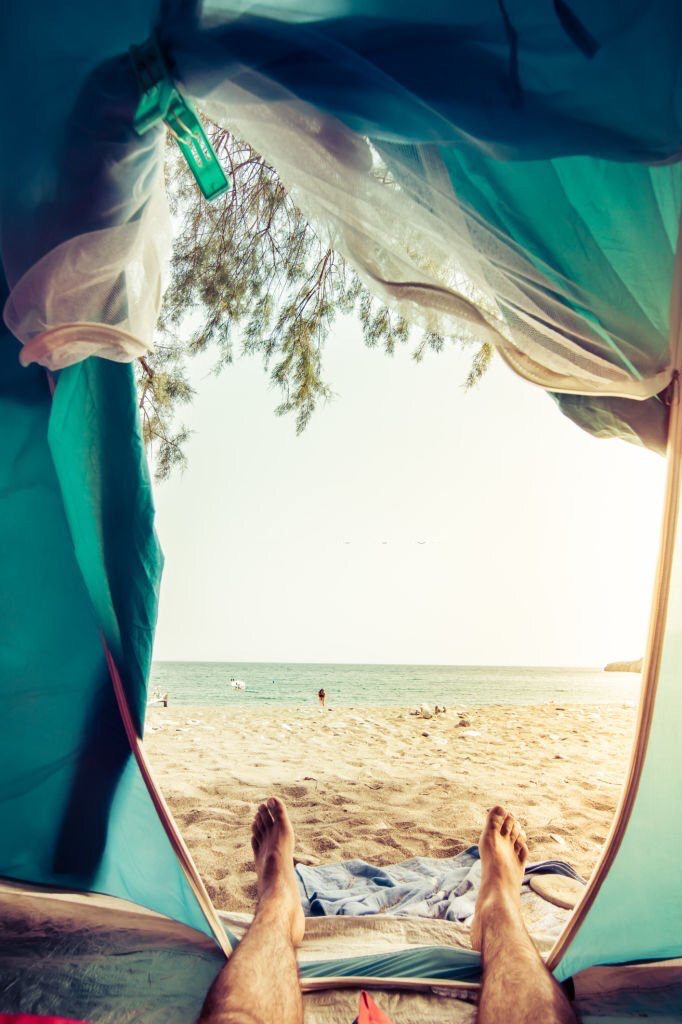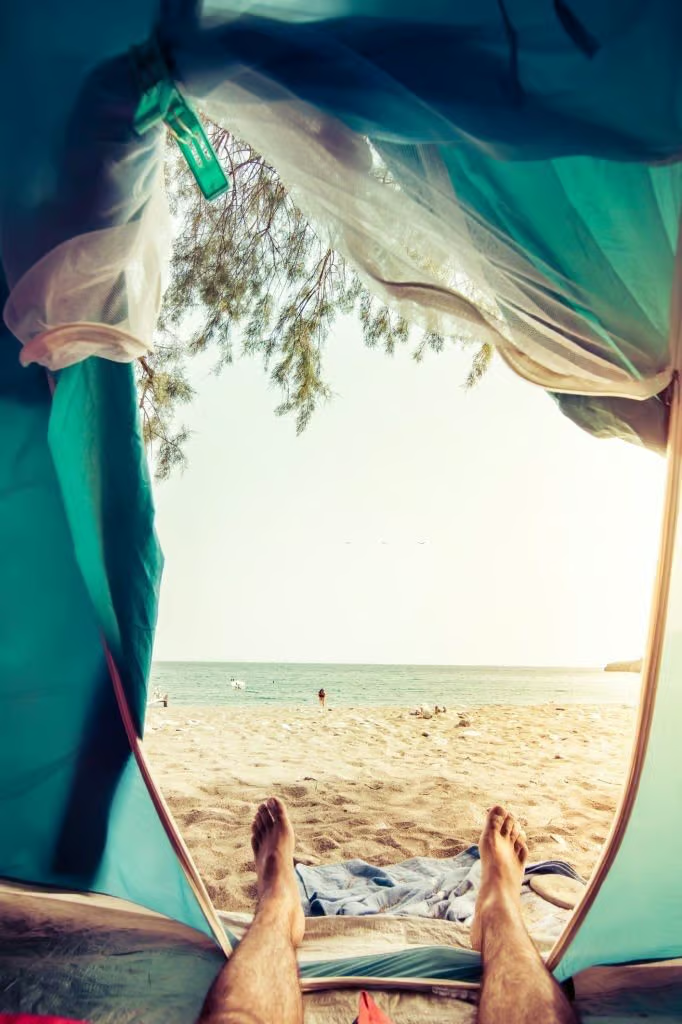


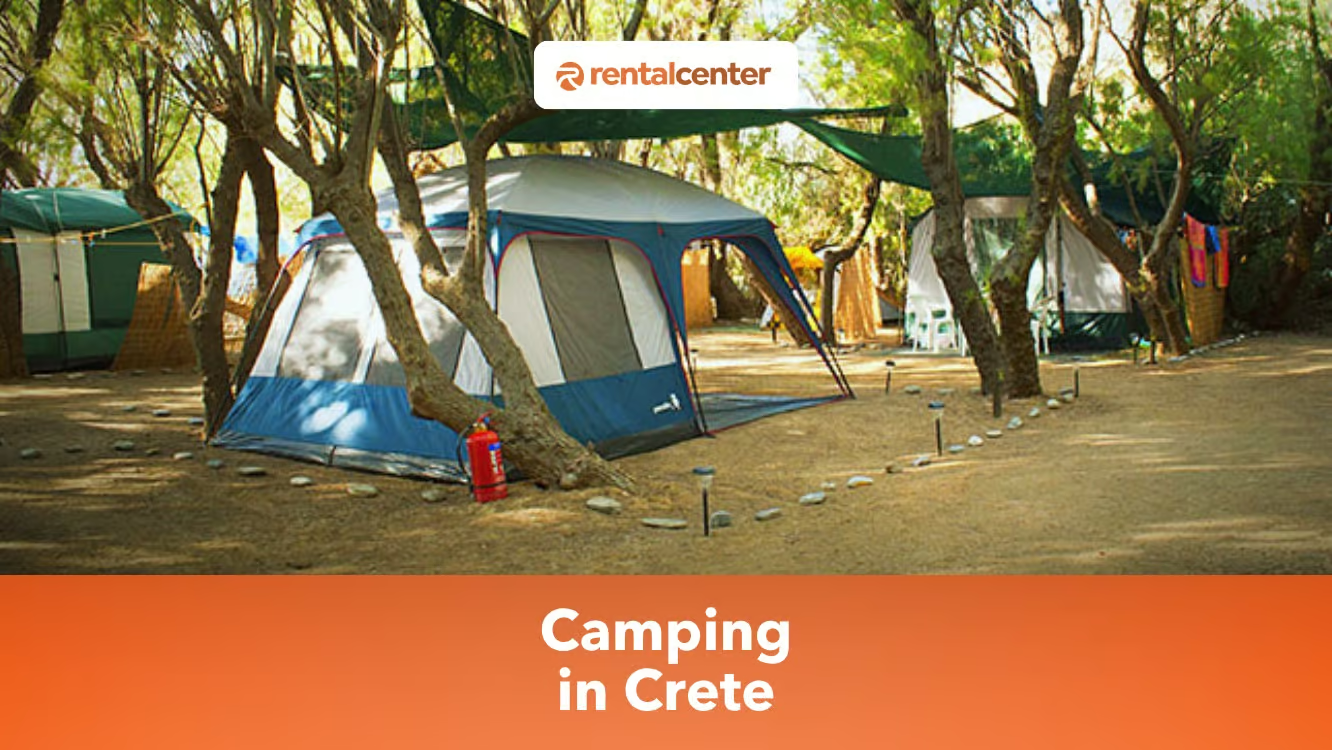
Crete, the largest Greek island, has eight recommended campsites spread across its north and south coasts. Wild camping is illegal in Greece, so you camp only in licensed, designated sites, which cost roughly €5 ($5.74, £4.24) to €20 ($22.96, £16.95) per person per night. Camping keeps you in direct contact with the land of Crete, and the summer air is dry because it seldom rains.
Is Wild Camping Legal in Crete?
No. Wild camping is illegal across Greece, including Crete, and you may camp only in licensed, designated campsites. Camping outside designated areas, such as on public beaches or in protected nature areas, leads to fines or other penalties. Camping near archaeological sites like Knossos is also prohibited. Always check the specific rules with the local authorities or the campsite staff before you set up.
Get up-to-date site information by calling local tourism offices, checking camping platforms, or contacting the campsite directly. These platforms list each campsite’s location, amenities, and availability.
Camping safety on Crete: all eight sites listed below are considered safe. Take normal precautions, secure your valuables, stay aware of your surroundings, and follow each campsite’s on-site rules.
The 8 Best Campsites in Crete at a Glance
Find below the best camping sites in Crete, with their region and indicative overnight cost:
- Nopigia, northwest coast, 35 kilometers (21.75 miles) west of Chania. From €5.98 ($6.87, £5.07) per adult per night. Sandy swimming beaches, good for families.
- Mithimna, Drapanias, northwest coast, 3 kilometers (18.64 miles) west of Chania. Tent pitches from €4.5 ($5.17, £3.81) per night. Open April to October, 80 pitches, full amenities.
- Grammeno, southwest coast, near Paleochora. Clean showers, shared kitchen, on-site taverna.
- Paleochora, southwest coast on the Libyan Sea. From €17.11 ($19.64, £14.50) per night for two people. Beaches plus White Mountains scenery.
- Koutsounari, southeast coast. From €18.35 ($21.07, £15.55) per night for two guests. Quiet beaches and olive groves.
- Agia Galini, south coast on the Libyan Sea. From €29.94 ($34.37, £25.37) per night. Pets stay free.
- Sissi, north coast. Small harbour, quiet setting, relaxed atmosphere.
- Creta Camping Gouves, near Heraklion, north coast. From €42.78 ($49.12, £36.26) per night. Communal kitchens, sports courts.
1. Nopigia
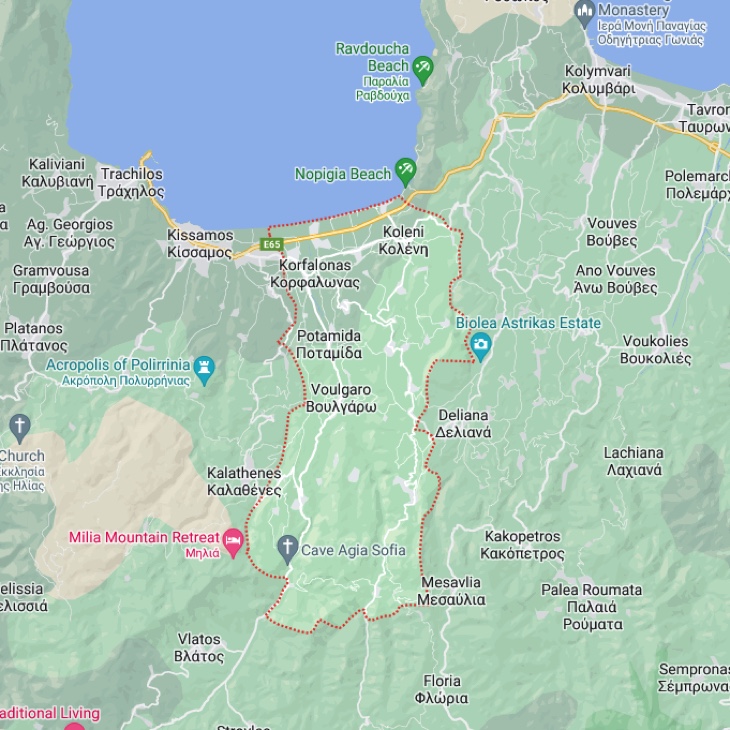
Nopigia sits about 35 kilometers (21.75 miles) west of Chania on Crete’s northwest coast, where families camp beside sandy swimming beaches. The village is known for its beaches and the rough coastline, olive fields, and Mediterranean views around it. The area stays quiet and makes a nice base for campers.
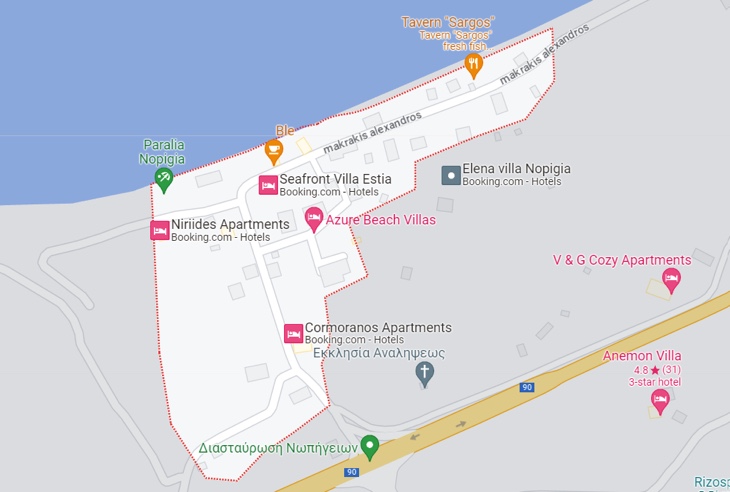
Campers at Nopigia swim, sunbathe, and walk along the beach. Nearby beaches suit snorkelling and swimming, and the surrounding countryside is good for walking or cycling. Nopigia has no dedicated activity areas, but its natural setting gives you plenty of space outdoors.
Nopigia has no full-amenity campsite with bathrooms and cooking facilities. Instead, the area offers private lodging or small-scale camping. Pet rules depend on the lodging or campsite you choose, so contact the provider directly.
Nopigia charges €5.98 ($6.87, £5.07) to €6.84 ($7.85, £5.80) per adult per night; children aged four to ten pay €3.42 ($3.93, £2.90) to €3.85 ($4.42, £3.26). Fees depend on the private hotel or campground you use, because Nopigia has no single designated camping ground.
2. Mithimna
Mithimna Camping sits in Drapanias on the northwest coast of Crete, 3 kilometers (18.64 miles) west of Chania and 4 kilometers (2.49 miles) east of Kissamos, right next to a sandy beach overlooking the Gulf of Kissamos. The campground opens from April to October and has 80 camping pitches. Facilities include electricity, free WiFi, hot showers, washing machines, a well-stocked minimarket, and secure parking. The restaurant serves fresh seafood and Cretan dishes such as moussaka and stuffed grape leaves, and a beachside bar rounds off the day.
Accommodation ranges from bring-your-own tent pitches to fully outfitted rental tents. Tent pitches start at €4.5 ($5.17, £3.81) per night and campervans cost €6 ($6.89, £5.09) to €7 ($8.04, £5.93). Rental tents for two to four people cost €20 ($22.96, £16.95) to €35 ($40.18, £29.66) per night. For more privacy, 15 studios with kitchenettes and 13 apartments both start at €55 ($63.15, £46.61) per night. The staff arrange car and motorcycle rental as well as tours to Elafonisi Beach and Samaria Gorge.
On-site facilities include a children’s playground and billiards. The campground also runs organised excursions to Elafonisi Beach, Balos Lagoon, and Samaria Gorge, with round-trip transport and experienced guides.
3. Grammeno
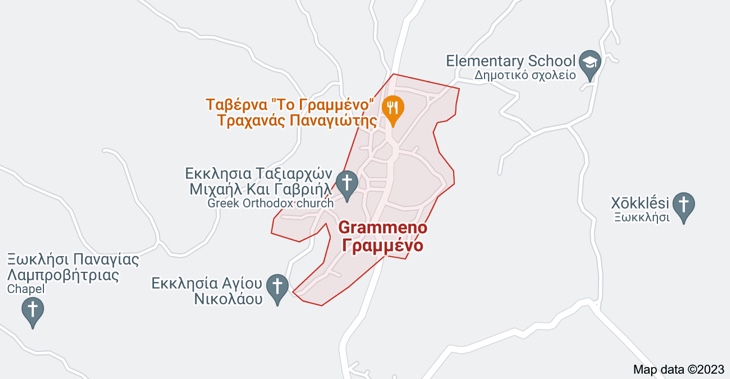
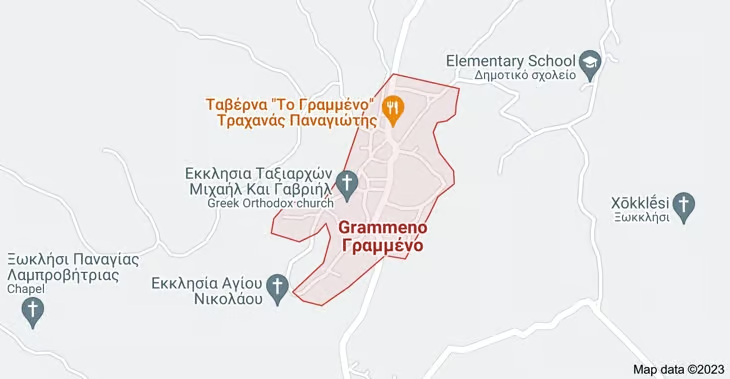
Grammeno is a well-known camping area on Crete’s southwest coast, close to the town of Paleochora. Stunning natural scenery surrounds it, and its position near the water makes it easy to reach nearby beaches. The famed rocky shoreline, clear waters, and sunsets add to the appeal of camping at Grammeno.
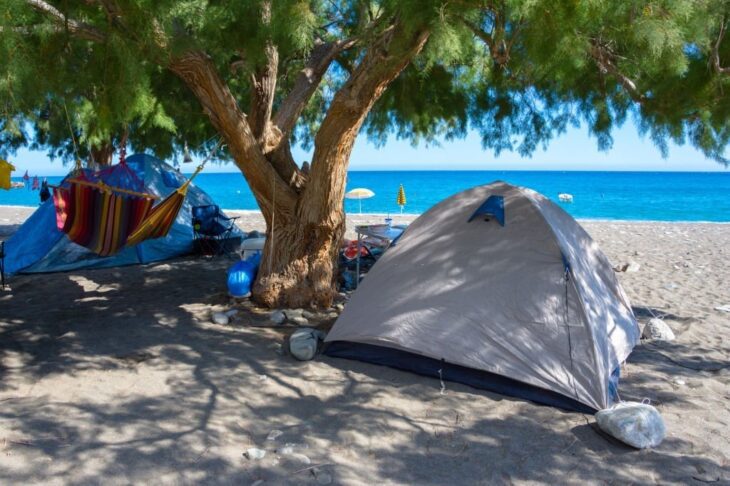
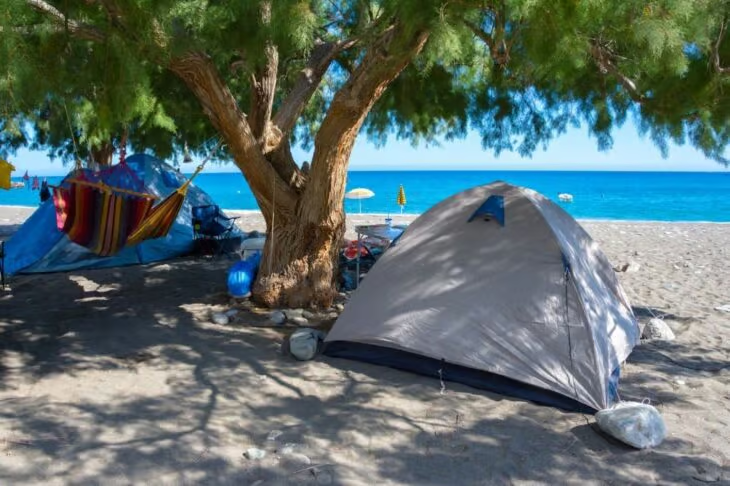
Campers at Grammeno swim, sunbathe, and take up water sports such as snorkelling and paddleboarding on the adjacent beaches. Hiking and cycling paths nearby let visitors explore the surrounding landscape. Grammeno has no dedicated leisure facilities on the property, but the neighbouring beaches and natural setting give plenty of room for outdoor activity.
The campground provides restrooms with toilets and showers. Contact the campsite management directly to confirm precise amenities, including whether shared kitchens or designated cooking spaces are available, or bring your own camping stove.
Campers reviewing Grammeno on travel platforms highlight its large fridge, cooking area, and a good taverna, and describe the washrooms, showers, and kitchen as clean and functional; many rate the stay as inexpensive. Camping fees vary by season, length of stay, and services, so speak with the campsite management directly for current rates.
4. Paleochora
Paleochora is a picturesque village on the southwest coast of Crete, Greece. It is known as the “Bride of the Libyan Sea” for its natural beauty and laid-back atmosphere, nestled between the Libyan Sea and rugged mountains. Long sandy beaches, rocky coves, clear waters, and the peaks of the White Mountains frame the village.
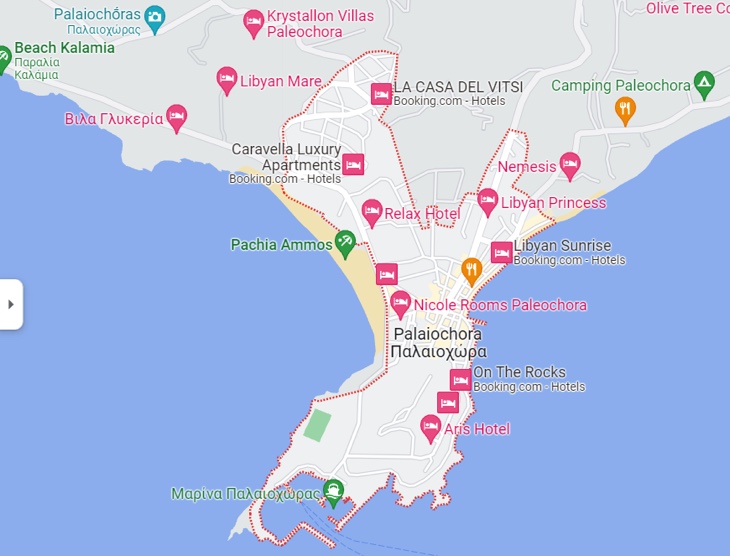
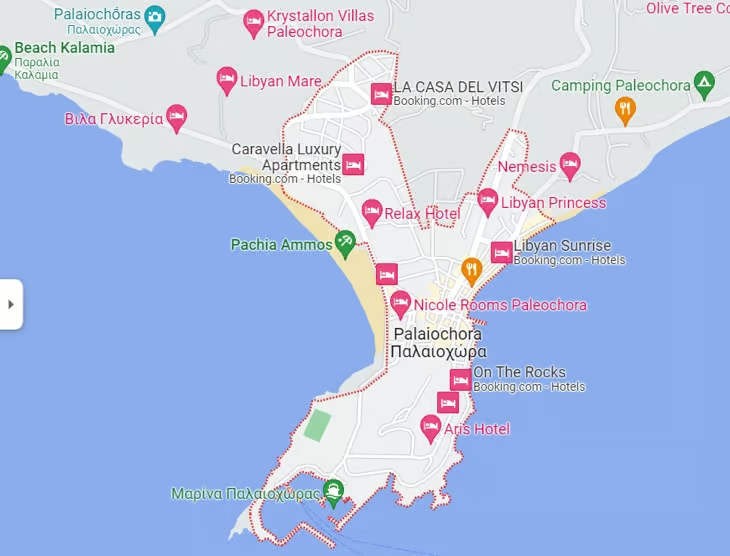
Paleochora offers swimming, sunbathing, and water activities such as snorkelling, diving, and windsurfing on its beaches. The nearby mountains give hiking and biking routes with panoramic views. The town has a charming old quarter of narrow streets, traditional buildings, shops, and restaurants that show the local culture.
Most hotels, guest houses, and flats in Paleochora provide bathroom facilities, and some offer private or communal kitchens. Pets are allowed at most campsites, though the policy varies by site, so contact the provider directly.
Campers reviewing Paleochora describe it as a lovely place to stay with good value, including tent rentals with beds and nearby taverns. Camping costs €17.11 ($19.64, £14.50) to €28.23 ($32.41, £23.92) per night for two people, depending on the site or lodging you choose.
5. Koutsounari
Koutsounari is a charming village on the southeast coast of Crete with a tranquil, relaxed atmosphere. It sits between the Libyan Sea and the mountains, with long sandy beaches, craggy cliffs, and olive groves.
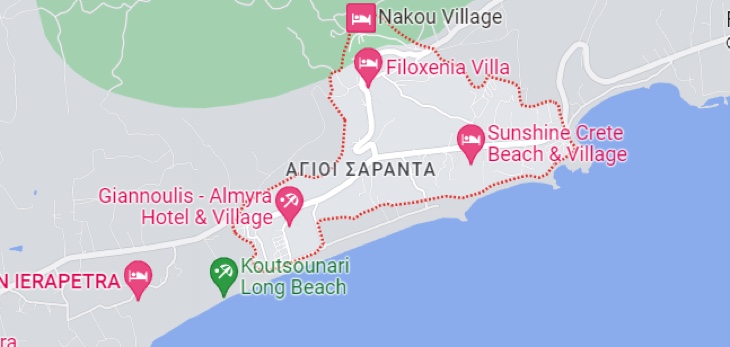
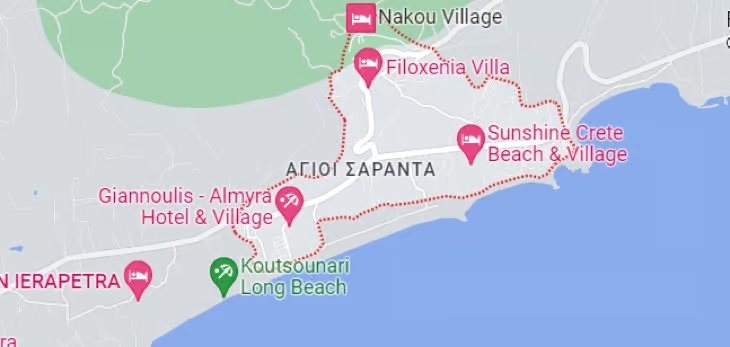
Koutsounari offers swimming, sunbathing, and shoreline strolls, plus water sports such as snorkelling, scuba diving, and paragliding for those wanting more excitement. The nearby mountains provide hiking and biking trails. Koutsounari has no dedicated activity areas, but its natural surroundings leave room for beach games, picnics, and sport.
Koutsounari accommodations provide bathrooms and feature private or shared kitchens, so guests can prepare their own meals. If you camp, confirm cooking facilities with the site directly or bring a camping stove.
Campers reviewing Koutsounari describe it as organised and clean with friendly staff. The campsites are usually pet friendly, though policies vary, so contact the provider directly. Camping fees start from €18.35 ($21.07, £15.55) per night for two guests, depending on the site or lodging chosen.
6. Agia Galini
Agia Galini is a picturesque coastal community on the southern coast of Crete, Greece, combining traditional Greek appeal with a laid-back atmosphere. The village sits on a hill overlooking the Libyan Sea, surrounded by rocky cliffs, sandy beaches, and hillsides of olive groves and vineyards.
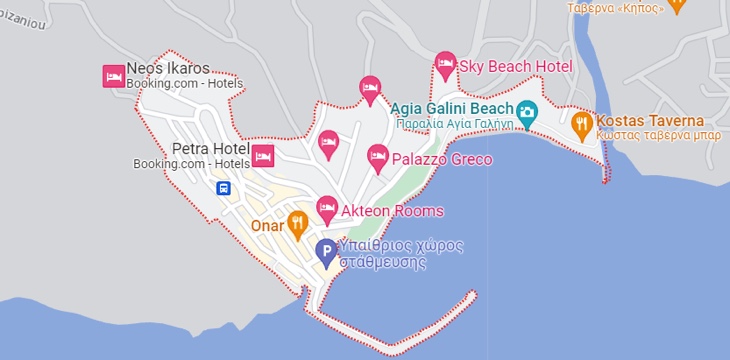
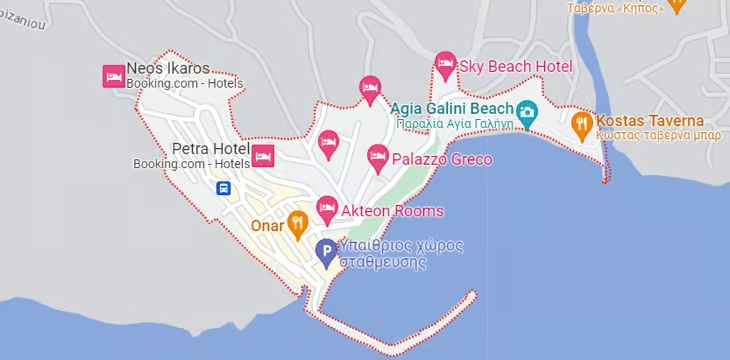
Agia Galini offers swimming, snorkelling, scuba diving, boat cruises, and excursions. Guests swim, sunbathe, and unwind on the village beach, and boat trips run to nearby islands and secluded beaches. The surrounding countryside suits hiking, biking, and horse riding.
Accommodations in Agia Galini include bathrooms and feature private or shared kitchens. Campers describe the campsite as intimate, with spacious, quiet pitches for a relaxed outdoor stay. Pets stay free. Camping fees start from €29.94 ($34.37, £25.37) per night, depending on the site or lodging chosen.
7. Sissi
Sissi is a picturesque community on the northern coast of Crete, Greece, known for its calm and natural beauty. The village lies between the sea and rugged hills, with rocky mountains, small beaches, and turquoise waters.
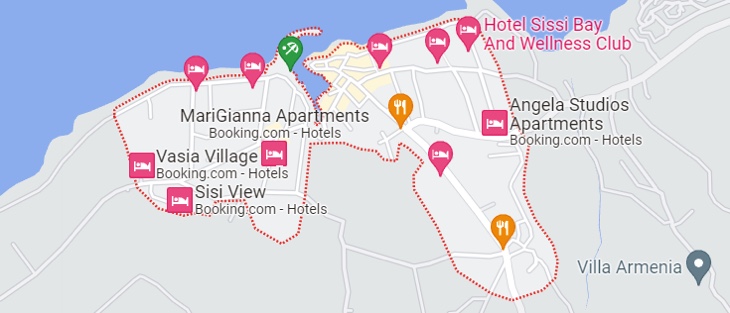
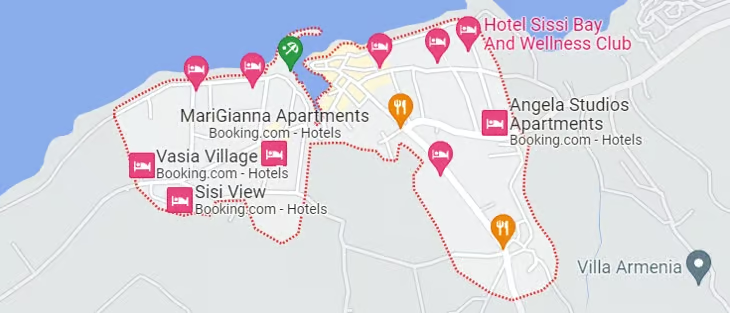
Sissi offers walks with sweeping views, swimming, sunbathing, hiking trails, and water activities. The small harbour invites leisurely strolls, and the surrounding beaches suit snorkelling and diving. Boat excursions run to nearby islands. Sissi keeps a more laid-back atmosphere than Crete’s larger tourist destinations.
Accommodations in Sissi provide restrooms, including at campgrounds, and feature private or shared kitchens where visitors prepare their own meals. If you camp, bring a camping stove or confirm cooking areas with the site directly.
Campers reviewing Sissi describe it as a nice, well-organised place with well-maintained toilets, shady spots for tents, and light occupancy in September. Pets are not allowed at Sissi camping; policies vary by site, and some lodgings allow leashed pets, so contact the provider directly. Camping fees vary by site or lodging chosen.
8. Creta Camping Gouves
Creta Camping is a renowned campground in Gouves, close to Heraklion on the north coast of Crete. This coastal site makes a comfortable base for exploring the island, surrounded by sandy beaches, rolling hills, and lush vegetation. Facilities include modern restrooms with clean toilets, hot showers, and basins for washing dishes, plus communal kitchens with appliances and utensils for campers who cook their own meals.
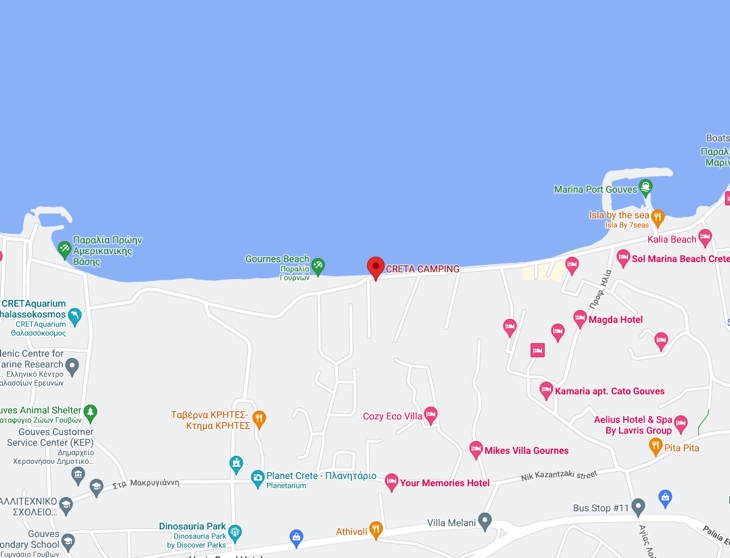
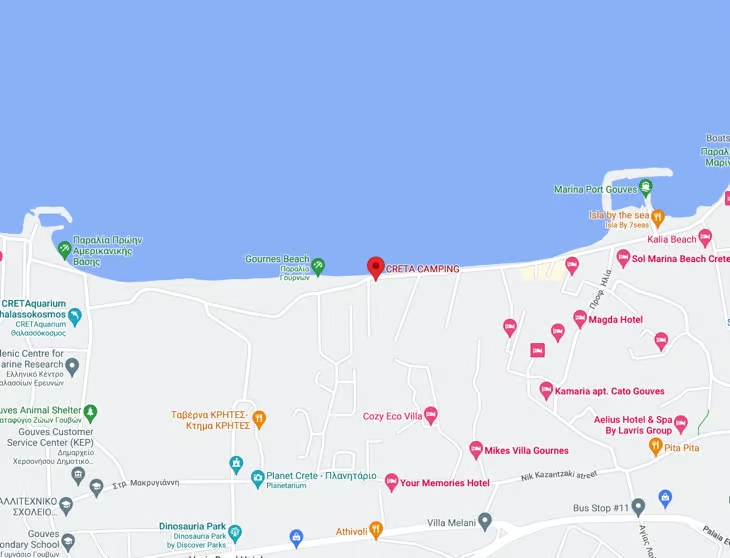
Creta Camping offers plenty to do. Campers sunbathe and swim in clear waters or take up snorkelling, diving, and windsurfing on the nearby beach. The site has volleyball and basketball courts and designated activity areas for outdoor games and group activities.
Guests reviewing Creta Camping describe it as exceptional, with snack bars and restaurants nearby so there is no need to cook. Pets are permitted; confirm size limits or additional fees with the campground management. Camping fees vary by season, lodging type (tent, camper, and others), and length of stay, and start from €42.78 ($49.12, £36.26) per night. Contact Creta Camping directly for current information.
How to Reach Remote Campsites in Crete (Car Rental)
To reach most of these campsites, rent a car and drive, because a car is the practical way to carry gear and access remote sites. Grammeno and Paleochora in the far southwest, and Koutsounari in the southeast, sit far from the airports and ports, so a rental car is the easiest way to reach them and carry your camping gear, provisions, and equipment.

A car lets you visit campgrounds across the island, including remote ones, and pick sites by your own preferences, such as proximity to the shore, mountains, or cultural attractions. It also lets you combine camping with local towns, scenic routes, hiking trails, and national parks.
When you rent a car for camping, consider its size and off-road capability, and the storage space for gear if you plan to camp in remote areas. Read the rental agreement terms, including insurance coverage, mileage limits, and any off-road restrictions. Drive responsibly, obey traffic rules, and park in designated areas to avoid fines.
Rental Center Crete is recommended by tourists for car hire on the island. The Crete car hire company is a specialist that has served all of Crete’s major towns since 1975.
What Does Greek Law Say About Camping in Crete?
Camping in Crete and the rest of Greece is governed by national legislation. Camping is permitted mainly in designated, government-approved areas, which provide the necessary infrastructure and facilities. Obtain any required permits or permissions before you set up camp.
Greek law places a strong emphasis on environmental protection. Campers must respect the flora and fauna, and actions that harm the natural environment are forbidden. Manage refuse properly by using the designated bins or waste facilities at the campsites, and leave no trace.
Fire safety matters too. Strict rules reduce the risk of wildfires where campfires are permitted, and authorities set specific fire-safety guidelines for campers to follow. Water conservation is encouraged: use water sparingly and avoid polluting water sources.
Respect for other campers and nearby residents is required. Excessive noise and disruptive behaviour are prohibited, especially during designated quiet hours. Specific rules vary by region and by designated area, so consult the local authorities or the campsite administration before you visit.
Can You Camp Near the Archaeological Sites in Crete?
No, camping near archaeological sites on Crete is prohibited, including Knossos. These monuments are protected areas of historical and cultural significance that require preservation, so camping or any overnight stay near them is not allowed. The ban prevents damage to historical structures and artefacts and protects the site’s cultural heritage.
If you plan to visit Knossos or any other archaeological site on Crete, follow the rules set by the site administrators, which prohibit camping, photography, and handling the ruins. Camping is not permitted near Knossos and Minoan sites, but designated camping areas and accommodations in the surrounding regions give you a base from which to visit them.
Where to Find and Book Campsites in Crete
Listed below are the websites where you find available campsites in Crete.
- Camping.info: https://www.camping.info/en. Camping.info holds a comprehensive database of campsites worldwide, including Crete, with reviews, ratings, and detailed information for each site.
- Pitchup: https://www.pitchup.com/campsites/greece/crete/. Pitchup offers a wide selection of campsites across Crete, with detailed information, reviews, ratings, and online booking.
- Eurocampings: https://www.eurocampings.co.uk/greece/crete/. Eurocampings lists campsites across Europe, including Crete, with reviews, ratings, and detailed descriptions.
- Campercontact: https://www.campercontact.com/en/greece/crete. Campercontact is built for camper van and motorhome travellers and lists campsites in Crete with reviews, ratings, and facility information.
- Alan Rogers: https://alanrogers.com/camping/greece. Alan Rogers specialises in campsite reviews across Europe and features a selection of sites in Crete.
What Types of Vehicles Are Suitable for Camping?
Six types of vehicles suit camping in Crete: the camper van, the conversion van, the recreational vehicle, the tent trailer, the caravan, and the off-road SUV. Each type is described below.
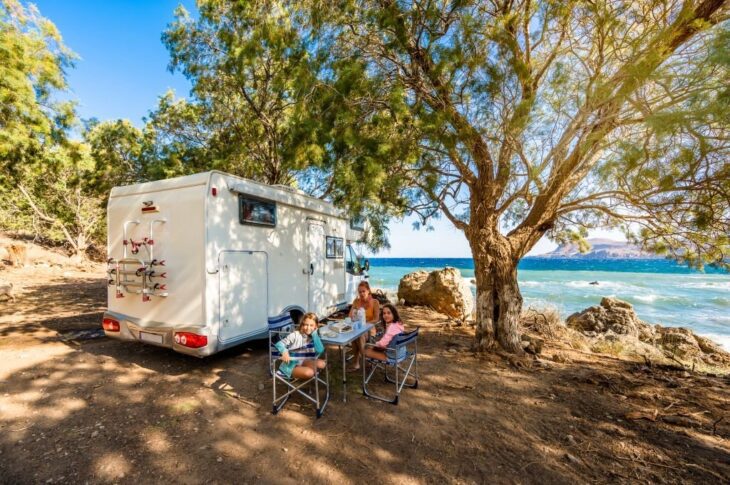
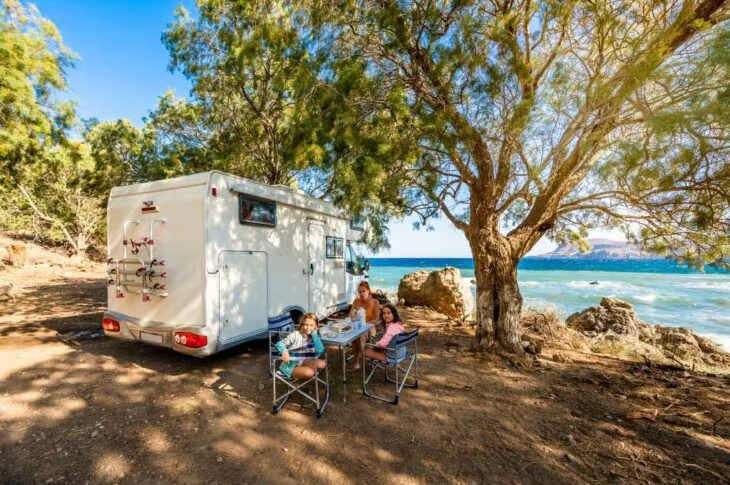
- Camper Van: Camper vans, or motorhomes, are built for camping and provide a compact, self-contained living space with sleeping areas, a kitchenette, and a toilet. At Mithimna, campervan pitches cost €6 ($6.89, £5.09) to €7 ($8.04, £5.93) per night.
- Conversion Van: Conversion vans are regular vans modified to include sleeping areas, storage, and basic amenities. They are an affordable, flexible option for solo travellers or small groups.
- Recreational Vehicle (RV): RVs are larger motorhomes with bedrooms, kitchens, bathrooms, and dining areas. They give more space and comfort for longer trips.
- Tent Trailer or Pop-Up Camper: Tent trailers and pop-up campers are lightweight trailers that collapse for easy transport and storage, with sleeping areas and basic amenities such as a kitchenette.
- Caravan: Caravans, or travel trailers, are towable living spaces with sleeping areas, kitchens, and toilets, but need a separate vehicle to tow them.
- SUV or Off-Road Vehicle: An SUV or off-road vehicle fitted with a rooftop tent gives an elevated sleeping area and a simple setup, suited to adventurous travellers.
What Are the Best Practices When Camping in Crete?
Listed below are the best practices when camping in Crete.
- Fire Safety: Follow campfire safety guidelines and light fires only in designated areas where permitted. Never leave fires unattended and fully extinguish them before you leave.
- Cultural Respect: Respect the local culture, traditions, and customs, and act responsibly to preserve the region’s heritage.
- Safety Precautions: Watch for potential dangers, secure your belongings, keep a weather watch, and be ready for emergencies.
- Conserve Water: Use water sparingly, avoid polluting water sources, and stay mindful of limited water resources.
- Noise and Consideration: Keep noise low, especially during quiet hours, and respect other campers’ privacy.
- Select Designated Camping Areas: Camp in government-approved areas, which have the facilities and infrastructure to accommodate campers while limiting environmental impact.
- Obtain Necessary Permissions: Check whether permits are needed before you set up camp, and keep the required documentation.
- Respect the Environment: Follow “Leave No Trace” principles, carry out your rubbish, and avoid disturbing the flora and fauna.
- Responsible Pet Ownership: Where dogs are permitted, keep them leashed and well-mannered, and clean up after them.
- Adhere to Local Regulations: Learn the campground and local authority rules on activities, waste disposal, and other camping regulations, and follow them.
Frequently Asked Questions
Can You Camp Anywhere in Crete?
No, you cannot camp anywhere in Crete. National and local laws limit camping to designated areas certified by the authorities, which protect the environment and cultural heritage. Camping is prohibited outside these areas, including in public parks, on beaches, and near archaeological sites. Check the specific regulations for the area where you plan to camp.
Are Tourists Welcome to Camp in Crete?
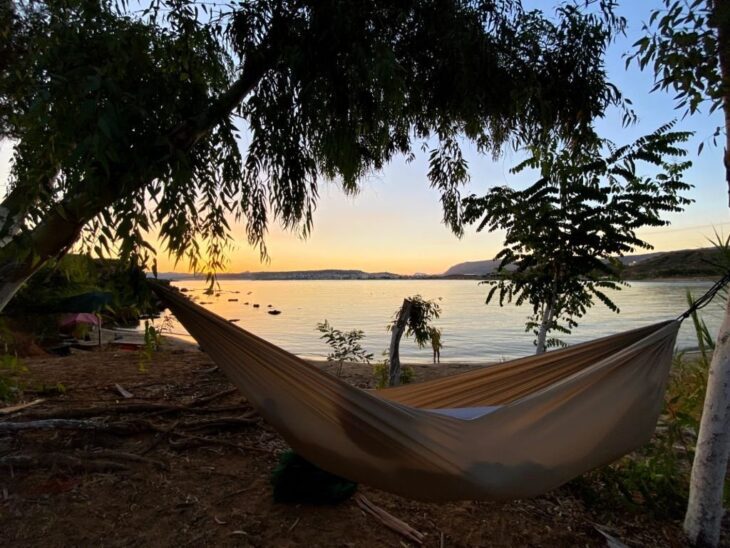
Yes, tourists are welcome to camp in Crete. The island has designated camping areas and facilities for both local and international campers, and the tourism industry recognises camping as a popular lodging option. Camping gives visitors an immersive way to experience Crete’s landscapes, beaches, and mountains, provided they camp in designated areas, obtain any necessary permits, and respect the environment and local laws.
Can You Free Camp in Crete?
No, free or wild camping is not legal in Crete or anywhere in Greece. You must use licensed, designated campsites. Camping on public beaches, in protected nature areas, or near archaeological sites can lead to fines.
Is Camping Expensive in Crete?
No, camping in Crete is not expensive. Costs vary by location, facilities, season, and site, but basic campgrounds with restrooms, showers, and pitches are the most budget-friendly option and cost far less than hotels or resorts. When you budget, add costs such as transport, food, and equipment rental. Compare sites and their amenities to keep expenses in check.