

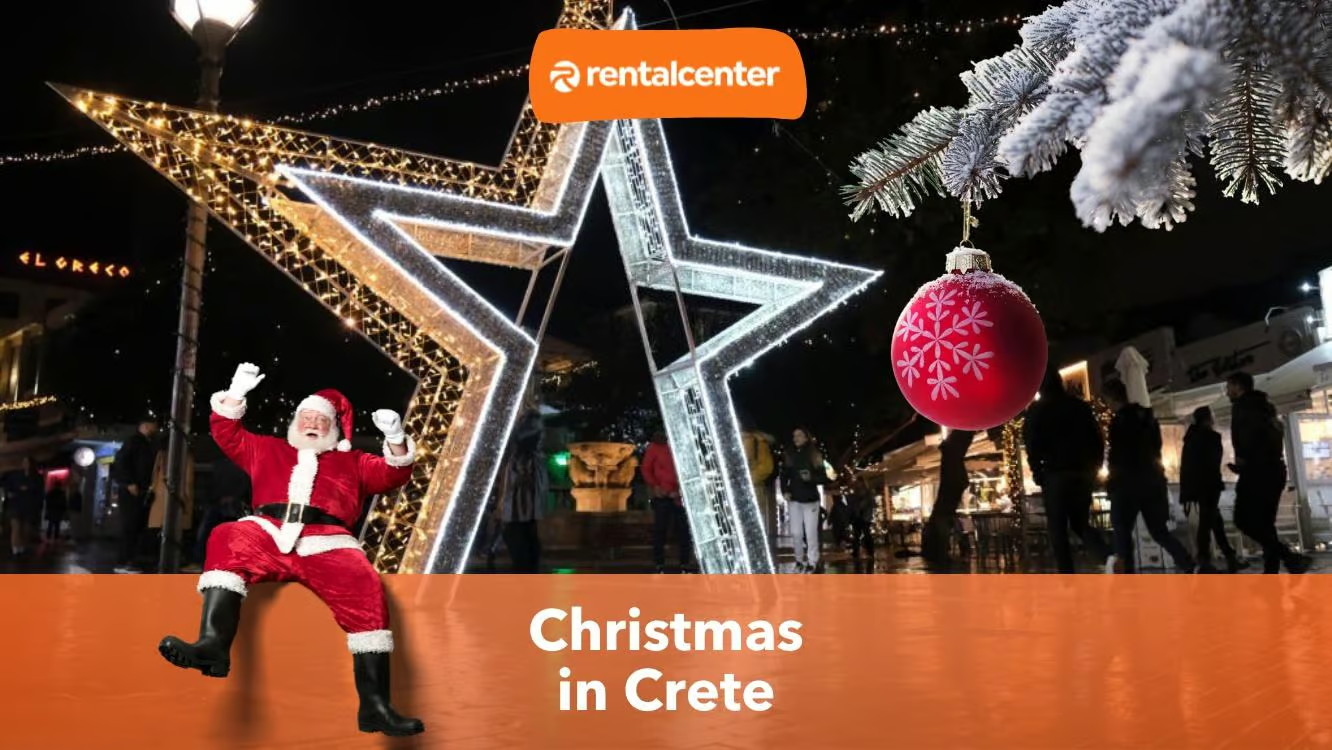
Christmas in Crete for the 2025–2026 season begins in early December and continues until January 6, following local traditions tied to the Orthodox calendar. Municipalities set up decorations during the first week of December and Christmas markets open shortly afterward in Heraklion, Chania, Rethymno, and Agios Nikolaos. The holiday period reaches its peak on December 24 and December 25, extends into New Year’s celebrations on January 1, and concludes with Epiphany events on January 6. Residents use the phrase “Kala Christougenna” to say “Merry Christmas”, and this greeting appears throughout island villages, city centers, and public squares.
Crete observes several Christmas traditions that shape local culture. Families prepare Christopsomo, bake melomakarona and kourabiedes, and attend Christmas Eve liturgy before returning home for late dinners. Children sing kalanta early on December 24 and December 31 using triangles and small instruments, and adults offer them coins or treats. Households decorate small wooden ships, reflecting Crete’s connection to the sea, and these ships appear in homes and public areas instead of large Christmas trees. Communities hold nativity plays in schools and cultural centers, and residents observe the Nativity Fast before Christmas Day. The holiday period concludes with the Blessing of the Waters on January 6, when swimmers dive into harbors to retrieve a wooden cross.
Christmas celebrations take place across Crete’s major cities. Heraklion prepares Eleftherias Square for its Christmas Market, and families visit stalls selling crafts, sweets, and seasonal products. Chania organizes its Christmas Market in the Municipal Garden and creates a Christmas Park with light installations and activity zones. Rethymno sets up decorated stalls in its Old Town, and Agios Nikolaos hosts market areas around Lake Voulismeni. Each city arranges concerts, children’s performances, charity activities, and New Year’s Eve gatherings, creating steady public events throughout December. Chania’s Santa Run on December 26 adds a major community fundraiser to the season with a 3.5-kilometer (2.2-mile) route through the Old Town and harbor.
Weather conditions in Crete during Christmas remain mild but cool, with daytime temperatures between 16°C and 18°C (61°F – 64°F) and nighttime temperatures between 10°C and 12°C (50°F–54°F). Rain occurs frequently, daylight hours shorten, and wind appears along the northern coastal areas. Visitors wear layered clothing, waterproof shoes, and light to medium jackets for walks through markets, harbors, and Old Town districts. Winter swimmers still enter the sea, although beach conditions remain quieter than in summer.
Travel during Christmas remains manageable and convenient. Visitors reach Crete through Heraklion Airport, Chania Airport, or winter ferry services. Car rental offers greater flexibility than taxis or transfers, especially when visiting multiple towns. December rates stay low, with small cars costing €33.8 (£28.7) per day and SUVs costing €79.5 (£67.4) per day. Parking remains easier than in summer because traffic decreases significantly throughout the island.
Christmas in Crete is worth celebrating because the island combines local traditions, community events, authentic winter markets, and a calm seasonal atmosphere that differs from peak tourist months. Travelers experience cultural customs that reflect everyday life in Crete, and the quieter environment supports relaxed exploration of cities, villages, and coastal areas during the holiday season.
What are the Christmas traditions in Crete?
The Christmas traditions in Crete follow long-established customs that link family life, religious observance, and seasonal symbolism across the island. Families begin preparations early in December through household cleaning, food planning, and small gatherings with relatives who live in the same village or nearby towns. Homes light fires in their fireplaces throughout the Twelve Days of Christmas to represent warmth and protection, a practice that traces back to older beliefs connected to keeping unwanted spirits away.
Cretan households bake Christopsomo, a Christmas bread decorated with walnuts that represent prosperity for the coming year. Residents prepare melomakarona and kourabiedes in large batches, and these sweets remain central to family visits throughout the holiday period. Children walk from house to house early in the morning on December 24 and December 31 to sing kalanta, a caroling tradition performed with triangles and small instruments. Adults offer small coins or treats to the children, and this exchange remains one of the most anticipated customs for younger family members.
Communities gather for midnight liturgy on Christmas Eve, and church bells guide residents through narrow village streets and town squares toward the service. Families share late dinners afterward, usually featuring pork dishes, local cheeses, and homemade wine. Many households decorate small wooden boats, a custom linked to Crete’s strong maritime heritage. These boats stand on tables, shelves, and entrances, and larger versions appear in public spaces across coastal towns.
Residents observe the Feast of Saint Basil on January 1 with family meals and the cutting of the Vasilopita, a New Year’s cake containing a hidden coin. The person who finds the coin is believed to receive good fortune for the year. Crete completes the holiday season on January 6 with Epiphany ceremonies held in harbors, lakes, and rivers. Priests bless the waters and throw a wooden cross into the sea, and swimmers dive to retrieve it as part of a ritual that symbolizes purification and renewal for the year ahead.
How is Crete decorated for Christmas?
Crete is decorated for Christmas through a mix of traditional symbols, maritime elements, and modest village displays that highlight the island’s local identity. Town centers place wooden boats on promenades and squares, and these boats reflect Crete’s long connection to the sea. Residents decorate the boats with small lights, ribbons, and ornaments, and many families place miniature versions inside their homes instead of large Christmas trees.
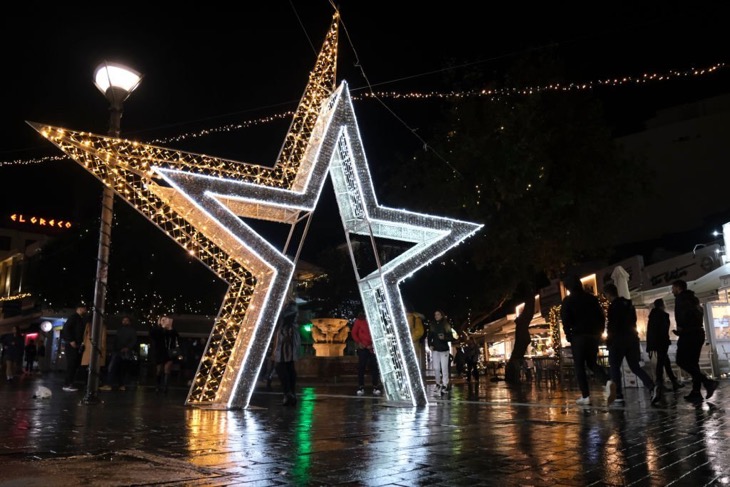
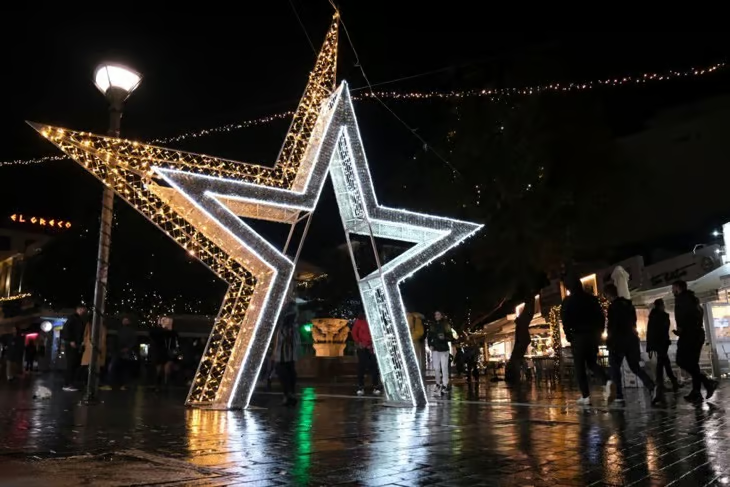
Municipalities hang light installations along main streets, and these decorations outline arches, stars, and simple geometric shapes rather than elaborate thematic designs. Local communities arrange illuminated pathways through harbors, plazas, and pedestrian streets so residents can walk to cafés, bakeries, and small shops during evening hours. Villages in the mountains add decorations to stone houses and narrow lanes, and households hang wreaths and small ornaments on wooden doors and balconies.
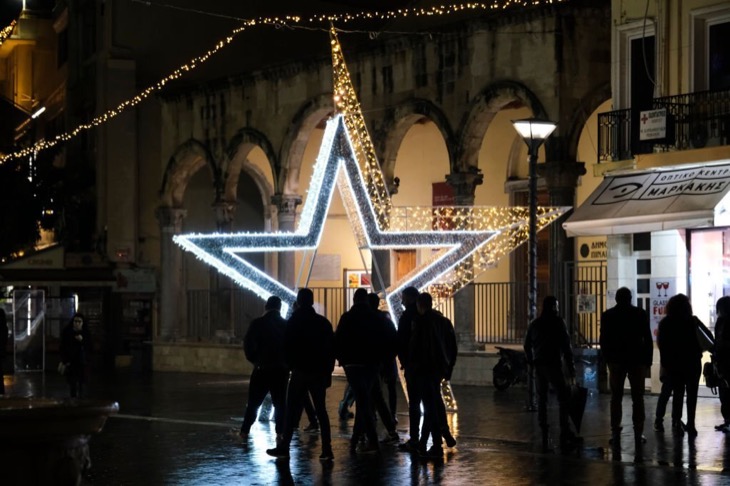
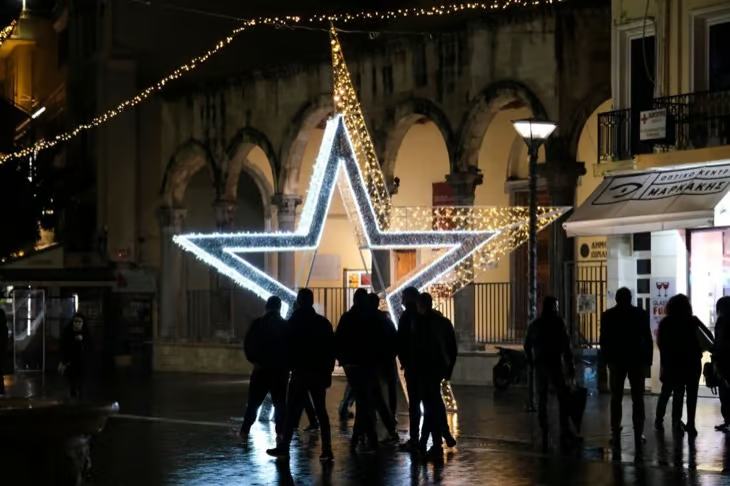
Homes place nativity scenes in living rooms or near fireplaces, and larger communities create public nativity displays in squares or outside churches. Families decorate indoor spaces with pine branches, ceramic ornaments, and handmade items passed down through generations. Shops add warm lighting to windows, and bakeries arrange seasonal sweets in displays that contribute to the festive atmosphere of each neighborhood.
Public spaces across Heraklion, Chania, Rethymno, and Agios Nikolaos install tall Christmas trees in main squares, and these trees serve as focal points for evening gatherings. Islands of lights decorate coastal roads, creating a festive route through towns that remain active during December. Crete’s decorations highlight simple details rooted in local tradition rather than large-scale commercial installations.
How does Crete celebrate Christmas?
Crete celebrates Christmas through family gatherings, church services, and community events that shape the island’s winter season. Families prepare meals that feature pork dishes, homemade bread, and local desserts, and these meals bring relatives together on Christmas Eve and Christmas Day. Households exchange greetings throughout the day, and residents use the phrase “Kala Christougenna” to say Merry Christmas in Greek.
Communities attend midnight liturgy on December 24, and church bells guide residents toward parish courtyards and village streets before the service begins. Families return home after midnight for late dinners that feature wine, cheeses, and dishes prepared earlier in the evening. Children wake early the next morning to receive small gifts, and families continue house visits throughout the day to share sweets and coffee with neighbors and relatives.
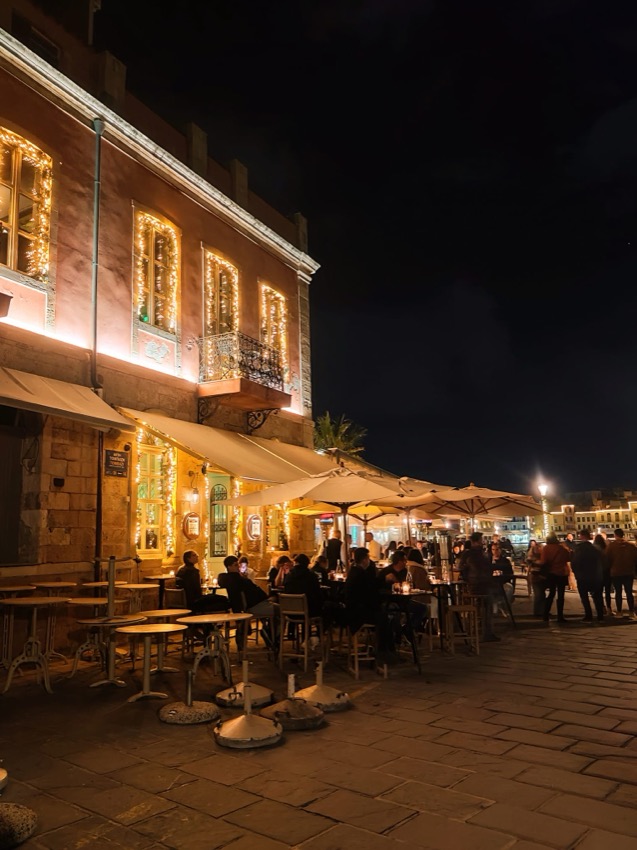
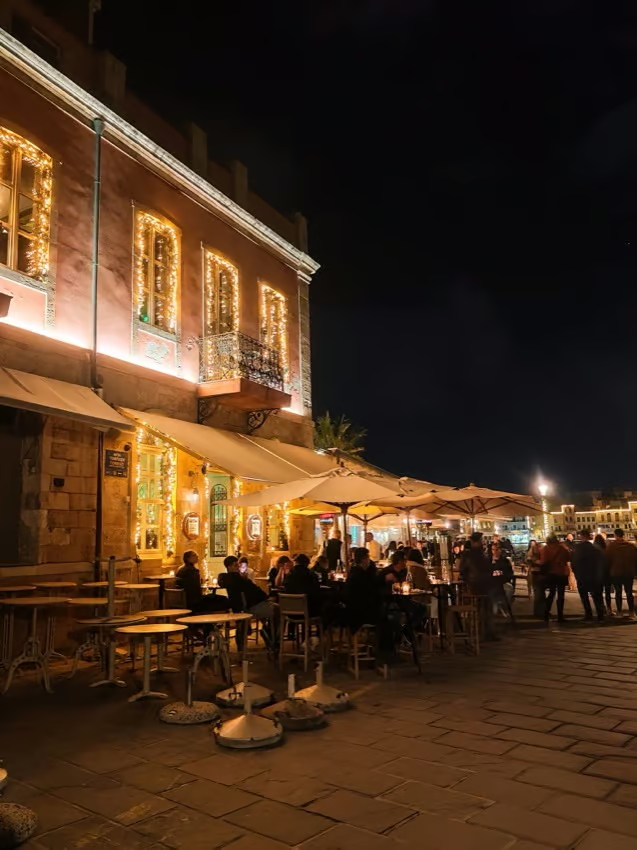
Towns and villages organize cultural events throughout December, including concerts, children’s performances, and charity activities. Residents visit Christmas markets to buy handmade items, baked goods, and small crafts produced by local groups. Coastal cities prepare public squares for evening strolls, and residents gather near decorated boats, municipal trees, and small kiosks that serve seasonal treats.
Crete observes the Feast of Saint Basil on January 1 with the cutting of the Vasilopita, a cake hiding a coin that symbolizes good fortune. The holiday period concludes on January 6 with Epiphany ceremonies held in ports and lakes, where swimmers dive into the water to retrieve a wooden cross as part of a long-standing blessing-of-the-waters tradition.
How do people celebrate Christmas in Heraklion?
People celebrate Christmas in Heraklion through a mix of family traditions, public events, and city-organized activities that shape the holiday atmosphere each December. Families follow customs shared across Crete, including Christmas Eve liturgy, festive meals, and house visits with relatives who live nearby. Households greet one another with “Kala Christougenna”, and children perform kalanta in the early morning on December 24 and December 31.
Heraklion prepares large public spaces for seasonal activities, and Eleftherias Square serves as the main gathering point during the holiday period. Residents visit the square to walk among light displays, take photos with decorated installations, and attend small performances arranged throughout the month. Families visit Christmas markets set up in central streets and pedestrian zones, and these markets offer handmade crafts, local sweets, and food stalls that operate throughout the afternoon and evening.
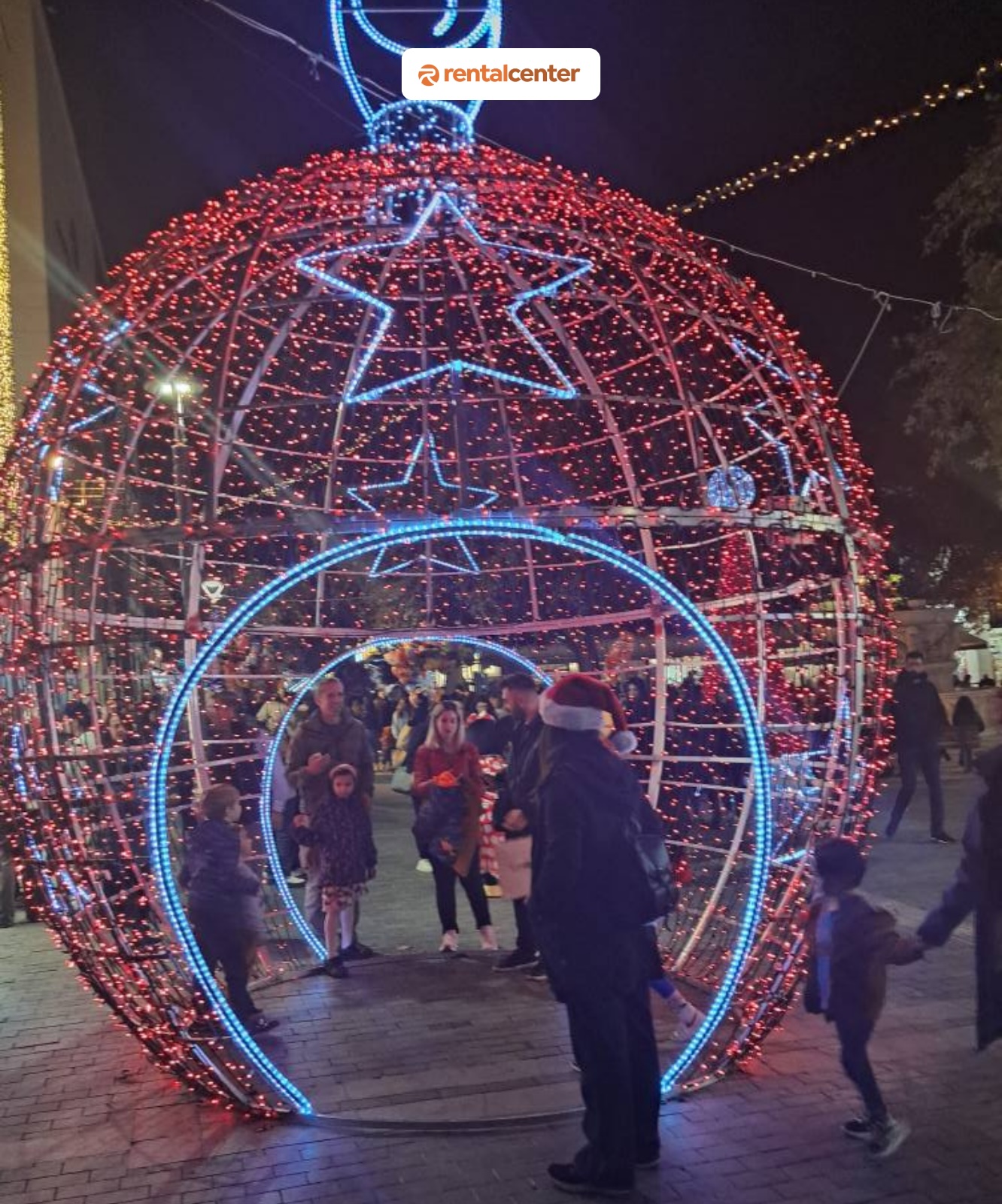
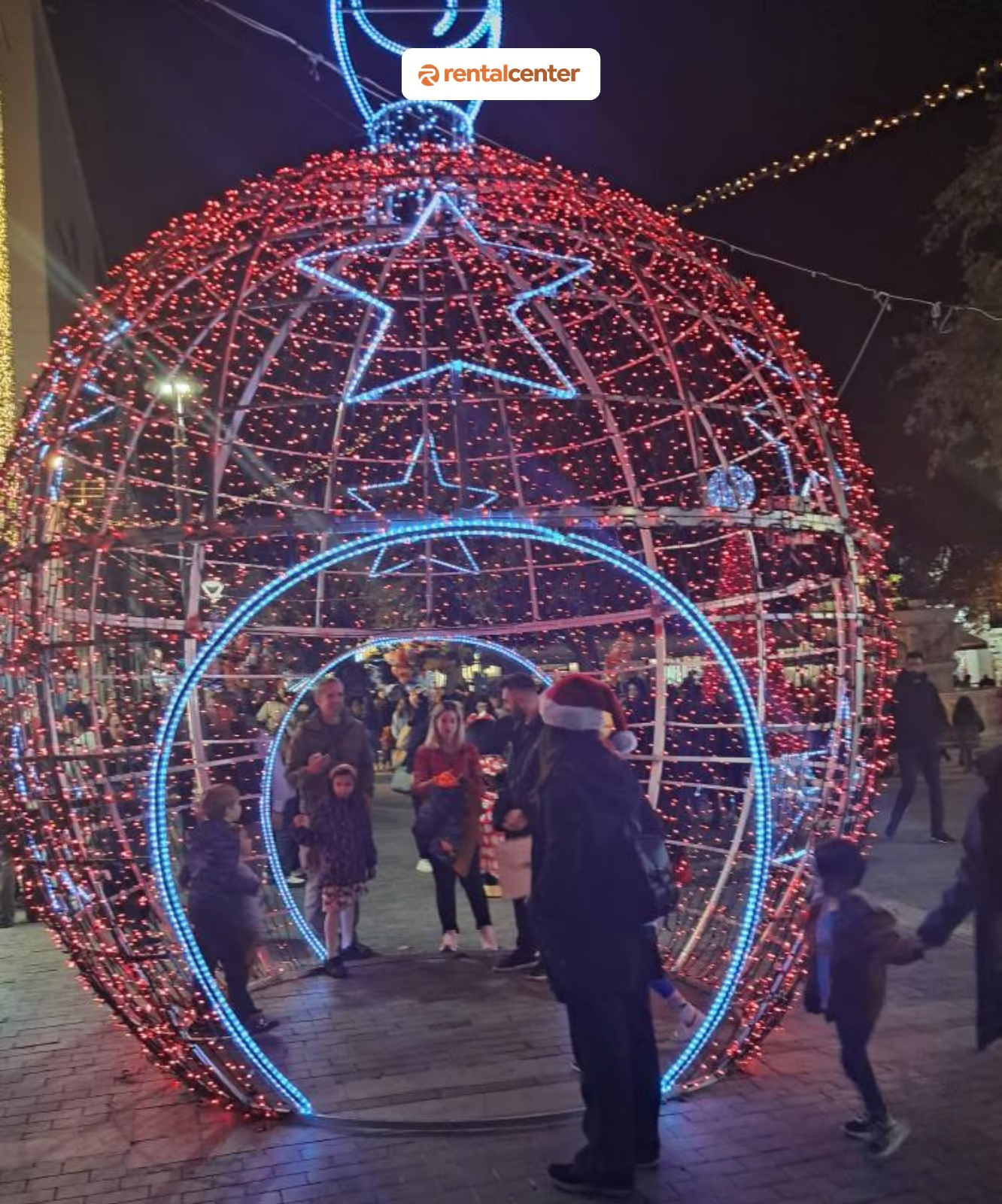
City neighborhoods organize events for children, including storytelling sessions, workshops, and musical shows held in cultural centers and municipal venues. Residents walk through Daidalou Street and the surrounding shopping district to see decorated storefronts and evening light installations. Cafés and bakeries introduce seasonal desserts, and many families include stops at these shops during evening strolls.
Heraklion marks the holiday season with its New Year’s Eve celebration in Lion Square, where residents gather to listen to live music and welcome the new year. The city completes its Christmas period on January 6 with Epiphany events held in the harbor area, where priests bless the waters and swimmers participate in the retrieval of the wooden cross.
Christmas in Heraklion
Christmas in Heraklion reflects a month-long period of public events, family traditions, and neighborhood activities that shape the city’s December atmosphere. The city prepares decorations across major squares and streets, and Eleftherias Square becomes the center of most Christmas gatherings. Families follow long-established customs such as attending Christmas Eve liturgy, hosting festive meals at home, and greeting relatives and neighbors with “Kala Christougenna”.
The Heraklion Christmas Market operates each year from early December until early January, and Eleftherias Square serves as its primary location. Vendors arrange stalls selling handmade crafts, wooden toys, ceramics, sweets, local honey, and small gifts. Children visit activity corners that feature workshops, simple rides, and scheduled performances throughout the afternoon and evening. Families walk through the square to see decorated installations, light displays, and the municipal Christmas tree, and many visitors return several times during the month to attend events organized by local cultural groups.
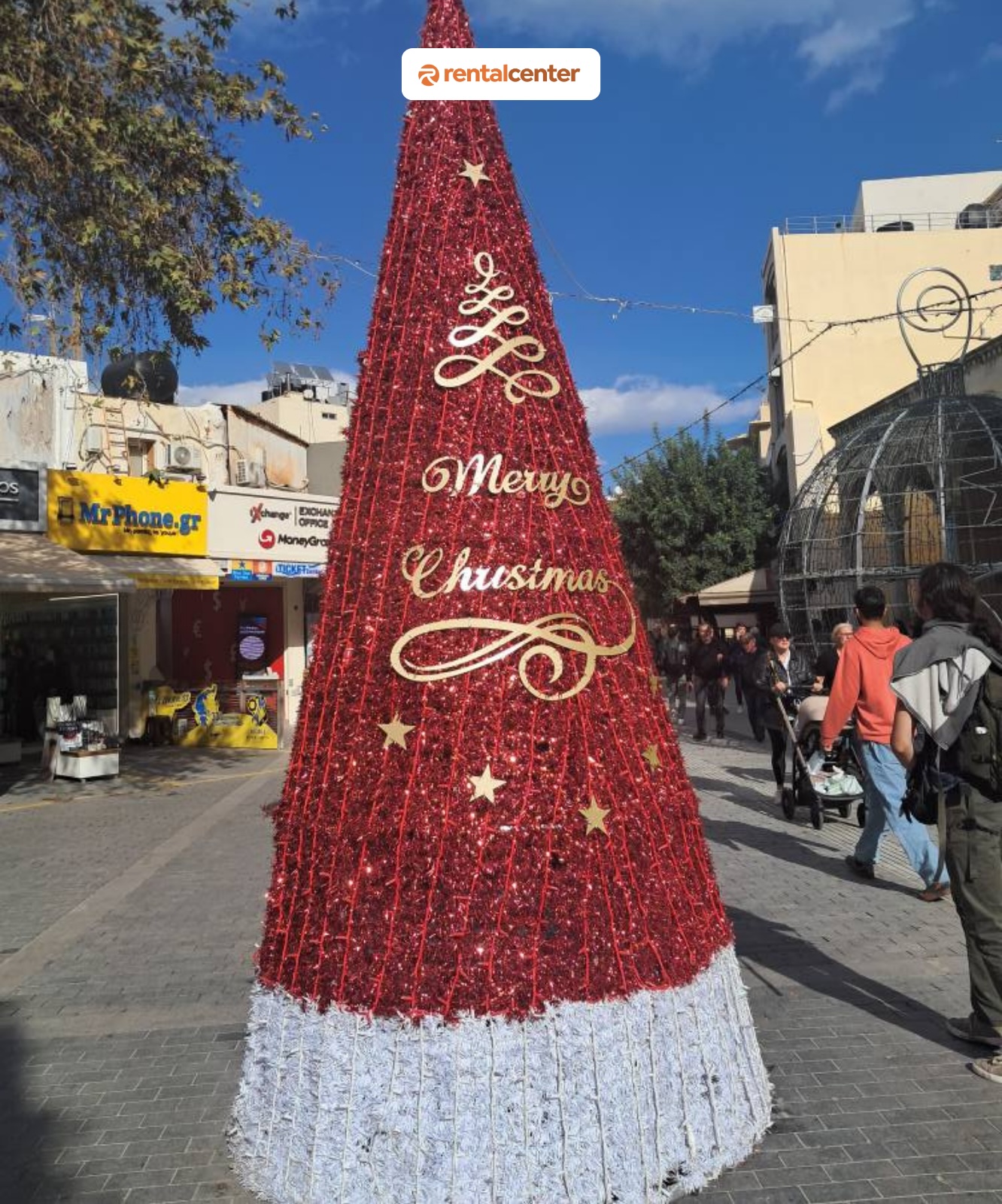
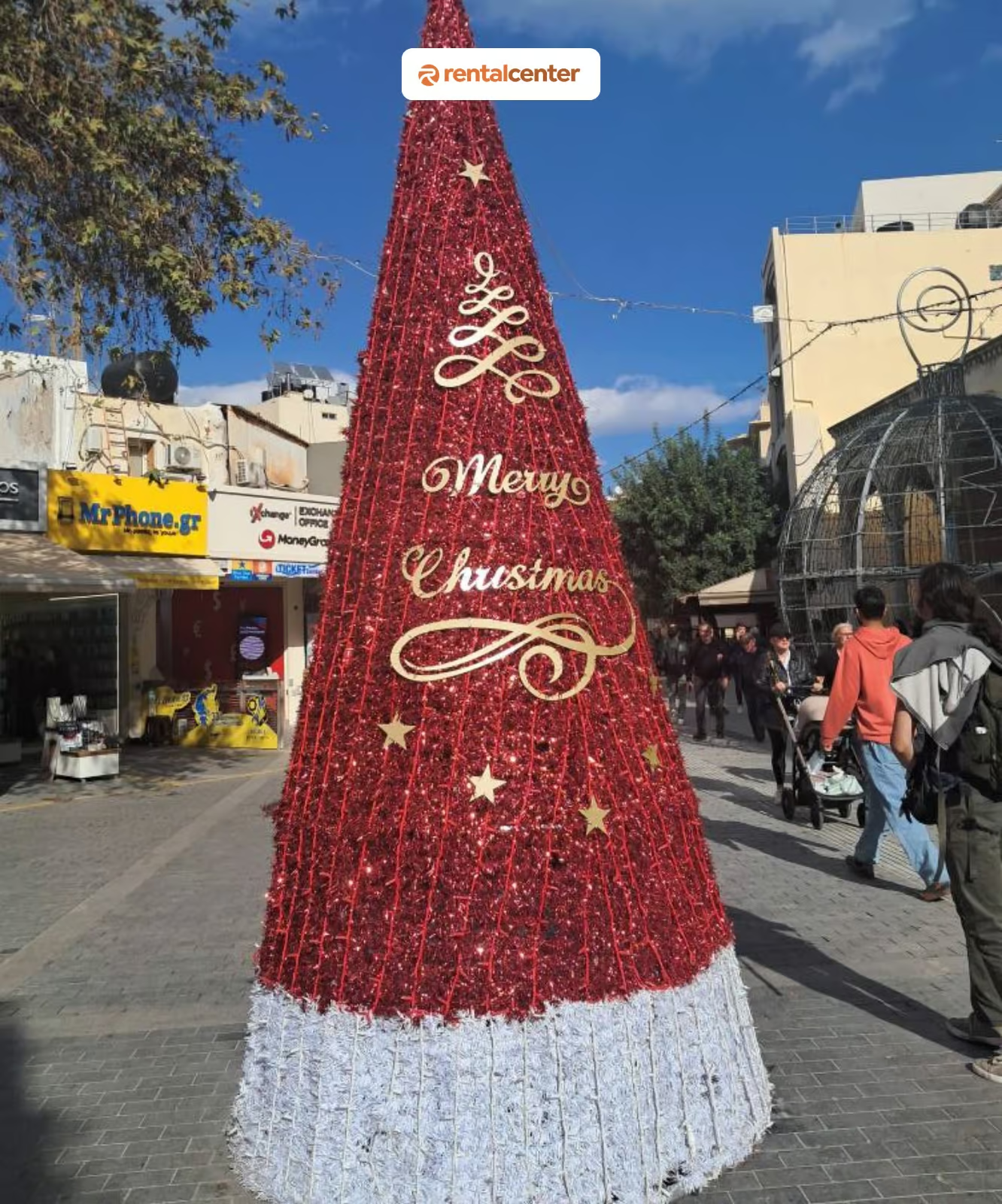
People celebrate Christmas in Heraklion through activities that include house visits, shared meals, and strolls through decorated areas of the city. Children sing kalanta early in the morning on December 24 and December 31, and adults offer them small coins or sweets. Residents walk along Daidalou Street and nearby shopping districts to see illuminated storefronts and to buy seasonal desserts from local bakeries. Families attend concerts, theatrical shows, and children’s programs arranged by municipal centers and cultural organizations.
Heraklion hosts several events during the Christmas period, including live music at Eleftherias Square, charity activities supported by local groups, and children’s storytelling sessions in municipal venues. The city prepares Lion Square for its New Year’s Eve celebration, and residents gather there for music and countdown festivities. Heraklion concludes the season on January 6 with Epiphany ceremonies held at the harbor, where priests bless the waters and swimmers dive to recover the wooden cross as part of a long-standing tradition observed across Crete.
Find below a table with the Heraklion Christmas and New Year Celebrations.
| Date | Location | Time | Event |
|---|---|---|---|
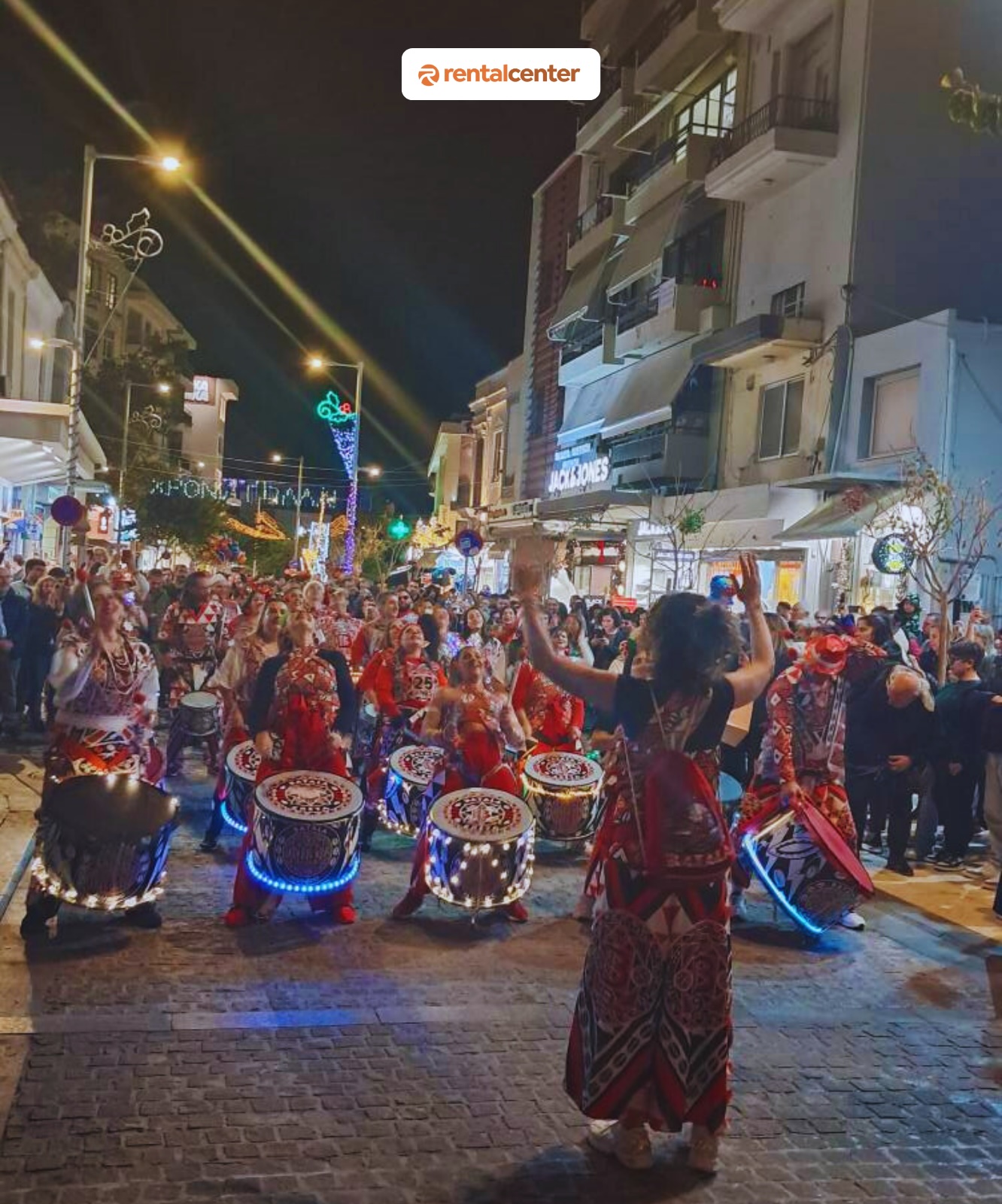
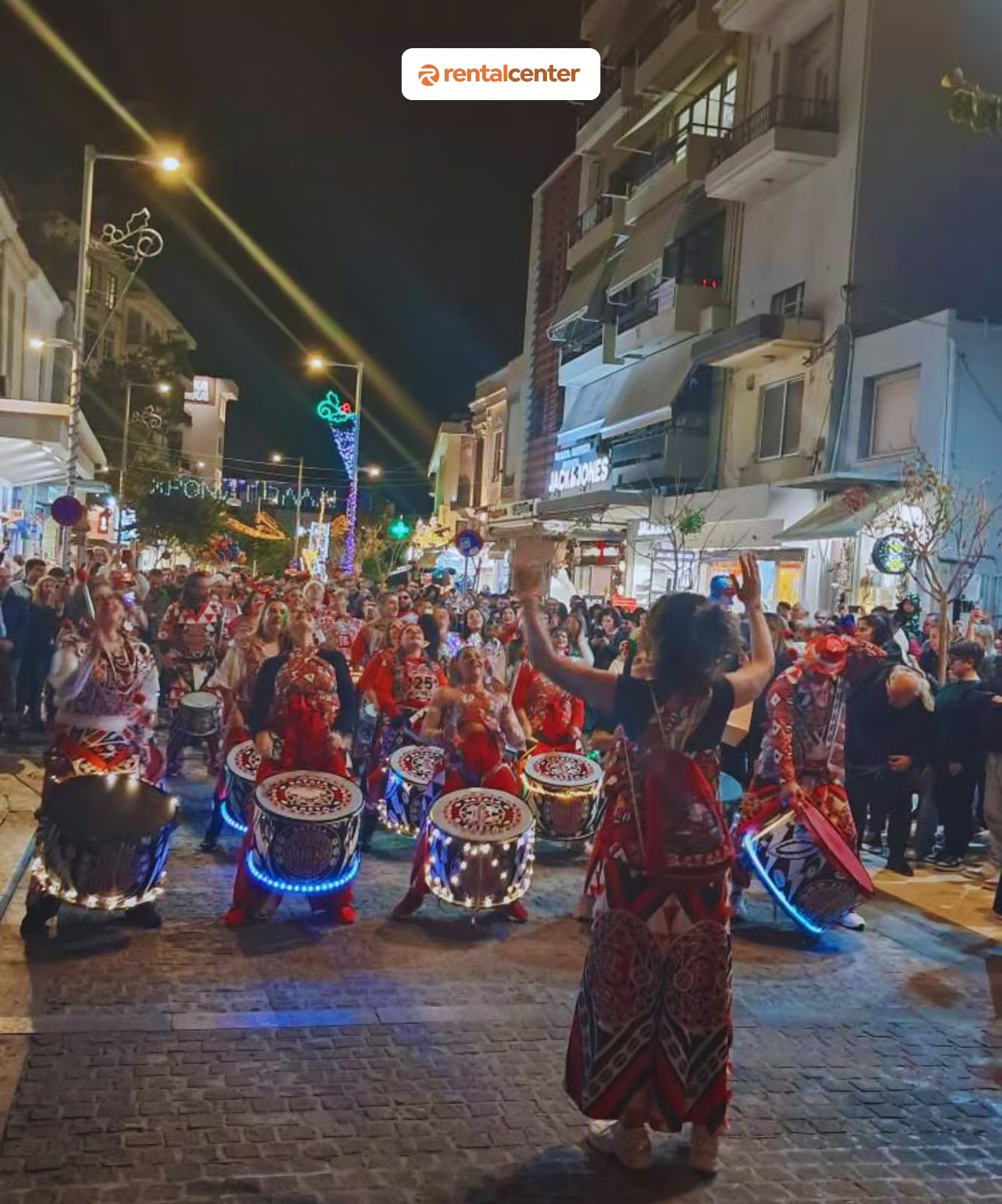
| Fri, Nov 28, 2025 | Lions Square | 19:30 | Batala Creta – Samba Reggae performance for the Christmas Tree Lighting. |
| Fri, Nov 28, 2025 | Loggia (City Hall) | 20:15 | Musical walk by the Heraklion Municipal Philharmonic toward Eleftherias Square. |
| Fri, Nov 28, 2025 | Eleftherias Square | 20:45 | Concert by the Municipal Philharmonic Orchestra; tree-lighting countdown with silent fireworks. |
| Fri, Nov 28, 2025 | Eleftherias Square | 21:15 | Concert by Nikos Portokaloglou and band. |
| Thu, Dec 4, 2025 | Eleftherias Square | – | Presentation of the Thracian tradition “Varvara” by the Thracians of Crete “Orfeas.” |
| Thu, Dec 18, 2025 | Municipal Art Gallery Multipurpose Hall | 19:00 | Christmas concert by the Choir of the Alatsatianon Association. |
| Fri, Dec 19, 2025 | Heraklion Municipal Multipurpose Center | 18:00 | Children’s book presentation “Το Τέλειο Μελομακάρονο” with Maria Pachiadaki. |
| Fri–Sun, Dec 19–21, 2025 | — | — | “A Tree Full of Food” with UP 92.9 – food collection for the Municipal Social Grocery. |
| Sat, Dec 20, 2025 | St Mark’s Basilica Atrium | 18:00 | Charity Christmas Concert by students of Kris Foreign Language Center. |
| Mon, Dec 22, 2025 | Eleftherias Square | – | Concert by the Cultural Association of Nea Alikarnassos “Artemisia.” |
| Dec 22–24, 2025 | Eleftherias Square | – | Live broadcasts and events by radio station Thema 103.1. |
| Tue, Dec 23, 2025 | Eleftherias Square | 18:30 | Fairy tale reading with Eleni Beteinaki. |
| Tue, Dec 23, 2025 | Eleftherias Square | 19:30 | Concert by the Alatsatianon Association. |
| Tue, Dec 23, 2025 | Eleftherias Square | 20:30 | Concert by the choir “Angels Ode” of the Women’s Association of Heraklion. |
| Wed, Dec 24, 2025 | Eleftherias Square | 13:00 | Concert by LAB Music Education. |
| Wed, Dec 24, 2025 | Eleftherias Square | 17:00 | Concert by the Crete Conservatory. |
| Wed, Dec 24, 2025 | Eleftherias Square | 18:30 | Concert by the Municipal Philharmonic Orchestra with Giannis Kassotakis. |
| Wed, Dec 24, 2025 | Eleftherias Square | 20:00 | Traditional dances from across Greece by the Traditional Dance Workshop. |
| Sat, Dec 27, 2025 | Eleftherias Square | 20:00 | Cretan music concert with Stelios Anetakis, Giorgos Kollaros, Manolis Plaitis, Angelos Oustamanolakis. |
| Sun, Dec 28, 2025 | Eleftherias Square | 18:00 | Concert by the Mikrasiaton Choir of Megalo Kastro. |
| Sun, Dec 28, 2025 | Eleftherias Square | 19:00 | Concert by the Mixed Traditional Choir of Heraklion “Kastrodountes.” |
| Mon, Dec 29, 2025 | Eleftherias Square | 18:00 | Christmas with Kultur Multur – children’s and family programme. |
| Mon, Dec 29, 2025 | Eleftherias Square | 20:00 | Concert by the Choir Ionia Aidon. |
| Tue, Dec 31, 2025 | Eleftherias Square | 22:30 | Concert by Gadjo Dilo. |
| Tue, Dec 31, 2025 | Loggia → Eleftherias Square | 23:30 | Musical walk with the Municipal Philharmonic. |
| Tue, Dec 31, 2025 | Eleftherias Square | 00:00 | New Year’s countdown and celebration; return performance by Gadjo Dilo. |
Christmas in Chania
Christmas in Chania reflects a combination of family traditions, public festivities, and neighborhood activities that shape the city’s December atmosphere. Families follow long-established customs such as Christmas Eve liturgy, house visits, and shared meals that feature pork dishes, sweets, and local wine. Residents greet one another with “Kala Christougenna”, and children walk through neighborhoods early on December 24 and December 31 to sing kalanta with triangles and small instruments.
The Chania Christmas Market operates each year from early December until early January, and the Municipal Garden serves as its primary location. Vendors sell handmade crafts, wooden toys, ceramics, ornaments, and small gifts produced by local workshops. Families visit food stalls offering seasonal treats, and children spend time in the activity areas that feature small rides, games, and workshops. The Municipal Garden hosts its annual Christmas Park, a seasonal setup that includes decorated pathways, light installations, and scheduled performances throughout the afternoon and evening.
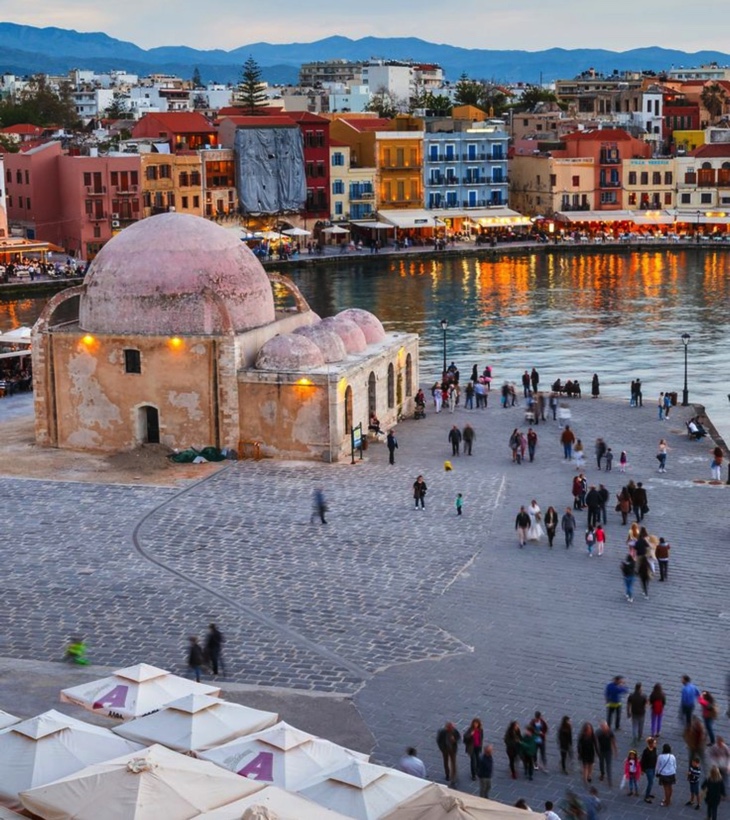
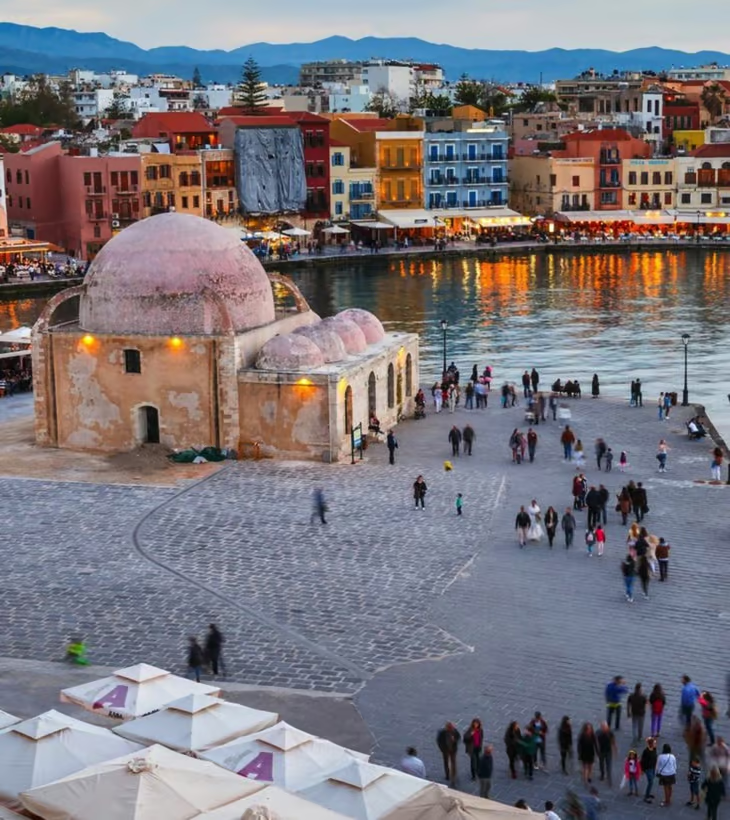
People celebrate Christmas in Chania through evening walks around the Old Town, stops at waterfront cafés, and visits to decorated squares such as 1866 Square and Splantzia Square. Residents walk along the harbor to see illuminated boats and municipal decorations placed near the Venetian Lighthouse, and families include bakery visits during these strolls to purchase melomakarona and kourabiedes. Children receive small gifts on Christmas morning, and many families continue house visits throughout the day.
Chania hosts several events during the Christmas season, including concerts, theatrical performances, and cultural programs arranged by the municipality and local groups. Schools and community centers organize children’s shows and charity activities, and the Old Chania Harbor features live music on selected evenings. The city concludes the holiday period on January 6 with Epiphany ceremonies held at the waterfront, where priests bless the water and swimmers retrieve the wooden cross as part of an island-wide tradition that signals the end of the Christmas season.
What is Santa Run in Chania?
Santa Run in Chania is a huge charity event held each year on December 26 in the center of the city. The event gathers thousands of participants who wear Santa suits and follow a festive walking route through Chania’s Old Town and waterfront areas. The starting point is typically set near the Old Municipal Market, and organizers open registration around 12:00 PM so participants can collect their Santa outfits before the event begins.
The run starts at 1:00 PM and follows a route of 3.5 kilometers (2.2 miles) through the Old Venetian Harbor, narrow lanes of the historic center, and several streets surrounding the waterfront. Participants walk rather than compete, and the event functions as a charity fundraiser rather than an athletic race. The entry fee supports local institutions that assist children with medical needs, and this focus has made the Santa Run one of the most recognized community events in Chania during the Christmas season.
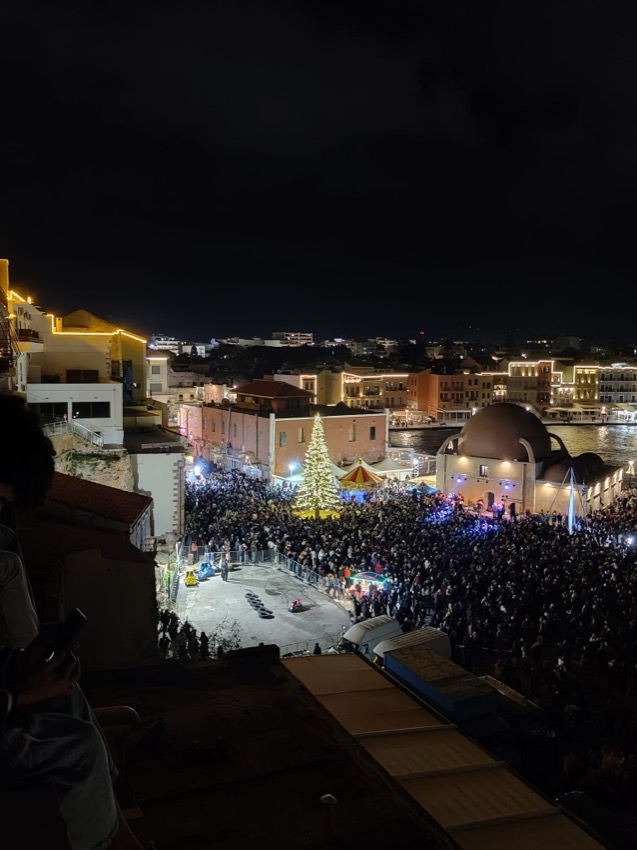
Families, groups of friends, and visitors join the procession, and the sight of thousands of red suits moving along the harbor creates one of the city’s most memorable holiday moments. Spectators watch from the harbor wall, Splantzia Square, and nearby pedestrian areas as the crowd of Santas passes by. Music, small performances, and volunteer groups contribute to the atmosphere along the route.
The event ends near the starting point, where organizers thank participants and announce the total amount raised for the supported institutions. Santa Run in Chania adds a lively community tradition to the city’s December calendar and strengthens the connection between holiday festivities and local charitable efforts.
Christmas in Rethymno
Christmas in Rethymno creates a month-long atmosphere shaped by family traditions, public decorations, and cultural activities organized across the city. Families follow Christmas Eve liturgy, festive meals, and house visits that continue through Christmas Day, and residents greet one another with “Kala Christougenna”. Children walk through neighborhoods early on December 24 and December 31 to sing kalanta, and adults offer them small treats or coins. Evening strolls through the Old Town, bakery visits, and gatherings with relatives remain central to the city’s December routines.
The Rethymno Christmas Market operates from early December until early January, and the city places it mainly in the heart of the Old Town and near its central squares. Vendors arrange wooden stalls that display handmade crafts, ornaments, local sweets, toys, and small gifts produced by local workshops. Families walk through decorated paths lined with lights, and children spend time at activity stations that offer crafts, games, and scheduled performances throughout the afternoon and evening. Public squares near the Fortezza and along the seafront display municipal decorations and small installations that attract visitors taking evening walks.
People celebrate Christmas in Rethymno by exploring its narrow alleys, stopping for traditional desserts, and attending seasonal performances held in cultural venues. Residents visit bakeries to buy melomakarona and kourabiedes, and families include short visits to relatives throughout the week leading up to New Year’s Day. Children receive small gifts on Christmas morning, and older family members continue the tradition of sharing homemade treats and warm drinks during afternoon visits.
Rethymno hosts several Christmas events, including concerts, children’s theater, charity activities, and storytelling programs arranged by the municipality and cultural groups. Schools hold seasonal performances, and local associations organize music nights in smaller squares. The city marks New Year’s Eve with gatherings in central areas where residents listen to live music and welcome the new year. Rethymno concludes the season on January 6 with Epiphany ceremonies held at the waterfront, where priests bless the water and swimmers dive to recover the wooden cross as part of the long-standing tradition observed across Crete.
Christmas in Agios Nikolaos
Christmas in Agios Nikolaos shapes the city’s December atmosphere through waterfront decorations, community traditions, and cultural events held across its central areas. Families follow long-established customs such as Christmas Eve liturgy, festive meals, and house visits with relatives who live nearby. Residents greet one another with “Kala Christougenna”, and children walk through neighborhoods early on December 24 and December 31 to sing kalanta with small instruments and triangles. Families take evening strolls around the lake and along the marina to see decorated pathways and illuminated installations.
The Agios Nikolaos Christmas Market operates from early December until early January, and the city usually places it around Lake Voulismeni and nearby pedestrian streets. Vendors set up wooden stalls displaying handmade ornaments, local sweets, small crafts, toys, and seasonal food items prepared by local producers. Families visit the lakefront area to see light displays, decorated walkways, and the municipal Christmas tree positioned near the water’s edge. Children spend time in designated activity areas that host workshops, games, and performances throughout the afternoon and evening.
People celebrate Christmas in Agios Nikolaos by walking through illuminated waterfront paths, visiting nearby cafés and bakeries, and attending cultural events arranged by municipal groups. Residents stop at pastry shops to buy melomakarona and kourabiedes, and many families include short visits with relatives before and after Christmas Day. Children receive small gifts on Christmas morning, and families continue gatherings through New Year’s week.
Agios Nikolaos hosts several events during the holiday season, including concerts, theatrical performances, storytelling programs, and children’s activities held in cultural centers around the city. Local associations organize music nights along the marina, while community groups arrange charity activities for families in need. The city welcomes the new year with celebrations near the lake, where residents gather for music and countdown festivities. Agios Nikolaos ends the Christmas season on January 6 with Epiphany ceremonies held at the harbor, where priests bless the water and swimmers retrieve the wooden cross as part of the island-wide tradition that closes the holiday period.
What is the weather in Crete during Christmas?
The weather in Crete during Christmas follows mild winter conditions marked by cool temperatures, short days, and frequent rain. Daytime highs range from 16°C to 18°C (61°F to 64°F), while nighttime temperatures fall to 10°C to 12°C (50°F to 54°F). The island records a steady chance of rainfall throughout December, and the likelihood of a wet day increases as the month progresses. Rainfall totals rise toward the end of the month, and many days include light showers or brief periods of heavier rain. Daylight remains limited, with just under ten hours of daylight near Christmas week, and overcast skies remain common across coastal and inland areas. Windy conditions appear throughout the month, especially near the northern coastline.
Crete’s mild but damp winter weather shapes what visitors wear during Christmas. Travelers should prepare warm layers such as sweaters, long-sleeved shirts, and light jackets for daytime walks, and heavier coats for colder nights. Comfortable waterproof shoes help during rainy periods, and raincoats or compact umbrellas remain useful when exploring towns or attending outdoor events. Residents dress in layered clothing throughout December, and visitors often follow the same practice to stay comfortable as temperatures shift between morning, afternoon, and evening.
What are the Christmas activities and traditions in Crete?
Christmas activities and traditions in Crete reflect long-established customs that link family life, community rituals, and religious practices across the island. These traditions shape the weeks leading up to Christmas Day and influence how residents prepare their homes, food, and neighborhood gatherings.
1. Christmas Ships
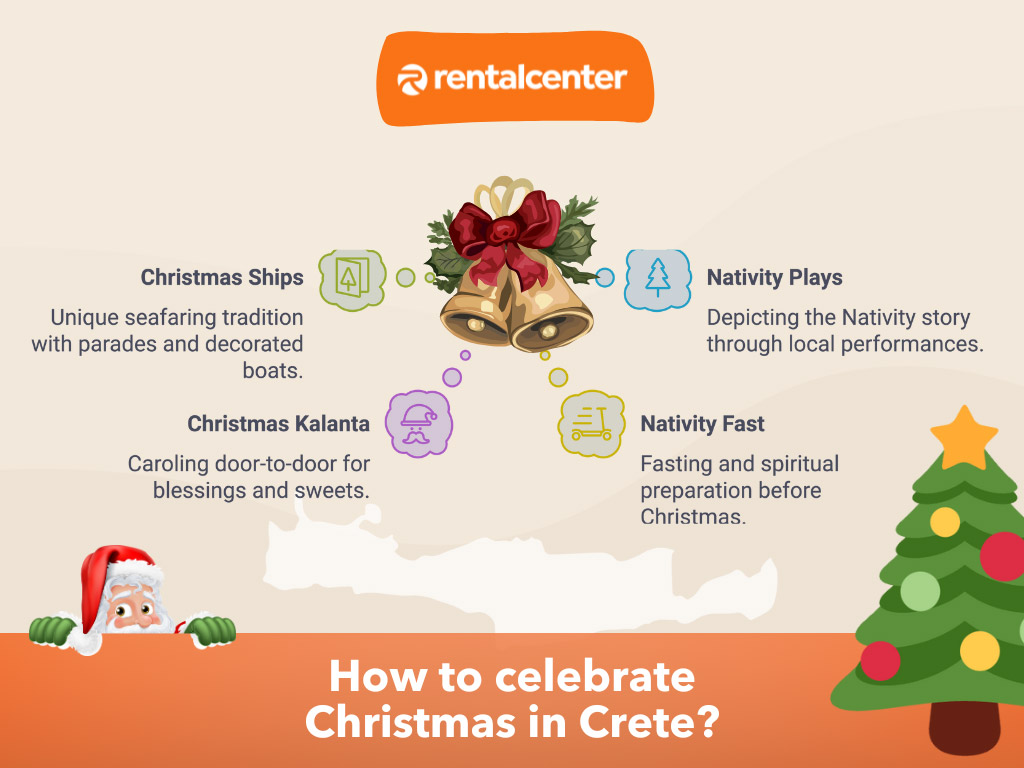
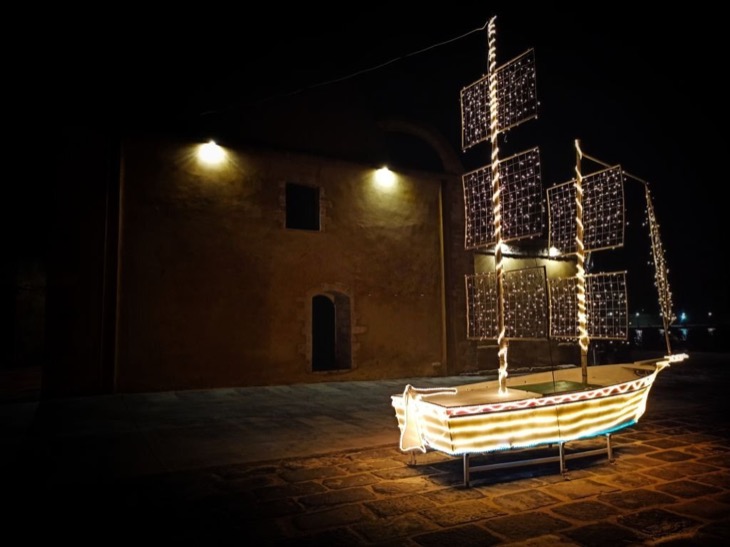
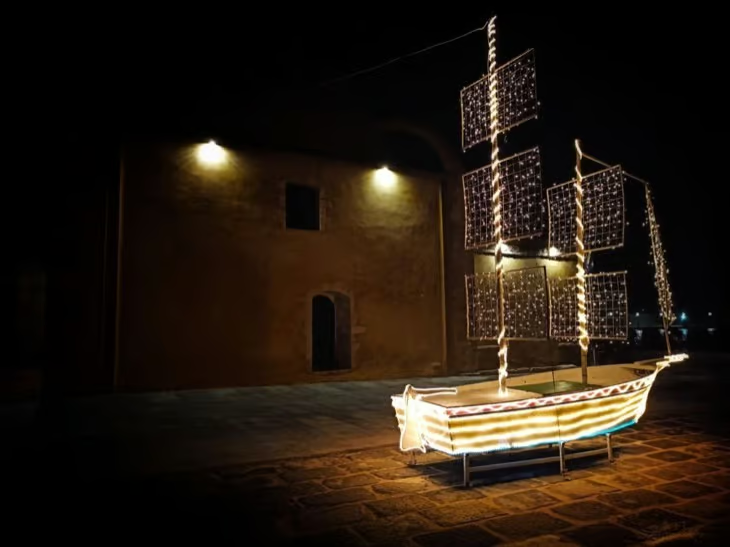
Christmas Ships serve as one of Crete’s most distinct holiday symbols. Families decorate small wooden boats with lights, ribbons, and ornaments, and these boats appear in living rooms, balconies, and shop windows throughout December. Communities place larger wooden ships in public squares, especially in coastal towns, and these displays represent Crete’s maritime identity and its long connection to seafaring life. The decorated ship often replaces the Christmas tree in many households.
2. Nativity Plays
Nativity Plays take place in schools, churches, and cultural centers across the island. Children reenact the birth of Christ in simple performances held throughout December, and families gather to watch these plays as part of their yearly holiday routine. Teachers prepare costumes and scripts, and these events introduce younger residents to religious stories associated with the season. Communities treat these plays as meaningful family gatherings rather than large theatrical productions.
3. Christmas Kalanta (Carols)
Christmas carols or Kalanta form one of the most anticipated activities for children. Children wake early in the morning on December 24 and December 31 to walk through neighborhoods singing kalanta with triangles and small instruments. Adults offer small coins, sweets, or pastries as thanks for the songs, and this custom signals the informal start of Christmas and New Year’s celebrations in homes across the island. The sound of triangles through village streets remains a familiar part of Crete’s holiday atmosphere.
4. Nativity Fast
Nativity Fast marks the 40-day fasting period observed by many Orthodox families before Christmas. Households follow dietary guidelines that limit meat and dairy, and families prepare plant-based meals during this period. The fast ends after the Christmas Eve liturgy, when households gather for late evening meals that include pork dishes, bread, and sweets. The fast holds religious significance and guides many of the food traditions observed throughout December.
What local food to eat in Crete at Christmas?
The local food to eat in Crete during Christmas reflects family traditions rooted in home cooking, seasonal ingredients, and long-standing customs observed across the island. Families prepare meals that bring relatives together on Christmas Eve, Christmas Day, and New Year’s week, and these dishes highlight both meat-based and plant-based options depending on household practices.
Cretan families eat pork during Christmas, and this meat remains the most common centerpiece of holiday meals. Households prepare pork roasted with herbs, pork cooked with cabbage, or pork served with homemade sausages, and these dishes appear on most tables after the Nativity Fast concludes. Families include side dishes such as fried potatoes, salads, local cheeses, and bread baked earlier in the day.
Vegetarian and vegan residents follow different traditions during the 40-day Nativity Fast leading up to Christmas. These households prepare meals that use legumes, vegetables, olive oil, and grains, including dishes such as lentil soup, chickpeas with herbs, and stuffed vegetables. Some families continue to eat plant-based meals through Christmas Eve until the midnight liturgy ends, and they join the larger holiday meal afterward with meat-free versions of classic dishes.
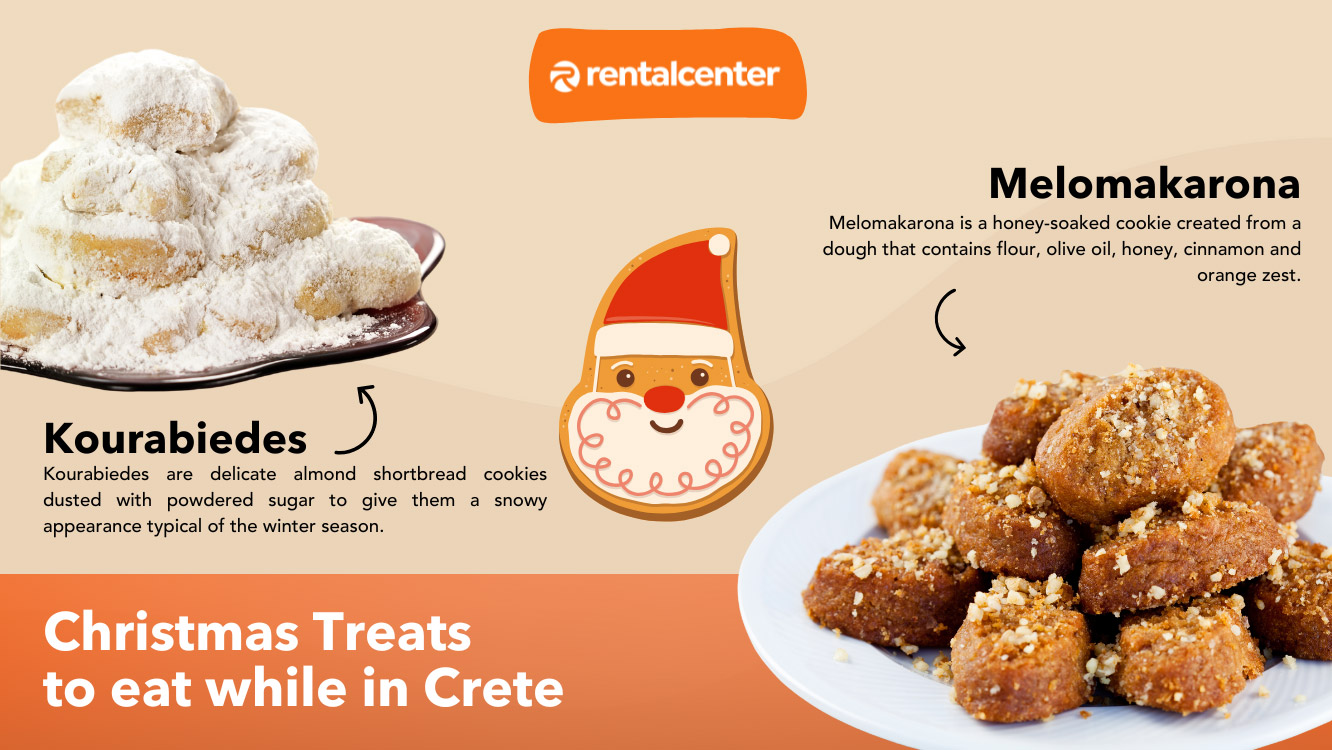
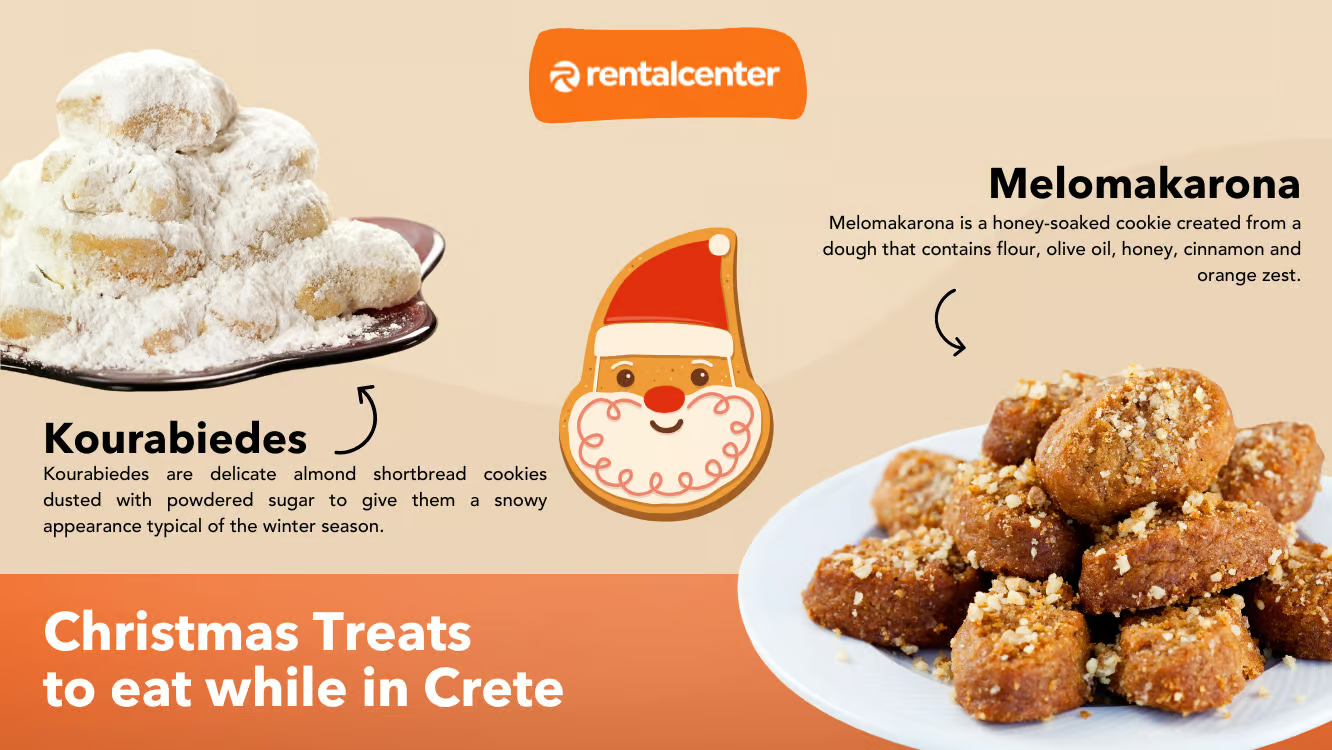
Crete offers several Christmas treats that appear in homes and bakeries throughout December. Households prepare melomakarona, honey-soaked cookies flavored with cinnamon and orange, and kourabiedes, almond-based butter cookies dusted with powdered sugar. Families bake Christopsomo, a Christmas bread decorated with walnuts that symbolize prosperity for the coming year. Bakeries present these treats alongside local sweets such as xerotigana, thin fried pastries drizzled with honey and nuts, and many households serve them during visits with relatives and neighbors. Crete’s Christmas food traditions link holiday gatherings with recipes that pass from one generation to the next.
Is Crete busy in December?
No, Crete is not busy in December, and the island enters one of its quietest periods of the year as tourist crowds decrease and winter routines take over daily life. Hotels operate with limited occupancy, major archaeological sites receive fewer visitors, and coastal towns shift toward a slower rhythm shaped by local activities rather than tourism. Residents move through city centers for errands, holiday preparations, and family gatherings, while visitors experience shorter lines, calmer streets, and more relaxed transportation schedules.
Crete’s tourist conditions in December reflect mild winter weather, frequent rain, and cool temperatures that range from 16°C to 18°C (61°F to 64°F) during the day and 10°C to 12°C (50°F to 54°F) at night. Restaurants in major cities remain open, and museums and cultural venues continue operating with reduced foot traffic. Travelers spend time exploring Old Town districts, attending Christmas markets, and walking through decorated squares without the busy summer environment.
Visitors can still swim in Crete in December, although conditions depend on individual comfort. The sea remains colder than in summer, but winter swimmers and some travelers still enter the water, especially on calm days with mild temperatures. Beaches stay quiet, and most swimmers choose protected areas where waves remain manageable.
Crete is absolutely worth visiting during Christmas because the island offers cultural events, local traditions, and community gatherings that highlight the holiday season. Families prepare Christmas ships, children sing kalanta, and cities such as Heraklion, Chania, Rethymno, and Agios Nikolaos host markets, concerts, and seasonal activities. Travelers experience Crete in its local winter atmosphere, and the quieter environment provides a different but meaningful way to explore the island during the holiday period.
How to get to Crete at Christmas?
Tourists can get to Crete at Christmas through flights, ferry services, or overland travel within the island, and each option for how to get to Crete depends on where travelers begin their journey and which region they plan to explore.
Heraklion Airport serves as the main entry point for travelers arriving from abroad, and this airport remains ideal for visitors heading to the eastern part of the island. Tourists who plan to stay in Agios Nikolaos, Elounda, Malia, Hersonissos, or Sitia often choose flights to Heraklion because the road network from the airport leads directly to these destinations. Winter schedules operate with reduced frequency, but major European cities still offer connections that support holiday travel.
Chania Airport serves visitors heading to western Crete, and this airport works best for travelers who plan to stay in Chania, Rethymno, Kissamos, Georgioupoli, or the surrounding villages. The airport connects to the main highway, and winter visitors use buses, taxis, or rental cars to reach their hotels after landing.
Ferry services provide another way to arrive on the island at Christmas, especially for vacationers traveling from Athens or nearby islands. Ferries dock at Heraklion and Chania, and winter schedules remain consistent even though departures operate less frequently than in summer. Travelers arriving by ferry walk directly into city centers and continue their journeys by taxi, bus, or rental car.
Land travel supports tourists who are already in Crete and want to explore different towns and cities during the holiday season. Travelers use rental cars, intercity buses, or local transportation to move between Heraklion, Chania, Rethymno, Agios Nikolaos, and smaller inland villages. The island’s road network allows visitors to travel easily between holiday markets, decorated waterfronts, and cultural events held throughout December.
Where are the best places to rent a car in Crete during Christmas?
The best places to rent a car in Crete during Christmas include the island’s major airports, city centers, and well-known tourist areas that remain active throughout the winter season. Travelers often start their search at Heraklion Airport and Chania Airport, where rental desks operate year-round and support visitors arriving from abroad. These airport locations allow travelers to pick up cars immediately after landing, and the road network connected to each airport provides direct access to eastern and western Crete.
Rental offices operate throughout prominent tourist destinations and central districts, and these locations serve travelers who prefer to collect their vehicles after settling into their hotels. Visitors staying in Heraklion, Chania, Rethymno, Agios Nikolaos, or nearby towns use these rental points to begin day trips, explore Christmas markets, or travel between city centers during the holiday season. Winter availability remains consistent, and travelers book cars in advance to secure preferred models.
Rental Center Crete maintains several locations across the island, including Heraklion, Chania, Lassithi, and Rethymno, and these branches support both airport arrivals and city-based pickups. The company provides vehicles suitable for winter road conditions, and travelers choose compact cars for city driving or larger models for inland routes. These locations remain convenient for visitors who plan to explore multiple regions during Christmas week, and the distribution of branches across major points of Crete allows easy access regardless of where travelers stay on the island.
How is Parking in Crete at Christmas?
Parking in Crete at Christmas remains easier than during the busy summer season, and visitors experience far fewer challenges when navigating city centers, waterfront areas, and residential districts. The island enters a quieter period in December, and the reduced tourist presence results in more open spaces in municipal lots, street-side parking areas, and neighborhood zones near shops and cafés.
Heraklion, Chania, Rethymno, and Agios Nikolaos still maintain paid and free parking areas, but these zones feel significantly less crowded during Christmas week. Travelers visiting Christmas markets or decorated squares usually find available spaces within a short walking distance, especially in the afternoon or early evening. Residents use central parking areas for errands and holiday activities, but the volume of cars remains manageable throughout the month.
Coastal promenades, Old Town districts, and harbor areas still require attention to posted rules, yet drivers encounter fewer limitations than in summer when tourist traffic peaks. Visitors renting cars during the holiday season drive through city streets with less congestion, and the availability of winter parking makes day trips between towns more convenient. Crete’s quieter December atmosphere supports smoother travel, easier parking, and more relaxed exploration compared to the island’s high season.
What is the cost of renting a car in Crete at Christmas?
The cost of renting a car in Crete at Christmas remains moderate, and December prices fall within the island’s winter season rates rather than the high-season levels seen in summer. The December 2025 rates show clear winter pricing across all categories. A small car costs €25 ($29.06, £21.68) per day, while a large car costs €52.1 (£44.2) per day. An SUV rents for €79.5 (£67.4) per day, and a van rents for €77.7 (£65.9) per day. A cabriolet costs €77.6 (£65.8) per day, although this category is less common during winter travel.

These prices align with the broader pattern of Crete’s off-season rates, which stay lower from November through March. December prices remain close to November’s rates, where a small car costs €28.6 (£24.3) and a large car costs €44.7 (£38.0). The slight increase from November to December reflects normal seasonal fluctuations rather than a significant holiday surge.
Car rental prices in Crete do not increase during the Christmas season in the way they rise during summer. The table shows that peak prices occur from June to August, with small cars reaching €61.2 – €65 (£51.9–£55.2) and vans reaching €121.2 – €137.4 (£102.8–£116.6). Winter prices, including Christmas, stay far below these summer levels.
Crete’s December rates remain stable and predictable, making the Christmas season one of the most cost-effective times to rent a car on the island. Travelers benefit from lower demand, steady winter pricing, and easier vehicle availability throughout the month.
Is a Driving Licence required to rent a car in Crete at Christmas?
Yes, a driving licence is required to rent a car in Crete at Christmas. Drivers must show a valid licence at the rental desk, and the needed documents depend on where the licence was issued. Residents of EU and EEA countries use their domestic licences without additional paperwork, and these licences remain accepted across Greece as long as they are valid and written in a Latin-alphabet format. Rental companies check the issue date, expiry date, and the length of time the driver has held the licence, and they verify that the driver meets the minimum age requirements set by the rental provider.
Visitors from non-EU and non-EEA countries follow slightly different rules. Many travellers present their domestic licence together with an International Driving Permit, especially when their home country uses a non-Latin script or follows licensing formats unfamiliar to Greek authorities. The IDP functions as an official translation of the licence and supports both verification and liability requirements during the rental process. Some countries issue licences that Greece recognises without an IDP, but rental companies may still request the permit to ensure clarity and avoid documentation issues during pickup.
Drivers should keep their domestic licence with them at all times, confirm whether their country’s licence is recognised in Greece, and secure an International Driving Permit if their licence does not fall under the recognised list. Presenting both the domestic licence and the IDP at the rental counter ensures a smooth pickup process, reduces the chance of delays, and meets the documentation standards followed during the Christmas season in Crete.
Is Car Rental Crete better than taxi or airport transfers in Crete?
Yes, car rental in Crete is absolutely better than taxi or airport transfers in Crete. Renting a car gives travelers full control over their schedule, route, and pace of travel, and this flexibility remains valuable during the Christmas season when public transportation runs on reduced timetables. Visitors who rent a car move easily between airports, city centers, and smaller villages without waiting for taxis or arranging pickup times with transfer providers. Drivers explore multiple destinations in a single day, including Christmas markets, decorated waterfronts, archaeological sites, and inland towns that remain harder to reach by taxi or bus.
Car rental offers clearer cost management for holiday travel, especially for visitors who plan to visit multiple cities. Taxi fares increase with distance, nighttime travel, and holiday surcharges, while airport transfers charge fixed rates for single trips. Renting a car avoids these repeated costs and gives travelers a predictable daily rate regardless of how many stops they make. This approach becomes especially practical for families, couples staying outside the main cities, or travelers interested in exploring both eastern and western Crete during their trip.
Driving in Crete during Christmas remains simple because winter traffic is light, parking is easier, and major roads stay open throughout the season. Travelers use their rental car to reach smaller villages, mountain viewpoints, and coastal promenades that taxis may not serve directly. The convenience of having a vehicle available at all times allows visitors to move through the island’s holiday events without relying on limited schedules or expensive point-to-point services. Renting a car ultimately provides more freedom, better value, and wider access to Crete’s Christmas destinations than taxis or airport transfers.
Published on .