




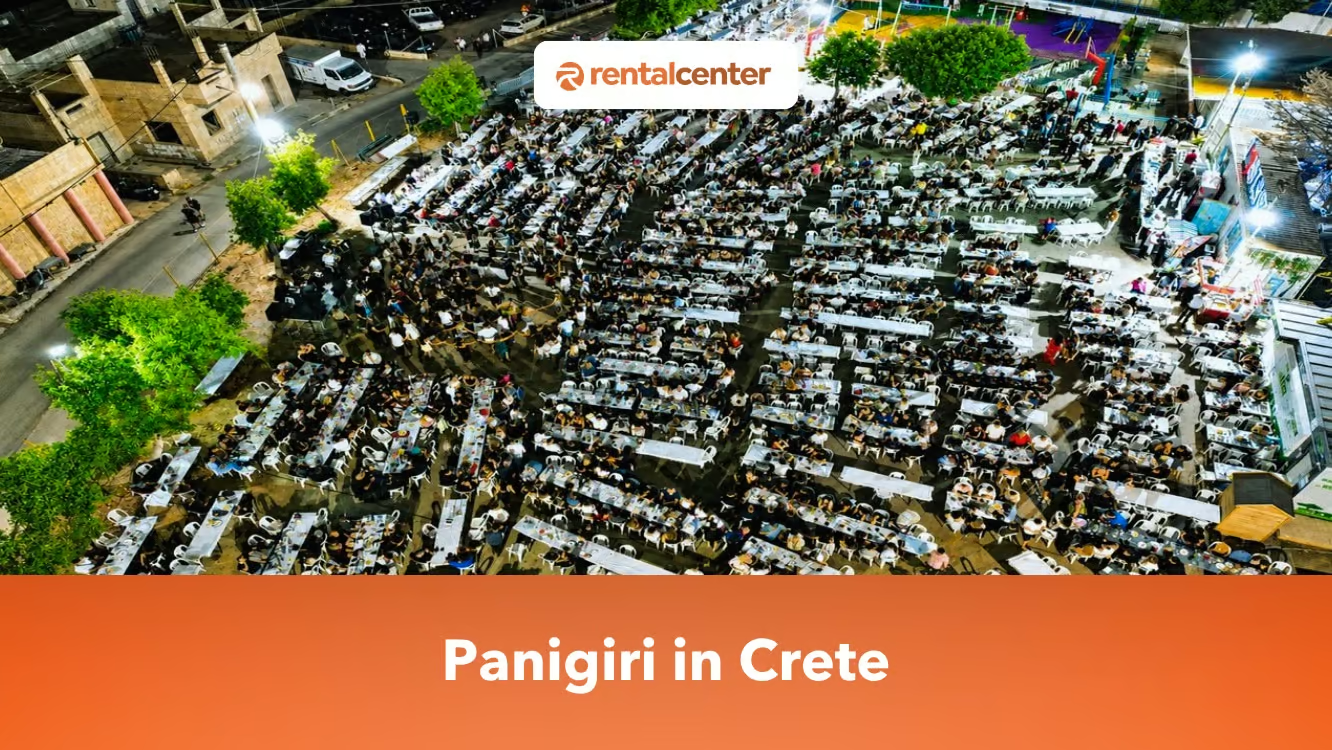
A panigiri (πανηγύρι) is a traditional Cretan village feast held in honor of a local patron saint – an open-air celebration combining a church service with an all-night dinner of local food, live lyra music, and circle dancing. Anyone – tourist or local, young or old – is welcome to join. The biggest panigiri of the year falls on August 15 (Dekapentavgoustos), the Feast of the Dormition of the Virgin Mary, but panigiria happen in Cretan villages throughout summer and beyond.
Content disclaimer: Panigiri dates and locations change each year. We recommend checking the Panigiria Kritis Facebook group or asking at a local kafeneio for the most current schedule. Entry fees (typically 0–€20 ($22.79, £17.09)) and timing may vary by village and event.
What Is a Panigiri?
A panigiri (πανηγύρι) is a traditional Greek village feast held to honor a local patron saint – combining a church service with an all-night celebration of food, music, and dance. Every summer, panigiria (Cretan village festivals) bring locals, city returnees, and tourists together into village squares for an all-night celebration of tradition.
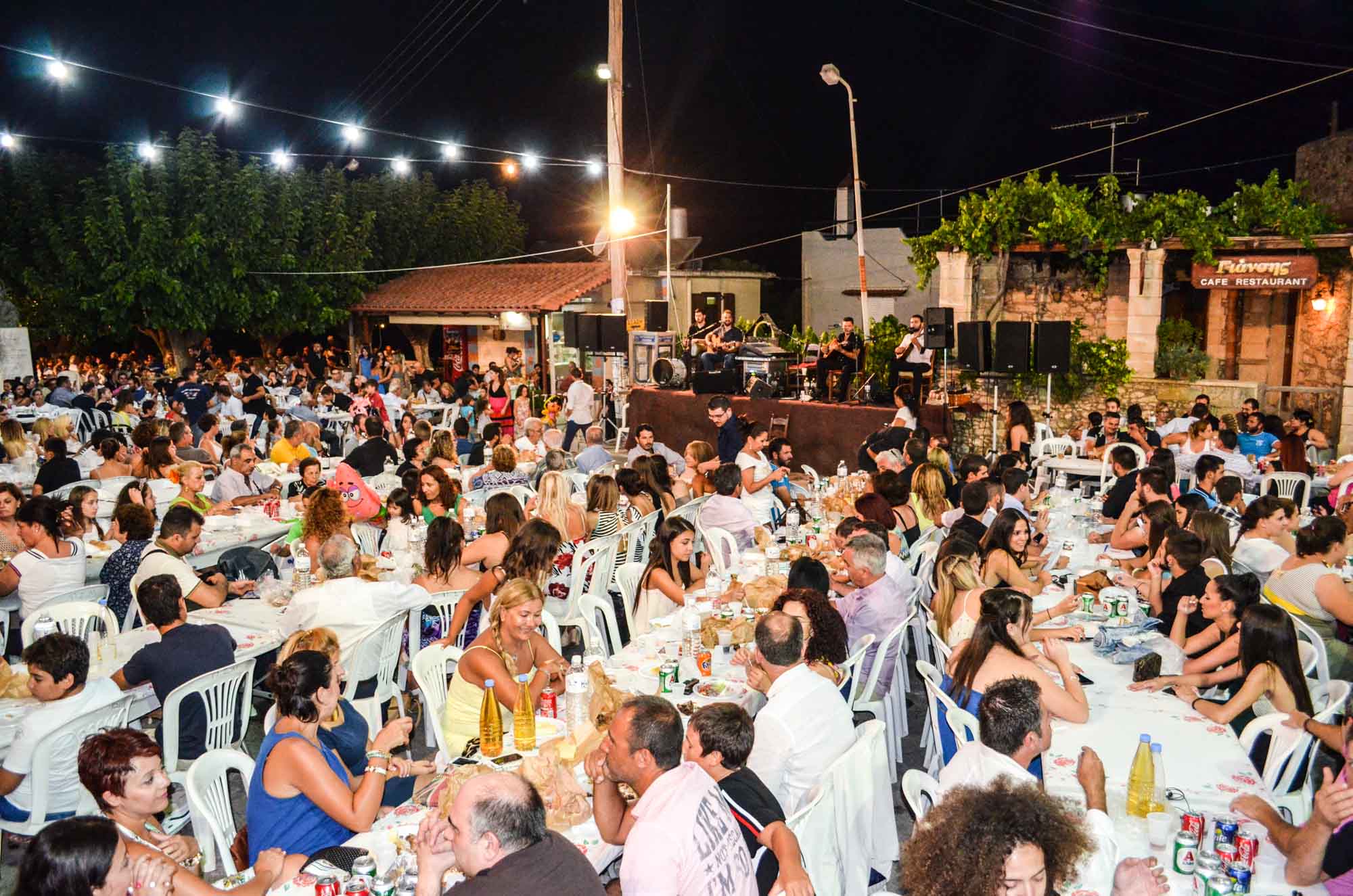
A panigiri delivers something beyond a party: it carries the weight of local identity, religious tradition, and multi-generational memory – all played out in a single summer night. The panigiri tradition is recognized as part of Greece’s intangible cultural heritage. According to the Greek National Tourism Organization (GNTO), August 15 is the most widely celebrated name day in Greece, with major festivities across every region.
The Religious Origins: Name Days and Patron Saints
Each panigiri dedicates the night to one specific Greek Orthodox saint – and the village selects its celebration date to match that saint’s name day (onomastico) in the Orthodox calendar. These predetermined days of the year are devoted to one saint such as Paul, Peter, John or Mary. Greek people who share the name of a particular saint celebrate their name day too. In Greece, name days are celebrated in the same way as a birthday.
Each village honors the patron saint of its local church, so the date of the feast varies from village to village across Crete.
August 15 – Dekapentavgoustos, the Biggest Panigiri of the Year
The panigiri of August 15 – Dekapentavgoustos – honors the Virgin Mary (Panagia) and draws the largest crowds of any festival in the Greek calendar outside of Easter and Christmas. It is not only a national holiday but remains the biggest religious event in Greece after Easter and Christmas.
But August 15th isn’t the only day to experience a panigiri in Crete. Throughout the month of August – and throughout the year – you can find a panigiri taking place in many villages.
What Happens at a Panigiri in Crete?
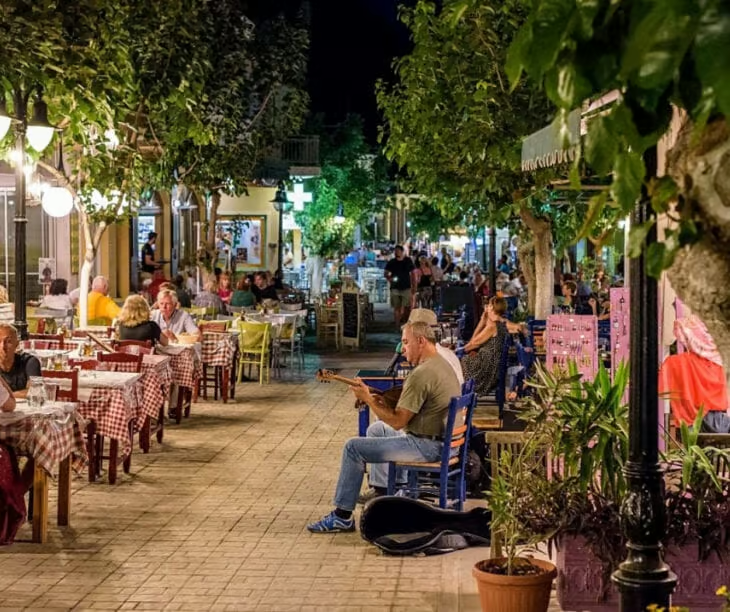
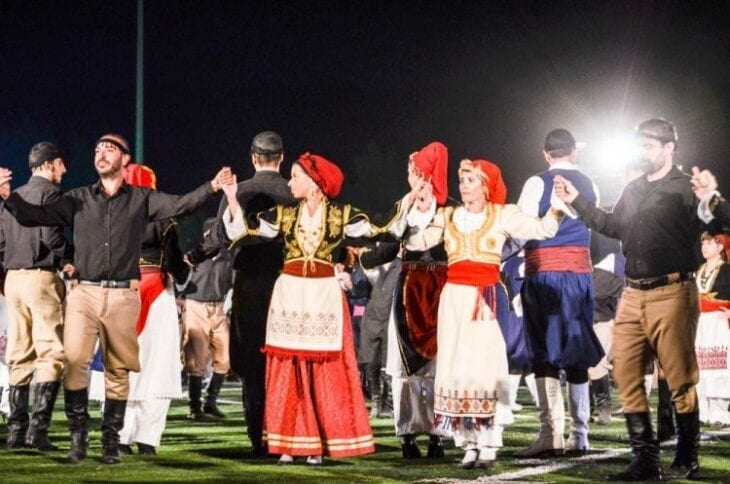
Once the church service ends, the real celebration begins: tables fill with food, the lyra-laouto ensemble strikes up, and the first circle of dancers forms. During a panigiri in Crete, the traditional prayers and religious customs take place in the church – and what guests love is the aftermath.
Food and Drink: What to Expect on the Table
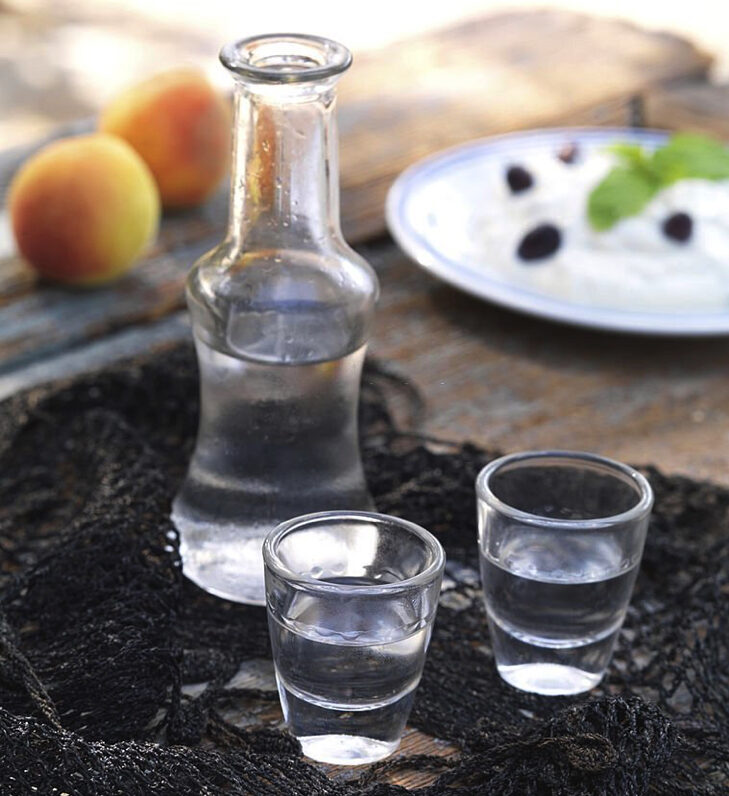
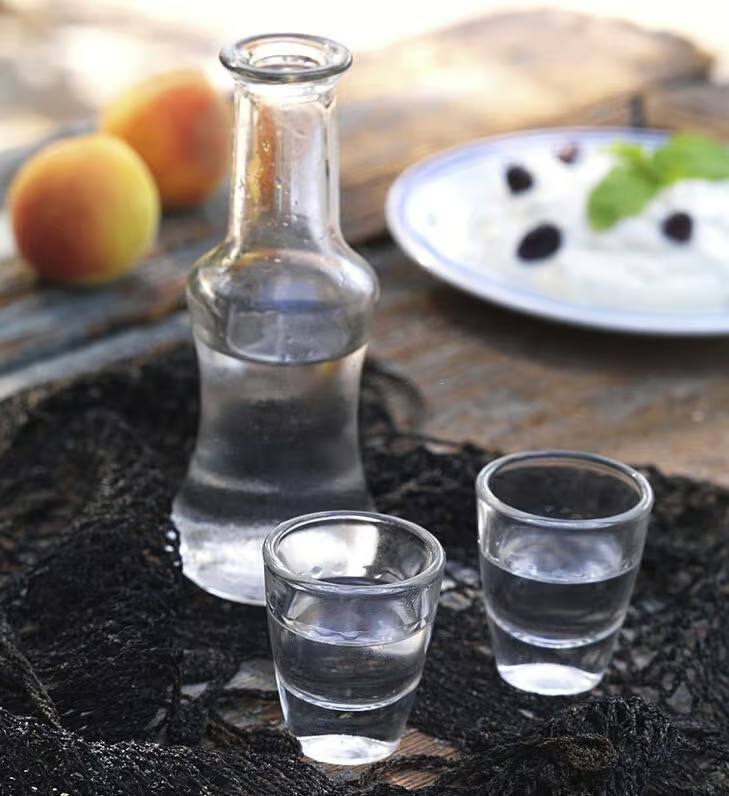
At a typical panigiri in Crete, the table arrives loaded: roasted lamb cooked antikristo-style over an open fire, dakos (Cretan bruschetta with barley rusk, tomato, and mizithra cheese), boiled goat with pasta (katsikaki), local cheeses, and seasonal salads. Wine is poured freely, and raki – the clear Cretan spirit distilled from grape pomace – follows throughout the night. The first shot of raki is often offered free as a welcome. Raise your glass and say “Yamas!” (your health).
Cretan Music: Lyra, Laouto, and Mandinades
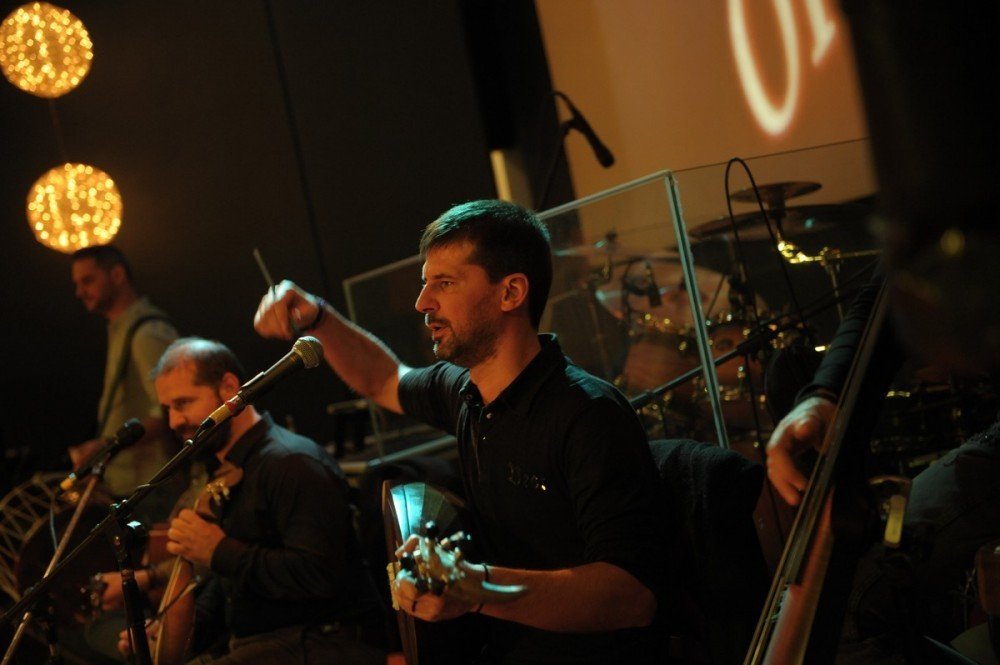
The music at a Cretan panigiri centers on the lyra – a three-stringed bowed instrument held vertically on the knee, producing the haunting, fast-bowed sound unique to Crete – and the laouto, a long-necked lute that provides the rhythmic backbone. A mandolin (mantolino) and percussion often complete the ensemble. In larger panigiria you may also hear bouzoukia or the clarinet (klarino). The musicians play mandinades – traditional Cretan rhyming couplets sung improvised over the melody – and the music builds from slow to furiously fast as the night deepens.
Dancing at a Panigiri: Pentozali, Syrto, and How to Join
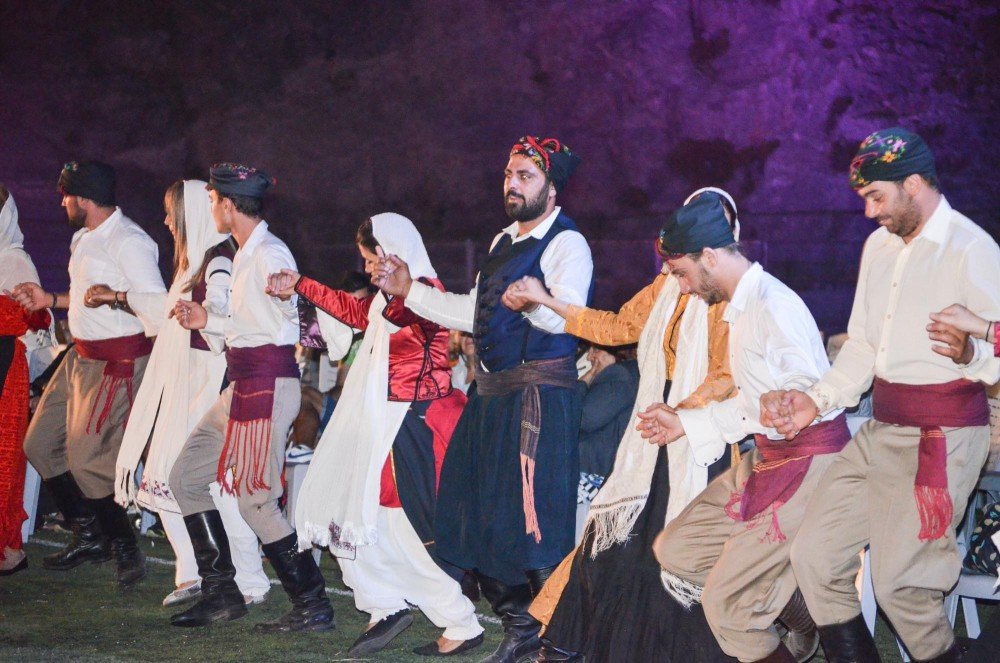
Dancing at a Cretan panigiri follows traditional forms – the pentozali, a fast and energetic circle dance with roots in Cretan resistance history, and the syrto, a slower line dance suitable for all ages. A ring or line of dancers forms early in the evening. To join the Cretan Dance, simply step up to the line, take the shoulder or hand of the person at the end, and follow the footwork. Nobody expects perfection – Cretans will smile and guide you through the steps.
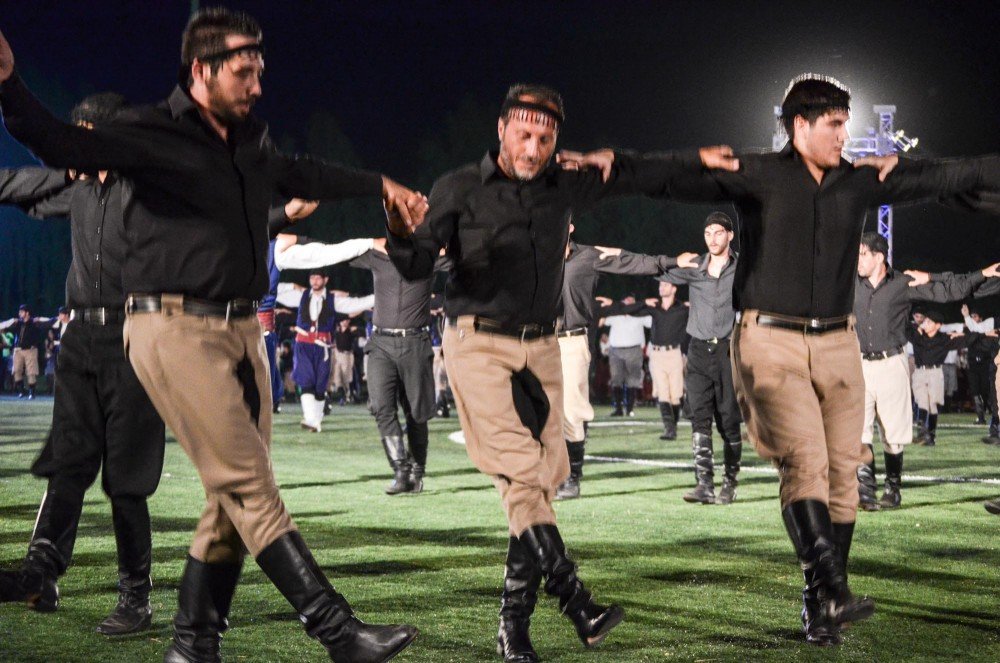
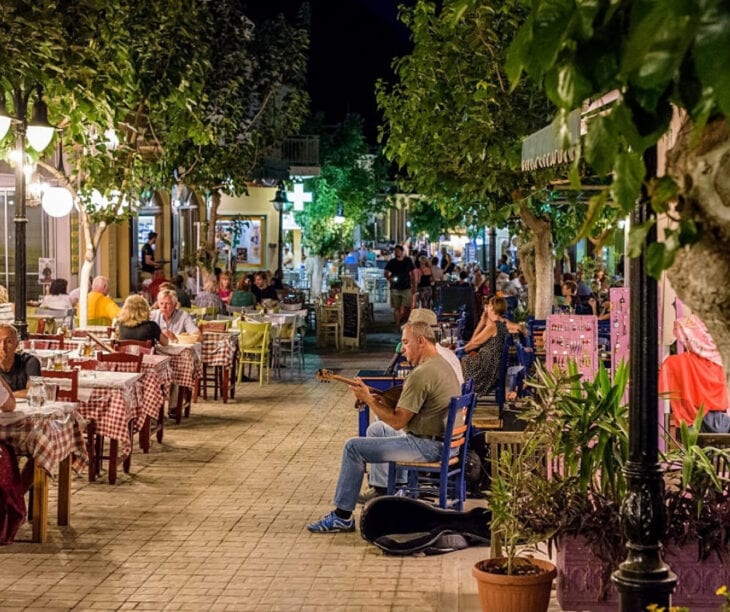
Having attended panigiria in villages from Anogia to the Apokoronas area, one thing never changes: by 23:00, the square is full, the lyra is flying, and strangers become table-mates for the night. If you’re in Crete in August and hear music drifting from a hillside – follow it.
When and Where to Find a Panigiri in Crete?
Panigiria take place year-round in Crete, but summer – especially July through mid-September – is peak season, with multiple festivals happening every week across the island’s villages.
Summer Panigiria: June to September
Panigiria take place year-round in Crete, but summer – from late June through mid-September – is peak season. The beautiful night-time weather and overall laid-back summer vibe make the tradition even more spirited and welcoming. Most panigiria start around 21:00–21:30, peak around midnight, and continue until 3–4 a.m. or even sunrise.
Also read: 24 Top Events and Festivals in Crete You Shouldn’t Miss
How to Find a Panigiri Near You?
- Check the Panigiria Kritis Facebook page (search “Panigiria Kritis” – updated regularly in Greek and English)
- Ask at your local bakery, kafeneio (café), or taverna – locals always know what’s happening that week
- Look for hand-painted posters in village squares (often in Greek; ask a local to translate)
- Ask at your car rental office – most staff are local and can point you toward authentic village events
Notable Panigiria Worth Planning Around
The most significant panigiri of the year is August 15 (Dekapentavgoustos), celebrated in virtually every village. Other major panigiria include the Snail Night (Chochlidovradia) in Agios Thomas village each August, the Wine Festival in Vouves (late July), and dozens of saint’s day celebrations in the villages around Chania, Rethymno, and Heraklion throughout summer.
Practical Tips for First-Timers
Arrive with cash, wear comfortable shoes, and say yes to whatever is offered – refusing food or drink at a panigiri is considered impolite.
- Bring cash – card payments are rare at village events
- Wear comfortable shoes – village terrain is often uneven
- Dress casually but respectfully for the church portion
- Bring a light layer for after midnight in mountain villages
- Say yes to food and drink offered – refusing is impolite
- Photography is welcome; ask permission for close-up portraits
Why Panigiri in Crete Is Unique?
Crete’s panigiria have a flavor distinct from mainland Greek festivals: faster music, stronger raki, and a tradition of celebratory gunshots fired into the night sky to open the festivities. In Crete, a panigiri earns its own distinct character: faster music, stronger spirits, and a tradition of celebratory gunshots that mark the opening of festivities.
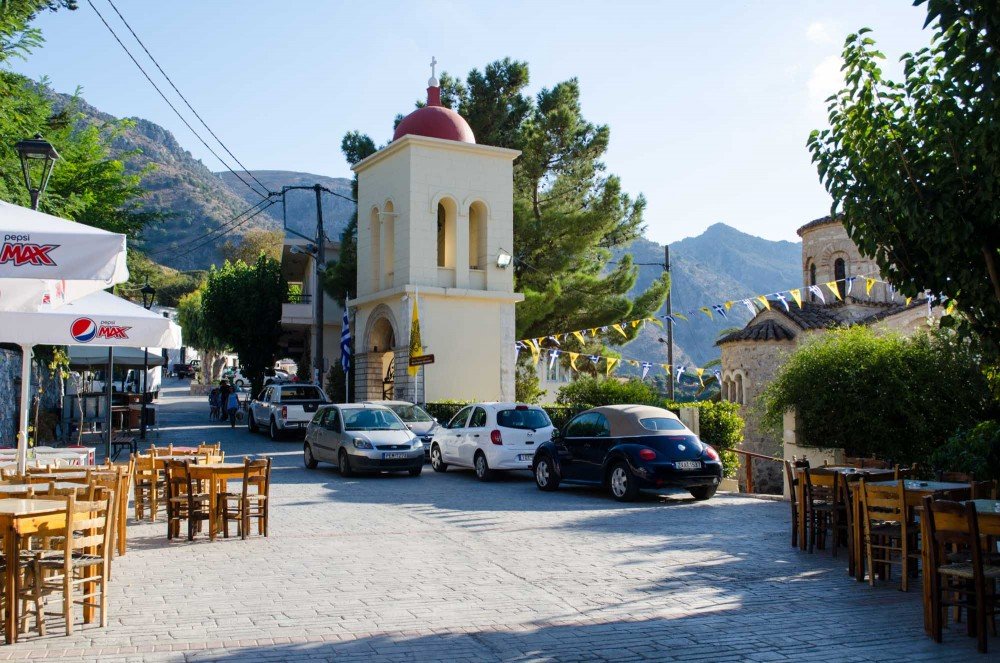
In the distance, you’ll likely hear celebratory gunshots ring through the night air. There’s no need to worry – this just gets the celebrations going even more. It is another wonderful part of experiencing a panigiri in Crete, where all ages participate and tourists and locals share the same table.