





A car matters more in winter, not less. Public buses connect the three main cities but run on reduced schedules to villages and beaches, and the organized bus tours common in summer do not run at all. From Heraklion Airport it is about 80 km (49.71 miles), roughly an hour by highway, to Rethymno, and about 145 km (90.10 miles), close to two hours, on to Chania; Chania Airport itself sits about 15 km (9.32 miles) from Chania’s old town. A rental car closes those gaps on your own schedule and reaches the archaeological sites, mountain villages, and monasteries that buses do not serve off-season, though mountain roads toward the Lassithi Plateau, the Psiloritis range, and the Omalos plateau can carry snow and ice and are worth checking before driving up.
Winter activities lean toward culture, history, and nature rather than beach time: archaeological sites and museums stay open at a quieter pace, the olive harvest runs through the western villages, and mountain villages such as Anogia take on an alpine character under snow. The ten stops below cover the main ones, with distances from the nearest city to help plan a route.
| Attraction | Nearest city | Distance |
|---|---|---|
| Palace of Knossos | Heraklion | 5.8 km (3.60 miles) |
| Arkadi Monastery | Rethymno | 18.1 km (11.25 miles) |
| Mount Ida (Psiloritis) | Rethymno | 57.4 km (35.67 miles) |
| Peza wine region | Heraklion | 18.6 km (11.56 miles) |
| Rethymno Old Town | Chania / Heraklion | 60.2 km (37.41 miles) / 86.4 km (53.69 miles) |
| Anogia | Heraklion | 39.2 km (24.36 miles) |
| Argyroupolis springs | Rethymno | 23.9 km (14.85 miles) |
1. Explore the Historic Palace of Knossos
The Palace of Knossos is located 5.8 km (3.60 miles) southeast of Heraklion, and it remains one of the most important archaeological sites in Crete. The site is known as the largest center of the Minoan civilization, and visitors often connect it with myths of the Minoans and the legend of the Minotaur. Walking through its restored halls in winter allows tourists to appreciate the ruins without the large summer crowds, making it easier to take guided tours or spend time studying the frescoes.
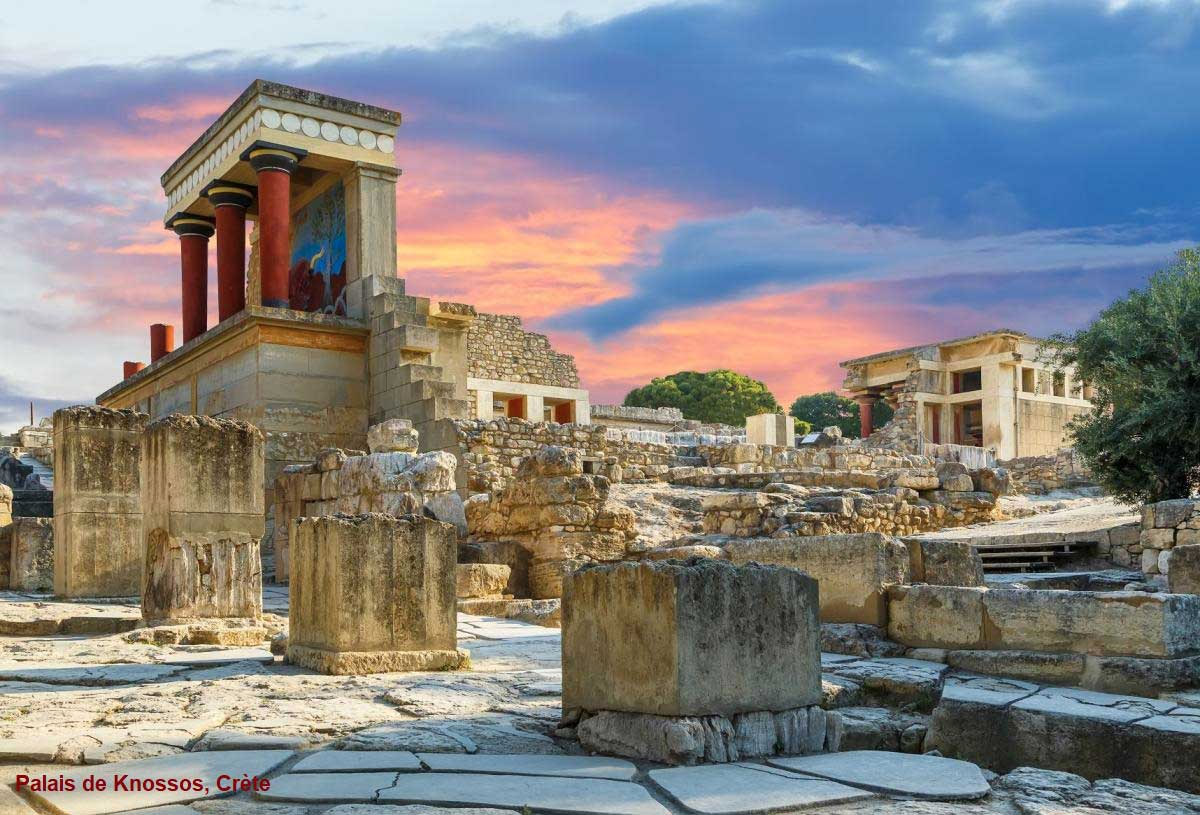
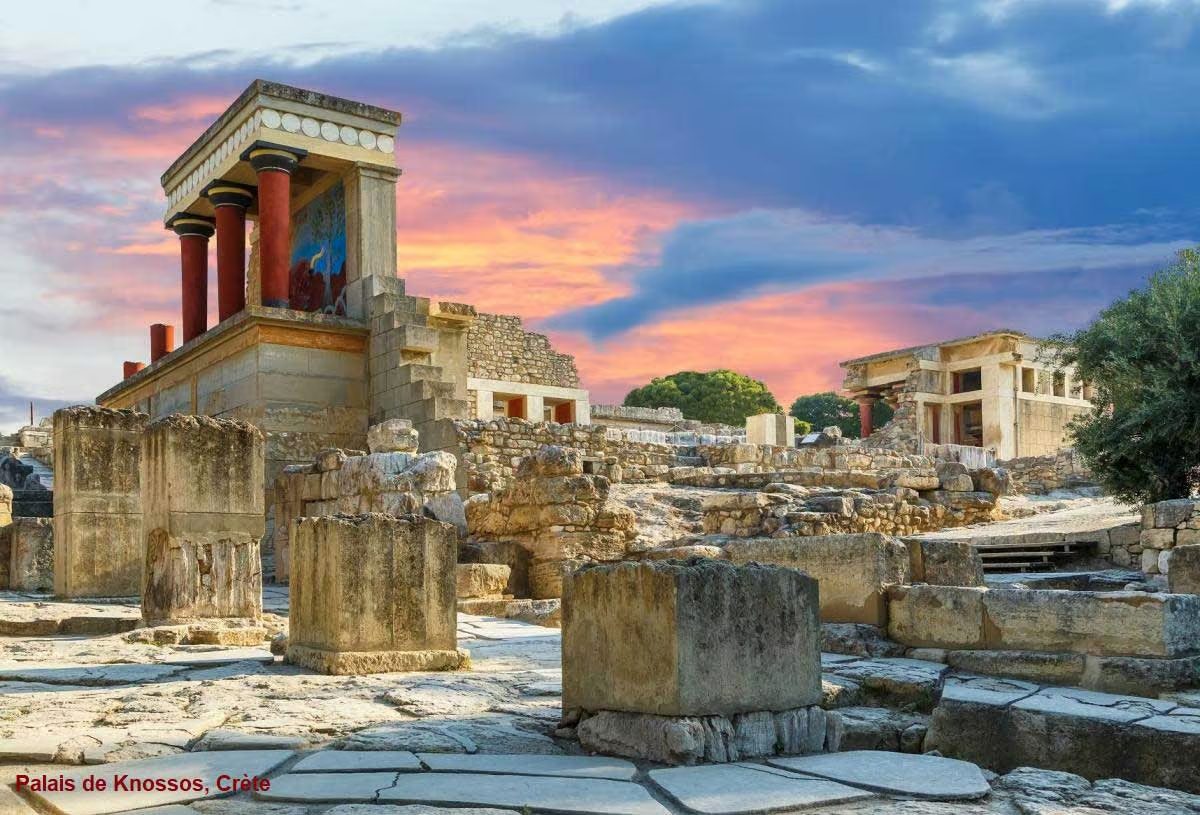
The site stays open during winter months with reduced hours, typically from 08:00 to 17:00, and entry costs €15 ($17.22, £12.71) for adults. The palace is notable for its multi-story layout, advanced drainage systems, and detailed wall paintings that offer insight into daily life in Bronze Age Crete. Tourists who explore the ruins in winter learn about the complexity of Minoan architecture and their influence on later Greek culture.
The highlight of visiting the Palace of Knossos in winter is the combination of mild weather, fewer visitors, and the ability to connect directly with the archaeological remains. Nearby activities include touring the Heraklion Archaeological Museum, visiting local villages such as Archanes, or taking day trips to other Minoan sites like Phaistos and Malia. These options create a fuller understanding of Crete’s ancient heritage beyond the palace itself.
2. Hike the Samaria Gorge in Winter
The Samaria Gorge is located in the White Mountains of western Crete, stretching 16 km (9.94 miles) from the Omalos Plateau to the coastal village of Agia Roumeli. The full route closes for winter due to rain and rockfall risk. Crete is home to more than 400 gorges, and Samaria is the longest and most recognized among them. Thousands of tourists make the descent in summer, but hiking sections near the entrance is possible with permission from local authorities, offering a distinctive perspective of the gorge without heavy foot traffic. The most common substitute while the full route is closed is Imbros Gorge, about 20 km (12.43 miles) east of Samaria, an 8 km (4.97 miles) trail that stays open year-round.
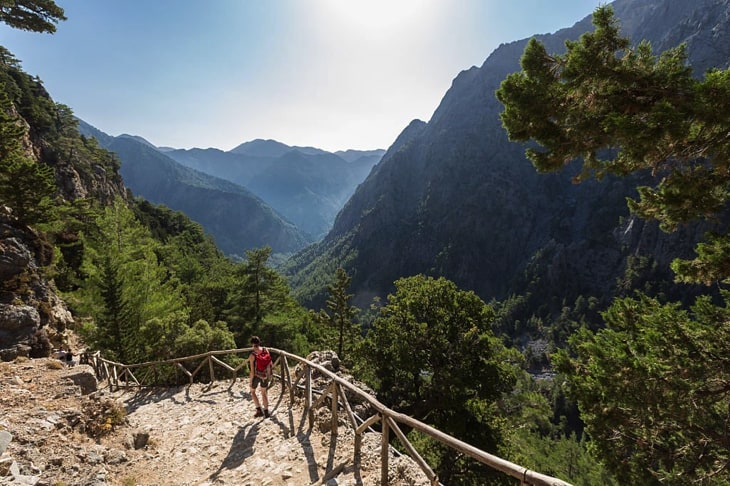
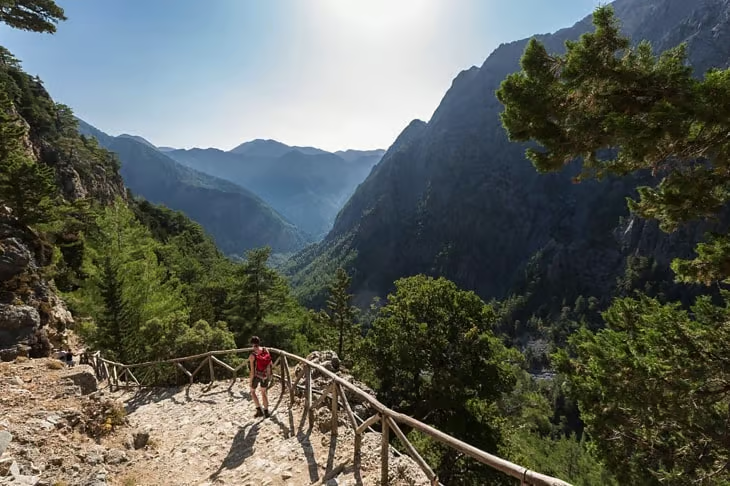
The gorge is recognized for its steep cliffs, narrow passages such as the “Iron Gates,” and diverse wildlife, including the kri-kri, a wild goat unique to Crete. Snow often covers higher elevations in winter, and mountain air temperatures can drop to 1°C–5°C (34°F–41°F). Tourists who hike parts of Samaria in winter see a quieter landscape and learn about the natural environment of Crete beyond its beaches.
The main highlight of experiencing the Samaria Gorge in winter is the silence of the canyon and the ability to explore shorter trails safely with proper gear. Other hikes in Crete are available in the season, including trails in Zakros in eastern Crete and smaller gorges near Rethymno such as Patsos. These alternatives remain accessible when Samaria’s full path is closed, making Crete a reliable destination for hikers year-round.
3. Visit the Monastic Heritage of Arkadi Monastery
Arkadi Monastery is located 18.1 km (11.25 miles) southeast of Rethymno, and it is regarded as one of the most historically significant monasteries of Crete. The site belongs to the wider tradition of monasteries of Crete, but Arkadi holds a unique role due to its connection with the resistance movement during World War II and earlier revolts against Ottoman rule. Its fortified walls, Renaissance-style church, and inner courtyards reflect a mixture of defense and religious architecture.
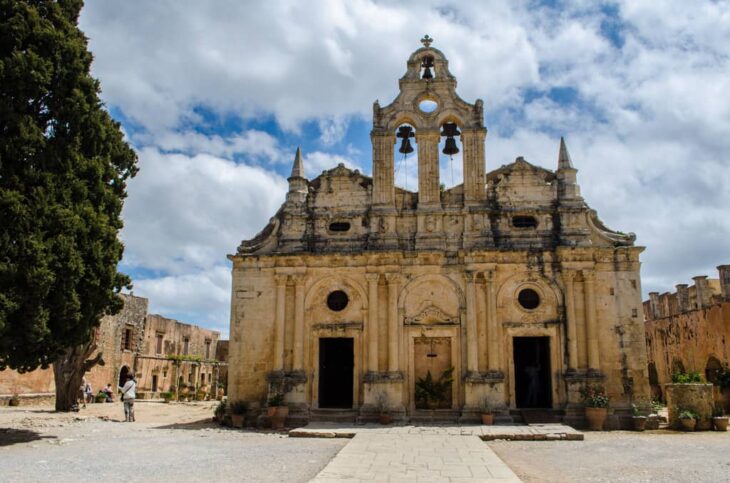
Tourists who visit in winter encounter a quieter atmosphere that allows them to explore the chapels, museum, and surrounding vineyards without crowds. The monastery remains open daily, usually from 09:00 to 16:00 in the winter months, and the entry fee is €3 ($3.44, £2.54). Distinctive features during this season include the absence of heavy tourist traffic and the chance to attend local liturgies. Visitors learn about the sacrifice of the monks and villagers who defended the monastery in 1866, an event that turned Arkadi into a symbol of freedom.
The main highlight of Arkadi Monastery in winter is the combination of cultural learning and peaceful surroundings, which makes reflection on its history more meaningful. Around the site, tourists can explore nearby villages such as Adele and Amnatos or travel further to Rethymno’s Old Town. Other monasteries of Crete worth visiting in winter include Preveli in southern Crete and Agia Triada near Chania, both of which combine history with scenic landscapes.
4. Experience the Christmas Festivities of Cretan Christmas Markets
Christmas markets fill the main squares of Heraklion, Chania, and Rethymno from early December to early January, staying open from morning into late evening. Wooden stalls line the streets, selling handmade ornaments, local sweets, and regional products like olive oil, wine, and honey.
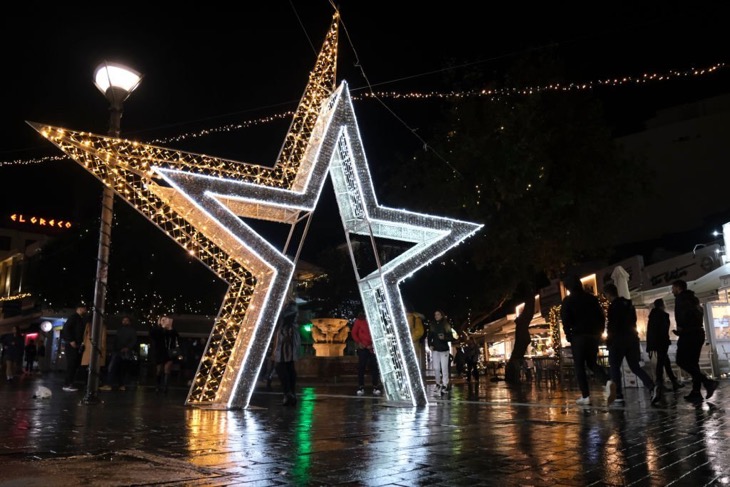
The advantage of visiting these markets during winter is the chance to see how Christmas in Crete combines Greek Orthodox traditions with European-style decorations. Tourists can try seasonal pastries such as melomakarona and kourabiedes, enjoy hot drinks flavored with cinnamon, or watch concerts and plays organized for families. Unlike summer, when city life focuses on tourism, these markets reveal the social and cultural customs of locals during the holiday season.
The highlight of the Christmas markets is the combination of festive food, crafts, and community gatherings under illuminated squares. Beyond shopping, visitors can join carol singing, attend church services, or explore nearby attractions such as museums and old towns decorated for the holidays. Read our full guide to Christmas in Crete for a season-by-season breakdown of the celebrations.
5. Participate in the Traditional Olive Harvest Experience in Chania
The olive harvest in Chania takes place from late October through January, and it represents one of the most distinctive winter experiences in Crete. Olive groves spread across the region, and tourists who visit during this time can join local farmers in picking olives by hand or using small tools. These activities highlight a tradition that has shaped the economy and culture of Crete for thousands of years.
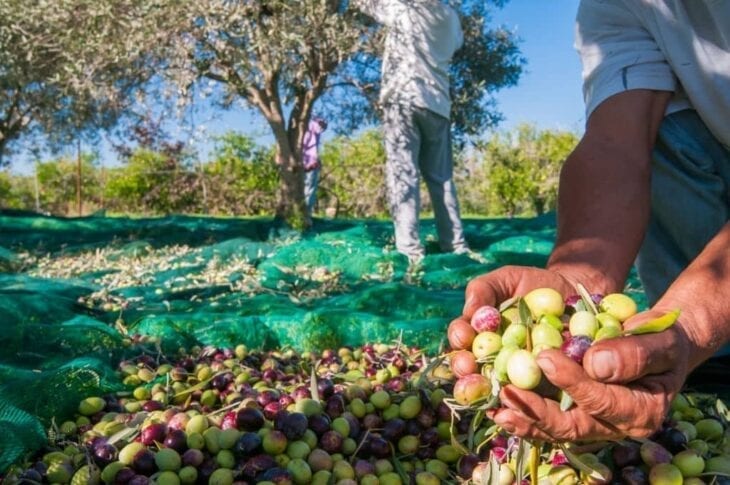
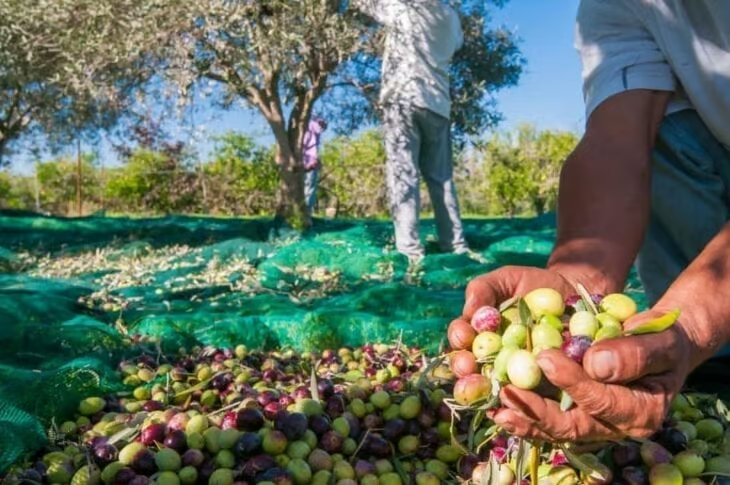
The experience is unique in winter because the harvest season aligns with cooler weather and active production in local mills. Tourists learn how olives are collected, sorted, and pressed into extra virgin olive oil, with opportunities to taste freshly produced batches. The activity often includes visits to nearby villages, where participants share meals with locals and sample traditional dishes cooked with the new season’s oil.
The highlight of joining an olive harvest in Chania is the direct connection with local agriculture and the chance to understand why olive oil is central to the Cretan diet. Around these excursions, tourists can explore archaeological sites such as Aptera or drive along the coast to visit other olive-growing areas in western Crete. Similar experiences are available in Heraklion and Rethymno, where visitors can tour groves and mills while learning about regional varieties of olives.
6. Enjoy Alpine Adventures in Mount Ida
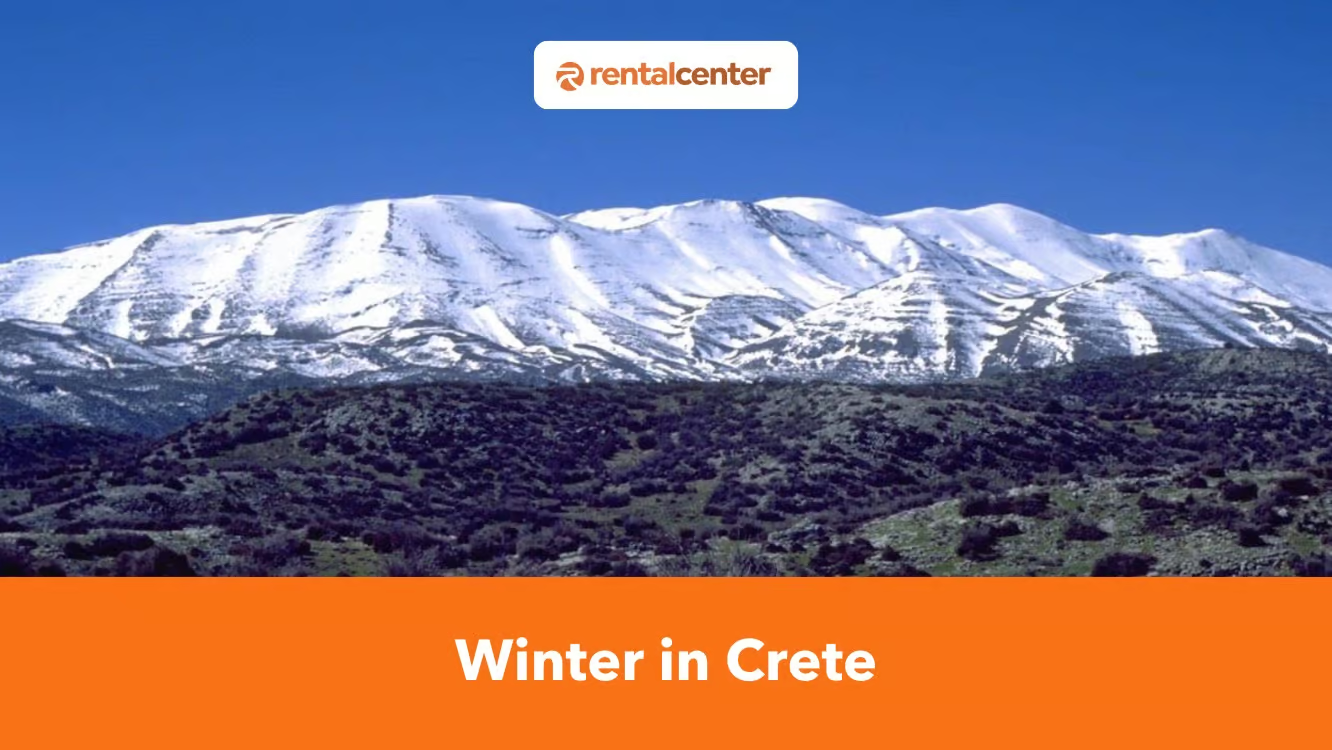
Mount Ida, located 57.4 km (35.67 miles) southeast of Rethymno, is the highest mountain in Crete and a key landmark of the island. It is known locally as Psiloritis, reaches an altitude of 2.456 km (1.53 miles), and is closely connected to myths of Zeus, who was believed to have been raised in the Idaean Cave. The mountain turns into an alpine destination in winter, offering conditions for hiking, snow trekking, and village exploration that are distinct from the summer season.
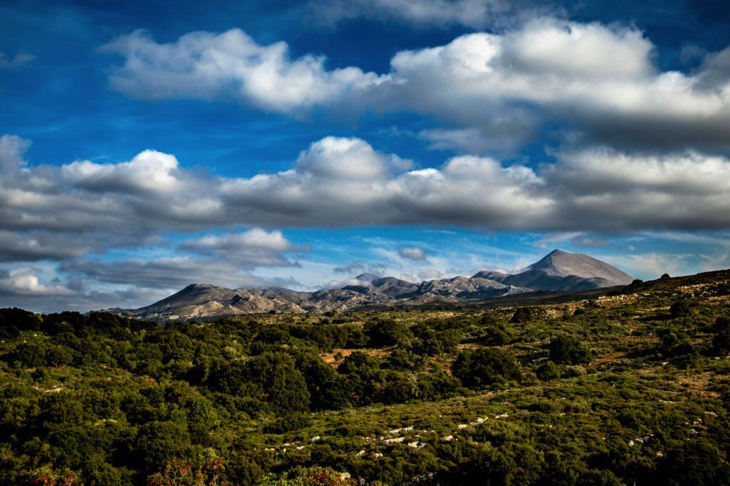
The advantage of visiting Mount Ida in winter lies in its snow-covered slopes, which allow tourists to experience alpine conditions without leaving the Mediterranean. Temperatures often drop below freezing at higher elevations, while villages at lower altitudes remain accessible with mild weather. Tourists who visit during this period see mountain landscapes blanketed in snow, learn about local shepherding traditions, and discover the cultural role of the mountain in Cretan mythology.
The highlight of Mount Ida in winter is the contrast between snow activities at higher altitudes and traditional life in surrounding villages such as Anogia. Visitors can tour the Skinakas Observatory or explore the Nida Plateau, both of which remain accessible in winter with proper planning. Other mountainous adventures in Crete include trips to the White Mountains in western Crete and the Dikti Range in the east, both offering trails and caves worth visiting in the colder months.
7. Taste Wine in the Peza region
The Peza region is located 18.6 km (11.56 miles) south of Heraklion, and it represents one of the leading wine-producing zones of Crete. The area is known for native grape varieties such as Kotsifali, Mandilari, and Vilana, which are cultivated in vineyards that stretch across the hills. Tourists find a different rhythm in winter compared to harvest season, with wineries focusing on cellar tours, tastings, and educational sessions about local viticulture.
The unique advantage of visiting Peza in winter is the chance to explore wineries without peak-season crowds. Many estates remain open throughout the year, offering tastings that cost €8 ($9.18, £6.78)–€15 ($17.22, £12.71) per person, often paired with local cheeses, olives, and bread. Tourists learn about the balance between traditional winemaking practices and modern production methods, see barrel rooms, and sample wines directly at their source.
The highlight of touring Peza in the winter season is the intimate experience of meeting winemakers and tasting local wines in a quieter atmosphere. Visitors around the region can explore Archanes village, visit the Archaeological Museum of Archanes, or take a short trip to the Palace of Knossos. Other wine destinations include Dafnes, known for sweet red wines, and Kissamos in western Crete, which offers tours of family-owned vineyards.
8. Stroll Through Rethymno Old Town
Rethymno Old Town is located 60.2 km (37.41 miles) east of Chania and 86.4 km (53.69 miles) west of Heraklion. The Old Town stays lively with local activity through the winter while remaining free of the summer crowds, and it is known for its preserved Venetian and Ottoman architecture, narrow streets, and harbor that dates back to the 13th century.
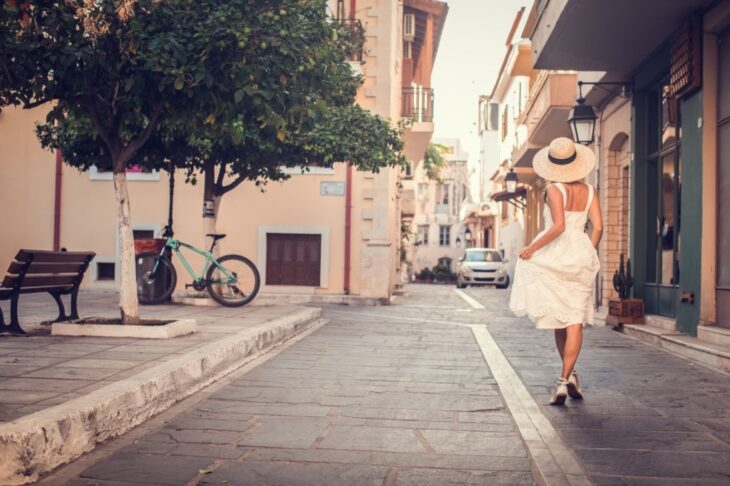
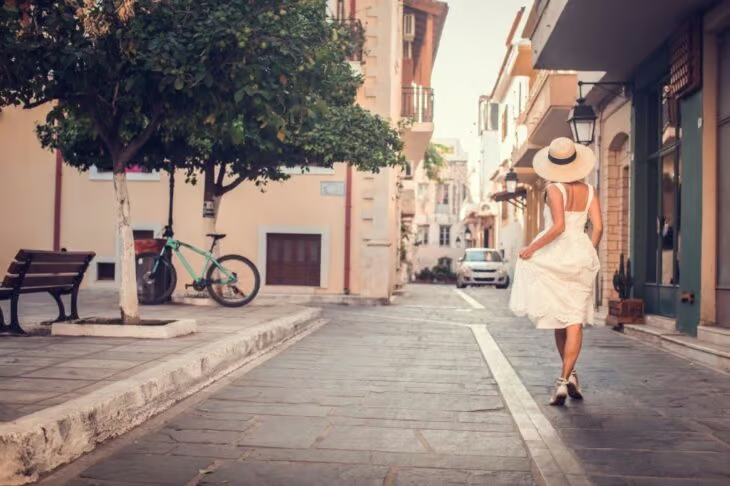
The advantage of visiting Rethymno Old Town during the winter months is the chance to walk through its alleys without the summer congestion. Tourists can see landmarks such as the Rimondi Fountain, the Venetian Loggia, and the Fortezza Fortress, which stays open during daylight hours. Cafés and tavernas continue operating, offering meals at lower prices compared to peak season. The mild winter weather, averaging 12°C (53.6°F)–16°C (60.8°F), makes walking tours comfortable throughout the day.
The highlight of experiencing Rethymno Old Town in winter is the ability to appreciate its layered history and active local life without distractions. Visitors can learn about Venetian fortifications, Ottoman-era houses, and Cretan folklore preserved in small museums. Other places with similar experiences include Chania Old Town, with its lighthouse and Venetian harbor, and Heraklion’s historic center, where markets and archaeological sites provide cultural depth year-round.
9. Discover the Mountain Village of Anogia
Anogia is located 39.2 km (24.36 miles) west of Heraklion, on the northern slopes of Mount Ida. Snow often covers the higher parts of the settlement in winter, and the village is known for its strong cultural identity, with deep roots in Cretan music, weaving traditions, and resistance history.
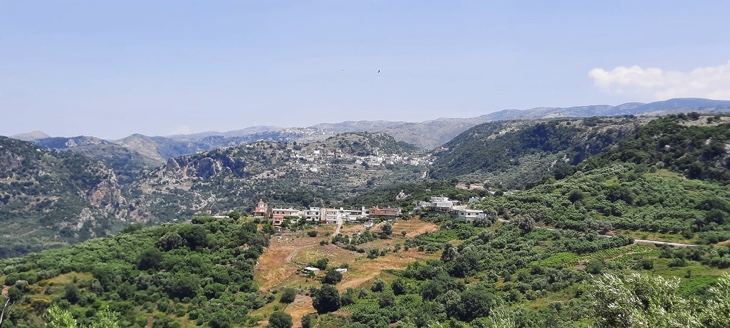
The unique advantage of visiting Anogia in winter is the chance to see local traditions without large numbers of tourists. Taverns serve slow-cooked lamb and goat dishes, while artisan shops display handwoven textiles. Tourists who explore the village learn about its role in Cretan resistance movements during World War II and its continuing importance as a center of Cretan folk music.
The highlight of visiting Anogia in winter is its combination of hospitality, heritage, and mountain scenery. Around Anogia village, visitors can drive to the Nida Plateau, explore the Idaean Cave linked to Zeus, or continue toward Zoniana for its cave and small museum. Other mountain villages worth visiting include Archanes near Heraklion, known for wine traditions, and Kritsa in eastern Crete, famous for Byzantine churches and handicrafts.
10. Relax in the Thermal Springs of Argyroupolis
The thermal springs of Argyroupolis are located 23.9 km (14.85 miles) southwest of Rethymno, in a village built on the site of ancient Lappa. The area is quieter in winter, and cooler air makes the warm waters more inviting. The springs are recognized for their flowing waters, lush greenery, and small waterfalls that create a natural setting for relaxation.
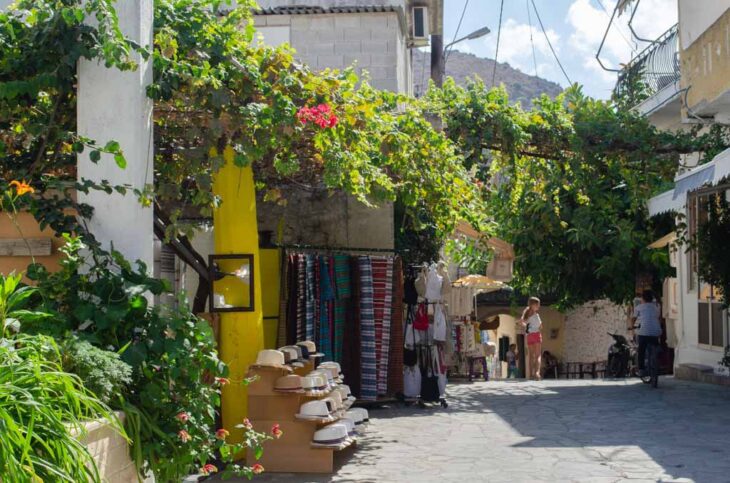
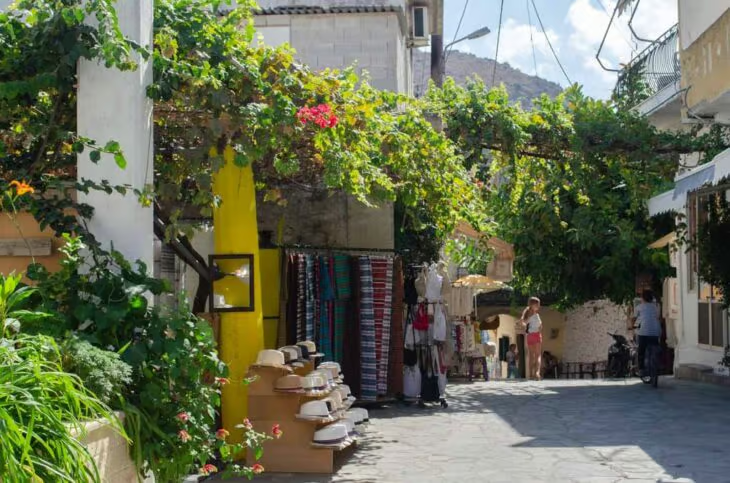
Visiting Argyroupolis in the winter season means enjoying the comfortable contrast between water temperatures and the surrounding climate. Tourists who visit see natural springs that feed tavernas and pools, and some local businesses provide facilities where visitors can dip their feet or enjoy meals beside the flowing streams. The village’s history is notable for its connection to ancient Lappa, an important city during Roman and Byzantine times, and visitors can learn about its archaeological remains.
The highlight of experiencing the thermal springs in winter is the peaceful environment that encourages both rest and cultural exploration. Tourists around the area can dine in tavernas that use spring water for fresh trout dishes, visit small chapels hidden among the greenery, or drive further into the mountains for short hikes. Other natural spring experiences in Crete include the springs of Zaros in southern Heraklion and the healing waters near Amari Valley, which remain attractive in the colder months.
How to get around in Crete during the winter?
The best way to get around Crete during winter is by car rental, since transportation in Crete relies on public buses, taxis, ferries, and flights that all run on reduced winter schedules. Public buses connect main towns such as Heraklion, Chania, Rethymno, and Agios Nikolaos, but services to remote villages and beaches operate less frequently, and the organized bus tours available in summer do not run. Taxis remain available year-round, while flights connect to Athens daily, though there are no direct international flights to Crete in winter, only connections via Athens or Thessaloniki. Ferries continue operating, but rough weather in the Aegean Sea sometimes causes delays or cancellations.
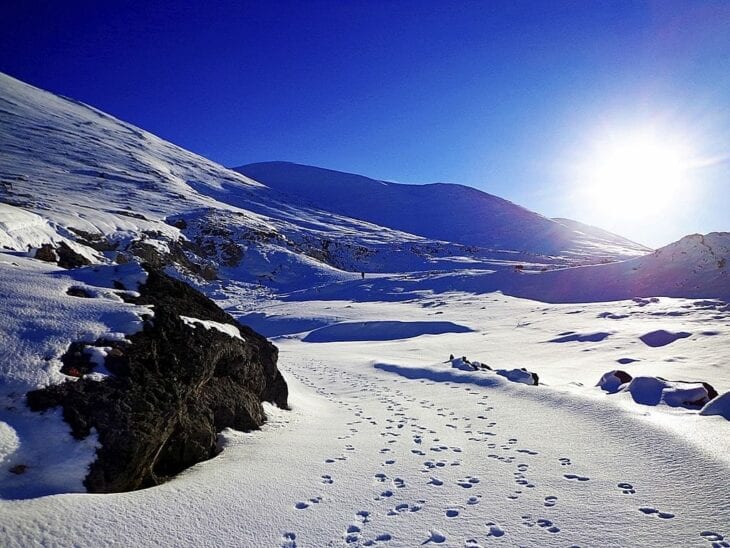
Renting a car is worth it in winter because daily rates are lower, averaging €18 ($20.67, £15.26)–€25 ($28.70, £21.19) for compact models, and a car provides the freedom to travel between cities, mountain villages, and archaeological sites without depending on seasonal bus schedules. Driving conditions remain good on highways, though travelers heading into high-altitude areas such as Mount Ida, the White Mountains, the Lassithi Plateau, or the Omalos plateau should prepare for snow or icy roads.
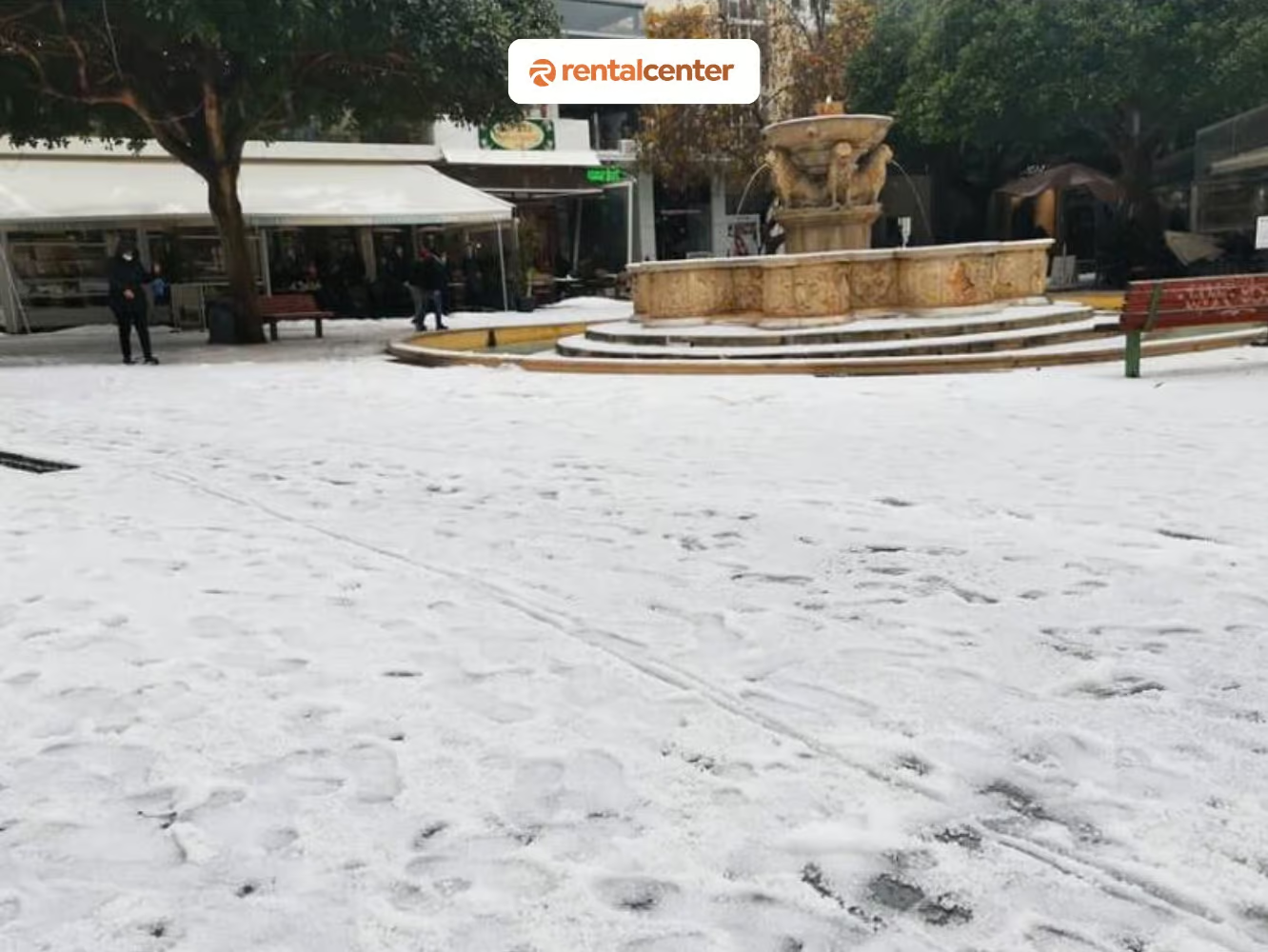
Tourists benefit from following a few practical tips when driving in Crete during winter. Using GPS navigation helps with rural routes, while checking road conditions before long drives prevents delays. Filling up on fuel in larger towns is wise, as stations in villages may close earlier in winter. Carrying warm clothing and water is recommended for mountain trips, where sudden weather changes are common.
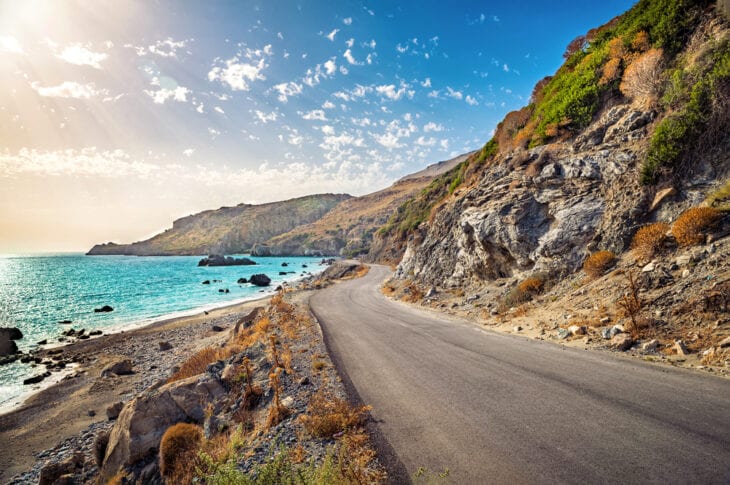
For travelers who prefer not to drive, buses between Heraklion, Chania, and Rethymno remain the most reliable public transportation, though they limit access to rural and off-season destinations.

What is Crete’s winter climate like?
Crete’s winter climate spans December, January, and February, with mild, rainy conditions, frequent cloud cover, and limited sunshine. Daytime maximum temperatures reach about 15.3°C (59.5°F) to 17°C (62.6°F), and nights cool down significantly, especially inland and in higher elevation zones.
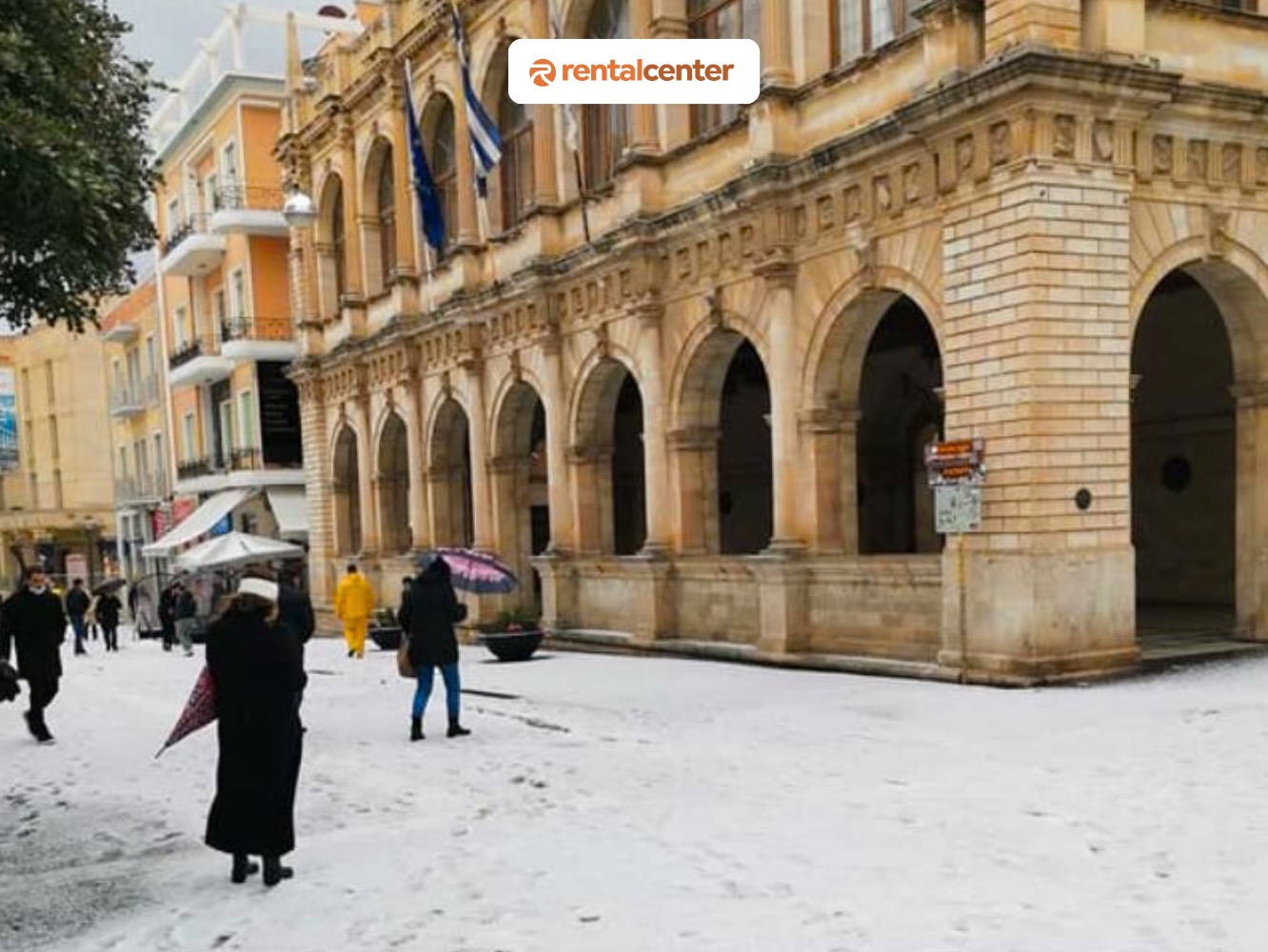
Rainfall remains substantial during the winter months. January and December see average rainfall of 92 mm and 90 mm respectively, while February drops slightly to 74 mm. The number of sunshine hours during winter reduces to roughly 4 hours per day, making many days overcast with short spells of sun.
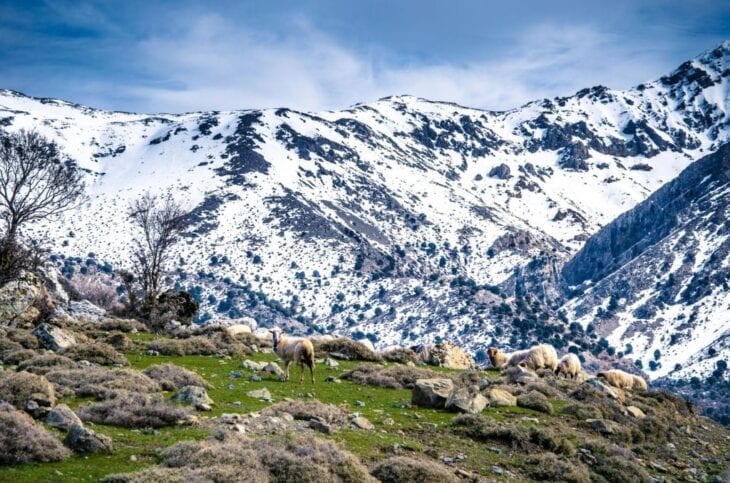
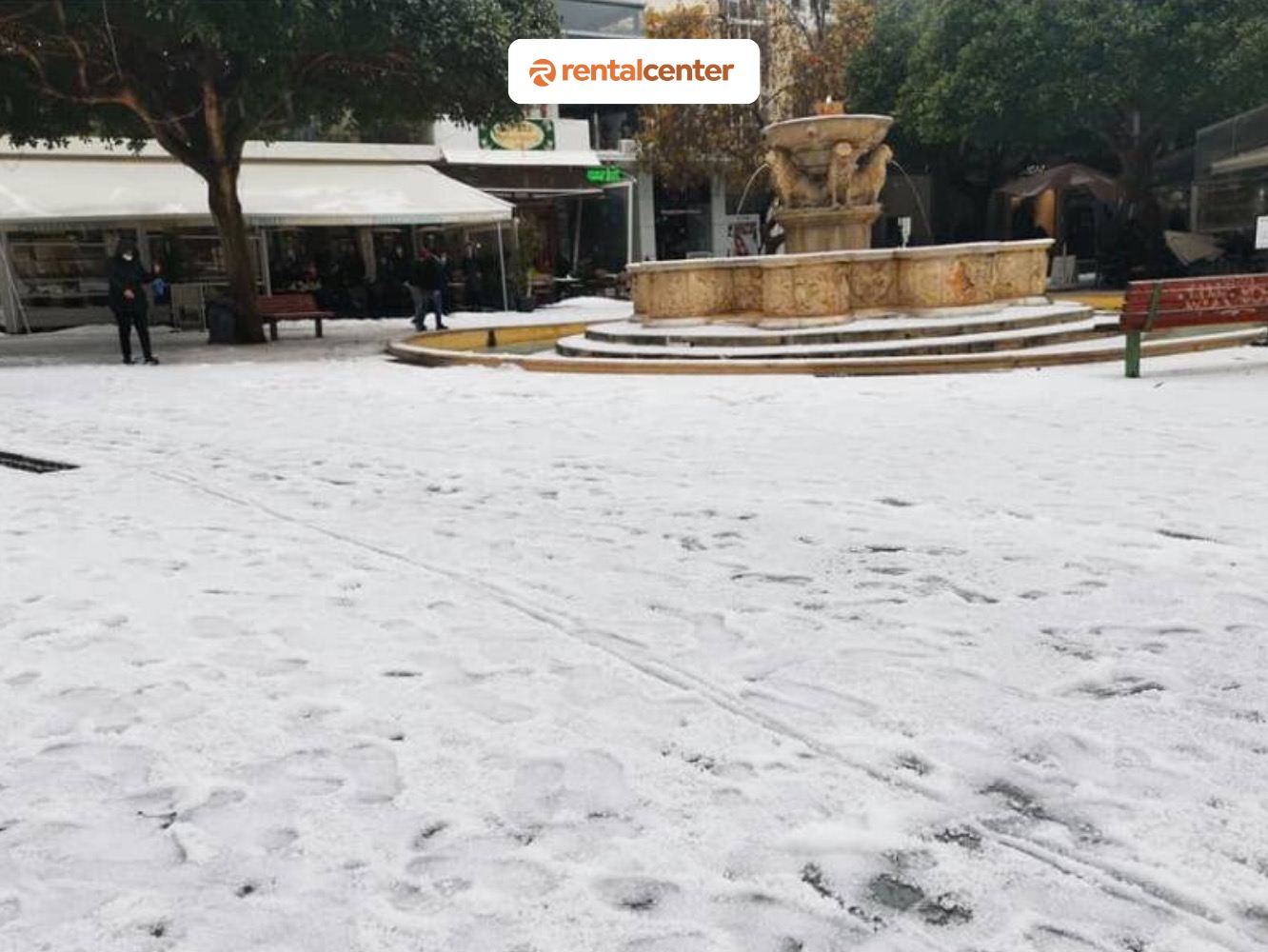
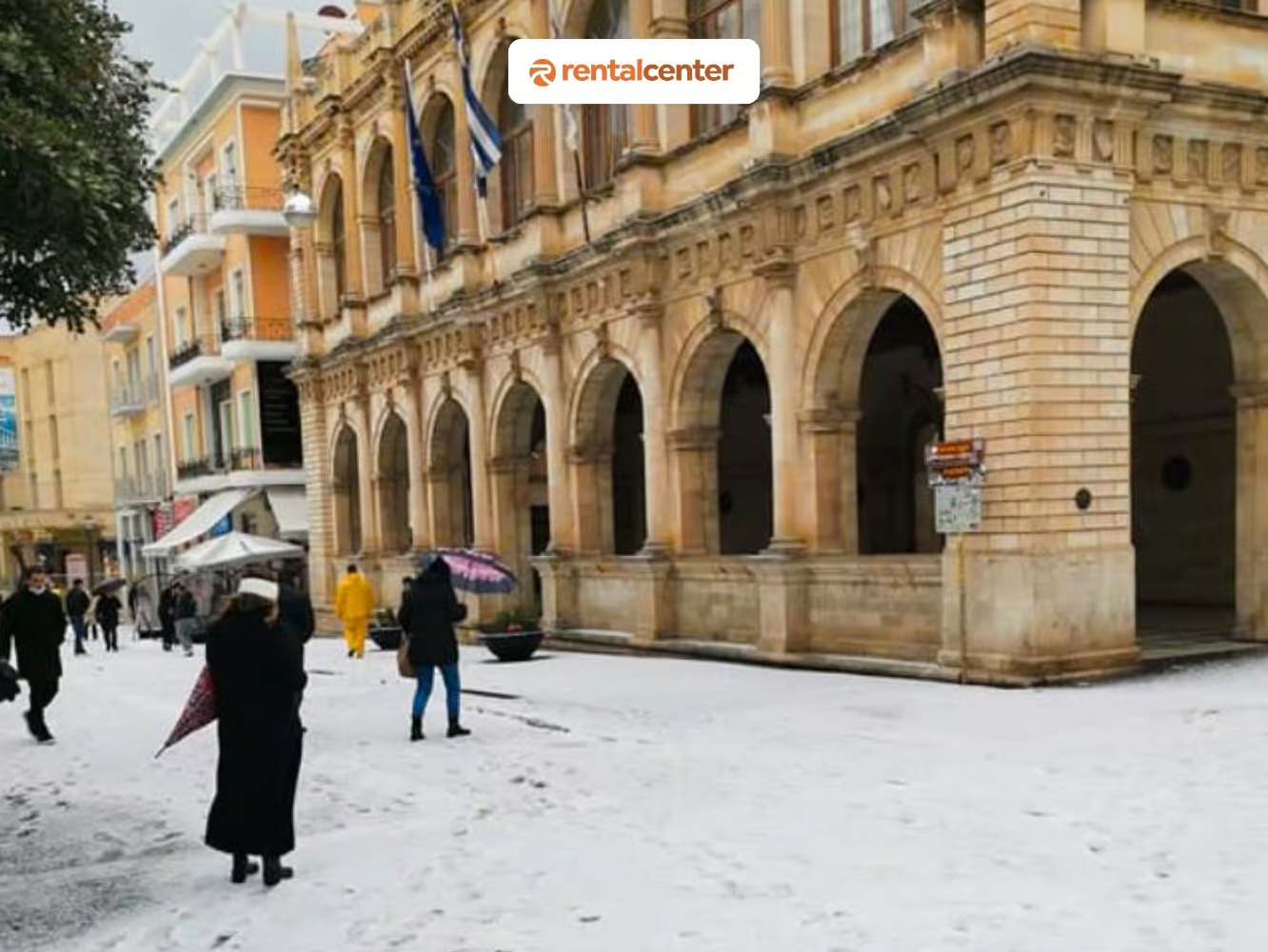
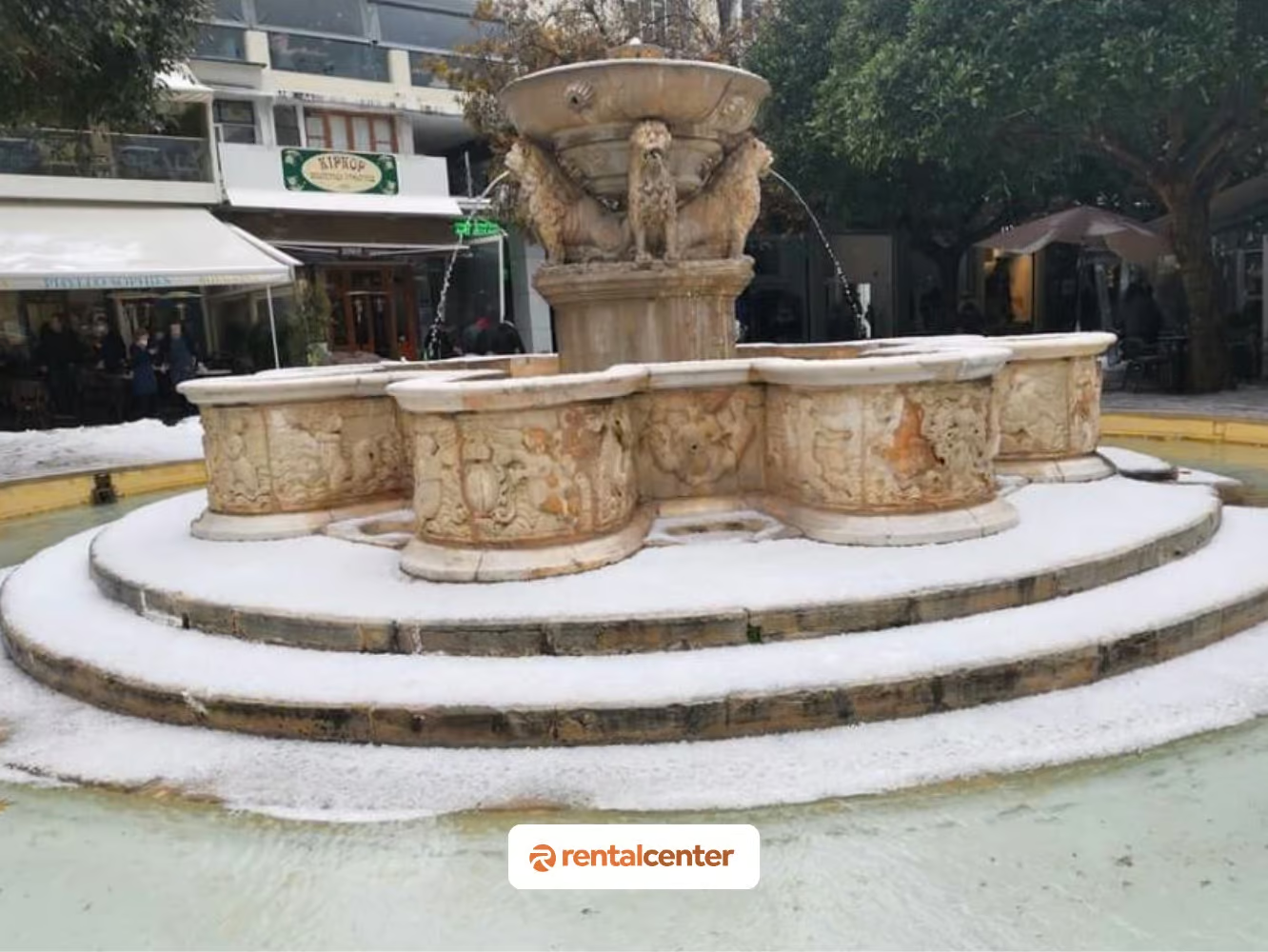
Snowfall in the coastal areas is almost non-existent. Mountainous regions may receive snow, but coastal towns rarely see anything more than occasional frost or a dusting. Record cold temperatures and light snow occurred in February 2004, when the coast recorded a low of -0.8°C (30.6°F) and some snow reached places that rarely experience it.
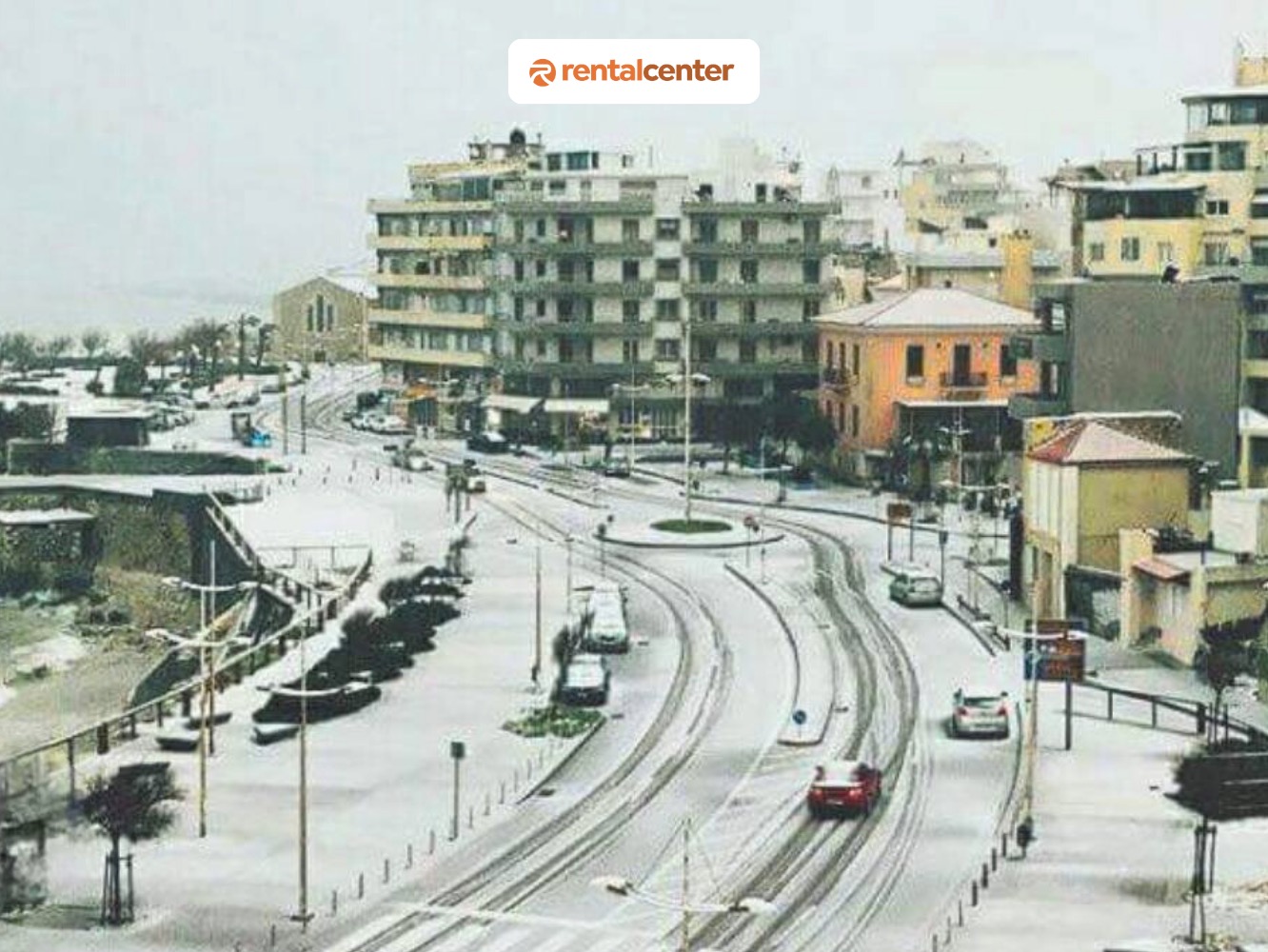
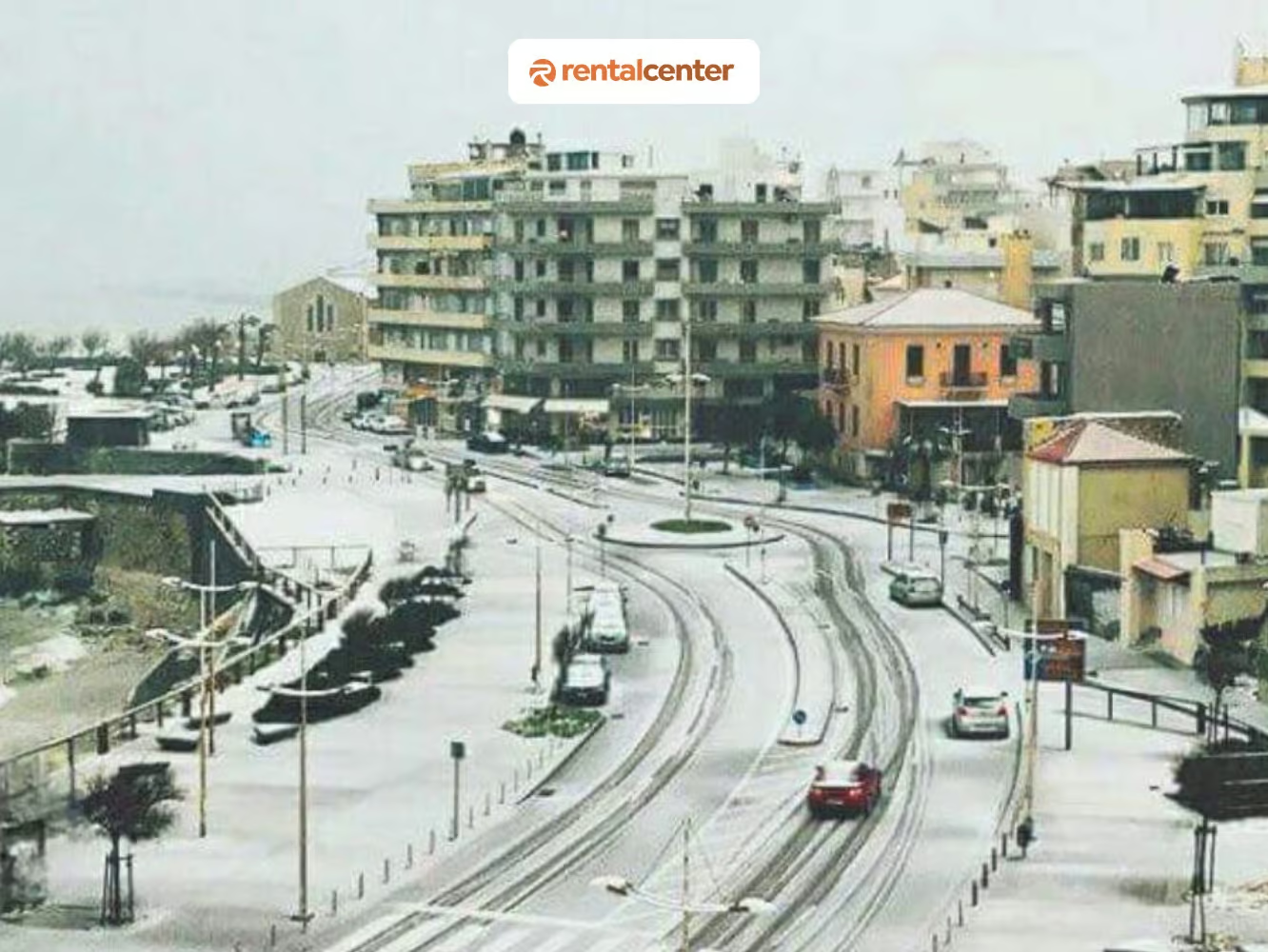
The cold in Crete during winter arises from the combination of cooler air masses, high humidity from frequent rain, and cloud cover that limits solar heating. Inland and elevated areas grow noticeably colder at night; coastal zones stay more temperate but feel chillier with wind and dampness.
Tourists visiting Crete in winter should pack warm clothing layers such as long-sleeved shirts, sweaters, and a jacket for evenings or mountain trips. Rain protection is important, so a waterproof coat or umbrella and shoes or boots suitable for wet conditions are recommended. Accessories like a scarf, hat, and gloves are useful, particularly in mountain areas or inland villages where nights are colder. Footwear with good grip, such as hiking boots, helps when paths are muddy or slippery. Casual clothing worn in layers works best for indoor settings such as museums, restaurants, and tavernas, as heated spaces often require adjustments between indoor comfort and outdoor chill.
What is Crete’s weather in November like?
Crete’s weather in November is a transition from mild autumn into wetter, cooler days, with average daytime highs near 19°C (66.2°F) and lows around 12°C (53.6°F) at night. Rain falls on about 8 days in many areas, amounting to roughly 83 mm of total rainfall. Sunshine hours drop to about 5 hours per day, and daylight lasts around 10 hours.
Snow is rare in November on the coast and in low-lying areas. Mountainous zones may begin to see occasional light snow or frost at higher elevations, but Crete’s November weather remains mostly rain, wind, and cloud for most visitors.
Visiting Crete in November is worth it for travelers who want fewer crowds, lower prices, and mild temperatures that support outdoor tours, walks, and cultural exploration without summer heat. Pack layers, waterproof gear, and expect variable weather.
What is Crete’s weather in December like?
Crete’s weather in December enters true winter conditions for the Mediterranean climate, with daytime temperatures averaging 15°C (59°F) and night-time lows around 9°C (48.2°F). Rain falls on about 11–12 days in the month, totaling approximately 90 mm, with sunshine hours falling to roughly 4 hours per day.
Coastal towns do not usually see snow in December. Mountain peaks and high inland areas may receive snow or frost, especially during cold spells. Coastal moisture and overcast skies make winters feel chillier than raw temperatures suggest.
Going to Crete in December is worthwhile if the goal is culture, relaxation, and off-season calm rather than beach-going. Sites like museums, monasteries, and villages remain open, prices are low, and the weather supports walking and sightseeing, as long as tourists are willing to experience some rain and cool evenings.
What is Crete’s weather in January like?
Crete’s weather in January delivers true winter conditions with frequent rain, cloud cover, and mild daytime temperatures. Daytime highs run around 14°C (57.2°F) and lows near 7°C (44.6°F) in coastal zones, with inland and elevated areas feeling colder, especially at night.
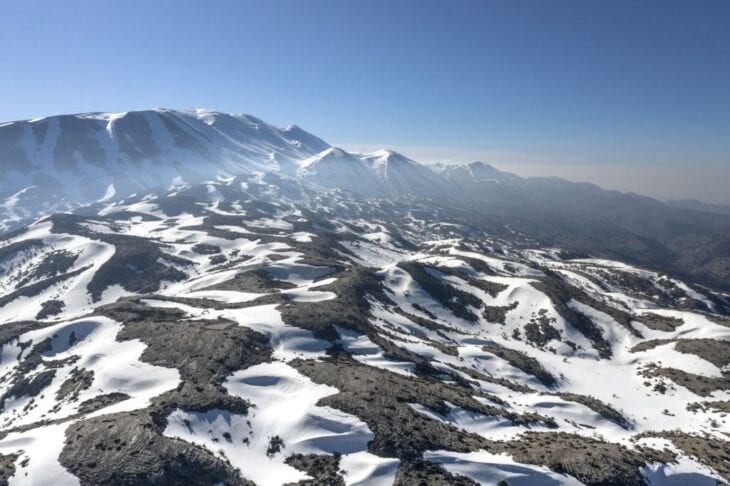
Rain falls on about 12 days in January, totaling around 92 mm, among the wettest stretches of the winter. Sunshine hours reduce to about 4 hours per day, and daylight lasts roughly 10 hours. Snow is almost never seen on the coast in January; higher mountains may receive light snow or frost on cold nights.
Visiting Crete in January is worthwhile for travelers who prefer fewer crowds, lower prices, and an interest in cultural and historical sites rather than swimming or beach activities. Packing for rain, layering clothes, and staying near lower-altitude towns improve comfort.
What is Crete’s weather in February like?
Crete’s weather in February stays in winter mode but shifts slightly toward milder conditions, with daytime highs around 14°C (57.2°F) and nighttime lows near 8°C (46.4°F) along the coast. Inland or in the mountains, temperatures drop further, especially at night.
Rain occurs on about 11 days in February, totaling around 74 mm, the driest of the three core winter months. Sunshine hours increase slightly, averaging 5 hours per day, and daylight extends slightly compared to January. Snow remains rare on the coast; mountains may see snow or frost during cold spells.
Going to Crete in February is worth it for tourists who enjoy off-season travel, wish to see cultural sites, explore nature trails, or participate in local winter traditions. Dress in layers, expect wet weather, and plan not to rely on perfect sunshine, but enjoy quiet towns and easier access to attractions.
What are the pros and cons of visiting Crete in winter?
The pros and cons of visiting Crete in winter depend on what tourists aim to experience from their holiday. A major advantage is the lower cost of travel, with hotel rates, car rentals, and dining prices significantly cheaper than in summer. Another benefit is the lack of crowds, as archaeological sites, museums, and old towns are far less busy, allowing visitors to explore at a relaxed pace. The winter season also brings unique activities, such as olive harvests, wine tastings, Christmas markets, and snow trekking in the mountains. The climate stays milder than much of Europe, with daytime temperatures often reaching 14°C (57.2°F) to 16°C (60.8°F), making the island a practical escape from harsher winters elsewhere.
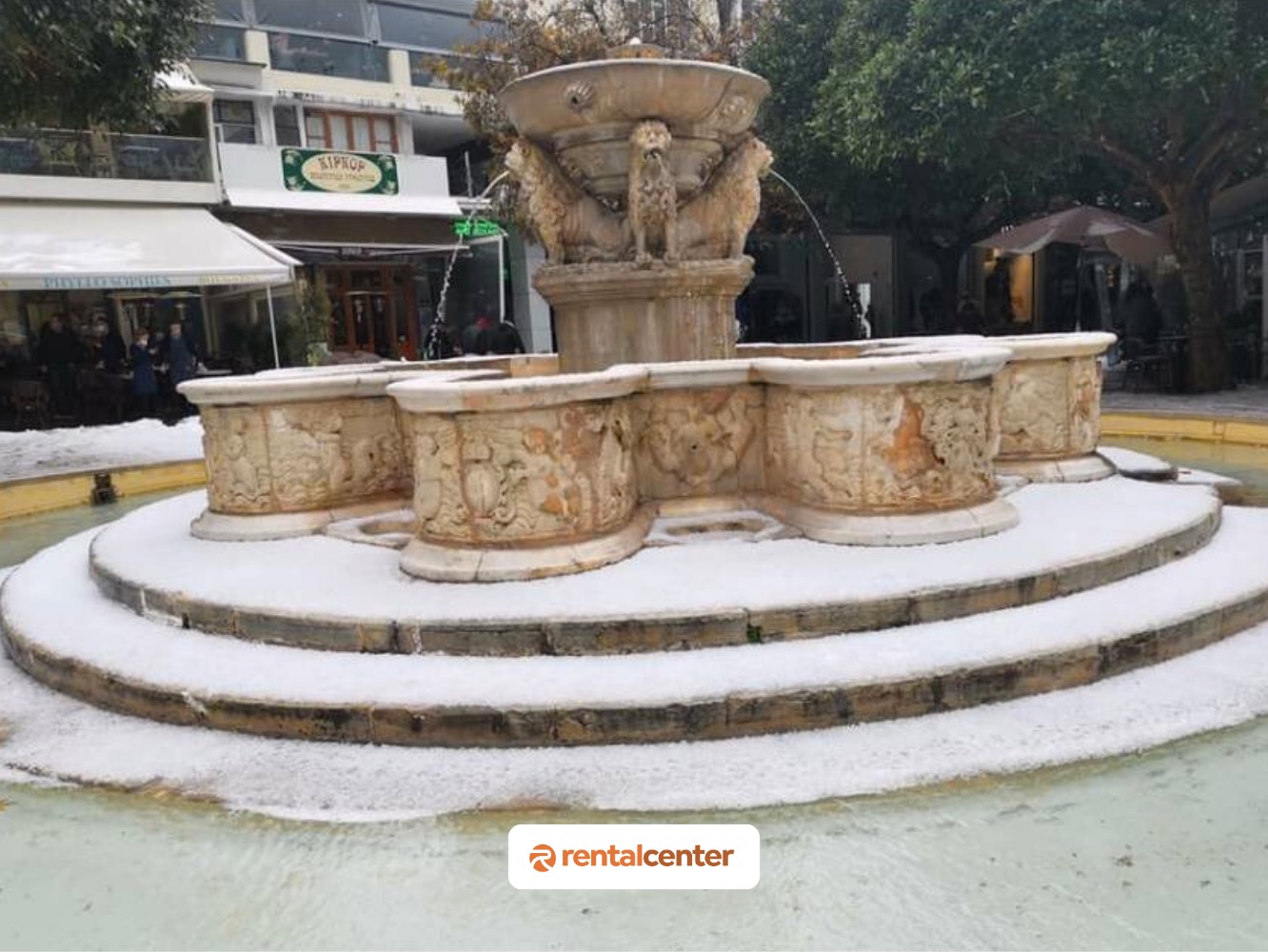
Winter also brings drawbacks that some travelers may find limiting. Rain is frequent between December and February, with as many as 10–12 wet days per month, which can interrupt outdoor plans. Snow and ice affect higher mountain roads, reducing access to some inland destinations. Many beachfront resorts, restaurants, and tourist shops close for the season, leaving fewer options in smaller coastal villages. Swimming is uncomfortable, as sea temperatures fall to 16°C (60.8°F)–18°C (64.4°F). Travelers who expect long sunny days may also find the shorter daylight hours and overcast skies less appealing.
Tourists who value cultural exploration, local traditions, and peaceful travel may find visiting Crete in winter rewarding, while travelers seeking beach holidays, nightlife, or guaranteed sunshine will find the season less suitable. For a fuller month-by-month comparison across all four seasons, see our guide to the best time of year to visit Crete.
What cultural festivals take place in Crete during the winter
Some of the cultural festivals that take place in Crete during winter are Christmas celebrations, New Year’s festivities, Epiphany, the Feast of Saint Titus, and Carnival season leading up to Lent. Each event highlights local traditions and provides visitors with a glimpse into Cretan culture during the colder months.
Christmas celebrations fill December with markets, decorated squares, and church services. Tourists see villages and cities illuminated with lights, and bakeries selling seasonal pastries such as melomakarona and kourabiedes. New Year’s festivities on January 1 bring family gatherings and the cutting of the Vasilopita cake, which contains a coin that symbolizes luck for the year.
Epiphany on January 6 is one of the most distinctive winter events, marked by the Blessing of the Waters. Priests cast a cross into the sea, rivers, or lakes, and swimmers dive to retrieve it, a ritual seen in coastal towns across Crete. The Feast of Saint Titus, celebrated in February in Heraklion, honors the island’s patron saint with church services and cultural activities.
Carnival season (Apokries), which usually begins in February and runs until the start of Lent, is one of Crete’s most colorful winter traditions, opening with Tsiknopempti, or “Smoky Thursday,” when the smell of grilled meat fills towns and villages as families cook outdoors before the Lenten fast. Rethymno hosts the largest carnival on the island, featuring parades, costumes, music, and street performances. The festival concludes with symbolic events such as the burning of the Carnival King, which marks the transition into Lent.
What winter foods or drinks are unique to Crete?
Winter foods or drinks that are unique to Crete include snails cooked in rosemary, apaki, gamopilafo, kalitsounia, chestnuts, rakomelo, and Cretan herbal teas. Each of these Crete food specialties reflects the island’s seasonal traditions and local ingredients.
Snails cooked in rosemary are prepared with olive oil, vinegar, and fresh herbs, and they remain a popular winter delicacy in mountain villages. Apaki, a smoked pork dish marinated with vinegar and spices, is often served during the colder months as a hearty meze. Gamopilafo, a rice dish simmered in lamb or goat broth, is usually prepared for weddings but appears frequently at family gatherings in winter for its warming qualities. Kalitsounia are small pies filled with soft cheese or wild greens, baked or fried, and often served during festive occasions in December and January.
Chestnuts are roasted or added to stews during the winter season, especially in regions with chestnut groves such as Elos and Anogia. Rakomelo, a hot drink made with raki, honey, and spices, is widely enjoyed on winter evenings as both a digestive and a warming beverage. Cretan herbal teas, known as tsai tou vounou or mountain tea, are brewed from local plants like dittany, sage, and malotira, offering both warmth and health benefits during the colder months.
Does it snow in Crete?
Yes, it does snow in Crete, but its presence depends on location and elevation. Coastal areas such as Heraklion, Chania, and Rethymno rarely see snowfall, with only a few historic events bringing light snow to the shore. The mountains, however, receive regular snow during December, January, and February, particularly on Mount Ida, the White Mountains, and the Dikti Range. These areas often remain snow-covered throughout the winter months.
Snow at higher altitudes creates opportunities for winter trekking and alpine experiences, while villages on the slopes may wake up to occasional frost or a dusting of snow. Rain and mild temperatures define the winter climate more than snow for most tourists staying in coastal towns.
Is skiing an activity in Crete during the winter?
Yes, skiing is an activity in Crete during the winter, though it takes place in a more natural and unorganized form compared to mainland ski resorts. The White Mountains, Mount Ida, and the Dikti Range receive heavy snowfall during December, January, and February, creating conditions suitable for ski mountaineering and snow trekking. Crete does not provide lifts or official ski centers, so experienced skiers visit these areas for backcountry routes on unmarked terrain, carrying their own equipment. The flagship event is the Pierra Creta, a biennial ski mountaineering race on Psiloritis that draws competitors from across Europe.
Safety remains important, as weather changes quickly at high altitudes, and local guidance is advisable when planning routes. The main appeal of skiing in Crete is its rarity, the chance to ski on Mediterranean mountains while being only a short drive from historic towns and beaches. For travelers seeking conventional facilities, mainland Greece offers ski resorts such as Mount Parnassos, but Crete provides a more distinctive, off-the-beaten-path option.
Does it rain in Crete?
Yes, it rains in Crete, especially during the winter months of December, January, and February. Rainfall is a defining feature of the island’s winter climate, with coastal areas receiving frequent showers and mountainous zones experiencing even heavier precipitation. Crete records 74 to 122 millimeters of rain per month on average during this season, often spread across 10 to 12 days. Rain in Crete usually falls as short, heavy showers rather than continuous downpours. These rains replenish rivers, support agriculture, and contribute to the island’s green landscapes seen in early spring. Tourists visiting in winter should expect wet days mixed with dry, sunny intervals, making flexible planning important for outdoor activities.
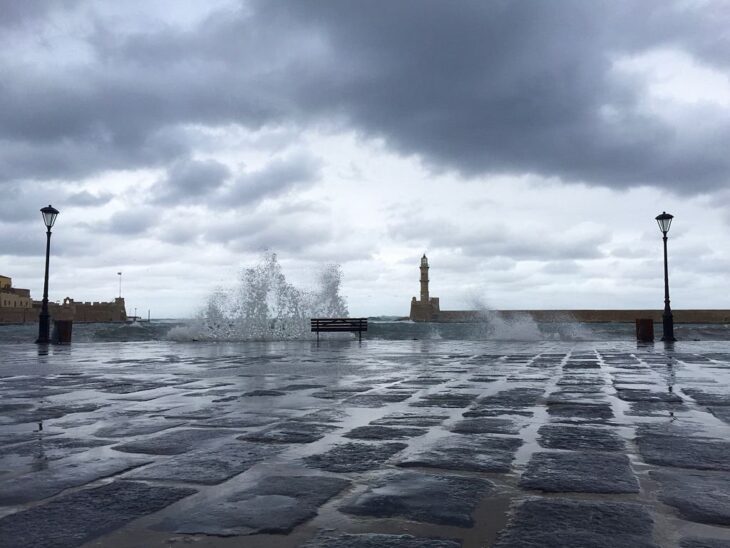
Rain might be common in winter, but the rest of the year is much drier. Rainfall is minimal from May to September, and skies remain mostly clear. This contrast between wet winters and dry summers defines the island’s Mediterranean climate.
What tours are still available to do in Crete off-season?
A wide range of tours is still available to do in Crete off-season, even if some of the summer-focused activities pause. Find below a list of off-season tours in Crete:
- Archaeological site tours. Places such as the Palace of Knossos, Phaistos, and Malia remain open in winter, with guided tours available at reduced crowds. Visitors benefit from quieter conditions that make it easier to explore ruins and learn about Minoan history without peak-season pressure.
- Museum visits. The Heraklion Archaeological Museum, Historical Museum of Crete, and smaller folklore museums operate year-round. Tourists gain access to collections that explain Crete’s ancient civilizations, Byzantine heritage, and local traditions.
- City walking tours. Old towns in Chania, Rethymno, and Heraklion offer guided walks that highlight Venetian, Ottoman, and Byzantine architecture. These tours remain enjoyable in winter due to mild temperatures and the absence of heavy crowds.
- Culinary and wine tours. Winter is an ideal time for olive oil mill visits, wine tastings in regions like Peza and Dafnes, and traditional cooking classes. Tourists learn how local ingredients are produced and sample authentic flavors tied to the Cretan diet.
- Nature and hiking tours. Long gorges such as Samaria close in winter, but shorter hikes in places like Imbros Gorge and Argyroupolis Springs remain open. These walks provide access to waterfalls, mountain scenery, and seasonal wildlife even in colder months.
- Monastery and cultural tours. Monasteries such as Arkadi, Preveli, and Agia Triada welcome visitors throughout the year. Tourists discover religious art, historical landmarks, and active worship sites that continue functioning beyond the summer season.
- Village experiences. Mountain villages such as Anogia and Kritsa offer guided tours focused on local food, weaving, and traditional music. Winter visits provide authentic encounters with daily life, as residents share customs that remain central to Cretan identity.
What is the top Crete car rental company to get a long term winter rental?
The top car rental company for long-term winter rentals in Crete is Rental Center Crete. The Crete car rental company offers full-risk insurance with no deductible, no hidden fees, and cheap long-term car rental rates as low as €8 ($9.18, £6.78)/day. Winter prices for small cars average €27 ($31.00, £22.88)–€34 ($39.04, £28.82)/day, with flexible contracts, unlimited kilometers, and dedicated support.
Rental Center Crete specializes in seasonal rentals with transparent pricing and a modern fleet. Vehicles include economy models like the Peugeot 108 and higher categories such as SUVs and cabriolets. Monthly rates vary by car type and availability, with alternatives like Avis, SIXT, Enterprise, Avance, and Hertz offering costlier leasing options