






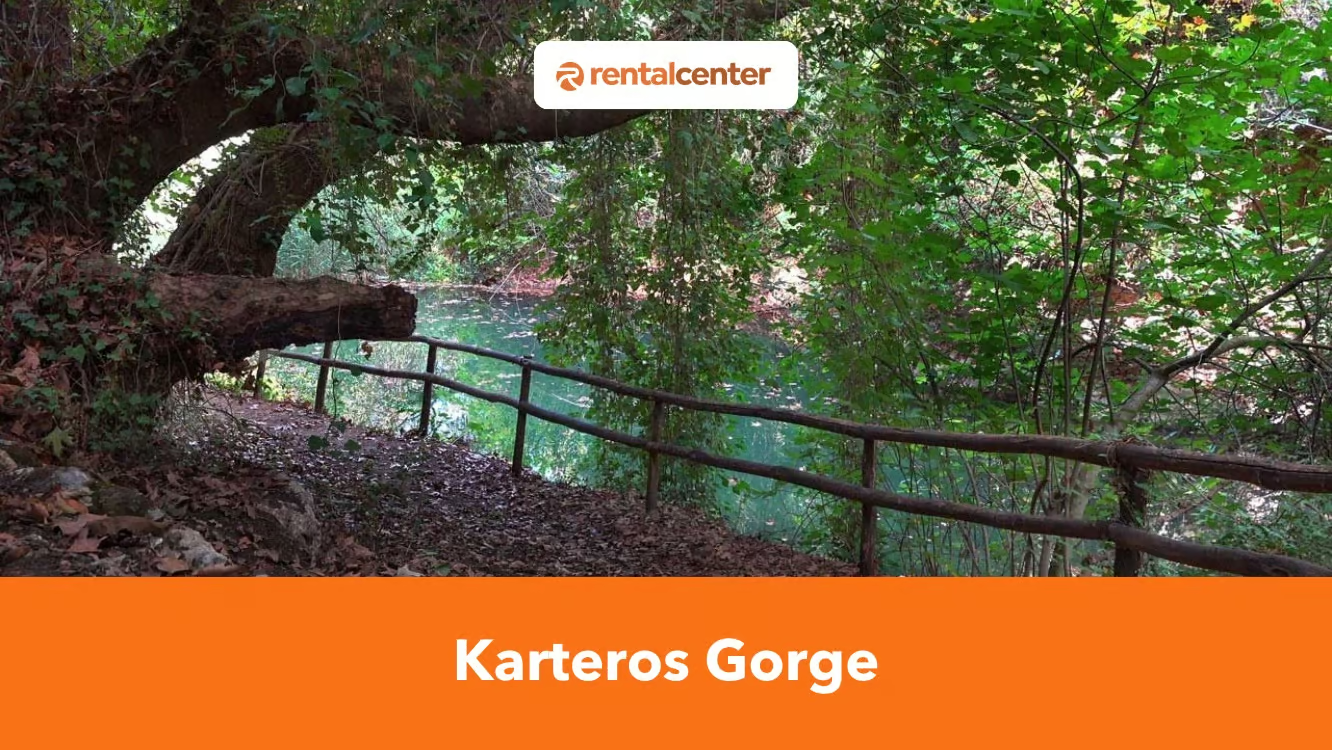
Karteros Canyon, or Karteros Gorgeis, a 12.5 kilometers (7.77 miles) hiking route located just east of Heraklion, Crete. The canyon forms part of a larger 22 kilometers (13.67 miles) ecological network, starting from Kato Astrakoi and ending at Karteros Beach. It features rock formations, springs, endemic flora, and historical landmarks such as Byzantine chapels and ancient watermills. The route is considered easy to moderate in difficulty, with clear signage, wooden bridges, and trail markers. It is suitable for families, couples, and older hikers. Multiple access points exist, and car rental from Heraklion is the most flexible transportation option, with parking available at Mesa Karteros.
Several hiking routes vary in length and terrain, including paths from Kato Astrakoi, Aitania Bridge, and the Kolomodis area. Attractions near the gorge include Karteros Beach, Amnissos Beach, Monocharako Island, Arena Beach, Boufus Cave, and Rocca a Mare Fortress. Visitors frequently highlight the gorge’s natural wildlife, peaceful atmosphere, and seasonal conditions that may affect access. Recommended places to stay nearby include Aris Palace, Mythia Coach House, and Elia Paradise Villa.
Dining options near the area include Antikristo Tavern, Avlogyros, and Pyli Vitouri Estate, offering both casual meals and traditional Cretan dishes. Karteros Canyon ranks among the most rewarding Crete gorges to explore, with its combination of accessible trails, historical sites, and biodiversity. The area is protected under Greek law and included in the NATURA 2000 network, reflecting its significance as both a natural habitat and a cultural landscape.
What is Karteros Canyon?
Karteros Canyon is a geological formation in eastern Crete, located 1.5 kilometers (0.93 miles) east of Heraklion city. The gorge extends 12.5 kilometers (7.77 miles) from the village of Kato Astrakoi to Karteros Beach on the northern coast. The gorge forms part of a larger 22 kilometers (13.67 miles) canyon network that includes the Astrakiano and Kounaviano Gorges, a continuous system of interconnected green corridors.
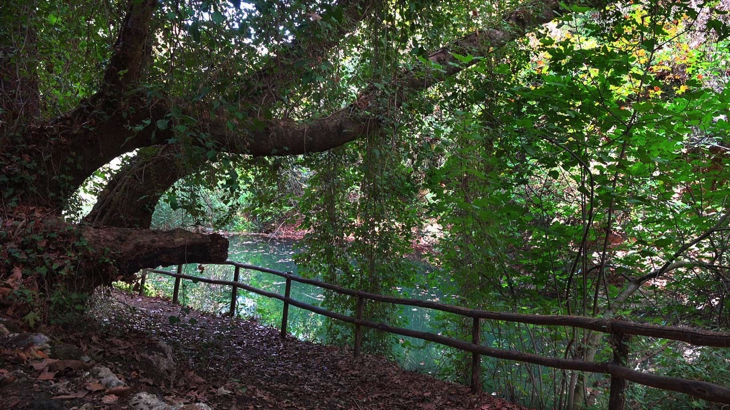
The Karteros River shaped the gorge through centuries of erosion, carving steep walls and supporting a lush ecosystem. Archaeological remains, including ancient watermills, Byzantine chapels, and remnants of early settlements, line the trail, offering insight into centuries of human habitation. The name “Karteros” derives from General Krateros, who led a failed campaign to liberate Crete from Saracen control in 824 AD. Greek Law 3028/2022 and the NATURA 2000 network protect the site for its ecological and cultural value. Infrastructure improvements have increased visitor accessibility, drawing interest from hikers, historians, and eco-tourists. Karteros Canyon contributes to Crete’s tourism by combining natural scenery with historical depth and accessibility near a major urban center.
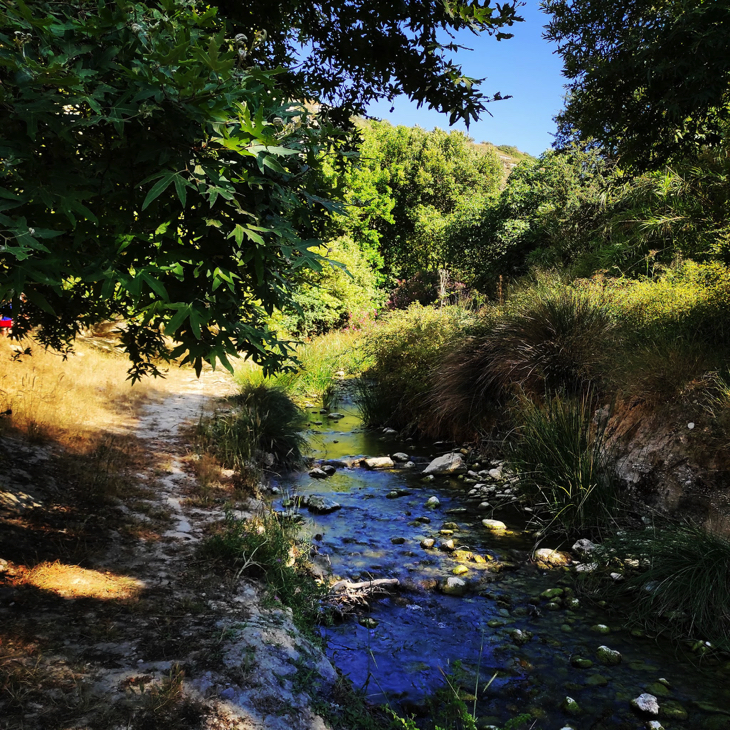
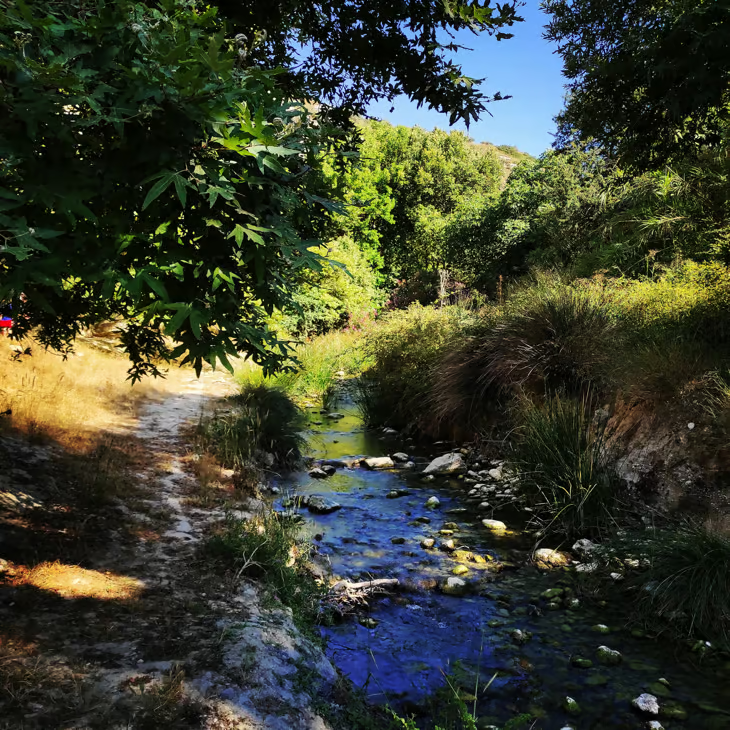
Karteros Gorge lies 2.4 kilometers (1.49 miles) from Villa Agrelia and holds natural scenery, geomorphological features, and cultural significance. The gorge name comes from a Byzantine general who entered Crete with his army to free the island from Arab Saracens ruling between 824 and 961 a.C. Few details remain about the encounter, but traces of infrastructure confirm the gorge’s historic importance.
Archaeology of Karteros Canyon includes old churches built on rocks, ruins, and watermills. These structures reveal that the area was civilised centuries ago and densely populated. Evidence shows organised settlement, as the buildings reflected daily human needs and established a structured community in the gorge.
How difficult is hiking in Karteros Gorge?
Hiking in Karteros Gorge is generally easy to moderate in difficulty, a classification based on trail length, elevation change, and the availability of infrastructure. The route spans 12.5 kilometers (7.77 miles) and takes around 3.5 hours to complete at a steady pace. The trail includes bridges, wooden railings, and signage, making it suitable for children, couples, and elderly visitors in good health. Most hikers do not require a guide, as the path is well-marked and accessible from five different entrance points, including Kato Astrakoi and Karteros village. Local tour operators in Heraklion offer optional guided hikes, often combined with transportation and historical commentary. Risks include slippery rocks, especially in spring when water levels rise, and the potential for heat-related fatigue in summer months. Hikers are advised to wear appropriate footwear, carry water, and check weather conditions before starting the walk. The trail’s consistent maintenance and gentle terrain make it a viable option for families and recreational hikers seeking an informative and safe outdoor activity.
How does the Karteros Canyon map look?
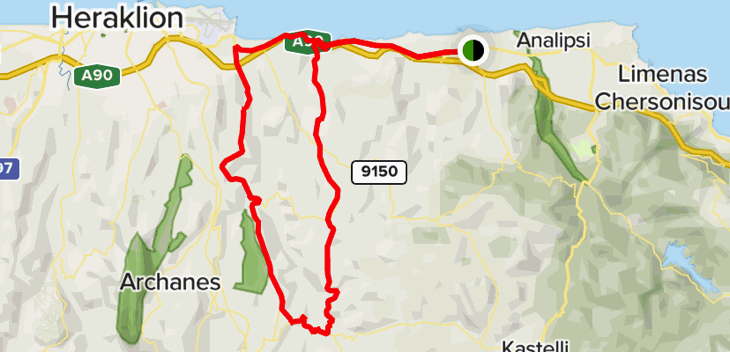
The Karteros Canyon map outlines a 12.5 kilometers (7.77 miles) trail that starts at the village of Kato Astrakoi and ends at the coastal area near Karteros Beach. The map shows a linear route passing through a canyon with mild elevation changes, featuring a generally descending path from the interior to the sea. Hikers will encounter several key landmarks along the trail, including the Neraidospilios cave, the Church of Saint Nicholas, the remnants of ten historical watermills, and abandoned settlements such as Kato Astrakoi. The map highlights infrastructure such as wooden bridges, rest areas with shaded benches, and access points with nearby parking facilities. Emergency exits and signage locations are marked at strategic intervals to support visitor safety. The map also identifies areas with dense vegetation, water crossings, and elevation changes, helping hikers plan their pace and breaks. Topographical features such as cliffs, streambeds, and river curves are clearly labeled, offering both orientation and insight into the gorge’s geological structure.
Find below an image that describes the Karteros Canyon map.
What are the hiking routes for Karteros Gorge?
Find below a list of hiking routes for Karteros Canyon:
- Kato Astrakoi to Mesa Karteros. The most frequented hiking route in Karteros Gorge begins in Kato Astrakoi, a historic village located at the southern entrance of the gorge, at an elevation of approximately 0.22 kilometers (0.14 miles). This 12.5 kilometers (7.77 miles) trail descends gradually through lush vegetation, ancient chapels, and remnants of abandoned watermills. The path follows the course of the Karteros River, crossing wooden bridges and narrow walkways, and includes points of interest such as Neraidospilios Cave and the church of Saint Nicholas. The hike ends at Mesa Karteros near the coast, where visitors can find an information center and rest area. The trail takes around 3.5 hours to complete and has an elevation drop of about 0.18 kilometers (0.11 miles) meters.
- Aitania Bridge to Saint Nicholas Chapel. A shorter hiking route through the gorge begins at the Aitania Bridge, located on the western edge of the gorge’s midsection. This 5.2 kilometers (3.23 miles) route proceeds through dense clusters of plane trees and crosses several tributaries feeding into the Karteros River. Hikers will pass restored sections of the old trail and reach the chapel of Saint Nicholas, a rock-built religious site still used for local observances. The path is marked with directional signs and wooden rails, making it safe for families and group hikers. This hike takes approximately 1.5 hours to complete with minimal elevation change.
- Kolomodis Area to Peza Flatland. The eastern access route to the Kounaviano segment of the gorge begins in the Kolomodis area near Agia Paraskies and leads toward the Peza flatland. This 7 kilometers (4.35 miles) trail follows shaded agricultural terraces and transitions into a natural canyon environment rich in willows and carob trees. Hikers will encounter the remnants of small chapels and historical water channels once used for irrigation. The route includes gentle inclines and declines but remains suitable for older adults and school groups. The estimated hiking time is about 2 hours, with waypoints and benches placed along the trail.
When is the best time to visit Karteros Gorge?
The best time to visit Karteros Gorge is from April to June and September to November. These months offer mild weather and fewer tourists, with daytime temperatures hovering around 2°C (68 °F) to 26°C (78.8 °F). The gorge remains open throughout the year, but hiking conditions are most favorable during spring and autumn when rainfall is moderate and the trails are less slippery. Spring in Karteros Canyon, from March to May, features rising temperatures between 17°C (62.6 °F) and 24°C (75.2 °F) and blooming wildflowers. The Cretan Festoon butterfly is active from early spring until June, adding interest for nature observers.
Summer, from June to August, brings higher temperatures, reaching up to 3°C (86 °F), and very dry conditions. July and August are the busiest months, with increased visitor numbers and limited rainfall. Autumn, from September to November, provides comfortable temperatures between 18°C (64.4 °F) and 26°C (78.8 °F), less rainfall, and fewer hikers. November is particularly recommended for its pleasant weather and scenic dried foliage.
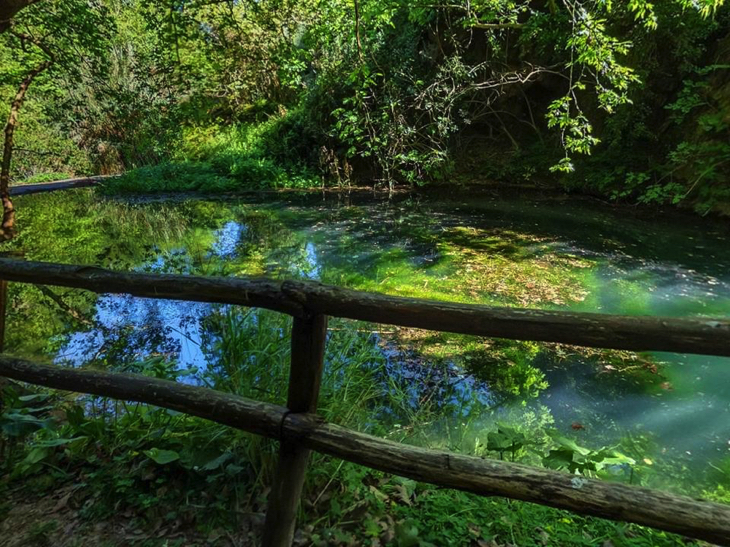
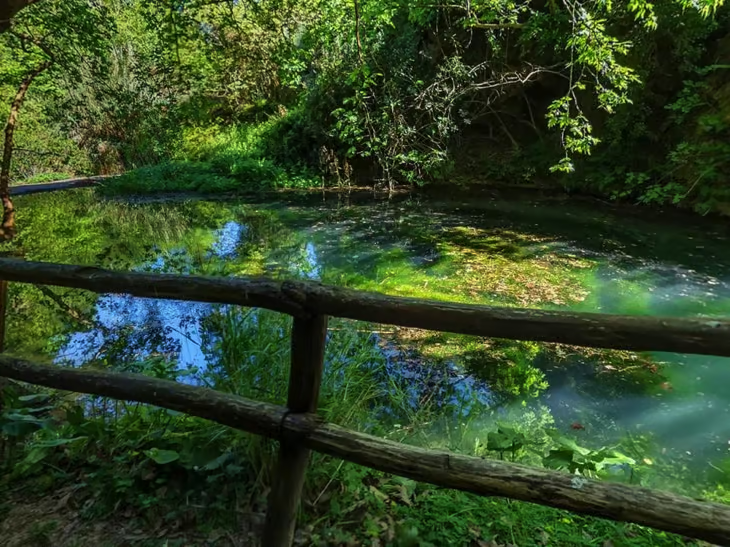
Winter, from December to February, sees cooler temperatures, with daytime highs around 15°C (59 °F) and increased rainfall. Some sections of the gorge may become muddy or slippery during this period, but the area generally remains accessible.
What are the things to bring when visiting Karteros Canyon?
Find below a list of things to bring when visiting Karteros Canyon:
- Durable hiking footwear. Hikers need sturdy, lightweight shoes or boots to handle the rocky, muddy, and sometimes slippery terrain in Karteros Gorge. Proper footwear reduces the risk of injury from sharp rocks, uneven ground, or wet surfaces, ensuring safety and comfort throughout the hike.
- Hiking backpack. A hiking backpack is necessary for carrying all essential items, including water, food, clothing, and tools. A well-fitted pack distributes weight evenly, allowing hikers to move comfortably and keep their hands free for balance and navigation.
- Water supply. Carrying a sufficient amount of water is essential to prevent dehydration, especially during warmer months when temperatures can reach 3°C (86 °F). Hikers should bring at least one liter per hour of hiking, with extra for longer routes or hot conditions.
- Food and snacks. Energy-rich snacks such as nuts, energy bars, or sandwiches provide the necessary calories for a long hike. Food helps maintain energy levels and prevents fatigue, especially on routes that may take several hours to complete.
- Weather-appropriate clothing. Layered clothing, including a jacket and pants, is important for adjusting to changing weather conditions. Hikers should prepare for both warm daytime temperatures and cooler conditions in shaded or higher-altitude sections of the gorge.
- Navigation tools. A map, compass, or GPS device helps prevent getting lost in the extensive network of trails. Reliable navigation tools are especially important since mobile phone signals may be weak or unavailable in remote areas.
- First aid kit. A small first aid kit with bandages, antiseptic wipes, blister treatments, and basic medications prepares hikers for minor injuries or health issues. Immediate access to first aid supplies can address cuts, scrapes, or insect bites encountered on the trail.
- Sun protection. Sunscreen, a hat, and sunglasses protect hikers from sunburn and UV exposure, particularly in open sections of the gorge. Sun protection is necessary year-round, as sunlight can be intense even outside the summer months.
- Multi-tool or knife. A multi-tool or knife is useful for handling unexpected situations, such as repairing gear, preparing food, or addressing minor emergencies. This tool adds a layer of preparedness for any unforeseen challenges during the hike.
What are the nearby attractions in Karteros Gorge?
Find below a list of the nearby attractions in Karteros Gorge:
- Karteros Beach. Karteros Beach is a sandy coastal area located 6.3 kilometers (3.91 miles) north of Karteros Gorge. The beach takes its name from the nearby Karteros River, which flows into the sea at this point. Visitors come for shallow waters, fine sand, and organized amenities including sunbeds, cafés, and water sports rentals. The beach is suitable for families with children due to its gradual depth. The surrounding area features local taverns, hotels, and a small wetland, making it a convenient and relaxing stop after a hike.
- Amnissos Beach. Amnissos Beach is located 6.5 kilometers (4.04 miles) northeast of Karteros Gorge, near the ruins of the ancient Minoan port of Amnisos. The name derives from this historical site, which played a role in maritime trade during the Bronze Age. The beach is favored for its soft sand, windsurfing conditions, and proximity to archaeological remains. Visitors can stroll the coastline, swim in clear waters, and view ancient foundations that suggest the area’s significance in Minoan seafaring history
- Monocharako Island. Monocharako Island is a small rocky islet located 6.8 kilometers (4.23 miles) from the gorge, just offshore from Amnissos Beach. The name “Monocharako” refers to its isolated rock-like shape. This uninhabited island attracts interest from kayakers and swimmers due to its proximity to shore and its clear surrounding waters. Monocharako serves as a beautiful backdrop for beachgoers and a nesting site for seabirds, adding ecological interest to the area.
- Arina Beach. Arina Beach is a lively beach spot situated 8.1 kilometers (5.03 miles) northeast of Karteros Canyon. The beach is known for organized facilities, beach bars, and frequent music events. Visitors can participate in volleyball matches, rent paddleboards, or relax in shaded lounges. The beach appeals to younger crowds and offers extended hours of operation, especially during the summer season, making it a popular leisure destination in Heraklion’s coastal zone.
- Boufus Cave. Boufus Cave is a natural limestone formation located 7.8 kilometers (4.85 miles) southeast of Karteros Gorge. Visitors can explore the cave for its geological structure, layered rock walls, and cool interior. The site is associated with ancient worship practices, adding cultural interest to the experience. Access requires moderate walking, but the cave remains a quiet and educational stop for those interested in nature and local lore.
- Venetian Fortress Rocca a Mare. Rocca a Mare Fortress stands 11.8 kilometers (7.33 miles) from Karteros Gorge at the entrance of Heraklion’s old harbor. The fortress was built by the Venetians in the 16th century, originally called “Koules” and served as a defensive outpost against naval threats. Visitors can walk through restored halls, view maritime artifacts, and climb to the upper levels for harbor views. The fortress offers historical insights into Crete’s Venetian period and remains one of Heraklion’s most visited landmarks.
What are the transportation options to get to Karteros Gorge?
Find below a list of the transportation options to get to Karteros Gorge:
- By car rental from Heraklion. Driving from Heraklion to any of the trailheads in Karteros Gorge is the most flexible option for travelers. The distance is 1 kilometers (6.21 miles), with a drive time of around 15 to 20 minutes, depending on the entrance point. Car hire in Heraklion is available through providers such as Rental Center Crete, allowing visitors to explore the area at their own pace. Parking is available at Mesa Karteros, the northern exit of the gorge, which also features an information kiosk and rest area.
- By public bus from Heraklion. Public bus services operated by KTEL Heraklion–Lassithi run frequent routes from Heraklion to nearby villages such as Karteros and Agios Paraskies. Buses depart from the Heraklion Central Bus Station and travel times range from 20 to 30 minutes. This option is suitable for visitors without a private vehicle and offers access to several gorge entry points, especially during peak hiking seasons.
- By taxi from Heraklion. Taxis from Heraklion to Karteros Gorge provide a fast and direct means of transportation. The journey takes 15 to 20 minutes, with varying fares depending on pickup location and traffic conditions. Taxis are available at Heraklion International Airport and the city center, making them convenient for travelers arriving by plane or ferry. This option is ideal for small groups or tourists with limited time.
Can you rent a car to go to Karteros Canyon?
Yes, visitors can rent a car to go to Karteros Gorge. The drive from Heraklion to the gorge’s main trailheads takes 15 to 20 minutes, covering a distance of around 1 kilometers (6.21 miles).Roads leading to entrances such as Kato Astrakoi or Mesa Karteros are paved and well-maintained, making them accessible to standard compact or economy vehicles. Parking is available at Mesa Karteros, the northern exit of the gorge, where an information center and picnic area are also located.
Tourists choose cars for Karteros Canyon based on group size and comfort needs. Couples or small groups rent subcompact cars like Toyota Aygo, which seats 4 and carries up to 800 kg. Families prefer hatchbacks like Volkswagen Golf, offering comfort for 5 passengers with a weight capacity of 2,140 kg. Larger groups select SUVs such as Volvo XC90, which accommodates 7 adults and up to 2,267 kg, making it suitable for families or groups with children.
Travelers searching of a Crete car rental should consider several factors before booking. Transmission type is important, as many vehicles on the island are manual, and automatic cars often cost more or require advance reservation. Fuel policy should be reviewed to determine whether a full-to-full or pre-purchase option is more suitable. Basic insurance is typically included, but additional coverage may be advisable. It is also essential to confirm whether the rental company permits ferry transport if combining the trip with other destinations by ferry. Renting a car allows greater flexibility and ease of access to multiple trailheads, nearby villages, and coastal attractions surrounding Karteros Canyon.

The cost of a car rental in Crete depends on the vehicle type, transmission, rental duration, and season. Car hire costs for a mini car range between €25 ($29.06, £21.68) and €40 ($46.50, £34.68) per day, with the lowest rates in winter and the highest in August. Peak prices occur in July and August. Shoulder months such as January, February, and November offer the best deals. Rental rates typically include basic insurance and taxes. Automatic transmission vehicles may incur an additional daily charge. Factors such as fuel policy, mileage limits, and optional insurance coverage affect the final price. Travelers should compare rates across agencies and confirm all terms before agreeing to rent a vehicle.
What do visitors say about Karteros Gorge?
Visitors describe Karteros Gorge as an accessible and rewarding route for tourists interested in hiking, nature, and wildlife. Many reviews highlight the abundance of birds, butterflies, and turtles, noting that the canyon follows a river lined with dense trees and seasonal flowers. Hikers frequently mention the small rock-built church and the peaceful walking path as key points of interest. The trail is often described as easy, with minimal knee strain, making it suitable for older walkers and families. Some visitors, on the other hand, note that conditions vary by season.
Heavy rainfall can cause parts of the trail to flood during spring months, making sections impassable or dangerous without proper footwear or caution. A few travelers report difficulty accessing the gorge in April due to muddy roads and strong river flow, advising against attempting to drive too far without a 4WD vehicle. Parking before the rough section is recommended. Most visitors rate the experience positively despite these concerns, and suggest carrying water and snacks, as there are no refreshment points along the trail. The variety of flora and fauna, combined with low trail difficulty and proximity to Heraklion, makes Karteros Gorge a popular choice among hikers exploring Crete Canyons.
Can people of all ages hike Karteros Gorge?
Elderly people hike Karteros Gorge along the Elea–Episkopi trail, considered easy and suitable for all hikers. The main challenges are the long route and a few misleading paths, but with proper preparation, the hike is manageable. Couples hike the gorge together, benefiting from companionship, though they should bring food, water, clothing, and tools for safety. Hiking in groups remains safer than going as a pair. Children hike Karteros Gorge as well, since the trail has fewer hazards than other gorges. Parents must supervise closely to prevent accidents and ensure a safe family experience.
What are the places to stay overnight near Karteros Gorge?
Find below a list of the places to stay overnight near Karteros Canyon:
- Aris Palace. Aris Palace is located 4.7 kilometers (2.92 miles) from Karteros Gorge, near a main highway exit for convenient access. The villa features a spacious layout, a private garden, and a medium-sized pool, making it an ideal choice for families or groups of friends. The interior includes cozy sofas, a large TV with satellite access, a stereo, and air conditioning in all rooms. The kitchen is fully equipped with utensils and appliances, while the outdoor barbecue area features cushioned seating and a sun terrace. Guests consistently praise the helpfulness of the owner and the property’s overall cleanliness.
- Mythia Coach House. Mythia Coach House is a serviced accommodation located 5.5 kilometers (3.42 miles) from Karteros Gorge. The house is noted for its traditional character, quiet location, and private garden with a view. A small pool provides a space to cool off after a hike, and the interiors include basic amenities suitable for couples or solo travelers. Reviewers praise the cleanliness, peaceful atmosphere, and the hospitality of the owners. The property appeals to tourists looking for a relaxed overnight stay near nature without being far from Heraklion.
- Elia Paradise Villa. Elia Paradise Villa is located 6.1 kilometers (3.79 miles) from Karteros Gorge and features modern comforts in a peaceful rural setting. The villa comes with a fully equipped kitchen, a private terrace with panoramic views, and clean interiors designed for restful stays. Guests highlight the host’s attentiveness and respect for privacy, as well as the villa’s quiet location. The outdoor space offers sunbeds, shaded seating, and a well-maintained pool. Visitors often mention the property’s suitability for couples or families seeking a calm overnight retreat close to the gorge and nearby beaches.
What are the places to eat and drink near Karteros Canyon?
Find below a list of places to eat and drink near Karteros Gorge:
- Antikristo Tavern. Antikristo Tavern is located 5.6 kilometers (3.48 miles) from Karteros Gorge and offers traditional Cretan cuisine in a quiet, family-run setting. The name refers to the ancient Cretan method of grilling meat “antikristo,” or opposite the fire. Visitors enjoy freshly prepared meat dishes, hand-rolled dolmades, and house-cut fries. The atmosphere is casual, with outdoor seating and a play area for children. The staff are known for their friendliness, and the tavern is popular among locals, not just tourists. The setting is close to the beach, making it a convenient dining stop.
- Avlogyros. Avlogyros is a grill house located 5.5 kilometers (3.42 miles) from Karteros Canyon, near the coast of Karteros Beach. The restaurant is known for its pita gyros, which visitors describe as high quality and reminiscent of traditional recipes. The menu includes a wide variety of grilled items, generous portions, and reasonably priced options. The venue features a children’s playground and a clean dining area, making it family-friendly. Its location near popular beach spots makes it an accessible and reliable option for casual meals after hiking or swimming.
- Pyli Vitouri Estate. Pyli Vitouri Estate lies 6.2 kilometers (3.85 miles) from Karteros Gorge and combines dining with event hosting in a landscaped estate setting. The restaurant operates daily and features a menu with slow-cooked meats, fresh salads, and seasonal vegetables such as zucchini. Visitors praise the fast service, friendly staff, and clean facilities. The venue includes a playground and swimming pool, creating a relaxed space for families. The estate is often used for weddings and community events, but it remains open for casual dining throughout the week.
Last updated on .