






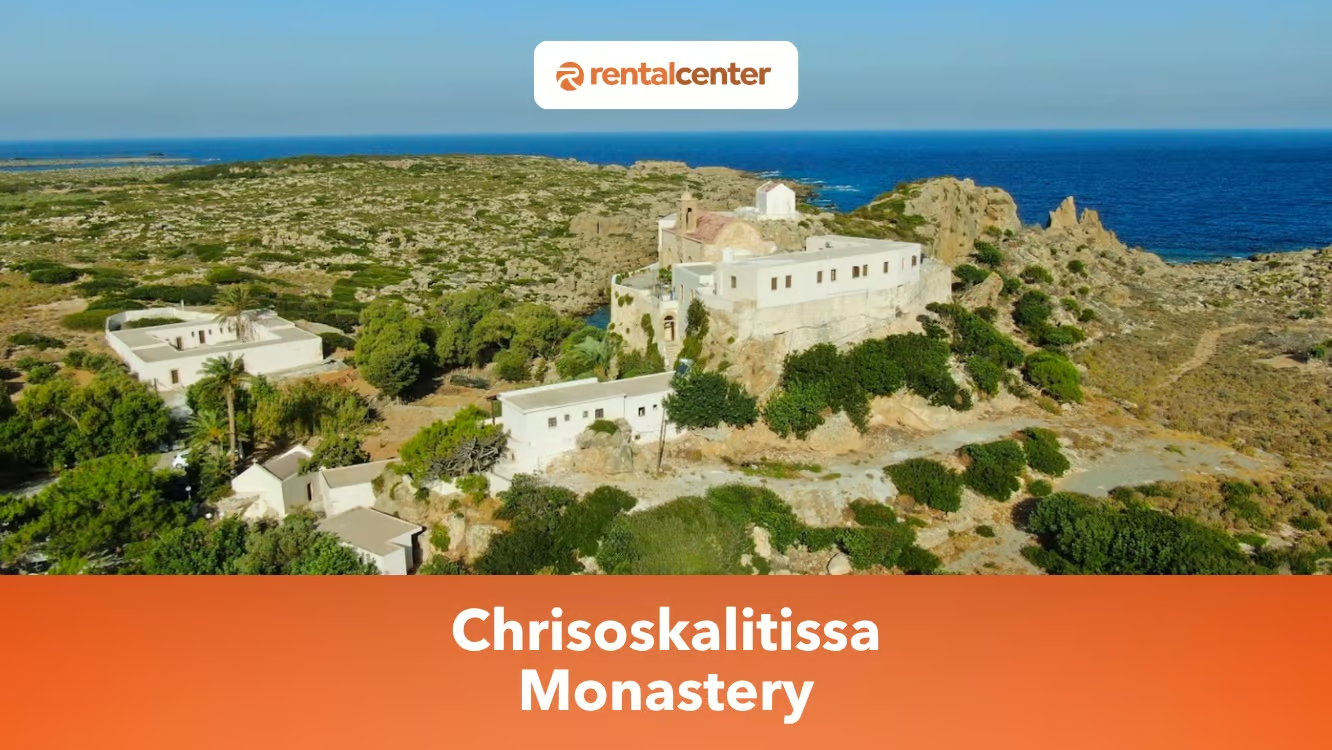
The best type of vehicle for visiting Chrisoskalitissa Monastery is a car, because a rental car gives you the flexibility to drive the scenic 1.5-hour route from Chania at your own pace. Major car rental companies such as Rental Center Crete, Hertz, Avis, Europcar and Justrentals have branches across Crete. Rental Center Crete is a local company with many well-maintained vehicles, four-wheel-drive options, insurance choices and 24/7 roadside assistance. Rental Center Crete has multiple pick-up locations across popular destinations and offers easy access to Chrisoskalitissa Monastery.
What is the history of Chrisoskalitissa Monastery?
The history of Chrisoskalitissa Monastery combines ancient tradition with local legend. Chrisoskalitissa Monastery takes its name from the Greek words “chriso” (meaning gold) and “skala” (meaning step). Legend says a humble nun once lived within these rocky cliffs. She spent her days in devotion, climbing a steep stone staircase to the monastery’s entrance, and each step she took is said to have turned to gold, giving the monastery its name.
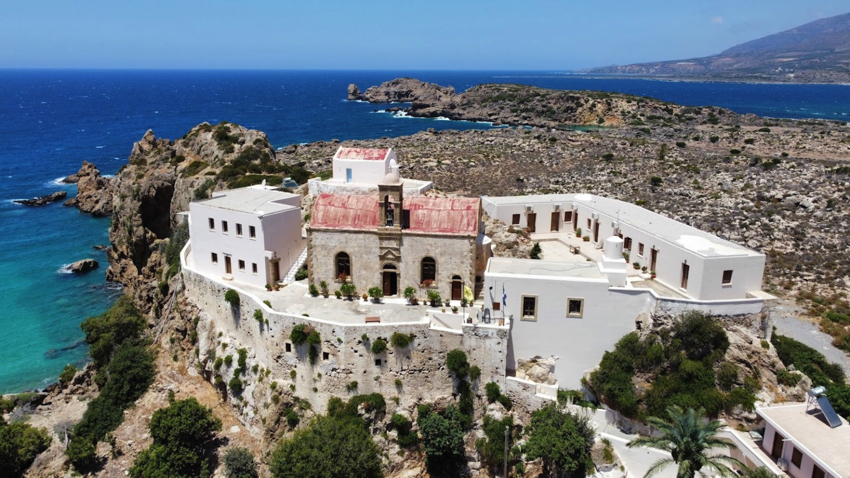
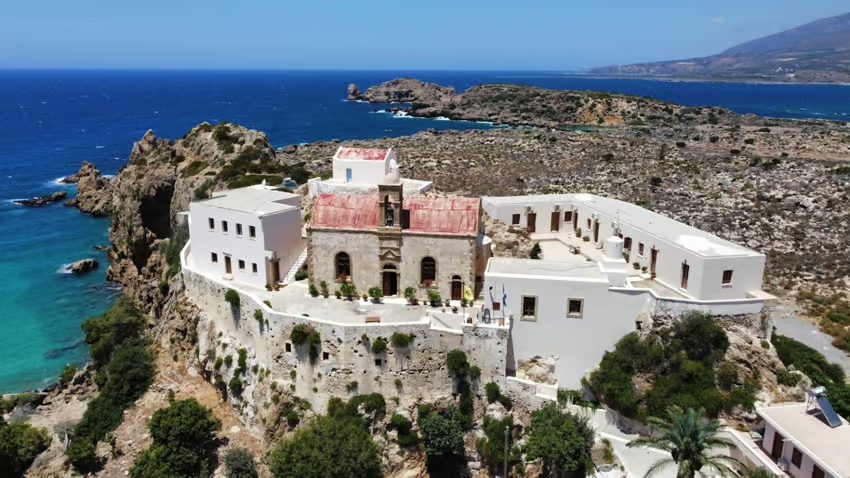
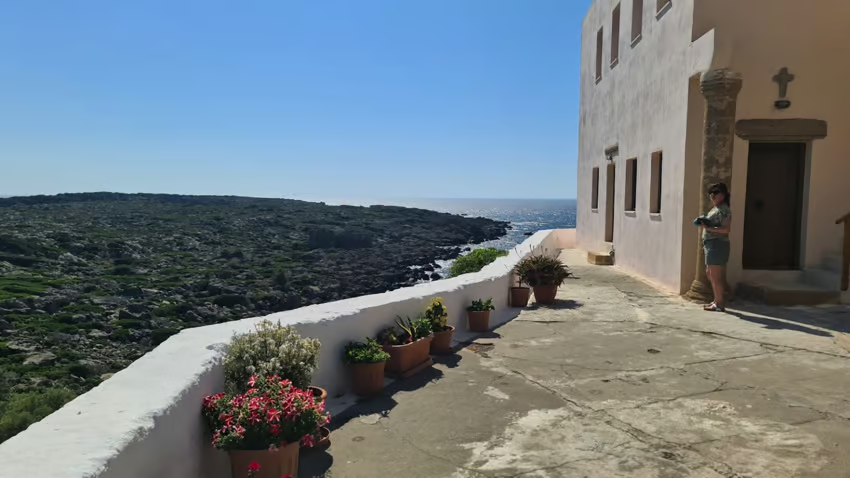
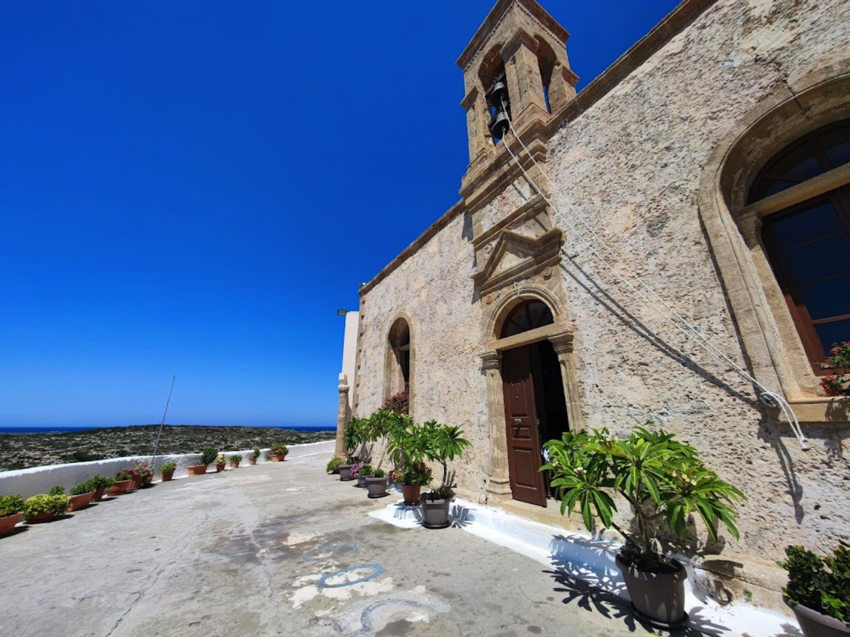
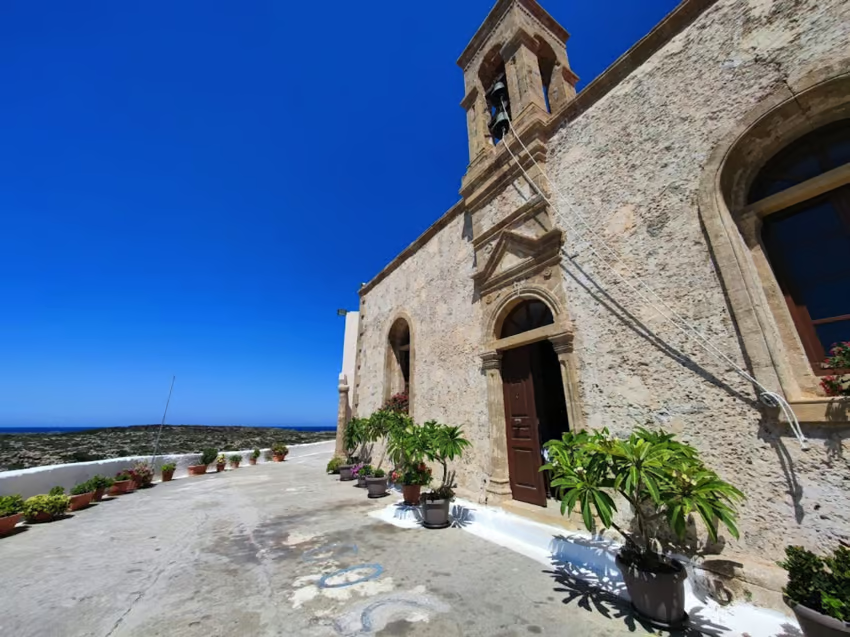
The monastery was built during the Byzantine period atop a towering cliff, crafted from local stone and timber in a blend of architectural styles. Its clifftop position gave the community spiritual seclusion and a wide view of the Libyan Sea. Chrisoskalitissa Monastery went through periods of prosperity and hardship. The monastery survived wars and invasions and served as a shelter and spiritual refuge, and it continues to welcome visitors who come to experience its legacy of faith and resilience.
Where is Chrisoskalitissa Monastery located?
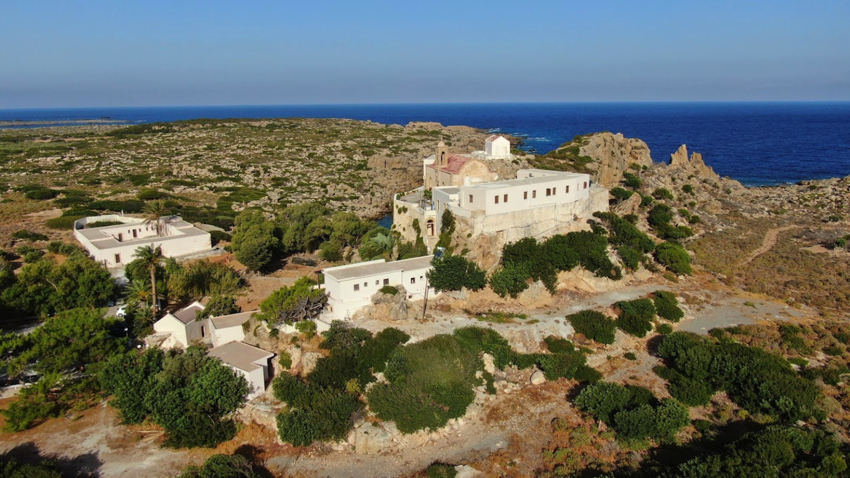
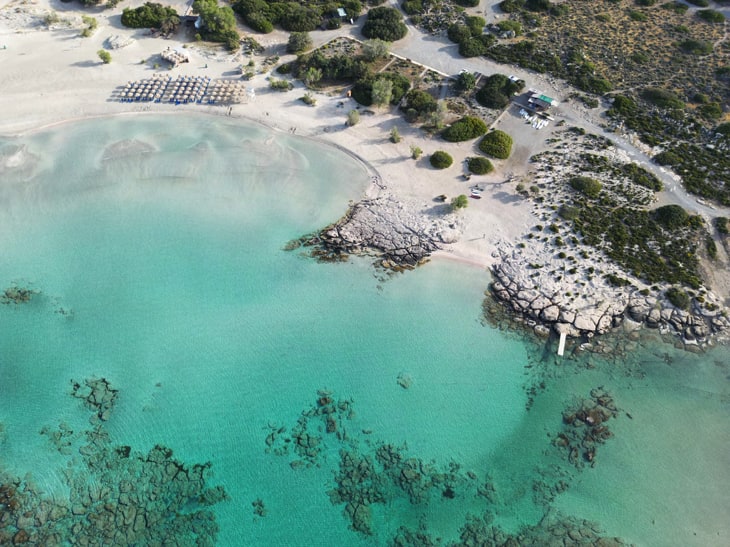
Chrisoskalitissa Monastery, also known as Chrysoskalitissa Monastery, lies within the municipal district of Innachori in the municipality of Kissamos, on the island of Crete in Greece. The monastery lies about 72 kilometers (44.74 miles) southwest of Chania, at the coordinates 35°18′41″N 23°32′00″E. The monastery stands 35 metres above sea level, overlooking the Libyan Sea and about 6.1 kilometers (3.79 miles) from Elafonisi beach. Chrisoskalitissa Monastery is dedicated to the Holy Trinity and the Dormition of the Theotokos.
Is Chrisoskalitissa Monastery still inhabited?
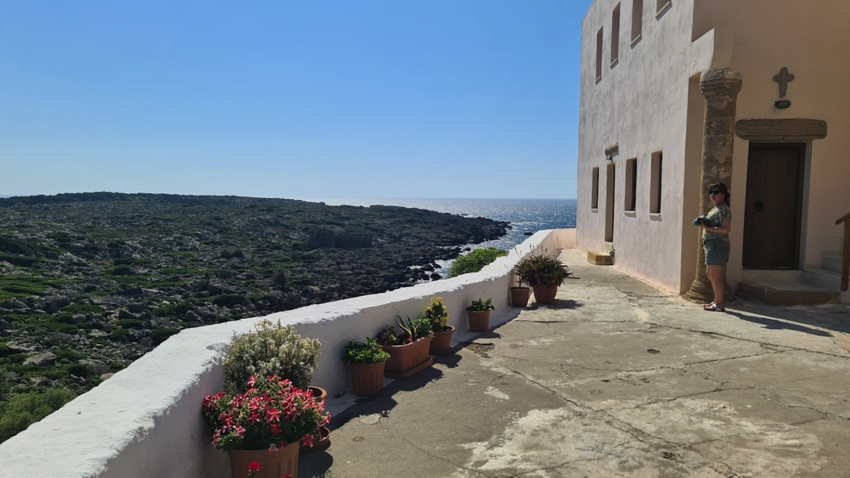
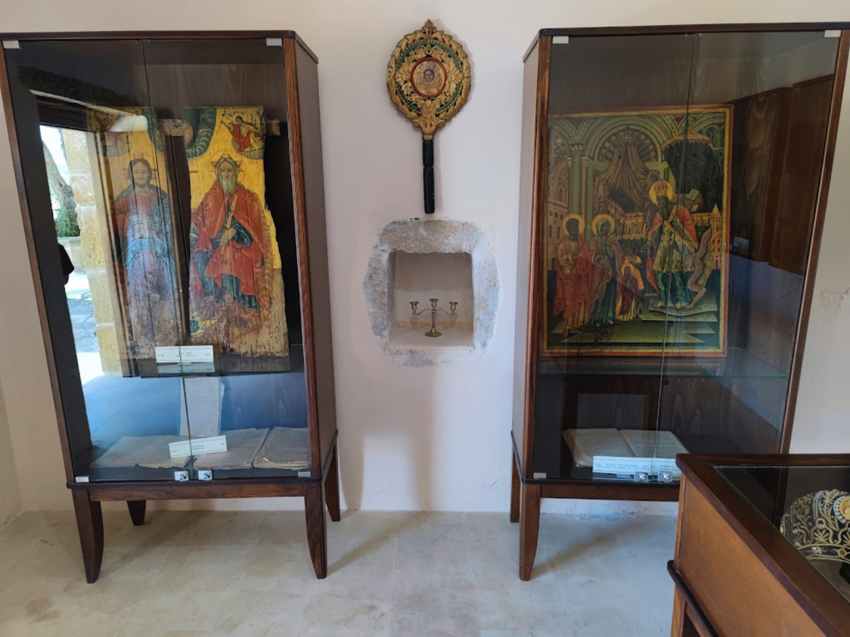
Yes, Chrisoskalitissa Monastery is still inhabited by a devoted community of Greek Orthodox nuns and monks. The monastery has served as a site of Orthodox monasticism and worship for centuries. Despite its isolated cliffside location in western Crete, Chrisoskalitissa has sustained itself over the centuries as a spiritual retreat for its nuns and monks. The community carries on monastic traditions by holding services in the sacred chapel, growing food on the surrounding terraces, producing handicrafts such as embroidery and iconography, and maintaining the historic Byzantine architecture for visitors to appreciate.
What to know before going to Chrisoskalitissa Monastery?
Chrisoskalitissa Monastery is open daily from 9 am to 5 pm and charges an entrance fee of €2 ($2.31, £1.71). Visitors are expected to wear modest attire covering the shoulders and knees, so tank tops, shorts, mini skirts and strapless dresses should be avoided. Women may be asked to wear a headscarf and a long skirt covering the ankles, provided by the monastery on arrival, so it helps to bring a scarf just in case. Men should wear trousers or knee-length shorts at a minimum, and shirts should have short or long sleeves rather than being sleeveless. Wear closed-toe shoes for the uneven terrain around the grounds, because closed-toe shoes are a better choice than sandals or flip-flops here. Photography is allowed but not during church services, and guided tours are available on request to learn about the monastery’s history, architecture and collection of ecclesiastical relics.
Is there an etiquette to visit Chrisoskalitissa Monastery?
Yes, visitors should follow a clear etiquette at Chrisoskalitissa Monastery. Dress modestly by covering the shoulders and knees and avoiding revealing clothing. Keep a reverential silence, because the monks and nuns often engage in prayer and reflection, so loud conversation should be avoided. Photography is typically restricted inside the sacred chapels and near the altars, so take only exterior shots or photos at designated spots when permitted. Place any small monetary offering in the collection boxes, because these voluntary donations help with running costs and preservation of the monastery’s cultural and religious heritage. Remove your shoes before entering certain chapels as a sign of respect. Visitors connect most with Chrisoskalitissa Monastery by behaving with dignity and following these rules.
What is the hiking route to Chrisoskalitissa Monastery?
The hiking route to Chrisoskalitissa Monastery starts from the small mountain village of Kefali, set in a green valley surrounded by hills. First, walk the country road for 1 kilometers (0.62 miles) until you reach a fork with two diverging paths. Second, take the path on the right, which heads uphill through olive groves and rocky terrain. Third, continue for about 500 metres until the monastery appears, perched on a steep rocky hill above the sea. The total distance is 1.5 kilometers (0.93 miles) from start to finish, and the walk takes less than 30 minutes and is easy and accessible. This direct route from Kefali village is the shortest and fastest way to reach the historic monastery on foot, which makes it a good choice for hikers with limited time.
Is Chrisoskalitissa Monastery safe to visit?
Yes, Chrisoskalitissa Monastery is considered safe for visitors and provides a secure setting for exploration and quiet reflection. The monastery is built from sturdy limestone that has withstood centuries of tremors and erosion, and ongoing restoration work helps keep the structure stable. Railings, fences and steps run along the steep access trail and lead visitors safely to the entrance, which reduces the risk from the sheer drop-offs. The constant presence of resident monks provides oversight, and few security issues have occurred over the monastery’s long history. Chrisoskalitissa Monastery is a protected cultural-heritage site, and its visitation is monitored and managed for responsible cultural tourism.
What is the best period for visiting Chrisoskalitissa Monastery?
The best period for visiting Chrisoskalitissa Monastery is spring, when temperatures range from 17°C to 23.7°C. Spring runs from March to May and shows the monastery and its surroundings at their most scenic. The weather is comfortable, which makes exploring both the monastery and the landscape around it easy. Crowds are thinner in spring, so visitors can take in the spiritual atmosphere without the distractions of peak-season crowds. Spring also aligns with important religious festivities in Greece, so visitors can witness and take part in local traditions during their trip.
What are the most beautiful monasteries of Crete?
Crete has three of the most beautiful monasteries, and these are listed in order of renown below.
- Arkadi Monastery. Arkadi Monastery is known for its rich history and hilltop location with panoramic views. Arkadi’s heroic past is clear in the central courtyard, where hundreds died in a tragic act of defiance in 1866. Arkadi’s Venetian architecture and ornate Orthodox church make it a must-see and hold a special place for locals and visitors.
- Preveli Monastery. Preveli Monastery sits high above the Libyan Sea, where the Preveli River meets the sea, and a palm forest fringes the beach below to create an oasis-like scene. Preveli’s small church shows colourful frescoes and intricately carved wooden furnishings, and this mix of natural beauty and history makes it an essential stop.
- Toplou Monastery. Toplou Monastery stands as an imposing figure on the rural landscape of eastern Crete, with defensive walls and a bell tower. The elaborate frescoes in Toplou’s church are considered some of the finest examples of Byzantine art.
What is the best way to get to Chrisoskalitissa Monastery?
The best way to get to Chrisoskalitissa Monastery is by car or tour bus. The monastery lies 72 kilometers (44.74 miles) south of Chania in western Crete, on a rocky outcrop above the sea and about 5 kilometers (3.11 miles) inland from the famous Elafonisi beach. There is no direct public transport to the monastery, so a rental car is the easiest way to reach it, and many visitors drive themselves.
Chrisoskalitissa Monastery can be reached in about 1.5 hours by following the road signs from Chania towards Elafonisi. Tour companies and private guides also run day trips by minibus or van from Chania and other parts of Crete, and these guided tours stop at the monastery as part of a wider western-Crete itinerary. If you rely on public transport, you can take one of the few daily buses from Chania town to Elafonisi beach, a trip of about 2 hours, and Elafonisi lies 6.1 kilometers (3.79 miles) from Chrisoskalitissa Monastery. From there you would leave the bus at the village of Livadia and walk or hitchhike the remaining 5 kilometers (3.11 miles) to the monastery.

What type of car rental should you choose when visiting Chrisoskalitissa Monastery?
The type of rental you should choose for Chrisoskalitissa Monastery is a car, because a car gives you comfort and convenience for the trip. First, the route to the monastery calls for a reliable and versatile vehicle, and a car balances comfort, safety and accessibility for the drive. Second, car rental services in Crete offer a range of vehicles for different group sizes, which makes exploring Chrisoskalitissa Monastery and its surroundings straightforward. The journey to the monastery is as much a part of the experience as the destination, so the right rental car can improve every part of the trip.
Can you rent a car to go to Chrisoskalitissa Monastery?
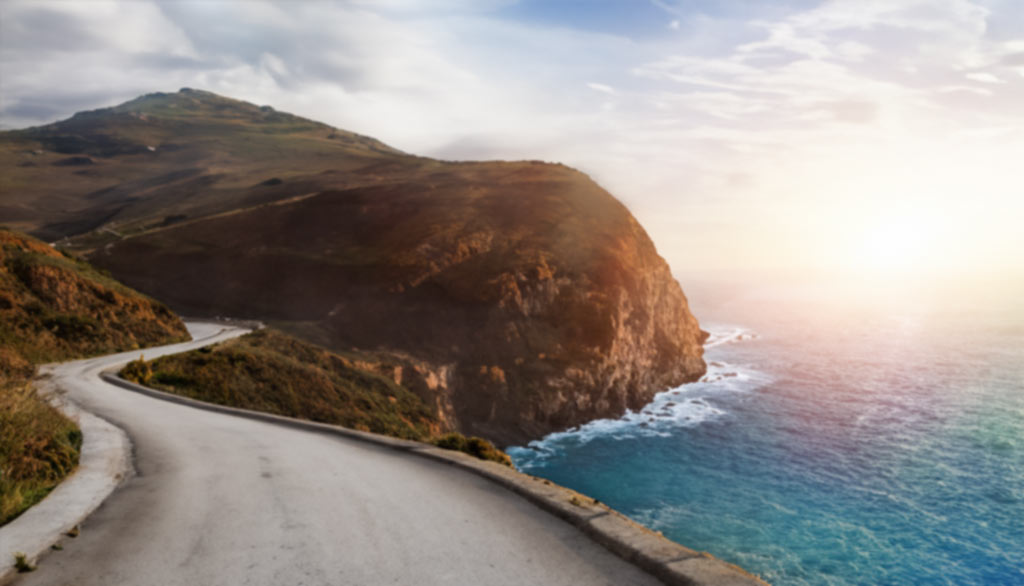
Yes, you can rent a car to reach Chrisoskalitissa Monastery. A rental car gives you a flexible and personal way to travel, so you can drive the scenic route to the southwestern coast of Crete at your own pace. This way of travelling lets you plan your own schedule and make spontaneous stops along the way, which makes renting a car in Crete a practical option for reaching Chrisoskalitissa Monastery with comfort and flexibility.
Where can I rent a car in Crete?
There are several options for renting a car to explore Crete at your own pace. Major international car rental companies such as Hertz, Avis, Budget and Europcar have branches in Crete, with a wide selection of vehicles and convenient pick-up and drop-off points at airports and in city centres.
One local and very popular car rental company in Crete is Rental Center Crete. Rental Center Crete offers a wide range of vehicles to suit different needs, with multiple rental locations across the island, including airports, popular tourist areas and city centres. Rental Center Crete has served visitors to the island for many years, with a fleet of well-maintained vehicles that ranges from compact cars to SUVs.

Rental Center Crete has rental locations in popular destinations such as Heraklion, Chania, Rethymno and Agios Nikolaos, so travellers can pick up a car near where they arrive. The fleet includes car types from economy cars for budget-conscious travellers to spacious SUVs for larger groups and families. Rental Center Crete is known for reliable service, well-maintained vehicles and competitive prices, and it provides added services such as optional insurance cover, flexible rental durations and 24/7 customer support.
What is the contribution of Chrisoskalitissa Monastery to Crete tourism?
Chrisoskalitissa Monastery is one of the top attractions in western Crete, attracting an estimated 50,000 to 100,000 visitors annually. The monastery’s popularity helps the local economy. Tour companies feature the monastery in their itineraries and guided excursions, which generates business for local transport, hospitality and food services. Independent travellers also plan day trips to Chrisoskalitissa Monastery while exploring Crete by car, and they fill up on fuel, eat at nearby tavernas and shop at village stores that indirectly benefit the region. Chrisoskalitissa Monastery contributes to Crete’s tourism industry by drawing visitor numbers and spending to the Elafonisi area and the wider western-Crete region.
What are the nearest attractions to Chrisoskalitissa Monastery?
The nearest attractions to Chrisoskalitissa Monastery are listed below.
Is Chrisoskalitissa Monastery an archaeological site?
No, Chrisoskalitissa Monastery is not recognised as an archaeological site, but it is a living site of spiritual devotion and cultural heritage. The monastery’s history and architecture offer glimpses into the past that enrich a visit to its grounds. Chrisoskalitissa Monastery traces its origins to the Byzantine period, seen in its blend of architectural styles. The use of local stone and timber, the clifftop position and the details within its chapels and chambers show the craftsmanship and values of the past.
What do visitors say about Chrisoskalitissa Monastery?
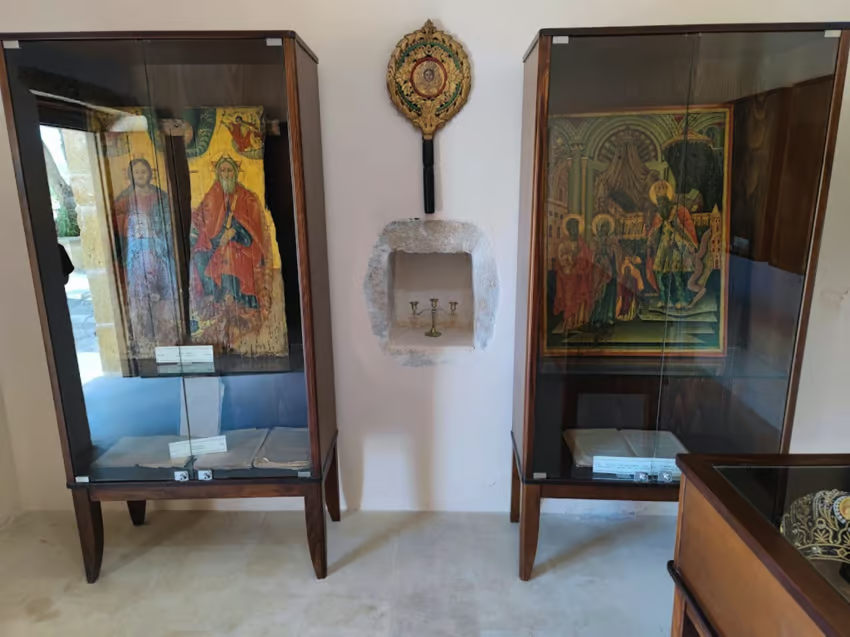
Chrisoskalitissa Monastery receives highly positive reviews from visitors, and many describe it as a highlight of their trip to western Crete. Visitors consistently praise the clifftop setting and the wide sea views, and they note that the remote location and peaceful atmosphere suit solitude and reflection. Many reviewers remark on the historical significance and architectural beauty of the monastery buildings, where the whitewashed exterior and custard-coloured domes stand out against the blue sea. The ornate Orthodox iconography and carved wooden screens inside are visual highlights, and some visitors mention the folklore museum and the shop with local handicrafts as welcome extras.
Nearly all reviews mention the long, winding drive to reach the monastery, and most find the mountain scenery well worth the effort. Many advise arriving early to beat the tour buses and crowds in peak season. Travellers are consistently advised to dress respectfully, with shoulders and knees covered, at this active religious site, and to bring water, sunscreen and a hat for the expansive grounds. Chrisoskalitissa Monastery earns strong reviews as a monastery that should not be missed when travelling in western Crete, because its peaceful setting and wide views make it a favourite spot to experience the island’s history and natural beauty.