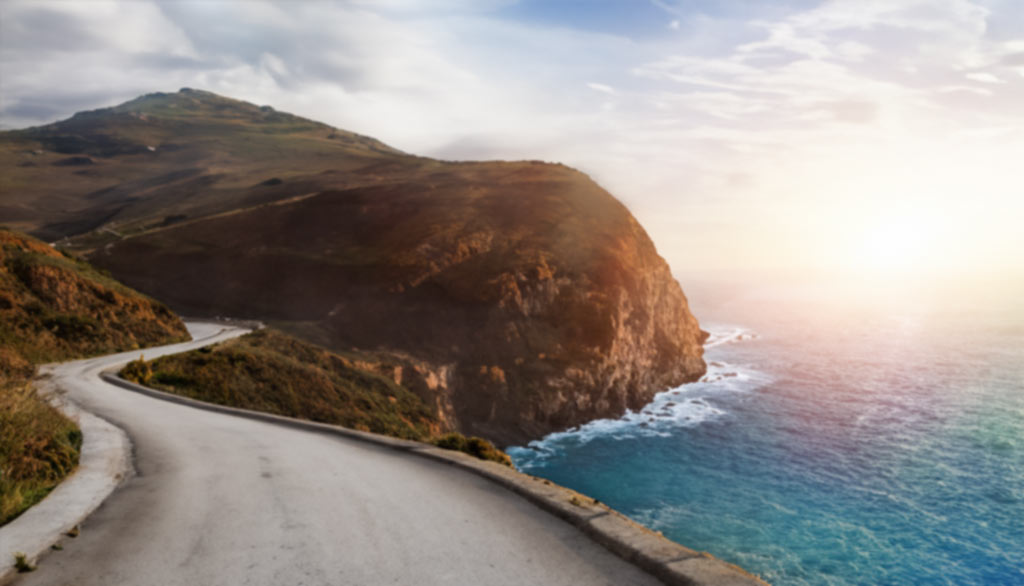








Crete is the 5th largest island in the Mediterranean Sea, located between the seas of Aegean and Libya. It is ranked as the 88th largest island in the world. The land area of Crete is 3,219 square miles and has a coastline of 650 miles. Crete is 160 km south of Greece and 100 km south of Anatolia. Its population is approximately 630,000 people. The main city of Crete is Heraklion. The island has multiple ancient cities, beaches, and food offerings. Crete is good for individuals that want to learn about rich history and culture. Tourists visit Crete for its weather, beaches, and its historical landmarks. The historical landmarks of Crete are located all over the city.
Listed below are the 10 best Historical Landmarks in Crete.
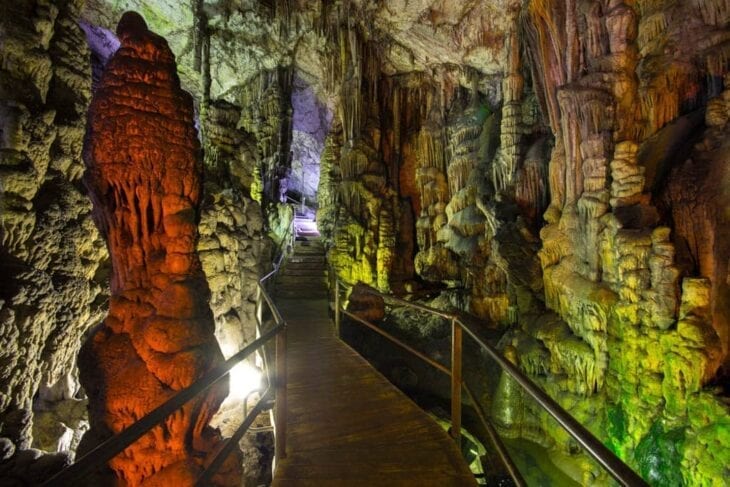
- Cave of Zeus – A cave is known as Psychro Cave in Crete. It has impressive stalactites views around the cave that can be explored within a 10-15 minutes uphill climb.
- The Palace of Knossos – The palace is a historical landmark located near the north coast of Crete. It is known for its connection to Greek mythology that was built during 2000 b.c.
- Venizelos Graves – The area is located at the top hill of Chania, Crete. One can find the family graves of the Venizelos in the area. These are Eleftherios Venizelos and Sophoklis, the 7 times prime minister of Crete and his son.
1. Cave Of Zeus
The Cave of Zeus is believed to be the birthplace of Zeus. In Greek mythology, Zeus was born in the caves of Crete. It is a show cave in Psychro village in Crete. The cave is also known as Psychro Cave or Dikteon Cave. The cave is open to public viewing from 8:00 am- 6:00 pm during summer. During winter, the cave is open from 8:00 am- 3:00 pm. The charge for the ticket is €6 per person. The cave is a 10-15 minute uphill walk that has a rocky and uneven surface. A steep unpaved cave leading to the sacred part of the cave that needs proper footwear. The place is popular for its ancient Greek mythology story. It is believed to be the place where Zeus grew up. In Greek mythology, he was the god of the sky and thunder. The place is popular with locals and tourists around the world. According to tourist reviews, the cave is worth the 15-minute climb up the steep and rocky cave road. Some tourists will bring a cloth and tie it to an olive tree situated in the cave’s mouth, leaving it with a wish. It is advisable to bring water and use proper footwear for rocky and slippery climbs. The place is impressive and has spectacular views. It is the home of big stalactites and a sacred wishing tree. The best time to visit is during the afternoon between 3:00 pm -4:00 pm in summer to avoid the heat of the sun. During the winter, any time is the best time to visit the cave.
2. The Palace of Knossos
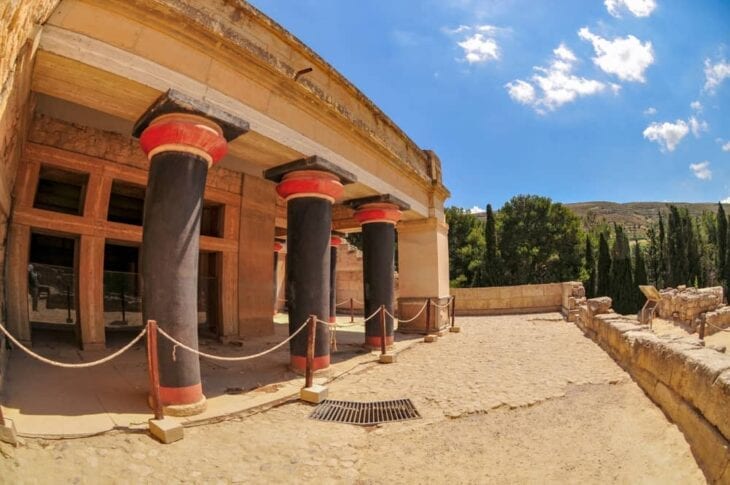
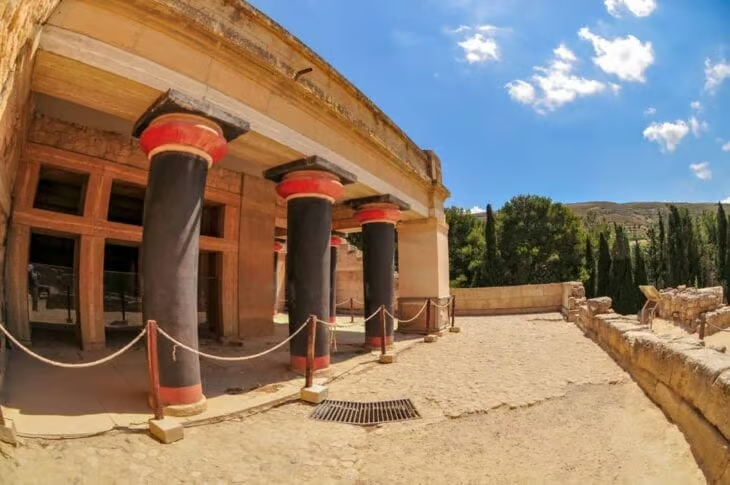
The Palace of Knossos is known for its connection to Greek mythology. The historical landmark was built by the Minoans. The Palace of Knossos is located near the north coast of Crete. The palace is open year-round from 8:00 am -7:00 pm. The entrance charge for the Palace of Knossos is €10. The entrance is free from November to March and during the Greek holidays. The place is easy and quick to reach when travelling from the city of Heraklion. Renting a car is faster than going to the Palace of Knossos. The place is built and designed to serve as a civic, religious, and economic centre. It is approximately 14,000 square metres which is about the size of two football fields. The Palace of Knossos is popular for the artefacts found such as gold jewellery, glazed pottery, and bronze. As the tourists review the place, it is an interesting and admiring place. The palace is a great example of the rich architecture of the Minoans. The landmark is a great place to witness the cement and woodwork of the Minoans. The palace brought life to the history of Knossos. If one wants a tour without the crowd of people, the best time to visit is during the off-season or early morning around the palace. The historical landmark has health protocols for visiting the place. One should wear face masks and wash their hands frequently to have a safe tour of the palace.
3. Venizelos Graves
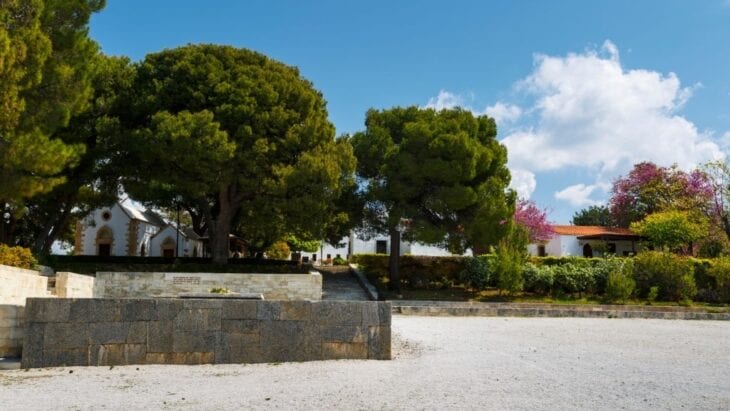
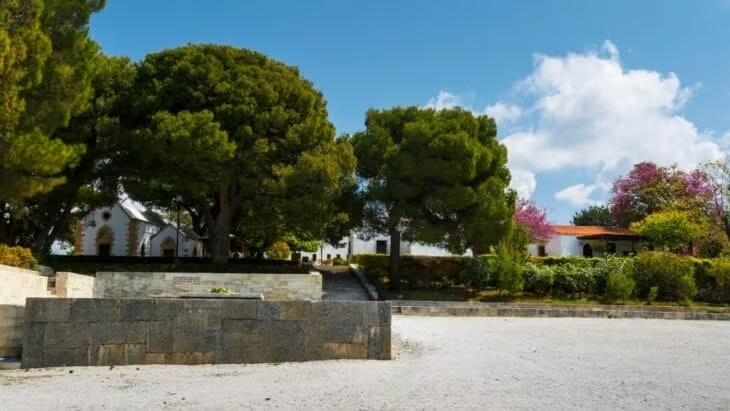
Venizelos Graves are the family graves of Eleftherios Venizelos and his son Sophoklis. It is located on top of a hill in Chania, Crete, Greece. The grave is a spot on top of the hill of Prophitis Ilias. The historical landmark is open 24 hours to the public. It has no entrance fee and parking is free of charge. One can ride a bus, taxi or private transport going to the Venizelos Graves. The Venizelos Graves are the resting place of the two great political figures of Greece. They took an active part in the revolutionary movements of the locals for the freedom of Crete. Eleftherios Venizelos served the Greek state as the 7 times prime minister of Greece. Venizelos believed his death was self-exiled in 1936 in Paris. Tourists say that the historic place provides a spectacular view of the town. It is a good place to visit and learn the history of Crete. The place is known for giving a panoramic view of Chania from the top of a hill. A peaceful spot where one can see the perspective of the town in the Venizelos Graves. It is good to visit the place during the afternoon until late evening since there are some restaurants to enjoy around the place.
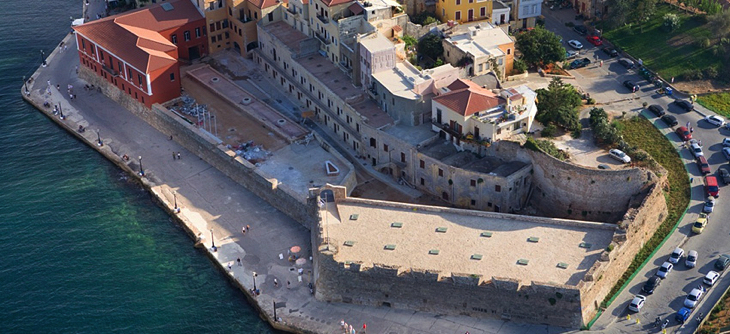
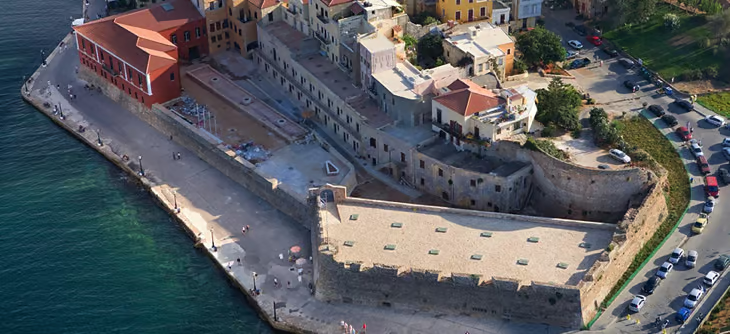
4. Firkas Fortress
The Firkas Fortress is a building used as a barracks of the army in Chania. The term “firka” means a military division in the Turkish language. Today, Firkas Fortress is the home of the Maritime Museum of Crete. The fortress is located on the Kountourioti coast. It is situated along the harbour of Chania, Greece. The historical place can be visited every day from around 9:00 am to 4:00 pm. Its ticket price is free in the Firkas Fortress. It can be accessed within the city of Chania, Crete, Greece. One can walk around the fortress and witness fantastic views while admiring the historic fortress. The tourists review the place as worth visiting since it is a majestic and great old building built 500 years ago. One can spend 15 minutes touring around the Firkas Fortress. The fortress has a spectacular view of the history of Chania. It has a panoramic view of the Venetian harbour of Chania. The best time to visit is during the afternoon at sunset. The sunset gives a picturesque perspective of the Firkas Fortress in Chania. The place took health and hygiene measures to ensure a safe environment.
5. The Venetian Fortezza
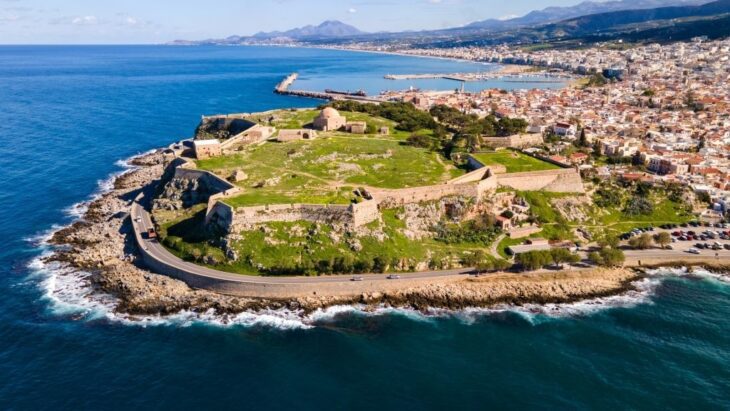
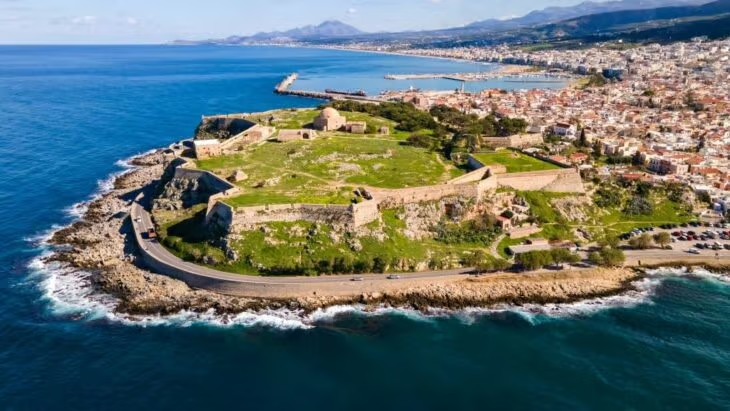
The Venetian Fortezza is known as Fortezza of Rethymno. The historical place is the Venetian fortress of Rethymnon, Crete. The fortress is almost at the centre of the old town built by the Venetians during the 16th century. The Venetian Fortezza is open to the public from 8:00 am – 7:15 pm every day except Tuesday. The ticket charge for the entrance to the fortress is €4 for adults and €3 for senior citizens. The fee is free for over 65 years old and disabled individuals. Venetian Fortezza can be accessed by walking around the city of Rethymnon, Crete. The fortress is popular as an old castle in Rethymno where most of the city’s events are held. These events are plays, music, dance, and painting events. The Venetian Fortezza is built on the Paleokastro hill as a trademark of Rethymno. The tourist reviews the place as generally beautiful and an incredible castle. It is one of the highlights of the city of Rethymno is an old and large historic fortress. One can witness the views over the sea and the city. The best time to visit is during the sunset, which is good for picture taking. Health protocols to follow in the Venetian Fortezza are wearing face masks in all indoor places, keeping safety distances, and calling local doctors in case of symptoms.
6. Castello del Molo (Koules Fortress)
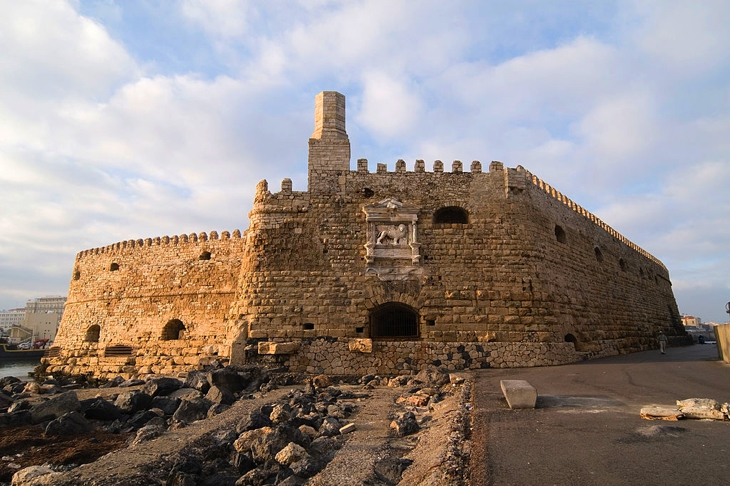
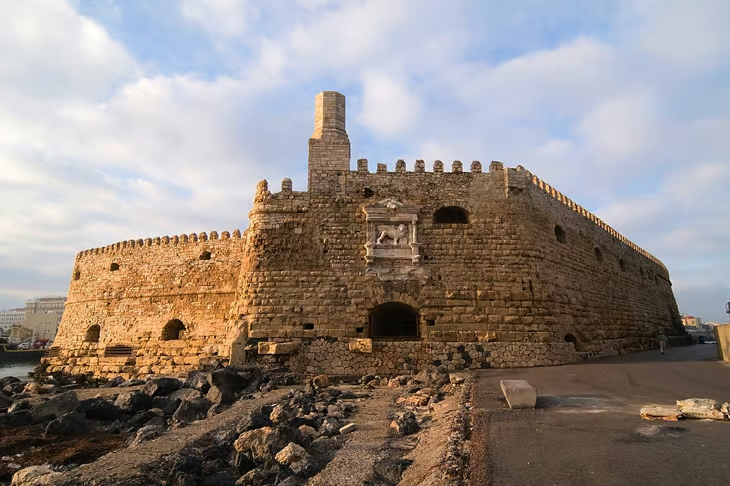
Castello del Molo is also known as Koules Fortress. It is one of the impressive landmarks of the city as built by the Republic of Venice during the 13th century. The place is located at the entrance of the old port of Heraklion, Crete, Greece. Koules fortress is open daily from 8:00 am- 8:00 pm except on Tuesday. The entrance fee to the historical landmark is €2. Castello del Molo can be accessible by car or through a cruise trip. The historical place is popular since it was built as a storage for food and military supplies in the 13th century. The tourist says that the place is worth spending the time touring around the fortress. It is the best way to learn about the history and discover the city. On the ground floor of the Castello del Molo, one can see the canons and amphoras that Jacques Costeau retrieved. The best time to go to Castello del Molo (Koules) is for a day trip. Health protocols implemented in Castello del Molo are mandatory wearing of masks and checking of temperature using a thermometer.
7. Spinalonga (Kalydon)
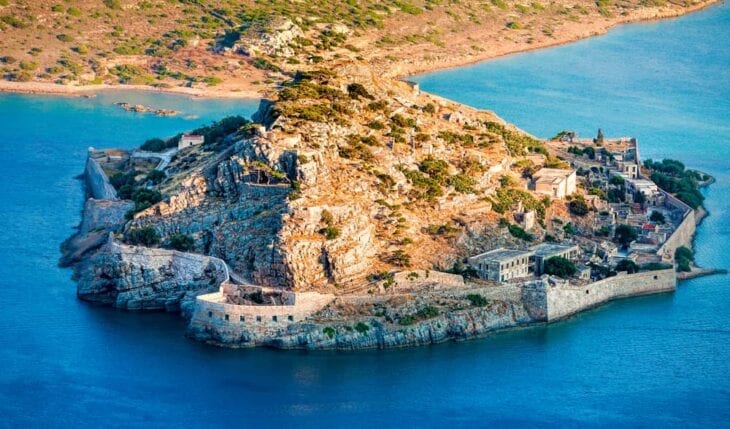
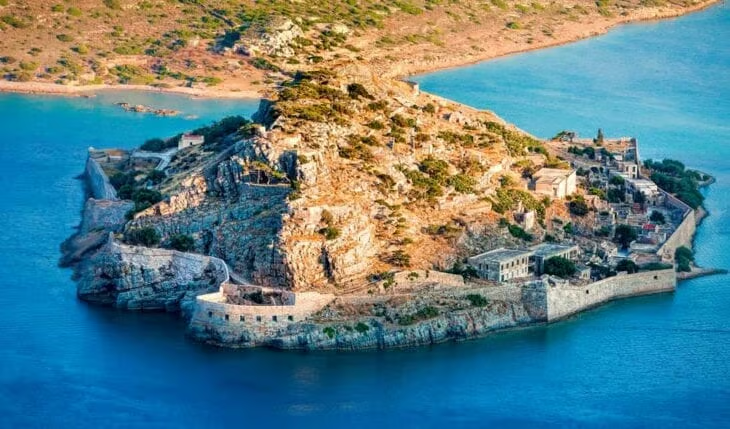
Spinalonga (Kalydon) was originally Spinalonde but later changed to Kalydon in 1957. Spinalonga is a small island near Elounda in East Crete. The island of Spinalonga is known as the Leper Island. The place is open only during the summer season since there are no scheduled boat trips to Kalydon during winter. The entrance fee of the Spinalonga archaeological site is €8 as of 2017. The boat trip going to Spinalonga depends on the starting point of the trip. If one travels from Agios Nikolaos to Spinalonga, the boat fee is €25. From Elounda to Spinalonga, the boat trip fee is €10 and €5 for children 5 to 11 years old. If one plans to start at Plaka to Spinalonga, the fee is €8 per person. According to the reviews of tourists, Spinalonga (Kalydon) is fascinating and informative, learning the history of the island. One can witness the scenic view of the island and learn the history of lepers on the island. The small island of Spinalonga was the leper’s prison in 1913. The cost of goods and services in Spinalonga is expensive. A day tour is an ideal time to visit Spinalonga accompanied by a professional tour guide to the island. Health and safety protocols in Spinalonga are the observance of proper hygiene and physical distancing.
8. Archaeological Site of Itanos
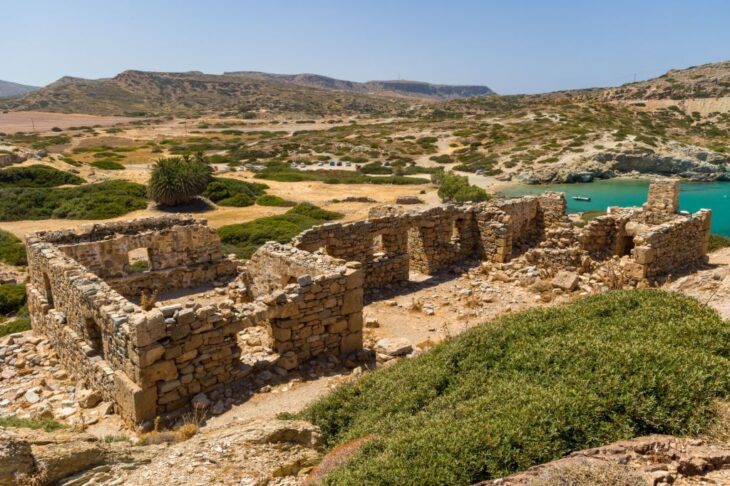
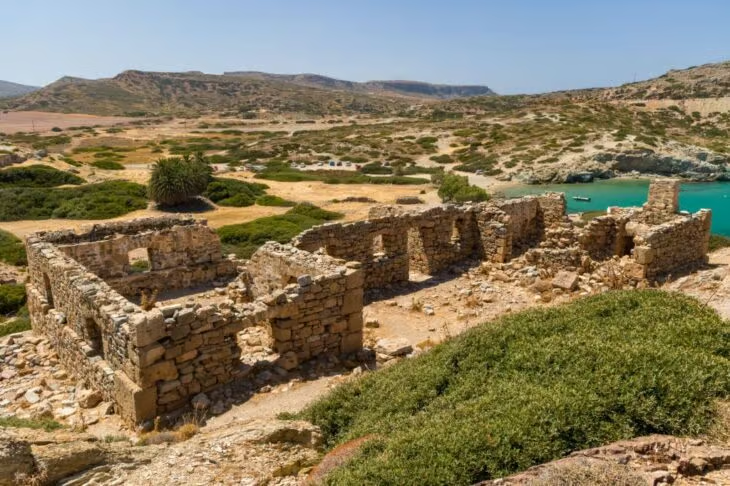
The archaeological site of Itanos is an ancient city along the harbour town of Vai. It is located 25 km east of Sitia, Crete. The historical landmark is always open to the public. The place is free of charge and can be accessed by anybody. One will spend a 2-minute drive to the Itanos by Vai beach. The place is popular for its sunken cities viewed from its establishment during the prehistoric period. The Archaeological Site of Itanos has an important maritime role as revealed by Herodotus. The tourists say that the site is rich with history and a picturesque location. The place is quiet and calm where one can relax. One can see the beach and the ruins of Itanos. Itanos was a Greek city and the port on the northeast coast of Crete. It is best to visit the place during the afternoon since it is quite a time to see the view of the site. The health protocols implemented are mandatory for dispersion in case of big groups visiting the site; personal hygiene such as handwashing and social distancing is needed.
9. Agia Kiriaki Church
The Agia Kiriaki Church is a monastery built in the 17th century. It was built to give honour to Agia Kiriaki, a Christian saint martyred under the Roman emperor in 1740. It is located at Varipetro, near Chania and the Platanias. Agia Kiriaki Church is open daily to the public but with few people. There is no entrance fee to the church. It can be accessed within the city of Varipetro. One can enjoy the place by walking toward the monastery. The church is famous for giving honour to three prominent individuals, namely Agia Kiriaki, John the Theologian, and Dormition of the Virgin. It is known as the home for refugees who tried to escape Turkish occupation. The church is slowly deteriorating and is now a ruins site in Varipetro. It was then restored and nuns are available within the church for assistance. According to tourists, Agia Kiriaki Church is a wonderful Christian architecture. The church is the centre for environmental and ecological education. Any time of the day is the best time to visit the church since it is not crowded. One should book a visit to the monastery in order to secure a slot. Health protocols such as the wearing of facemasks and proper hygiene are required to maintain the safety of the people and their visitors in the church.
10. Plakias Tunnels
Plakias Tunnels is a 2.5 kilometres narrow railway road in Crete. It is located in the eastern part of Plakias. Plakias is a village 19 miles from Rethymno situated in Crete, Greece. Plakias Tunnels was closed in 1930. No entrance fee is needed to view the tunnels in Plakias. Tourists can access the Plakias Tunnel by looking at its facade and exterior. Tourists say that it is an excellent place to hike and watch the sunset. The tunnel was known as a railway for transporting coal around the era. Only a few industrial structures remain for the Plakias Tunnels since its establishment in the 19th century. The best time to visit is during the afternoon to witness the sunset. Health protocols are regulated around the area. One should wear a mask during a big crowd visiting the tunnel.
Which is the best historical site to visit in Crete?
The best historical site to visit in Crete is the Palace of Knossos. The Palace of Knossos is known to be one of the largest Greek architecture as a ceremonial and political centre of the Minoan civilization. The archaeological site now is mostly the ruins of the Palace of Knossos. The site has multiple rooms and circuitous corridors associated with various myths and legends. Visiting the Palace of Knossos gives a glimpse of Greece’s rich customs and culture. It is a captivating archaeological site to explore and discover its connection to Greek mythology. Make sure you don’t miss any historical sites by reading our Crete Travel Guide.
What should you know before visiting a historical place in Crete?
A tourist should pay utmost respect to every historical place in Crete. One must show respect by understanding their customs, culture, and history. Before a visit to the Ancient Cities of Crete, one should research the culture, transportation, and food of the Cretans. It is best to compare costs and routes in navigating the historical places in Crete. Crete is the largest island in Greece that is rich in ancient culture and cities. The Palace of Knossos has a great history since it is the centre of Minoan civilization. Visitors can walk around the palace in 10-15 minutes to witness and experience the artefacts, mosaics, and frescos from the Minoan period.
What do you need to know about Crete as a tourist?
Crete is a simple and easy island. Listed below are the few things to know as a tourist before visiting Crete.
- Time to visit. It is best to visit Crete as a tourist in the middle of May to June or from September to October since it is warmer. Hotel and car rentals are less pricey during these months.
- Culture and customs of Cretans. The people in Crete are welcoming and hospitable. A tourist should know the body language and culture of the Cretans to understand them.
- Valid documents. When visiting Crete, the passport should be valid throughout your stay for at least 3 months. One doesn’t need a visa unless the stay exceeds more than 90 days in Crete.
- Dial 112. In case of emergency, one can dial 112 to receive immediate help in Crete.
- Driving in Crete. One should note that speed limits are 50 km/h in populated areas and 90 km/h on motorways. Cars in Crete drive on the right side of the road. Free parking is almost everywhere in Crete.
Crete is the largest island in Greece best known for its diverse and vibrant land. The island is home to various ancient ruins, busy cities, and amazing beaches. Understanding the culture and customs is needed to pay respect and homage to Crete.
Do you need to rent a car to visit the Ancient Cities in Crete?
No, one can choose to ride a bus to travel to the Ancient Cities in Crete. One can also choose to travel by cruise when visiting the landmarks of Crete. Riding a bus is cheap, reliable, comfortable, and adventurous. The island has no road signage that is hard to navigate when driving with a car rental. A bus trip handled by a local will ensure to take the tourist to the Ancient Cities in Crete. The fare for riding a bus in Crete is government regulated and reasonable.
What are the factors to consider before renting a car in Crete?
Listed below are the factors to consider before renting a car in Crete.
- Credit Card in Renting a Car in Crete. Most companies do not allow their clients to rent a car without a credit card. At Rental Center Crete, you can use a credit or debit card. In most companies, one should be prepared for the excess charge that the car rental will give during car reservation and to start planning a tour to Crete, one should bring a credit card.
- Compare car rental prices. Look for the prices for renting a car online through different websites. Some may charge high, and some will charge on average or at their cheapest. Read the details of renting a car in Crete before making a decision.
- Booking of rental cars. One should secure the booking of car rental 24 hours before the date of the trip. Booking early will save time and avoid stress in car rental in Crete.
- Insurance for renting a car. One may have the option not to include insurance for renting a car. Most of the credit cards have car rental insurance included with it.
- Opt for Return Rental. One can save money by choosing a return rental car. One can try to pick up and drop off the rental car at the same location.
- The right rental car in Crete. One should choose the right rental car in terms of the car’s size, style, and transmission type. One can choose a small car since most of the roads of Creek are narrow. A two-door car is a good choice for a car in Crete. One can choose to have a manual or automatic car, but manuals are the most common in Crete.
- Type of Fuel. One should be knowledgeable on either diesel or unleaded types of fuel to put in the car. When returning the car, one should fill the car with the same amount the car is given to avoid penalties.
- The navigation system of the car. One should opt for a car with GPS systems to properly guide one’s trip to Crete.
- Inspection of the car. One should do a thorough inspection of the car rental to confirm any scratches or damage to the car. The inspection ensures the renter that the car is functioning well.
- Speed and signage. One should take note of the speed limit and signage in Crete to avoid penalties and accidents.
One can either apply for rental car insurance or not. Most credit cards have built-in insurance for rental cars. An optional warranty is provided by the car rental company for the car. Any person can drive a rental car. The minimum age to rent a car is 21 years old and the maximum age is 79 years old. One can use a small or tiny car since most of the roads of Crete are narrow. An SUV is the best car to rent for up to 5 passengers in a car. A standard international driver’s licence or a valid US licence is required to drive on the Island of Crete.
How much does a car rental in Crete cost?
The cost of car rental in Crete depends on the day the car will be rented, the passengers, the type of car to be rented and the duration of the trip. If one is planning a trip to Crete, a car rental is a good choice for the mode of transportation. For a week’s trip to Crete, the average cost of renting a car is €250. The price for renting a car in Crete during the day trip and night trip usually starts at €30 to €40. Car rental services are available at the airport and around the island of Crete. It can reach every historical landmark of the island including the Venetian Fortezza, Firkas Fortress, and Castello del Molo. A tourist can book a 3-5 day itinerary for the trip to Crete. One can start visiting the Venetian Fortress for an hour. Next, a visit to the Firkas Fortress, walking in the place for hours. Then, visit Spinalonga the next day of the trip. There are various restaurants and coffee shops to enjoy on the island. An SUV can fit 5 adults and their belongings. A compact car can fit 4 or 5 adults and their bags. A convertible car can fit 4 adults and their bags. A minivan can fit 7 to 9 adults and their bags.