



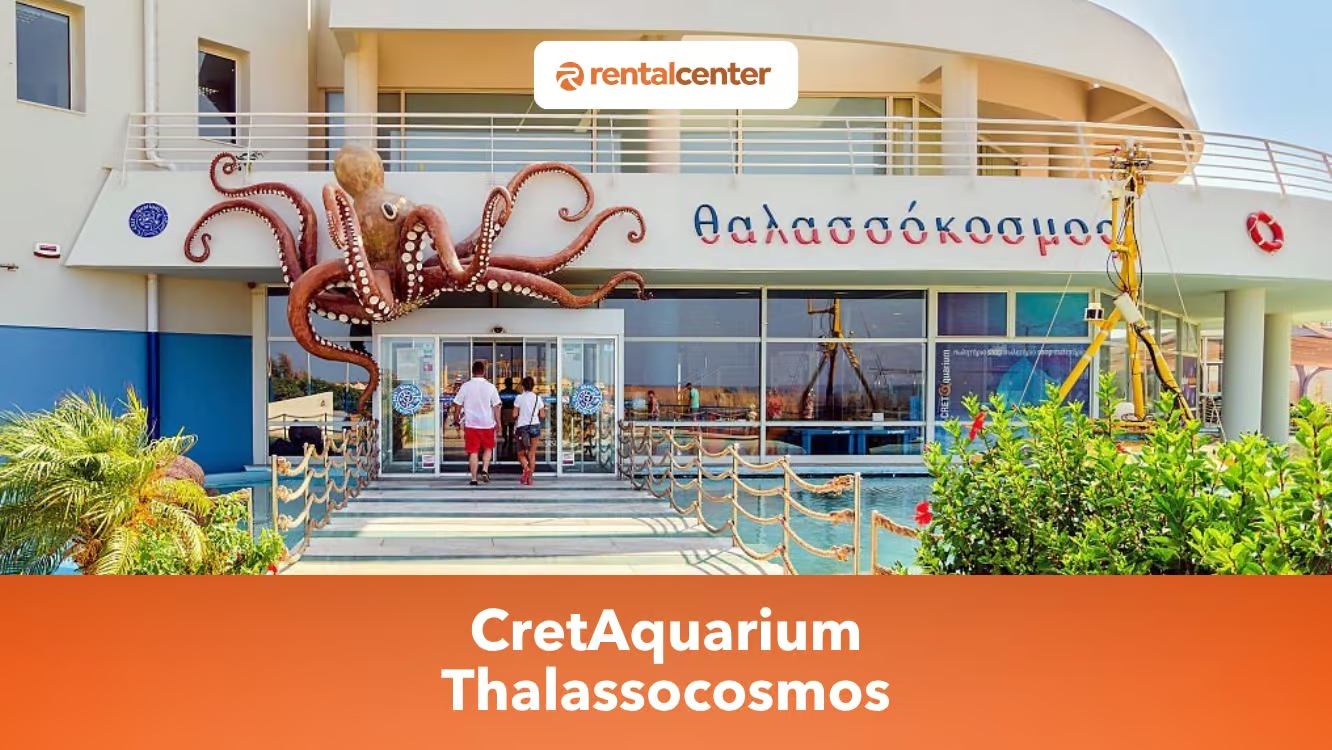
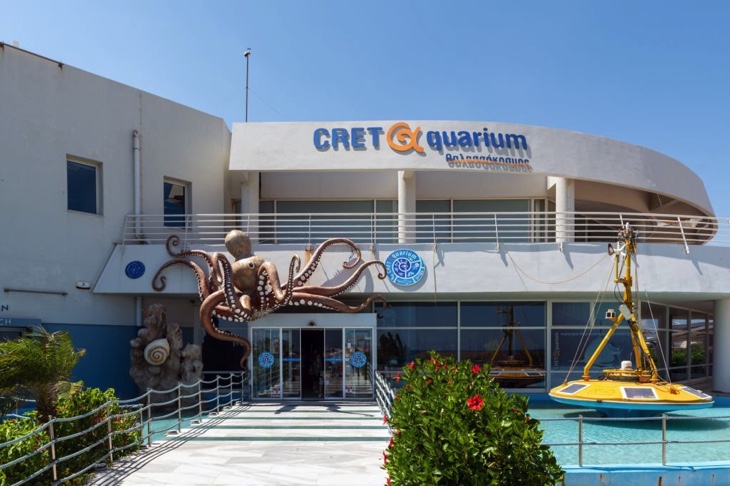
CretAquarium opened in December 2005. Its seaside location gives it a direct connection to the water, which makes it easier to collect and maintain Mediterranean marine species. The aquarium combines three goals: education, conservation, and research.
What is CretAquarium in Crete?
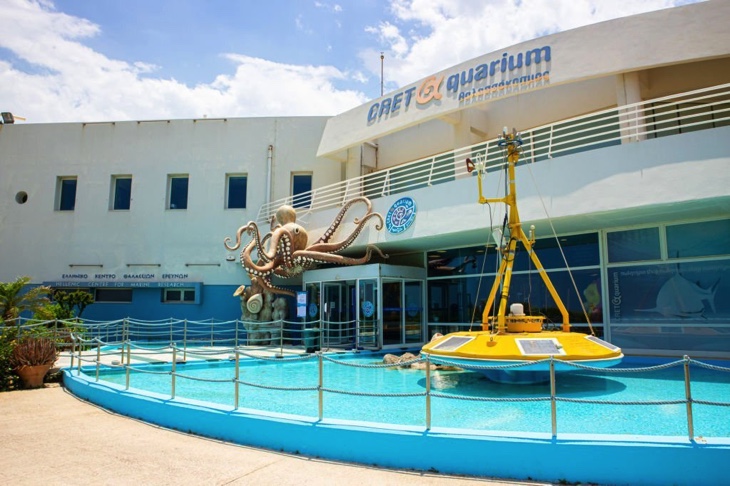
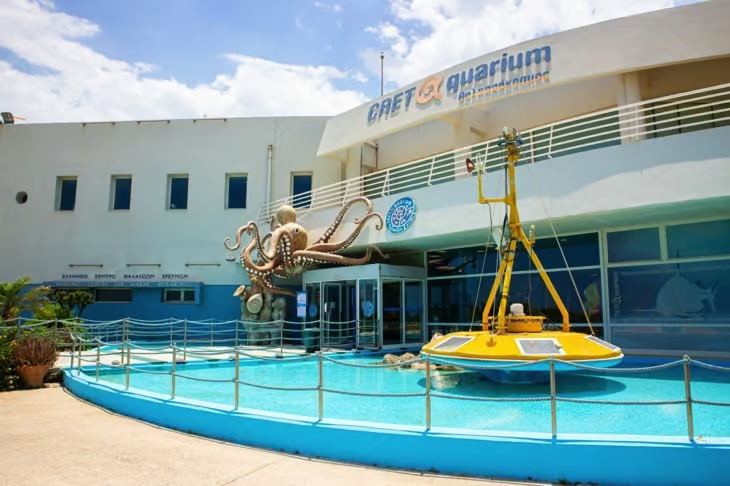
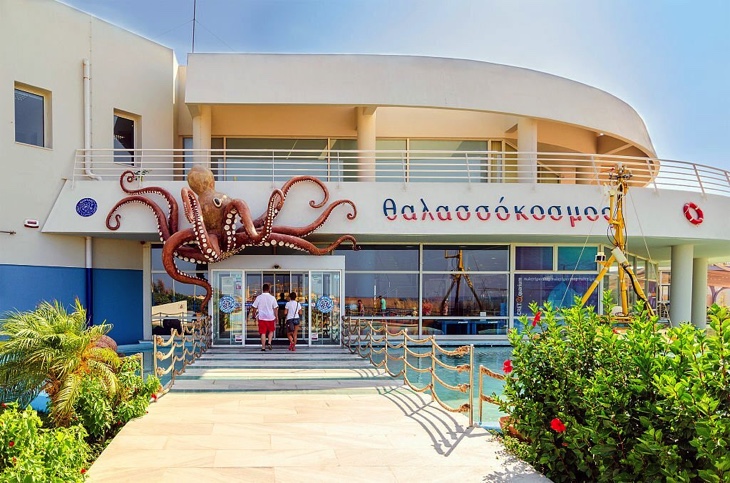
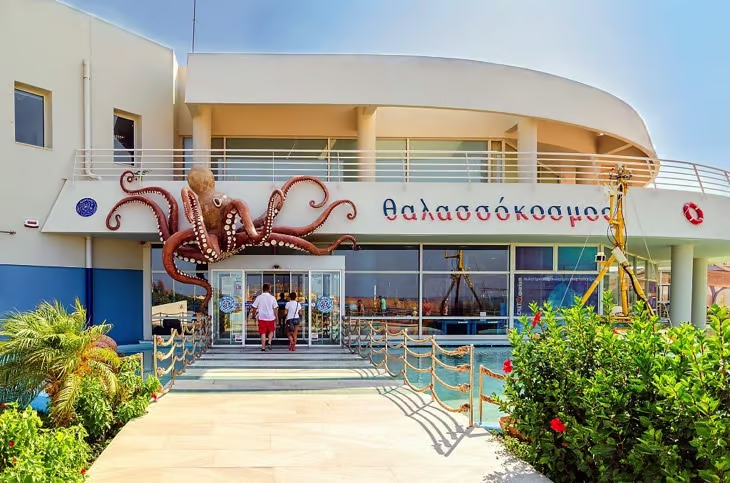
CretAquarium is the public aquarium of Crete at Gournes, run by the Hellenic Centre for Marine Research. It is one of the largest and most modern aquariums in Europe and focuses on the marine life of the Mediterranean Sea.
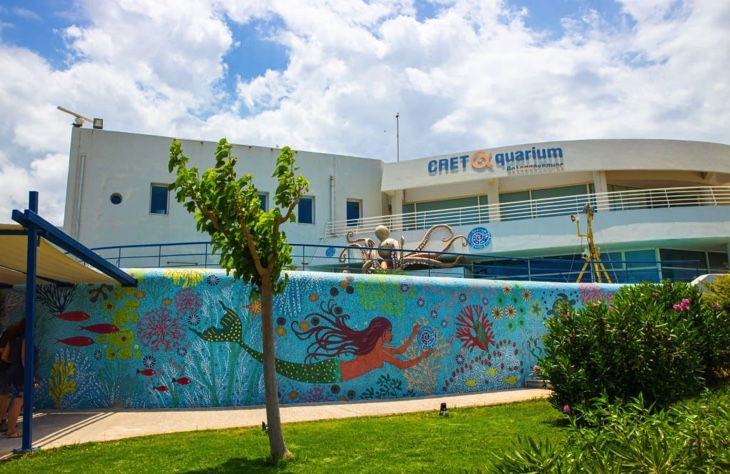
The exhibits recreate real Mediterranean habitats, from rocky coastlines and seagrass beds to the open sea. Each display follows a distinct habitat so visitors move through the wonders of the water in a clear, structured route.
CretAquarium is more than a display of marine life. It blends recreation, education, and environmental preservation: interactive exhibits, marine-biology seminars, and conservation activity sit side by side. The aquarium also works with marine biologists on active research, contributing to the study of Mediterranean ecosystems.
Where is CretAquarium located in Crete?
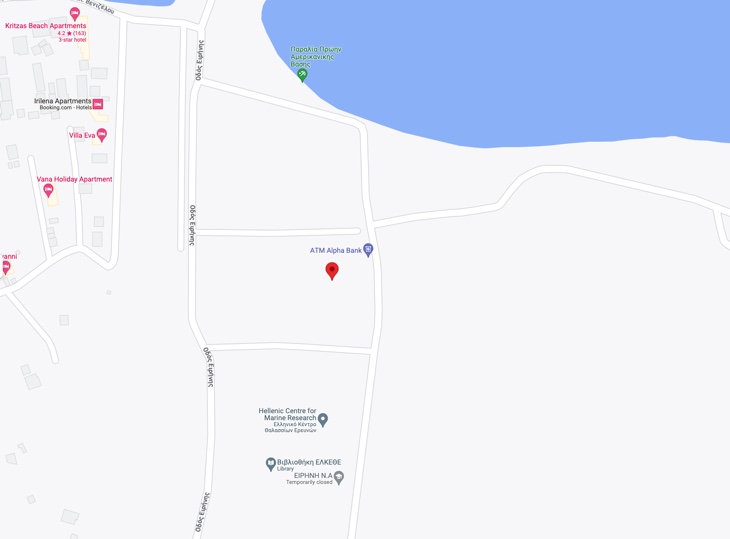
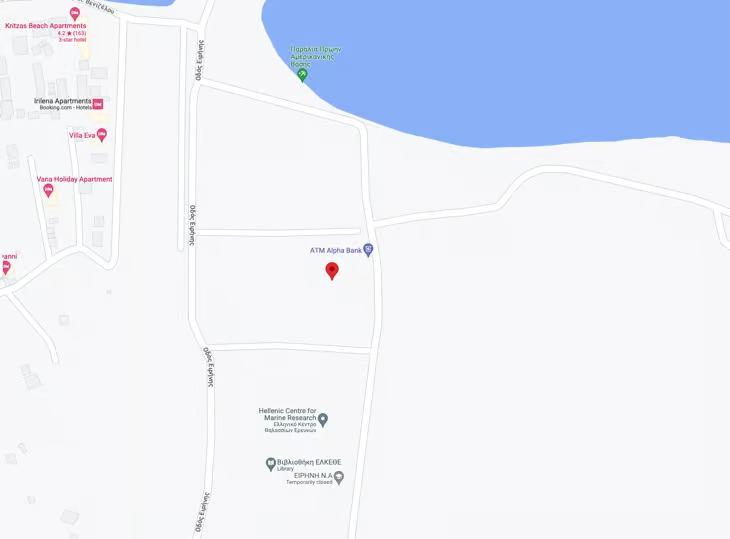
CretAquarium is at the former American Base of Gournes, about 15 kilometers (9.32 miles) east of Heraklion, the capital of Crete. It is easy to reach once you arrive in Heraklion.
What animals are in CretAquarium?
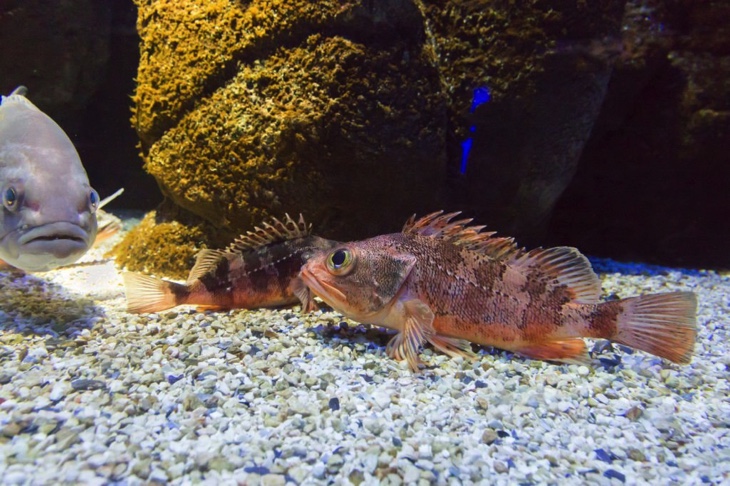
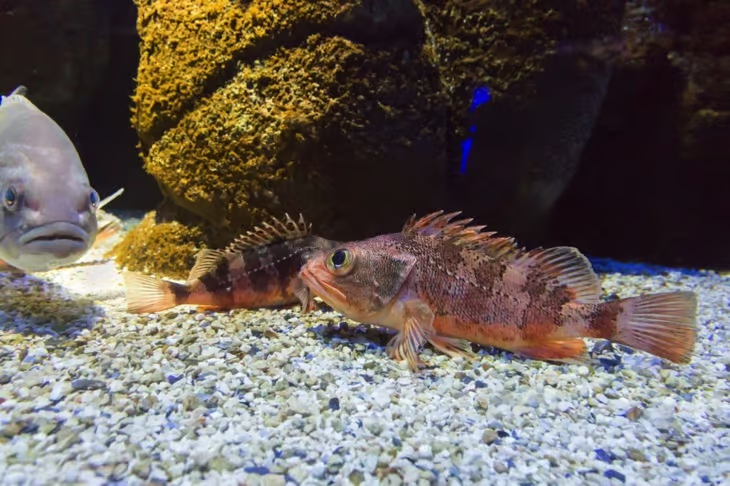
CretAquarium is home to Mediterranean marine species including sharks, rays, sea turtles, octopuses, seahorses, jellyfish, and a wide range of fish. The exhibits let visitors see the biodiversity of the region’s marine ecosystems up close.
Sharks are among the headline species, including the nurse shark (Ginglymostoma cirratum) and the sand tiger shark (Carcharias taurus). Rays are another draw, with species such as the common stingray (Dasyatis pastinaca) and the spotted eagle ray (Aetobatus narinari) gliding through the water.
Sea turtles are a prominent feature, among them the green sea turtle (Chelonia mydas) and the loggerhead sea turtle (Caretta caretta). These animals act as ambassadors for marine conservation.
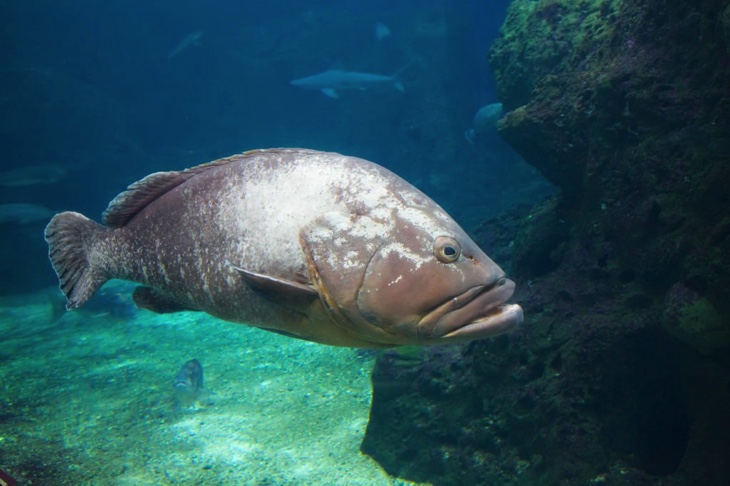

The aquarium is also filled with colourful fish, from the vivid yellowtail damselfish (Chrysiptera parasema) to the Mediterranean parrotfish (Sparisoma cretense).
How many species live in CretAquarium?
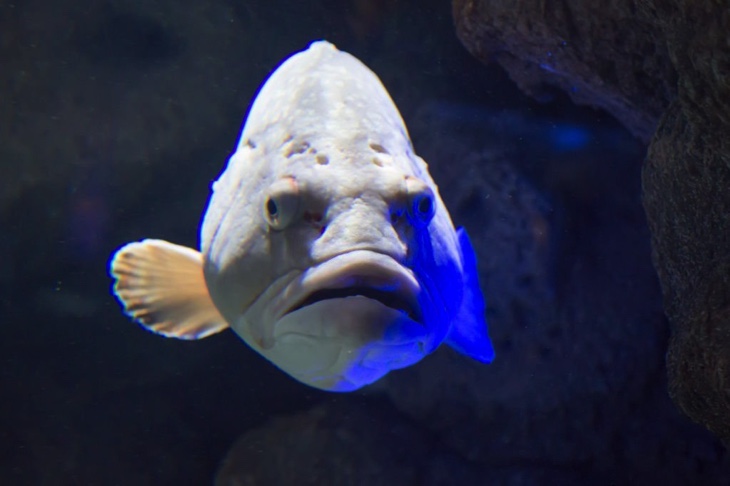
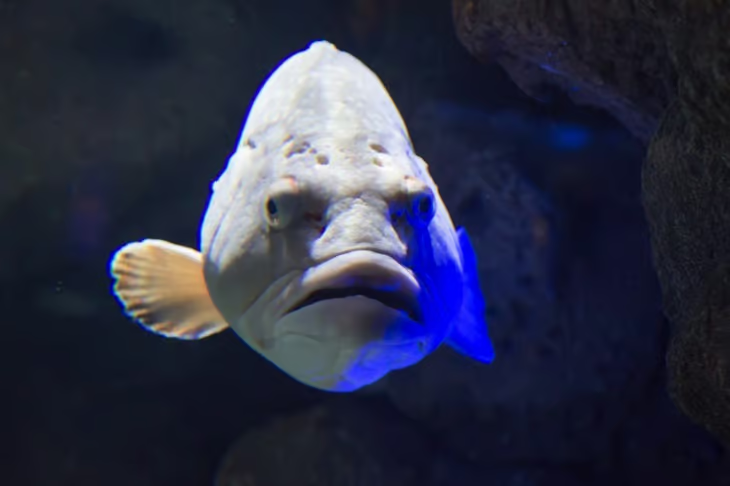
CretAquarium is home to more than 200 Mediterranean species. The collection includes groupers, breams, wrasses, and sea bass, alongside several shark and ray species and fascinating jellyfish. Sea turtles, especially the loggerhead turtle, are part of the aquarium’s conservation work.
Beyond the well-known species, CretAquarium features octopuses, cuttlefish, and Mediterranean monk seals. The species mix is chosen to give an informative experience of the Mediterranean Sea’s biodiversity.
What is the purpose of CretAquarium?
The purpose of CretAquarium is education, conservation, and research related to the marine ecosystems of Crete and the Mediterranean Sea. Through its exhibits, interactive displays, and educational events, the aquarium aims to build knowledge of the marine environment and respect for marine life among visitors of all ages.

A core goal is public education about marine conservation. By showing the diversity of the Mediterranean Sea, the aquarium encourages sustainable behaviour and draws attention to issues such as overfishing, habitat loss, and pollution.
Alongside education, CretAquarium supports research in partnership with marine biologists, advancing scientific understanding of Mediterranean habitats and species. It also acts as a hub for conservation, taking part in efforts to protect species and treat injured animals.
What to do at CretAquarium
Plan 1 to 2 hours to properly enjoy the exhibits and the educational features. Listed below are the main activities and experiences at CretAquarium.
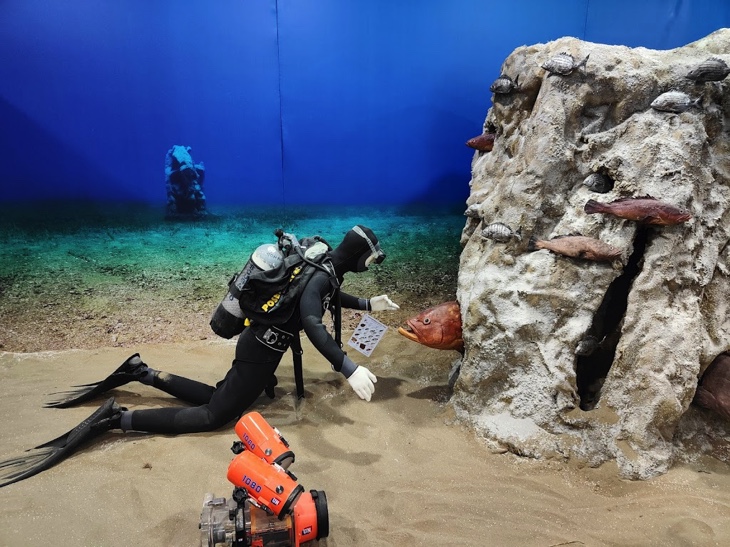
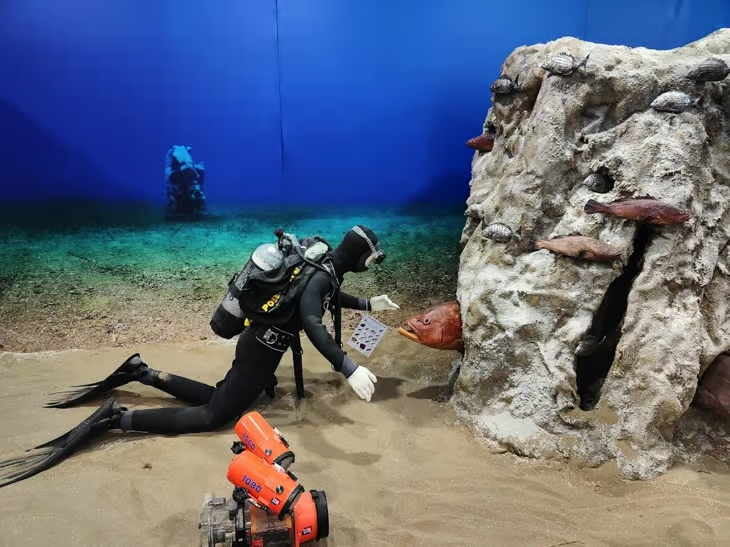
- Explore the exhibits: Move through the themed exhibits and see fish, sharks, rays, sea turtles, and other marine creatures up close.
- Attend presentations and seminars: Marine scientists and specialists give frequent talks on animal behaviour, marine conservation, and the challenges marine life faces in the wild.
- Try the audio guide: A personal audio guide device helps you follow the exhibits at your own pace.
- Try the Virtual Reality experience: CretAquarium has a dedicated VR room for an added, immersive experience.
- Participate in interactive exhibits: Some exhibits let visitors learn about the qualities and adaptations of marine animals hands-on.
- Visit the children’s area: A separate area for kids offers interactive exhibits and educational games about marine life.
- Relax and enjoy the views: Outdoor seating areas overlook the coast, and the on-site café is a good spot to pause.
- Capture memorable moments: The exhibits make for excellent photos (see the photography rule below).
- Browse the gift shop: Pick up marine-themed keepsakes, books, and souvenirs.
Tickets, hours, and practical info
Opening hours and ticket prices change by season, so check the official site (cretaquarium.gr) for current details before you go. CretAquarium runs longer hours in summer (April–October) and shorter hours in winter (November–March). The notes below reflect the information available when this article was written.
Opening hours
CretAquarium is open daily. In the summer season (April 1 to October 31) it opens in the morning and stays open into the evening; in the winter season (November 1 to March 31) it opens in the morning and closes in the afternoon. Because hours are subject to change, confirm the current schedule on the official site and plan your visit accordingly.
Ticket prices
Ticket prices vary by season, with reduced rates for children, seniors, and groups, and free entry for young children and visitors with disabilities. An audio guide device, a private guided tour, a behind-the-scenes tour, and the Virtual Reality experience are available for additional fees. For the current price of each option, check the official CretAquarium site before your visit.
Parking
There are parking spaces at CretAquarium for visitors arriving by car, so you can leave the car and explore the aquarium conveniently. Capacity varies with the time of day and season. Heraklion also offers additional parking options if you combine the aquarium with a visit to the city.
Café
There is a café inside CretAquarium serving snacks, sandwiches, salads, drinks, and desserts, a handy place to pause during your visit. Heraklion, the capital of Crete, also has a lively food scene nearby if you want a fuller meal before or after.
Rules inside CretAquarium
The rules inside CretAquarium are listed below.
- Do not touch the glass or disturb the animals; keep a safe distance and follow staff directions.
- Avoid flash photography, which disturbs the animals; photos without a flash for personal use are usually fine, so check for any specific limits on site.
- Stay on the authorised walkways to keep a smooth flow and avoid overcrowding.
- Keep noise levels down to protect the calm of the space and reduce stress on the animals.
- Do not feed the animals; the staff manage their diets and feeding schedules.
- Leave pets at home, as only service animals are permitted inside.
How long can you stay at CretAquarium?
Allow 1 to 2 hours to see the exhibits and take part in the educational features. Because the visit is self-guided, you can linger at the displays that interest you most or move through more quickly.
How to get to CretAquarium?
You get to CretAquarium at Gournes by rental car, public KTEL bus, taxi, or an organised resort excursion. The aquarium sits directly off the BOAK national road (E75) about 15 kilometers (9.32 miles) east of Heraklion, at a signposted “Cretaquarium / Gournes” exit, with free parking at the entrance. The four ways to reach it are described below, from the most flexible to the most hands-off.
| Coming from | Approx. distance | Drive time |
|---|---|---|
| Gouves | 5 kilometers (3.11 miles) | ~7 min |
| Heraklion Airport (HER) | 1 kilometers (6.21 miles) | ~15 min |
| Hersonissos | 12 kilometers (7.46 miles) | ~15 min |
| Heraklion (city centre) | 15 kilometers (9.32 miles) | ~20 min |
| Stalis | 18 kilometers (11.18 miles) | ~20 min |
| Malia | 2 kilometers (12.43 miles) | ~22 min |
| Agios Nikolaos | 5 kilometers (31.07 miles) | ~40 min |
| Rethymno | 9 kilometers (55.92 miles) | ~1 h 10 min |
| Chania | 15 kilometers (93.21 miles) | ~2 h |
By rental car
Driving is the simplest way to reach CretAquarium on your own schedule and the easiest way to combine it with beaches, villages, and archaeological sites along the north coast. From Heraklion, follow the BOAK national road (E75) east toward Agios Nikolaos and take the signposted Gournes / Cretaquarium exit, a drive of about 15 kilometers (9.32 miles) that takes roughly 20 minutes. From Heraklion Airport the aquarium is about 1 kilometers (6.21 miles) away, around 15 minutes by road. Free parking sits right at the entrance, so you can leave the car and walk straight in.

A rental car also turns the aquarium into one stop on a wider day out, which the bus and taxi cannot match, though it means handling the driving and parking yourself. To arrange a vehicle for the whole island, book a Crete car rental with pickup at Heraklion Airport or in the city and free delivery to your hotel.
Visitors staying on the eastern coast are closest of all. Gouves lies only about 5 kilometers (3.11 miles) from Gournes, so a Gouves car rental puts you a few minutes from the aquarium and within easy reach of Hersonissos, Stalis, and Malia.

By public bus (KTEL)
You reach CretAquarium by KTEL bus from Heraklion on the Heraklion–Hersonissos–Malia line. Buses leave frequently from the main Heraklion KTEL station near the port and stop at the Gournes / Cretaquarium stop on the national road, from where a short signposted walk leads to the entrance. Services run more often in summer than in winter, so confirm the current timetable on the KTEL Heraklion–Lasithi website before you travel. The bus is the cheapest way to reach the aquarium, but it ties you to fixed departure times for both the trip out and the return.
By taxi
A taxi reaches CretAquarium in about 20 minutes from Heraklion or roughly 15 minutes from Heraklion Airport. Taxis suit a direct, door-to-door trip or a small group splitting the fare, and they save you from parking. Fewer taxis wait at Gournes for the return leg, though, so ask your driver for a card or have the ticket desk call one when you are ready to leave.
By organised excursion or hotel transfer
Many resorts along the coast – Gouves, Hersonissos, Stalis, and Malia – run organised coach excursions to CretAquarium, often combined with other stops, and some hotels arrange private transfers on request. An excursion removes the driving and parking, but it fixes your timing and route, whereas a rental car keeps both in your hands. If you are staying in Gournes or Gouves itself, the aquarium is also close enough to reach on foot or by bicycle from some hotels.
Hotels near CretAquarium
Listed below are hotels within an easy drive of CretAquarium, from beachfront resorts near Gournes to city hotels in central Heraklion.
- Creta Beach Hotel & Bungalows: A beachfront hotel next to CretAquarium, with rooms, dining options, a pool, and direct beach access.
- Civitel Creta Beach Hotel: In Amoudara, a short drive from CretAquarium, with several pools, a restaurant, and sea- or garden-view rooms.
- Lyttos Beach Hotel: A 4-star all-inclusive resort in Hersonissos, about a 30-minute drive from CretAquarium, with a spa, multiple pools, and sports facilities.
- Galaxy Hotel Iraklio: In central Heraklion, about 20 minutes from CretAquarium, with a rooftop pool and fitness facility.
- Lato Boutique Hotel: Near the Heraklion waterfront, about a 15-minute drive from CretAquarium, with a rooftop restaurant and bar.
Is CretAquarium the best place for kids?
Yes, CretAquarium is an excellent place for kids. Children are captivated by the displays of marine animals in recreated natural settings and can see fish, sharks, rays, and sea turtles up close.
A separate children’s area offers interactive exhibits and kid-friendly educational games, so learning about marine life is hands-on and fun. Kid-friendly presentations and workshops, led by marine biologists and other specialists, teach children about conservation, animal behaviour, and why protecting the marine environment matters.
Is CretAquarium worth visiting?
CretAquarium is worth visiting for families and anyone interested in marine life. Visitors describe it as a fascinating world of aquatic life. While it is not the largest aquarium, it holds a remarkable variety of marine species, colourful fish, sharks, stingrays, octopus, and more, in well-designed, informative displays. Many reviewers found it a great experience for both kids and adults, and noted the aquarium was clean and well maintained. Most visitors felt 1 to 2 hours was enough to see everything. Overall, CretAquarium is an entertaining, educational, and family-friendly attraction that brings the wonders of the Mediterranean Sea to life.