







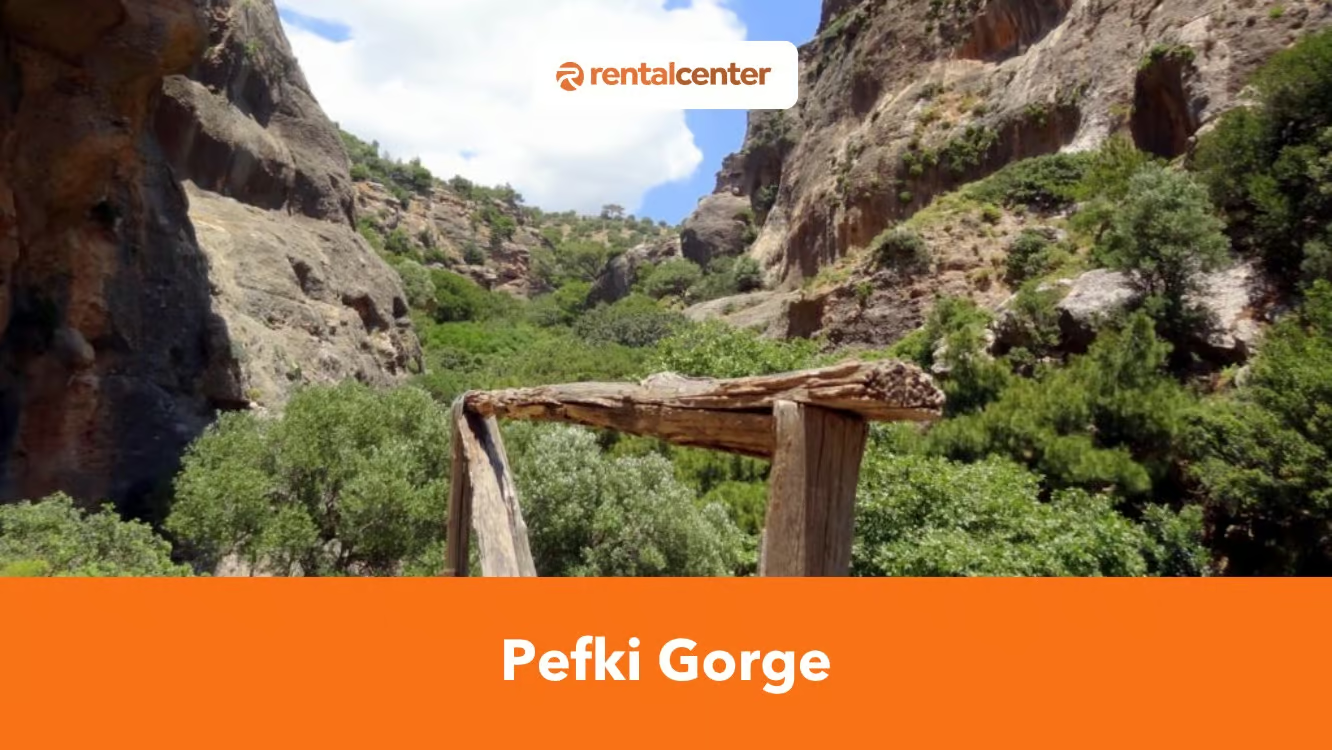
Pefki Gorge, located in southeast Crete between the villages of Pefki and Aspros Potamos, is one of the most accessible Crete gorges for hikers seeking a moderate trail. The gorge stretches 4.5 kilometers (2.80 miles) through limestone rock formations, shaded pine forests, and seasonal riverbeds. It forms part of the E4 European long-distance path and connects the mountain village of Pefki to the coastal area near Makrygialos. Hikers begin at the historic Ilias Watermill and descend through well-marked trails, encountering native flora, folklore landmarks, and resting points along the way.
Hiking Pefki Gorge takes about 2 kilometers (1.24 miles) one way and is suitable for families, couples, and older hikers. Spring and early summer are the best seasons to visit, when temperatures range from 24°C (75.2 °F) to 3°C (86 °F). Visitors can rent a car from Lassithi to reach the trailhead, with parking available near the gorge entrance. Nearby attractions include Vreiko Cave, Makry Gialos Beach, and Analipsi village. Overnight stays are available at accommodations like Thea Villas and Aspros Potamos, while nearby tavernas such as Petra Bay and Taverna Diaskari offer local dishes and relaxed seaside settings. Reviews consistently describe Pefki Gorge as one of the most accessible and rewarding hikes, ideal for travelers seeking nature, history, and rural Cretan landscapes in a single route.
What is Pefki Gorge?
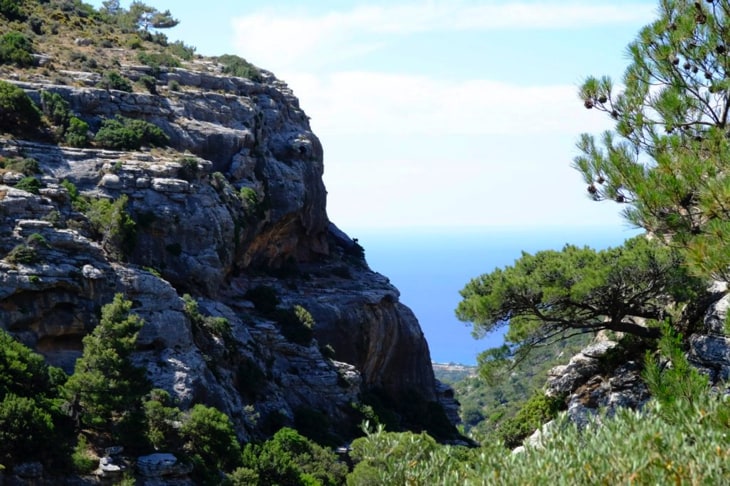
Pefki Gorge is a natural landmark in southeast Crete, a limestone gorge located 2 kilometers (1.24 miles) north of Makry Gialos in the Lassithi region. The gorge formed over thousands of years through erosion caused by flowing water, which carved narrow passages and steep rock faces reaching over 100 meters in height. Pefki Gorge contributes to regional tourism as part of the E4 European long-distance path, drawing hikers and visitors to the nearby villages of Pefki and Aspros Potamos.
The gorge lies approximately 124 kilometers (77.05 miles) southeast of Heraklion and 43 kilometers (26.72 miles) east of Ierapetra, making it accessible by car from major towns. Historical elements include the Ilias Watermill, a restored 1920s structure once used for grinding grain and pressing olives. Archaeological interest centers on the nearby Late Minoan watchtower in Pefki village, which provides insight into Crete’s Bronze Age settlement patterns. Conservation efforts funded through the European Leader Programme introduced wayfinding signs and rest points while maintaining the gorge’s natural condition. Pefki Gorge supports Crete’s ecotourism by offering a low-impact, educational experience within an authentic rural setting.
Pefki Gorge formed through long-term water and wind erosion that carved into rock and soil. A river or stream likely deepened the gorge over time, creating its narrow shape. Geologists and geomorphologists study such formations using fieldwork, mapping, and lab analysis to trace Earth’s surface changes and geological history. Geologists examine Pefki Gorge’s rocks, soils, and surrounding geology to understand its formation. They analyze rock age, mineral content, and tectonic history to build a full picture of the region’s evolution.
Preservation of Pefki Gorge depends on laws, regulations, and community action. Greek statutes restrict harmful activities such as construction and mining, while local groups promote sustainable tourism, controlled visitor numbers, and trail management. Community organisations, governments, and non-profits support research, monitoring, and advocacy for stronger protections. Preservation measures differ by country and region, so consulting local authorities ensures accurate information on current efforts.
How difficult is hiking in Pefki Gorge?
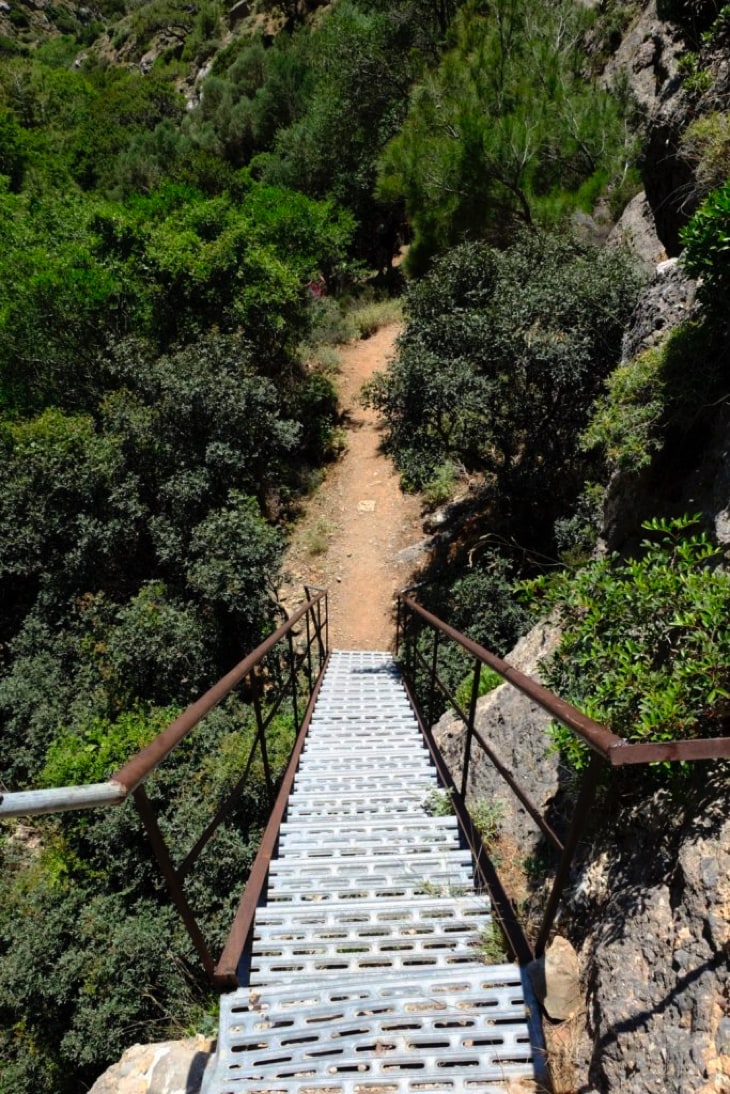
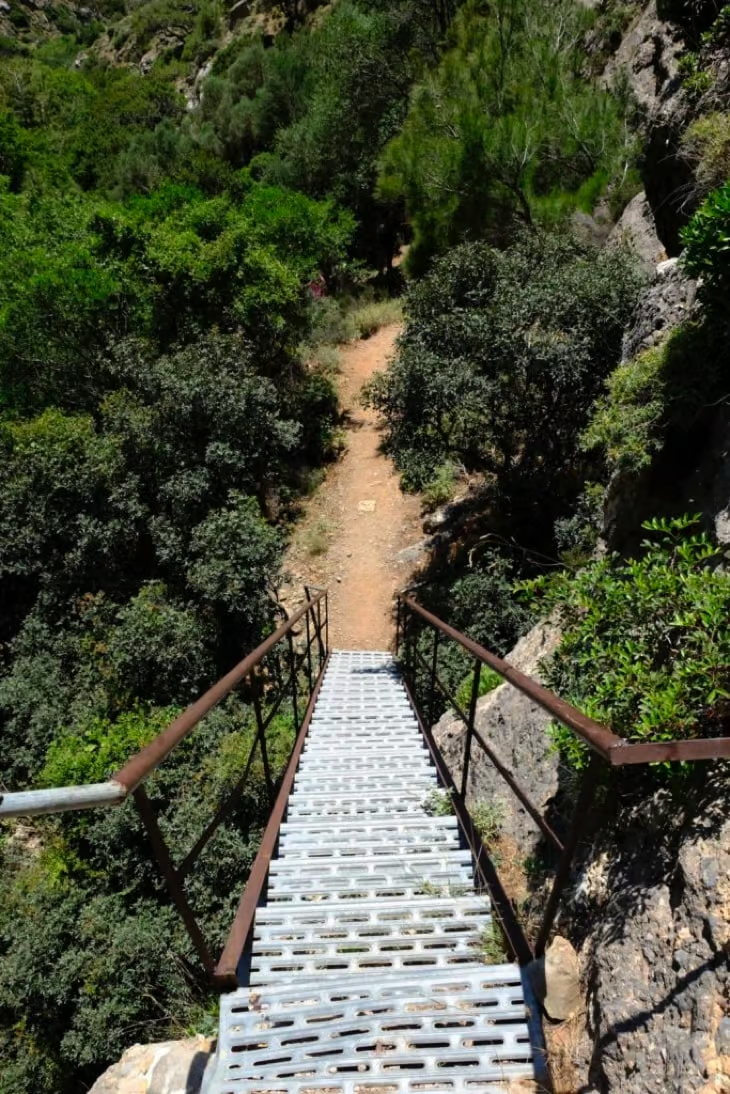
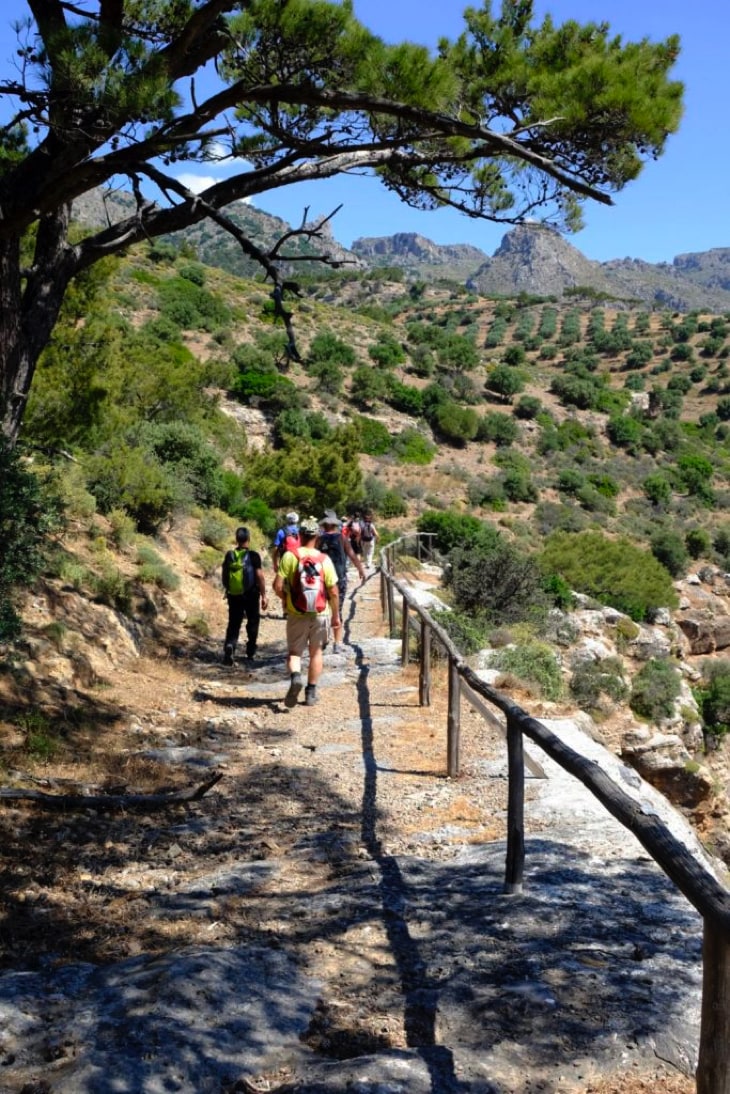
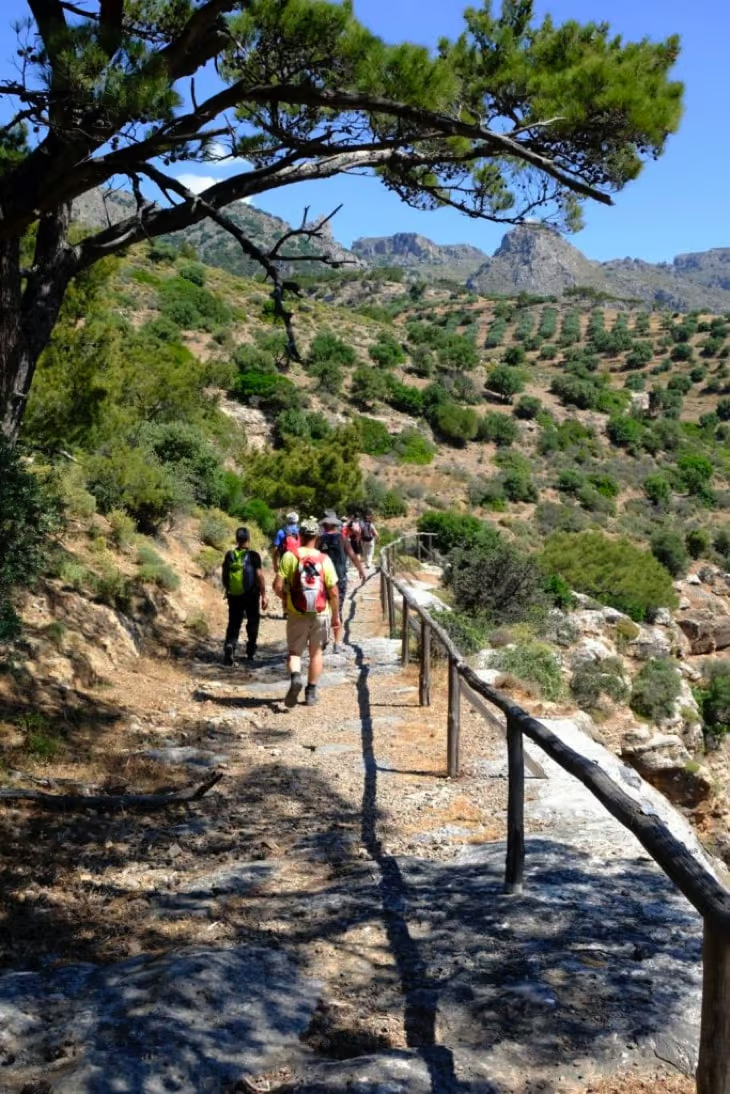
Hiking in Pefki Gorge is moderately easy, a well-marked trail suited for most age groups including couples, elderly visitors, and children with adult supervision. The hiking route spans 4.5 kilometers (2.80 miles), with an elevation drop of around 300 meters from the entrance to the exit. The trail begins just south of Pefki village near the historic Ilias Watermill and follows a descending path into the gorge before continuing along its shaded riverbed. Hikers might encounter some uneven terrain and minor rock scrambling, but the route poses minimal risk for tourists wearing proper footwear. Benches and rest points installed through local conservation programs provide areas to pause and recover. The path does not require a guide, although organized hikes are available through local mountaineering clubs for visitors preferring group support. The route remains accessible to most hikers without technical equipment. The return journey on foot from the southern exit near Aspros Potamos to the starting point takes an additional 0.67 kilometers (0.42 miles)–0.75 kilometers (0.47 miles) minutes.
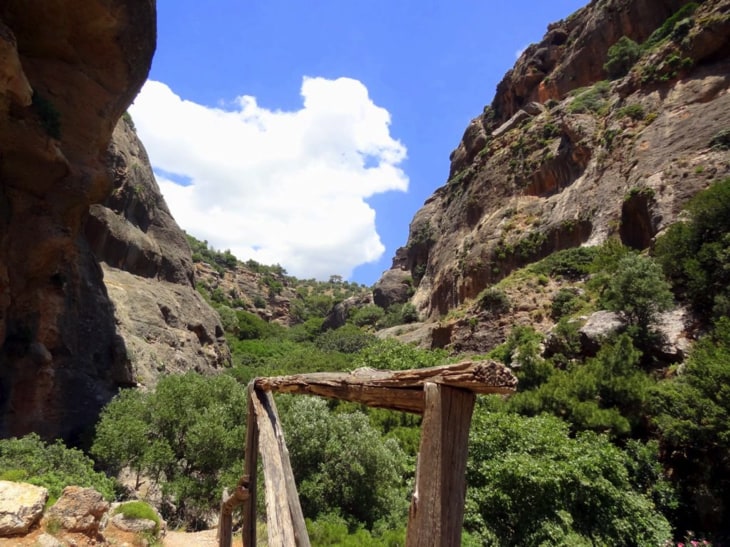
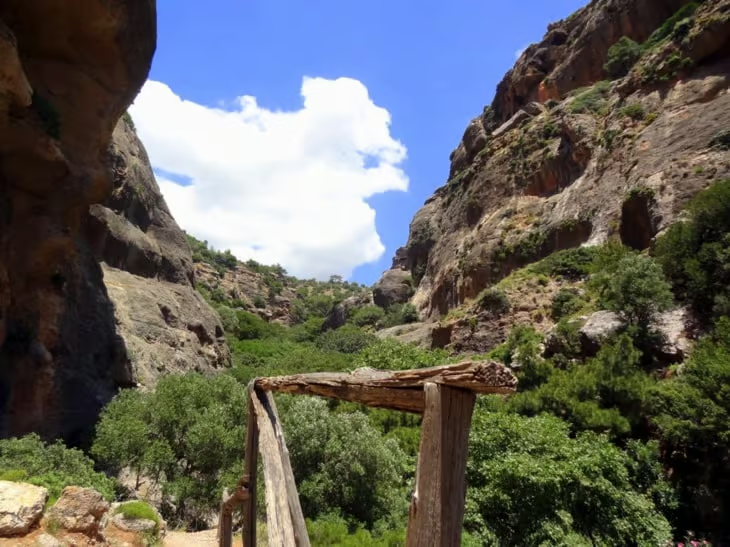
How does the Pefki Gorge map look?
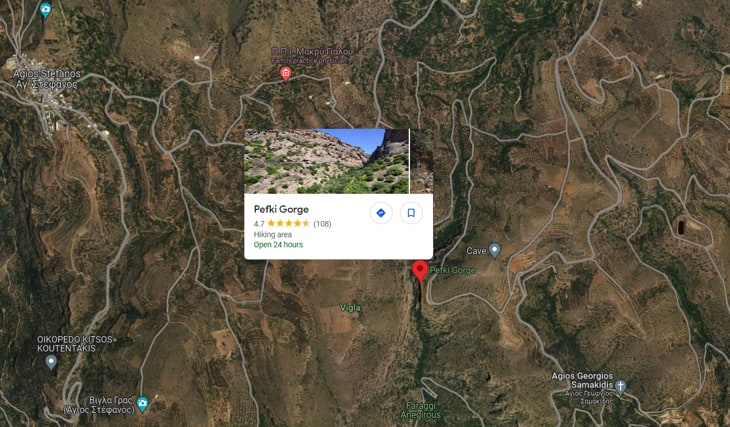
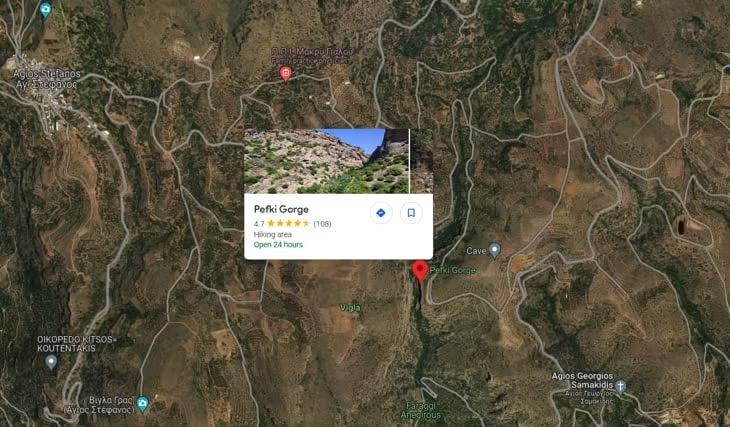
The Pefki Gorge map outlines a linear hiking route stretching about 4.5 kilometers (2.80 miles) from Pefki village in the north to Pisokaminos near Aspros Potamos in the south. The map marks the trailhead at the historic Ilias Watermill, a stone structure dating to 1925. The path first runs parallel to the gorge before descending into the riverbed, where hikers will see pine forests, limestone walls, and narrow passages framed by plane trees and oleanders. Key landmarks on the map include the watermill, shaded rest areas, and Volakas tou Sarakinou, a large rock associated with local folklore.
The map indicates several benches and signposts along the way, with a potable water spring noted near the southern exit. Topographical features shown include an elevation drop of around 300 meters and rock walls exceeding 100 meters in height. The trail remains mostly shaded, with some uneven sections marked for caution. Emergency exits or shelters are not indicated, but the clear signage and short trail length reduce the need for them.
Find below an image that describes the map of Pefki Gorge.
What are the hiking routes for Pefki Gorge?
Find below a list of hiking routes for Pefki Gorge:
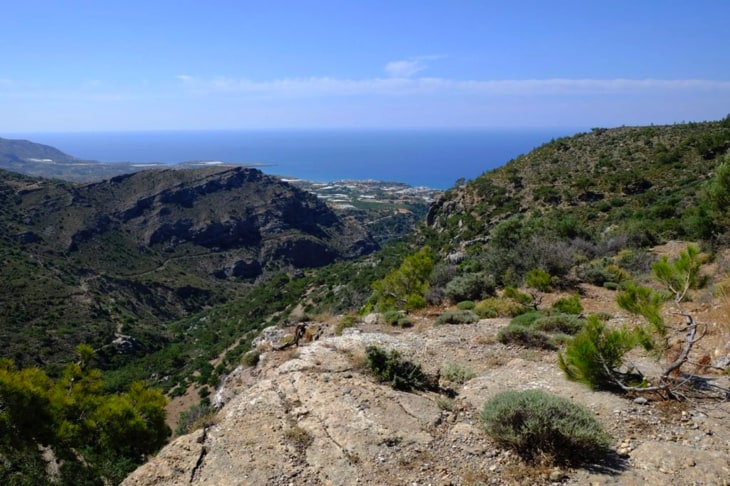
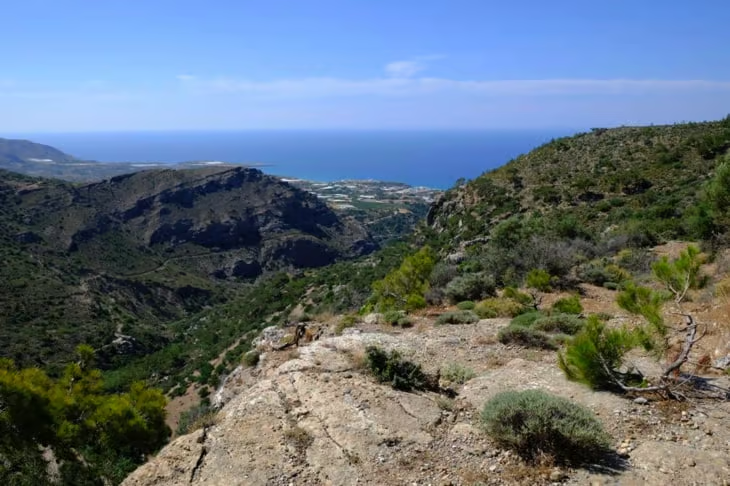
- Pefki Village to Pisokaminos. The main hiking route through Pefki Gorge starts just south of Pefki village, near the historic Ilias Watermill at an elevation of approximately 500 meters. The 4.5 kilometers (2.80 miles) gorge hike descends through pine-covered slopes and enters the narrow limestone gorge, where hikers encounter shaded paths, white rock formations, and native flora such as thyme and oleander. The route continues along the gorge floor, eventually reaching the exit at Pisokaminos, a clearing near Aspros Potamos. The hike takes about 2 hours at a relaxed pace, with benches provided at intervals. The elevation drops roughly 300 meters from start to finish.
- Makry Gialos to Pisokaminos (Reverse Route). An alternative route begins near the coast in Makry Gialos and approaches the gorge from the south, ascending gradually through Aspros Potamos to Pisokaminos. Hikers enter the gorge in reverse from there and move uphill toward Pefki village. This direction involves a steady climb through rock corridors and pine groves, with scenic views of the southern coastline. The total distance is about 6.5 kilometers (4.04 miles), and the uphill walk requires greater effort, extending the duration to 2.5 kilometers (1.55 miles) to 3 kilometers (1.86 miles) hours.
- Circular Route via Pefki. A circular route begins in Pefki village, descends into the gorge, exits at Pisokaminos, and returns to Pefki via a paved rural road connecting Aspros Potamos. This loop measures 7 kilometers (4.35 miles) and combines shaded trail sections with open countryside. Hikers will encounter traditional architecture in Pefki, folklore landmarks like Volakas tou Sarakinou near the exit, and views of terraced olive groves along the return. The full loop takes about 3 hours, making it suitable for hikers seeking a longer walk without repetition.
When is the best time to visit Samaria Gorge?
The best time to visit Pefki Gorge is between April to early June when temperatures hover around 24°C (75.2 °F) to 3°C (86 °F) and seasonal streams often flow through the gorge. Spring offers pleasant hiking conditions, with shaded trails, blooming vegetation, and active birdlife. The gorge remains open year-round, but the summer months from July to August bring higher temperatures exceeding 35°C (95 °F), making early morning or late afternoon hikes advisable.
Autumn, particularly in September and October, presents mild weather and reduced foot traffic, although some streams may dry out. Winter months from November to February remain accessible, but rainfall may create slippery conditions and temporary flooding in certain sections. Facilities such as water access and rest areas stay functional throughout the year, but visitors should check local weather forecasts before winter hikes. Each season presents a different experience, but spring remains the most practical and scenic time to walk the gorge.
What are the things to bring when visiting Pefki Gorge?
Find below a list of things to bring when visiting Pefki Gorge:
- Sturdy hiking shoes. Hikers should bring sturdy hiking shoes with good grip and ankle support. The terrain includes rocky sections, uneven surfaces, and mild elevation changes. Lightweight or casual shoes are not suitable for this trail, especially during wet or hot conditions.
- Reusable water bottle. Visitors should carry a reusable water bottle filled with enough water for the entire hike. There are no shops or fountains inside the gorge. A potable water spring exists near the southern exit, but hikers should not rely solely on it.
- Sun protection. Hikers should pack sun protection, including a hat, sunglasses, and sunscreen. The gorge provides partial shade, but some areas near the trailhead and exit are exposed to direct sunlight.
- Trail map or GPS device. A printed trail map or a GPS-enabled phone with offline access helps hikers track their location. The route is signposted, but tools like maps allow better navigation of rest points, landmarks like Volakas tou Sarakinou, and optional return trails.
- Light snacks. Hikers should bring compact snacks such as dried fruit, energy bars, or nuts. There are no food vendors along the trail, so carrying snacks is necessary for maintaining energy levels, especially for children or older visitors.
- Weather-appropriate clothing. Visitors should wear clothing suited to the season. Breathable fabrics are ideal in spring and summer, while light jackets may be needed during colder months.
- First aid kit. A small first aid kit containing bandages, antiseptics, and blister pads is recommended. The trail includes loose rocks and exposed roots that may cause falls or scrapes.
- Camera or smartphone. Hikers should bring a camera or smartphone to take photos of natural and historical features along the trail. Key photo opportunities include the narrow gorge walls, diverse plant life, and the Ilias Watermill near the entrance.
- Backpack. A lightweight backpack helps distribute weight evenly while holding water, food, and personal items. A bag with padded straps is more comfortable for longer walks, particularly for hikers completing the circular route or returning to Pefki village.
What are the nearby attractions in Pefki Gorge?
Find below a list of the nearby attractions in Pefki Gorge:
- Vreiko Cave. Vreiko Cave is a limestone cave known for its large chambers, stalactite formations, and historical use as a refuge during periods of unrest. The name “Vreiko” is derived from the Greek word for “wet”, referencing the humidity inside the cave. The cave is located near the village of Kalo Nero, just under 4 kilometers (2.49 miles) from Pefki Gorge. Visitors can explore its main entrance and walk through low-lit passages that reveal ancient rock features and traces of early use by shepherds and villagers.
- Cave Apoloustres. Cave Apoloustres is a lesser-known cave named after a local term meaning “washing place”, believed to reference ancient water use in the cave’s early history. Apoloustres is located in the hills northwest of the gorge, 6.1 kilometers (3.79 miles) from the exit at Pisokaminos. Visitors can access the site via unpaved trails and observe natural rock formations and seasonal moisture on the cave floor. The site offers a quiet stop for tourists interested in Crete’s hidden geological sites.
- Analipsi Village. Analipsi Village is a small inland settlement with traditional stone houses, narrow lanes, and panoramic views of the surrounding hills. The village is named after the Greek Orthodox Feast of the Ascension (Analipsi), with its central church dedicated to the event. Analipsi is located 5.6 kilometers (3.48 miles) north of the gorge and offers visitors a calm walk through local history, a glimpse of daily Cretan life, and occasional events tied to the religious calendar.
- Diaskari Beach. Diaskari Beach is a quiet stretch of coast east of Makry Gialos, known for its clear waters and tree-lined shore. The name “Diaskari” likely originates from a regional term for a small crossing or port. The beach is located 5.3 kilometers (3.29 miles) from the southern exit of the gorge, accessible by car or foot, and offers swimming, sunbathing, and shaded spots beneath tamarisk trees. A nearby taverna provides refreshments during the warmer months.
- Makry Gialos Beach. Makry Gialos Beach is a long, sandy coastline that draws visitors with its calm waters and accessible location near the village of the same name. “Makry Gialos” means “long shore” in Greek, referencing the extended beachfront. The beach lies 5.8 kilometers (3.60 miles) from Pefki Gorge’s southern end and provides options for dining, water sports, and casual walks along the coast.
- Limanaki Beach. Limanaki Beach is a small cove near the eastern edge of Makry Gialos, popular for its relaxed setting and proximity to local cafes. The name “Limanaki” means “small port” in Greek, historically indicating the beach’s function as a landing spot for boats. The beach is located 6.4 kilometers (3.98 miles) from the gorge, offers clear waters, compact sand areas, and a quieter alternative to the main beach at Makry Gialos. Visitors often combine it with visits to nearby archaeological remains or seaside tavernas.
What are the transportation options to get to Pefki Gorge?
Find below a list of the transportation options to get to Pefki Gorge:
- By car rental from Lassithi. Driving from Lassithi to the trailhead at Pefki village is the most convenient option for independent travelers. The distance from central Lassithi to Pefki is approximately 5 kilometers (31.07 miles), and the drive takes around 1 hour and 10 minutes via the main routes connecting Agios Nikolaos, Makry Gialos, and Pefki. Car hire in Agios Nikolaos is available through providers such as Rental Center Crete, with varying rates depending on season and vehicle class. The road includes winding sections but is fully paved and accessible throughout the year. Free roadside parking is available near the Ilias Watermill, located at the northern entrance of the gorge.
- By public bus from Sitia or Ierapetra. KTEL buses operate limited routes to Makry Gialos, located 2 kilometers (1.24 miles) from the southern exit of the gorge. Travelers can take a taxi to Pefki village or walk up to the trailhead from there, which adds approximately 45 minutes to the hike. Bus schedules vary by season and typically align with morning travel times. This option is more suitable for visitors based in nearby towns who prefer a low-cost but less flexible alternative.
- By taxi from Makry Gialos. Taxis are available in Makry Gialos and offer direct rides to Pefki village. The drive covers 5 kilometers (3.11 miles) and takes around 10 minutes. This option works well for hikers staying in coastal accommodations who wish to begin at the northern trailhead and return on foot via the circular route. Taxi fares generally range from €8 ($9.23, £6.83)–€12 ($13.84, £10.25) depending on local rates and time of day.
Can visitors hire a car and go to Pefki Gorge?
Yes, visitors can rent a car to go to Pefki Gorge. The drive from the Lassithi region to Pefki village takes 1 hour and 10 minutes, covering a distance of 43.2 kilometers (26.84 miles). The route follows paved roads through mountainous terrain, with moderate curves and changes in elevation. A compact or midsize vehicle is suitable for this drive, although an automatic transmission may be preferred for travelers unfamiliar with mountain roads. Parking is available near the Ilias Watermill at the gorge’s northern entrance, where roadside space accommodates several vehicles.
Crete Car hire companies offer both options, but automatic vehicles may be limited in supply. Fuel policies vary by provider, with most offering full-to-full or prepaid fuel plans. Insurance coverage should include collision damage waiver (CDW) and theft protection. Visitors planning to explore multiple islands should confirm whether the rental company allows ferry transport. Crete car rental services make it possible to reach remote sites like Pefki Gorge efficiently, offering flexible schedules and convenient pickup locations across the region.

How much does a car rental in Crete cost?
The cost of a car rental in Crete depends on the vehicle type, transmission, rental duration, and season. Rates for a small car range from €25 ($28.84, £21.35) to €40 ($46.15, £34.16) per day, with the lowest rates in winter and the highest in August. A weekly crete car hire costs €250 ($288.43, £213.50) and a weekend rental charge is €78 ($89.99, £66.61). Large cars can be rented between €44.7 ($51.57, £38.17)–€95.1 ($109.72, £81.22), while an SUV ranges from €67.8 ($78.22, £57.90)–€120.8 ($139.37, £103.16). Vans cost between €66.2 ($76.37, £56.53)–€137.4 ($158.52, £117.34), and cabriolets range from €47.4 ($54.69, £40.48)–€109.3 ($126.10, £93.34). Peak prices occur in July and August. Shoulder months such as January, February, and November offer the best deals.
Vehicle Rental rates typically include basic insurance and taxes. Automatic transmission vehicles may incur an additional daily charge. Factors such as fuel policy, mileage limits, and optional insurance coverage affect the final price. Travelers should compare rates across agencies and confirm all terms before agreeing to rent a vehicle.
Making the most of one’s time while visiting the stunning tourist attractions in Crete undoubtedly requires learning how to select the ideal rental car.
Listed below are the factors to consider before renting a car in Crete.
- Insurance. A credit or debit card driver is needed as a guarantee, and collision damage waiver insurance is included for Crete auto rentals. Passenger protection from damage costs is provided by rental car insurance.
- Driver’s age. In Crete, a driver must be over 21 years old to rent a car in Crete. However to drive a car you just need to be 18 years old. Additionally needed is a driver’s licence.
- Driver’s gender. In Crete, men and women both drive. Driving is lawful in Crete regardless of gender as long as the driver is at least 18 years old.
- Car type. The kind of vehicle required for a trip in Crete varies on the number of passengers. Travelling with family members, a larger car is needed. Driving in Crete, it is preferable to choose a smaller vehicle. The main cause is the narrowness of Greek highways. Smaller vehicles seen on the roads as well.
- Documents needed for renting a car. A driving licence is the only requirement for renting a vehicle. A debit or credit card in the driver’s name must be shown, though. It is one of the prerequisites for renting a car in Crete.
Ensure a smooth and pleasurable experience when renting a car in Crete by taking into consideration the aforementioned factors and preparing yourself accordingly. Choosing the right car to rent in Crete, Greece, depends on the particular requirements and the plans for the trip. Selecting a rental car, It is essential to bear in mind the following, among other things: Dimensions, Function, Cost, Economy in Fuel Use, and Additional Features.
What do visitors say about Pefki Gorge?
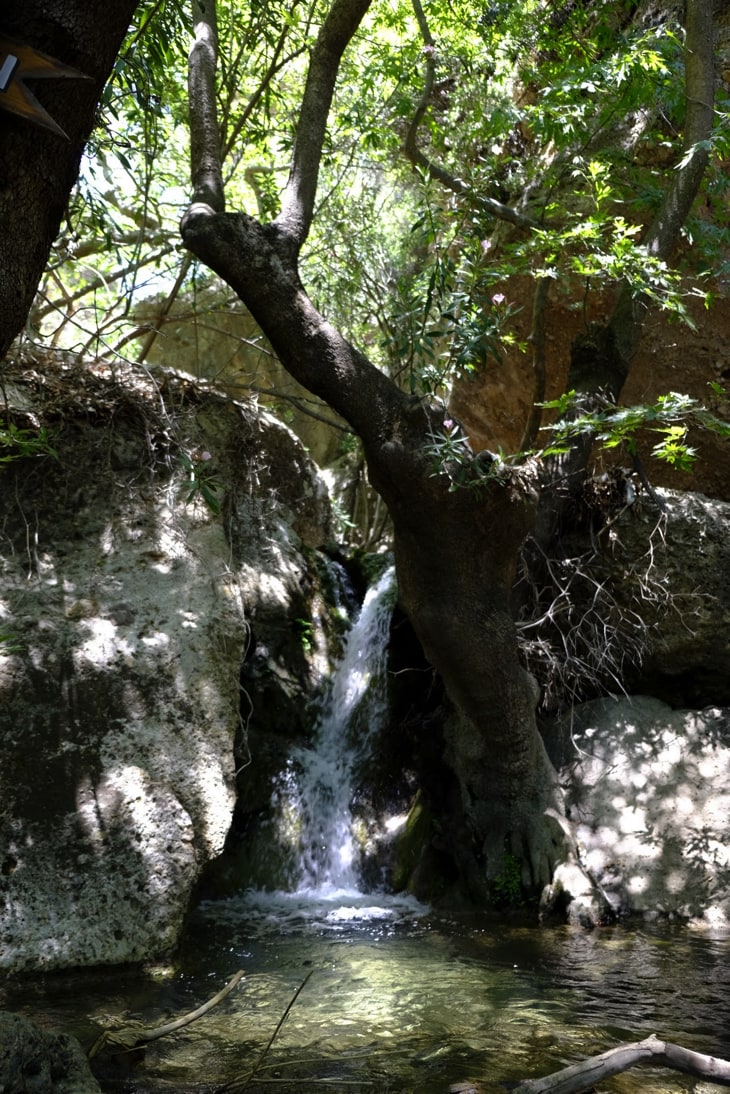
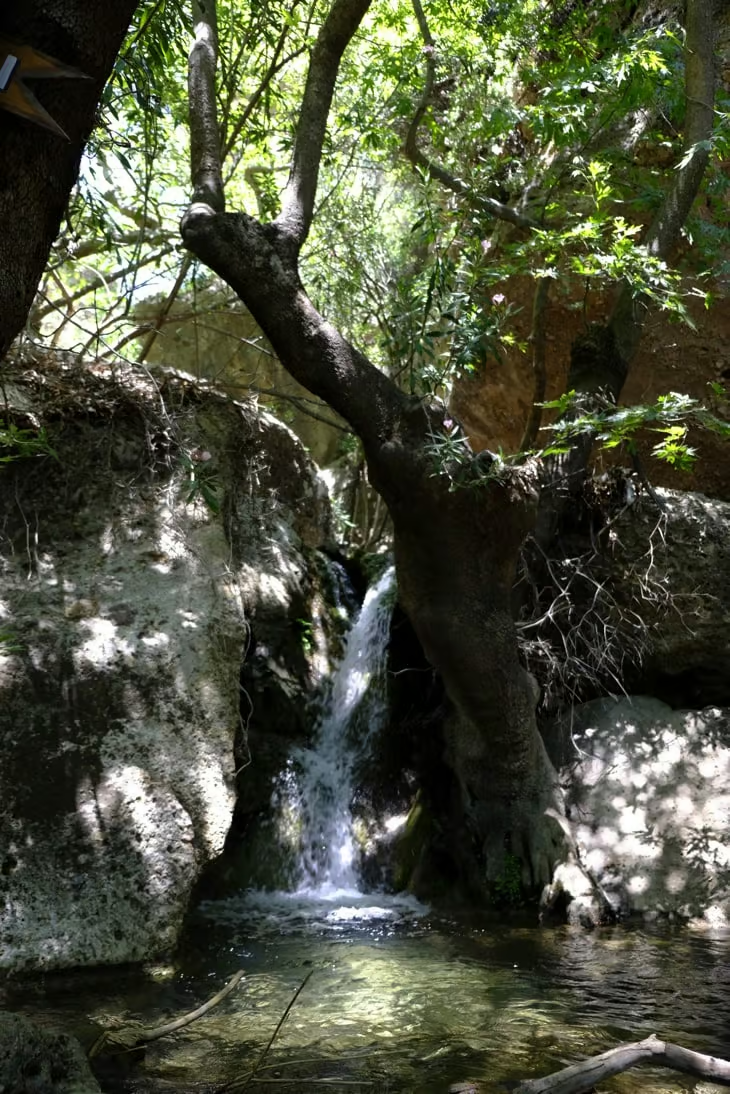
Visitors consistently describe Pefki Gorge as an enjoyable and moderately easy hike, suitable for most age groups including children. Reviews consistently highlight the beautiful views along the trail, which passes through ancient olive groves and limestone formations before reaching either the village of Pefki or the coast near Makry Gialos. Many reviewers recommend starting from the upper entrance in Pefki and walking downhill, then returning by car or on foot. The terrain is noted to be uneven in places, with a few steep or rocky sections that require attention and good footwear. Some visitors mention minor challenges such as loose steps or momentary dizziness on inclines, but most agree that the hike is safe and well-marked. Seasonal water features such as river pools are appreciated, particularly in warmer months. Travelers often end their hike with a meal at a village taverna, reinforcing the route’s popularity among those exploring Crete gorges for both nature and local culture.
Can people of all ages hike Pefki Gorge?
Yes, all people can hike Pefki Gorge. Elderly people hike Pefki Gorge depending on fitness, experience, and physical ability. Some sections are steep, so they should assess their condition, carry water, snacks, and proper clothing, rest often, and consider hiking with a companion or guide for safety. Couples hike Pefki Gorge for outdoor recreation and shared experiences. Trails range from easy to challenging, offering varied scenery. Couples should evaluate their fitness, bring supplies, and take breaks to stay safe and comfortable. Children hike Pefki Gorge when age and ability match trail difficulty. Some paths are steep and rocky, while easier routes suit families. Parents should check conditions, bring proper gear, provide water and food, and supervise children at all times.
What are the places to stay overnight near Pefki Gorge?
Find below a list of the places to stay overnight near Pefki Gorge:
- Thea Villas. Thea Villas is located 2.4 kilometers (1.49 miles) from Pefki Gorge, positioned on a hillside with sweeping views of the sea and the surrounding landscape. The property offers spacious, modern apartments with full amenities, including equipped kitchens, soundproof rooms, and large terraces. Guests praise the cleanliness, quiet setting, and exceptional hospitality. Thea Villas serves as a convenient and comfortable base for accessing the northern trailhead of the gorge and nearby beaches such as Cavo Bianco.
- Aspros Potamos. Aspros Potamos is located 4.5 kilometers (2.80 miles) from Pefki Gorge, near the southern exit close to Makry Gialos. The accommodation consists of traditional stone houses built into the hillside, offering a minimalist stay without electricity, and is lit instead by petroleum lamps. Visitors appreciate the unique architecture, peaceful setting, and friendly staff. The location allows direct hiking access to the gorge, and the village’s position offers a retreat focused on rest, nature, and simplicity.
- Natura Cottages. Natura Cottages is located 4.6 kilometers (2.86 miles) from Pefki Gorge, in a quiet, green setting just outside Makry Gialos. Each cottage is well-equipped and designed for comfort, featuring rustic decor, private gardens, and easy trail access. Reviewers highlight the peaceful environment, cleanliness, and proximity to shops and the beach. Guests often use this location as a base for walking into the gorge or exploring the coast, noting the short distance to both nature and amenities.
What are the places to eat and drink near Pefki Gorge?
Find below a list of places to eat and drink near Pefki Gorge:
- Petra Bay. Petra Bay is a family-run taverna located 5.6 kilometers (3.48 miles) from Pefki Gorge, directly on the Makry Gialos waterfront. The restaurant is cherished for its generous servings of Greek classics, including fresh fish, lamb, and grilled meats. Guests appreciate the complimentary desserts and drinks, such as ouzo and retsina, often served at the end of the meal. Families find the venue child-friendly, with indoor toys and a children’s menu available.
- Taverna Diaskari. Taverna Diaskari is located 5.3 kilometers (3.29 miles) from the southern exit of the gorge, offering a quiet dining experience just off the beach. The taverna serves fresh seafood, grilled dishes, and Greek coffee, with specialties including sardines and calamari. The calamari receives praise for flavor and texture despite being frozen. The setting features sea views and relaxed seating, making it a good stop after hiking.
- Aposperitis. Aposperitis is located 5.3 kilometers (3.29 miles) from Pefki Gorge, in the direction of Makry Gialos.The restaurant stands out for its fresh ingredients and wide selection of dishes, from pork souvlaki to pizza and tzatziki. Guests often comment on the friendly owners and helpful staff who take time to explain menu options. The relaxed atmosphere and well-prepared meals make it a popular choice for casual dining after a hike or beach visit. Regular customers mention the dorado fish and lemon herb sauce as standout dishes.