






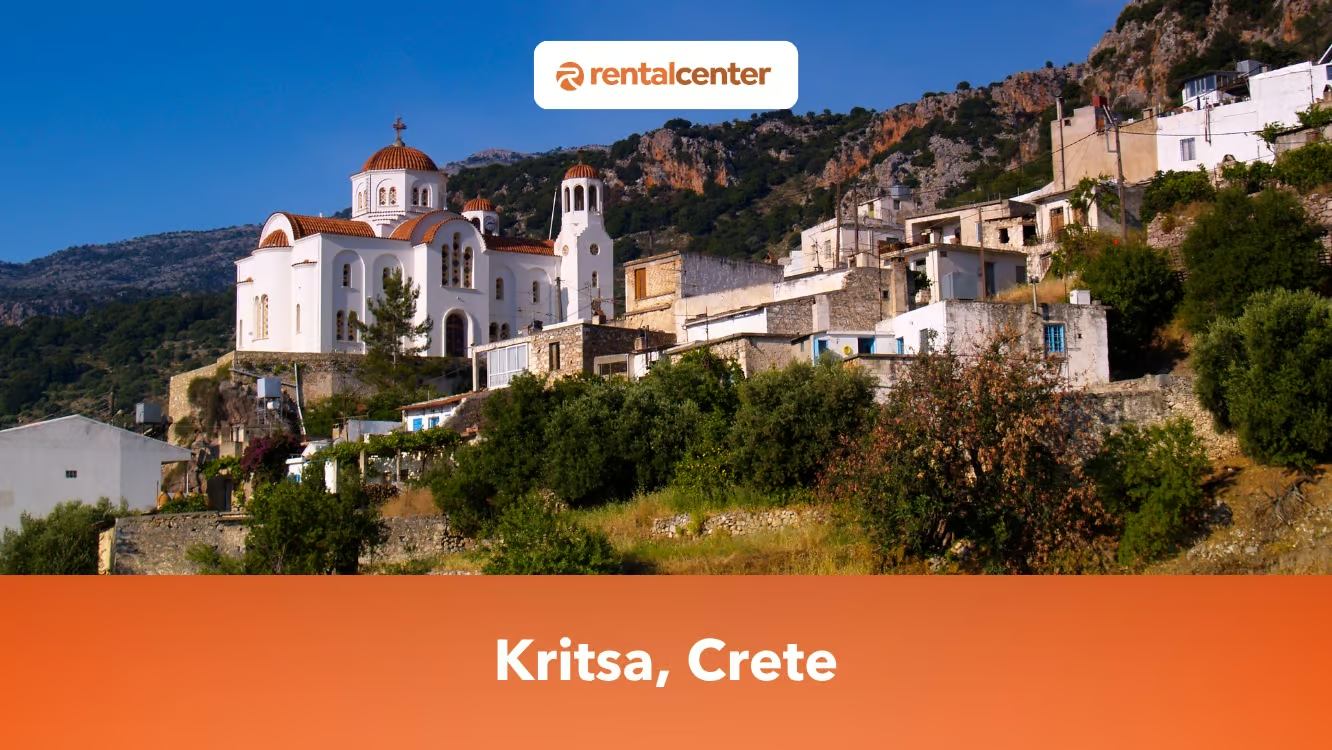
Renting a car is the most convenient way to explore Kritsa and the surrounding area. Car rental prices in Kritsa start at €30 ($34.44, £25.43) per day for a compact car. A small-to-medium vehicle, such as a hatchback or compact, suits the narrow, winding roads best, because it is easier to maneuver and park in the village’s tight spaces. The roads in Kritsa are steep and narrow, so a compact car with good handling makes the drive safer and more comfortable, while also using less fuel when you visit nearby attractions.
Is Kritsa worth visiting?
Yes, Kritsa is worth visiting. Kritsa combines one of Crete’s best-preserved Byzantine churches (Panagia Kera), the nearby Dorian city of Lato, a dramatic gorge, and a living weaving and lace tradition in a compact, walkable village. It works as a half-day trip from Agios Nikolaos (a 15-minute drive) or a full day from Heraklion (about an hour).
What is the history of Kritsa?
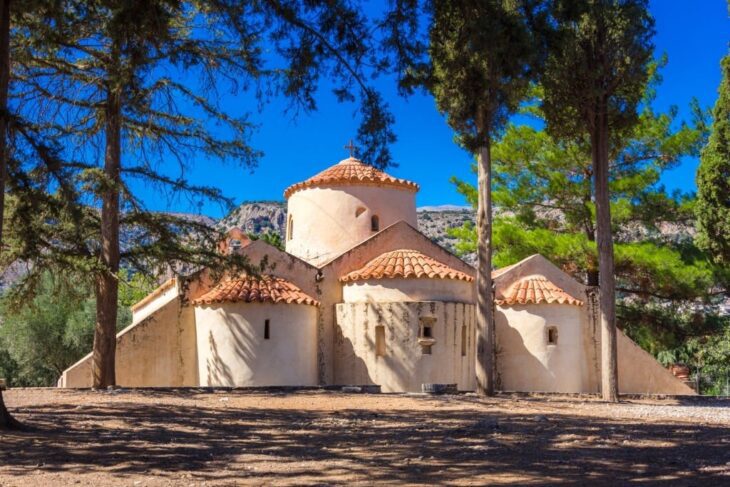
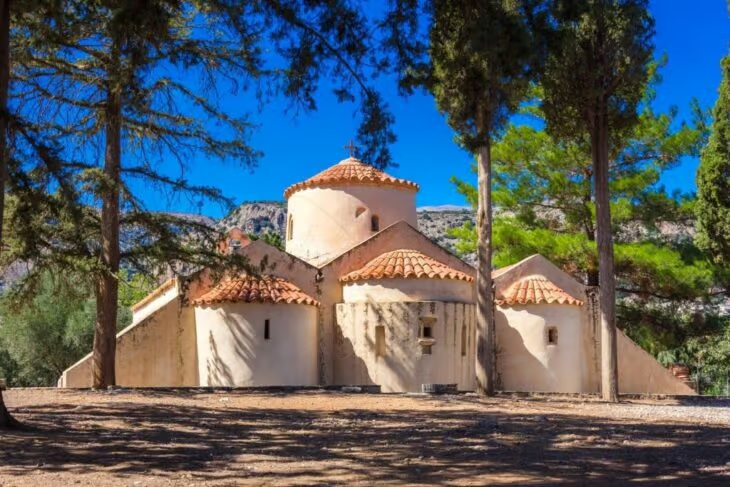
Kritsa has a long and rich history. The area was inhabited as early as the second millennium BC. The oldest settlement dates to the 12th to 13th century BC, on a steep rocky hill south of the village called Kastellos, and Lato is believed to have been founded when Kastellos was abandoned. About 3 kilometers (1.86 miles) to the north lie the ruins of ancient Lato, one of the most powerful Dorian towns in Crete, built across two acropolis peaks. Before the entrance to the village stands the old Byzantine church of Panagia Kera, with unique Byzantine frescoes from the 13th and 14th centuries.
The origin of the name “Kritsa” is not entirely clear. Some link it to the Dorian pronunciation of the goddess Leto, likely worshipped in the nearby ancient city of Lato. Others connect it to the Greek word “kritsa,” meaning a crack or fissure, referring to the village’s mountainous setting. Kritsa is part of the municipality of Agios Nikolaos, 9.8 kilometers (6.09 miles) southwest of the town.
Kritsa also carries a strong place in modern Cretan memory. The village is associated with the Battle of Kritsa in 1823 and with Kritsotopoula (Rodanthi), the young heroine linked to the struggle against Ottoman rule. In 1957, Kritsa’s whitewashed lanes served as the set for Jules Dassin’s film He Who Must Die (Celui qui doit mourir), based on Nikos Kazantzakis’ novel Christ Recrucified; the film premiered at the Cannes Film Festival that year.
The climate in Kritsa is typically Mediterranean, with hot, dry summers and mild, wet winters. Summer temperatures can reach 29°C (84°F), while winter lows fall to about 9°C (48°F). Rainfall peaks in winter, reaching 58 millimeters (2.28 inches) in November. The village’s elevated position keeps it slightly cooler than the coast, and the nearby Dikti Mountains bring occasional cooler, wetter spells. This microclimate, together with the surrounding olive groves, shapes the village’s character. Despite its small size, Kritsa preserves its traditional Cretan customs and remains one of the most important centers of Cretan weaving and embroidery.
Where is Kritsa located?
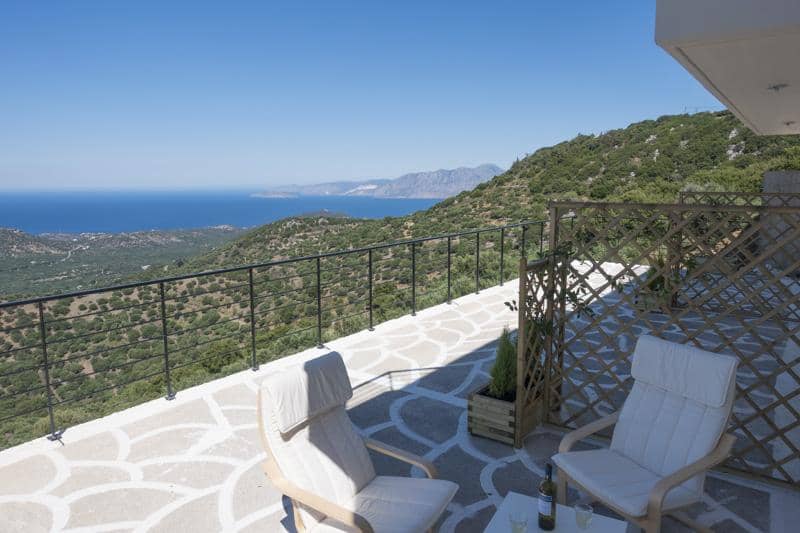
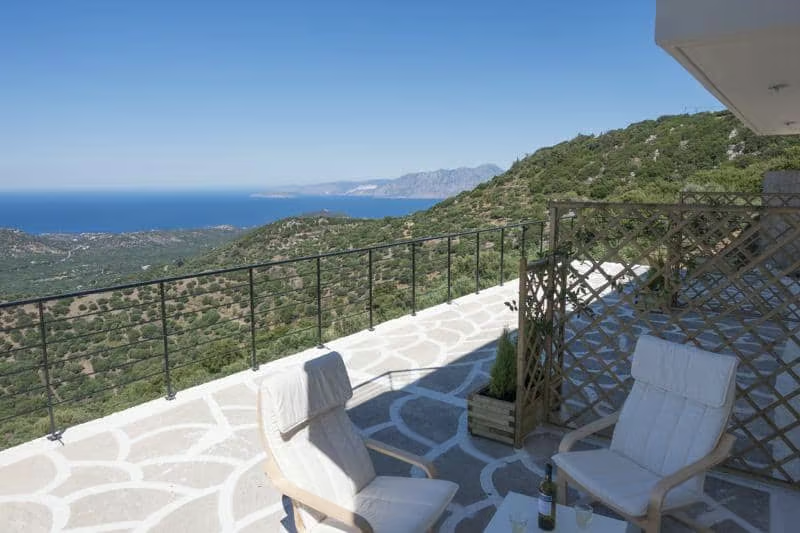
Kritsa is located in the eastern part of Crete, 9.8 kilometers (6.09 miles) southwest of Agios Nikolaos, the capital of the Lasithi region. The nearest airport is Heraklion International Airport (Nikos Kazantzakis Airport), about 67.6 kilometers (42.00 miles) west of Kritsa and the main entry point for visitors to Crete. The coordinates of Kritsa are 35.157°N, 25.644°E. The village is built on a hillside at 375 meters (1,230 feet) above sea level, with panoramic views over the olive groves and Mirabello Bay.
How does Kritsa look on the map?
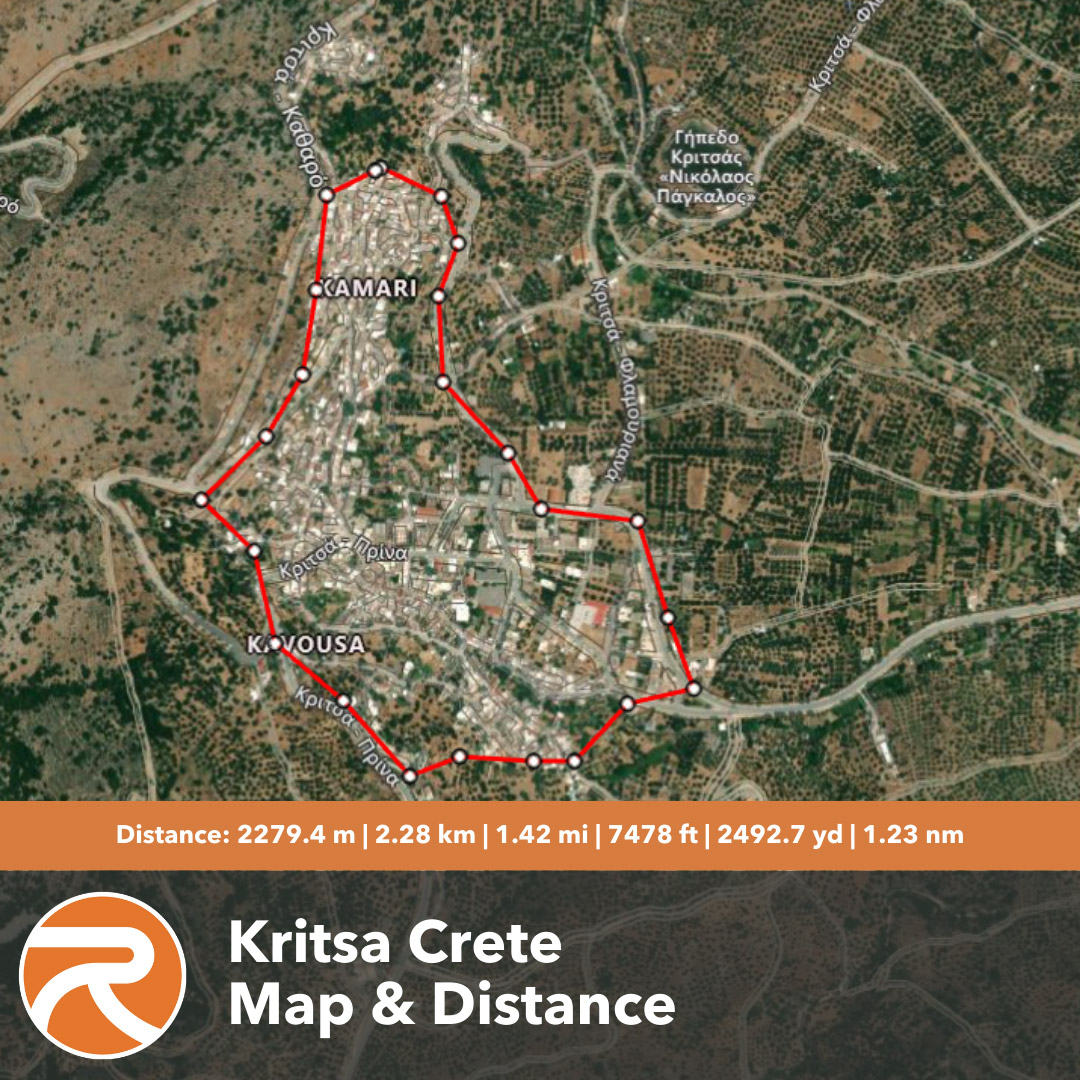
Kritsa sits inland in the hills west of Agios Nikolaos, reached on the Agios Nikolaos–Prinas road. See the map below for the village location and its two public car parks.
What should you know before visiting Kritsa?
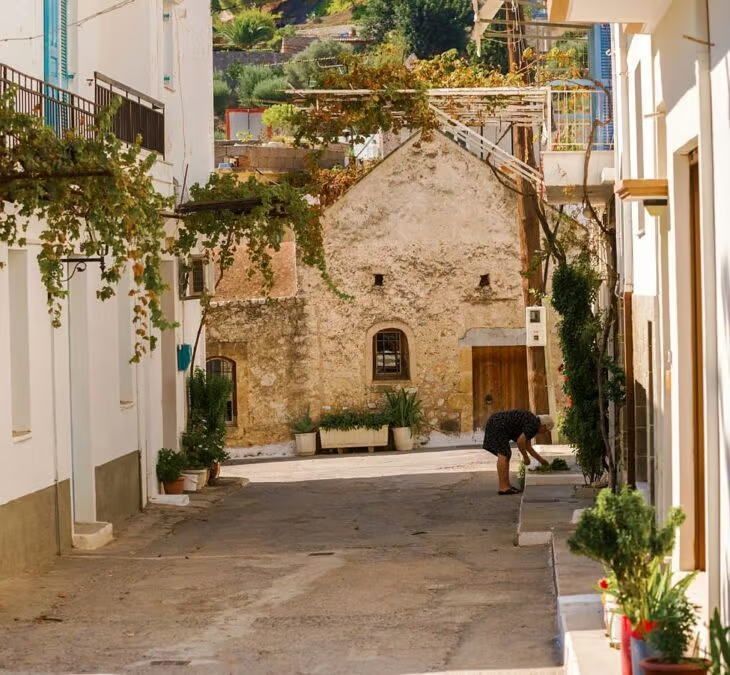
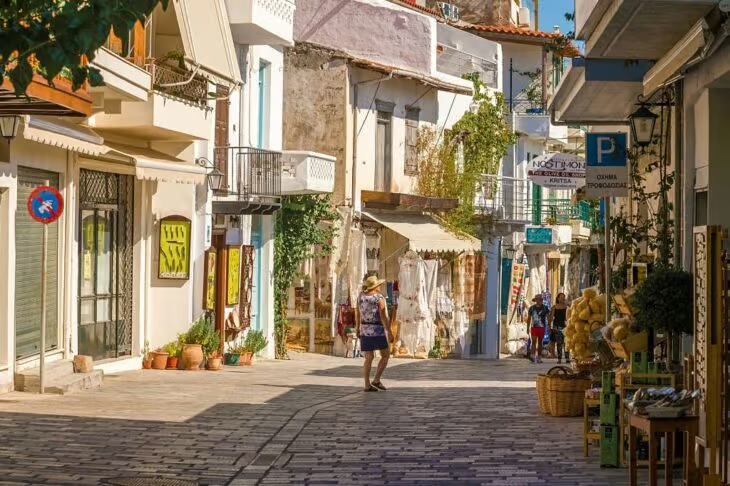
There are 4 key things to know before visiting Kritsa. First, the temperature varies significantly by season, from hot summers reaching 29°C (84°F) to milder winters around 9°C (48°F), so pack accordingly. Second, Kritsa’s narrow, winding streets are not suited to large modern vehicles, so expect to do a lot of walking. Third, small shops sell local crafts, giving you a chance to support village artisans. Fourth, food is central to the Kritsa experience, with traditional Cretan cuisine made from local olive oil, cheese, and fresh produce. Sturdy footwear with good traction is recommended for the cobbled streets and pathways.
What are the top attractions in and around Kritsa?
The headline sites are Panagia Kera church, Ancient Lato, Kritsa Gorge, the village craft shops, and its folklore museums. Find them below.
- Church of Panagia Kera. Panagia Kera is a historic Byzantine church about 1 kilometers (0.62 miles) outside Kritsa, on the road from Agios Nikolaos. It holds the finest-preserved Byzantine frescoes in Crete, dating from the 13th and 14th centuries and depicting scenes from the New Testament and the lives of saints. A small entrance fee (about €5 ($5.74, £4.24) per person) applies. The church shares its grounds with a small shop and café, and its intricate, well-preserved artwork makes it a must-see for anyone interested in Crete’s religious and cultural heritage.
- Ancient Lato. The ruins of Lato lie about 3 kilometers (1.86 miles) north of Kritsa. Founded around the 7th century BC, Lato was one of Crete’s most powerful Dorian city-states and is considered the best-preserved site of its period on the island. It is not a UNESCO World Heritage Site, but its twin-acropolis layout, agora, and Mirabello Bay views make it a rewarding, uncrowded stop. Visitors can walk the main street and explore the foundations of houses, workshops, and the temple. A small entrance fee (about €5 ($5.74, £4.24) per person) applies, and the short climb from the car park needs reasonable mobility.
- Kritsa Gorge. Kritsa Gorge lies about 1.5 kilometers (0.93 miles) south of the village. The full hike is roughly 6.5 kilometers (4.04 miles) and takes 2.5 to 3 hours, with the narrowest section closing to about 1 meter. The first half is straightforward, while the later stretch turns more adventurous, with rocks to climb over and metal handholds fixed in the trickiest spots. The Kritsa gorge rewards walkers with towering cliffs, seasonal streams, and good birdwatching and photography.
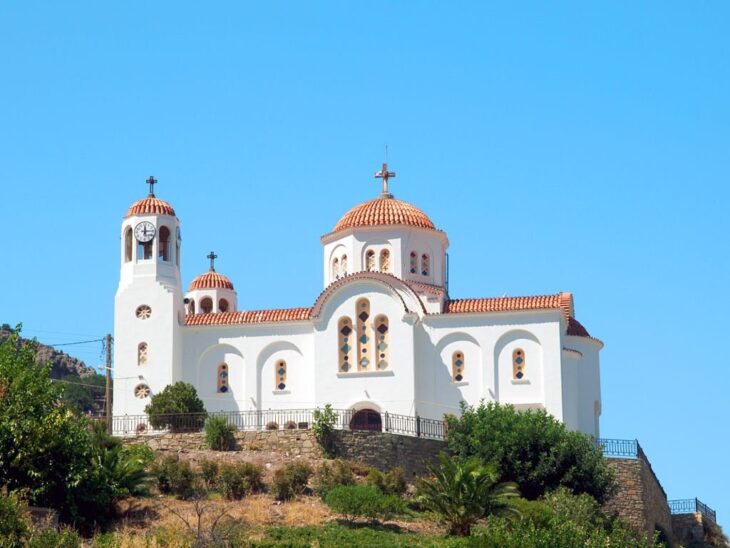
- Panagia Odigitria. On the edge of the village stands the larger 19th-century church of Panagia Odigitria, worth a look as you wander the upper streets.
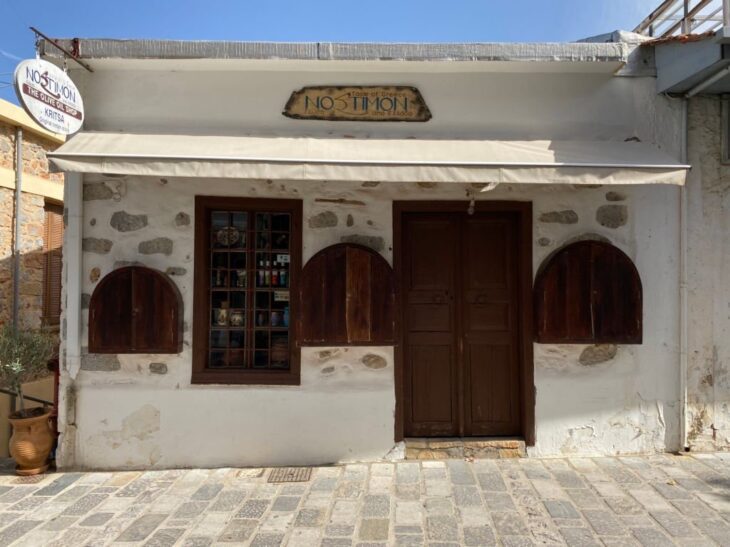
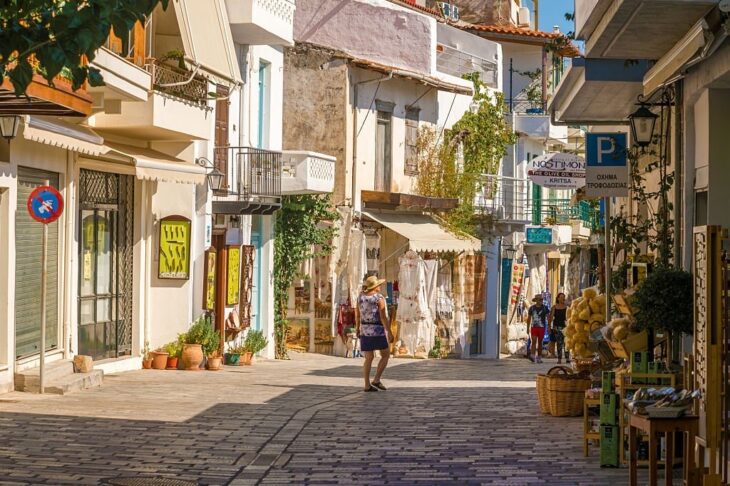
- Shop for traditional handicrafts. Kritsa has several small shops. Nostiman offers Cretan delicacies and traditional products, while shops such as Jenny’s Shop sell traditional handicrafts and weaving art. Getting lost in the alleys is part of the appeal, with charming stores selling handmade mementos.
- Rodanthi Museum. Giorgos Afordakis has assembled a remarkable collection of dried plant specimens and plant and animal fossils at the Rodanthi Museum, alongside displays on traditional life in Kritsa.
- Kritsotopoula Folklore Museum. The village museum tells the story of Kritsotopoula and traditional Cretan village life.
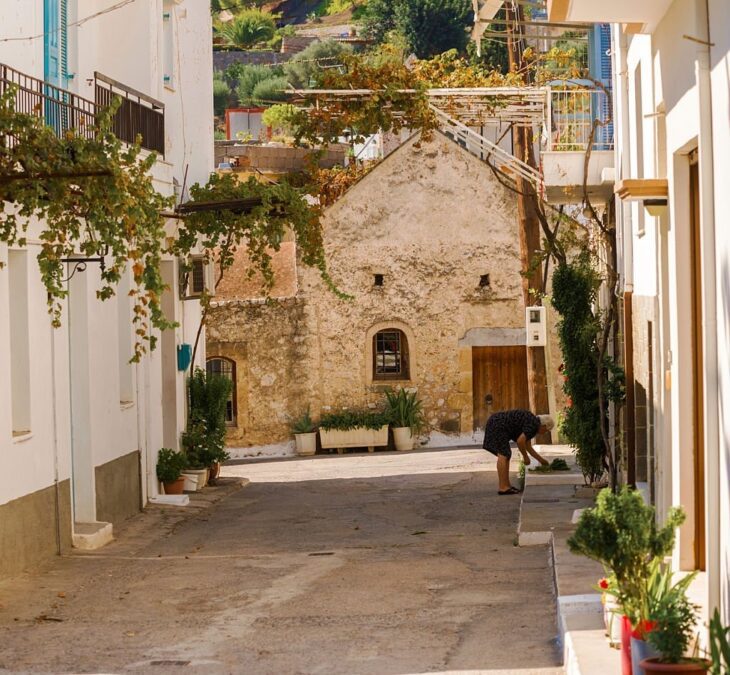
- Enjoy the mountain views. Kept largely in its original state, Kritsa retains its charm: rock formations, stone-built houses, small alleys, traditional churches, and wide vistas over the valleys and olive groves.
What are the facts about Kritsa?
Listed below are the facts about Kritsa:
- Olive oil production. Kritsa is known for high-quality olive oil from its extensive surrounding groves. The oil comes mainly from the Koroneiki olive variety, prized for its low acidity. Olive growing has shaped the village economy for centuries: local producers formed the Agricultural Co-operative of Kritsa in 1927 and opened their own oil factory in 1937. Visitors can tour local presses to learn about production and sample the oils.
- Folklore and traditions. Kritsa is steeped in folklore. The village celebrates its patron saint, St. Haralambos, in February, and the Kritsotopoula festival in August, commemorating Kritsotopoula (Rodanthi), the heroine linked to the Battle of Kritsa in 1823 during the struggle against Ottoman rule. Traditional music and dance are central to these celebrations.
- Traditional crafts. Kritsa is one of Crete’s leading centers for weaving and lace. Local women have practiced this craft for generations, creating delicate patterns for clothing, household items, and souvenirs. Workshops in the village still demonstrate lace-making and sell handmade products.
- Film history. Kritsa was the filming location for Jules Dassin’s 1957 film He Who Must Die, based on Nikos Kazantzakis’ novel Christ Recrucified.
How do you get to Kritsa?
Kritsa can be reached in 3 ways: by car, by bus, or by taxi. By car it is a 15-minute drive from Agios Nikolaos and about an hour from Heraklion.
- By rental car. A rental car is the most flexible way to reach Kritsa, letting you travel at your own pace and combine the village with nearby sites such as Lato and the Kritsa Gorge. Follow the Epar. Od. Agiou Nikolaou–Prinas road from Agios Nikolaos. You can also find affordable car rentals in Agios Nikolaos.
- By bus. KTEL buses run directly to Kritsa from the Agios Nikolaos Central Bus Station. Buy a ticket at the booth before boarding. The fare is roughly €1.6 ($1.84, £1.36) to €3 ($3.44, £2.54) and the trip takes about 15 to 20 minutes, depending on stops and traffic.
- By taxi. Taxis are available around the center of Agios Nikolaos and can be booked when it suits you. The average fare to Kritsa is about €9 ($10.33, £7.63) to €10 ($11.48, £8.48), with a trip of around 11 minutes depending on traffic.
Parking in Kritsa
Kritsa has two free public car parks, an upper and a lower lot. The lower lot, reached first on the road from Agios Nikolaos, is larger and easier to enter. Park there and walk up into the village.
Renting a car for Kritsa
A small-to-medium car is the best vehicle for visiting Kritsa. The village’s narrow, winding streets are not suited to large vehicles, so a compact or midsize model is easier to maneuver and park in the limited spaces, while giving enough room for passengers and luggage. A smaller car is also more fuel-efficient on the hilly terrain around Kritsa. Suitable models include the Hyundai i30, Toyota Corolla, or Volkswagen Golf, which balance maneuverability, storage, and economy for the narrow streets and surrounding countryside.
Can you rent a car to go to Kritsa?
Yes, you can rent a car to go to Kritsa. A rental car is the most flexible way to reach the village, which sits about 9.8 kilometers (6.09 miles) southwest of Agios Nikolaos, and to visit nearby attractions such as Lato and the Kritsa Gorge at your own pace. A compact or midsize car is easiest to drive and park here, because the village streets are narrow and steep. Rental Center Crete offers a range of vehicle sizes for exactly this kind of trip.

What should you check before renting a car in Crete?
Consider the following before you book a car rental in Crete:
- Insurance. Check that the rental company provides comprehensive cover for damage, theft, and liability, and review the terms for any deductibles or extra costs.
- Driver’s age. Some companies apply age restrictions or young-driver fees, so verify the minimum age and any surcharges.
- Car type. Choose a size and specification that fits your trip; a compact car suits Kritsa’s narrow streets.
- Documents. Bring a valid driver’s license, passport or ID, and a credit card for the reservation and deposit. Check the company’s specific requirements in advance.
How much does a car rental in Crete cost?
Car rental in Crete costs vary with the season, car type, location, and duration. The average price is €30 ($34.44, £25.43) to €40 ($45.92, £33.90) per day. A full week averages about €250 ($287.03, £211.88), while a weekend rental averages about €78 ($89.55, £66.11). Rental Center Crete offers affordable rates across its vehicle range.

When is the best time to visit Kritsa?
The best time to visit Kritsa is spring or autumn. These shoulder seasons are milder and more comfortable than peak summer, with temperatures of 15°C (59°F) to 24°C (75°F), ideal for exploring the village and its surroundings without intense heat. Crowds are smaller, so the narrow streets are easier to walk and the village feels more authentic. Spring brings wildflowers, while autumn brings the olive harvest and changing colors in the groves.
What are the hiking routes around Kritsa?
Kritsa offers 4 main hiking routes. First, the route from Kritsa to the Panagia Kera church is a 1-kilometer (0.62-mile) easy walk of about 1 hour. Second, the 3-kilometer (1.86-mile) route to ancient Lato takes about 1.5 hours and includes steep sections. Third, the Kritsa Gorge hike is 6.5 kilometers (4.04 miles) and takes 2.5 to 3 hours, moderate in difficulty with narrow, rocky sections. Fourth, the longest route connects Kritsa to the Katharo Plateau, about 16 kilometers (9.94 miles) away, taking 3.5 to 4 hours over challenging distance and elevation.
Where to eat, stay, and swim near Kritsa?
Village tavernas serve traditional Cretan cuisine, guesthouses start around €40 ($45.92, £33.90) to €60 ($68.89, £50.85) per night, and several good beaches lie within about 12 kilometers (7.46 miles).
Top places to eat near Kritsa
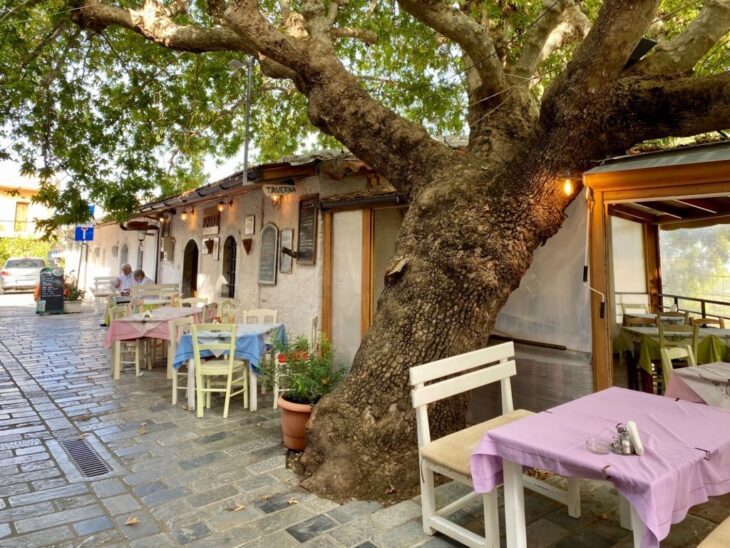
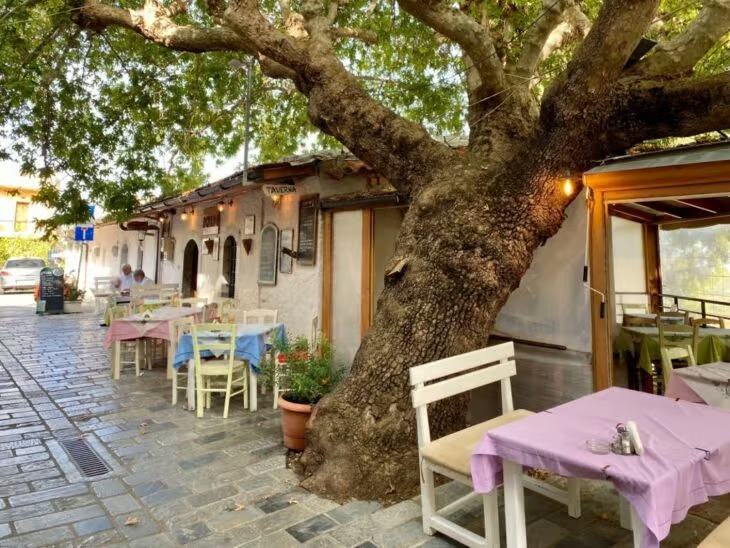
- Agadiko Tavern. About 200 meters (656 feet) from the center of Kritsa, Agadiko has a rustic setting among olive trees and grapevines. It specializes in Greek mezes and grilled dishes such as saganaki, grilled octopus, and lamb kebabs, with mezes from €5 ($5.74, £4.24) to €8 ($9.18, £6.78) and mains from €10 ($11.48, £8.48) to €15 ($17.22, £12.71) per person.
- Taverna Paradisos. About 18.4 kilometers (11.43 miles) from Kritsa, this family-owned taverna overlooks olive groves and mountains and focuses on grilled meats, seafood, and mezes such as grilled lamb chops, octopus in vinegar, and dakos. Mains run from €8 ($9.18, £6.78) to €12 ($13.78, £10.17) per person.
- Platanos. About 25.4 kilometers (15.78 miles) from Kritsa, Platanos is a traditional taverna serving moussaka, souvlaki, and Greek salads made with local ingredients, with mains from €10 ($11.48, £8.48) to €15 ($17.22, £12.71) per person.
Best beaches near Kritsa
- Voulisma Beach (Golden Beach). About 12.2 kilometers (7.58 miles) northeast of Kritsa near Elounda, Voulisma offers shallow turquoise water and views of Mirabello Bay, with sunbeds, umbrellas, and tavernas. It is popular for families and water sports such as snorkeling and paddleboarding.
- Minos Beach. About 11.7 kilometers (7.27 miles) east of Kritsa near Agios Nikolaos, this calmer beach has clear water and golden sand, backed by rocky cliffs, with sunbeds, umbrellas, and a beachfront taverna.
- Mirabello Beach. About 13 kilometers (8.08 miles) from Kritsa near Agios Nikolaos, this organized beach mixes sand and pebbles with shallow water, plus sunbeds, umbrellas, showers, and cafés.
Best places to stay near Kritsa
- Argyro Rooms. A family-run guesthouse in the heart of Kritsa, a short walk from the main square, with simple rooms and studios, air conditioning, and private balconies overlooking the village or countryside. A continental breakfast is available, and rates start at €40 ($45.92, £33.90) to €60 ($68.89, £50.85) per night for a double room.
- Villa Dio Petres. A guesthouse on the outskirts of Kritsa, about 3.8 kilometers (2.36 miles) from the center, set among olive groves with a pool, sun terrace, and garden barbecue. Rooms include air conditioning and Wi-Fi, and rates start at €60 ($68.89, £50.85) to €80 ($91.85, £67.80) per night for a double room with breakfast.
- Cretan Village Hotel. A family-friendly hotel about 1 kilometers (6.21 miles) from the center, with a pool, children’s playground, and a restaurant serving Cretan cuisine, plus organized excursions. Rates start at €80 ($91.85, £67.80) to €100 ($114.81, £84.75) per night for a double room with breakfast.
How is the nightlife in Kritsa?
Nightlife in Kritsa is low-key compared with Crete’s larger tourist hubs. In the evenings, traditional cafés and tavernas around the main square and narrow streets serve drinks such as raki or wine with simple Cretan dishes. There is no nightclub scene; instead the village offers a relaxed, intimate atmosphere. For livelier nightlife, visitors head to larger towns.
Frequently asked questions
Is Kritsa safe?
Yes, Kritsa is safe. It is a small, traditional village of about 2,630 residents, with far less crime than larger cities or tourist hubs. Crete overall is a safe destination with low crime rates compared with much of Greece and Europe, and the local community, whose economy depends on tourism, has a strong interest in keeping it that way.
Do you need to book in advance to visit Kritsa?
No, you do not need to book in advance to visit Kritsa. It is not a major tourist hub, so accommodation demand is lower than at busier destinations, and rooms are often available on arrival, especially in the shoulder seasons. Booking a rental car in advance is still worthwhile, because it guarantees availability and gives you the freedom to explore Lato, the Kritsa Gorge, and nearby villages at your own pace.
Is Kritsa a UNESCO World Heritage Site?
No, Kritsa is not a UNESCO World Heritage Site. Although the village holds real historical and cultural value, and nearby Lato is an important archaeological site, neither has been given UNESCO World Heritage status, which requires demonstrating global significance through a rigorous evaluation process.