


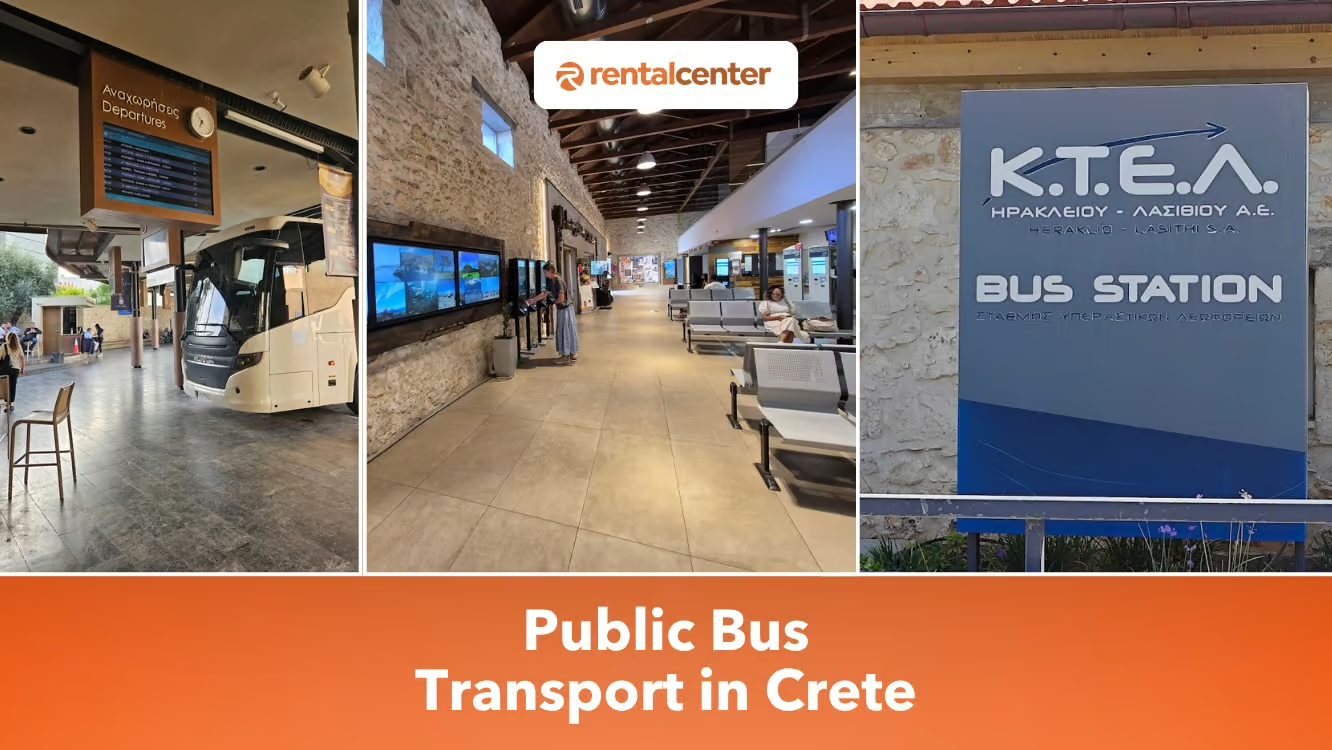
KTEL buses connect all major cities and tourist sites in Crete, with fares from €1 ($1.15, £0.85) (Heraklion to Knossos) to €14 ($16.07, £11.87) (Heraklion to Chania). Buses are cash-only on board – buy tickets at the station, from the driver, or online at ktelherlas.gr. The north coast corridor (Chania–Rethymno–Heraklion) runs every 30–60 minutes; southern routes are less frequent and require planning.
Last updated: June 2026 – schedules verified against official KTEL timetables. Bus schedules and fares change seasonally; always verify current timetables at ktelherlas.gr or e-ktel.com before travel. For the latest schedules and online booking: KTEL Heraklion-Lasithi → ktelherlas.gr | KTEL Chania-Rethymno → e-ktel.com
Accuracy note: KTEL bus schedules and fares change seasonally. Always confirm current timetables directly before travel.
What is the KTEL Bus System in Crete?
KTEL operates Crete’s entire intercity bus network through two regional companies: KTEL Heraklion-Lasithi (east/central) and KTEL Chania-Rethymno (west). KTEL is short for “Κοινά Ταμεία Εισπράξεων Λεωφορείων” (Joint Bus Receipt Funds), the cooperative structure that runs all regional and intercity bus services in Greece. KTEL buses connect over 100 destinations across Crete, from major cities to remote coastal villages.
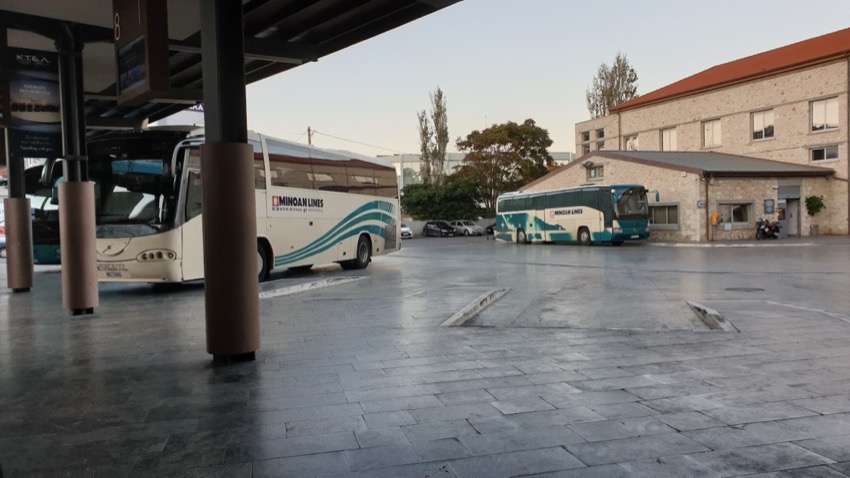
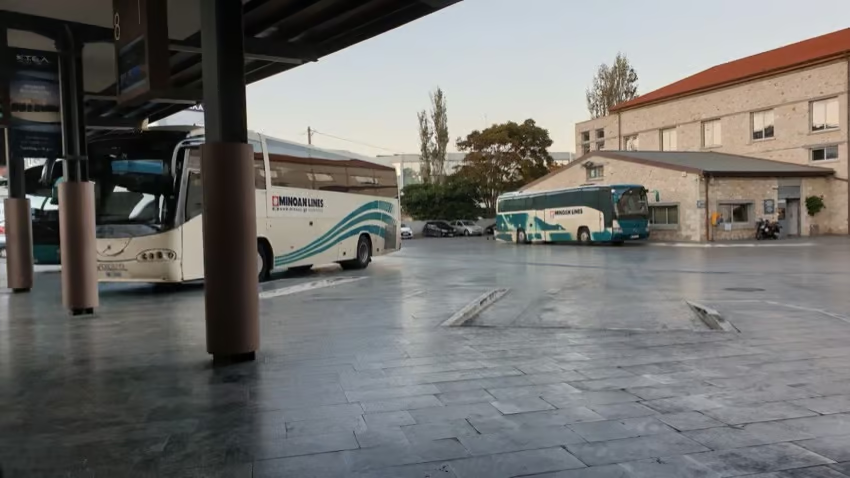
The two operators each have their own timetables, ticketing system, and app, so it matters which one covers your route:
KTEL Heraklion-Lasithi (Central and Eastern Crete)
KTEL Heraklion-Lasithi covers central and eastern Crete – Heraklion, Agios Nikolaos, Sitia, Ierapetra, and the routes to Knossos, Matala, and the Lasithi Plateau. Check schedules and buy e-tickets at ktelherlas.gr.
KTEL Chania-Rethymno (Western Crete)
KTEL Chania-Rethymno covers western Crete – Chania, Rethymno, Kissamos, Paleochora, and the Samaria Gorge route. Check schedules at e-ktel.com.
The two companies meet on the north coast corridor, so a Chania–Heraklion journey may involve a connection at Rethymno. KTEL Crete operates strategically located stations in major cities, towns, and tourist destinations, ensuring travellers can reach both popular sites and less-visited areas.
Heraklion Bus Station: Location, Routes and Connections
Heraklion’s KTEL bus station (Leof. Ikarou 1, near Heraklion port) is the island’s main transport hub. It is served by KTEL Heraklion-Lasithi and handles all eastbound and southbound intercity routes on the island. From here you can reach:
| Destination | Journey Time | Fare |
|---|---|---|
| Agios Nikolaos | ~2 hrs | ~€10 ($11.48, £8.48) |
| Rethymno | ~1.5 hrs | ~€8 ($9.18, £6.78) |
| Chania | ~3 hrs | ~€14 ($16.07, £11.87) |
| Matala | ~2 hrs | ~€8 ($9.18, £6.78) |
| Knossos Palace (Line 2) | 15 min | €1 ($1.15, £0.85) |
Check real-time departures at ktelherlas.gr or via the KTEL app. From the central station it is a short walk or a quick Line 2 hop to the city centre and the Heraklion Markets, the city’s busy hub for fresh produce, local crafts and souvenirs.
Heraklion Airport bus to city centre
Heraklion Airport (HER) connects to the city centre by urban bus. KTEL and city buses link the airport to the central bus station and seafront, so arriving travellers can reach their accommodation without an additional transfer.
How to Buy a Bus Ticket in Crete
You can buy KTEL bus tickets at the station counter, automated kiosks, from the driver, or online at ktelherlas.gr and e-ktel.com. For intercity journeys in summer, buy your ticket in advance to guarantee a seat on busy north coast routes.
Can you pay by card on Crete buses?
Most KTEL buses in Crete are cash-only – you pay the driver directly or buy a ticket at the station counter or kiosk before boarding. Card payment (contactless or chip) is not available on the bus itself. However, you can buy tickets online with a card at ktelherlas.gr (KTEL Heraklion-Lasithi) or e-ktel.com (KTEL Chania-Rethymno). Always carry enough cash in euros, especially for rural or southern routes where station kiosks may not be available.
KTEL app: buy tickets and check timetables
The official KTEL Heraklion-Lasithi app (available on iOS and Android, free to download) lets you check real-time bus schedules, buy e-tickets directly from your phone, and receive live delay notifications. This is the most reliable way to plan KTEL journeys in central and eastern Crete. For western Crete (Chania–Rethymno routes), use e-ktel.com – a dedicated app for that operator is not yet available as of 2025.
Online e-ticket booking
KTEL Heraklion-Lasithi offers online e-ticket purchase at ktelherlas.gr, letting you pay by card and reserve a seat before you arrive at the station. KTEL Chania-Rethymno publishes timetables and ticketing information at e-ktel.com.
Main Bus Routes in Crete: Timetables and Fares
The north coast corridor (Chania–Rethymno–Heraklion) runs every 30–60 minutes and is the most reliable route on the island, with fares from €7 ($8.04, £5.93) to €14 ($16.07, £11.87). The table below summarises the key routes, frequency, journey time, and fares.
| Route | Frequency | Journey Time | Fare |
|---|---|---|---|
| Chania ↔ Rethymno | Every 30–60 min | ~1 hr | ~€7 ($8.04, £5.93) |
| Rethymno ↔ Heraklion | Every 60 min | ~1.5 hrs | ~€8 ($9.18, £6.78) |
| Heraklion ↔ Agios Nikolaos | Several daily | ~2 hrs | ~€10 ($11.48, £8.48) |
| Heraklion ↔ Knossos (Line 2) | Frequent | 15 min | €1 ($1.15, £0.85) |
| Heraklion ↔ Matala | Several daily | ~2 hrs | ~€8 ($9.18, £6.78) |
| Chania → Samaria Gorge | 3–4 daily | ~1.5 hrs | ~€7 ($8.04, £5.93) |
| Chania → Kissamos (for Balos ferry) | Several daily | ~45 min | ~€4 ($4.59, £3.39) |
Balos Beach: bus to Kissamos + ferry
For Balos Beach and Gramvousa, take a KTEL bus from Chania to Kissamos port (~45 min, ~€4 ($4.59, £3.39)), then catch the ferry to the lagoon. Direct road access to Balos is restricted by car rental companies. This is the only practical public transport route to one of Crete’s most popular beaches.
What Bus Route should I Take to Get to Agios Nikolaos?
You should take the bus route offered by KTEL Heraklion-Lasithi to get to Agios Nikolaos. Board the bus at the Heraklion station and the route winds through rolling hills, rugged coastlines, and charming villages on the way to the Gulf of Mirabello.
Agios Nikolaos is known for its vibrant harbour and the iconic inland Lake Voulismeni, connected to the sea by a narrow canal. Waterfront cafés, local museums, art galleries, and tavernas serving fresh seafood and Cretan cuisine make it a rewarding day trip.
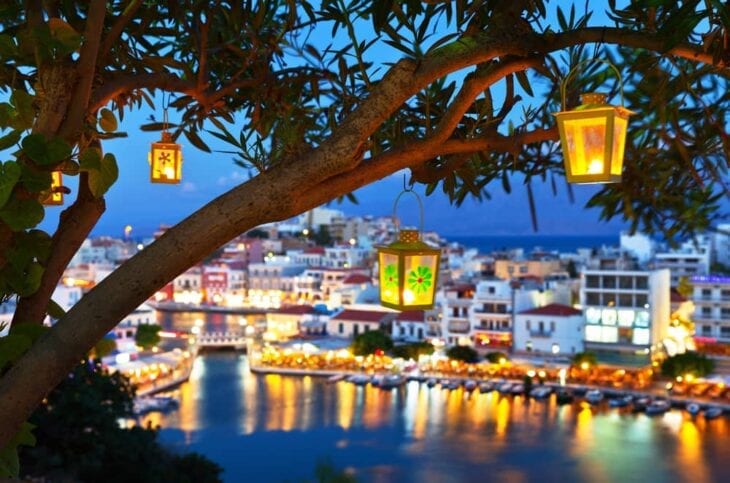

The bus fare is around €10 ($11.48, £8.48) per person and the scenic ride takes approximately 2 hours. Travel times vary with traffic conditions and stops along the way.
What Bus Route should I Take to Get to Knossos Palace?
You should take the Line 2 bus route to get to Knossos Palace – a direct service that efficiently connects Heraklion with one of Crete’s most significant historical sites. Board Line 2 at the Heraklion bus station; the route passes Heraklion’s city centre and the Archaeological Museum of Heraklion on the way.
The fare is approximately €1 ($1.15, £0.85) per person, keeping access to the Minoan palace affordable for every budget. At Knossos, grand staircases, winding corridors, and vibrant frescoes offer a glimpse into Minoan daily life, artistry, and the legend of the Minotaur and the Labyrinth.
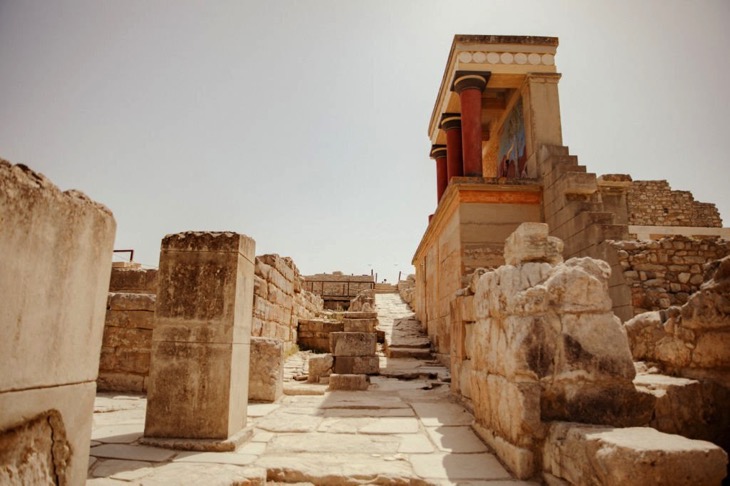
The journey from the Heraklion bus station to Knossos Palace is short – approximately 15 minutes – making it an ideal half-day trip for travellers with limited time.
What Bus Route should I Take to Get to Matala Beach?
You should take the bus route from Heraklion (Chanioporta Station) to Matala to reach Matala Beach. The route runs through Crete’s picturesque inland landscapes before reaching the southern coast.
The bus fare is approximately €8 ($9.18, £6.78) per person. Matala Beach is renowned for its golden sands, crystal-clear waters, and the man-made caves carved into the cliffs that hippies once used, giving the beach a distinctive blend of natural beauty and history.
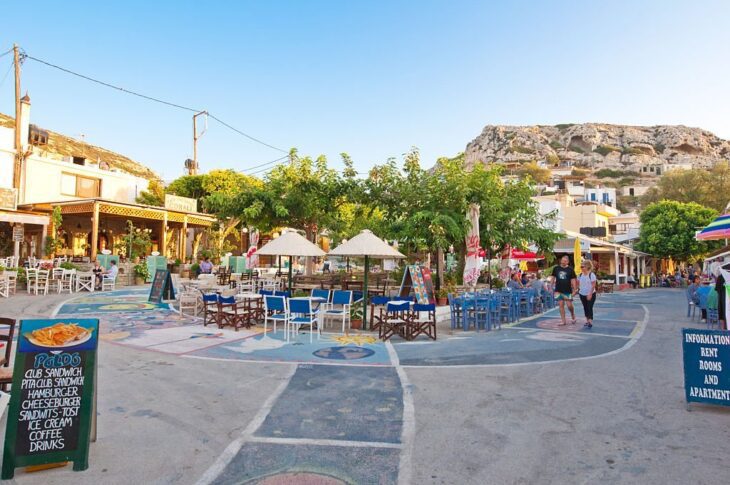
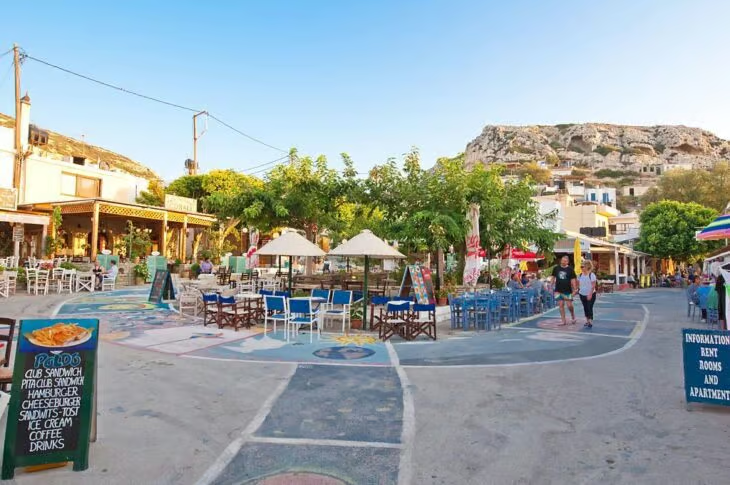
The journey from the Heraklion bus station to Matala Beach typically takes around 2 hours by bus – enough time to spend a full day at the beach.
What Bus Route should I Take to Get to Elounda?
You should take the shuttle bus route provided by CreteCab to get to Elounda – a direct, hassle-free option from Heraklion. The journey passes rolling hills, fertile plains, and coastline on the way to the Gulf of Mirabello.
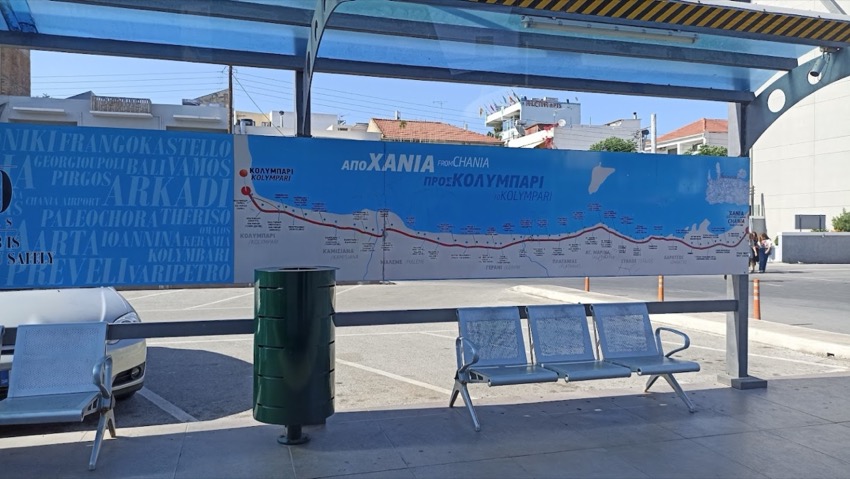
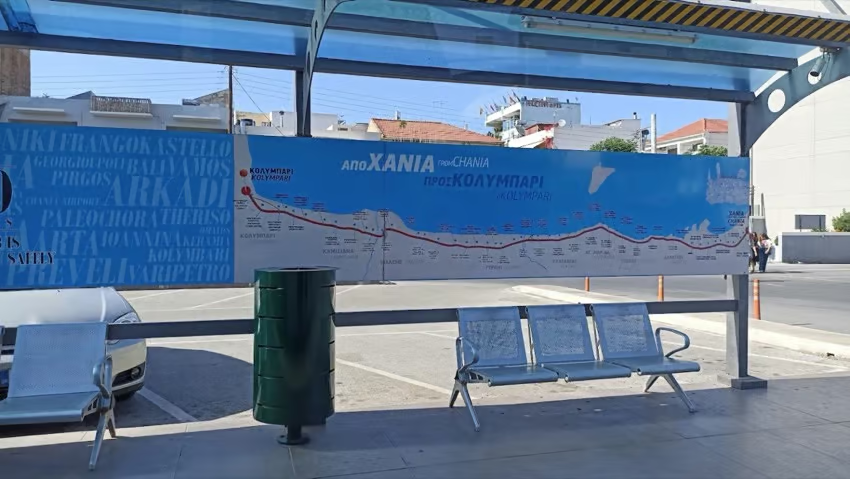
The fare is approximately €9 ($10.33, £7.63) per person and the trip takes around 1.5 hours. Elounda is known for upscale resorts, fine dining, and views across to the historic island of Spinalonga. Confirm current fares with CreteCab or at the Heraklion bus station.
Bus Stations in Crete
Crete has 10 KTEL bus stations spread across the island, with the largest hubs in Heraklion, Chania, Rethymno, and Agios Nikolaos. The full list is below.
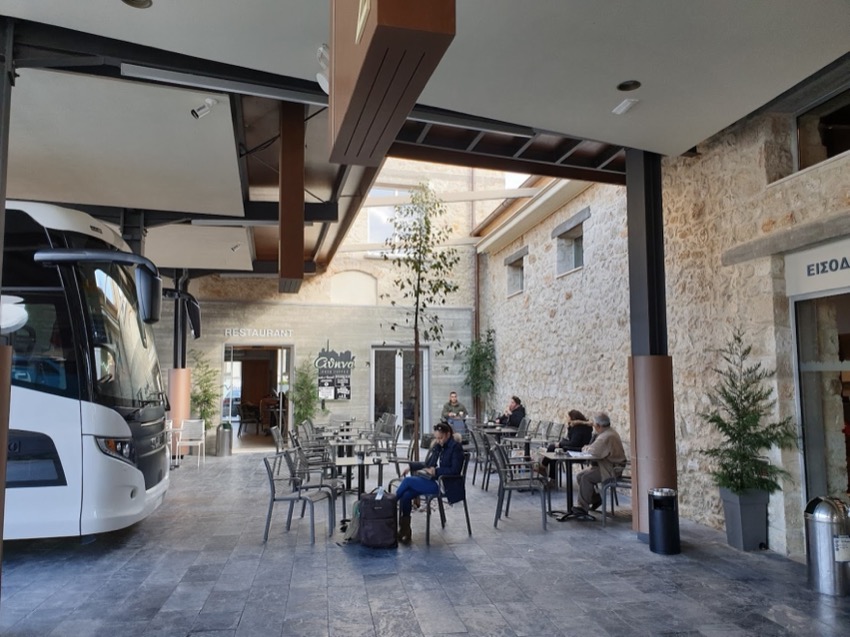
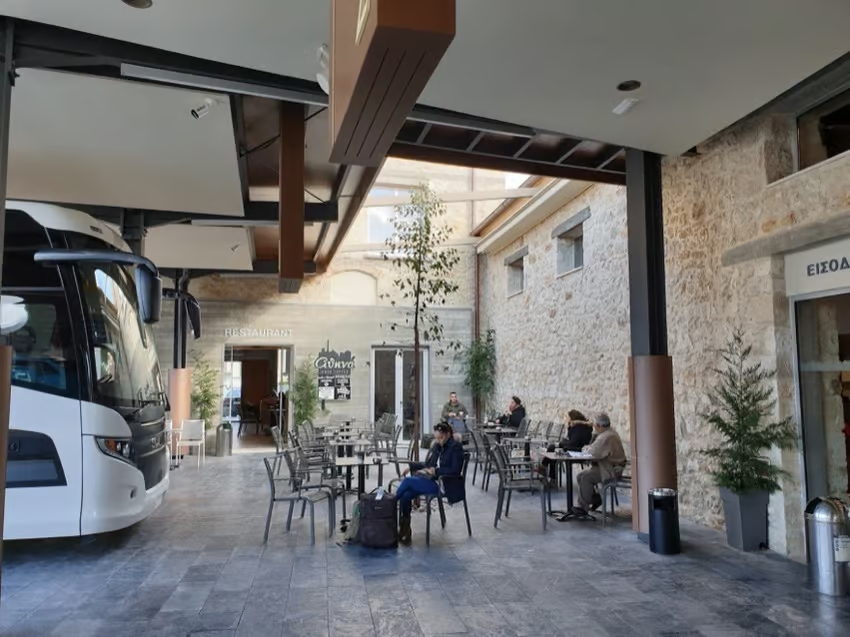
- Heraklion: Central KTEL station (Leof. Ikarou 1, near the port), the island’s main hub for east and south routes – operated by KTEL Heraklion-Lasithi.
- Chania: Western Crete’s main station, operated by KTEL Chania-Rethymno, with routes to Rethymno, Kissamos, Paleochora, and Samaria Gorge – and a short walk from the Chania Markets in the city’s Venetian old town.
- Rethymno: Mid-coast station connecting Chania and Heraklion; the meeting point of the two KTEL operators.
- Agios Nikolaos: Eastern Crete hub on the Gulf of Mirabello, operated by KTEL Heraklion-Lasithi.
- Sitia: Far-eastern station serving the Lasithi region.
- Ierapetra: Southern station on Crete’s east side, the southernmost town in Europe.
- Kissamos: Western rural station and gateway to the Balos ferry.
- Paleochora: Southwest coast station serving the Libyan Sea beaches.
- Sougia: South-coast station with connections along the southwest.
- Chora Sfakion: South-coast station and ferry link for the Samaria Gorge exit.
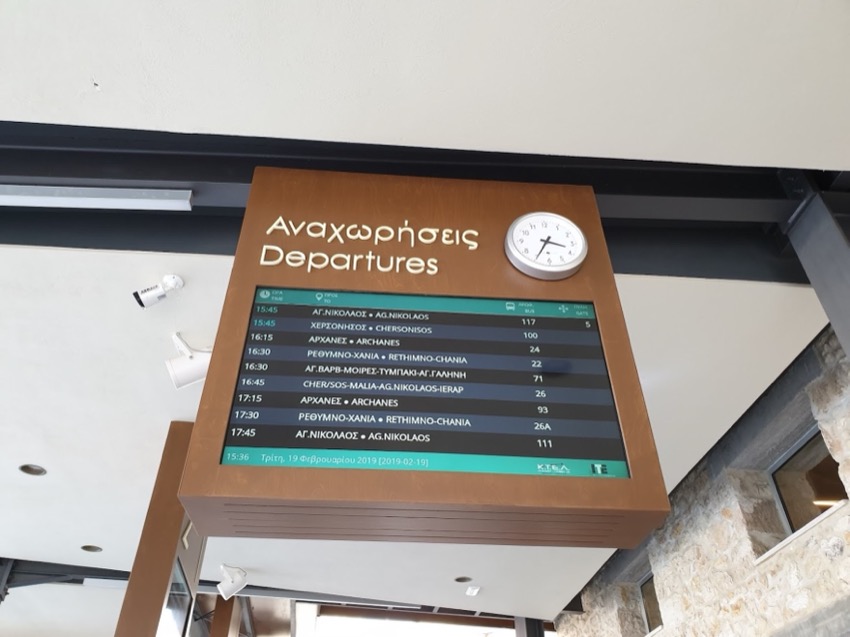
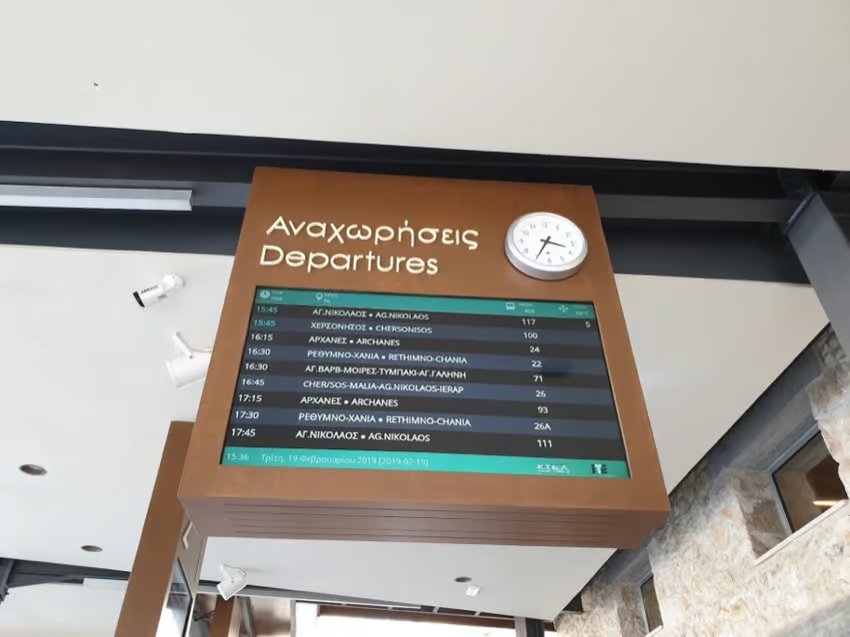
How Much is the Average Fare for Bus Rides in Crete?
KTEL bus fares are government-regulated and reasonable by European standards. Short trips within or between nearby towns cost roughly €5 ($5.74, £4.24)–€10 ($11.48, £8.48), while long-distance intercity routes run about €10 ($11.48, £8.48)–€20 ($22.96, £16.95). Urban bus tickets in cities like Heraklion cost about €1.10 ($1.26, £0.93)–€2 ($2.30, £1.70) depending on the zone and whether you buy in advance or on board. Discounts are available for children, students, and seniors – ask when buying your ticket.
What are the Benefits of Taking a Bus in Crete?
KTEL buses cost 60–80% less than a taxi or car rental for single-day travel, making them the most affordable option for solo and budget travellers. The main benefits are listed below.
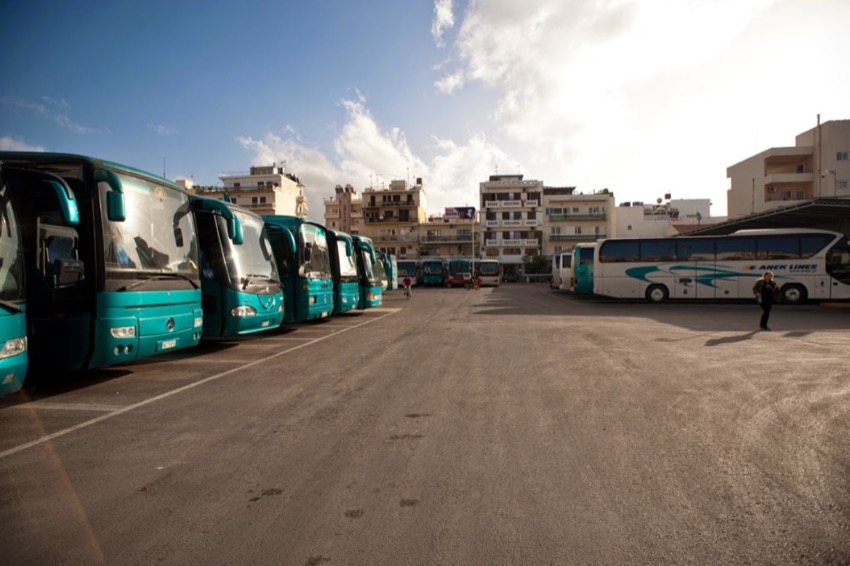
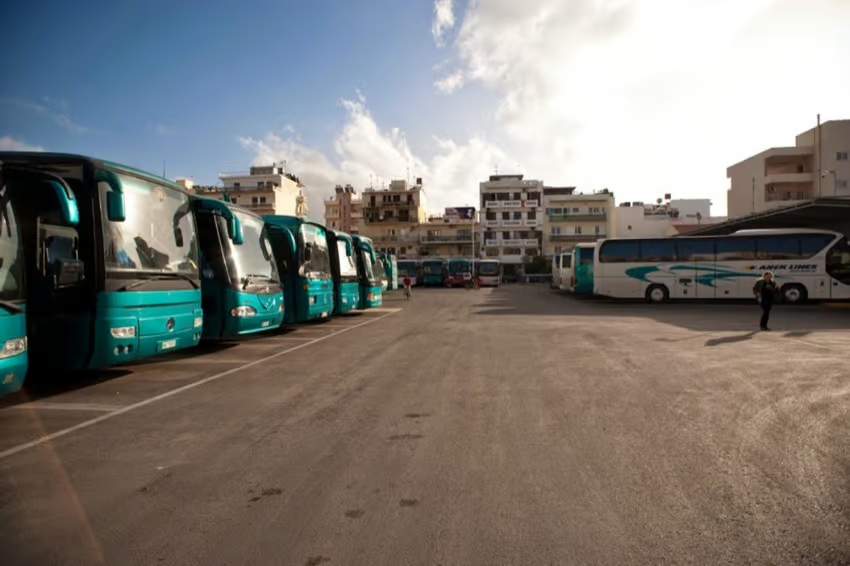
- Inexpensive and reliable: Government-regulated fares are low and KTEL buses run on fixed schedules, so you can plan journeys with confidence.
- Frequent departures: Popular north coast routes run multiple times per hour, giving flexible departure times.
- Direct airport connections: KTEL and urban buses link Heraklion and Chania airports to the city centres, removing the need for extra transfers.
- No driving stress: Relax and enjoy the scenery without navigating unfamiliar roads or finding parking.
- Scenic routes: Buses cross coastal roads, mountain passes, and traditional villages, making the journey itself memorable.
- Lower cost than car hire: No fuel, insurance, or parking fees for single-day trips.
- Accessible to all: Many buses are equipped with ramps or lifts for passengers with reduced mobility.
- Eco-friendly and cultural: Buses cut carbon emissions per passenger and offer the chance to interact with locals and fellow travellers.
Downsides and Limitations of Crete Buses
The biggest limitation of Crete’s bus network is the south coast: there is no east–west route along the southern coast, so travellers must backtrack through central Crete. Other drawbacks are listed below.
- Backtracking on the north coast: Travellers flying into Heraklion or Chania often retrace the same route, adding travel time.
- Limited freedom: Buses serve established routes, so off-the-beaten-path beaches and villages can be hard to reach.
- Cost for groups: Per-person fares add up; for families a rental car can match or beat the total bus cost.
- Schedule flexibility: Fixed timetables don’t always match tight itineraries.
- Delays and transfers: Traffic, weather, or transfers at Heraklion or Rethymno can lengthen journeys – KTEL buses run at reduced capacity in peak season (July–August), so book ahead at ktelherlas.gr or via the KTEL app.
- Limited luggage space and rural access: Storage is limited and remote areas may have infrequent service.
Bus vs Car Rental in Crete: Which is Better?
For day trips between major cities, buses win on cost; for exploring remote beaches and villages, Crete rental car from companies like Rental Center Crete gives you freedom buses cannot. Buses are affordable, eco-friendly, and stress-free for point-to-point city travel, with tickets available at stations, kiosks, and from the driver.
A rental car adds flexibility, comfort, and access to off-the-beaten-path locations – useful for families needing space for strollers, car seats, and luggage, or for travellers wanting to set their own pace. Car Renting in Crete is straightforward: agencies operate at airports and major cities, a valid driver’s licence is required, and a credit card is typically needed for the reservation.

Tips for Using Public Transport in Crete
Arrive 10–15 minutes before departure, buy your ticket in advance during summer, and check ktelherlas.gr or e-ktel.com for the latest timetable. A few more practical tips:
- Carry euros in cash – most on-board payment is cash-only.
- Confirm which KTEL operator covers your route (Heraklion-Lasithi in the east, Chania-Rethymno in the west).
- Use the KTEL Heraklion-Lasithi app for real-time departures and e-tickets in central and eastern Crete.
- For Balos, plan the bus-to-Kissamos-then-ferry connection; there is no direct bus.
- In peak season (July–August), reserve seats online on busy north coast routes.
- The best time to visit Crete for bus travel is the shoulder season (April–June and September–October), when buses are less crowded and timetables still run frequently.
Is the Bus a Safe Transportation in Crete?
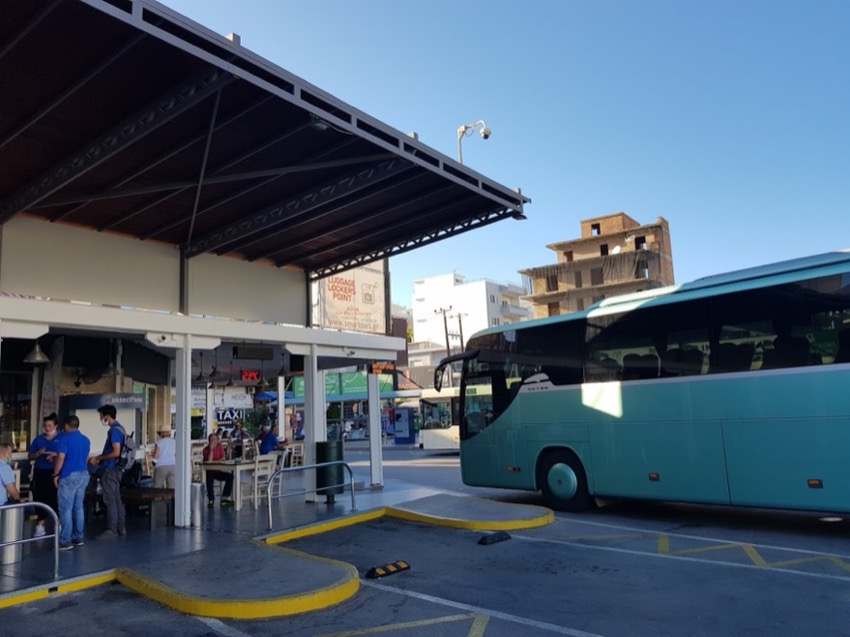
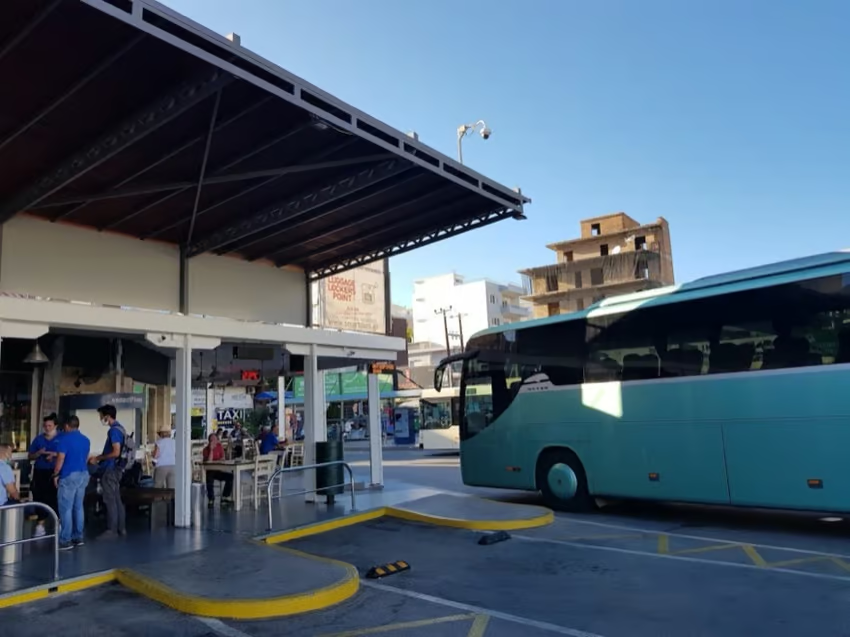
KTEL buses complete the vast majority of scheduled routes without incident; drivers hold professional licences and vehicles undergo regular safety inspections. Buses stop only at designated stops, reducing risks from unscheduled pickups, and many are equipped with surveillance cameras and emergency exits. As on any public transport, keep an eye on your belongings during crowded peak-season journeys.
Is Bus Transportation Good for Families?
Bus transport is a cost-effective, safe option for many families, offering affordability and the chance to enjoy Crete’s scenery together. For families with very young children, a lot of luggage, or tight schedules, a rental car or private transfer can be more convenient thanks to flexible rest stops and more storage space. Weigh the age of your children, the amount of luggage, and your need for flexibility when deciding.