

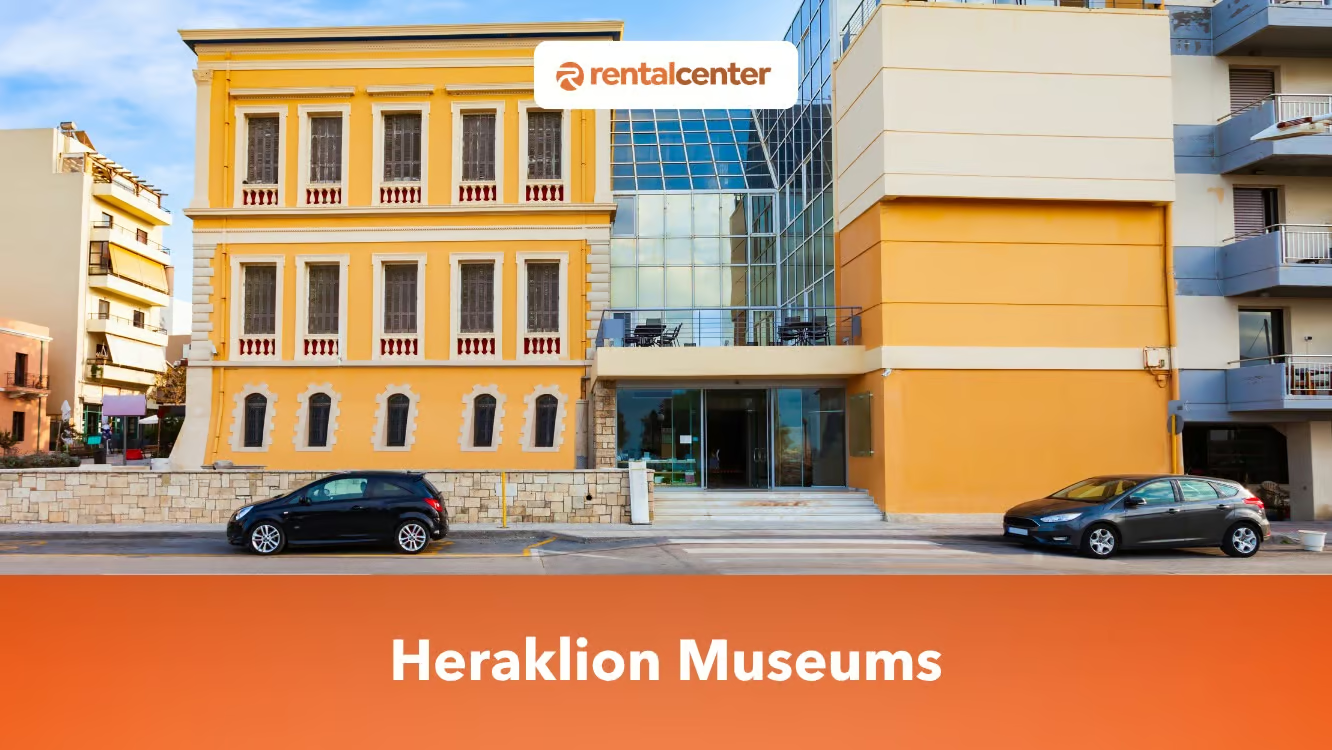
Heraklion’s museums tell the island’s story across millennia. The Heraklion Archaeological Museum offers an in-depth look at Crete’s Minoan civilisation through artefacts spanning from the Neolithic period to Roman times. The Historical Museum of Crete covers art and history from early Christian times to the modern era, with Byzantine art, sculptures, and folk artefacts. The Natural History Museum of Crete – housed in a former power plant – focuses on the diverse flora and fauna of the Eastern Mediterranean. With this variety, every visitor finds something that resonates.
Note on prices and hours: museum admission fees and opening hours change seasonally. The figures below were verified in 2026 – always confirm on the official museum website before your visit.
Quick Reference: Heraklion Museums at a Glance
Compare all 11 museums before you plan your day:
| Museum | Adult ticket | Opening hours | Distance from centre | Best for |
|---|---|---|---|---|
| Heraklion Archaeological Museum | €20 ($22.79, £17.09) (€12 ($13.68, £10.26) reduced) | Mon–Sun 08:00–20:00 (Wed from 13:00) | City centre (walkable) | Minoan history, Phaistos Disc |
| Historical Museum of Crete | €5 ($5.70, £4.27) | Confirm on official site | ~1 kilometers (0.62 miles) (walkable) | El Greco, Byzantine art |
| Natural History Museum of Crete | €8 ($9.12, £6.84) | Confirm on official site | ~1.5 kilometers (0.93 miles) (walkable) | Families, earthquake simulator |
| Kotsanas Museum (Ancient Greek Tech) | €7 ($7.98, £5.98) (€5 ($5.70, £4.27) reduced) | Summer hours, confirm on site | City centre | Interactive, all ages |
| Museum of the Battle of Crete | Free (confirm) | Confirm on site | City centre | WWII history |
| Christian Art Museum (St. Catherine) | €4 ($4.56, £3.42) | Mon–Sat 09:00–17:00 | City centre | Religious / Byzantine art |
| Museum of Cretan Ethnology | Confirm on site | Confirm on site | Voroi (~4 kilometers (24.85 miles) south) | Rural Cretan culture |
| Lychnostatis Open Air Museum | €6 ($6.84, £5.13) (+€2 ($2.28, £1.71) audio guide) | Mon–Sat 09:00–14:00 | Hersonissos (~24 kilometers (14.91 miles)) | Folklore, families |
| Nikos Kazantzakis Museum | Confirm on site | Confirm on site | Myrtia (~15 kilometers (9.32 miles)) | Literature |
| El Greco Museum | Confirm on site | Confirm on site | Fodele (~24 kilometers (14.91 miles) west) | Art history |
| Koules Fortress | Confirm on site | Confirm on site | Harbour (walkable) | History, sea views |
-

1. Heraklion Archaeological Museum
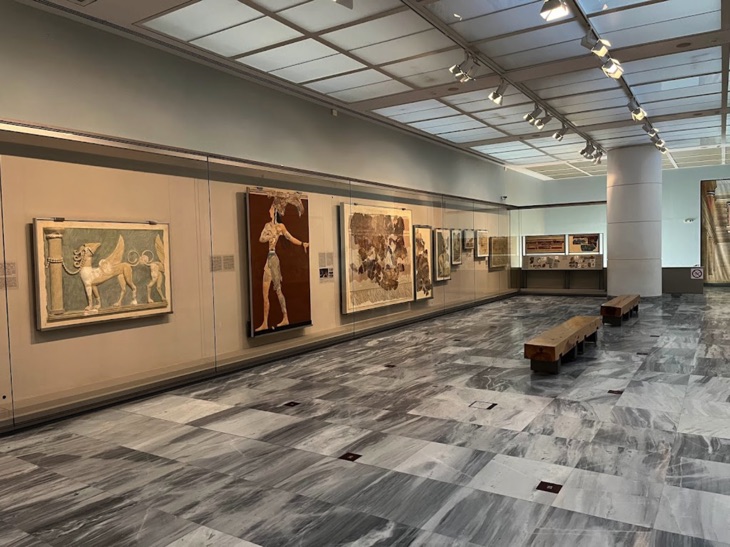
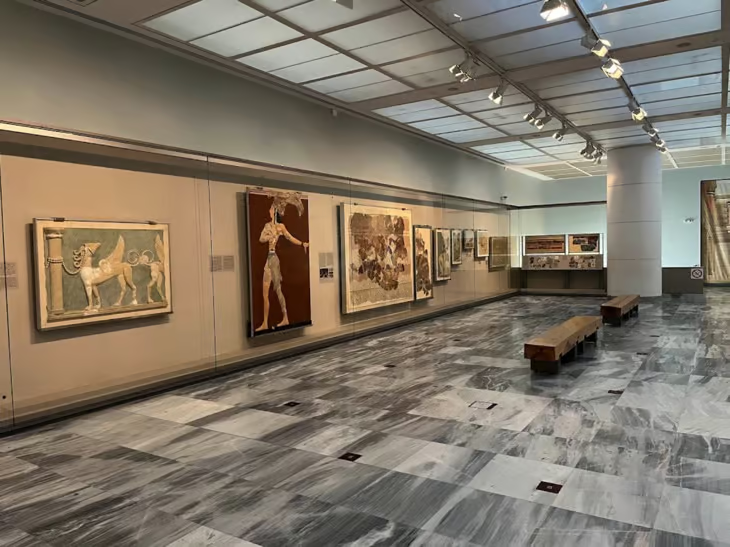
The Heraklion Archaeological Museum holds the world’s most complete collection of Minoan art – including the Phaistos Disc, the Snake Goddess figurines, and the Bull-Leaping Fresco – and is the single most important stop for any visitor to Crete.
Key exhibits: the Phaistos Disc, the Snake Goddess figurines, the Bull-Leaping Fresco (the defining image of Minoan athleticism and religion), the Ring of Minos (a gold signet ring with an intricate religious scene), and the Bee Pendant from Malia – one of the finest examples of Minoan goldwork. The collection also includes the Linear A and Linear B scripts.
The museum opened in 1883 as a small antiquities collection and grew, over the following 140 years, into one of the most important museums in Europe. It survived WWII bombing and two major earthquakes, and was rebuilt in 1935 by modernist architect Patroklos Karantinos in a Bauhaus-commended design that still houses the collection today. Built on the site of a former monastery, it offers ample exhibition space, research facilities, and a museum shop, and it underwent a major renovation from 2006 to 2013. As a regional service of the Ministry of Culture, it preserves, studies, and promotes Cretan artefacts spanning over 5,500 years, from the Neolithic era to Roman times, and hosts temporary exhibitions in collaboration with scholarly institutions.
Tickets: €20 ($22.79, £17.09) full | €12 ($13.68, £10.26) reduced (students, seniors, ISIC holders, unemployed EU citizens). Free admission on the first Sunday of each month (November–March) and on national holidays. Opening hours: Monday–Sunday 08:00–20:00; Wednesday from 13:00; last admission 19:40. Address: Xanthoudidou & Hatzidaki 1, in the city centre (walkable). Tip: A combined Knossos + Archaeological Museum ticket is available online, and a free museum app offers self-guided audio tours. Official website: heraklionmuseum.gr.
-

2. Historical Museum of Crete
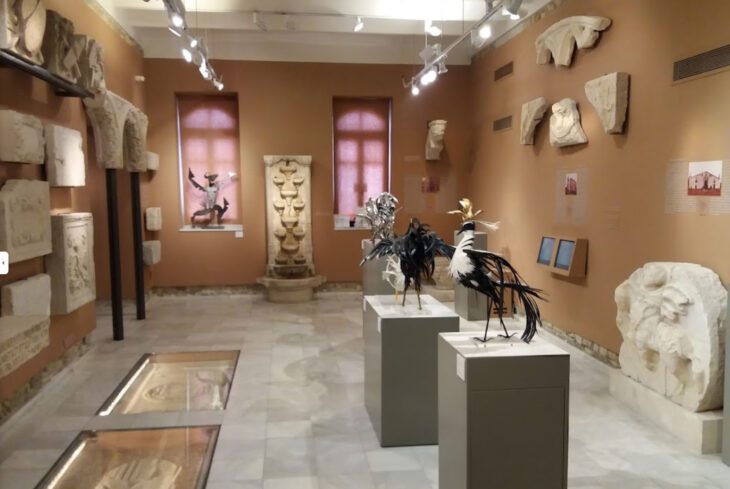
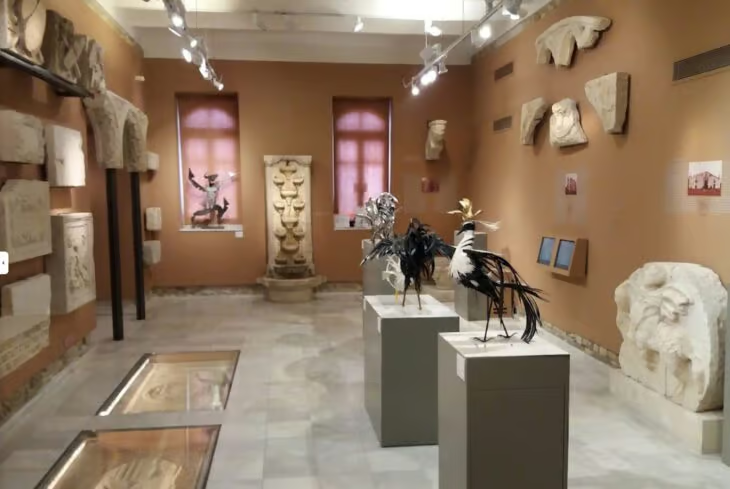
The Historical Museum of Crete displays the only original El Greco paintings on the island – two rare works by the Cretan-born master – alongside 17 centuries of Byzantine, Venetian, and modern Cretan history.
Established by the Society of Cretan Historical Studies in 1953 and first set up in Minos Kalokairinos’ former residence, it later expanded with a contemporary wing. It showcases Crete’s art and history from the 4th century AD to World War II, with ceramics, sculptures, coins, jewellery, and wall paintings. Highlights include the two El Greco paintings, a detailed model of 17th-century Venetian Heraklion, and a dedicated collection on the writer Nikos Kazantzakis. The museum frequently updates its temporary exhibitions – in summer 2012, for example, it celebrated the poet Odysseas Elytis.
Tickets: €5 ($5.70, £4.27). Address: Sofokli Venizelou Avenue, approximately 1 kilometers (0.62 miles) from the city centre (walkable). Confirm current opening hours on the official site.
-

3. Natural History Museum of Crete
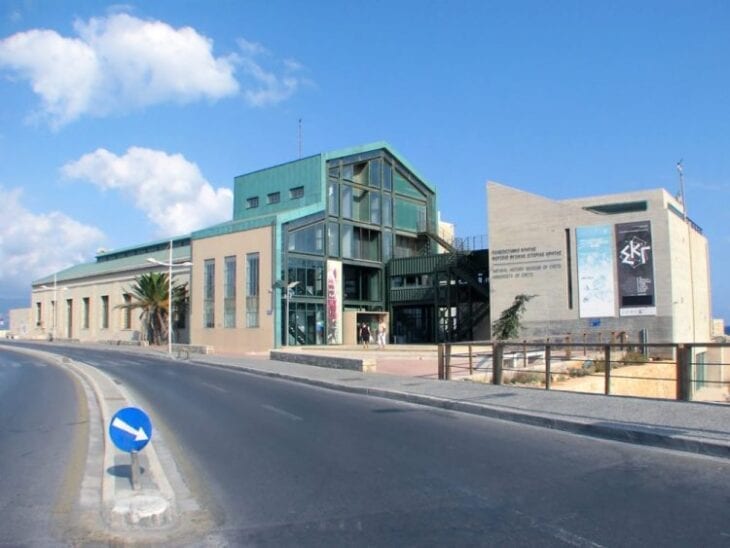
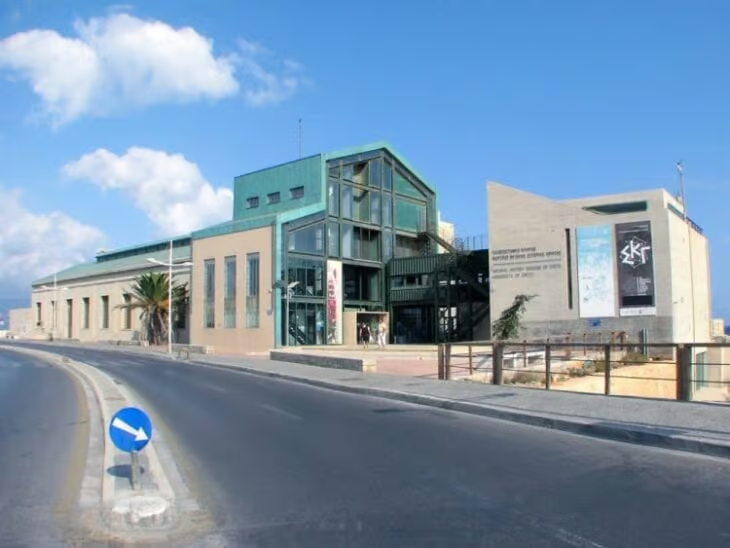
The Natural History Museum of Crete, operated by the University of Crete and winner of the Benaki Award, features an earthquake simulator unlike anything else on the island – making it an excellent, family-friendly change of pace.
Housed in a former power plant, it is dedicated to studying, protecting, and promoting the Eastern Mediterranean’s biodiversity and geological heritage. Its research spans biodiversity, conservation, geology, and palaeontology, and it runs school programs, workshops, seminars, and public lectures. It earned the Benaki Award from the Academy of Athens in 2012, recognising its research, education, and scientific promotion. In 2023, on Earth Day, it launched the ‘Nature Overheard’ community science project exploring the link between noise pollution and insect populations.
Tickets: €8 ($9.12, £6.84) (adults). Address: Sofokli Venizelou Avenue, around 1.5 kilometers (0.93 miles) from the city centre (walkable). Confirm current opening hours on the official site.
-
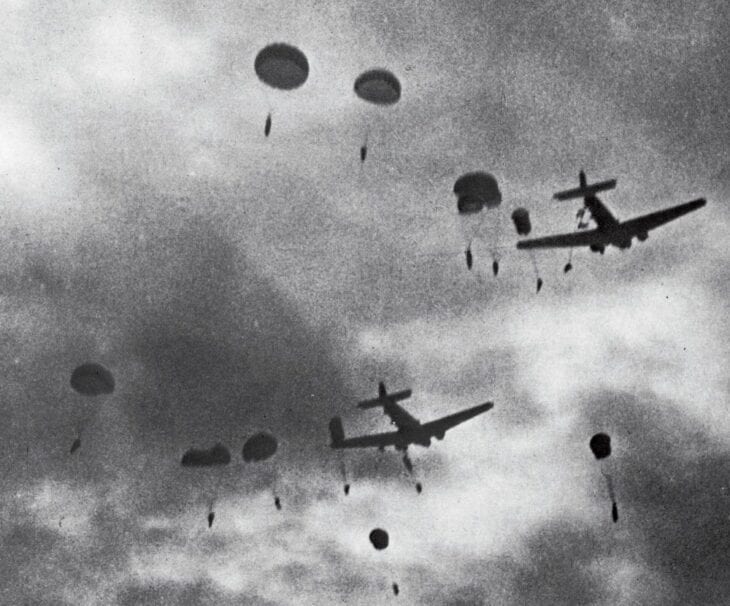

5. Museum of the Battle of Crete and the National Resistance
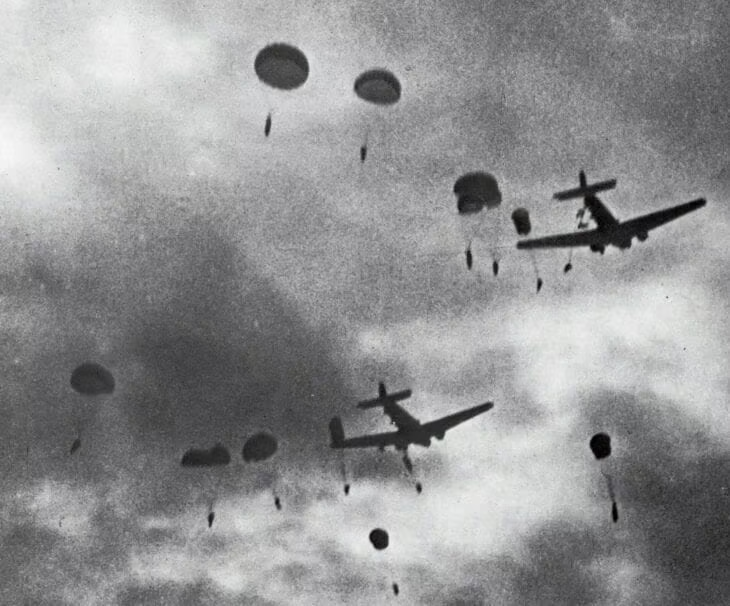
The Museum of the Battle of Crete documents the island’s remarkable resistance during the 1941 German invasion, preserving artefacts and testimonies from the 1941–1945 occupation.
A municipal institution established by the Municipality of Heraklion in May 1994, its mission is to gather, conserve, and display artefacts and records from Crete’s wartime defence and the subsequent German-Italian occupation. It serves as a repository on the people’s heroic struggle during the Battle of Crete, helping preserve the island’s cultural heritage and keep this history in public awareness.
Admission: free (confirm current hours with the Municipality of Heraklion). Located near the city centre.
-
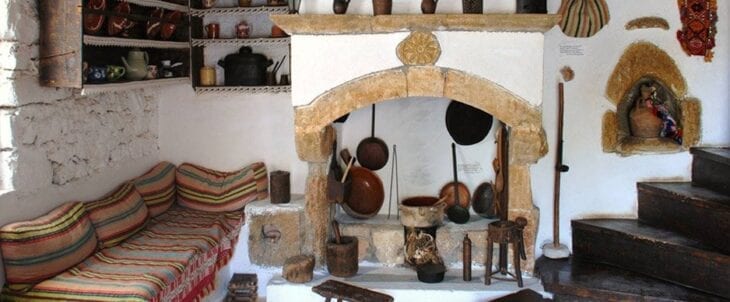

8. Lychnostatis Open Air Museum
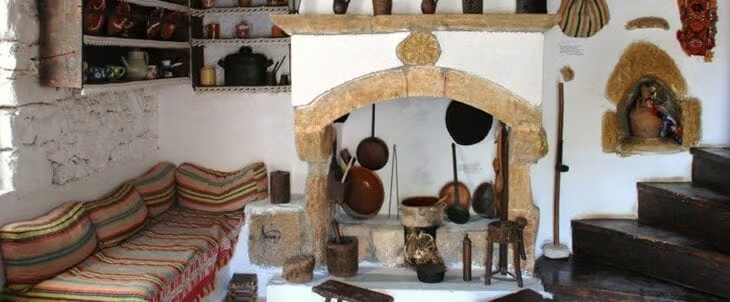
Lychnostatis is the only open-air folk museum in Crete, built by hand from wood and stone in 1986 and offering free re-entry for return visitors.
Located in Hersonissos, 24 kilometers (14.91 miles) from Heraklion, it was established as a private foundation in July 1992 by the visionary ophthalmologist Yiorgos Markakis, who built it with local craftsmen without machinery. Guests explore meticulously reconstructed rooms and workshops that reveal the daily life of the Cretan people, with tradition, folklore, and ethnological heritage on full display. It hosts traditional dance performances, theatre, and wine and honey tasting, and an adjacent beach offers a sea view after the tour.
Tickets: €6 ($6.84, £5.13) standard (+€2 ($2.28, £1.71) for the audio guide); free re-entry on a return visit. Opening hours: Monday to Saturday, 09:00–14:00 (closed Sunday).
-
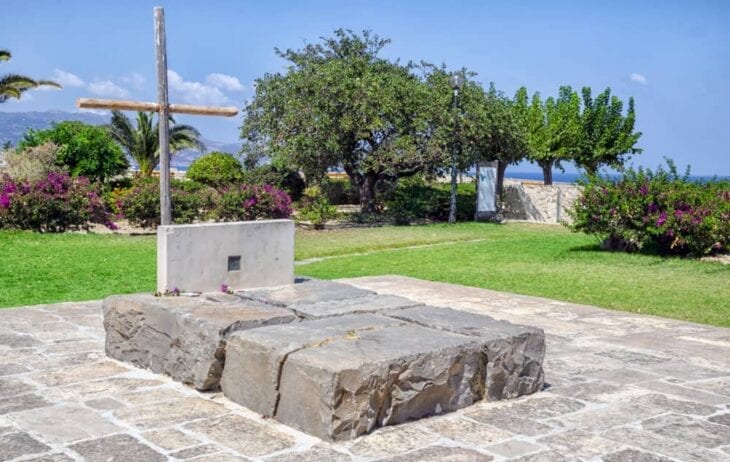

9. Nikos Kazantzakis Museum
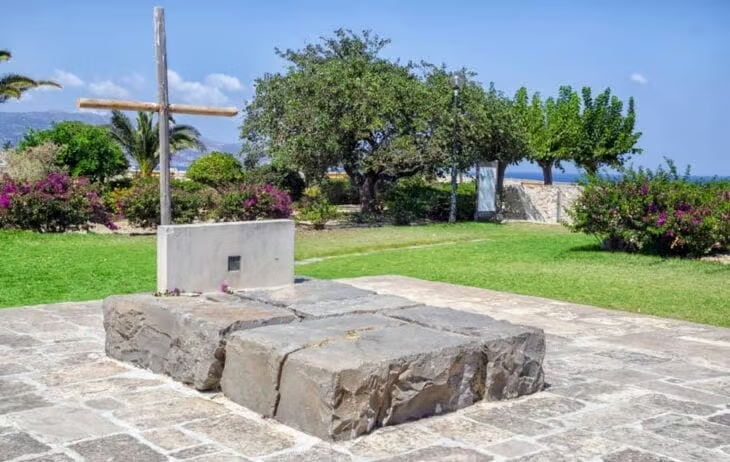
The Nikos Kazantzakis Museum in Myrtia honours Greece’s most internationally celebrated modern author – nine times nominated for the Nobel Prize in Literature – through 650 personal exhibits.
Founded in 1983 by scenographer and costume designer George Anemogiannis in Kazantzakis’ ancestral village of Myrtia, it underwent a comprehensive renovation in 2009. Its 650 exhibits – letters, diaries, personal items, travel mementoes, rare photographs, set and costume models, audiovisual materials, and artwork – are organised into five thematic sections covering the author’s life and works. It offers a multilingual documentary and wireless audio tours in Greek, English, and German, houses a research library, runs educational programs and conferences, manages the N. Kazantzakis & G. Anemogiannis archives, and features a museum shop.
Address: Myrtia village (~15 kilometers (9.32 miles) from Heraklion). Confirm current tickets and hours on the official site.
-
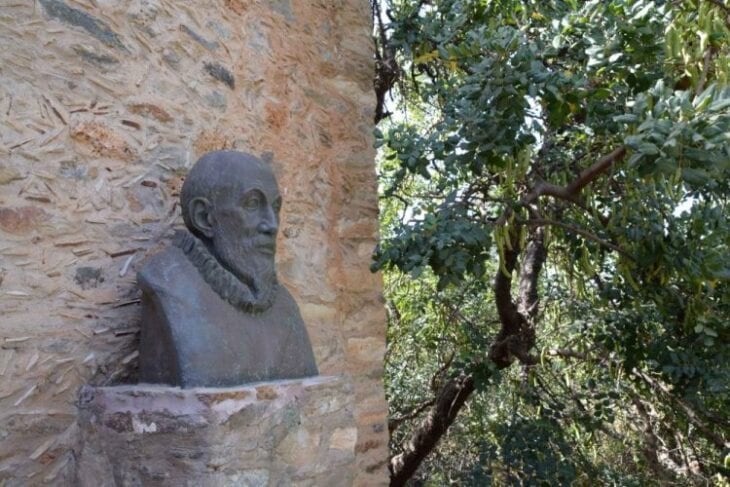

10. El Greco Museum
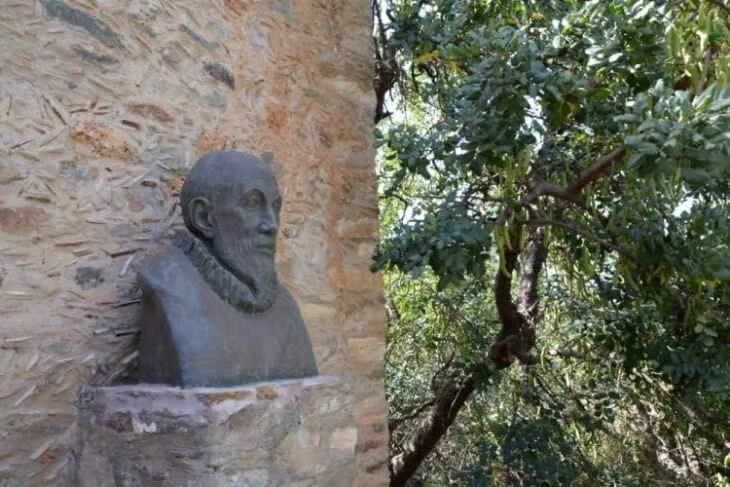
The El Greco Museum in Fodele commemorates Domenikos Theotokopoulos (1541–1614) at the village long claimed as his birthplace – though the only original El Greco canvases in Crete remain at the Historical Museum in Heraklion.
Also known as the Domenikos Theotokopoulos Museum, it sits about 1 kilometers (0.62 miles) from the centre of Fodele, west of Heraklion, where the mannerist painter spent his formative years. It features copies of El Greco’s works and documents associated with the artist. Initially in disrepair, it was restored in 1982 with funding from the Greek Ministry of Culture and opened to the public in 1998. Fodele’s claim to be his birthplace is disputed.
Address: Fodele (~24 kilometers (14.91 miles) west of Heraklion). Confirm current tickets and hours on the official site.
-
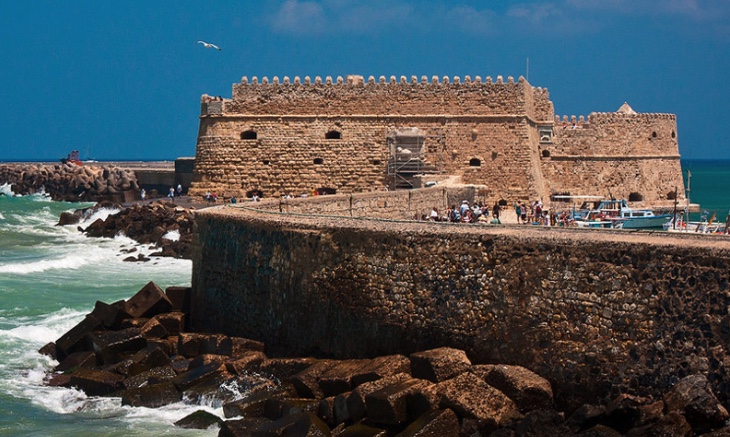

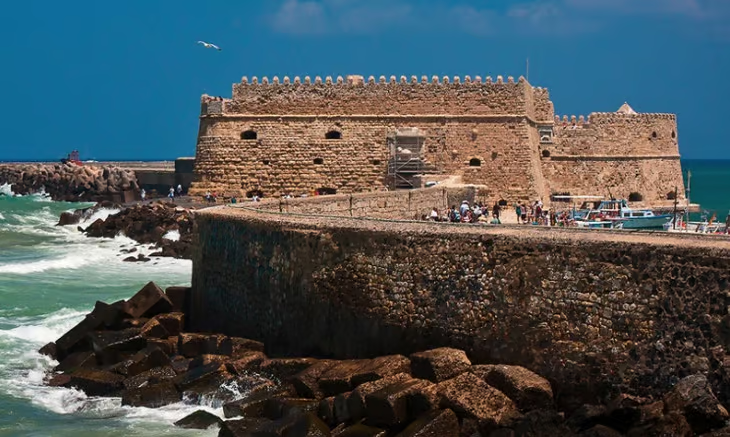
11. Koules Fortress
Koules Fortress – the Venetian sea fort at the entrance to Heraklion’s harbour – hosts cultural events year-round and offers panoramic sea views best enjoyed early in the morning before tour groups arrive.
Also known as Castello a Mare, it was built by the Republic of Venice in the early 16th century to protect Heraklion from pirates and invading forces. The site saw Arab control in the 9th–10th centuries and Venetian reconstruction after the 1303 earthquake; by 1540 it was reinforced with 25 large guns on the roof and 18 cannons on the ground floor, before coming under Ottoman rule in 1669. It remains open to the public and now hosts cultural events.
The best time to visit Koules is the summer (June–August), when Crete is warm (20–30 °C) – though this is also the busiest season, so visit early in the morning or later in the day to avoid the crowds. Confirm current tickets and hours on site.
Which museums in Heraklion are most worth visiting?
If your time is limited, the three most worthwhile museums – all walkable in the city centre – are:
- Heraklion Archaeological Museum: On Xanthoudidou Street, in the heart of the city and easily reached on foot, by public transport, taxi, or car. Adult ticket €20 ($22.79, £17.09) (€12 ($13.68, £10.26) reduced). It is famous for its Minoan collection – the most comprehensive overview of Cretan prehistory anywhere.
- Historical Museum of Crete: On Sofokli Venizelou Avenue, about 1 kilometers (0.62 miles) from the centre. Adult ticket €5 ($5.70, £4.27). Dedicated to Cretan art and history from the 4th century AD to WWII, with two original El Greco paintings.
- Natural History Museum of Crete: On Sofokli Venizelou Avenue, around 1.5 kilometers (0.93 miles) from the centre. Adult ticket €8 ($9.12, £6.84). Emphasises the Eastern Mediterranean’s flora, fauna, and geology, with a popular earthquake simulator.
What do you need to know about Heraklion as a tourist?
Listed below are the things to know about Heraklion as a tourist:
- Historical Significance: Heraklion is rich in history, especially from the Minoan civilisation, and is home to the ancient ruins of Knossos Palace near what is believed to be Europe’s oldest city. As the island’s capital, it has felt the influence of the Byzantines, Venetians, and Ottomans. Understanding this context enriches any visit to its streets, buildings, and museums.
- Strategic Location: Heraklion sits on the northern coast of Crete and serves as the main gateway to the island, with its primary international airport and port. Its position makes it an excellent base for excursions across Crete and to neighbouring islands.
- Local Cuisine: Cretan cuisine, a subset of the Mediterranean diet, is renowned for its health benefits and rich flavours. Heraklion’s tavernas serve Cretan food such as “dakos”, “moussaka”, and fresh seafood – a tasty window into the island’s traditions.
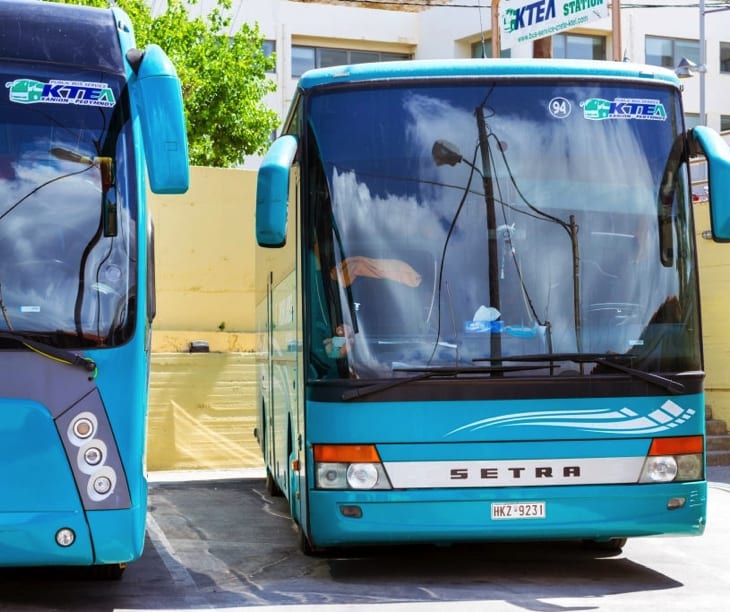
- Public Transportation: Heraklion is walkable, but buses help reach more distant attractions. Familiarising yourself with bus routes and schedules ensures efficient, cost-effective travel.
Do you need to rent a car to visit Heraklion Museums?
No – renting a car is not strictly necessary to visit Heraklion’s museums, as many are in or near the city centre and reachable on foot or by public transport. The Heraklion Archaeological Museum, Historical Museum of Crete, and Natural History Museum of Crete are all close together in the centre.
A car does help if you plan to visit museums farther afield – such as the Museum of Cretan Ethnology in Voroi, the Nikos Kazantzakis Museum in Myrtia, or the El Greco Museum in Fodele – or to combine several attractions in one day. Heraklion is the gateway to Crete’s historical sites and natural attractions, so a rental car adds flexibility to venture beyond the city.
What are the factors to consider before renting a car in Crete?
Listed below are the factors to consider before renting a car in Crete:
- Insurance: Car rental insurance protects you against the cost of damage. Crete car rental includes collision damage waiver, and a driver’s credit or debit card is required as a guarantee.
- Driver’s age: The legal driving age in Crete is 18, with a valid driving licence and essential documents like an ID or passport.
- Driver’s gender: Both women and men can drive in Crete; as long as the driver is of legal age, driving is permitted regardless of gender.
- Car type: Groups and families need a larger car, while a smaller car is best for Crete’s narrow roads. Rental companies offer a variety of vehicles to suit your needs – car type is an important factor in how to choose the right car to rent in Crete.
- Documents needed for renting a car: A valid driving licence is essential; a credit or debit card and a passport or ID card may also be required.

How much does a car rental in Crete cost?
Crete is best explored by rented vehicle, which gets you quickly to the island’s top destinations. Costs vary by number of passengers, itinerary, car type, destination, and duration. The average price is around €30 ($34.19, £25.64)–€40 ($45.58, £34.19) per day; a full week averages about €250 ($284.90, £213.68), and a weekend around €78 ($88.89, £66.67). Rates also differ by car type. Most rental shops in Crete offer online booking – simply follow the process to book instantly. Check and secure all requirements before booking.

Where can I pick up a car rental in Heraklion?
Find below the 4 ways to pick up your car rental in Heraklion:
- Heraklion Airport Pickup: Walk in to our Heraklion Airport car rental station, just 50 m from the arrivals terminal. Booking online in advance is recommended, as availability can be limited and prices fluctuate.
- Heraklion Port Pickup: Meet our rep with a meet-and-greet service just outside the ferry exit on arrival. A booking in advance is required, with the rental company informed of your arrival details at least a day ahead.
- Walk in to the rental station: Visit our Heraklion car rental station at Nidas 1, Heraklion, 71601. A driving licence, passport, or ID card is required, and a confirmed booking in advance is highly recommended.
- Heraklion Hotel delivery: Have your rental car delivered to and collected from any hotel, apartment, or villa within Heraklion city limits – offered free of charge by most local car rental companies and Rental Center Crete.
Do you need a map to visit the museums of Heraklion?
No – you do not strictly need a map. While a map helps with navigation, most of the city’s museums are in or near the centre, and directional signs and well-marked streets make them straightforward to find.
What are the most interesting facts about Heraklion?
Listed below are the most interesting facts about Heraklion:
- In 1971, Heraklion became Crete’s capital city: The city has a rich past, with the imprint of the Minoans, Saracens, Byzantines, Venetians, and Turks.
- Heraklion has been a human settlement for thousands of years: The Minoans, a Bronze Age Aegean culture, began around 2000 BC and ended with the Greek Dark Ages.
- Heraklion is Greece’s fifth-largest city: Its population exceeds 225,000, within a land area of about 684.3 km².
- The birthplace of Zeus is in the vicinity of Heraklion: Heraklion is associated with the birth of Zeus, said in some myths to have been born at Mt. Ida.
- Heraklion is a paradise for museum lovers: It offers several museums for those who appreciate Crete’s history and culture.
- Some of the oldest structures on the island are found in Heraklion: One of the oldest buildings is the Venetian Loggia, built around 1620.
What are some things to do in Heraklion?
Listed below are some things to do in Heraklion:
- Knossos Palace Tour: The Knossos Palace, near Heraklion, represents the splendour of Minoan culture; its ruins offer insight into daily life, culture, and architecture. Visiting Knossos is one of the top things to do in Heraklion.
- Visit the Heraklion Archaeological Museum: Engage with history through its impressive Minoan collection – a vast assembly of artefacts that tells the story of antiquity.
- Explore the Koules Fortress: This Venetian fortress, with its restored interior and prominent harbour location, offers breathtaking views of the sea and the city.
Is public transportation in Crete reliable?
Yes – Crete public transportation, including buses and ferries, is reliable and convenient for locals and tourists. Buses serve many cities and towns on regular, generally well-kept schedules, while ferries connect Crete to surrounding islands and mainland Greece. Reliability can vary with routes, seasons, and occasional labour strikes, so check schedules and any disruptions in advance, especially in high season.

Note on prices and hours: museum admission fees and opening hours are subject to change. Always verify current information directly with the official museum website or by contacting the museum before your visit. Prices in this guide were last verified in 2026.