







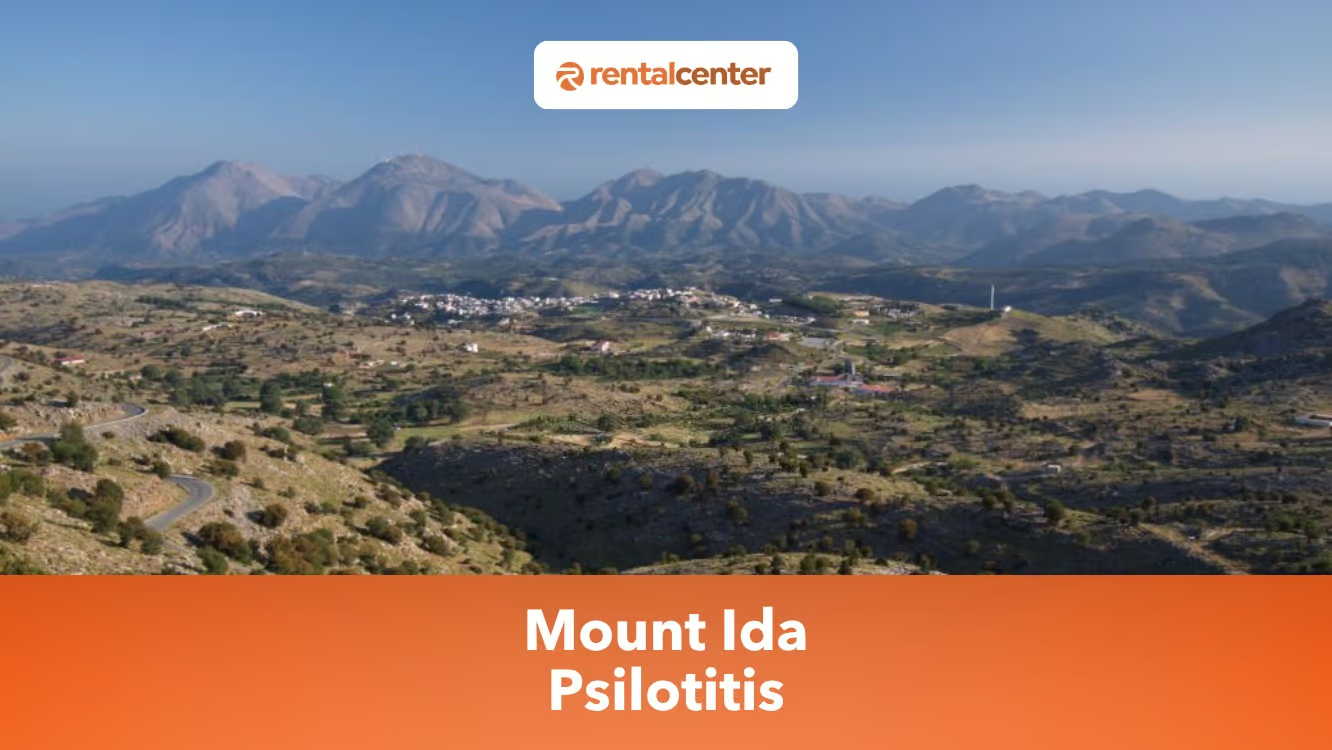
Mount Ida (Psiloritis) is the highest mountain in Crete at 2,456 meters (8,058 feet). It stands in the Rethymno region of central Crete, holds the highest topographic prominence of any mountain in Greece, and forms part of a UNESCO Global Geopark. In Greek mythology the mountain was sacred to the goddess Rhea, who hid the infant Zeus here from his father Cronus. Today Mount Ida is the most popular high-mountain hike on the island, and a rental car is the practical way to reach its trailheads and the myth-filled sites around it.
What is Mount Ida (Psiloritis)?
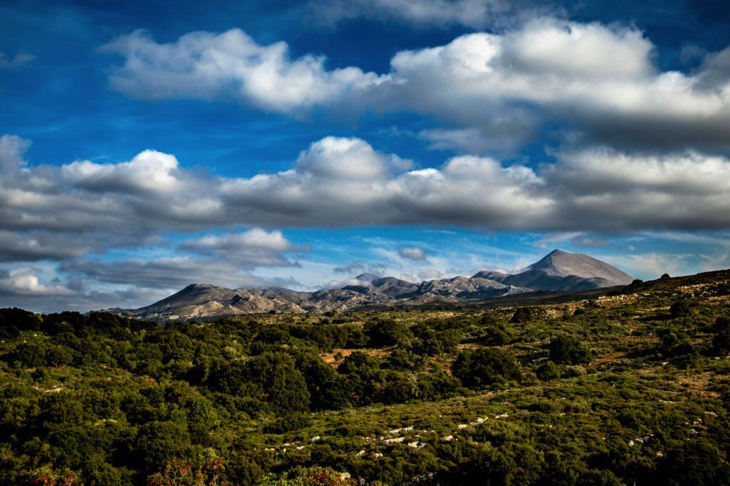
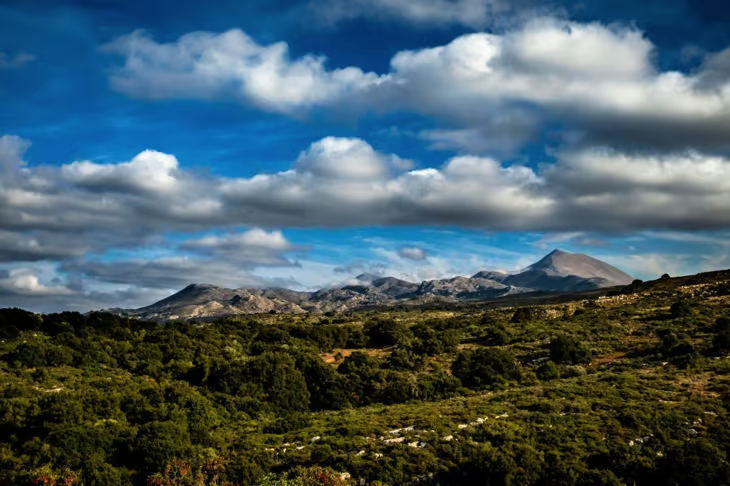
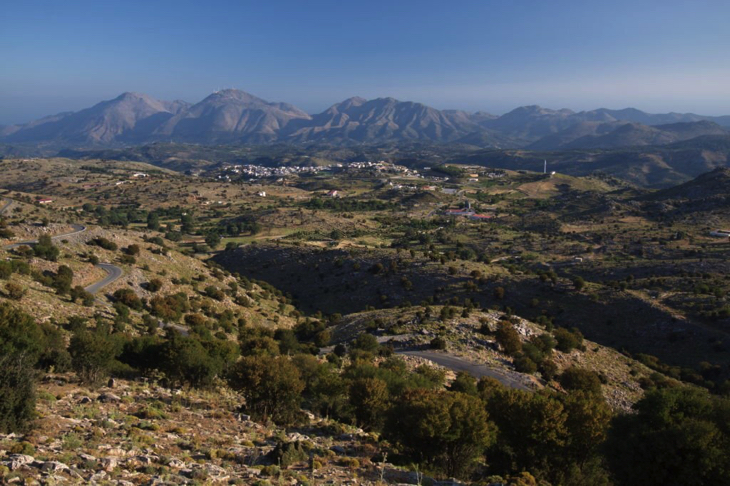
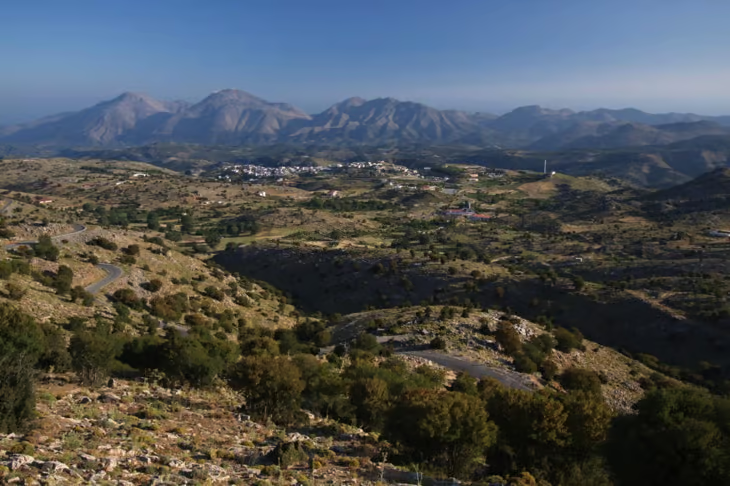
Mount Ida is the highest mountain in Crete at 2,456 meters (8,058 feet). The massif that includes the summit is called Psiloritis, and the mountain is also written as Idi, Idha, or Ita. It rises above the Rethymno region and has the highest topographic prominence of any peak in Greece. The whole massif belongs to the Psiloritis UNESCO Global Geopark.
What is the history and mythology of Mount Ida (Psiloritis)?
Mount Ida was a sacred mountain to the goddess Rhea, the mother of Zeus. Rhea brought the infant Zeus to Crete and hid him in a cave on the mountain so that his father, Cronus, could not devour him. That cave, the Idaean Cave (Ideon Andron), is one of the most famous mythological sites on the island. The mountain takes its name from the Great Goddess, called Mitera Ida, meaning “the Idaean Mother.”
Where is Mount Ida (Psiloritis) located?
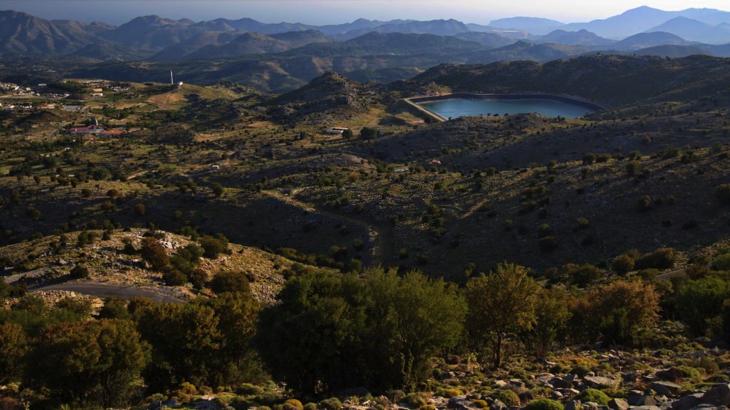
Mount Ida rises above the Rethymno region as the highest summit in Crete, at 2,456 meters (8,058 feet). Its coordinates are approximately 35°13′N 24°46′E. At the very top stands Timios Stavros, a small stone chapel built on the summit rocks.
What to know before visiting Mount Ida (Psiloritis)?
Check the weather forecast, wear proper hiking footwear, and plan a stop in Anogia before you visit Mount Ida. Weather on the summit can change quickly even in summer, so follow the forecast to hike safely. Wear hiking boots or trail-running shoes for the solid and loose rock along the route. Anogia, the mountain village on the road to the Nida Plateau, is the closest village to stop and eat before or after the hike; it is known for Cretan lyra music and traditional crafts. The Nida Plateau itself is dotted with mitata, round dry-stone shepherd huts once used during summer transhumance, and the whole area lies within the Psiloritis UNESCO Global Geopark.
What are the hiking routes for Mount Ida (Psiloritis)?
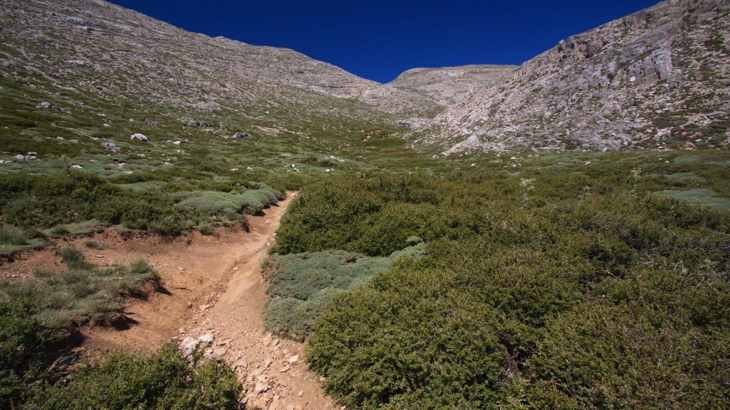
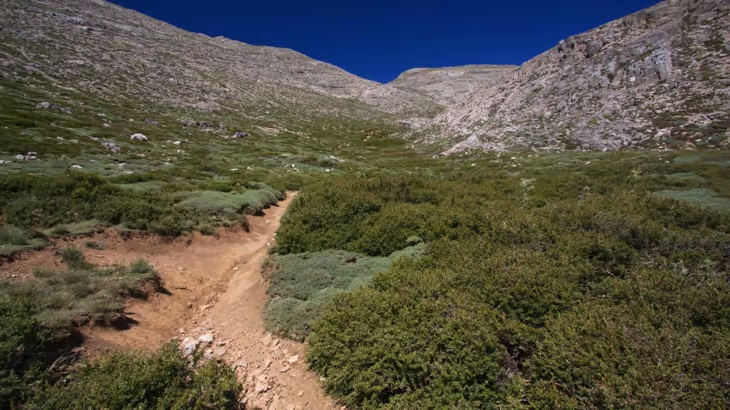
Mount Ida has several marked routes to the summit. The most popular is the E4-east route from the Nida Plateau, which gains about 950 meters of elevation and takes 3 to 4 hours to the top. Two other well-known routes are the E4-west from Fourfouras and the southern route from Kamares. From the Nida Plateau it is a short walk toward the Idaean Cave (Ideon Andron), and a small chapel, the Church of Analipsi, sits about halfway along the way.
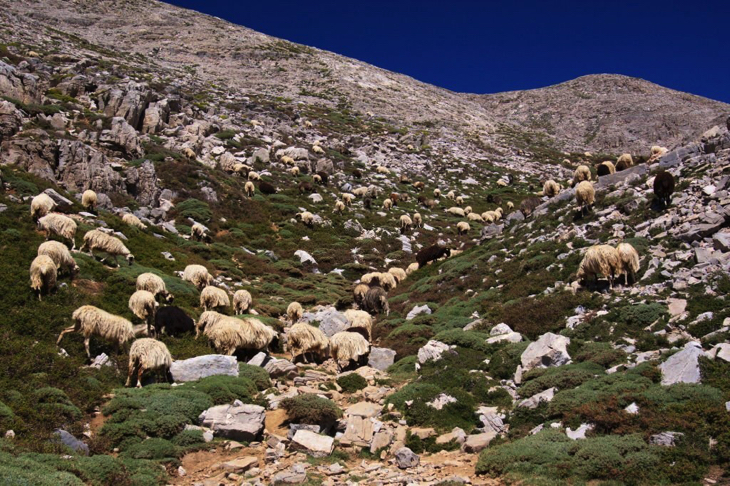
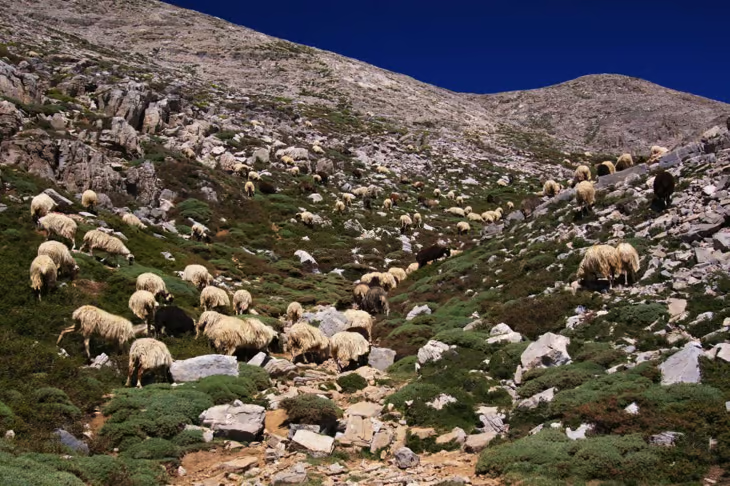
The routes are waymarked with the European E4 trail’s yellow-and-black marks and cairns, though the marking can be irregular in the rocky summit area, so carry a map and follow the cairns carefully. A basic mountain refuge, the Timios Stavros (Prinos) refuge at about 2,000 meters, offers around twenty unguarded places for hikers who bring their own sleeping bag. The E4 southern trail is the longest and most demanding option and should be attempted only by experienced hikers.

How to climb Mount Ida (Psiloritis)?
To climb Mount Ida safely, plan the route in advance, dress for the mountain, and follow the waymarks to the summit. Here are the steps for climbing Mount Ida from the Nida Plateau.
- Plan the activity: Planning prepares you for what to bring, which shoes to wear, and which route to take. Eat a good breakfast before you set off.
- Clothes: Wear long trousers to avoid getting scratched by plants and thorns, and pack a windproof layer, the summit can be cold and windy even in summer.
- Shoes: Wear hiking boots, not regular sneakers, for the solid and loose rock along the way.
- Download an offline map of Crete: Offline maps and GPS help you stay on route where the waymarking is faint.
- Choose your route: Pick the easy Nida Plateau route, or a harder and longer trail such as the E4 south.
- Follow the waymarks: Follow the E4 marks and cairns to reach the summit.
How long does it take to climb Mount Ida (Psiloritis)?
The Nida Plateau route reaches the Mount Ida summit in about 3 to 4 hours, and 5 to 6 hours for the full round trip. It is the easiest route, but it still crosses plenty of rock. From the Nida Plateau route you also pass close to the Idaean Cave. The path is marked with cairns and waymarks on rocks and poles.
Is Mount Ida safe?
Yes. Many hikers and tourists climb Mount Ida every year. It is a demanding hike because of the elevation gain, the altitude, and the lack of water on the route, so start early, carry at least two liters of water per person, and turn back if the weather closes in. With good preparation, the climb is safe for anyone in reasonable physical condition.
What is the best season for visiting Mount Ida (Psiloritis)?
The best time to hike Mount Ida is June to September, when the weather is most stable and the summit snow has cleared. High ground can stay snow-covered until late June, and the first snow can return as early as October. Summer days on Crete are sunny, so hike early to avoid the midday heat and enjoy the clear views.
How to reach Mount Ida (Psiloritis) by car
To reach Mount Ida, drive from Heraklion or Rethymno to the mountain village of Anogia, then follow the 22-kilometer winding road up to the Nida Plateau. There is a parking area at the Lakkos tou Mygerou refuge, opposite the start of the summit trail. Public transport does not serve the trailhead, so a rental car is the practical way to get there and to explore the villages and caves around the massif at your own pace.
What is the best vehicle for visiting Mount Ida (Psiloritis)?
A car with good ground clearance, such as an SUV, is the best vehicle for visiting Mount Ida. It has room for hiking gear and handles the mountain road to the Nida Plateau comfortably. The road is paved, so most vehicles can reach the plateau, but renting a car lets you explore the area without waiting for public transport.
Can you rent a car to reach Mount Ida (Psiloritis)?
Yes. Renting a car is the easiest way to reach Mount Ida and the sites around it. You can book a Crete car rental in advance or reserve online. A rental car gives you the flexibility to drive the Anogia–Nida road, visit the nearby caves and monasteries, and set your own schedule around the mountain.
What are the factors to consider before renting a car in Crete?
Check the insurance, the driver’s age, the car type, and the documents you need before renting a car in Crete. These are the main factors to consider before renting a car in Crete.
- Insurance: Rental cars should include cover such as a Collision Damage Waiver, which removes the renter’s liability for damage to the vehicle (mirrors and glass are usually excluded). Full insurance is available at a higher price, and a credit card is required as a guarantee for extra charges.
- Driver’s age: Drivers must be at least 21 years old to drive in Greece.
- Car type: Choose a vehicle with enough room for your passengers and luggage. A wide selection of manual and automatic cars is available.
- Documents needed: Prepare your driver’s license and a credit or debit card, which confirm that you are of driving age and eligible to drive in Crete.
How much does a car rental in Crete cost?
A car rental in Crete costs about €250 ($287.03, £211.88) per week, and roughly €30 ($34.44, £25.43) to €40 ($45.92, £33.90) for a day-and-night trip. That price gets you a car with unlimited mileage, four doors, and air-conditioning, suitable for 3 to 4 passengers with room for luggage. Return the car with the same amount of fuel it had at pickup.
What is the contribution of Mount Ida (Psiloritis) to Crete tourism?
Mount Ida draws many visitors to Crete each year as the island’s highest mountain. Hikers come to reach the summit for its wide views, and the mountain’s mythological stories about Zeus and the Idaean Cave add to its appeal. From the top, on a clear day, the 360° view takes in both the Aegean Sea to the north and the Libyan Sea to the south, with the island of Gavdos, the southernmost point of Europe, and occasionally Santorini on the horizon.
What are the nearest places to Mount Ida (Psiloritis)?
Around Mount Ida there are several places worth visiting in the Rethymno region, from caves and monasteries to villages and beaches. These are the nearest places to Mount Ida.
- Idaean Cave (Ideon Andron): The nearest attraction, an ancient cave sanctuary linked to the myth of Zeus.
- Monastery of Arkadi: An Eastern Orthodox monastery on the north side of the massif and one of the most important monuments in Crete.
- Melidoni Cave: A large cave with a striking main hall and a long history.
What are the movies about Mount Ida (Psiloritis)?
There are no feature films set on Mount Ida, but the mountain appears in documentaries and specialist films. These are two examples.
- Frozen Ambrosia: A ski film by Constantine Papanicolaou, shot on Mount Ida in the snow.
- Crete: Myths of Ideon Cave: A documentary based on the myth of Zeus being born and raised on the mountain, showing the archaeological site.
Is Mount Ida (Psiloritis) a UNESCO World Heritage Site?
No, Mount Ida (Psiloritis) is not a UNESCO World Heritage Site. It is a natural park and a member of the UNESCO Global Geoparks Network, which recognises the geological and natural importance of the massif.
Frequently asked questions about Mount Ida (Psiloritis)
How tall is Psiloritis?
Mount Ida (Psiloritis) is 2,456 meters (8,058 feet) tall, the highest mountain in Crete.
Can you climb Psiloritis?
Yes. The most popular route starts from the Nida Plateau and takes about 3 to 4 hours to the summit, or 5 to 6 hours round trip.
What is the most famous hike in Crete?
The climb to the summit of Mount Ida from the Nida Plateau is Crete’s most famous high-mountain hike.
What is the best way to reach Mount Ida?
Drive from Heraklion or Rethymno to Anogia, then take the 22-kilometer road to the Nida Plateau, where the summit trail begins.