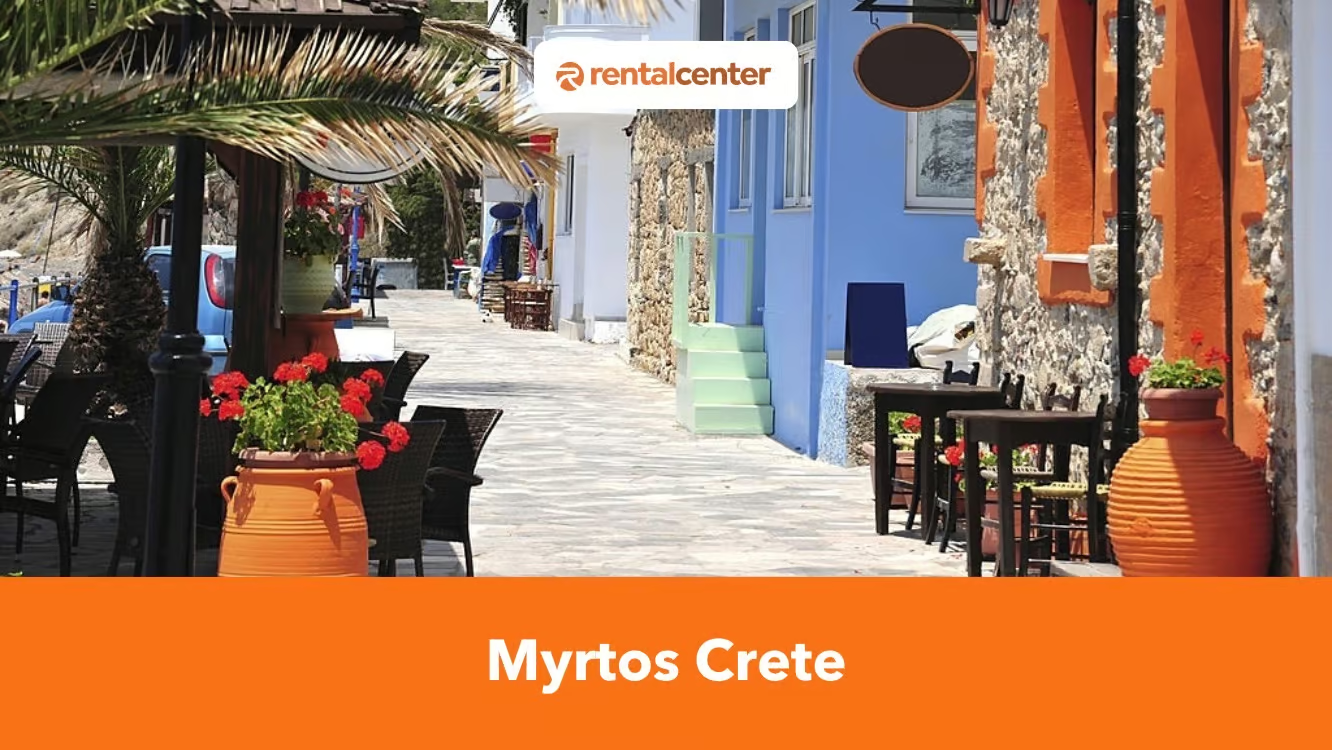
Myrtos is a town on the southern coast of Crete, known for its semiarid climate. It is an ideal destination for summer visitors, especially between May and October. Myrtos is a popular destination for a range of activities, including beachgoing, hiking and sightseeing. Myrtos is located 13 kilometers (8 miles) west of Ierapetra and 51 kilometers (32 miles) southwest of Agios Nikolaos. Myrtos Beach is located right in the village but visitors can also visit the nearby beaches including Tertsa Beach, Voulisma Beach, Koutsounari Long Beach and Agios Panteleimonas Beach. Read article
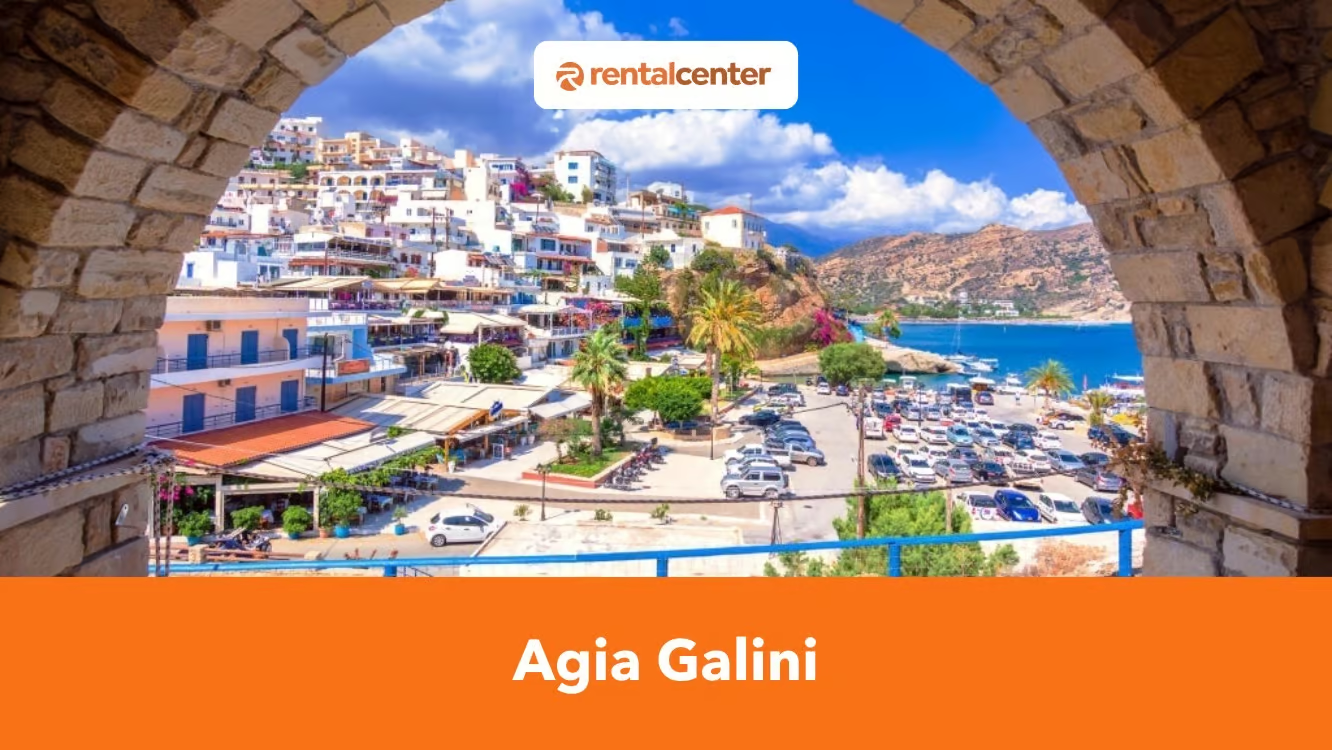
Agia Galini, located on the southern coast of Crete, is known for its beautiful beaches, rich history, and convenient car rental options. The town features a semiarid climate, making it an ideal destination year-round, especially from May to October. Beachgoers can enjoy the fine pebbles and amenities at Agia Galini Beach, with sunbeds and umbrellas available for €8 ($8, £6) per day. Nearby Preveli Beach, known for its palm forest and the Kourtaliotiko River, offers a landscape, though visitors must bring their own beach gear and pay €2 ($2, £2) for parking. Travelers are encouraged to rent a car to fully explore Agia Galini and its surroundings. Renting a medium-sized car, such as a Renault Kadjar, ensures comfort and efficiency. Car rentals in the area typically cost €57 ($63, £49) per day, varying by vehicle type and rental duration. Smaller cars like economy models range from €52 ($57, £45) to €54 ($60, £47) per day, while compact cars average €68 ($75, £59). For larger groups, medium-sized cars are available at an average of €41 ($45, £35) per day. Agia Galini offers attractions such as the Gortyna Archaeological Site, the Minoan Palace of Phaistos, and the Kourtaliotiko Gorge. Read article
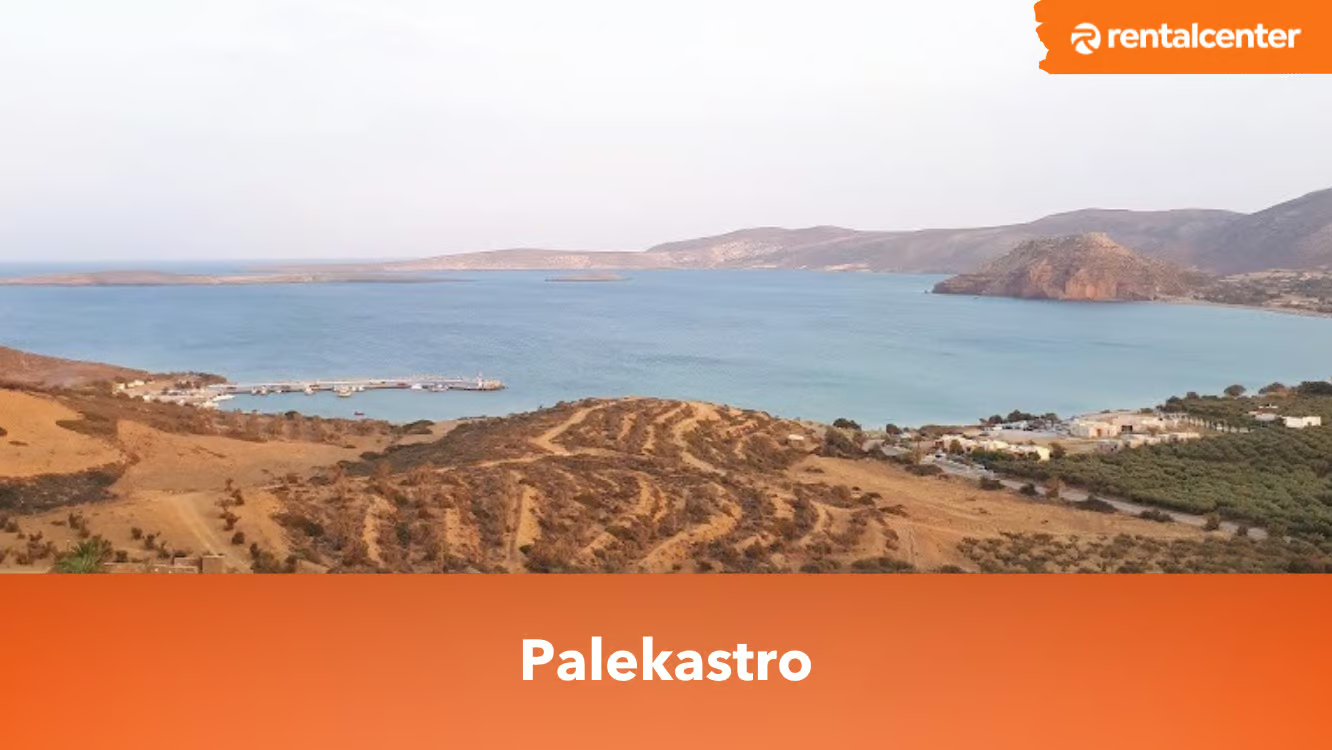
Palekastro is located at Crete's eastern end, and holds a history by Venetian influence. The town's name, derived from "old fort". Hiking trails in and around Palekastro cater to different skill levels. For travelers, a medium-sized rental car from car rental crete is recommended, offering comfort and efficiency for exploring both urban settings and scenic routes around Crete. Popular routes include the Golden Beach and Grove loop and the more challenging Cyclamen Gorge. A tour in Palekastro and its surroundings is best done with a rental car, providing the flexibility to navigate both urban areas and routes. Palekastro is 16.8 kilometers (10.4 miles from Sitia, or Heraklion International Airport, 140.4 kilometers (87 miles). Palekastro's Mediterranean climate features warm summers and cool winters, so pack light, breathable clothing and sturdy hiking shoes. Entry fees for key attractions include €4 ($4.50, £3.60) for Moni Toplou and €2 ($2.25, £1.80) for the Archaeological Site of Roussolakkos. Car rentals in Crete range from €18 ($22, £16) to €30 ($37, £26) per day, ensuring an affordable and comprehensive travel experience. Read article
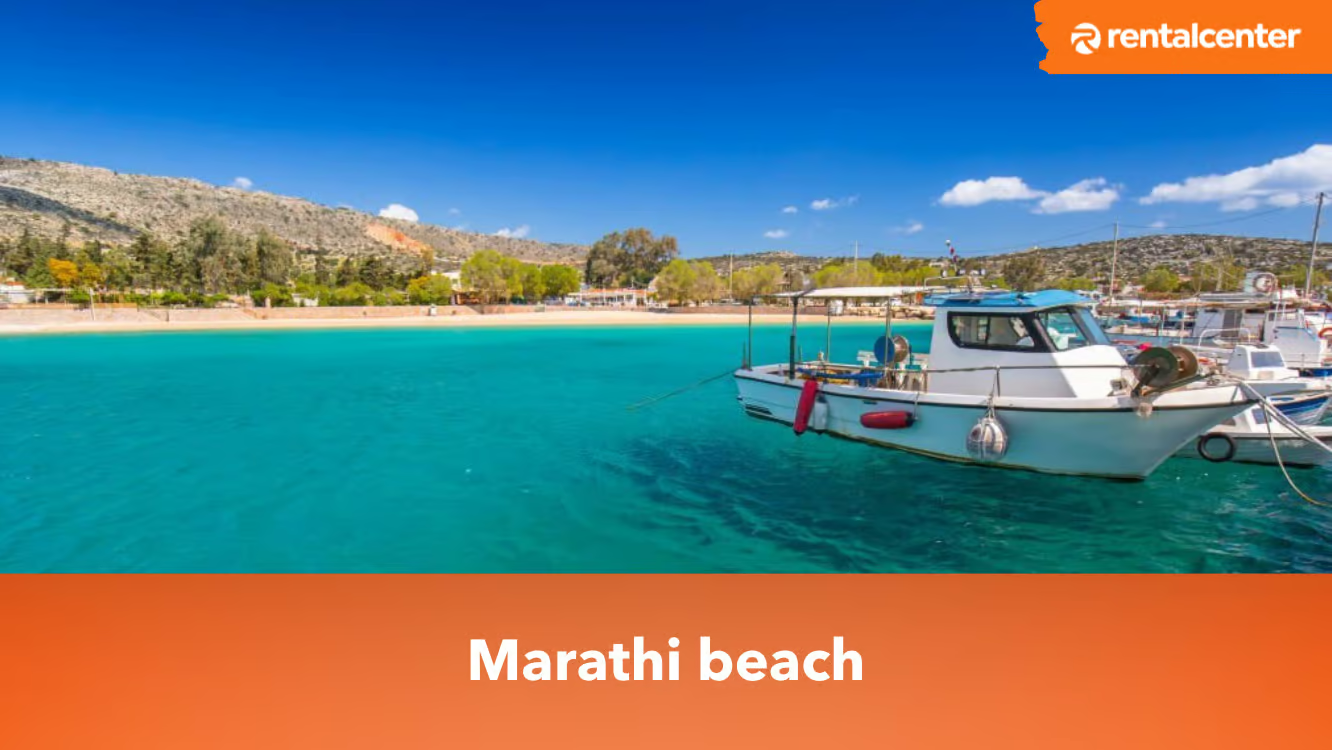
Marathi Beach is a breathtaking beach located on the island of Crete in Greece. The natives in the area refer to it as "Marathi" or "Old Souda". The purpose of Marathi beach is to provide visitors with a place to relax, swim, sunbathe, and enjoy the natural surroundings. It is known for its breathtaking views and scenic beauty. The climate in Crete is Mediterranean, with warm summers and mild winters. Crystal clear waters, white sandy beaches, and rocky cliffs characterise the geography of Marathi beach. Marathi beach is prominent for the economy as it is a popular tourist destination. And many local businesses, such as restaurants, cafes, and shops, depend on tourism for their livelihoods. The beach stretches on the coast of Crete island; within the confines of the inhabited area, it is easy to reach the location in question. It is easily accessible and therefore popular among travellers. During the peak tourist season, it is an annoyance because of the many visitors there. In case the stay is close to the beach, walking is the way to reach it. It eliminates the need for finding parking or adhering to the public transport schedule.
What is Marathi Beach?
Marathi Beach is known for its crystal clear waters, beautiful scenery, and proximity to the small traditional village of Marathi. It is situated in the Chania region, on the island's north-western coast. Marathi beach is a long, comprehensive, sandy beach surrounded by cliffs that form natural protection. The sea is usually calm and crystal clear and is ideal for swimming, sunbathing, and water sports. The beach is known for its water sports and other recreational activities. The beach has good infrastructure, with many sunbeds, umbrellas, showers, and toilets. There are a few traditional taverns, cafes and mini-markets. The name Marathi is of unknown origin and history. The beach is situated near the small traditional village of Marathi, which has been named after the beach, or vice versa. The town of Marathi is located on a hillside overlooking the beach. It is a peaceful and charming place with a few permanent residents, traditional taverns, and a small church. Marathi beach is a popular tourist destination due to its natural beauty and proximity to the village of Marathi. Crete's economy, and Greece's economy as a whole, is significantly boosted by the country's robust tourism sector. The revenue generated by tourism in Crete and the surrounding region helps to support local businesses, create jobs, and drive economic growth.
Where is Marathi Beach located?
Marathi Beach is located on the southeastern shore of the Akrotiri peninsula in Crete, approximately 17 km (10.5 miles) east of Chania city, overlooking the Souda bay. Marathi Beach is about 0.1 kilometers away from the heart of the Marathi settlement. The GPS coordinates of Marathi Beach are 35.4339° N and 23.7381° E.
The beach is easily accessible from nearby urban areas and offers beautiful views of the surrounding landscape, close to Loutraki Beach, another popular beach in the area.
How does the Marathi Beach Map look?
Find below an image map of Marathi Beach.
What are the activities in Marathi Beach?
There are a variety of activities on Marathi Beach, including swimming, snorkelling, and hiking. It features crystal clear waters, making it ideal for swimming. The water is relatively shallow, making it perfect for children. The beach is protected from strong winds and waves, making it a safe swimming spot. It is surrounded by a rich underwater ecosystem, making it an ideal place for snorkelling. The shallow waters and clear visibility make it easy to spot marine life, including fish, octopuses, and sea urchins. The area around Marathi beach offers several hiking trails, which take visitors through the nearby hills and mountains. These trails offer stunning views of the coast and the surrounding countryside. Provide an opportunity to explore the natural beauty of the island of Crete. Several camping sites near Marathi Beach where visitors pitch a tent and enjoy the natural surroundings. Some camping sites offer basic amenities like toilets and showers, while others are more rustic, providing a more authentic outdoor experience.
When is the best time to visit Marathi Beach?
The best time to visit Marathi Beach depends on your preferences. June, July, and August offer warm, sunny weather and the highest water temperatures, ideal for swimming, snorkeling, and sunbathing, but the beach is crowded. For a quieter experience, the shoulder seasons of Spring (April-May) and Fall (September-October) are ideal, with pleasant weather and fewer crowds. These months are also better for cooler, more comfortable hiking. Crete's weather is mild year-round, making Marathi Beach a worthwhile destination even in the colder months for a peaceful visit. Activities include beach volleyball, soccer, scuba diving, windsurfing, kitesurfing, and boat trips.
How to get to Marathi Beach?
Traveling from Heraklion to Marathi Beach by car is most convenient, covering 146.6 km in about 2 hours and 16 minutes. Renting a car allows for flexible exploration.
There's no direct bus from Heraklion to Marathi Beach. You can take a KTEL bus from Heraklion to Chania, then a local bus to Marathi Beach. In summer, the "Chania—Loutraki—Marathi" route operates from Chania Bus Station to Marathi Beach. This option is slower and involves waiting between connections. Alternatively, a more expensive taxi offers direct service from Heraklion Airport to Marathi Beach.
How far is Chania from Marathi beach?
The distance between Chania and Marathi Beach is approximately 17 km (10.5 miles). The road distance is slightly shorter, at about 16.3 km. It takes about 27 minutes to travel from Chania to Marathi Beach by car. For those using public transportation, local KTEL buses travel between Chania and Marathi Beach. Taxis are also available, with the cost from Chania to Marathi Beach being around 23€.
What are nearby attractions in Marathi Beach?
Nearby attractions to Marathi Beach include The Monastery of Arkadi, Preveli Beach, The Rethymnon Old Town, The Spili village, The Eleftherna archaeological site, and Elafonissi Beach. Some of these include the list below:
- Arkadi Monastery: The Arkadi Monastery is a historic monastery about 10 km from Marathi Beach. It is known for its role in the Cretan resistance against the Ottoman Empire. Arkadi Monastery is considered one of the most important monasteries in Crete.
- Preveli Beach: it is a beautiful palm-lined beach about 15 km from Marathi Beach. It is a popular spot for swimming and sunbathing and offers excellent views of the Libyan Sea.
- The Rethymnon Old Town: Rethymnon Old Town is the historic centre of the city of Rethymnon, about 25 km from Marathi Beach. It is known for its Venetian architecture, charming narrow streets, and picturesque Venetian harbour.
- Spili village: The Spili village is a traditional mountain village about 25 km from Marathi Beach. It is known for its charming stone houses, water fountains, and it's the beautiful Byzantine church.
- Eleftherna Ancient city: The Eleftherna Ancient city is an important archaeological site about 30 km from Marathi Beach. It is known for its well-pristine Roman and ancient Greek remains, including a Roman theatre and an old cemetery.
- Elafonissi Beach: Elafonissi Beach is a stunning beach about 50 km from Marathi Beach, known for its crystal clear turquoise waters and pink sand.
What are the factors to consider before renting a car in Crete?
Crete is a beautiful Greek island with a rich culture and a long history that everyone sees at least once. There are many ways to see the beautiful island, but renting a car is one of the best. Learning how to choose the best rental car in Crete maximises one's time spent enjoying the island's wonderful tourist attractions.
Listed below are the factors to consider before renting a car in Crete.
- Insurance. Collision Damage Waiver insurance is included in car rentals in Crete, and a driver's credit card is needed as a guarantee. When someone rents a car, rental car insurance protects them against the cost of damage.
- Driver’s age. On Crete, the minimum driving age is between 18 years old. A driver's licence is required.
- Driver’s gender. In Crete, both sexes have equal access to driving privileges. As long as they are at least 18 years old, drivers of any gender are allowed on the roads of Crete.
- Car type. The number of passengers determines the type of vehicle needed for transportation on Crete. Taking the whole family on the road trip, needs a vehicle with more room. While driving on the island of Crete, it is recommended to use a more compact vehicle. The primary cause of this is the limited width of Greek roadways. These days, spot a lot of noticeably smaller cars driving about.
- Documents needed for renting a car. Driver's licence is the sole paperwork required to rent a vehicle. A credit or debit card in the driver's name must be shown, though. It is one of the prerequisites for renting a car in Crete.
How much does a car rental in Crete cost?
Many stunning tourist destinations on the island of Crete are accessible by rented automobile. The cost of a Crete car rental varies with the number of passengers, travel plans, kind of vehicle, location, and time frame. In Crete, hiring a car typically costs between €30 and €40 per day. A week's worth of car rental often costs €250, whereas a weekend rental typically costs €78. Depending on the vehicle, Crete offers a range of affordable car rentals.
How much does it cost to get to Marathi Beach?
There is no entrance fee to enter Marathi Beach. To reach the beach, tickets for public transportation cost between €1 to €3 and take around 25 minutes from Chania town. A taxi ride to the beach costs between €20 to €30, depending on the company and time of day. There is a nearby car park that costs €3 per day.
Where to stay near Marathi Beach?
Several hotels near Marathi Beach offer comfortable accommodations for visitors. Here are three options:
- Marathi Apartments: Marathi Apartments is a practical and convenient establishment, provides air-conditioned rooms in Marathi. This beachfront property offers direct access to a balcony, free private parking, and complimentary Wifi. It features a picnic area, a barbecue spot, and breathtaking views of the mountain and garden. Each apartment is equipped with a terrace, sea views, a seating area, a flat-screen TV, a fully-fitted kitchen, and a private bathroom. Moreover, every unit at the apartment complex has bed linen and towels. There's also an on-site coffee shop. Activities like cycling can be enjoyed around Marathi. The Holy Monastery of Agia Triada is 8 km away, while Chania International Airport is a short 4 km drive from Marathi Apartments.
- Marathi Panorama Rooms: Marathi Panorama Rooms, nestled in the Marathi Village of Crete, offer a tranquil garden and apartments that provide captivating Cretan Sea views. It's situated just 300 m from the beach and a similar distance from local restaurants and cafes. Each apartment features marble floors, a kitchenette, and a TV, complemented by a bathroom equipped with a shower. The bustling Chania Town is 9.3 miles away from Panorama. Chania International Airport is conveniently located 2.5 miles away. The location has been particularly praised by families, with a high rating of 9.5 for family stays.
- Psamathi Living & Taste: Psamathi Living & Taste is a charming accommodation option in Marathi, offers a peaceful garden. This beachfront property provides access to a terrace, free private parking, and complimentary Wifi. The apartments boast a balcony, air conditioning, a flat-screen TV, and a private bathroom. Each unit is fitted with bed linen and towels. An à la carte or a continental breakfast can be enjoyed at Psamathi Living & Taste, which also features an on-site restaurant, coffee shop, and bar for guests' convenience.
Where to eat near Marathi Beach?
Several great restaurants in and around Marathi Beach offer delicious food and a great atmosphere. Here are three options:
- Patrelantonis Fish Taverna: Patrelantonis Fish Taverna, a family-run restaurant nestled in the small village of Marathi on the north coast of Crete, has been serving patrons for over 40 years. Known for its fresh seafood and traditional Cretan cuisine, this rustic eatery boasts a charming garden overlooking the sea. The ambiance is relaxed, informal, and inviting, while the menu features a wide range of fresh seafood dishes, such as grilled fish, seafood pasta, and risotto. Traditional Cretan dishes, like dakos salad, gamopilafo, and kalitsounia, are also on offer. With excellent food, friendly service, and a relaxed atmosphere, Patrelantonis Fish Taverna comes highly recommended for anyone visiting Crete.
- Veranda Coffee & Food by the Beach: Veranda Coffee & Food by the Beach, a casual eatery in the seaside village of Marathi, offers a diverse menu for breakfast, lunch, and dinner. Set on a large terrace with stunning views of the Aegean Sea, this restaurant provides a bright and airy dining experience. The friendly staff and relaxed atmosphere complement the varied menu featuring breakfast items like pancakes and eggs Benedict, lunch offerings such as salads and sandwiches, and dinner dishes including fish, pasta, and steak. A wide selection of beverages is also available. Veranda Coffee & Food by the Beach is an excellent choice for a delicious meal in a relaxing seaside setting.
- Loukoulos: Loukoulos, a traditional Cretan taverna in Marathi, has been delighting diners with fresh seafood and Cretan cuisine for over 30 years. Set in a beautiful garden with sea views, the restaurant's interior is simple and rustic, featuring wooden furniture and a large fireplace. The menu offers a variety of fresh seafood dishes and traditional Cretan fare, such as dakos salad, gamopilafo, and kalitsounia. Known for its excellent food, friendly service, and relaxed atmosphere, Loukoulos is another highly recommended option for anyone visiting Marathi.
Is Marathi Beach worth visiting?
Yes, Marathi Beach is worth visiting. The spotless waters and perfect scenery at Marathi Beach, on the northern coast of Crete, have earned it a reputation as one of the best beaches in Crete. Because the Beach is encircled by verdant vegetation and provides a peaceful atmosphere, it is an excellent location for unwinding and taking in Crete's natural beauty. The Beach is available for guests to use, sunbathe, and explore the nearby hiking trails and traditional villages. The Beach is home to several different watermarks, including kayaking and snorkelling. In addition, there are many fantastic restaurants and hotels in the area, providing guests with a diverse selection of options.
Is Marathi Beach safe?
Marathi Beach is considered safe, with clean, clear water suitable for swimming and lifeguards on duty during summer. The beach facilities, including toilets and showers, are well-maintained. The surrounding area is safe for exploring. However, it's important to stay aware of your surroundings, keep an eye on belongings, watch for potential hazards like strong currents or underwater obstacles, and follow lifeguard instructions.
Do you need to book in advance to visit Marathi Beach?
No advance booking is necessary to visit Marathi Beach. It’s a public beach, open to everyone. During peak season, the beach can get crowded, so checking the weather forecast and planning accordingly is advised. If you plan to stay overnight at nearby hotels or restaurants, booking in advance is recommended, as these places fill up quickly during peak times.
Are children permitted at the Marathi Beach?
Children are permitted at Marathi Beach, which is family-friendly and open to all ages. The beach offers safe swimming, snorkeling, and kayaking for children, with facilities like toilets and showers available. Nearby hotels and restaurants cater to families. Parents should supervise children and be mindful of potential hazards like strong currents or underwater obstacles. Read article
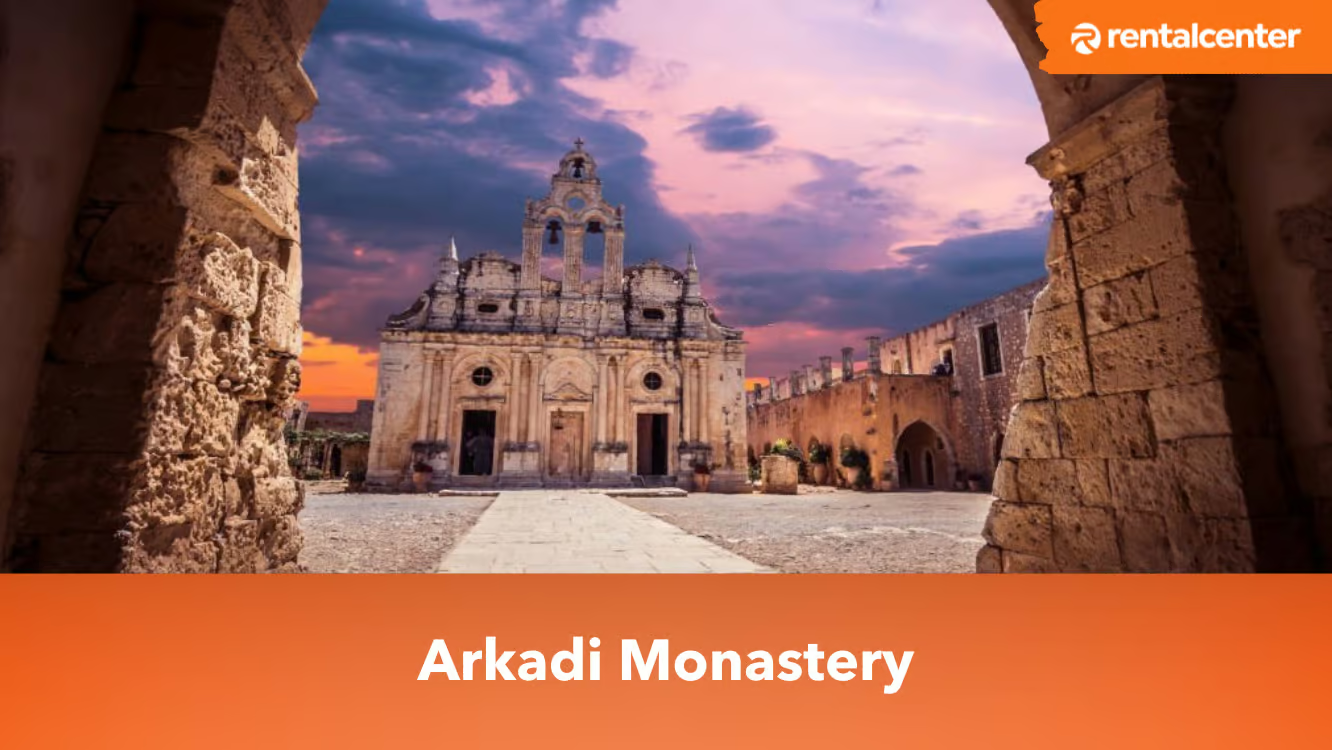
Arkadi Monastery is an eastern orthodox monastery located in the southeast of Rethymnon on Crete island, Greece. Arkadi played an important part in the history of Cretan resistance to Ottoman rule during the Cretan revolt of 1866. It became a national sanctuary in honour of the Cretan resistance. According to beliefs, Arkadi Monastery have been founded by a monk named Arcadius. It lies on a rectangular, lush plateau on the northwest side of Mount Ida. The plateau is surrounded by hills, and on the west side, the plateau stops suddenly and falls off into gorges. The place where the monastery is located was first developed in ancient times. What makes it attractive is the presence of Mount Ida, known to Greeks as the childhood home of Zeus. Read article
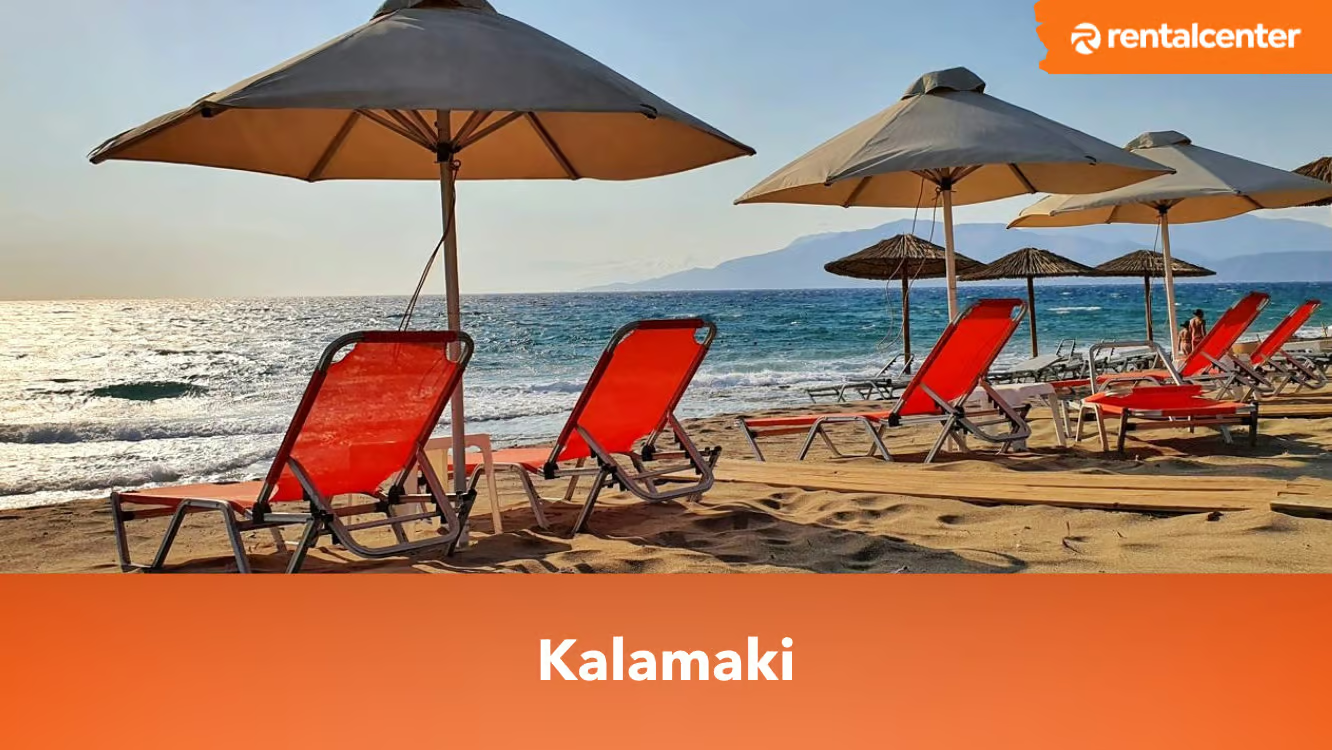
Kalamaki Beach is a sandy beach located in the seaside village of Kalamaki on the southern coast of Crete, Greece. The beach stretches for 2.5 kilometres (1.55 miles) and is part of the larger Messara Bay. Kalamaki Beach features fine golden sand, though the seabed has some flat, slippery rocks. The beach is well-organised near the village, with sunbeds, umbrellas, taverns, lifeguards, a playground, and water sports facilities available. Kalamaki village is relatively new, with development starting in the 1970s. Before then, no settlement existed in that location. The area surrounding Kalamaki Beach dates back to ancient times, with the Minoan port of Kommos located nearby, but Kalamaki as a tourist resort has a much more recent history, catering to visitors seeking a quieter destination in southern Crete. Read article
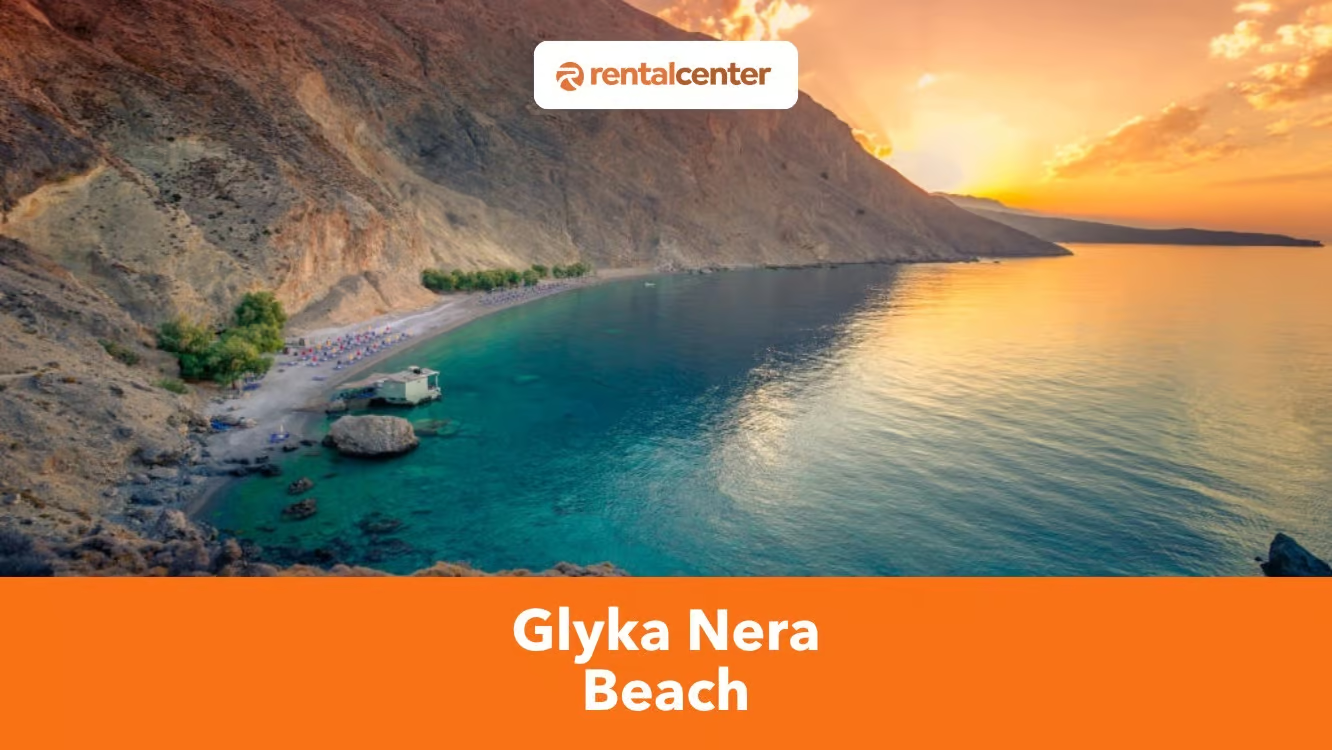
Glyka Nera Beach, often called SweetWater, is a distinctive beach on the island of Crete, Greece. It is famous for its deep blue waters, white pebbles, and dramatic cliffs, some reaching heights of 500 meters (0.3 miles). Visitors can access Glyka Nera via several boat tours primarily departing from Chora Sfakion or through guided hikes along the scenic coastal trails. The climate at Glyka Nera Beach is Mediterranean, characterized by hot, dry summers and mild, wet winters. Glyka Nera is surrounded by high cliffs and accessed either by sea or through rugged hiking trails. This beach was recognized internationally in 2003 when it was ranked among Europe's top 20 beaches by The Times of London. Glyka Nera Beach attracts numerous tourists who are drawn to its unspoiled natural beauty and the opportunity for adventure, with activities like hiking, snorkeling, and camping. The preservation efforts are supported by managed tourist facilities and the involvement of local communities in maintaining its cleanliness and natural beauty. Read article
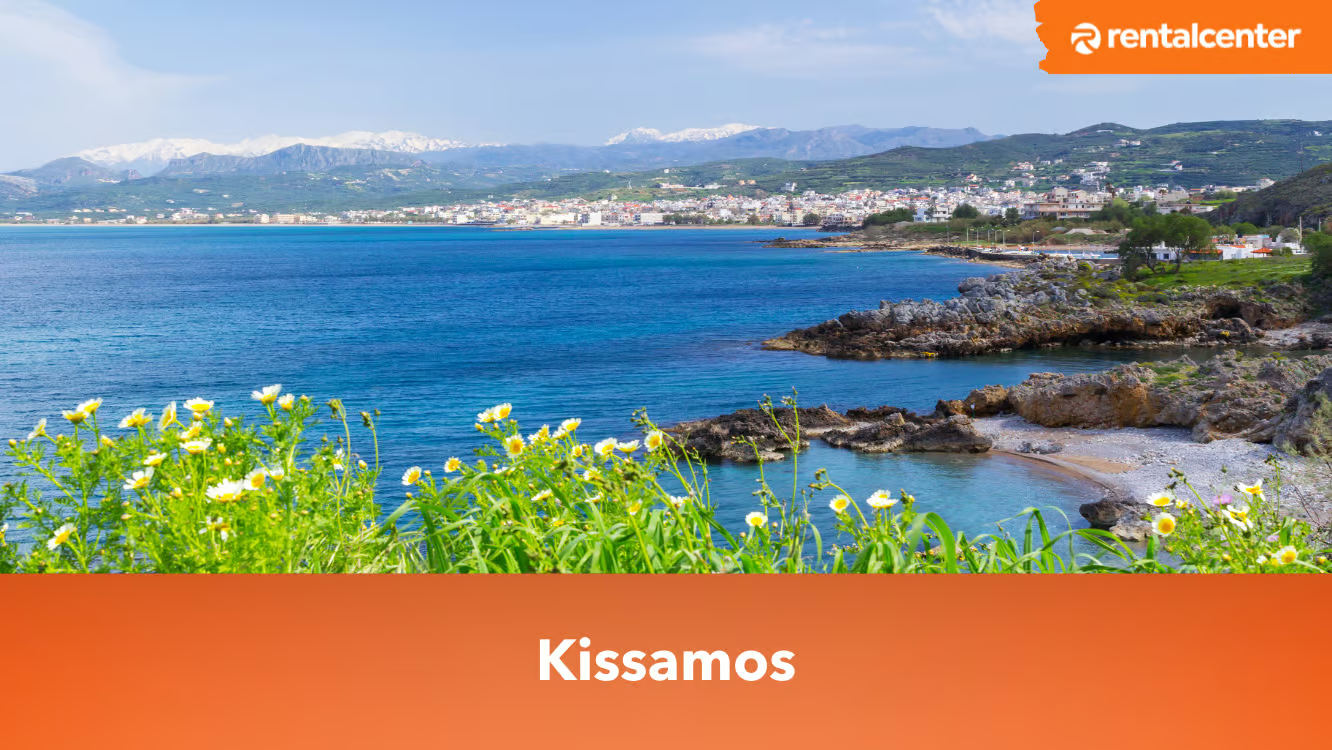
Kissamos, located on the western coast of Crete, Greece, offers a blend of natural beauty, historical richness, and Cretan culture. The Kissamos Archaeological Museum is a cultural landmark, inviting visitors to explore artifacts narrating the area's history from the Neolithic to the Roman era. Not far, the Kastelli-Kissamos Fortress, remnants of Venetian and Genoese architecture, offers a glimpse into the town's strategic military past. Another gem, the Church of Agia Marina, with its Byzantine frescoes, is a testament to the region's spiritual heritage. Kissamos's appeal extends to its accessible location, providing an ideal base for exploring western Crete's natural and historical sites. Transportation options with car rental services offer a convenient way to traverse the landscapes and visit remote beaches and archaeological sites. For those relying on public transport, regular bus services connect Kissamos to significant towns, including Chania and Heraklion. Kissamos also features modest nightlife options, offering cozy bars and cafes for relaxing evenings. For shopping lovers, local markets and specialty shops offer everything from fresh produce to handmade crafts, reflecting the town's rich agricultural and artistic traditions. Read article
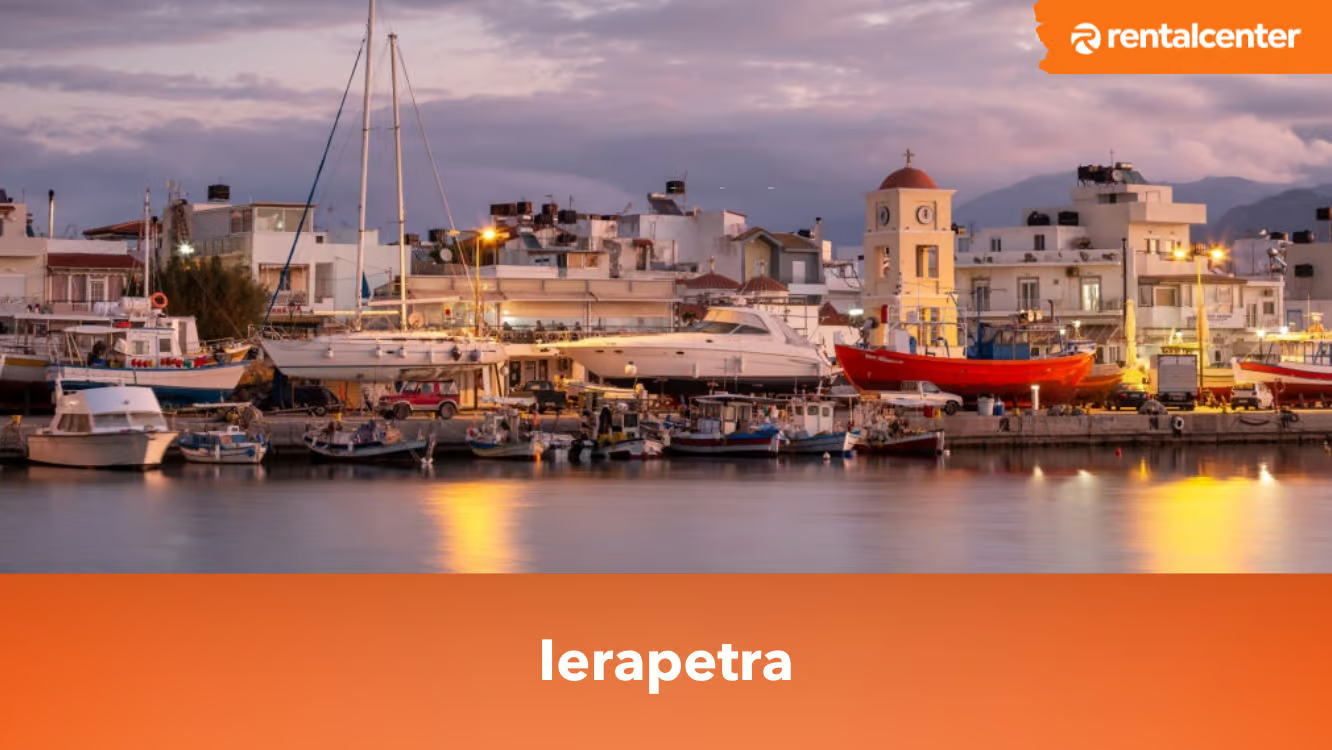
Ierapetra has traditionally been a significant island center, advantageously positioned and endowed with favourable natural conditions. It has developed into the biggest town in south Crete and a significant travel hub. This is a great place to visit, especially if you are looking for a town that is livelier than Agios Nikolaos or Sitia. Read article
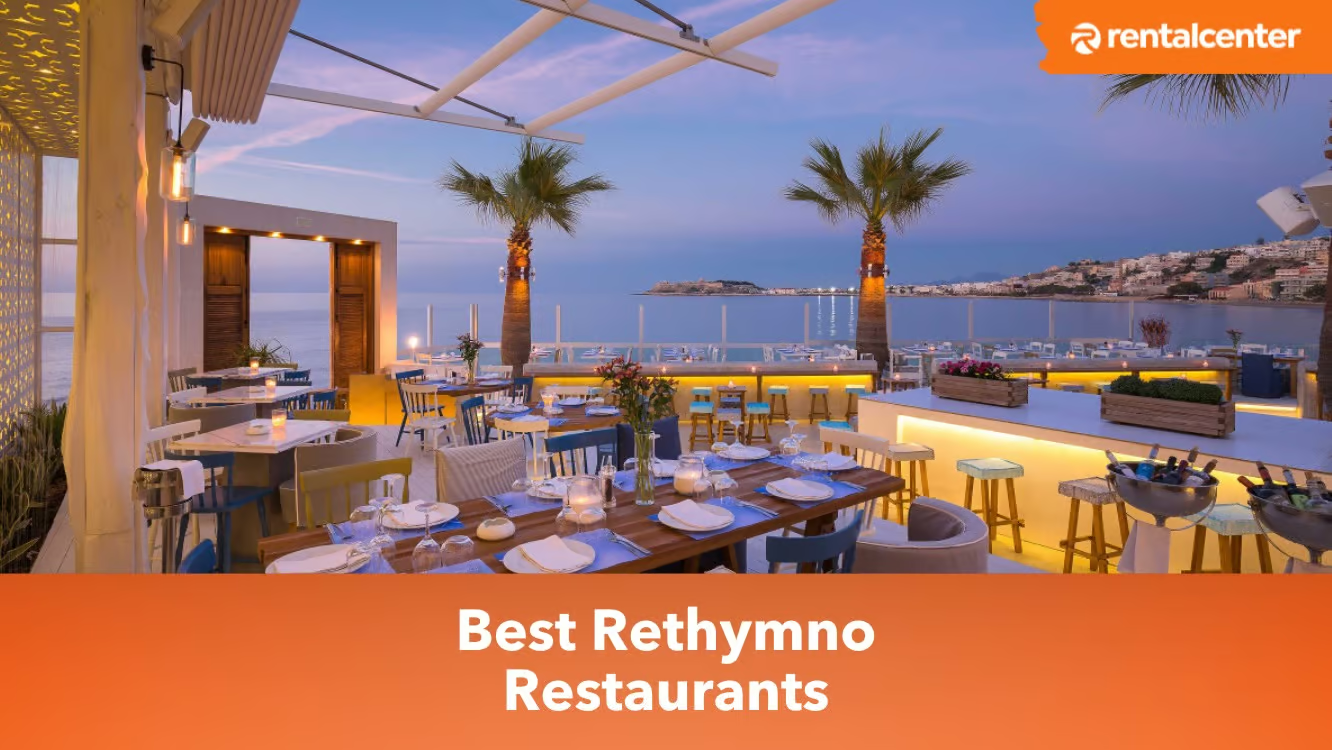
The best restaurants in Rethymno capture the diverse culinary scene of Rethymno, a city known for its rich history, beautiful beaches and charming Old Town. The city offers various restaurants that cater to different tastes. Notable examples include Lemonokipos, known for traditional Greek dishes and vegetarian options and CAVO, a beachfront restaurant specialising in Greek and Mediterranean cuisine with an emphasis on fresh seafood. Another top restaurant is Avli, which merges modern and traditional Cretan cuisine using locally sourced ingredients. Rethymno is renowned for its Venetian Harbor and Fortezza fortress, iconic landmarks reflecting the city's Venetian heritage. The Old Town, with its mediaeval quarter, narrow alleys, Venetian buildings and Ottoman-era influences, is a place of interest. Tourists also enjoy Rethymno's beautiful beaches and vibrant student life courtesy of the University of Crete. The city's raki production, a traditional grape-based alcoholic drink, adds to its cultural richness. Read article
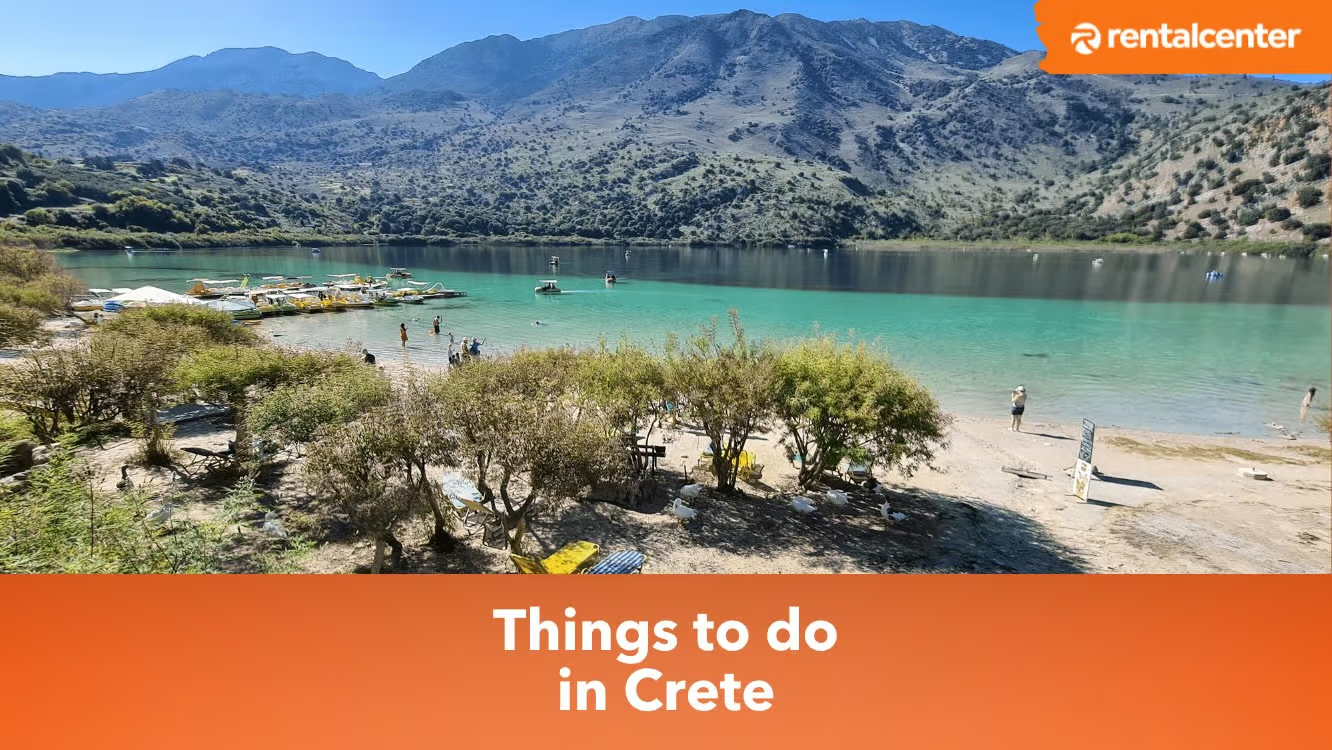
Crete, Greece's enchanting island jewel, provides a variety of things to do that appeal to a wide range of interests and passions. The alternatives for things to do in Crete are almost limitless. Crete entices explorers, history buffs, nature lovers, and foodies alike, with ancient ruins that whisper stories of a rich past and blue seas of magnificent beaches. The fascinating resort has some top things to do in Crete, combining classic charm and contemporary vitality. Crete offers a unique vacation that captures the spirit of Greek culture, hospitality, and natural beauty, whether meandering through charming neighbourhoods, diving into historical treasures, savouring excellent Mediterranean food, or going on daring outdoor exploits. Read article
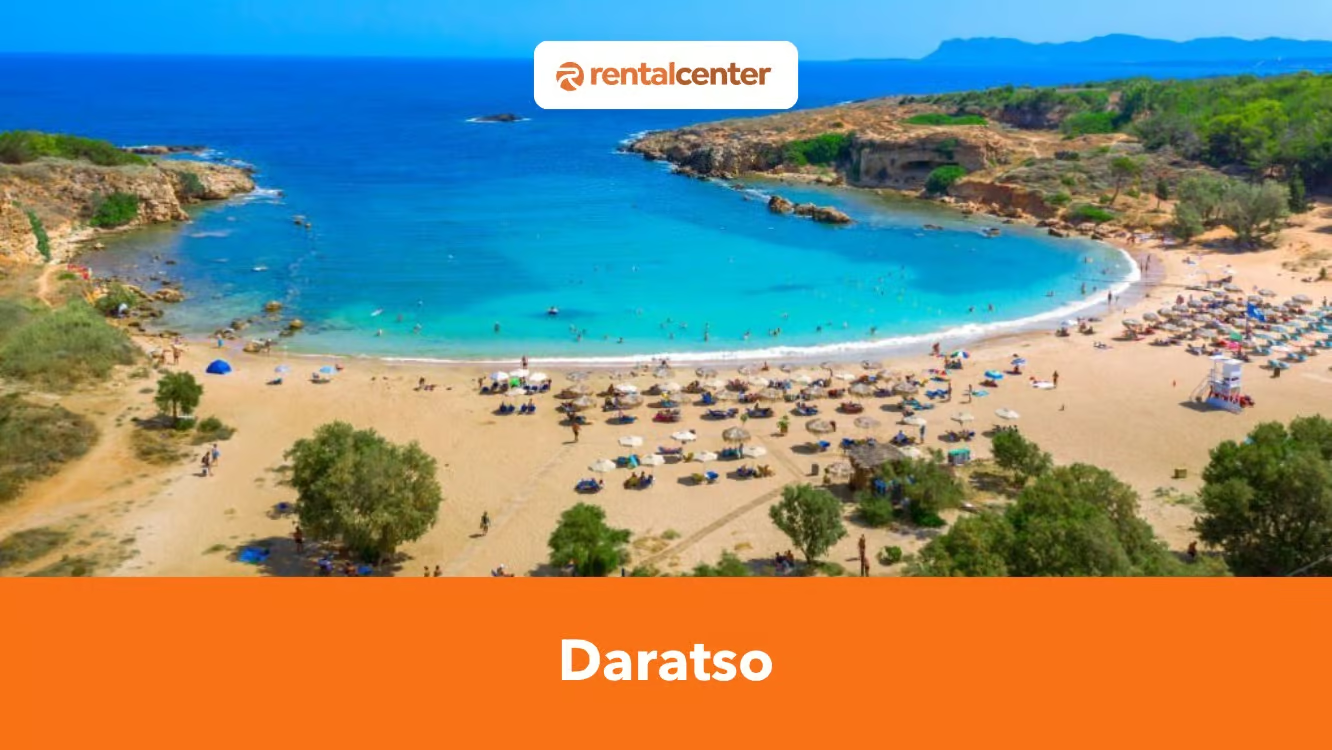
Daratso is a tourist resort located on the northwest coast of Crete. It consists of two parts - upper Daratso on a hill and lower Daratso stretching along the seashore. The name Daratso comes from the Greek word for forest, the area that used to be covered in dense woods. The weather in Daratso features hot, dry summers and mild winters typical of the Mediterranean climate. Read article
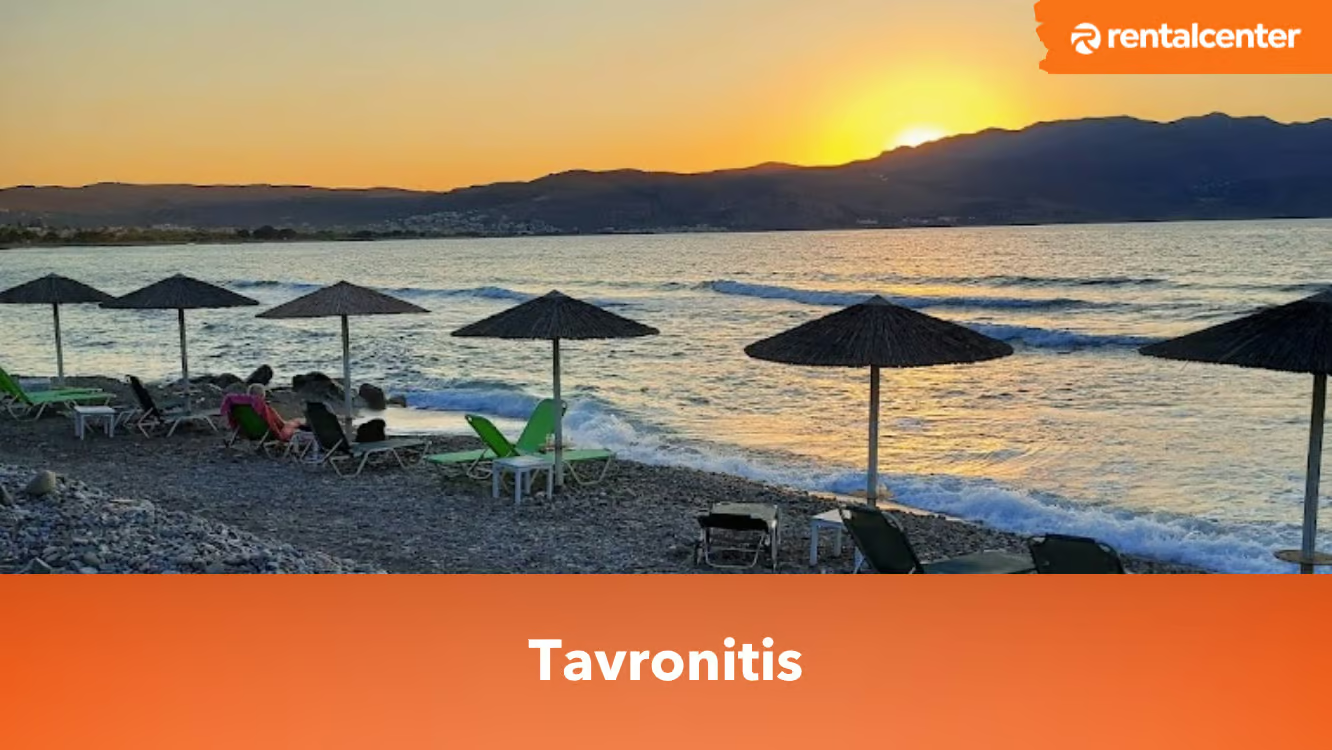
Tavronitis is a small village on the Greek island of Crete, 21.7 kilometers (13.49 miles) west of Chania. It sits between the coastline and the White Mountains, near where the Tavronitis River flows into the Cretan Sea. Tavronitis played a significant role in the Battle of Crete during World War II in 1941. The village's bridge was the scene of fighting on the first day of the German invasion, with paratroopers landing nearby. The Germans assaulted the Maleme airstrip across the Tavronitis River, eventually taking control of the airfield the following day. Scars from the battle can still be seen on the bridge today. Read article
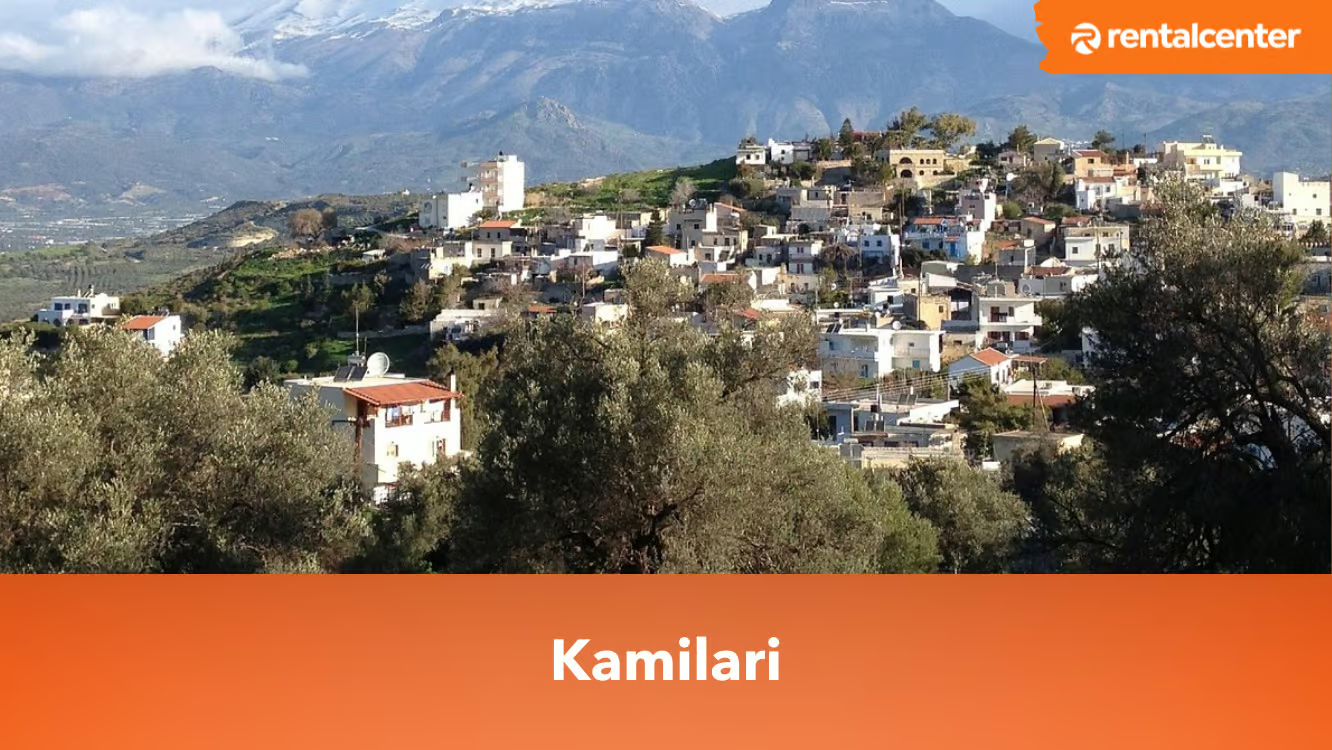
Kamilari is a village in the southern part of the island of Crete, Greece. It is a traditional settlement built atop three hills - Ovgora, Goulas and Alevrota - offering panoramic views of the surrounding olive groves, the Messara valley, the Libyan Sea and the Psiloritis and Asterousia mountain ranges. Kamilari has a rich history dating back to ancient times. The village gets its name from the Byzantine era, derived from the word "Kamilaris", meaning "the one who rides a camel". This suggests that camel caravans have passed through the area during that period. The area around Kamilari has been inhabited since the Early Minoan times, as evidenced by the discovery of a vaulted Minoan tholos tomb just outside the village, dating back to the beginning of the Neopalatial period (1700 BC). This tomb, known as the "Kamilari tomb", contained significant archaeological findings that are now exhibited in the Archaeological Museum of Heraklion. Read article
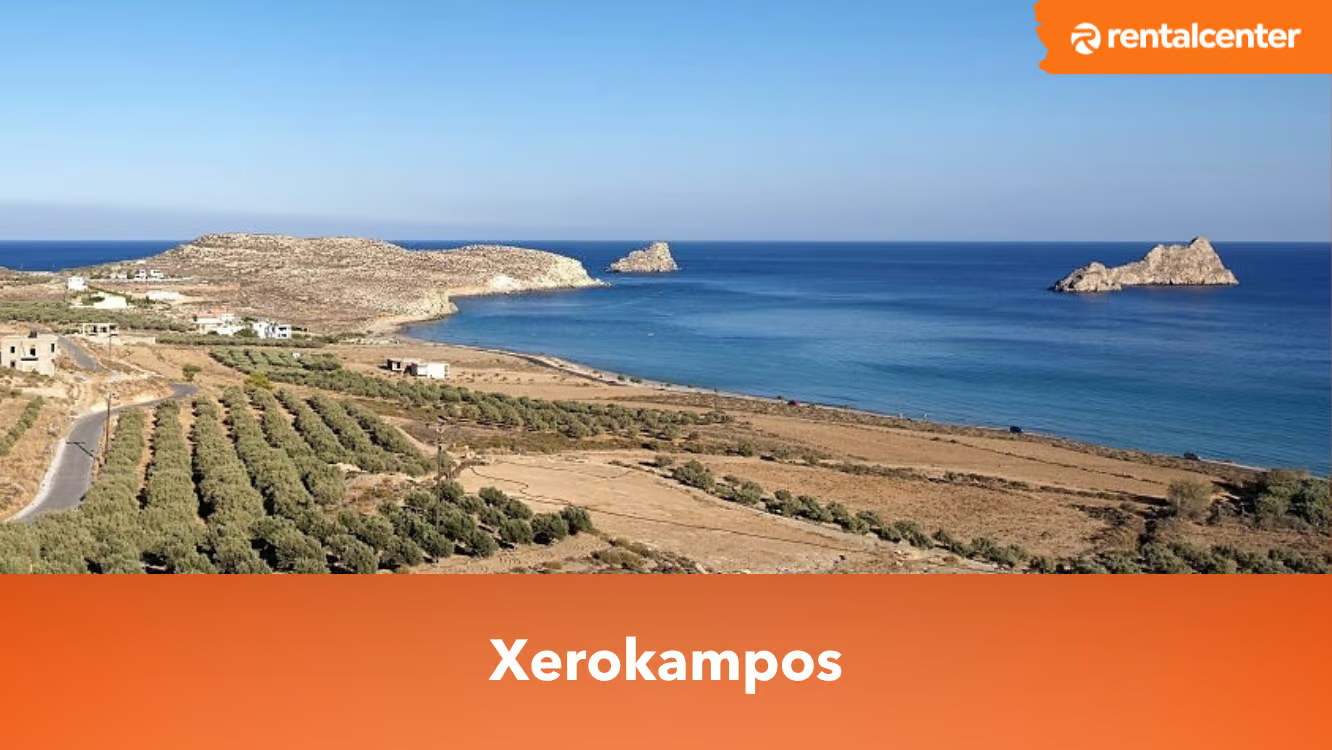
Xerokampos Beach is a remote coastal settlement located in the southeastern part of Crete, Greece, 102 kilometers (63.37 miles) southeast of Agios Nikolaos, 44.1 kilometers (27.4 miles) south of Sitia and 69.6 kilometers (43.24 miles) east of Ierapetra. The beach serves as a destination for visitors seeking pristine beaches, clear waters and unspoiled natural beauty away from mass tourism. The climate in Xerokampos is pleasant during the shoulder seasons of May to June and September to October, with temperatures ranging from 20°C to 30°C (68°F to 86°F). The beach features a variety of textures, including white sand, fine pebbles and clay and the coastline is characterized by small coves, rocky capes and sea caves. Tourism plays a role in the local economy, with a few houses, guesthouses and tavernas scattered throughout the valley. Read article
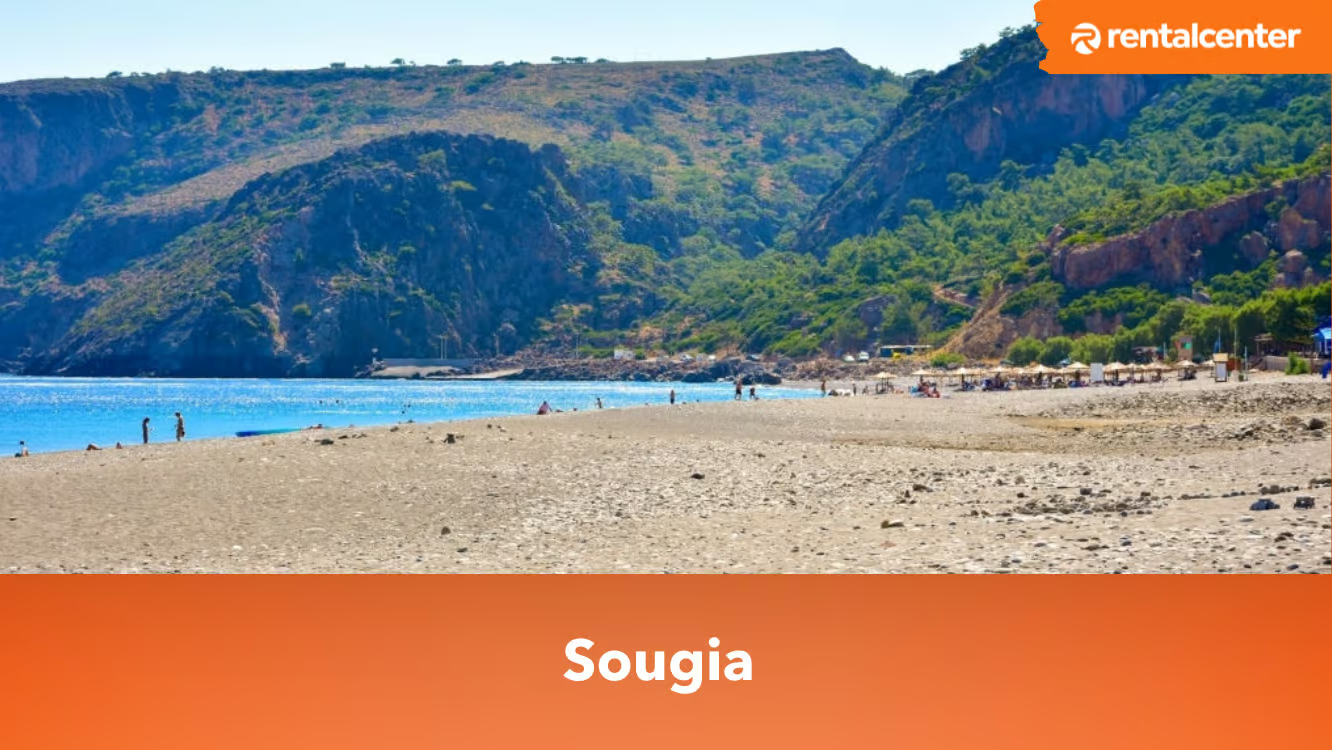
Sougia Beach is a 1.08 kilometer long (0.67 mile) pebble beach located in the village of Sougia, 75 kilometers (46.6 miles) southwest of Chania on Crete, Greece. The beach is a relaxing destination for tourists seeking a less crowded and developed area than other resort towns. Visitors can engage in activities such as swimming, snorkeling, hiking the nearby Agia Irini Gorge, and exploring the ancient city of Lissos. The climate in Sougia is pleasant during the shoulder seasons of May to June and September to October, with temperatures ranging from 20°C (68°F) to 30°C (86°F). The beach is located at the exit of the Agia Irini Gorge and faces the Libyan Sea. The seabed drops off quickly, resulting in profound and transparent waters. Tourism plays a significant role in the local economy, with the village offering accommodations, tavernas, and mini-markets. Archaeological preservation measures limit extensive construction in the area. Sougia Beach attracts tourists primarily during the summer months, and its proximity to hiking trails and historical sites contributes to its appeal as a travel destination on the southern coast of Crete. Read article
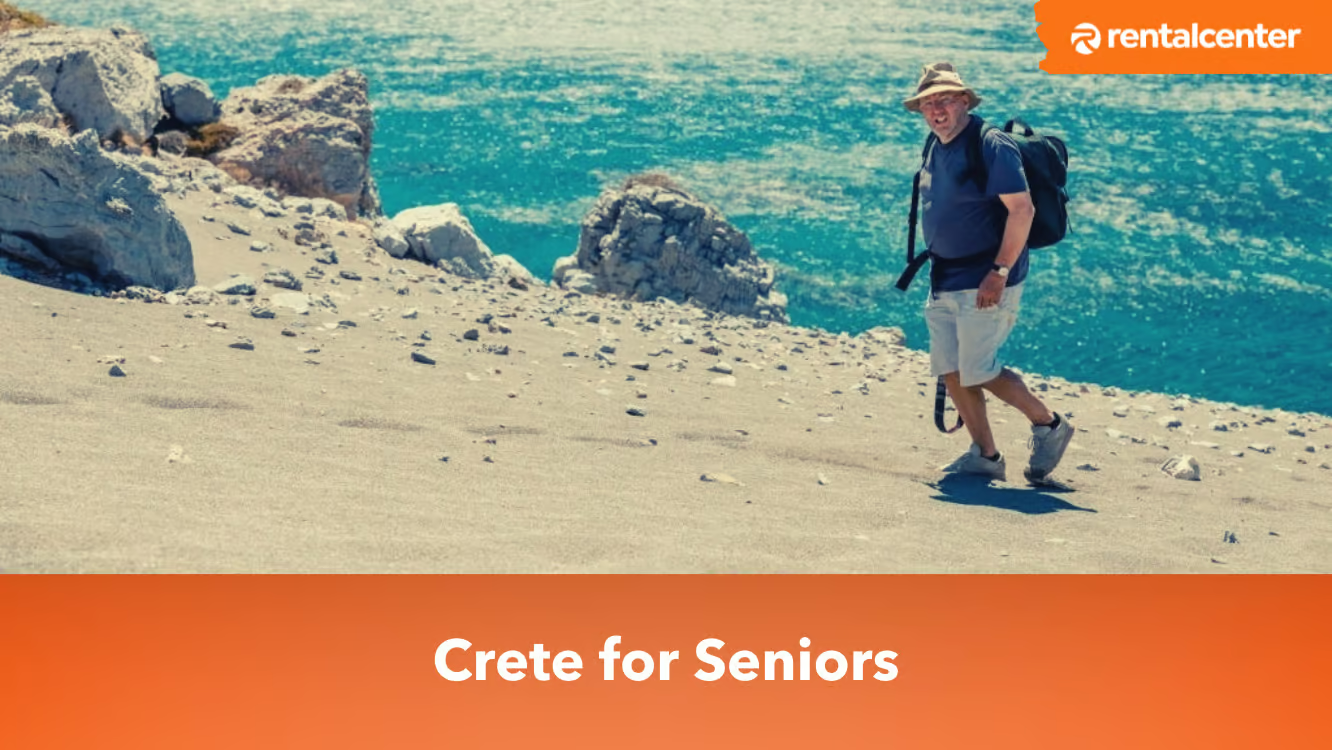
Crete, the largest Greek island, offers many experiences for seniors and older travelers. Seniors can explore the island by visiting ancient sites like the Palace of Knossos and the Heraklion Archaeological Museum. They can also stroll through towns and villages, such as Chania and Rethymno. Crete features beaches for those interested in nature, such as Elafonissi and Balos, where seniors can swim in crystal-clear waters or simply relax on the shore. The island's rugged interior is home to hiking trails, including the famous Samaria Gorge, which physically fit seniors can enjoy. Foodies will delight in Crete's culinary offerings, with opportunities to dine in traditional tavernas, sample local wines and even take cooking classes. Read article
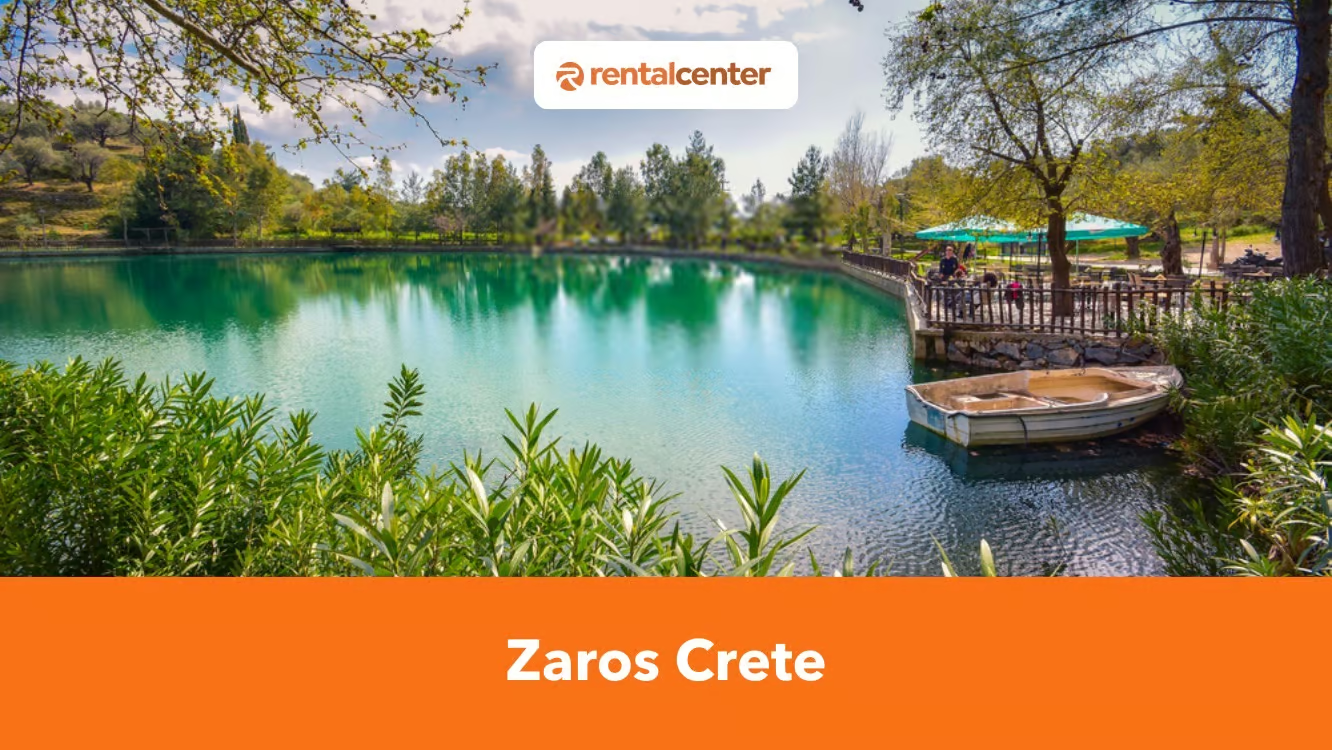
Zaros is a village in central Crete, Greece, 48.4 kilometers (30.08 miles) southwest of Heraklion. It lies at the southern foothills of Mount Psiloritis, at 340 meters (1,115.54 feet). The village is known for its freshwater springs, after which it is named "Zaros", which means "a place with a lot of water" in Greek. Zaros's history dates back to ancient times. Minoans and Romans settled in the area, drawn by the plentiful water supply. Ruins of Roman aqueducts that once supplied water to the ancient city of Gortyna can still be seen. The village also has several Byzantine monasteries, attesting to its long Christian tradition. Read article
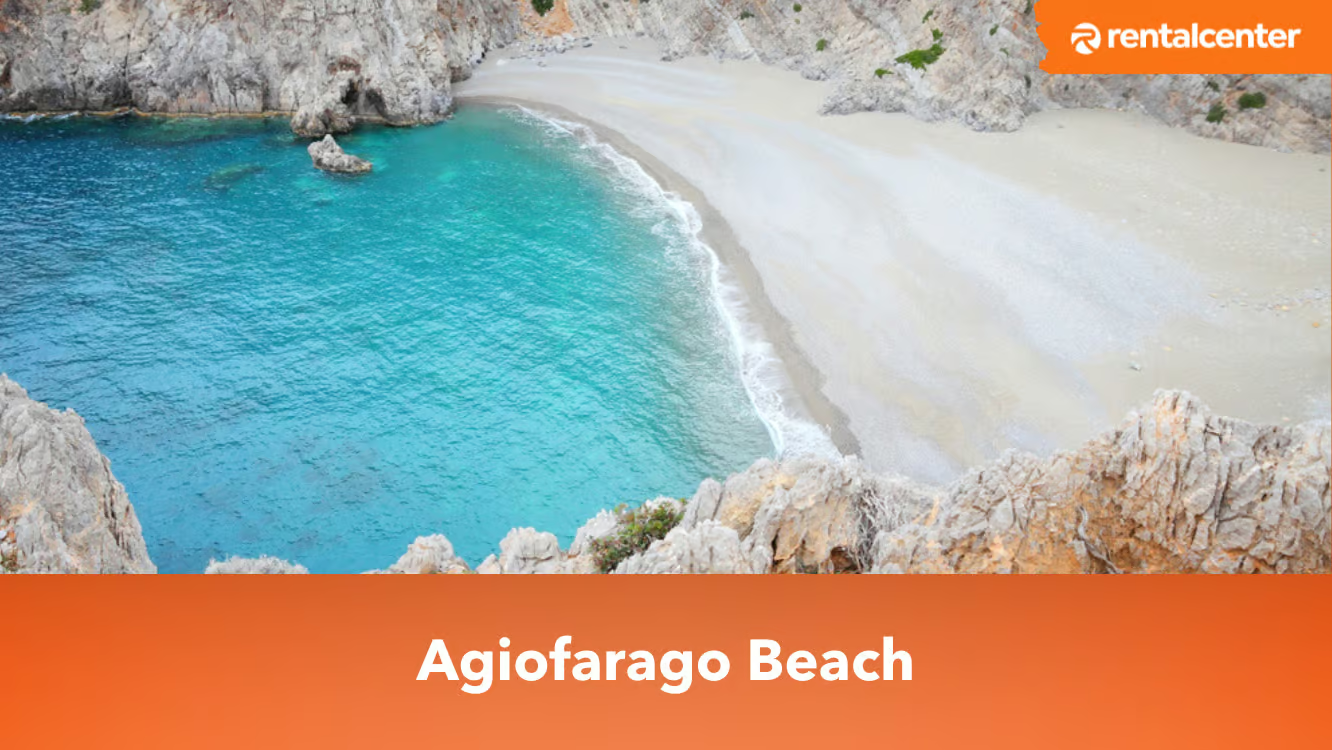
Agiofarago Beach is a remote beach located at the end of the Agiofarago Gorge, 74.2 kilometers (46.12 miles) south of Heraklion on the Greek island of Crete. The beach is accessible by hiking through the gorge, which takes 30 to 50 minutes, or by catching a boat from nearby ports like Matala, Agia Galini, or Kali Limenes. The area has a rich history dating back to early Christian times when it served as a center of ascetic life, with around 300 hermits living in isolation within the gorge's caves. In the 14th century, the church of Agios Antonios (St. Anthony) was built, and it remains standing today, along with a well that once supplied water to the hermits. Read article
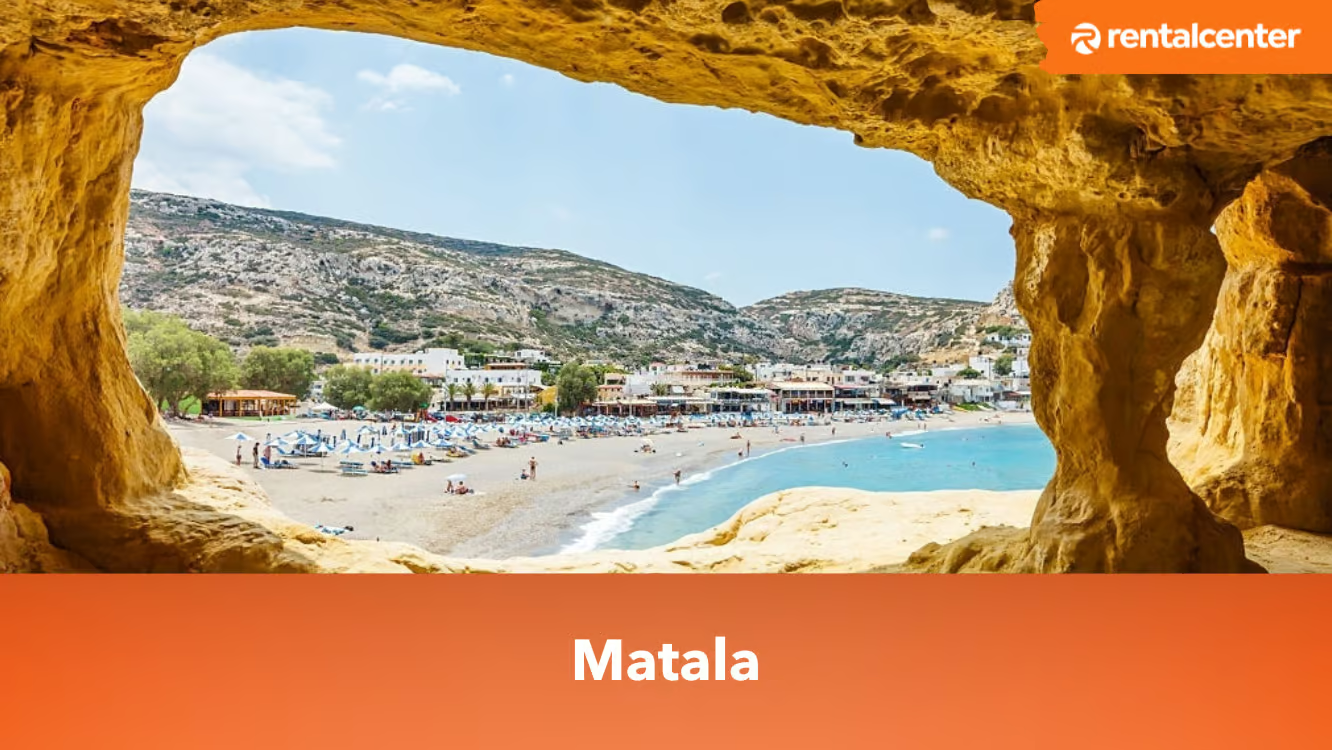
Matala Beach is famous for its splendid beauty and exciting caves. Matala is a vibrant village located 75 km (46,6 miles) southwest of Heraklion, Crete, Greece. Matala boasts a village full of a hippie vibe from its colourful murals, street art, and famous Matala Beach. Matala Beach is one of the most lovely beaches on the island of Crete. According to Greek Mythology, it is on Matala Beach where Zeus swam ashore in disguise as a bull while carrying Europa on its back. Matala Beach is a sandy and pebble beach with crystal clear water. Several water sports are available at the beach, where numerous establishments offer the opportunity to practise some water sports. These water sports include riding jet skis, pedal boats, and snorkelling, to name a few. Inside the village of Matala There are various little shops, studios, taverns, small hotels, small pensions, and a campsite inside the village of Matala. Matala Beach is 250 M long and 45 M wide. It is famous for the carved caves in the rocks and hippies of the ‘70s. During the Roman and Christian period, it was believed that caves were used as burial tombs. Matala was once used as the port of Festos during the Minoan civilization and as the port of Gortyna during Roman rule. The collection of Caves at Matala Beach is carved into the soft white limestone at the north end of the beach. Most of the caves have separate rooms, windows, and stairways, displaying that they were used as living quarters. Read article