




Cretan culture is distinct from mainland Greece because it is built on 5,000 years of continuous tradition – from Minoan rituals (c. 2700–1450 BCE) to Ottoman-era dances – that Cretans still perform at weekly village feasts. Every layer of conquest (Minoan, Roman, Byzantine, Venetian, Ottoman) deposited something that Cretans absorbed and made their own.
From Minoans to Modern Cretans: 5,000 Years of Living Culture
The Minoan civilization (c. 2700–1450 BCE) developed Europe’s first writing systems (Linear A and Linear B), the earliest maritime trade networks, and religious ceremonies whose echoes survive in modern Cretan life – peak sanctuaries became hilltop monasteries, and the circle dances depicted in Bronze Age frescoes at Knossos are still performed at every Cretan village wedding. Venetian rule (1205–1669) added a renaissance literary tradition (Vitsentzos Kornaros’s Erotokritos) and harbor architecture; Ottoman rule (1669–1898) added coffee culture and shaped the rebellious music. Crete united with Greece in 1913.
The Cretan Dialect and Identity
Cretans speak a distinct dialect of Modern Greek that has been continuously spoken on the island for over 3,500 years. Pronunciation differs from standard Greek (inta for “what”, epae for “here”, kai sounds more like che), and the dialect carries a vast oral tradition of poetry – the mantinades – improvised on the spot. Visitors hear this dialect at every village taverna and feast.
The Foundations of Cretan Daily Life
Three principles define how Cretans live: philoxenia (the obligation to welcome strangers), the central role of extended family, and a hospitality custom called kerasma – the offering of raki, cheese, or honey to every guest who enters a Cretan home or shop.
Philoxenia: The Sacred Duty of Hospitality
Cretan hospitality has a name: philoxenia – from the Greek philos (friend) and xenos (stranger or guest). In Cretan culture, guests are treated as sacred gifts, a tradition that traces directly to Zeus, patron god of hospitality (Zeus Xenios). In practice this manifests as kerasma: the spontaneous offering of raki, a slice of graviera cheese, or a spoonful of thyme honey to every guest who enters a Cretan home or shop. Refusing kerasma is considered impolite – accepting it is how a visitor becomes, briefly, part of the Cretan family.
Kerasma: Offering Raki, Cheese, and Honey
A Cretan household never receives a guest without offering something – typically raki / tsikoudia (the local Cretan distilled spirit, made from grape pomace), a square of graviera or mizithra cheese, sweet preserves (glyka tou koutaliou), or a small plate of olives and dakos. The kerasma custom predates the cash economy and survives because Cretans see it as an act of dignity – both giver and receiver are honored by the exchange.
The Role of Family and Community
Extended-family bonds remain stronger in Crete than in most of Europe. Multiple generations often live in the same village; koumbaroi (godparents/best men) are nearly as central as blood relatives; and lifelong neighbours attend each other’s name days, weddings, baptisms, and funerals. This network is the social infrastructure that keeps panigiria alive, organises Easter feasts, and explains why Cretan weddings can run for three days.
Cretan Music, Dance, and Song
Music in Crete is not background – the lyra, mantinades, and ritual dances like the pentozali are the language through which Cretans express grief, joy, defiance, and love. The most famous lyra player in Cretan history is Nikos Xylouris (1936–1980), known as the Archangel of Crete – his recordings remain the touchstone for traditional Cretan sound.
The Lyra: Heartbeat of Cretan Music
The lyra is a three-stringed bowed instrument, held vertically on the knee (not horizontally like a Western violin). Together with the laouto (a long-necked lute), it anchors Cretan dance music. Lyra players are central figures at every wedding, baptism, and panigiri.
Mantinades: Improvised Poetry in Song
Mantinades are 15-syllable rhyming couplets, often improvised on the spot during celebrations and competitions. Themes range from love and nature to political satire and grief. Two singers exchange verses in a call-and-response – a master mantinades singer may invent a couplet in seconds that perfectly answers the previous one. Many couplets are passed down for generations alongside new improvisations.
Rizitika: The Table Songs of Western Crete
Rizitika are the epic, a cappella table songs of western Crete (Chania, the White Mountains region) – sung without instruments at weddings, large celebrations, and gatherings of mountain villagers. The texts draw on heroic resistance, nature, and loss. Rizitika are absent from most travel guides but remain one of Crete’s most distinctive musical forms.
Cretan Dances: Pentozali, Syrtos, Sousta, Siganos
Cretan circle and chain dances form the core of every village celebration:
- Pentozali – vigorous war dance with rapid, decisive steps; the symbol of Cretan resistance.
- Syrtos – the dignified, slower opening dance of weddings and feasts; Cretan syrtos varies from town to town (syrtos chaniotikos, syrtos kissamitikos).
- Sousta – fast couples’ dance, lively and flirtatious.
- Siganos – slow processional dance, often opening major celebrations.
At a panigiri, expect to be pulled into the circle. Watching from the side is fine; refusing to dance once invited is mildly offensive.
Cretan Festivals and Celebrations: A Seasonal Calendar
Crete has a festival for almost every week of the year – from Easter’s midnight fire ceremony to November’s raki distillation parties – and attending a local panigiri (village feast) is the most direct way to experience all of it.


Spring: Clean Monday, Easter, and Name Days
- Tsiknopempti (“Smoky Thursday”, before Lent): grilling meat in the streets one final time before fasting.
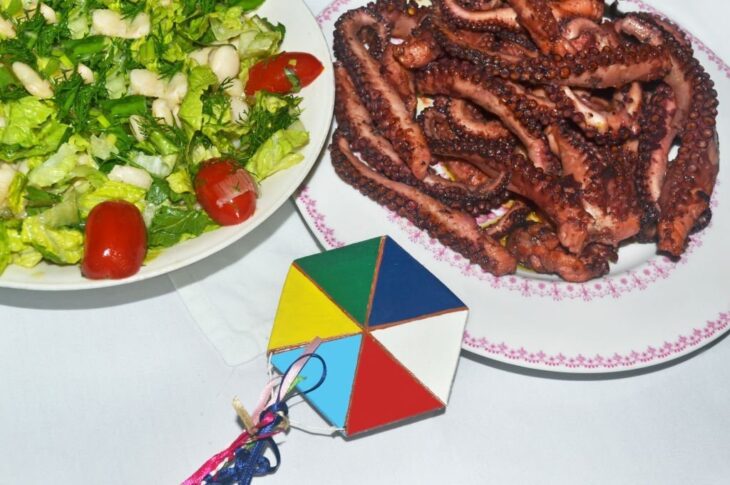
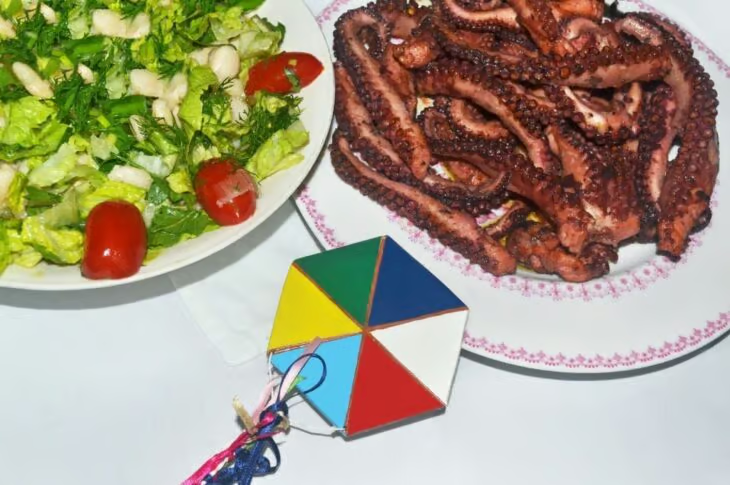
- Clean Monday (Kathara Deftera): outdoor picnics with seafood, lenten bread (lagana), and kite flying – the traditional start of Lent. No meat or dairy.
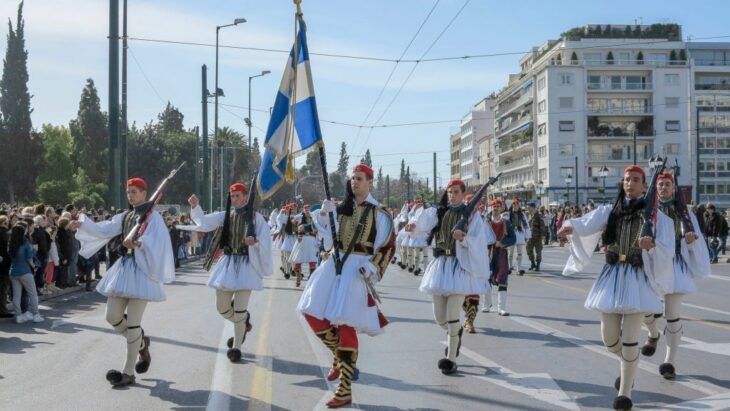
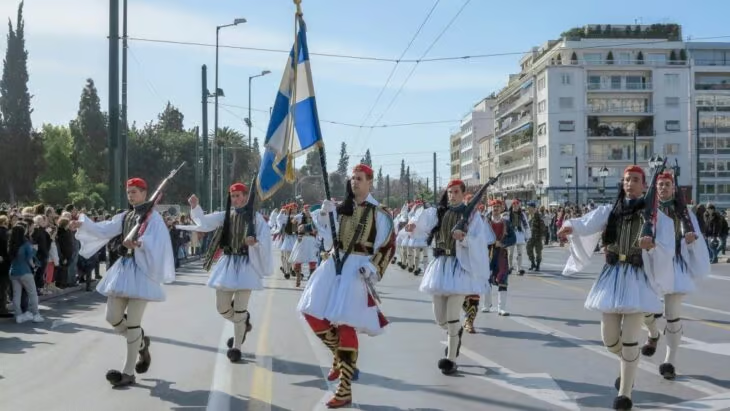
- Greek Independence Day, March 25: commemorates the 1821 uprising against Ottoman rule, when Bishop Germanos of Patras raised the Greek flag at the Monastery of Agia Lavra. Military parades and traditional music in every Cretan town.
- Easter (Pascha) in Crete: Crete’s most important annual celebration. Holy Week features daily church services. Holy Saturday Midnight Resurrection Service is the high point – congregations gather outside churches with unlit candles; the priest lights the first candle from the Holy Fire (brought from Jerusalem) at midnight; the flame spreads through the crowd. Cretan families then go home for the midnight feast (lamb on the spit, magiritsa soup, red-dyed eggs cracked for good luck). Easter Sunday and Easter Monday are full feast days.
- Name Days (Eortí): in Crete, the saint’s feast day for your name is celebrated more enthusiastically than your birthday. Anyone named Giorgis on St George’s Day (April 23) or Maria on the Assumption (August 15) keeps open house – friends bring sweets and flowers and depart with raki in hand. Visitors invited to a name day should accept; it is among the most authentic experiences Cretan culture offers.
Summer: Feast of St John, Assumption Day, and Panigiria
- Feast of St John the Baptist (June 24): bonfires lit in villages; locals leap over the flames as a purification rite and to greet summer. Live lyra music, communal feasting.
- Houdetsi Festival (early August, Heraklion region): founded by lyra master Ross Daly, this is one of Greece’s most respected traditional music gatherings – 4–5 days of concerts, workshops, and lyra jam sessions.
- Assumption of the Virgin Mary (August 15): the largest religious festival of the year. Processions in nearly every village, especially in pilgrimage centres like Anogeia, Kritsa, and Tinos. After the church service, panigiria run all night.
- Panigiria (village feasts) – July through August: the backbone of Cretan summer culture. Every village holds at least one panigiri per year on its patron saint’s day. Pattern: church service at sunset → village square for grilled lamb and local wine → live lyra and communal dancing until dawn. Free, open to all, begin after 9 PM. Ask any local for the next nearby.
Autumn: Olive Harvest, Rakokazana, and Chestnut Festival
- Olive Harvest (October–December): families gather to rake olives onto nets, press at communal mills, share meals over fresh oil. Many Cretan families take time off work to participate.
- Rakokazana (November): every Cretan village fires up its communal raki still (kazani) for a few weeks. What begins as distillation quickly becomes a full panigiri – food, lyra, dancing until dawn. Rarely advertised but always open to respectful visitors. Ask your accommodation in October.
- Chestnut Festival (late October–November): villages of the western mountains (notably Elos and the Selino area) celebrate the chestnut harvest with roasted chestnuts, chestnut sweets, lyra, and dance.
- Ochi Day (October 28): a separate national holiday in Crete from March 25, marking Greece’s refusal of Mussolini’s 1940 ultimatum. Military parades, school processions, and traditional music.
Winter: Christmas, Epiphany, and the Blessing of the Waters
- Christmas in Crete (December 25): religious services and family meals; kourabiedes (almond cookies) and melomakarona (honey cookies) on every table.
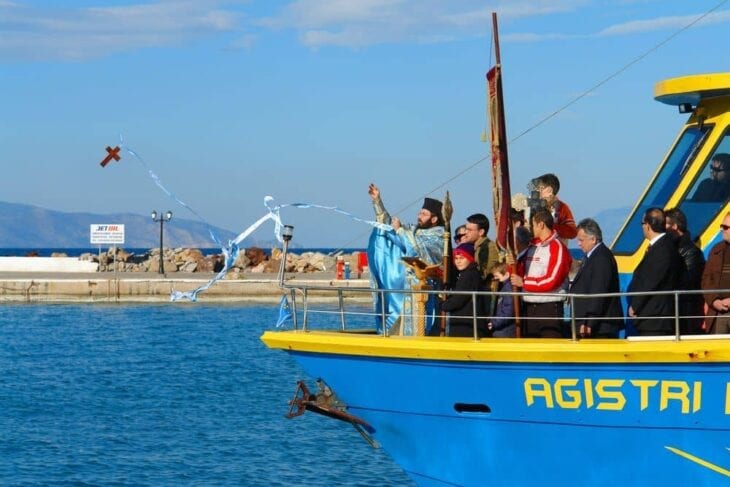
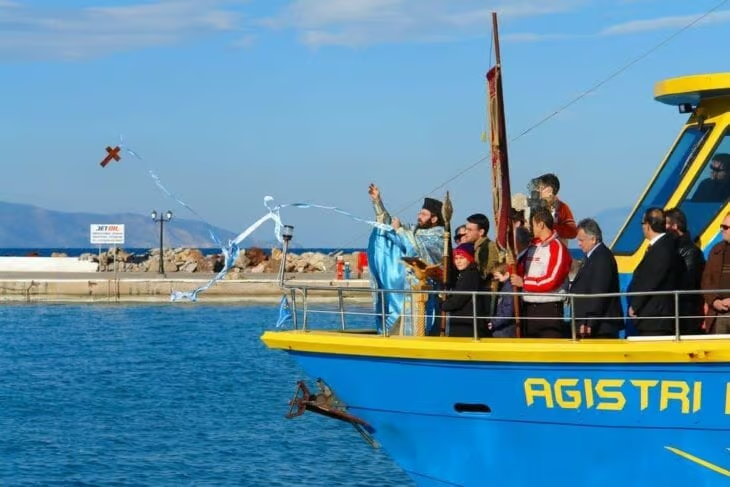
- Epiphany / Theofania / Fota (January 6): the Blessing of the Waters is the most distinctive Cretan winter ceremony. At every coastal town, a priest tosses a wooden cross into the sea; young men dive in to retrieve it – whoever recovers it receives blessings for the year. After the sea ceremony, the priest visits homes to bless them with holy water.
Cretan Customs: Weddings, Baptisms, and Everyday Beliefs
Cretan ceremonies are participatory – at a traditional wedding, guests do not just watch the syrtos; they are pulled into the circle and expected to dance.
Cretan Weddings: Days of Music, Dance, and Feasting
A traditional Cretan wedding can last 2–3 days. Rituals include:
- Patinada (pre-wedding procession) – the groom’s family and friends visit the bride’s home with traditional songs.
- Wedding day – Orthodox church ceremony with prayers, crowning of the couple (stefana), and the priest’s blessing.
- Glenti (after-feast) – the celebration continues into the early morning with gamopilafo (creamy wedding rice cooked in lamb broth and finished with mizithra cheese), grilled lamb, and kalitsounia pastries. Lyra and laouto play; dance circles form spontaneously.
- Bride and groom dress – the bride wears a white dress with embroidered lacework; the groom may wear formal modern dress or full traditional Cretan costume (sariki, embroidered waistcoat, stivania boots).
Baptism and Name Days
Cretan baptisms blend Orthodox liturgy with festive family gathering. The infant is fully immersed in holy water and anointed with holy oil at the church; the koumbaroi (godparents) serve as the child’s spiritual mentors. After the church ceremony, families host a major reception with the same lyra-and-dance pattern as weddings. The infant receives their saint’s name – and from that moment, their name day becomes the family’s annual celebration.
The Evil Eye (Matiasma) and Other Cretan Beliefs
Cretan customs include a persistent belief in the evil eye – matiasma: a jealous or envious gaze can bring bad luck to people, animals, livestock, or a new car. Protection comes from the blue-glass eye amulet (mati) hung in homes, cars, and on babies’ clothing, or from a priest’s blessing. Older Cretans may also recite a secret prayer (xematiasma) to counteract the effect. Visitors who compliment a Cretan’s child or animal may notice the parent quickly adding “ftou ftou” – a ritual spitting sound to ward off accidental matiasma.
Traditional Dress: Sariki, Stivania, and Regional Costumes
Traditional Cretan dress is still worn at major festivals and weddings:
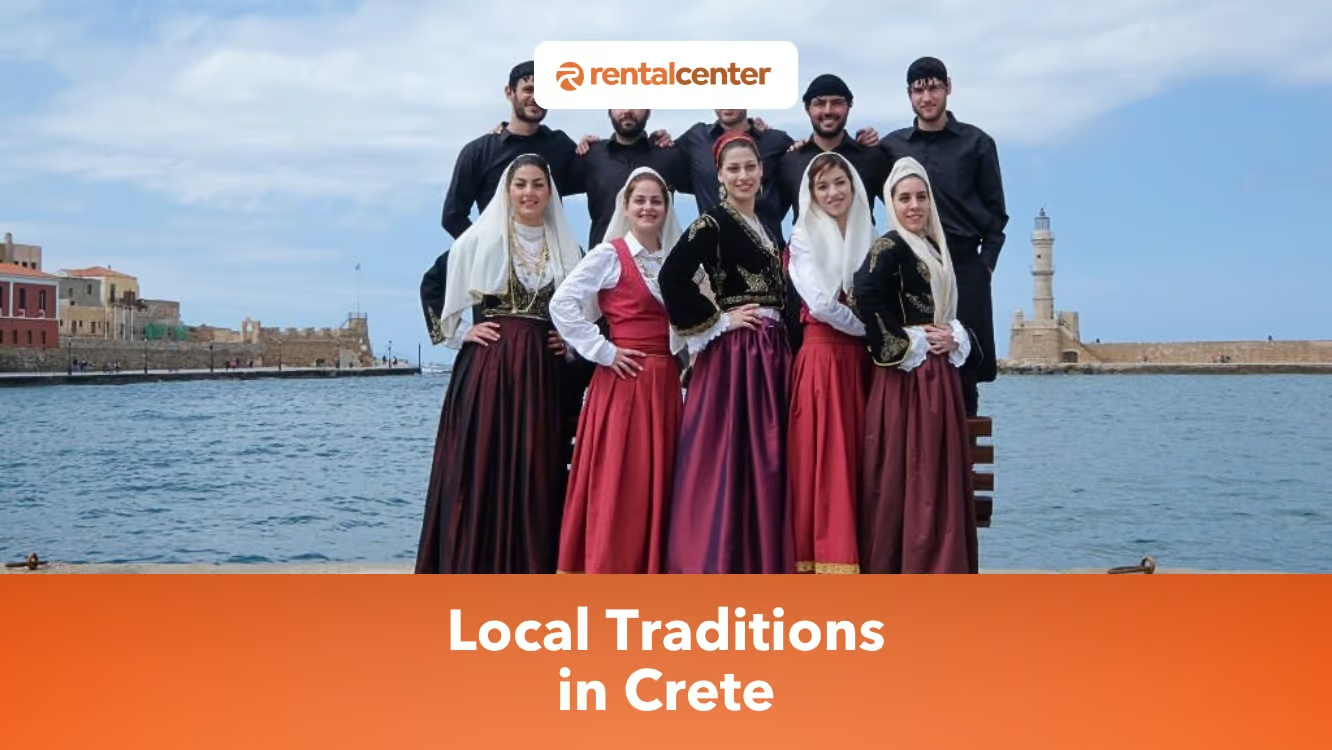
- Men: sariki (a fringed black headscarf – the fringes symbolise the tears of Crete under Ottoman rule); vraka (loose breeches gathered at the knee); embroidered waistcoat; stivania (high leather boots); zonari (waist sash); the curved koummya dagger.
- Women: pleated skirt, embroidered apron, embroidered waistcoat or vest, headscarf with bold patterns, and patouni – embroidered shoulder shawls.

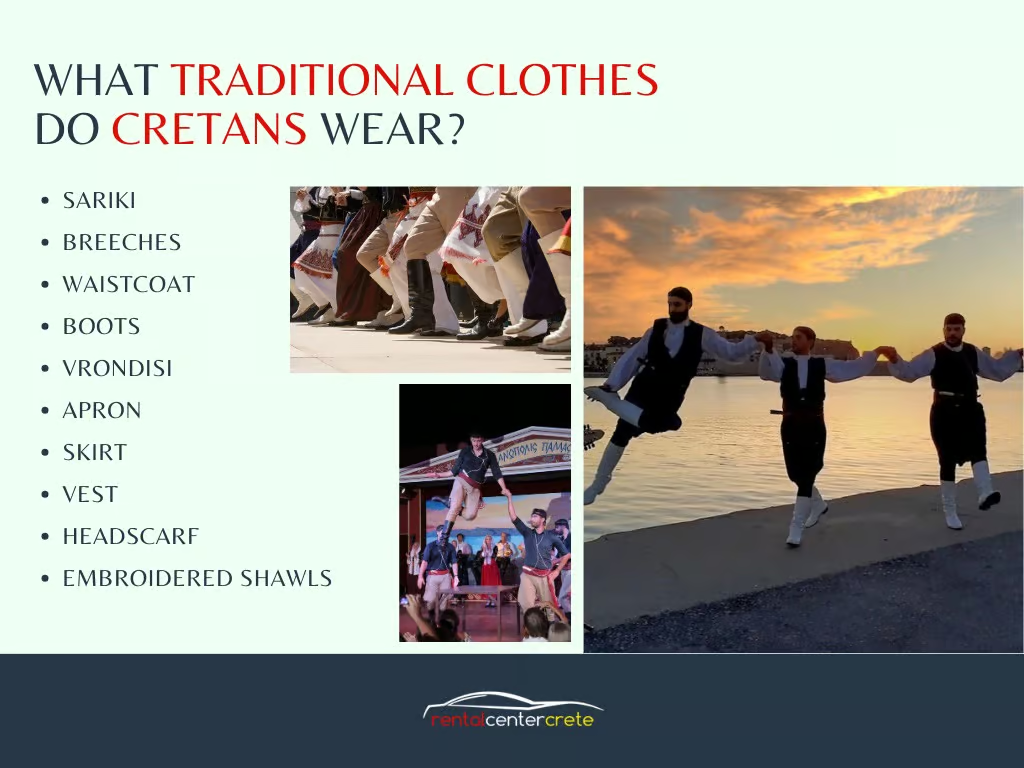
The koummya dagger is a particularly important symbol – historically a defensive weapon, today a marker of Cretan identity, often passed from father to son.
Cretan Food as Cultural Tradition
Cretan food is inseparable from Cretan identity: olive oil, wild horta (foraged greens), and barley dakos are not just dishes but daily acts of cultural continuity stretching back to Minoan times.
The Mediterranean Diet and Why It Works in Crete
Cretan cuisine is the canonical example of the Mediterranean Diet as defined by Ancel Keys’s Seven Countries Study (1958), which identified Crete as having one of the longest life expectancies in the world. Staples: extra-virgin olive oil (Crete is one of Greece’s top producers), wild greens, barley rusks, fresh seafood, lamb and goat, sheep cheeses (graviera, mizithra), grapes, figs, pomegranates, and the distilled spirit raki / tsikoudia.
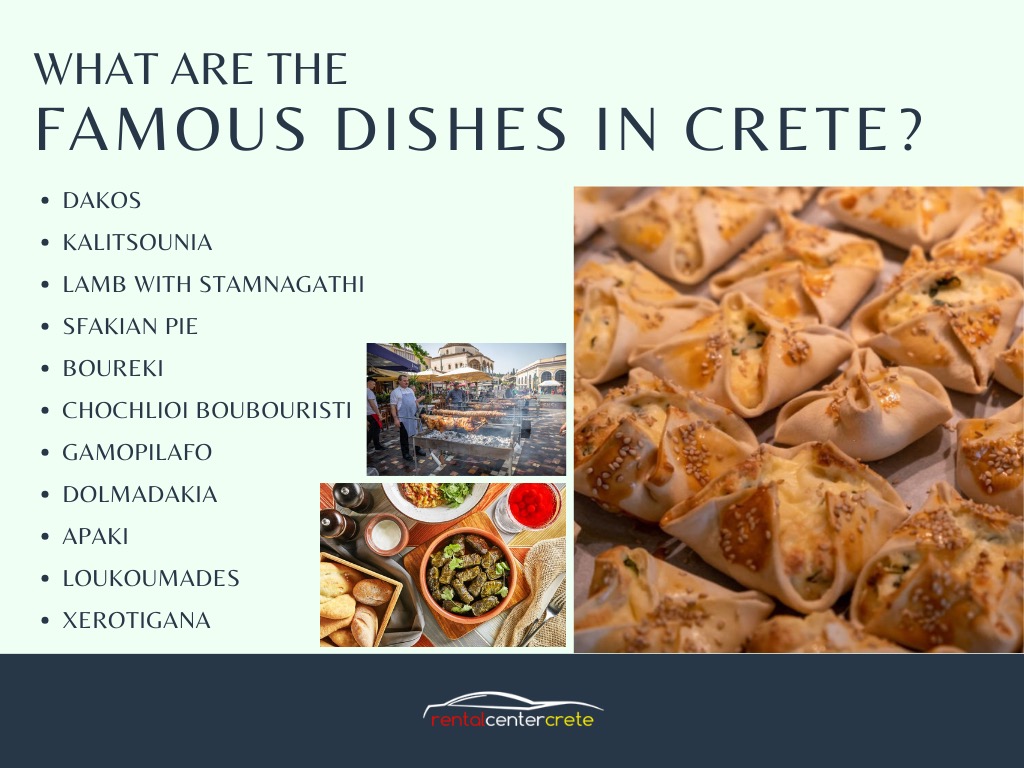
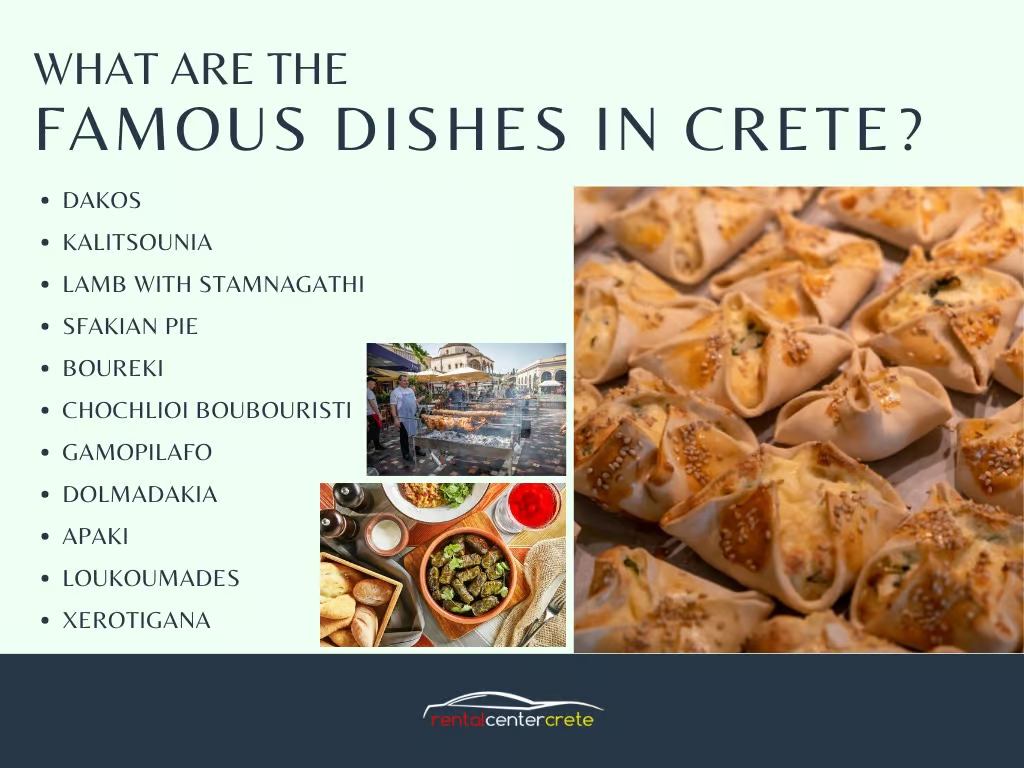
The Most Famous Cretan Dishes
- Dakos – barley rusk topped with chopped tomato, mizithra or feta, oregano, olive oil
- Kalitsounia – small cheese-filled pastries (sweet or savoury)
- Lamb with stamnagathi – slow-cooked lamb with a wild Cretan green
- Sfakian Pie – thin cheese-filled pie drizzled with thyme honey
- Boureki – layered zucchini, potato, and mizithra baked with mint
- Chochlioi Boubouristi – pan-fried snails with vinegar and rosemary
- Gamopilafo – wedding rice in lamb broth with mizithra
- Apaki – smoked, vinegar-marinated pork
- Loukoumades – honey-soaked dough balls
- Xerotigana – fried honey-drenched dough ribbons (traditional at weddings)
Raki and Tsikoudia: The Spirit of Cretan Hospitality
Raki in Crete is also called tsikoudia – distilled from grape pomace after winemaking. Every Cretan host offers it; refusing is considered impolite. Quality varies wildly by family still, and many Cretans rate raki the way wine drinkers rate vintages. November rakokazana is the season-defining event for raki lovers.
Cultural Activities in Crete: How to Experience Traditions Firsthand
The best way to experience Cretan culture is not as a spectator – olive harvests, raki distillation evenings, lyra workshops, and village feasts all welcome visitors who want to participate rather than observe.
Join an Olive Harvest (October–December)
Cretan olive groves welcome visitors during harvest season. Several agritourism operators in Heraklion, Rethymno, and Chania offer 1–3 day harvest experiences including raking olives onto nets, traditional lunch, olive oil tasting, and cold-press demonstrations at the village mill. The Cretan Gastronomy Center in Argyroupoli (Rethymno) offers full educational packages.
Cooking Classes and Farm Visits
Half-day cooking classes focused on dakos, kalitsounia, Cretan pies, and meze are offered at agritourism farms across the island – particularly near Archanes (Heraklion), Gavalochori (Chania), and Plakias (Rethymno). Most include foraging for wild horta greens, olive-oil tasting, and a full Cretan meal afterward.
Lyra and Dance Workshops
The Houdetsi Festival (early August) includes public workshops during its run. Year-round, several cultural centres in Heraklion and Chania offer introductory lyra lessons and Cretan dance classes for visitors. The Houdetsi Musical Village Foundation (founded by Ross Daly) offers regular masterclasses – see houdetsivillage.com.
Visit a Rakokazana (November Raki Distillation)
Every November, Cretan villages fire up their communal kazania (stills). A rakokazana combines distillation, food, lyra, and dancing – often until dawn. These events are rarely advertised. Best access: ask your accommodation host or village taverna in late October; respectful visitors are universally welcomed.
Attend a Panigiri: Your Village Feast Guide
The patron saint’s panigiri is the single most authentic Cretan cultural experience. Pattern:
- Church service at sunset on the saint’s day
- Crowd moves to the village square; long tables; grilled lamb, local wine, raki
- Lyra players begin; first dance is syrtos (slow); progression through pentozali, sousta, siganos
- Outsiders are welcomed into the dance circle
- Music continues until 3–4 AM in summer
Best months: July–August. Ask any villager or hotel host for the next panigiri nearby.
Archaeological Sites as Cultural Experiences
Cretan archaeology is also a living tradition – many sites host summer cultural performances:
- Lato Festival (Agios Nikolaos) – classical theatre at the ancient Lato amphitheatre, July–August
- Knossos and Heraklion Archaeological Museum – combined ticket €20 ($23.07, £17.08), deepest immersion in Minoan culture
- Aptera, Phaistos, Eleftherna Archaeological Museum – historical sites with active visitor programmes
For a wider tour, see our guide to the Ancient Cities in Crete – many host summer cultural events at their archaeological sites.
Other Notable Cretan Festivals
- Chania Rock Festival – annual rock and alternative-music event at the Anatolikis Tafrou Theatre, late July (modern, not traditional)
- Matala Festival – celebration of the 1960s counterculture that gave Matala its hippie-era fame; live music, art, beach setting; late June or early July
- Chania Film Festival – late spring/early summer; features Greek and international cinema
- Cretan Cuisine Festival – summer event focused on regional dishes, agricultural products, and cooking demonstrations
- Thrapsano Pottery Festival – summer celebration of the village’s centuries-old pottery tradition; pottery workshops, demonstrations, exhibitions
When to Visit Crete for Traditions and Festivals
Summer (June–September) offers the highest density of festivals – but the most authentic Cretan experiences (rakokazana, chestnut harvest, Epiphany’s sea blessing) happen in autumn and winter. A summary:
| Season | Best For |
|---|---|
| Spring (Apr–May) | Easter, Independence Day, name days, mild weather |
| Summer (Jun–Sep) | Panigiria, Houdetsi Festival, Assumption (Aug 15), beach + festival combo |
| Autumn (Oct–Nov) | Olive harvest, rakokazana, chestnut festival, Ochi Day (Oct 28) |
| Winter (Dec–Mar) | Epiphany sea blessing, Christmas traditions, quietest time, authentic village life |
Frequently Asked Questions
What are 5 examples of Cretan traditions?
The five most distinctive Cretan traditions are: (1) philoxenia and kerasma – the offering of raki, cheese, or honey to every guest; (2) the panigiri – village feast on the patron saint’s day with lyra and circle dancing; (3) Easter Midnight Resurrection with the Holy Fire; (4) the mantinades – improvised 15-syllable rhyming couplets exchanged in song; (5) the olive harvest – a community ritual every October–December that doubles as a family reunion.
What is Crete best known for culturally?
Crete is best known for its 5,000-year cultural continuity: the Minoan civilization (Knossos, Linear A); its distinct dialect, music (lyra), and dances (pentozali, syrtos); the panigiri village feast tradition; the Mediterranean Diet centred on olive oil, wild greens, and barley; and the strong code of philoxenia.
How do you say “hi” in Crete?
The standard Greek greeting yiasou (informal) or yiasas (formal/plural) is universal. The Cretan dialect uses some local variants (“yiá” shortened) and the older greeting “ston eparhion sou”. Reply with yiasou and a smile. Kalimera = good morning; kalispera = good afternoon/evening; efharistó = thank you.
What are the top cultural activities in Crete?
The most rewarding cultural activities are: joining an olive harvest (Oct–Dec), attending a panigiri (Jul–Aug), visiting a rakokazana (Nov), taking a cooking class (year-round), booking a lyra or dance workshop, and attending the Houdetsi Festival (early August). All combine participation with cultural depth.
What festivals should I plan a visit around?
For traditional culture: the Houdetsi Festival (early August), Easter (date varies, Orthodox calendar), Assumption Day August 15 in pilgrimage villages like Anogeia or Kritsa, and November rakokazana anywhere in rural Crete. For art and modern culture: Lato Festival (July–August), Chania Film Festival (late spring), Matala Festival (late June).
Are Cretans religious?
Cretans are predominantly Eastern Orthodox Christian, and religious observance – particularly Easter, Assumption, and patron-saint feast days – remains central to social life. Even non-practicing Cretans participate in the major religious feasts because they double as family and community gatherings. Crete also retains pre-Christian beliefs (the evil eye, ritual spitting ftou ftou, ancient symbolism in dances).
What is the difference between Greek Independence Day and Ochi Day?
These are two different national holidays. Greek Independence Day (March 25) commemorates the 1821 uprising against Ottoman rule. Ochi Day (October 28) commemorates Greece’s refusal of Mussolini’s 1940 ultimatum at the start of World War II. Both are celebrated in Crete with military parades and traditional music.