



Crete is a practical and welcoming destination for families, expats, and retirees seeking a slower pace of life, lower living costs, and reliable public services. The island offers a safe environment, strong community culture, and access to both urban conveniences and natural attractions. Foreigners living in Crete benefit from the friendly local population, mild Mediterranean weather, and a lifestyle centered on outdoor activities and fresh food. Public transportation connects major cities, and car rentals or ownership offer flexibility for expats living in rural areas.
Crete is well-suited for families with its good public healthcare, affordable grocery costs, and access to international schools in Heraklion and Chania. Retirees can take advantage of legal tax incentives, safety, and the slower rhythm of daily life. The island offers expats and remote workers digital infrastructure, coworking options, and long-term visas tailored to their needs. English is widely spoken in cities and tourist zones, making daily communication manageable for newcomers.
The island’s local cuisine promotes healthy living and is readily available through markets, tavernas, and even home gardens. Dining out and shopping for groceries remain affordable compared to the UK or the US. The weather is warm for most of the year, with short winters and more than 300 sunny days annually. These conditions enable year-round exploration of beaches, hiking trails, and historical sites throughout the island.
Crete offers various routes to permanent residency, including work visas, retirement visas, and financial independence visas. Property in Crete is still reasonably priced, especially outside city centers, and the process to buy is straightforward with legal support. Some families and retirees choose to purchase homes in villages for quiet living while staying close to towns for medical care and services. Car ownership is possible through both import and local purchase, though long-term Crete car rental is often a cost-effective choice for new arrivals.
Crete continues to attract people who value quality of life, affordability, and cultural authenticity with beaches, mountains, and historic landmarks easily within reach. The island offers a strong foundation for a stable and fulfilling life in Greece, whether for families relocating, professionals working remotely, or retirees seeking a long-term home.
What is life and culture like in Crete?
Life and culture in Crete are shaped by a strong sense of community, a slow daily rhythm, and close family ties. Foreigners living in Crete often experience a more relaxed pace of life than they are used to in the UK, USA, or mainland Europe. Many expats report that daily life revolves around regular interactions with neighbors, frequent visits to local markets, and a chance to savor fresh, homemade meals. Social life often revolves around local cafes and family gatherings rather than nightlife or commercial entertainment. Cretans treat foreigners with hospitality, a cultural value known as philoxenia. Residents usually offer help when asked and tend to welcome newcomers, especially expats who show respect for local customs and traditions. Residents may initially appear reserved in small villages, but this quickly changes once familiarity is established. The Cretan lifestyle differs from the UK and other European countries in terms of work-life balance. Most businesses close in the afternoon for a long break before reopening in the evening. Daily life in Crete moves at a slower pace compared to the United States, with fewer consumer pressures and more time spent outdoors or with family. Crete remains one of the safest regions in Greece. Violent crime is rare, and petty theft is uncommon in smaller towns and villages. Foreigners generally feel secure, even when walking alone at night in major cities like Heraklion or Chania. Public utilities such as water, electricity, and internet services are generally reliable in urban areas. Short power outages or slower internet speeds may occur in rural villages, but basic services remain functional. Medical care is accessible through public health centers and private clinics, with many doctors speaking English.
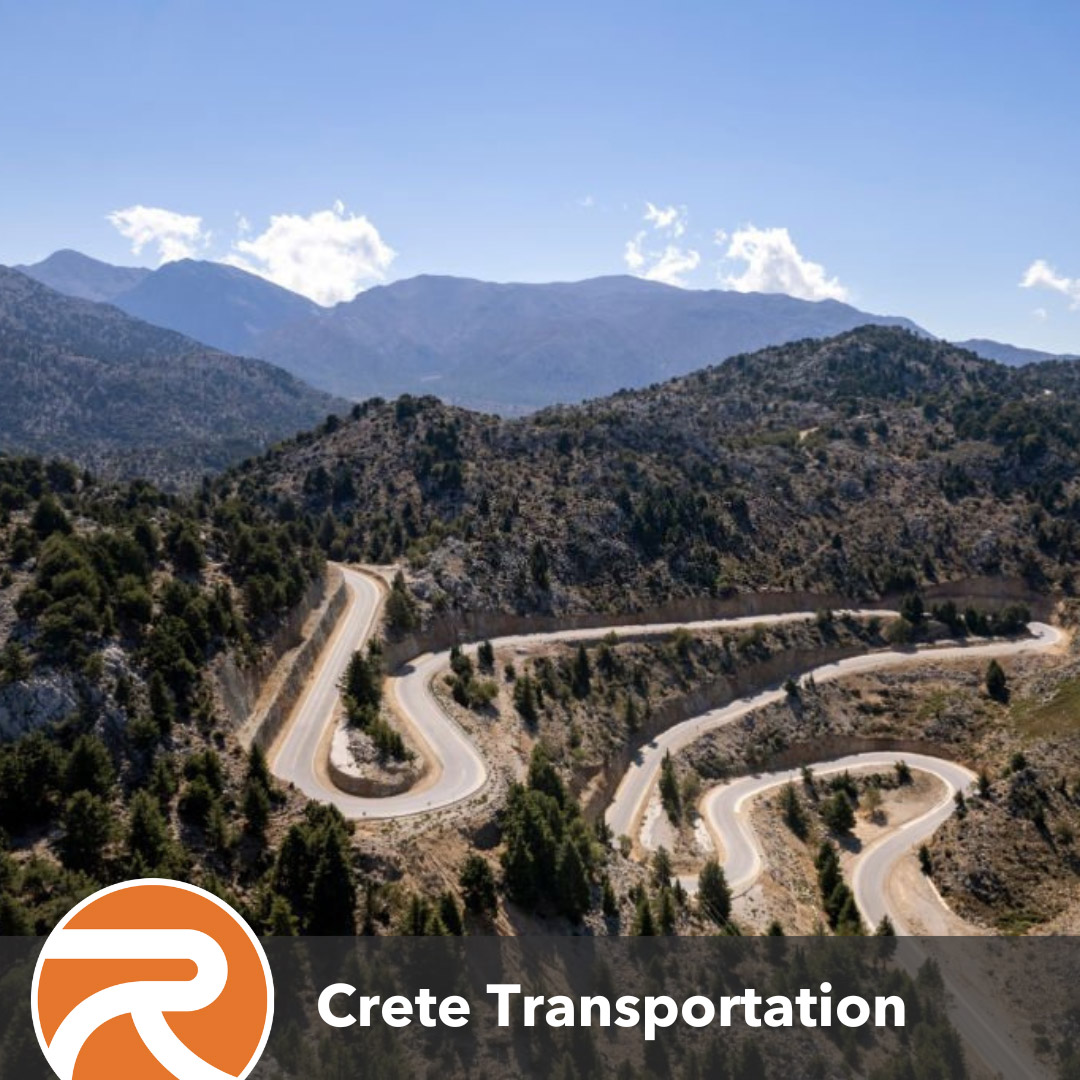
Public transportation in Crete is operated mainly through the KTEL bus network. KTEL buses run between major cities such as Heraklion, Chania, Rethymno, Agios Nikolaos, and Sitia, with routes extending to smaller villages across the island. Schedules follow fixed times and stops, though occasional delays may occur due to local traffic or winding roads. Buses offer direct access to many tourist destinations, including Samaria Gorge and Knossos Palace, but services in rural areas are less frequent, often running only a few times per day. Taxis are widely available in cities and towns and offer a practical alternative for airport transfers, port pickups, and short distances. Fares are higher than buses, but taxis provide direct routes and convenience. Many residents and long-term visitors prefer to rent a car for greater flexibility. Crete’s mountain roads and remote beaches are more easily reached by private vehicle, especially outside main towns. Ferries connect Crete with the Greek mainland and other islands. Major ports such as Heraklion and Chania serve as gateways for passenger ferries, while smaller harbors like Agios Nikolaos and Sitia offer seasonal service.


Greek is the official language spoken in Crete. Residents speak Modern Greek in daily conversations, with many older locals using the regional Cretan dialect. The dialect differs in vocabulary and pronunciation, but it remains mutually intelligible with standard Greek. English is widely spoken, especially by residents under 40 and locals working in tourism, education, or healthcare. Most people understand and respond in English in cities like Heraklion and Chania, making it easy for foreigners to ask questions, place orders, or complete transactions. Supermarkets, restaurants, banks, and public offices in urban areas often display signs in both Greek and English. English is less commonly used in smaller towns and rural villages, but basic communication is still possible through simple words, gestures, or translation apps. Greek schools include English in the curriculum from an early age, and some students also study German, French, or Italian. Long-term residents often find it helpful to learn key Greek phrases for smoother interaction with locals.
Why is Crete a good place to live?
Crete is a good place to live for individuals and families seeking long-term stability, daily comfort, and access to essential services. The island supports a relaxed lifestyle with lower living costs compared to many parts of Western Europe or the United States. Residents benefit from fresh food markets, mild year-round weather, and walkable neighborhoods in both large cities and smaller towns.
Crete is also a good place for families. The relaxed pace of life allows parents and children to spend more time together, while strong social traditions create a community-centered environment. Families can access public health services, well-stocked supermarkets, and a wide range of sports and outdoor activities. Children grow up in a safe setting with access to local schools and green spaces. Crete has several international schools located in Heraklion and Chania. These schools follow foreign curricula, including British and American systems, and offer classes in English. International schools are privately run, and tuition fees apply. Enrollment availability varies depending on demand, but these schools provide continuity in education for expat children.
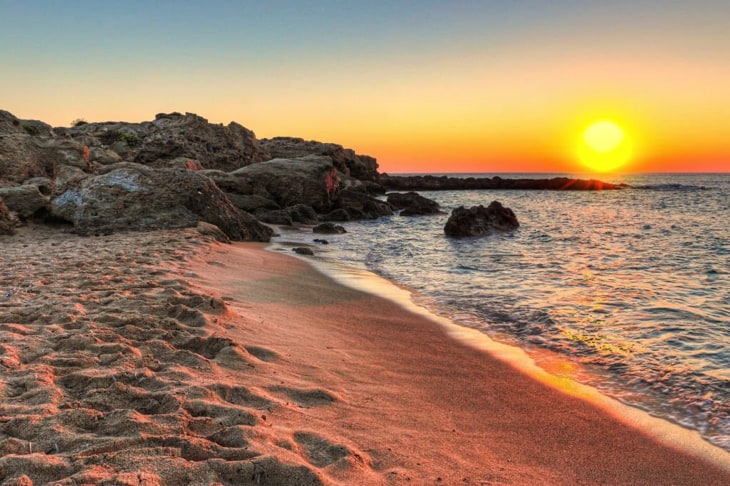
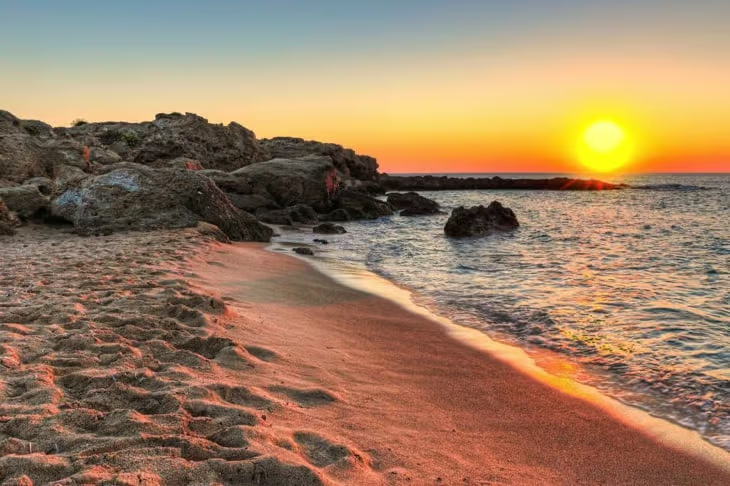
Crete is likewise a great place for retirees. Foreign retirees move to Crete for its low crime rate, slower pace of life, and lower cost of living. The island has both private and public healthcare options, including general hospitals in major cities and smaller clinics in rural areas. Retirees who bring their own pensions can legally reside in Greece and may qualify for a flat tax rate of 7% on foreign pension income for 15 years, provided they register with the Greek tax authority. Greece has agreements with several countries to prevent double taxation.
Crete is also an attractive base for digital nomads. The island offers quiet work environments, affordable rentals, and access to local coworking spaces. Remote workers benefit from Greece’s digital nomad visa, which permits non-EU nationals to legally work online for up to 12 months, with an option to extend. The internet and digital infrastructure in Crete are steadily improving. Fiber-optic connections are available in urban areas, and most apartments and cafes provide Wi-Fi. Towns like Heraklion and Chania have average internet speeds that support video calls, file uploads, and remote collaboration, but connections may be slower in rural areas.
What is the best city to live in Crete?
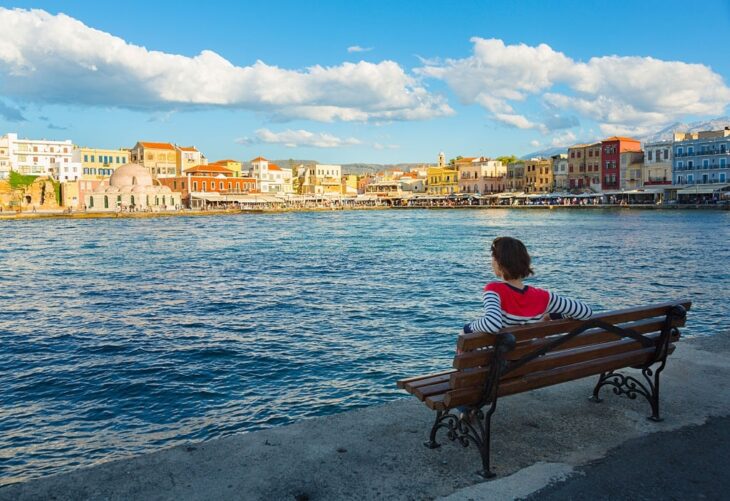
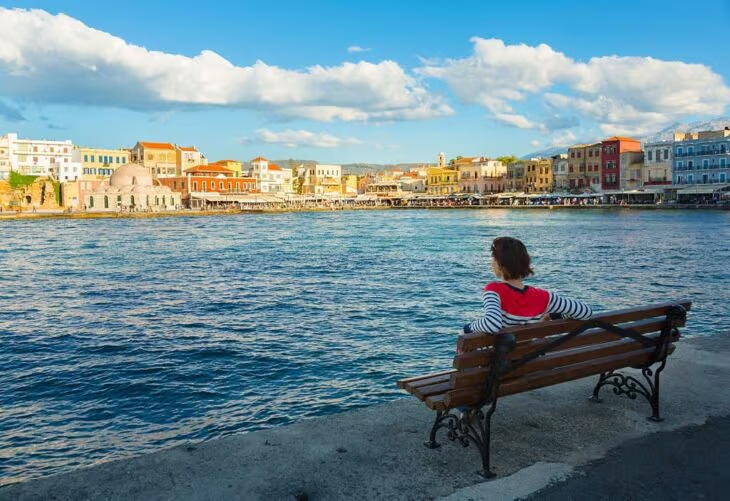
Chania is the best city to live in Crete. Chania is located on the westernmost side of Crete. Chania’s northern side is more developed and offers luxurious tourist resorts, and organised beaches. It is on the northern side where the most famous beach towns are located. Some of these gorgeous beaches include Elafonissi, Balos, and Falassarna. The southern side of Chania is more secluded and traditional. Chania is a wonderful place for vacations and living. It represents the very best of the island of Crete. Chania is divided into the old town and the new town. The old town surrounds the harbour and is usually Venetian, with much of the Turkish architecture and townscapes still evident in the streets. Walking around Chania is such a pleasure.
What is the food like in Crete?
The food in Crete follows a traditional Mediterranean diet based on fresh vegetables, fruits, legumes, olive oil, cheese, seafood, and local meats. Meals are simple, seasonal, and made with locally grown ingredients. Most Cretan dishes are cooked at home, often from scratch, and shared during family gatherings or weekend lunches. Restaurants, bakeries, and street markets offer authentic options year-round. Cretans eat foods like dakos (barley rusk topped with tomato and cheese), bougatsa (sweet or savory pastry), kalitsounia (small cheese pies), and antikristo (slow-roasted lamb). Foreigners should also try horta (boiled wild greens), fava (yellow split pea purée), and locally made olive oil and graviera cheese. These are just some of the most popular food to try in Crete.


Grocery prices in Crete remain affordable. A weekly self-catering grocery budget typically ranges from €50 ($58.13, £43.36)–€80 ($93.00, £69.37), depending on one’s diet and shopping habits. Core items include 1 liter of milk for €1.5 ($1.74, £1.30)–€2 ($2.33, £1.73), a loaf of bread for €1 ($1.16, £0.87)–€1.5 ($1.74, £1.30), a dozen eggs for €3 ($3.49, £2.60)–€4 ($4.65, £3.47), and 1 kilogram of fresh fruits or vegetables for €1 ($1.16, £0.87)–€3 ($3.49, £2.60). Local cheese ranges from €7 ($8.14, £6.07)–€15 ($17.44, £13.01), and chicken or beef costs between €5 ($5.81, £4.34)–€12 ($13.95, £10.41) per kilogram. Dining out is reasonably priced. A gyros or souvlaki wrap costs €3 ($3.49, £2.60)–€4 ($4.65, £3.47), while a full meal at a local taverna costs €10 ($11.63, £8.67)–€15 ($17.44, £13.01). A three-course meal for two at a mid-range restaurant ranges from €40 ($46.50, £34.68)–€60 ($69.75, £52.03).
Several supermarkets in Heraklion, Chania, and Rethymno carry imported grocery products from the US and the UK. Items such as breakfast cereals, sauces, tea, coffee, and snacks are available but priced higher than local goods due to shipping and customs. These imported items are usually stocked by larger chains like AB Vassilopoulos and SYN.KA.
What is healthcare like in Crete?
Healthcare in Crete is accessible to both public and private healthcare services, giving expats multiple options that suit their needs and budget. The healthcare system meets European standards, with well-trained staff, modern facilities, and broad coverage in major cities like Heraklion, Chania, Rethymno, and Agios Nikolaos. Public healthcare is available at low or no cost to insured residents. Expats working in Greece and contributing to the national health insurance scheme (EFKA) can access doctor visits, hospital care, and prescription medicines through the public system. EU citizens with a valid European Health Insurance Card (EHIC) are eligible for emergency and necessary treatments at public hospitals. Doctor visits for insured patients usually cost €0–€10 (£0–£8.50), while prescription medications typically require a 25% co-payment.
Private healthcare in Crete offers faster appointments, English-speaking staff, and more flexibility. Doctor visits in private clinics range from €60 ($69.75, £52.03)–€150 ($174.38, £130.07), depending on the specialty and location. Diagnostic tests such as blood work, X-rays, and scans cost €30 ($34.88, £26.01)–€100 ($116.25, £86.71), while hospital stays or surgeries in private facilities can range from €1000 ($1162.50, £867.10)–€12000 ($13950.00, £10405.20), depending on the procedure and duration of stay. Private health insurance is common among expats. Basic plans cost €30 ($34.88, £26.01)–€70 ($81.38, £60.70) per month and cover routine care and limited emergencies. Comprehensive policies that include hospitalization and specialist visits range from €100 ($116.25, £86.71)–€200 ($232.50, £173.42) per month. International plans with global coverage may exceed €250 ($290.63, £216.78), depending on age and health conditions.
Emergency care is always provided free of charge in public hospitals, regardless of residency or insurance status. Pharmacies are well-stocked and affordable, with over-the-counter medicines widely available. Dental and vision services are usually not covered by public insurance, so many residents use private providers for these needs.
What is the weather like in Crete?
The weather in Crete follows a Mediterranean climate with mild winters and hot, dry summers, making it one of the sunniest regions in Europe. The island receives over 300 days of sunshine per year, offering consistent weather that appeals to both long-term residents and short-term visitors. Humidity remains moderate along the coast, while mountain areas experience cooler temperatures and more rainfall.
Crete’s weather and climate remain stable throughout the year. Summers are dry with minimal rain, while winter brings occasional showers and colder nights. Coastal cities like Heraklion and Chania remain warmer year-round than inland or mountainous villages. Summer in Crete spans June to September, with temperatures ranging from 24°C (75.2 °F) to 3°C (86 °F). July and August are the hottest months, often exceeding 3°C (86 °F) during the daytime. Rain is rare, and beaches are fully accessible, drawing crowds to seaside towns and islands.
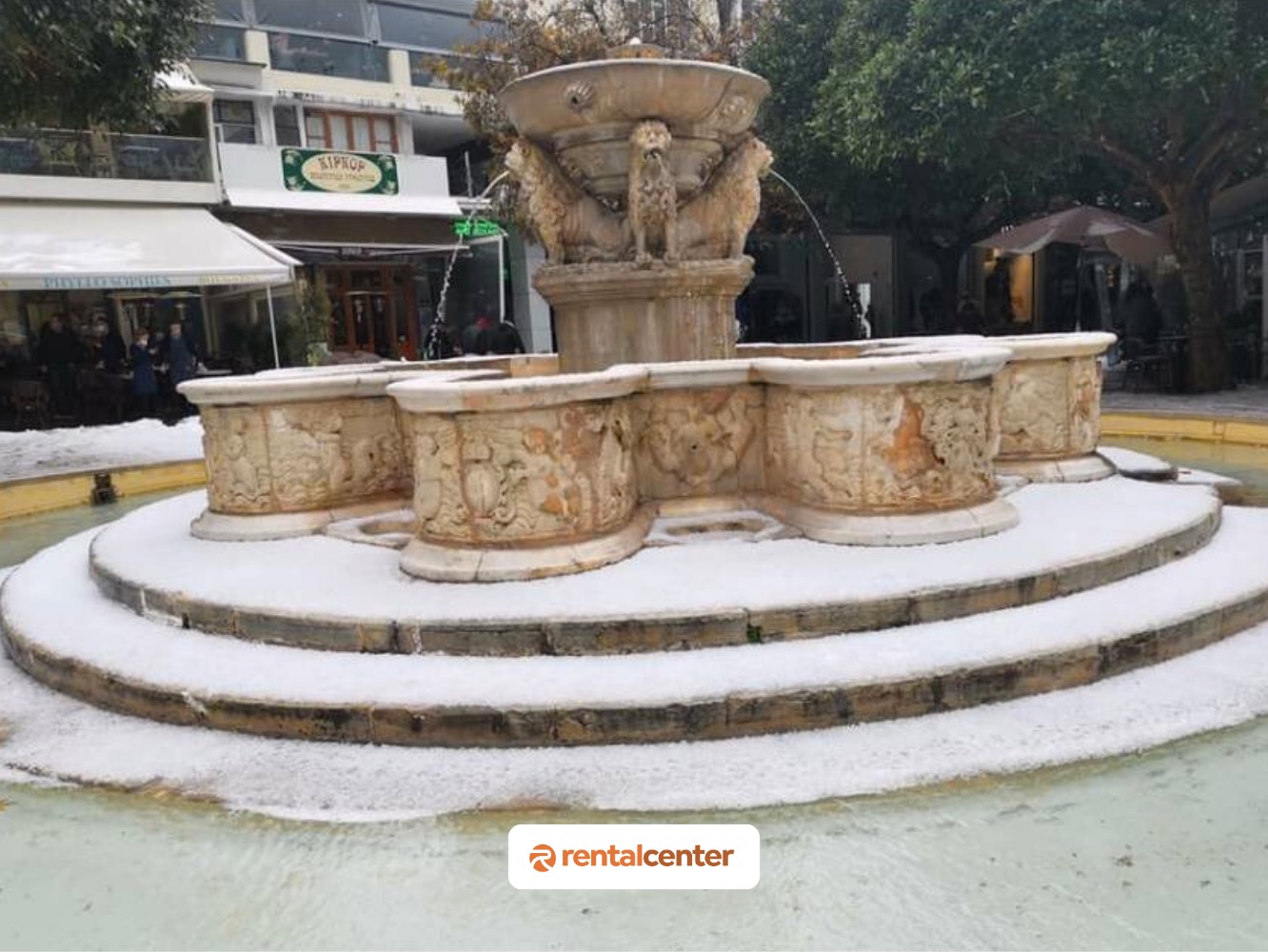
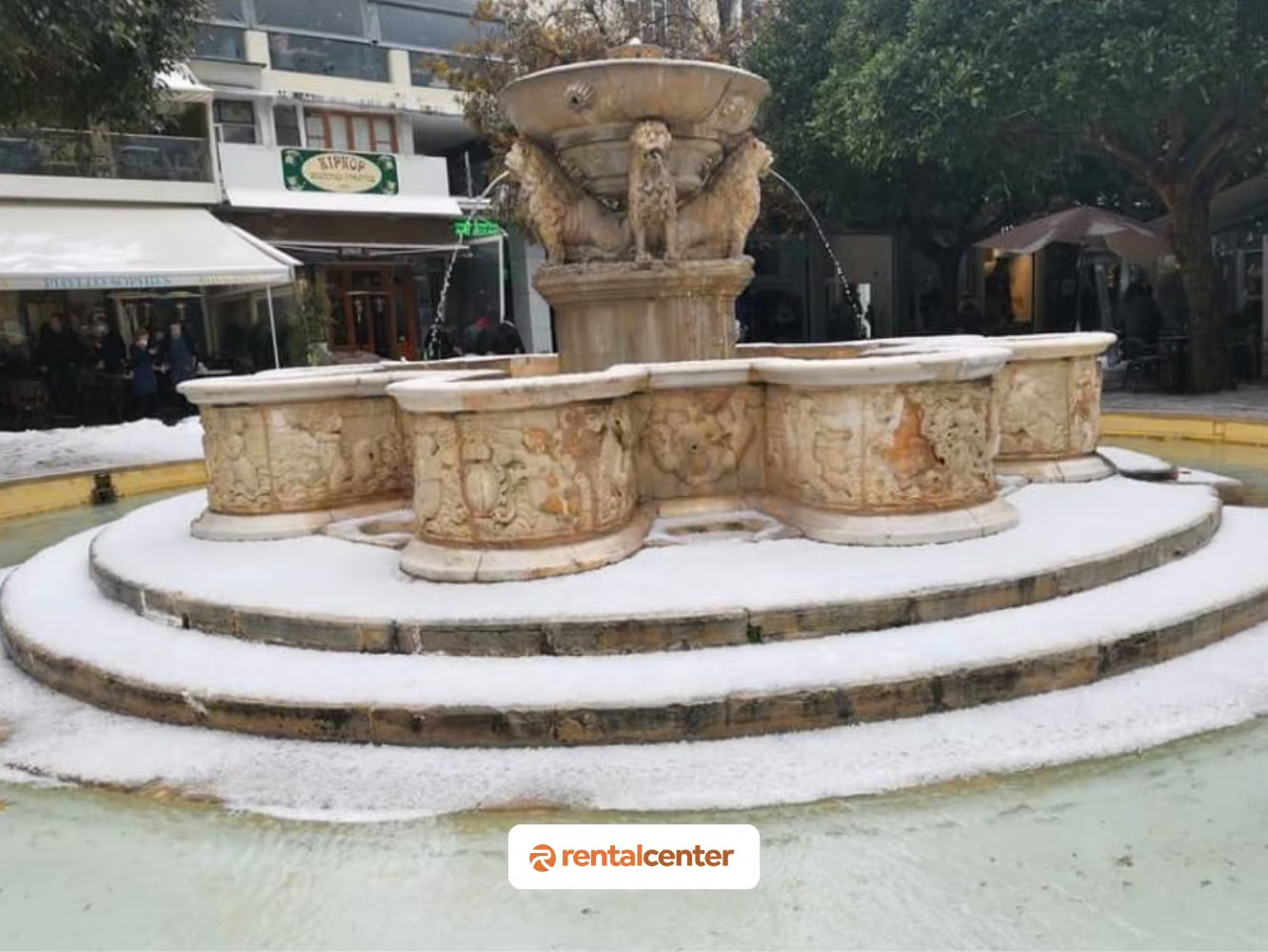
Winter in Crete spans from December to February, and is mild compared to Northern Europe. Temperatures typically hover around 1°C (50 °F) to 16°C (60.8 °F) during the day, with colder nights in the mountains. Rain is more frequent, particularly in January, and snow appears in higher elevations such as the Lefka Ori range. Autumn in Crete begins in late September and lasts through November. Daytime temperatures stay around 18°C (64.4 °F) and 26°C (78.8 °F), with cooler evenings and some rainfall. The sea remains warm enough for swimming through early October, and the landscape begins to turn green again after summer.
Spring in Crete starts in March and continues through May. Daytime temperatures range from 16°C (60.8 °F) to 24°C (75.2 °F).Rainfall decreases sharply after March, and wildflowers bloom across the countryside. Outdoor activities, hiking, and sightseeing are ideal during this season. The best time to visit Crete is from April to early June or September to October, when the weather is warm but not extreme, crowds are thinner, and prices are lower than peak summer months.
How to become a permanent resident in Crete?
A person can become a permanent resident in Crete through several legal pathways, depending on their nationality, purpose of stay, and financial status. Residency options include work permits, family reunification, retirement status, independent means, long-term study, or property investment. Each route has specific income, insurance, and documentation requirements that must be met to apply. Applicants must prepare key documents, including a valid passport, proof of accommodation, proof of adequate income or employment, private or public health insurance, and a clean criminal record certificate, before moving to Crete. All non-Greek documents must be officially translated and certified before submission to Greek authorities.
UK and US citizens may enter Greece visa-free for short visits up to 90 days within any 180 days under the Schengen Agreement. Tourists must apply for a national visa (type D) at a Greek consulate in their home country for stays longer than 90 days. This visa allows entry into Greece for long-term purposes such as work, remote employment, or retirement. Both UK and US citizens must also register through the ETIAS (European Travel Information and Authorization System) for any short-term visit to Europe, including Greece.
The first steps to permanently moving to Crete involve choosing the appropriate visa type, gathering the required documents, and applying for a long-stay visa at the nearest Greek embassy or consulate. New residents must apply for a residence permit at the local immigration office within the time limit stated on their visa after arriving in Crete. Timely renewals, legal address registration, and proof of continued eligibility are necessary to maintain permanent residency status.
What are the pros and cons of living in Crete?
Find below a list of the pros of living in Crete.
- Lower Cost of Living. Living expenses in Crete are generally lower than in the United Kingdom or the United States. Rent, groceries, transportation, and healthcare are affordable, especially outside tourist zones. Residents benefit from fresh local produce, low utility bills, and reasonable dining costs.
- Mild Climate Year-Round. Crete basks in over 300 days of sunshine annually, with warm summers and mild winters. Residents enjoy outdoor activities, access to the sea, and a pleasant environment throughout the year.
- Strong Community Culture. Cretans value family and neighborly relationships. Newcomers are often welcomed and supported, especially when they show respect for local customs and traditions.
- Safe and Peaceful Environment. Crime rates in Crete remain low compared to other European regions. Violent crime is rare, and public areas are generally safe during the day and night.
- Access to Quality Food. Cretans enjoy a diet based on olive oil, vegetables, legumes, and local meats. Fresh, seasonal ingredients are available in every town, contributing to a healthy lifestyle.
Find below a list of the cons of living in Crete.
- Limited Public Transport in Rural Areas. Bus routes usually connect major cities and towns, but rural villages have fewer daily services. Residents in remote areas may need a car for daily travel and errands.
- Bureaucratic Processes. Greek administrative procedures can be slow and complex. Foreigners often face delays when applying for visas, permits, or health coverage, especially without legal guidance or Greek language skills.
- Language Barrier in Non-Tourist Zones. English is widely spoken in urban and tourist areas, but rural regions have fewer English-speaking residents. Daily tasks may be more challenging without some basic Greek.
- Job Opportunities Are Limited. Employment options for foreigners are often restricted to tourism, remote work, or seasonal labor. Greek language skills and EU citizenship improve job prospects, but are not always enough to guarantee work.
- Hot Summers Can Be Challenging. July and August often see temperatures above 30°C (86°F), especially inland. Without air conditioning or proper ventilation, daytime heat can become uncomfortable, particularly for those unaccustomed to warmer climates.
What are the reasons to move to Crete?
The reasons people move to Crete include a lower cost of living, a slower pace of life, and access to a mild Mediterranean climate. UK and US citizens often relocate to the island to reduce daily expenses, simplify routines, and enjoy a lifestyle focused on health, community, and comfort. The slower pace appeals to expats leaving behind fast-moving urban centers. Daily schedules in Crete prioritize personal well-being, family meals, and time outdoors. Local businesses close during midday hours, and social life centers around small gatherings rather than fast consumer culture.
Climate is another key factor. Crete experiences over 300 days of sunshine per year, with warm summers and mild winters. The weather allows for year-round outdoor activities such as swimming, hiking, and open-air dining, supporting both physical and mental well-being. Safety and community values encourage relocation. Crime is low, and neighbors often form strong social ties, especially in small towns and villages. Foreigners who engage with local traditions and make an effort to communicate respectfully are usually welcomed.
The availability of fresh, affordable prices and food is another reason many choose Crete. The local diet is primarily based on vegetables, legumes, seafood, olive oil, and cheese, which supports a healthy lifestyle. Weekly markets and small grocers make it easy to access seasonal ingredients at fair prices.
1. Beaches
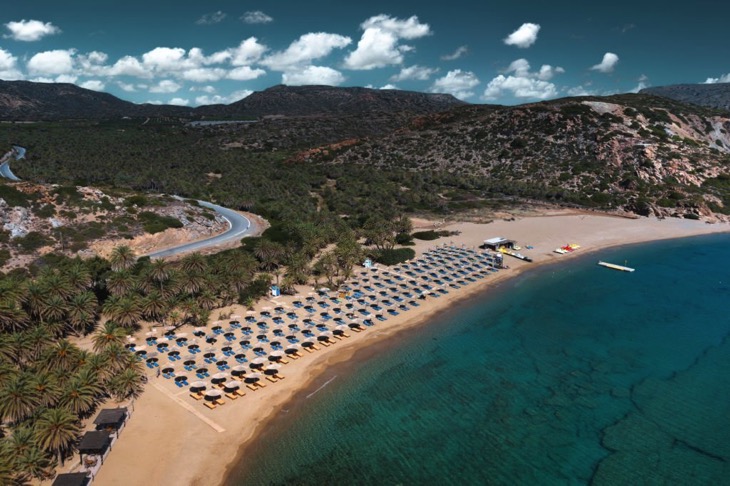
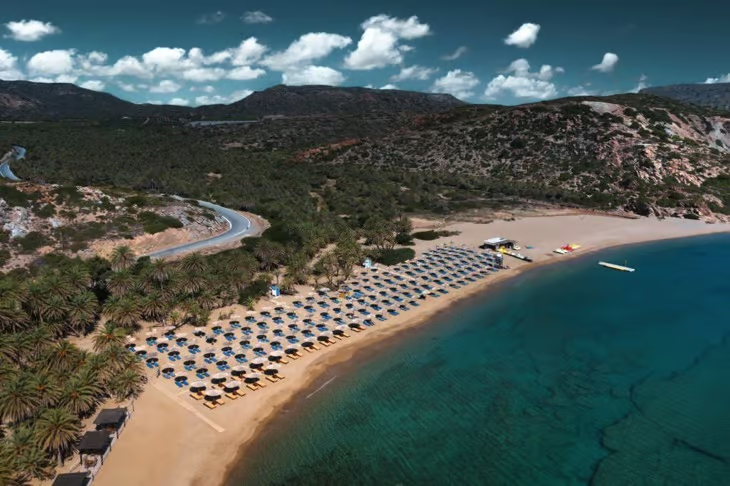
Crete is surrounded by the Mediterranean Sea, offering daily access to beautiful coastal areas across all four regions. Residents enjoy year-round visits to some of the top Crete beaches, including Elafonissi with its pink-hued sand, the turquoise lagoon of Balos, and the long shoreline of Falassarna. Eastern beaches such as Vai, known for its palm forest, and the quiet bays near Ierapetra, offer more seclusion. Many expats settle in coastal towns to stay near these beaches for morning swims, weekend walks, or relaxed afternoons under the sun. Access to the sea becomes part of everyday living, not just a vacation perk.
2. Hiking
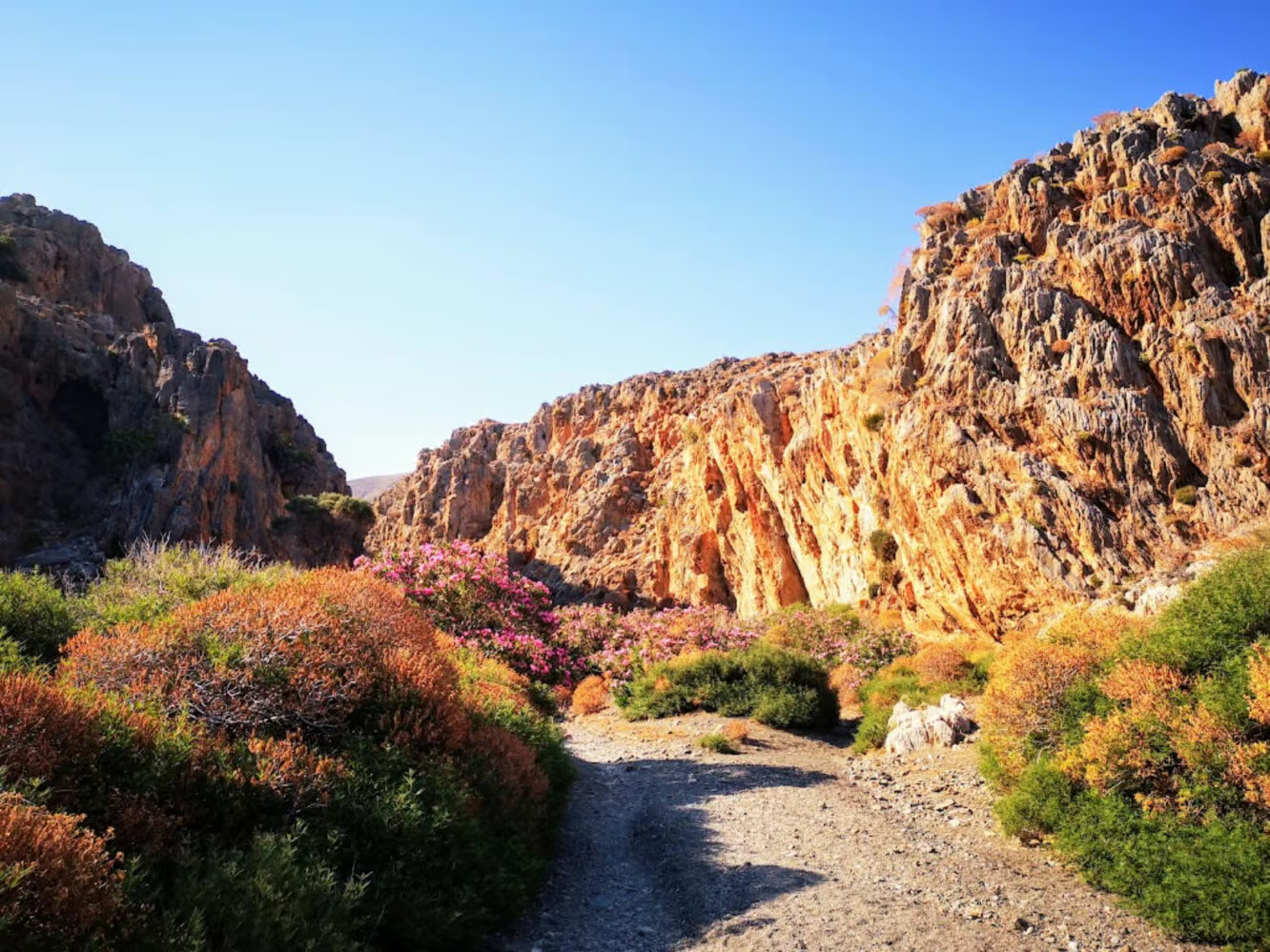
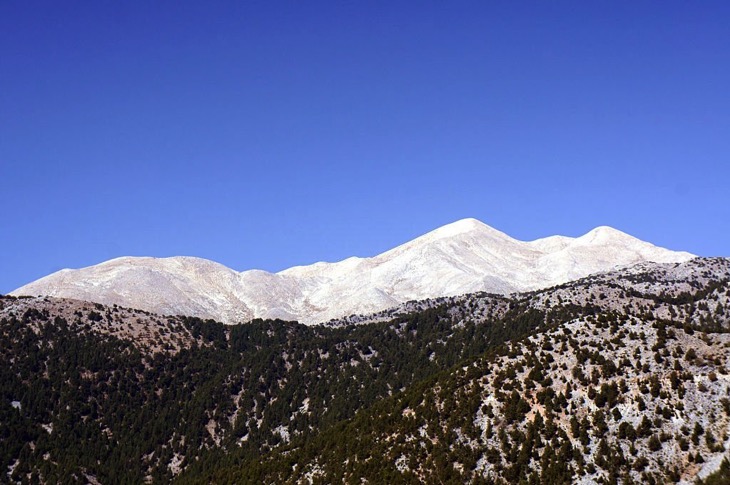
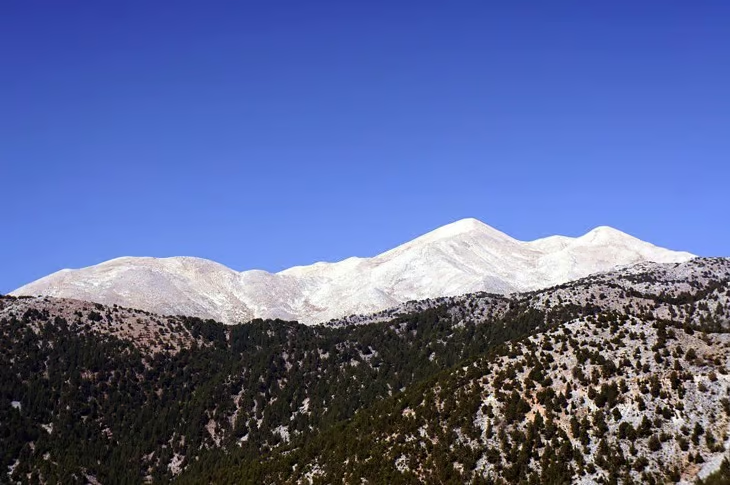
Crete offers extensive hiking opportunities across mountain ranges, coastal trails, and deep gorges. People who enjoy nature and physical activity often move to Crete for its well-marked paths and dramatic landscapes. Some of the most amazing places to hike in Crete include Samaria Gorge, the longest gorge in Europe, the rugged trails of Aradena Gorge, and forested areas around the White Mountains. The E4 European long-distance trail crosses the island from east to west, connecting villages, ancient ruins, and remote chapels. Hiking becomes part of a weekly routine, offering both physical exercise and mental clarity. Even residents who don’t hike regularly enjoy the clean air and natural scenery that surround most towns and villages.

3. Culture
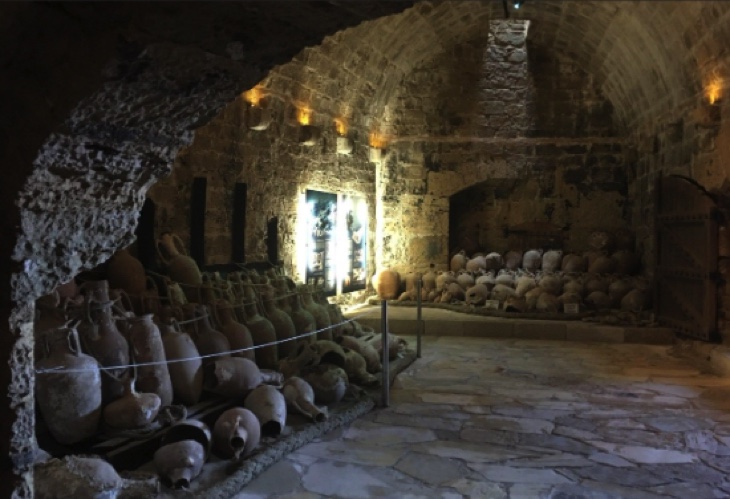
Crete’s cultural identity remains strong and visible in daily life. Many foreigners are drawn to the island because of its connection to ancient history, traditional music, and regional customs. Local festivals, religious holidays, and family gatherings often follow customs that have remained unchanged for centuries. People who move to Crete gain access to a rich calendar of events and daily interaction with local art, cuisine, and hospitality. Some of the most important historical sites and landmarks in Crete include the Palace of Knossos, the Heraklion Archaeological Museum, Arkadi Monastery, and the Venetian fortresses in Rethymno and Chania. Unlike many tourist destinations, Crete offers history as a lived experience, not a packaged tour.
4. Mythology
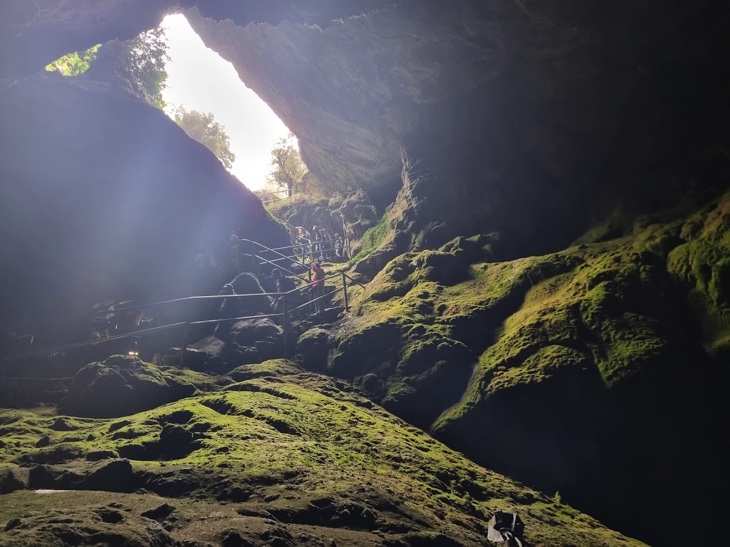
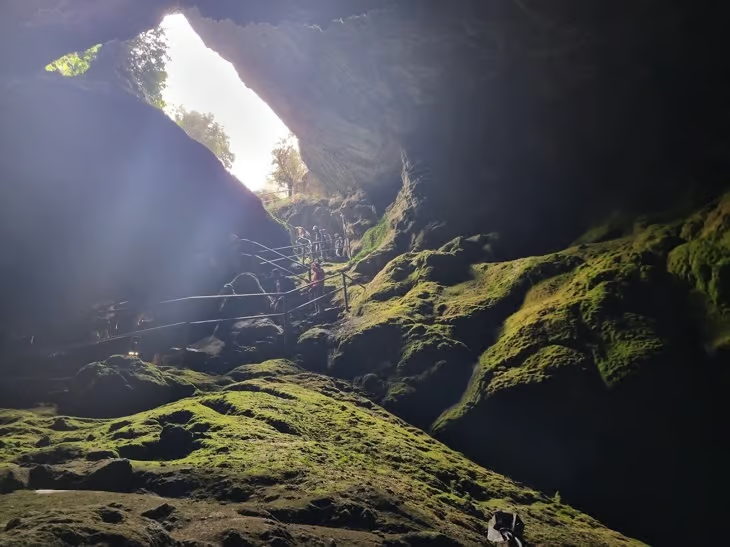
Crete is deeply connected to Greek mythology, which adds cultural depth and historical significance to everyday places on the island. Residents live near locations mentioned in ancient stories, such as the Dikteon Cave in Lasithi, believed to be the birthplace of Zeus, or the Labyrinth of Knossos, tied to the myth of the Minotaur and King Minos. Moving to Crete allows people to experience these myths firsthand by visiting the actual locations mentioned in classical texts. Living in a place so tightly woven into the foundations of Western storytelling adds meaning to the locals’ environment and offers educational opportunities for both adults and children.
5. Traditions
People who move to Crete often find value in the strong cultural traditions that shape everyday life. These include local music, Cretan dancing, Orthodox religious festivals, and customs tied to birth, marriage, and death. Crete Traditions are not preserved for show but are lived by residents across generations. Foreigners who participate in village festivals, Easter celebrations, and seasonal harvests often feel more connected to the community. Handicrafts such as embroidery, weaving, and knife-making remain practiced, and many families still pass down recipes, clothing, and oral history. This preservation of tradition appeals to those looking for cultural authenticity and a break from commercialized or rapidly changing lifestyles.
6. Tasty Food
Crete stands out for its healthy, flavorful cuisine, which forms a major part of the reason people choose to live on the island. The diet focuses on fresh vegetables, olive oil, legumes, grains, cheese, and seasonal meats. Many dishes are made from scratch, with minimal processing and local ingredients. People enjoy meals like dakos, kalitsounia, antikristo, and moussaka as part of their weekly routines. Eating out is affordable, and many homes have gardens for growing herbs, vegetables, or fruit. Food is more than sustenance; it’s part of the island’s rhythm and social culture. This access to tasty food supports both physical health and a satisfying daily life.
7. Villages
Crete’s villages are a key reason many people move to the island. These settlements offer a peaceful lifestyle with strong community ties, low living costs, and access to locally grown food. Villages such as Archanes, Vamos, Anogeia, and Zaros maintain traditional architecture, slow daily rhythms, and cultural authenticity that is often lost in larger cities. Foreign residents who settle in these areas often describe feeling welcome, especially when they participate in village events or learn basic Greek. Village life supports a quieter routine, ideal for retirees, remote workers, or families seeking space and simplicity. Most villages are within driving distance of towns or beaches, offering a balanced lifestyle.
8. Attractions
People move to Crete not only to live well but to live near places worth visiting every week. The island offers access to a wide variety of attractions, from ancient ruins to natural wonders. Key attractions include the Palace of Knossos, the Venetian Port of Chania, the Samaria Gorge, the Ideon Cave, and the monasteries of Arkadi and Preveli. These locations are not isolated to tourists that residents often visit them during holidays, weekends, or family outings. Many attractions are free or low-cost for locals. Living near such landmarks provides regular opportunities for exploration, photography, and learning, adding richness to everyday life on the island.
9. Scenic Views
Crete offers daily exposure to scenic views that change with the seasons and time of day. Residents often wake up to sea horizons, olive groves, and mountain backdrops without needing to leave their homes. The island’s topography combines high peaks, coastal cliffs, rolling hills, and agricultural plains. Views from places like the Lasithi Plateau, the village of Loutro, or the road to Sfakia remain impressive no matter how often they are seen. Sunsets over the Libyan Sea or early morning fog in the White Mountains create moments that feel cinematic in everyday life. This constant visual beauty improves mental well-being and creates a deeper connection to nature for expats who move to Crete.
10. Churches and Monasteries
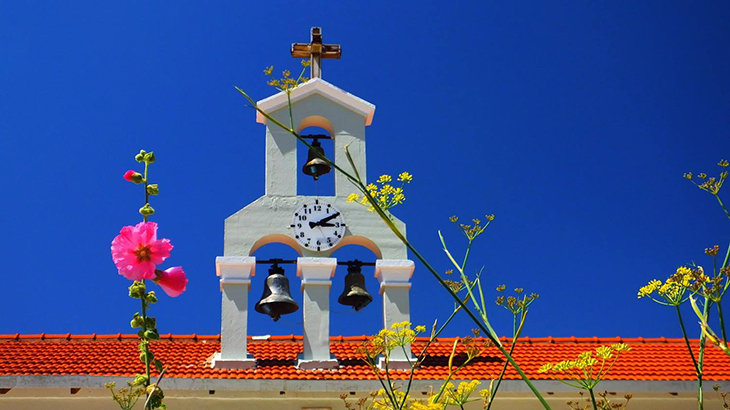
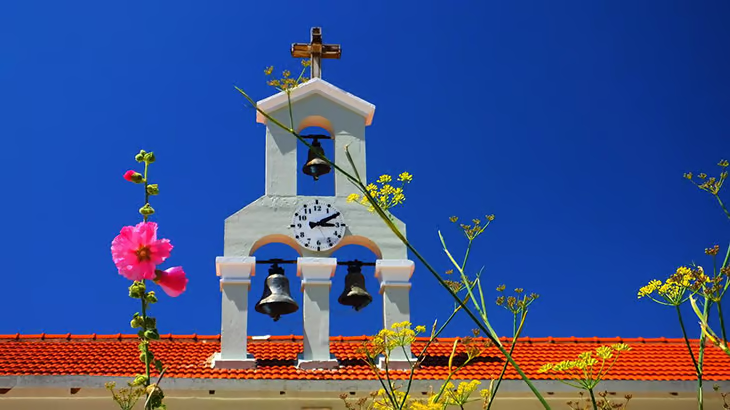
Crete’s churches and monasteries are part of the island’s spiritual and architectural heritage, and they remain active parts of community life. Many people who move to Crete develop an appreciation for these religious landmarks not only for their role in worship but for their artistry, history, and serene surroundings. Monasteries such as Arkadi, Preveli, and Toplou are open to the public and often host cultural events, while small village chapels mark holidays and festivals throughout the year. Residents visit Crete churches and monasteries for quiet walks, photography, or personal reflection. People living on the island often describe these churches and monasteries as symbolic of Crete’s deep cultural roots, regardless of whether they consider themselves religious or not.
What is the best city to live in Crete?
The best city to live in Crete depends on one’s lifestyle, goals, and daily needs. Each of the island’s main cities, such as Heraklion, Chania, Rethymno, and Agios Nikolaos, offers distinct advantages for different types of residents, whether working remotely, raising a family, seeking job opportunities, or planning retirement.
Heraklion is the best city to live in Crete for digital nomads and working professionals. It is the island’s largest urban center and has reliable internet infrastructure, coworking spaces, and proximity to the airport. Heraklion has easy access to hospitals, supermarkets, and government offices, making it ideal for residents who need efficiency and stable digital connectivity. It also hosts the University of Crete and several tech-related businesses, offering more opportunities for freelancers and remote workers.
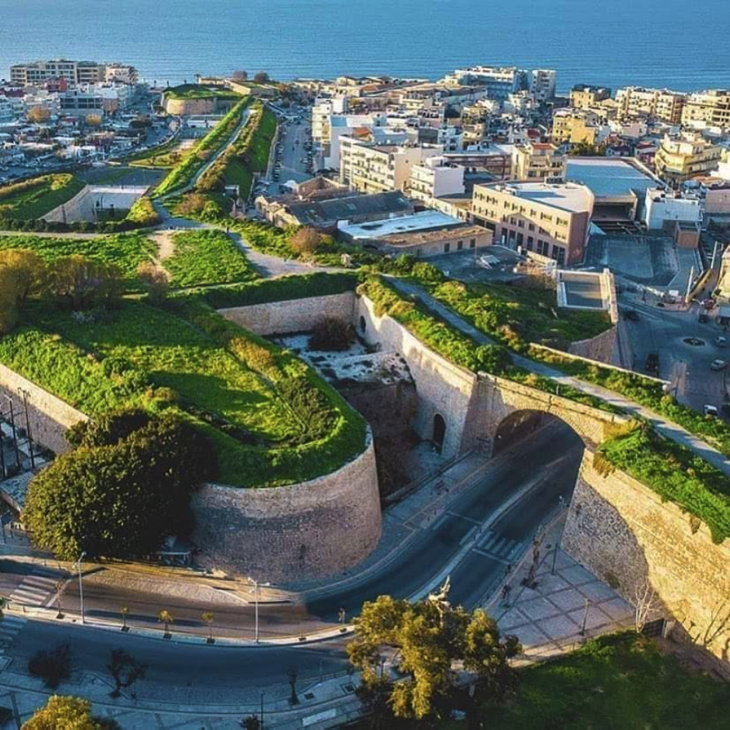
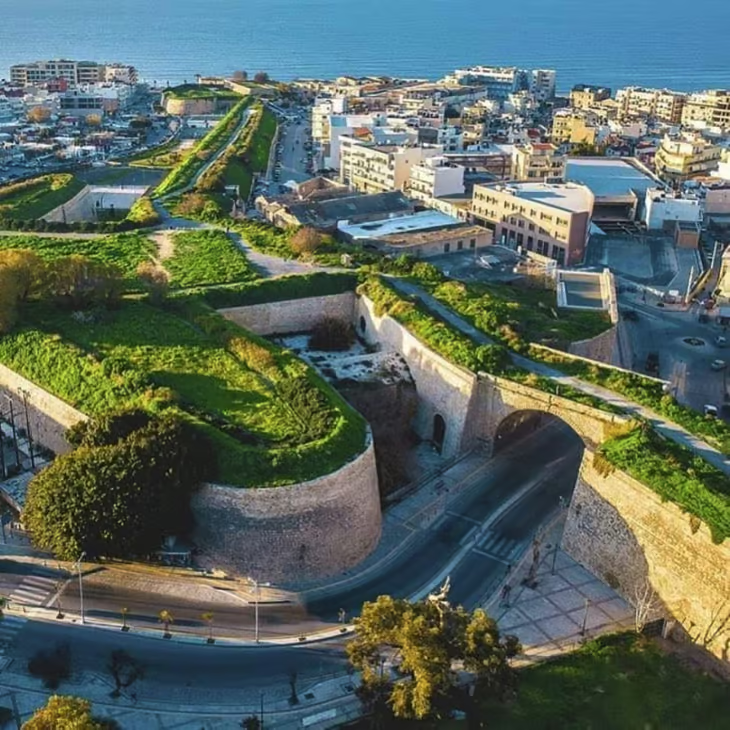
Chania is the best city for families. It combines modern amenities with access to safe neighborhoods, good public schools, and a slower pace compared to Heraklion. Parks, beaches, and nearby villages give children space to grow and explore. The local healthcare system is strong, and international schools are available for expat families. Chania’s combination of cultural life and natural surroundings appeals to parents who want a balanced environment for their children.
Rethymno offers a good balance between urban access and small-town feel, making it suitable for retirees and individuals seeking work in tourism, education, or seasonal services. The cost of living is slightly lower than in Heraklion or Chania, and the city is compact and walkable. For retirees, Rethymno exudes a calm lifestyle, awe-inspiring beauty, and access to both public and private healthcare. The Old Town and beachfront promenade create a pleasant atmosphere for daily routines.
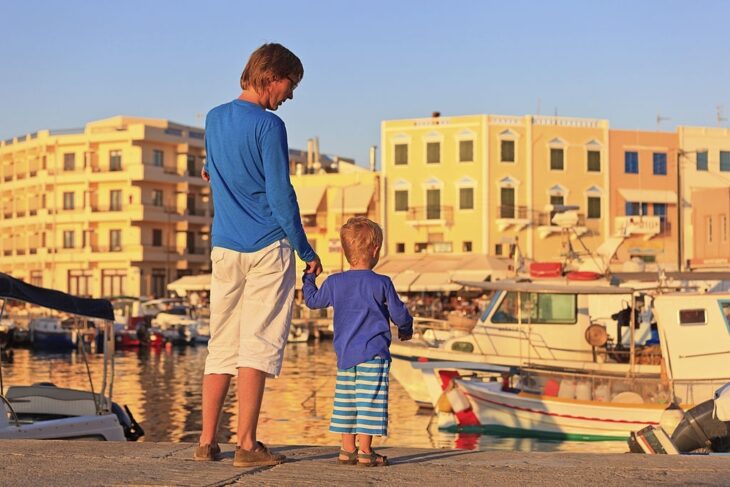
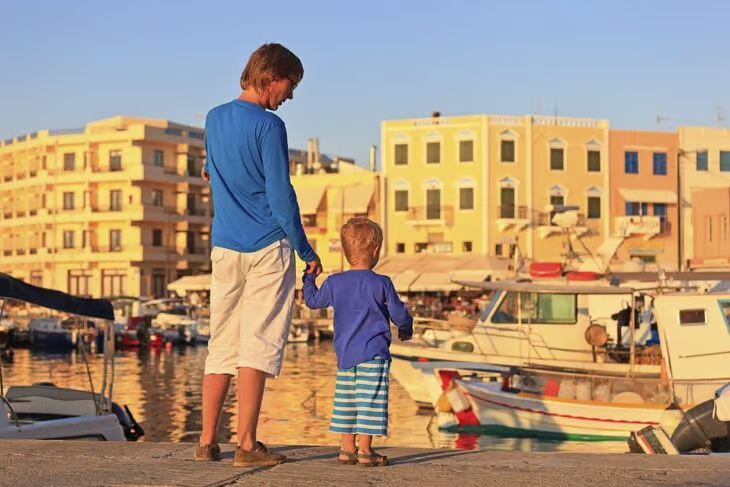
Agios Nikolaos is another strong choice for retirees. The town is smaller and quieter than Crete’s larger cities but still offers good infrastructure, coastal views, and a friendly community. Many retirees choose Agios Nikolaos for its manageable pace, accessible services, and clean environment.
Expat communities in Crete are well-established, particularly in Chania, Rethymno, and Heraklion. English is widely spoken in these cities, and social groups, language exchanges, and community events help newcomers settle in. Some expats prefer to live in nearby villages while staying connected to the city through regular visits and local events.
What is needed to buy a property in Crete?
Find below a list of requirements needed to buy a property in Crete:
- Tax Identification Number (AFM). Buyers must obtain a Greek Tax Identification Number (AFM) from the local tax office. This is a mandatory requirement for signing contracts, paying taxes, and completing property registrations. The AFM is issued in person with a valid passport and proof of address. No legal financial transaction involving real estate can proceed without this number.
- Greek Bank Account. A Greek bank account is required to transfer funds for the purchase and to pay all associated costs, such as legal fees, notary charges, and property taxes. Banks will request identification, proof of residence, and tax records from the buyer’s home country. The bank account must be opened before making any payments.
- Legal Representation. Hiring a local lawyer is strongly advised. A lawyer performs due diligence to verify that the title is clean, ensures there are no outstanding debts or encumbrances on the property, and represents the buyer throughout the contract process. This is especially important when property prices vary so widely, as legal guidance helps buyers assess whether a property’s location, age, and structural condition justify its asking price. Renovated homes near the sea or within tourist zones cost significantly more than inland homes or those in need of repair.
- Notary Public. All real estate transactions must be executed in the presence of a licensed notary public. The notary drafts the final contract, confirms the legality of the transaction, calculates taxes, and oversees the official signing. This step ensures that both buyer and seller meet all legal obligations before ownership changes hands.
- Land Registry and Title Deed. The buyer must register the new ownership at the local Land Registry office after the purchase. This includes recording the deed and updating the official property records. The notary or lawyer usually handles this step. Property values entered during registration affect future tax obligations and depend on factors such as land size, proximity to the sea, distance from city centers, and overall property condition.
Can you import your car when moving to Crete?
Yes, expats can import their car when moving to Crete, but the process involves several legal, financial, and logistical steps, depending on whether the car is brought temporarily or permanently. EU citizens may bring their car into Greece for up to six months within any twelve-month period without paying import taxes, provided the vehicle remains registered in their home country and is used for personal purposes only. Owners must be able to prove the date of entry in such cases, with documentation like a ferry ticket. This temporary import arrangement does not require Greek registration or tax payments, though Greek insurance is recommended.
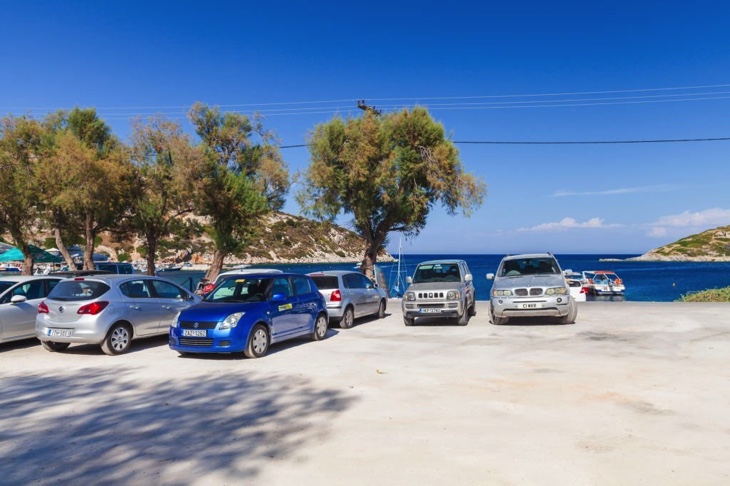
Individuals planning to live in Crete long-term will go through a permanent immigration process. This involves registering the vehicle in Greece, which means obtaining Greek license plates and paying all related taxes and fees. The required documentation includes the vehicle’s original registration certificate or title, the purchase invoice, Certificate of Conformity (CoC), proof of permanent residence in Greece, valid vehicle insurance, and customs clearance papers if the car is imported from outside the EU. A Declaration of Vehicle Arrival (DVA) must be submitted at customs upon the vehicle’s entry into Greece. Vehicles from non-EU countries are subject to full customs clearance, including import duties.
The import taxes can be significant. All imported vehicles are subject to a registration tax, which is calculated based on the vehicle’s value, age, and CO₂ emissions. Older cars may be eligible for a depreciation discount. New vehicles and cars from outside the EU are subject to 24% VAT, while used cars from within the EU are generally exempt if VAT was already paid in the country of origin. Non-EU vehicles are also subject to a 10% customs duty. Additionally, vehicles must meet at least Euro 4 emission standards, and environmental fees may apply for high-emission models.
A vehicle must pass a technical inspection before it can be driven in Crete, usually through a KTEO center, similar to an MOT test, especially if it is more than four years old. The car must be registered with the Greek authorities once approved, assigned Greek license plates, and insured by a Greek insurance provider. The entire process may involve significant cost. For example, importing a €20000 ($23250.00, £17342.00) vehicle could result in €6000 ($6975.00, £5202.60)–€8000 ($9300.00, £6936.80) in total import taxes and fees, depending on the vehicle’s age, emissions, and origin. This tedious process causes many expats to choose to sell their car before moving and buy one locally in Crete instead. Local vehicles are often reasonably priced, and the registration process is simpler and less time-consuming.
Can you rent a car for the long term in Crete?
Yes, renting a car for the long term in Crete is possible. A long-term car rental requires a minimum rental period of 30 days and offers a flexible solution for travelers who need consistent transportation without the commitment of car ownership. Daily rates range from €8 to €26 (£6.80–£22.10), depending on the vehicle. A Peugeot 108 starts at €8 per day, while a Volkswagen Caddy Maxi costs €26 per day. Available vehicles include small cars like the Fiat Panda and Opel Corsa, mid-sized models such as the Toyota Yaris and Volkswagen Golf, and larger options like SUVs and minibusses. Renters can choose a specific car as long as it is available on the booking date. Long-term rental offers are seasonal and typically apply from May 1st to September 30th, with no discounts available from October through April.

The benefits of long-term car rental in Crete include full insurance coverage, routine service maintenance, unlimited mileage, and flexible cancellation terms. It also provides travelers the freedom to explore the island at their own pace and choose a vehicle that fits their travel needs. There are no restrictions on vehicle types or mileage, giving renters full access to Crete’s cities, beaches, and mountain roads. Renters must be at least 21 years old to book a small car (Groups A and B), 23 for larger models, and 25 for SUVs, convertibles, and vans. Accepted payment methods include cash, Visa, Mastercard, and American Express. A valid driver’s license and compliance with the rental company’s policies are required.
What are the factors to consider before renting a car in Crete?
Listed below are the factors to consider before renting a car in Crete.
- Insurance: Car rental insurance is important, as it protects a passenger against the cost of damage when renting a car. Crete car rental includes insurance for collision damage waiver and a driver’s credit card is required as a guarantee.
- Driver’s age: The legal age requirement when driving a rental car in Crete is 21 years old. The driver must have a valid driving licence and essential documents like an ID or passport.
- Driver’s gender: Women and men are permitted to drive in Crete. As long as the driver is of the legal age of 21, driving a car rental is permitted in Crete, regardless of gender.
- Car type: Travelling with groups or family members requires a much bigger car. Car rental companies in Crete offer a variety of cars to choose from. Selecting a smaller car is best when driving in Crete. The reason for that is that some Greek roads are narrow. The car type is one big factor in how to choose the right car to rent in Crete.
- Documents needed for renting a car: One important document needed for renting a vehicle is a valid driving licence. However, a credit or debit card may be presented as well, including a passport or an ID card.
How much does a car rental in Crete cost?
The island of Crete is best travelled using a rented vehicle. Visitors are able to get faster to Crete’s top destinations using a rented car. Crete car rental costs vary depending on the number of persons, itinerary, car type, destination, and duration. The average cost of renting a car in Crete is around €25 ($29.06, £21.68) to €40 ($46.50, £34.68) per day. A car rented for a whole week will cost an average of €250 ($290.63, £216.78). Renting a vehicle for the weekend will cost around €78 ($90.68, £67.63). Crete car rental rates differ depending on the car type. Car rental companies offer a variety of cars depending on customers’ liking. Most car rental shops in Crete offer an online booking system, whenever customers want to book a car. Simply follow the process and instantly book a vehicle on their website. Before availing of a rental car service in Crete, check and secure all the requirements needed.
Published on .