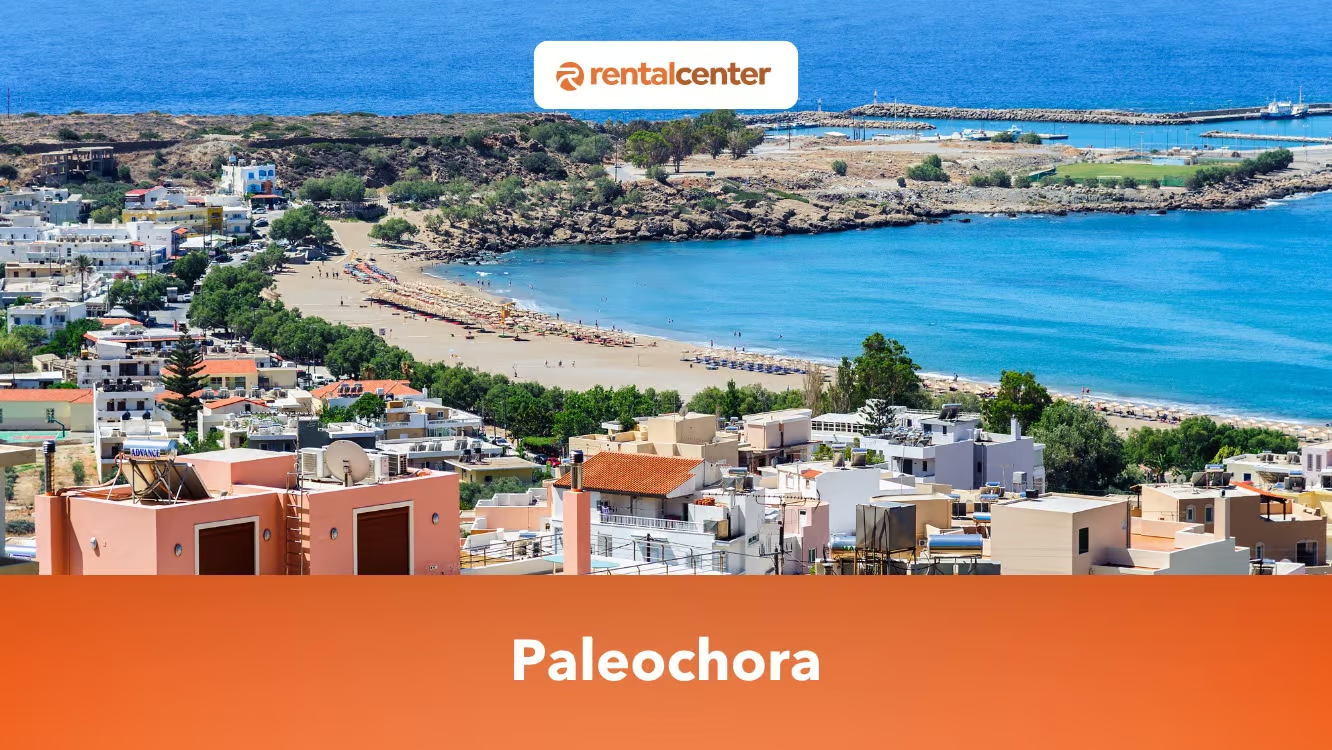
After cycles of destruction and revival, Paleochora re-emerged in the 20th century as a fishing village before growing into a relaxed resort known for its beaches, laid-back atmosphere and old-town streets. The easiest way to explore its secluded coves is by car, and local agencies such as Rental Center Crete supply vehicles suited to the narrow roads, including the Fiat 500c Cabriolet for open-air driving along the coast. Read article
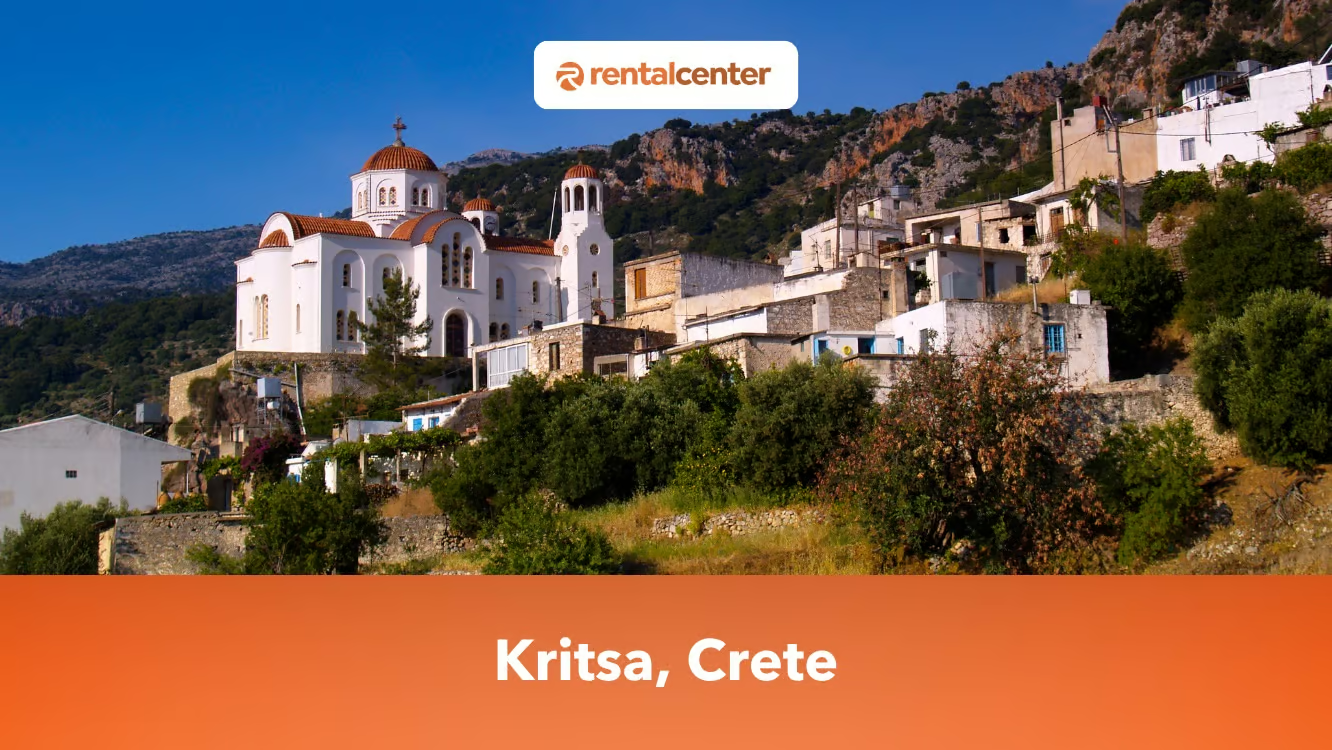
Renting a car is the most convenient way to explore Kritsa and the surrounding area. Car rental prices in Kritsa start at €30 ($34.44, £25.43) per day for a compact car. A small-to-medium vehicle, such as a hatchback or compact, suits the narrow, winding roads best, because it is easier to maneuver and park in the village's tight spaces. The roads in Kritsa are steep and narrow, so a compact car with good handling makes the drive safer and more comfortable, while also using less fuel when you visit nearby attractions. Read article
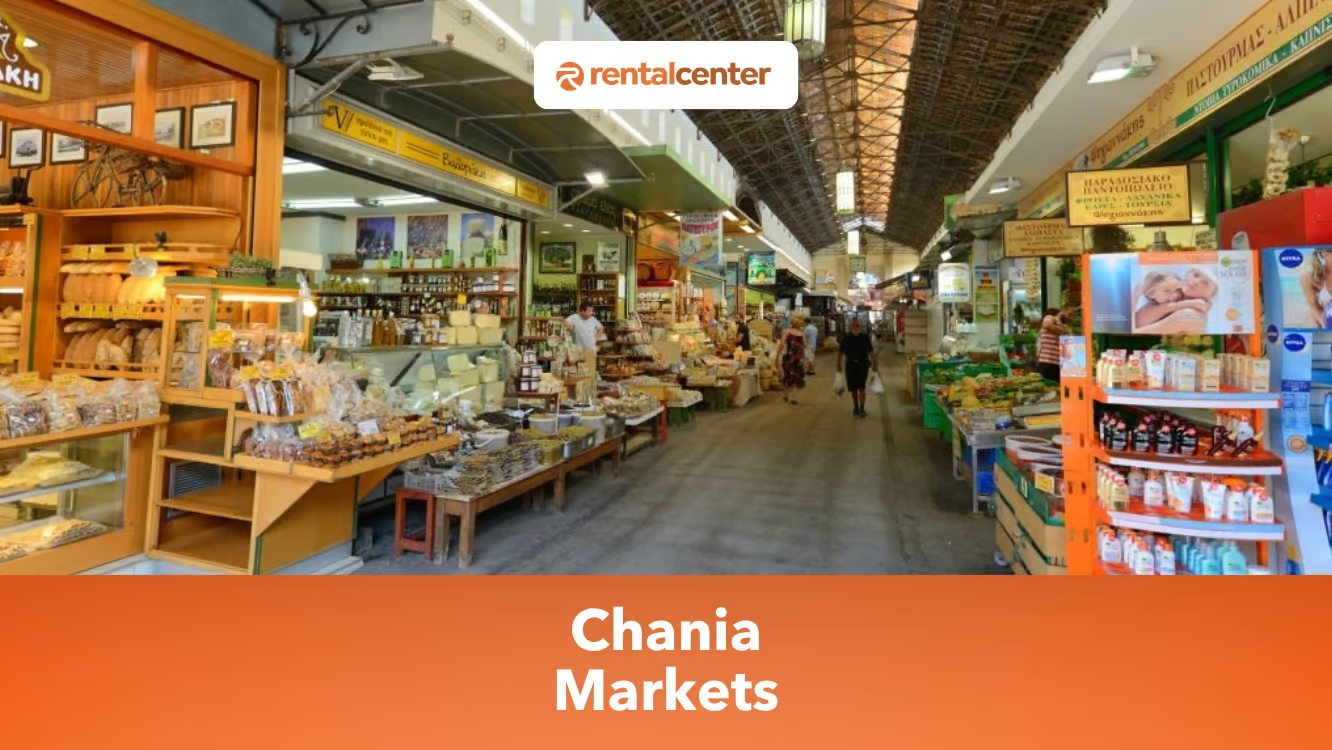
Chania Airport sits about 15 km (9.32 miles) from the market area, roughly a 15-20 minute drive. Local buses cover the main airport-to-town route, but they run on limited timetables. Several buses do not reach the relocated Laiki sites in neighbourhoods outside downtown. A rental car solves that in one trip. Pick up the car at the airport, drive into town for the Agora and Old Venetian Harbour, then head to whichever neighbourhood hosts that day's Laiki market without waiting on a bus. Parking gets tight in the narrow streets of the Old Town, so most visitors leave the car at a paid lot near the harbour and walk the last few minutes. Read article
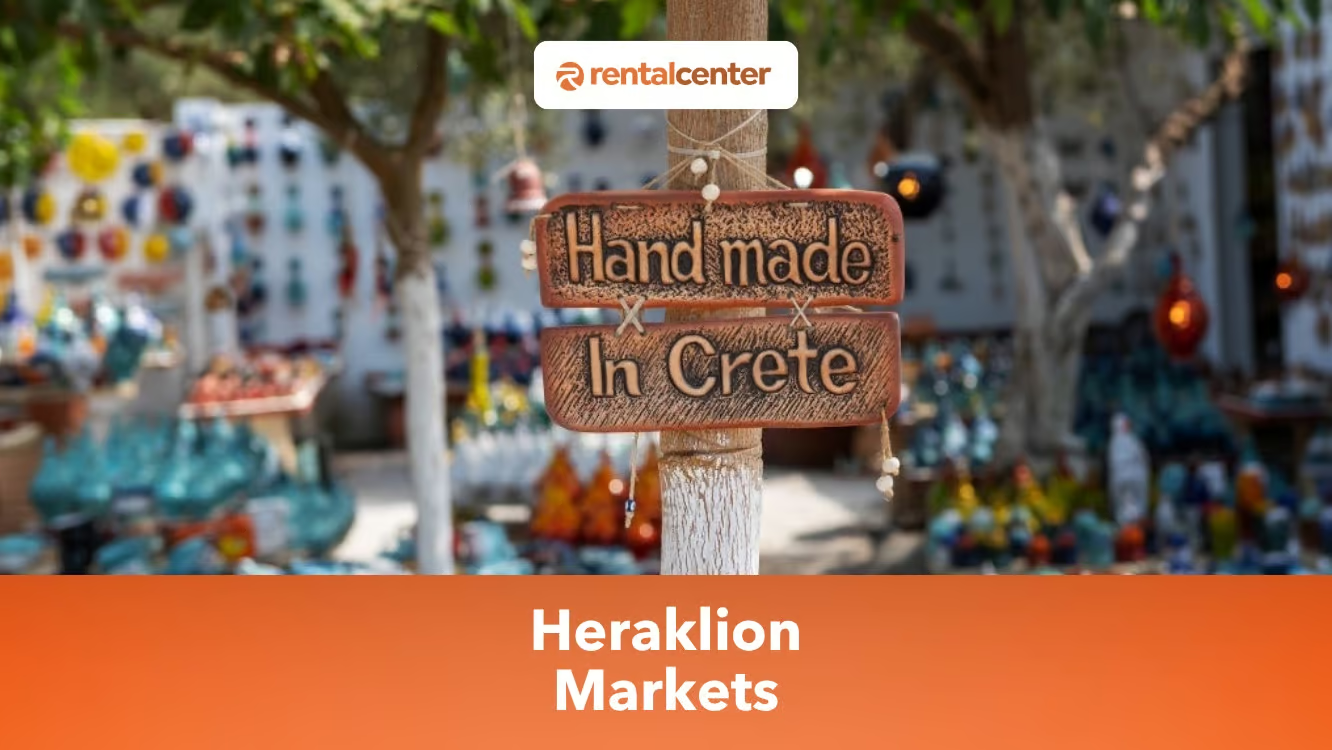
Heraklion Airport (Nikos Kazantzakis International) sits about 5 km (3.11 miles) east of the market, a 15 to 20 minute taxi ride or a 20 to 30 minute journey on the airport bus, which runs to its own fixed timetable rather than yours. A rental car removes that constraint: you park once and choose your own market hours, and 1866 Street itself has a public indoor car park tucked into one of its side streets, a detail most visitors never find until they already have a car. Read article
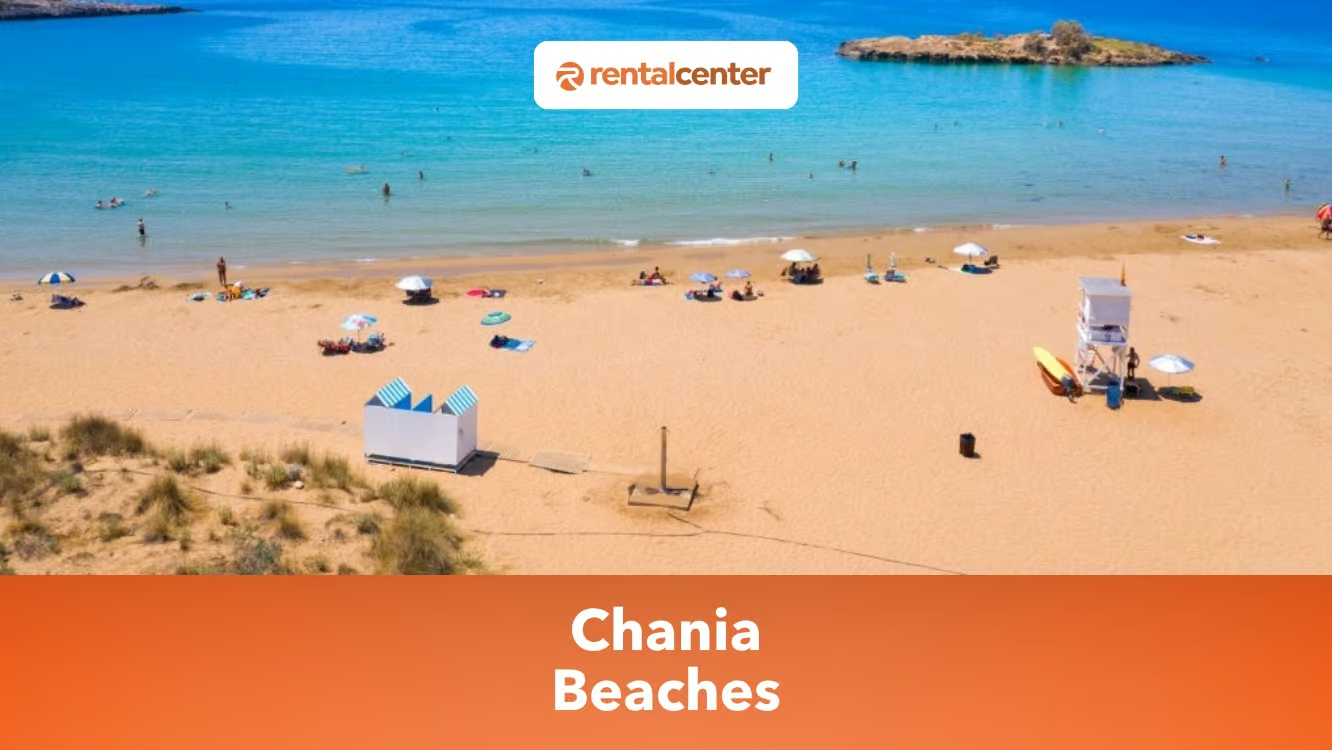
Local buses cover Chania's in-town beaches well; Nea Chora and Chrissi Akti both sit on frequent routes. Service drops off fast outside the city, though. Seasonal excursion buses reach Elafonisi and Balos only in summer and only on fixed schedules. Renting a car at Chania Airport removes that constraint and turns any single beach on this list into a full day of beach-hopping along the coast. Read article
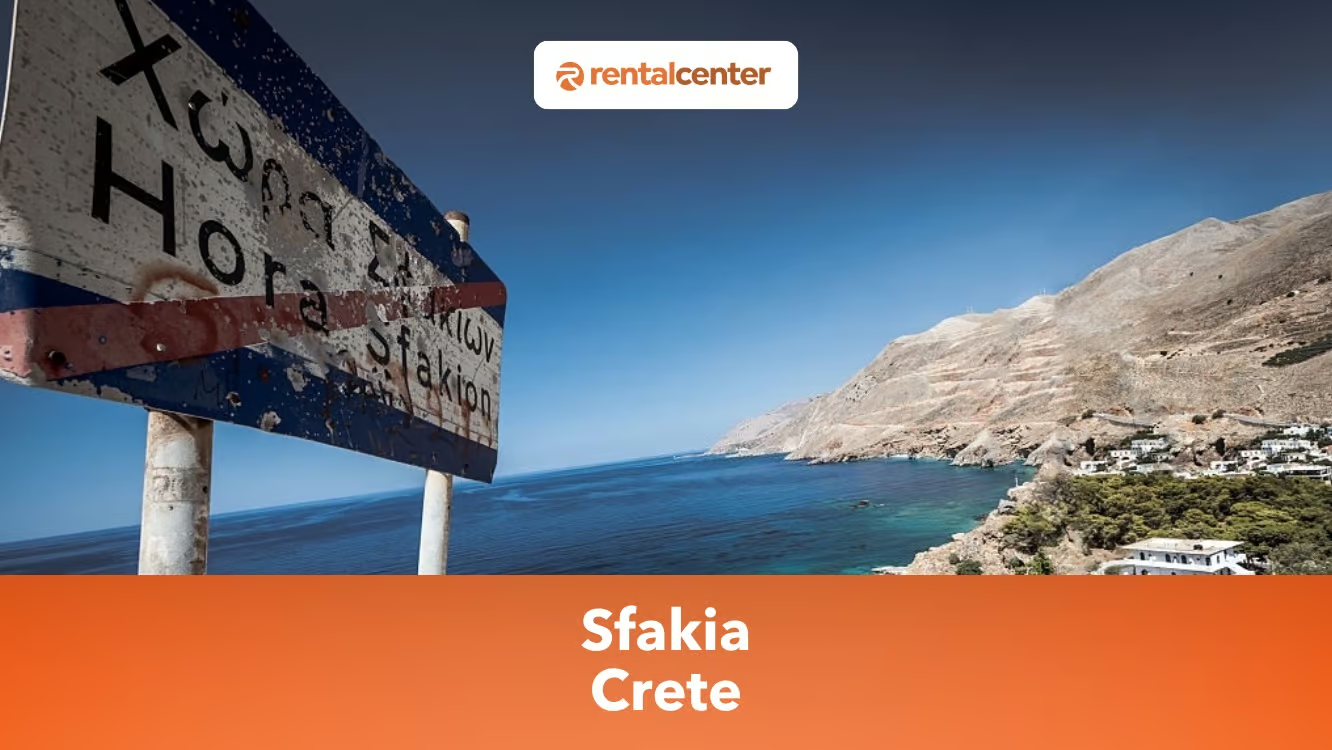
Getting to Sfakia takes some planning. The nearest airport is Chania (CHQ), 75.9 km (47.16 miles) away and 1.5 to 2 hours by road over winding mountain passes, and the only public transport is a single daily KTEL bus that leaves you without a car once you arrive. Renting a car is the practical way to reach Chora Sfakion and then explore inland Sfakia at your own pace, the Imbros Gorge, Frangokastello, and the mountain villages of the Lefka Ori, before the roadless coast takes over and boats do the rest. Read article

The town grew from an ancient site (Olous) into a fishing harbour and, from the mid-20th century, into one of Crete's most famous luxury resort areas. Most visitors use Elounda as a relaxed base and pick up a rental car to reach Spinalonga, Agios Nikolaos and the beaches along Mirabello Bay. Read article
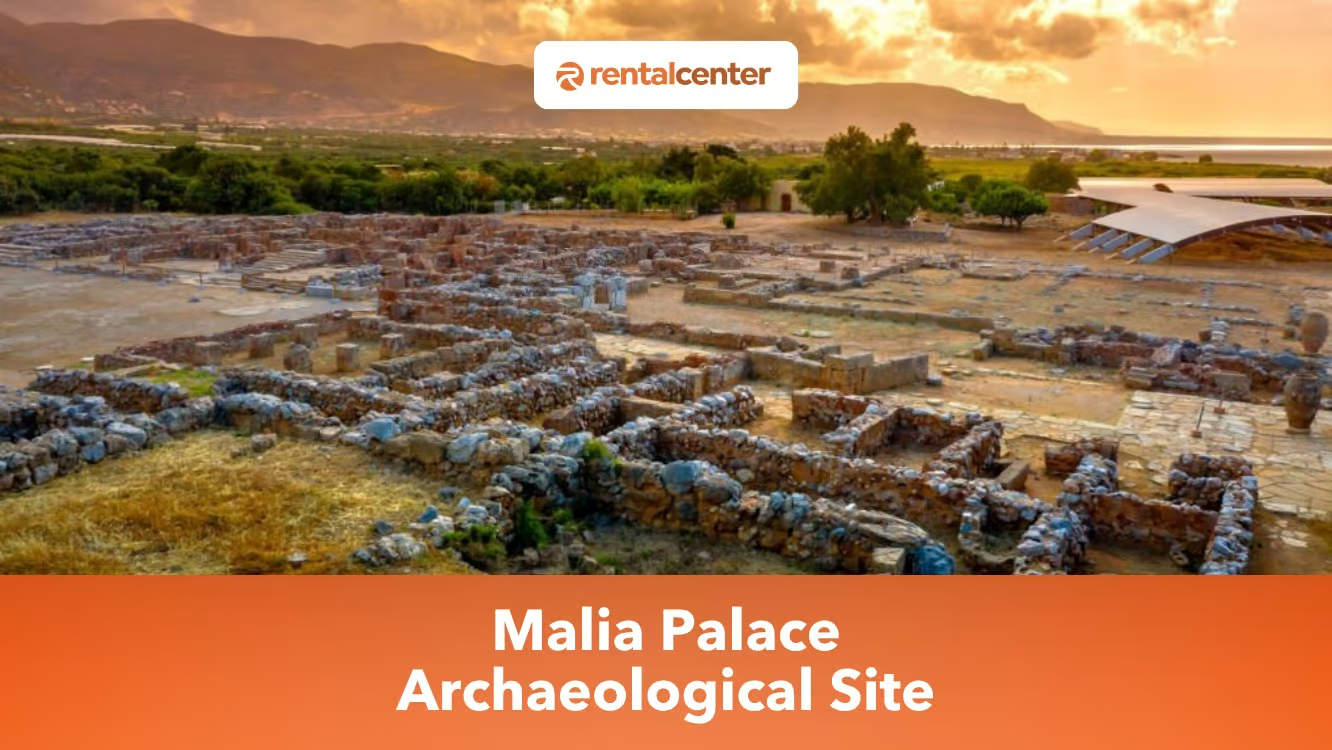
This guide covers the palace's origin, its excavation history, its most important monuments, its UNESCO status, and the practical details you need, opening hours, admission fees, and how to get there by car. Read article
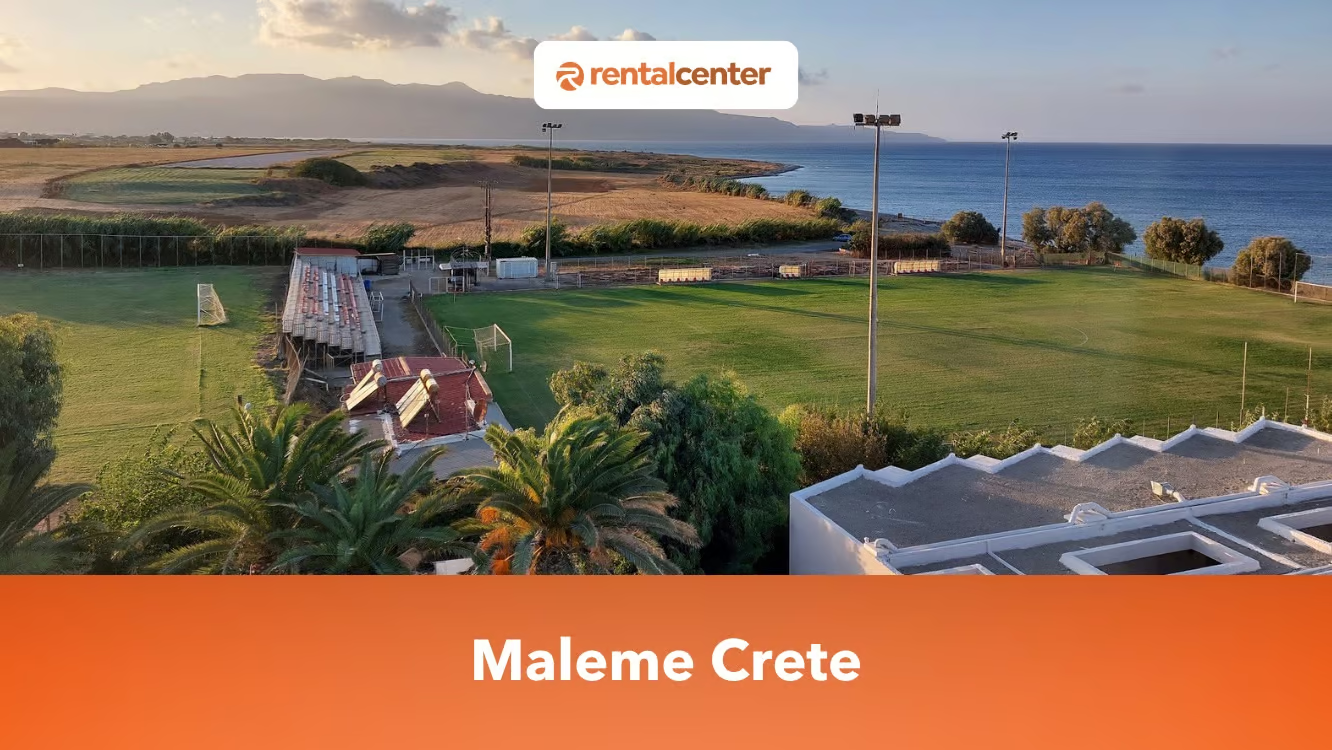
Renting a car from a popular Car Rental Crete company like Rental Center Crete is highly recommended when visiting Maleme. A medium-sized car is often the best vehicle option, because it provides ample space for passengers and luggage while staying manoeuvrable on the narrow, winding roads leading to Maleme. Medium-sized vehicles also offer better fuel efficiency than larger SUVs or minivans, which keeps travel costs down while exploring the area. Read article
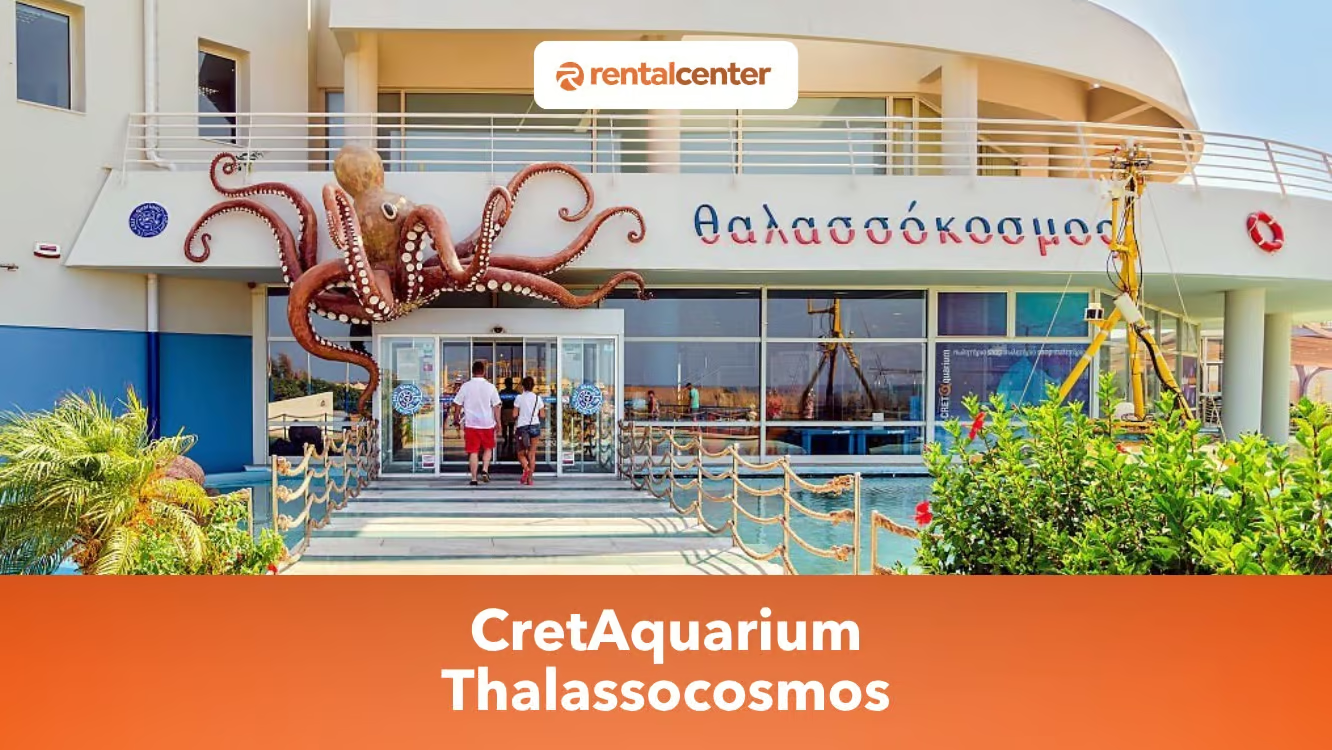
CretAquarium opened in December 2005. Its seaside location gives it a direct connection to the water, which makes it easier to collect and maintain Mediterranean marine species. The aquarium combines three goals: education, conservation, and research. Read article
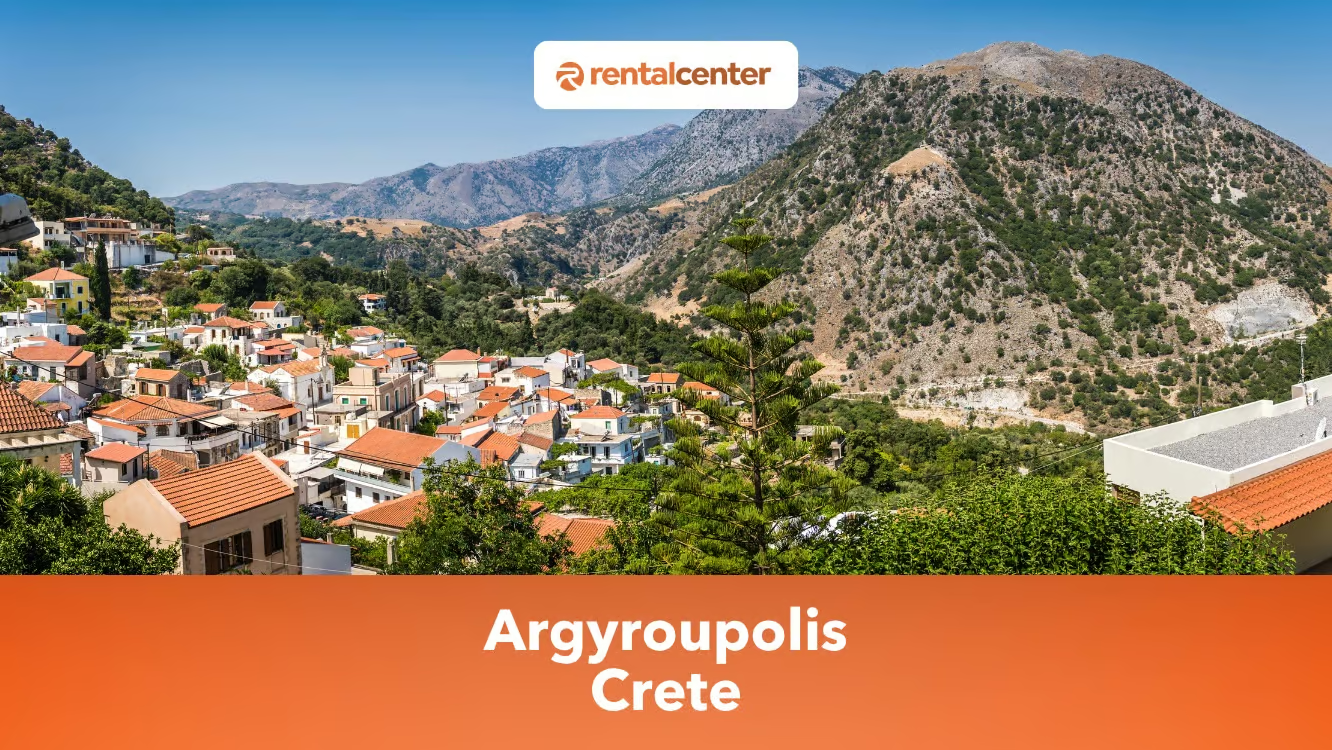
The main attraction in Argyroupolis is the Springs of Argyroupolis, an area with waterfalls and streams fed by natural springs. The village is also known for its traditional tavernas, where visitors can savor local dishes like freshly caught trout and the unique "antikristo" lamb, which is slowly roasted on a spit over an open fire. The average temperature in Argyroupolis ranges from 15°C (59°F) to 30°C (86°F), depending on the season. Read article
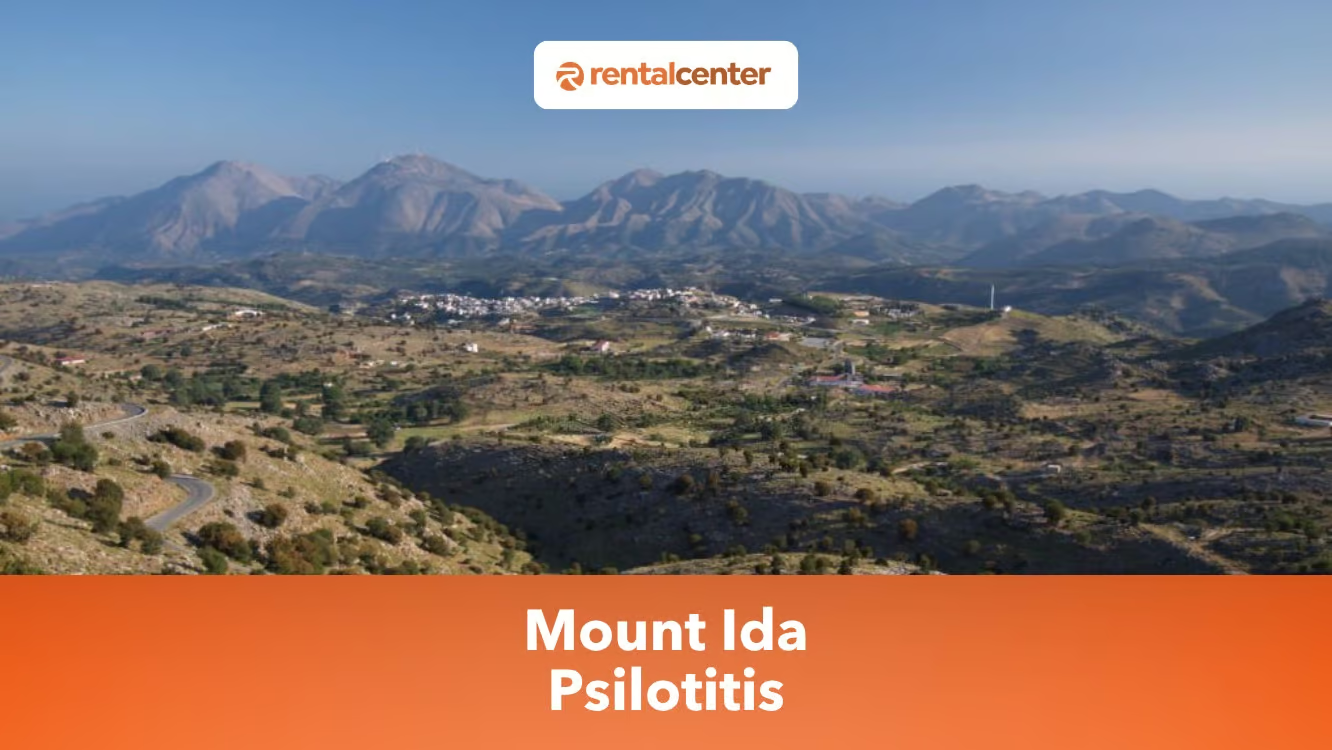
Mount Ida (Psiloritis) is the highest mountain in Crete at 2,456 meters (8,058 feet). It stands in the Rethymno region of central Crete, holds the highest topographic prominence of any mountain in Greece, and forms part of a UNESCO Global Geopark. In Greek mythology the mountain was sacred to the goddess Rhea, who hid the infant Zeus here from his father Cronus. Today Mount Ida is the most popular high-mountain hike on the island, and a rental car is the practical way to reach its trailheads and the myth-filled sites around it. Read article
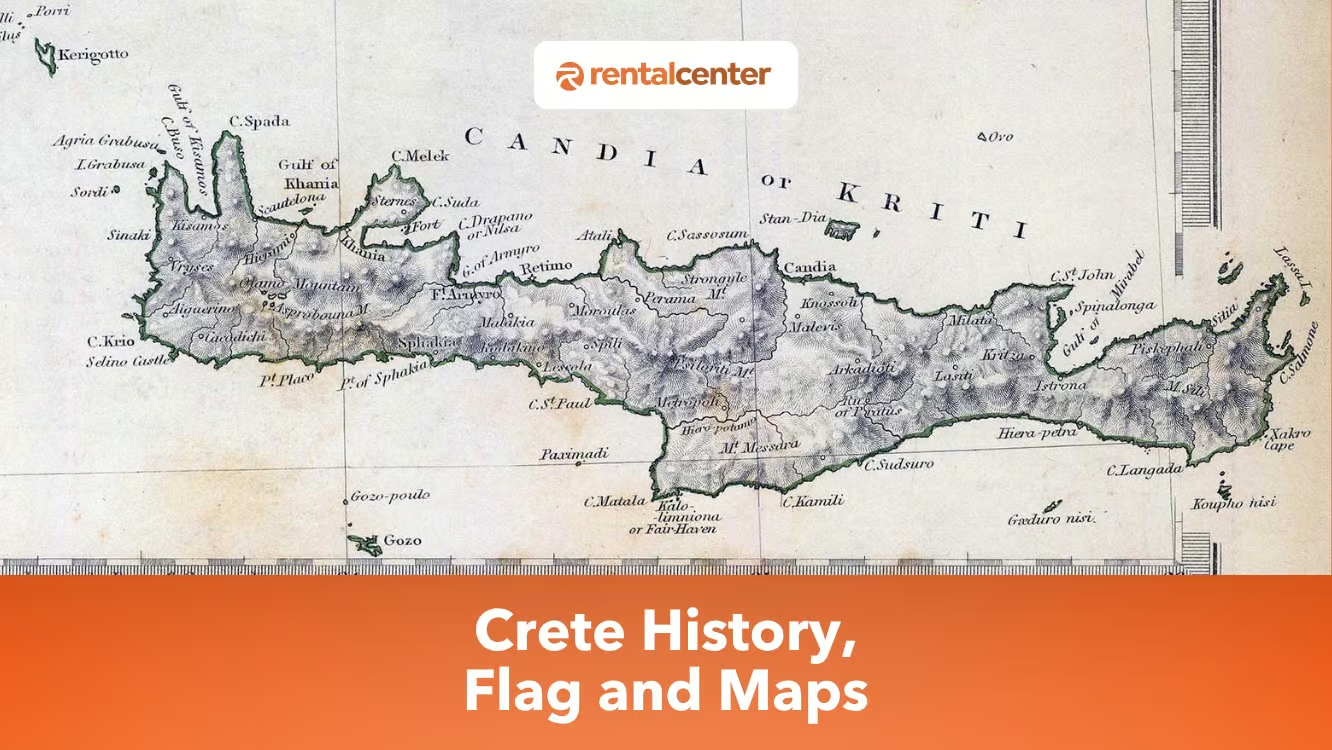
One of the most enduring emblems of that identity is the Crete flag, the historical flag of the autonomous Cretan State, whose colours and symbols are explained in full below. Its strategic geographical position, historical layers, and archaeological heritage continue to shape its cultural and economic significance. Read article
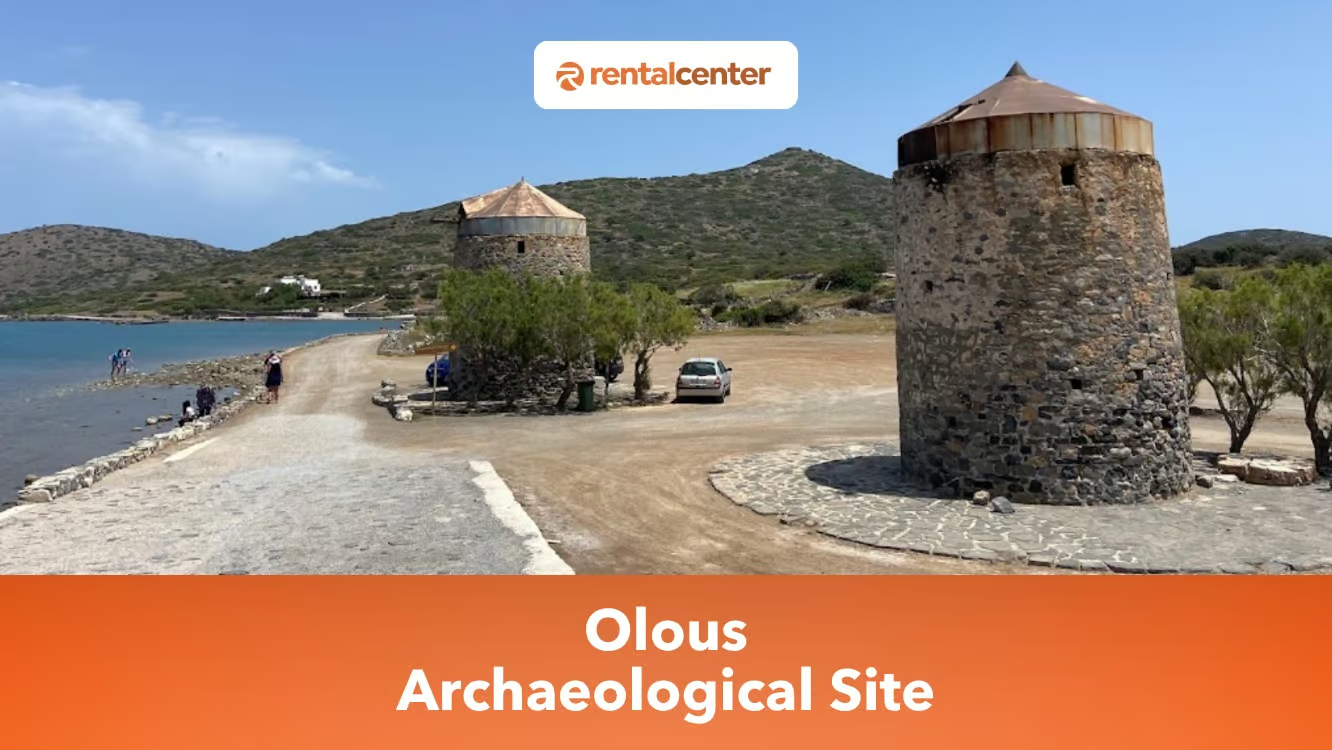
Olous is a sunken ancient Dorian city on the isthmus that links the Spinalonga peninsula to the mainland, at present-day Elounda in the Lasithi region of eastern Crete. Today only scattered wall bases survive, submerged in the shallow water of Elounda Bay, and you can see them by snorkelling or swimming on a calm day. The site is free and open, with no gate and no entrance fee.
Olous flourished across the Minoan, Hellenistic, Roman and Byzantine periods. The city minted its own coins, ran its own harbour, and traded across the Mediterranean, linking Crete with the Aegean islands and civilisations beyond. Its ruins reveal the daily life, culture and architecture of the people who lived on this coast for centuries. Read article
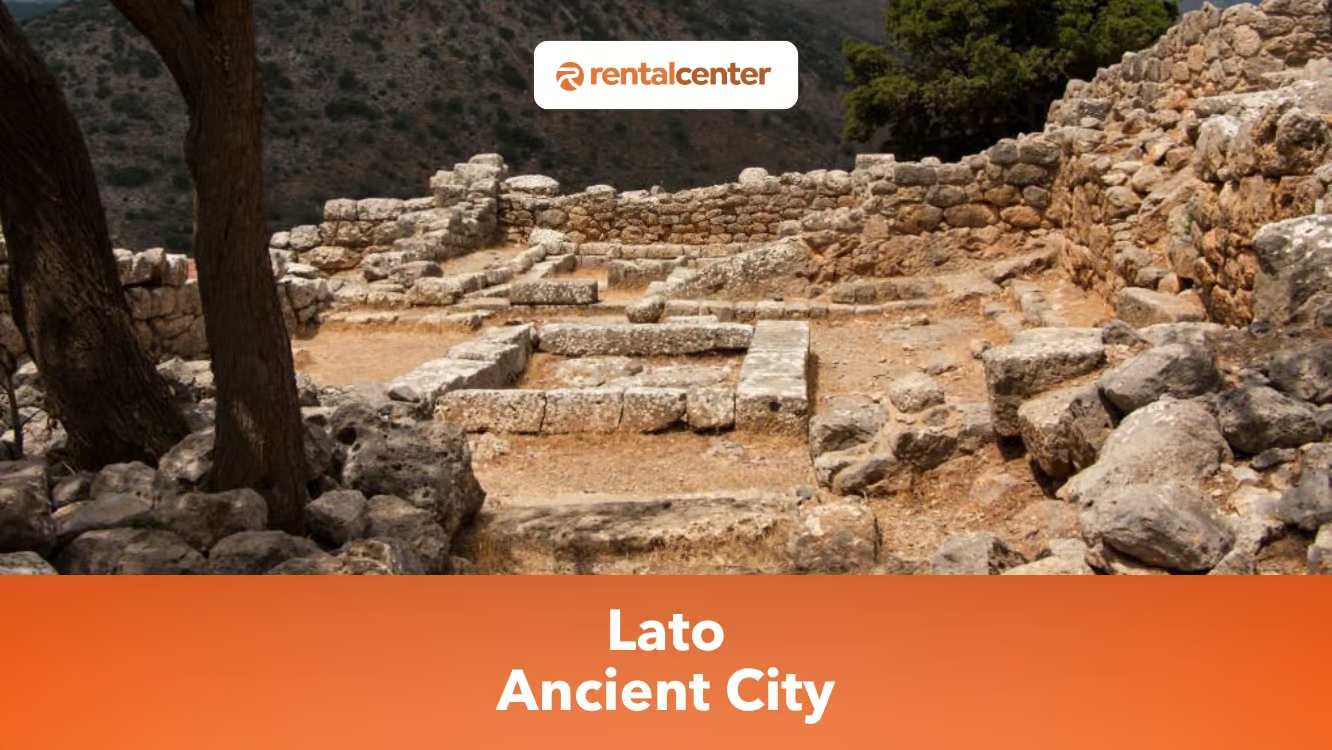
The Dorians founded Lato in the 7th century BC, and the city reached its peak in the 3rd century BC. Lato was named after the goddess Leto, the mother of Apollo and Artemis, although Eileithyia was the main goddess worshipped there. The city sat in a highly defensible position, protected by a strong circuit wall, and its slopes were terraced to make room for houses, workshops and public buildings. A path leads from the site entrance to the main gate, and a stepped main street climbs to a flat area between the two peaks that held the Agora. Its most important monuments are the Fortified City, the Great Temple, the Agora and the Prytaneion. Read article
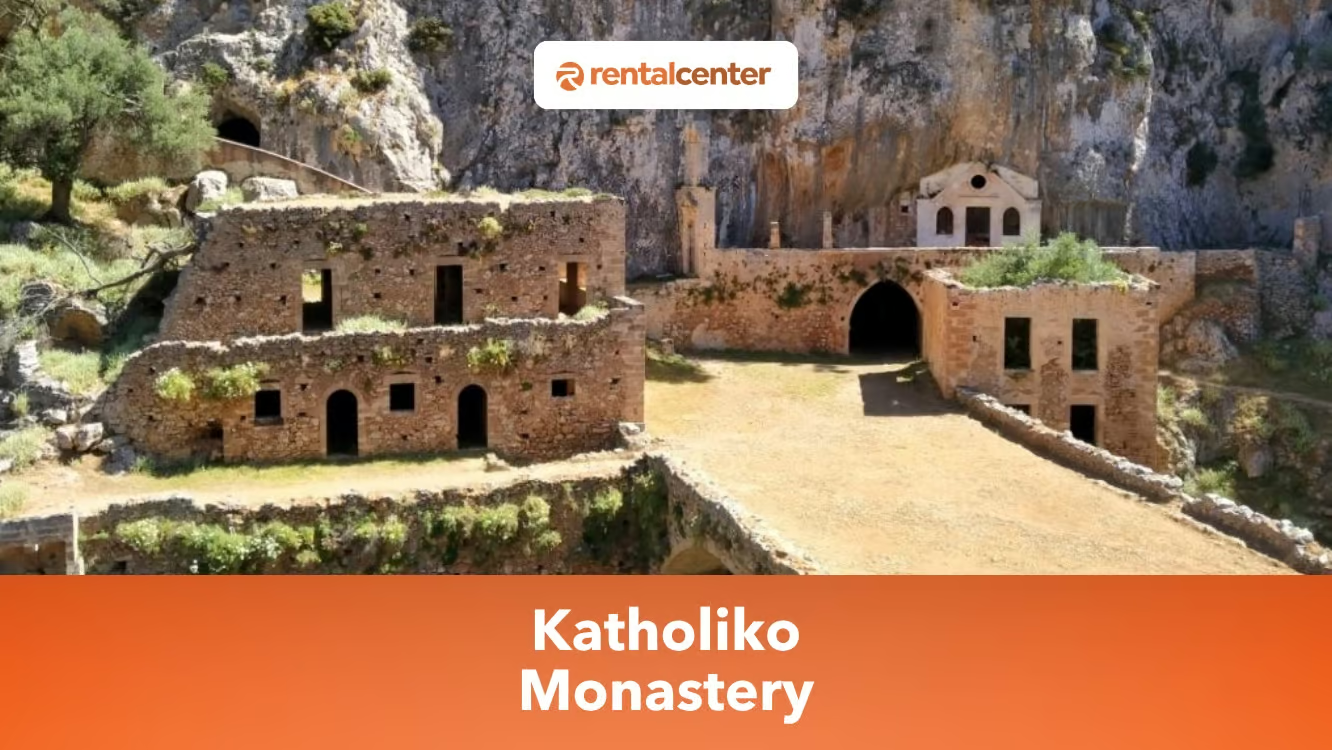
The current structure shows an impressive architectural form, from mediaeval frescoes to the iconic bridge that spans the gorge, built in the 17th century under Jeremiah Tzangarolos. Today the abandoned cliffside monastery lets travellers step back through the centuries. The approach is part of the experience: a roughly 35-minute drive from Chania through the mountains of western Crete, then a moderate 2-mile hike through Avlaki Gorge down stone steps carved into the cliffs. Along the way, hikers see the rugged gorge dropping to the sea. At the monastery, visitors walk among ancient stone buildings and caverns where monks once prayed, and view mediaeval frescoes that record the site's artistic heritage. Read article
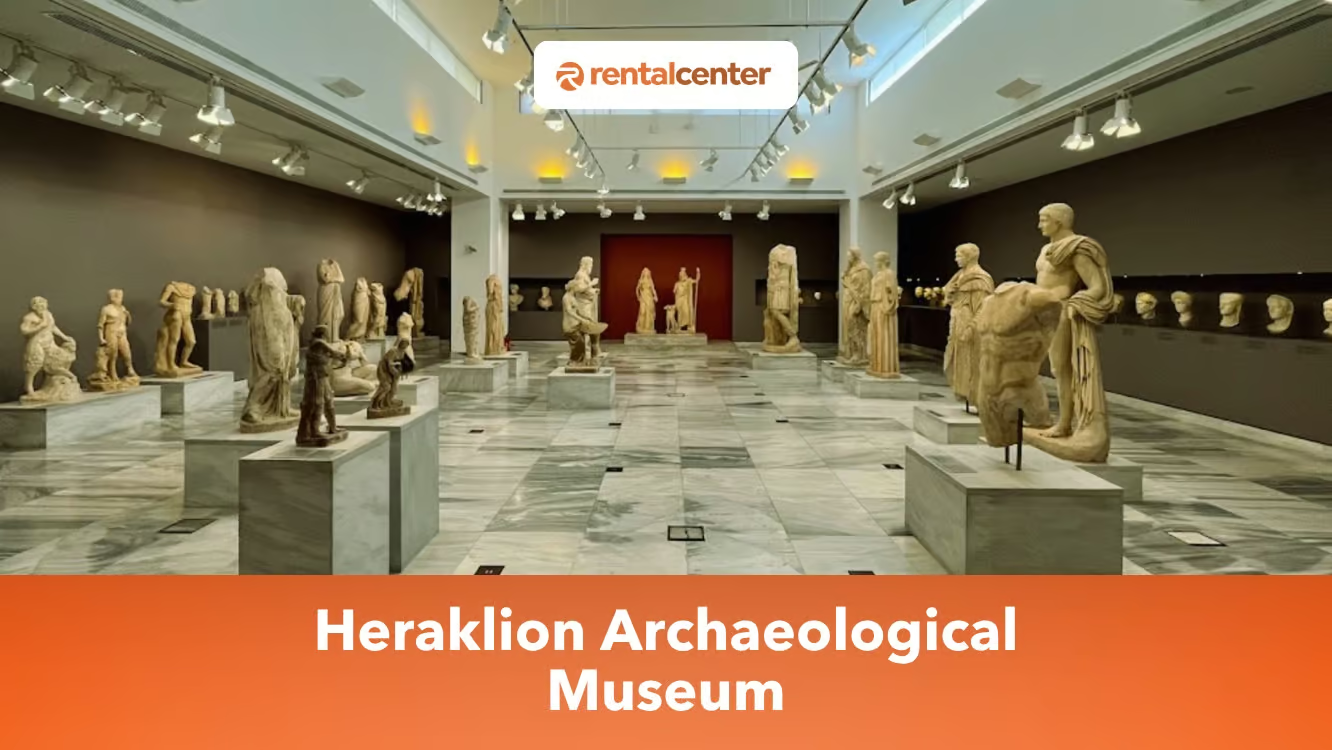
The museum sits in the city centre, so both residents and visitors reach it easily on foot, by taxi, by bus or by rental car. The chronological layout guides you through each period in turn, and clear signage explains the artefacts as you go. Read article
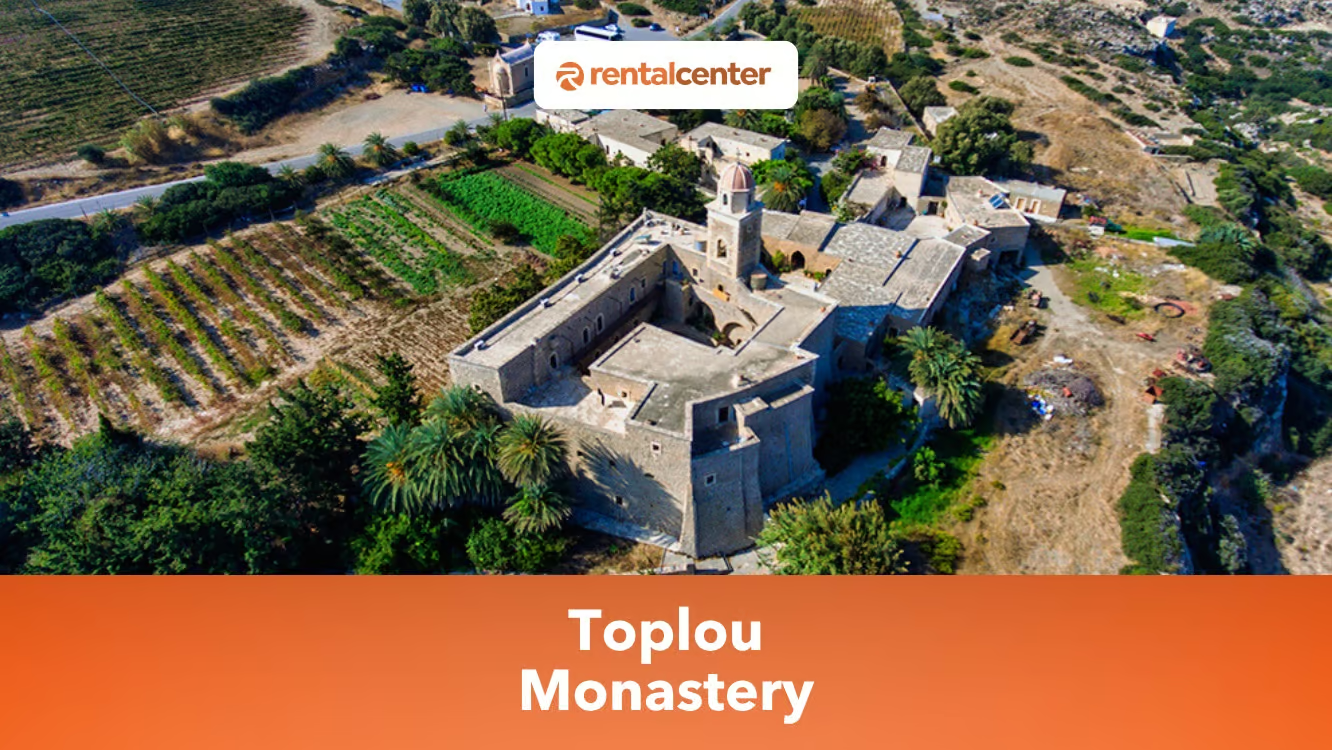
Toplou Monastery is a fortified Greek Orthodox monastery in northeastern Crete, near the town of Sitia in the Lasithi region. It sits in a remote landscape most easily reached by rental car, about 142 km (88.23 miles) and 2.5 hours east of Heraklion. The monastery is active today, runs a historic winery that still uses medieval methods, and blends Byzantine, Venetian and Renaissance architecture behind high defensive walls built against pirate raids. Its main church is dedicated to the Apostle John the Theologian and its katholikon to the Virgin Mary. Read article
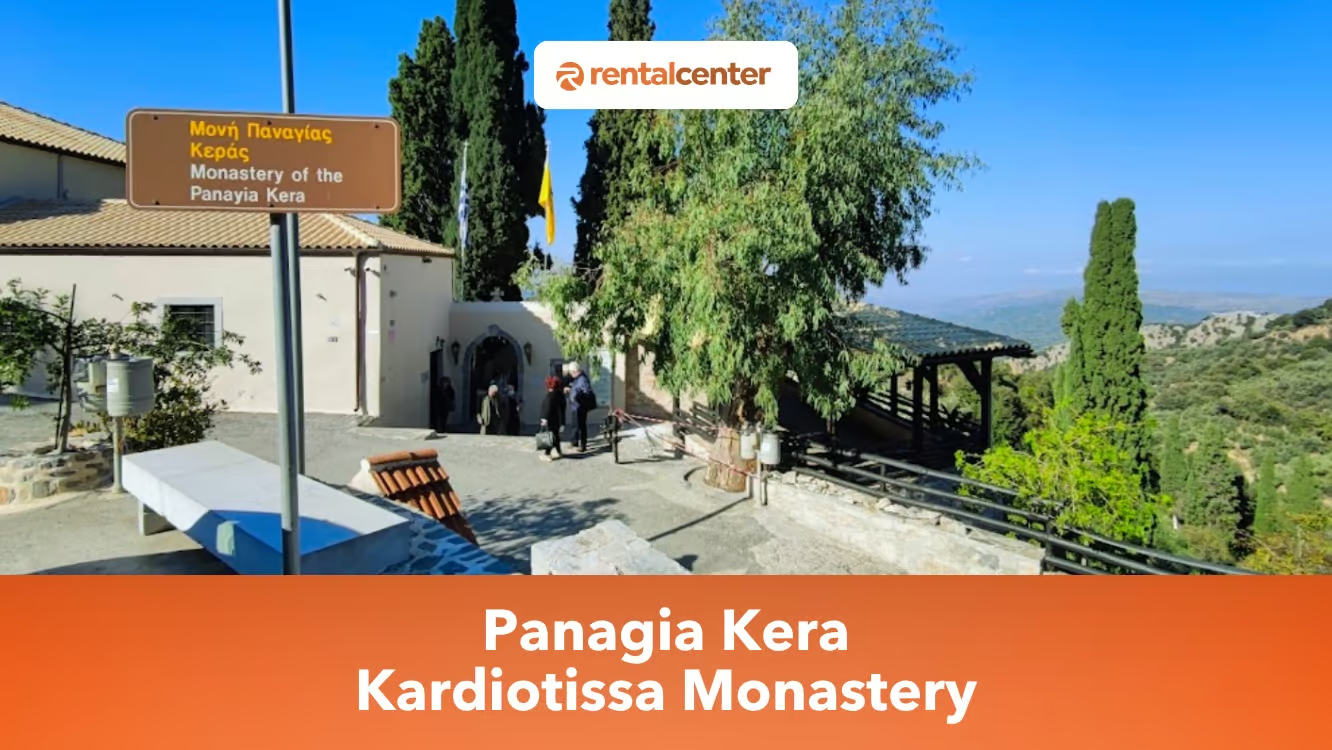
Kera Kardiotissa Monastery is located near Kera village in the Heraklion regional unit of Crete, Greece. Kera Kardiotissa Monastery sits on the north slopes of Mount Dikti, roughly 50 km (31.07 miles) east of Heraklion, next to the main road that leads up to the Lasithi Plateau. Its elevated hillside position gives it wide views and places it inland from the coast, between the resort town of Malia to the north and the mountain plateau to the south. This location makes Kera Kardiotissa an easy stop for travellers driving between Heraklion, Malia and the Lasithi Plateau. Read article
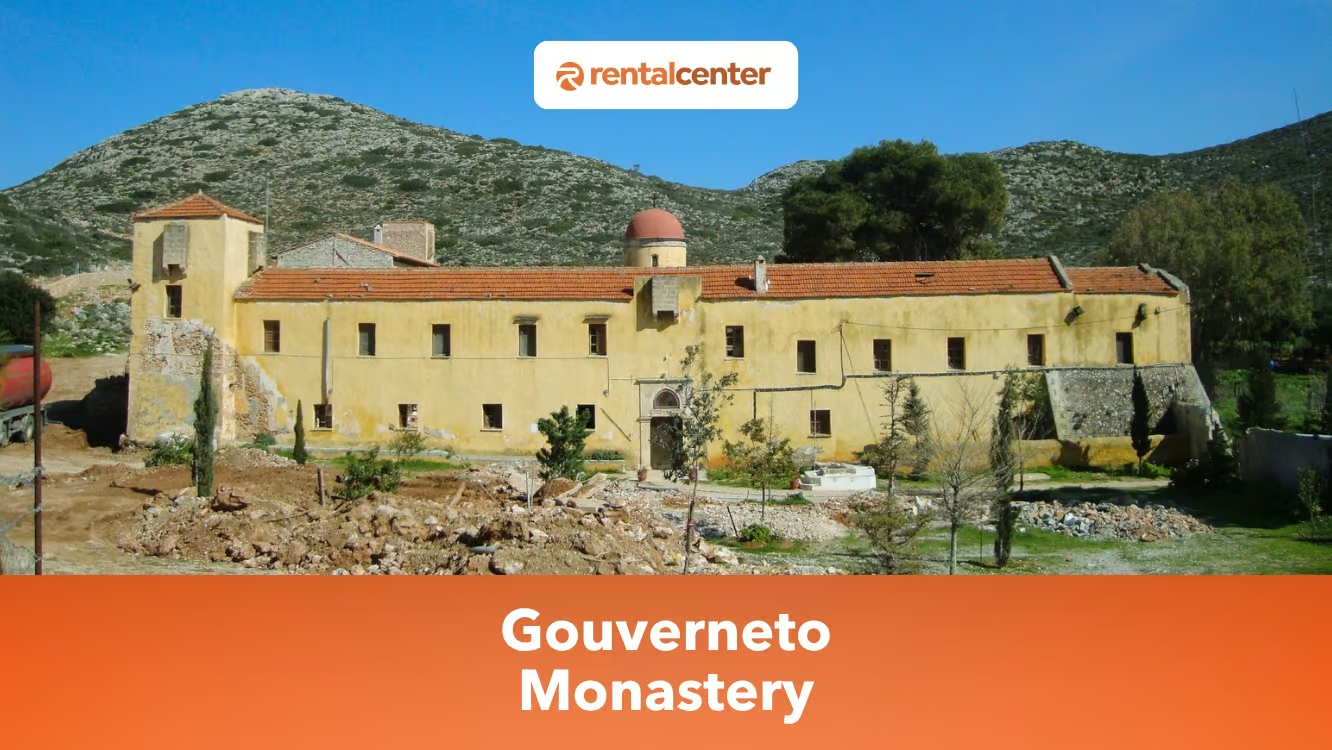
Gouverneto was founded in 1537 by Venetian Catholic monks, who built it in a defensible position within the gorge to withstand the pirate raids that plagued the region. The original building carried Gothic and Renaissance elements. The monastery grew wealthy and influential: a census in 1637, shortly before the Ottoman invasion, recorded 60 monks living there, making it one of the largest in Crete at the time. During World War II, German forces set up a guardhouse in the monastery to control the area. Since 2005, the resident monks have carried out ongoing restoration work to preserve the site. Read article