




For many years, the idea of a Crete holiday was only on the radar for those seeking a trip to an all-inclusive resort. Its ideal southern Greece location means great weather and over 2000 hours of sunshine every year. Travellers were ready to pay a lot to enjoy the Crete’s atmosphere without having to sacrifice any of the comforts of home. It was not easy to visit Crete on a budget and has many people asking the question: Is Crete expensive?
Crete is moderately expensive compared to other Greek islands, like Mykonos and Santorini. Prices for food, accommodation, and transport vary by season and location, with costs peaking in July and August. A mid-range traveler can expect to spend around 80 € ($87.20, £69.60)–120 € ($130.80, £104.40) per day, while budget travelers may manage with 40 € ($43.60, £34.80)–60 € ($65.40, £52.20) daily.
Before you visit Crete, you should know the different costs of a Greece holiday. A vacation is supposed to be a time of rest and relaxation, but it can be hard to enjoy yourself if an unexpected financial burden pops up. This guide will help you know what costs are involved when visiting Crete so that you can prepare accordingly.

The currency in Crete is the Euro (€), the same as in mainland Greece. Exchanging pounds (£) or dollars ($) for euros before travel usually offers better rates. Cash, prepaid currency cards, or a mix of both provide spending flexibility depending on your preference and security needs.
Crete offers extensive access to cash machines (ATM) in urban and tourist areas. Most Crete shops, restaurants and hotels accept debit and credit cards. Visitors might need to notify their bank before travelling to prevent service issues as card issuers may apply fees for foreign transactions or withdrawals. Unused euros remain valid across all Euro Zone countries for future trips.
Cost of Travelling to Crete
Before you can start budgeting your money for accommodation, food, transportation cost and activities, you’ll need to think about the cost of travelling. If your goal is a picturesque vacation on a remote island, it will take some time and money for you to get there from your home country.
Travelling By Ferry
The most cost-effective option for you to get to Crete is to travel by boat. A regular seat on the boat from Athens costs roughly 30 € ($32.40, £26.10) per person. Despite the fact that the journey might take anywhere from 7 to 12 hours, you can save a lot of money compared to taking an aeroplane to Crete. Ferry boats are usually large enough to fit a decent number of people, and they’re equipped with the necessary amenities such as food, drink, bathrooms, and even decks for taking in the views.
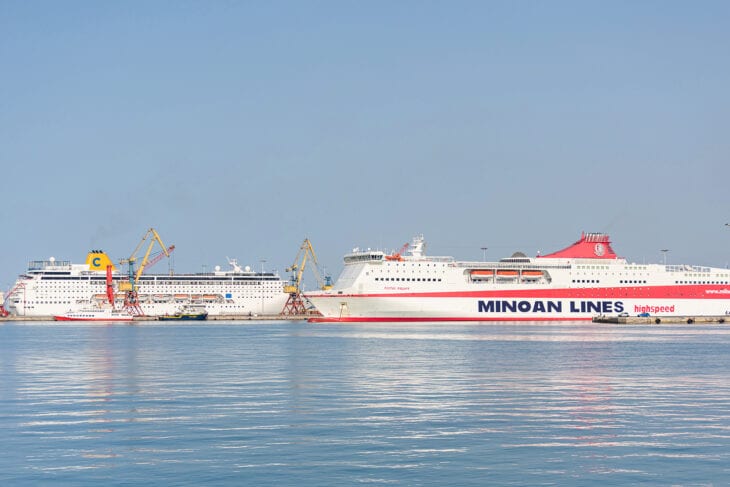
If you’d like to be more comfortable, you can always get a room or a cabin on the boat. A standard room costs up to 160 € ($173.60, £138.40). Private rooms are more spacious and have their own bathrooms and sometimes televisions so you can certainly relax. In addition, you’ll have the chance to get quality rest while travelling to Crete.
Travelling By Plane
If you’re travelling by plane, different factors can affect the price. The time of season you visit, how early you book your ticket, and whether you stopover at another airport are just some of the things that can influence how much money it costs to travel by plane.
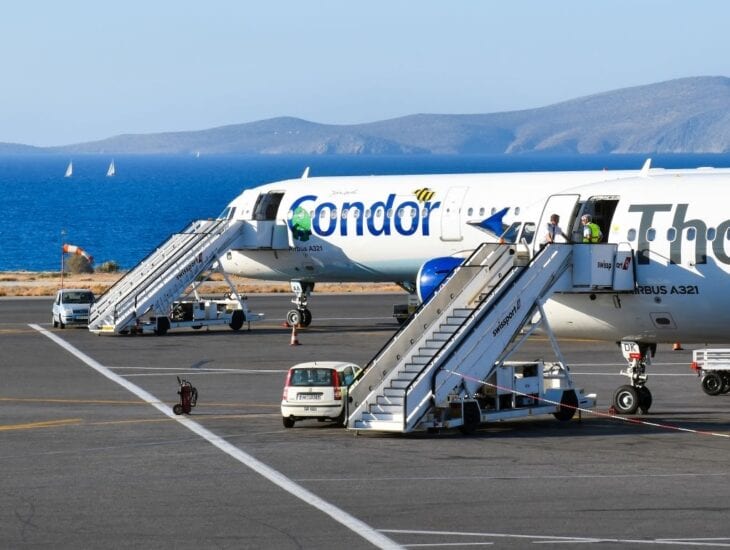
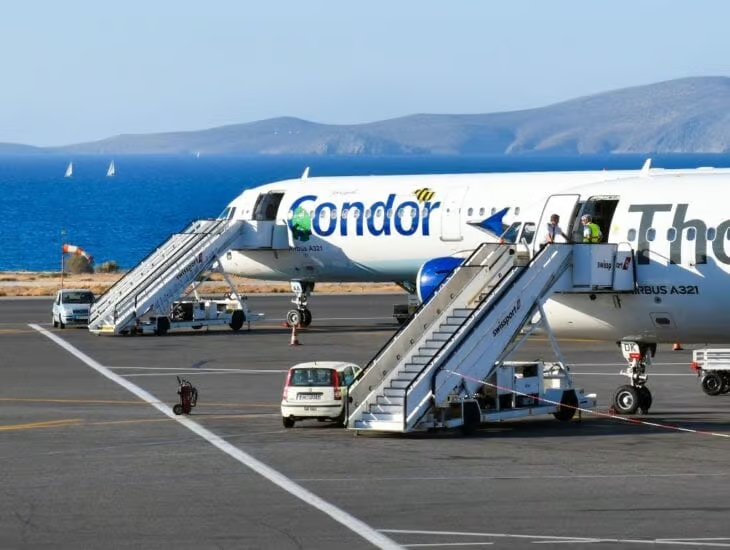
It’s not simple to estimate the cost of a flight to Crete. An international trip to Crete from a European airport can be as little as 100 € ($108,90, £86,70) or even less if you make sure to plan early and do your research. Depending on where you travel from, an average ticket would cost around 300 € ($326,70, £260,10) or 400 € ($435,60, £346,80). Travelling by plane is usually more expensive, but it’s also the fastest way to get there. You skip the hassle of getting on a boat, and you don’t have to worry about the weather. It’s a good option for people who get seasick, too, since you won’t be stuck on a large boat for hours.
Keep in mind that foreign flights might be cheaper if you fly out of Athens’ international airport. Doing so will give you a chance to spend a few days in the capital and take a look at some of its historical attractions. After arriving in Athens, you may take a low-cost domestic aircraft to Crete.
Cost of Travelling Around Crete
Once you get to Crete, travelling around the island is another thing you’ll need to prepare for. Whether you’re visiting archaeological sites, finding a secluded beach, or partying until dawn in Chania town, transportation is necessary to get you around.
Getting around Crete with a Taxi
People often love to spend their time in one location alone, like Heraklion or Chania, but if you want to truly experience Crete, you’ll have to travel around. Taxis are a popular way of getting from A to B, but they can be costly, especially when travelling long-distance. Taxis in Crete are only recommended if you don’t plan to spend much time exploring Crete.
Getting around Crete by riding a Bus
Another option for traveling in Crete is the bus, which covers all areas except for some remote parts of Crete where public transport isn’t available at all times. The prices vary depending on what part of the island you’re going to, but overall, they aren’t too expensive. The typical city ride costs between 1,8 € ($1.96, £1.56) and 2,5 € ($2.73, £2.17), while long-distance rides might cost anywhere between 8 € ($8.73, £6.95) and 15 € ($16.36, £13.02).
However, buses aren’t always the most convenient option for getting around. They’re usually crowded and can be unreliable depending on the day or time you travel.
Getting around Crete with a Rental Car
If you want to be safe and comfortable, a Crete car rental would be a cost-effective option. Car rentals are readily available in Crete. You can rent a car at the airport, or you could opt for one of the local companies who offer competitive rates. Car rentals are available throughout the island, but the best place to get a rental car is usually in Chania or Heraklion.
Prices vary but overall, renting a car is the most cost-effective way of getting around if you plan on spending a few days in Crete. It’s also convenient because you can travel at your own pace and you won’t have to wait for the bus or take taxis everywhere. A standard economy car can cost between 25 € ($27.00, £21.50) and 30 € ($32.40, £25.80) per day. But of course, the price will vary depending on the type of car you get and how many days you’ll rent it for.
How much is petrol in Crete?
The average cost of petrol in Crete is €2.127 per litre (as per Tuesday 28th April 2026). The average cost for diesel fuel in Crete is €2.019 per litre (as per Tuesday 28th April 2026). Petrol prices in Crete are slightly higher than other Greek locations in mainland but cheaper from other Greek Islands including Mykonos, Santorini, Naxos, Paros and Ios. Petrol prices in 2024 were 5% cheaper than in 2023.
If you plan to drive a lot during your visit in Crete, consider renting a diesel, hybrid car or electric car. In general petrol prices are cheaper near the cities of Heraklion and Chania. This is due to the lower transportation cost. Petrol prices are slightly higher in remote regions and highways of Crete.
As of Tuesday 28th April 2026, petrol price in Heraklion cost €2.127 on average, ranging from €2.035 to €2.219 per litre and diesel fuel costs €2.019 per litre on average, ranging from ranging from €1.799 to €2.239. Respectively, petrol price in Chania cost €2.0895 on average, ranging between €2.024 and €2.155 per litre. Diesel fuel in Chania costs €2.0715 per litre, ranging from €1.795 to €2.348 per litre.
In Crete, petrol is sold in Euros per litre. Locals, usually, calculate the fuel they want to buy in a fixed amount of euro bills. For example, when going to a gas station, you say “please fill me up with 20 (or 50) euros”.
Credit card and cash payments are widely accepted in almost all petrol stations in Crete.
Cost of Accommodation in Crete
Crete has hundreds of hotels and villas where you can stay. Whether you prefer to live in luxury or have a small, intimate vacation home perfect for couples, there are plenty of options in Crete that will suit your needs.


For a cheap stay, you can find studios and rooms starting at 40 € ($43.60, £34.80) to 60 € ($65.40, £52.20). You may also rent a house for as little as 100 € ($109.00, £87.00) or pay the same price for a mid-range hotel room. However, the cost of staying in Crete will vary depending on where exactly you’re going to be spending most of your time.
For example: Staying in villages such as Anogia, Omalos, or Agios Nikolaos will be much more affordable than staying in Chania town.
If you want to save more on your lodging costs, consider staying in a hostel often located in big cities. Hostels in Crete are generally affordable, and despite the low price, it’s pretty decent and clean. Staying at a hostel is a fantastic way to cut costs on your trip, and for just €15, you can get a warm bed, clean sheets, and access to shared bathrooms.
Cost of Eating in Crete
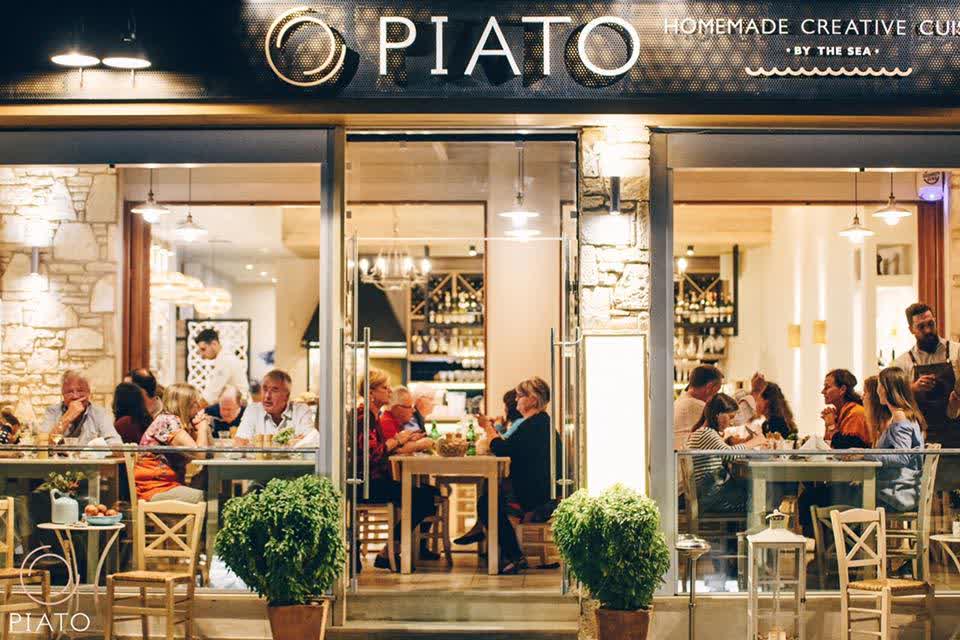
When it comes to dining, Crete is an excellent place to be in. The island is renowned for its fantastic cuisine, and there are many restaurants, taverns, or cafes where you can get your fill of traditional Greek specialties.
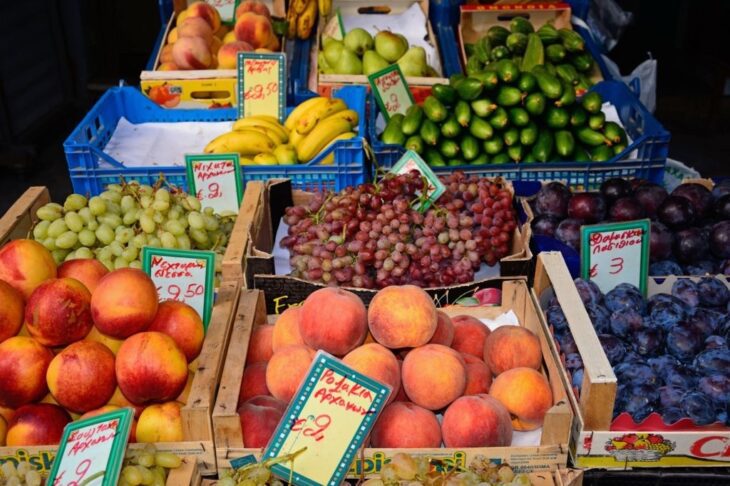
Eating out in Crete isn’t too expensive, but it will depend on what exactly you’re getting. If you eat at local places rather than touristy establishments, the prices will be much lower and more affordable. If you dine in high-quality restaurants in popular towns, you may have to spend more.
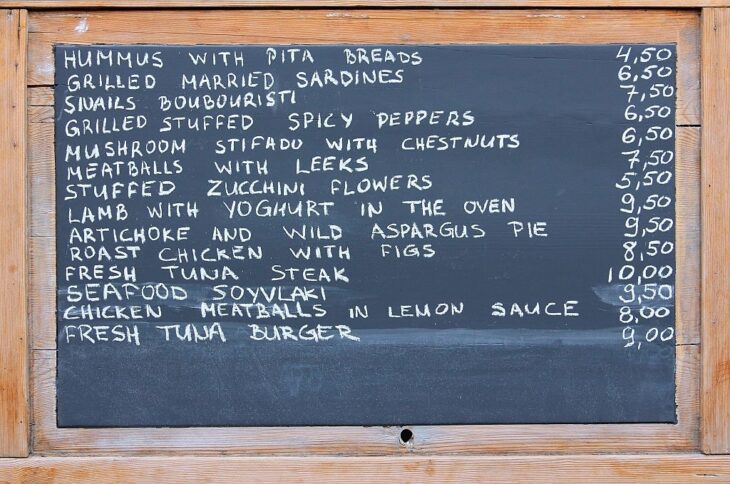
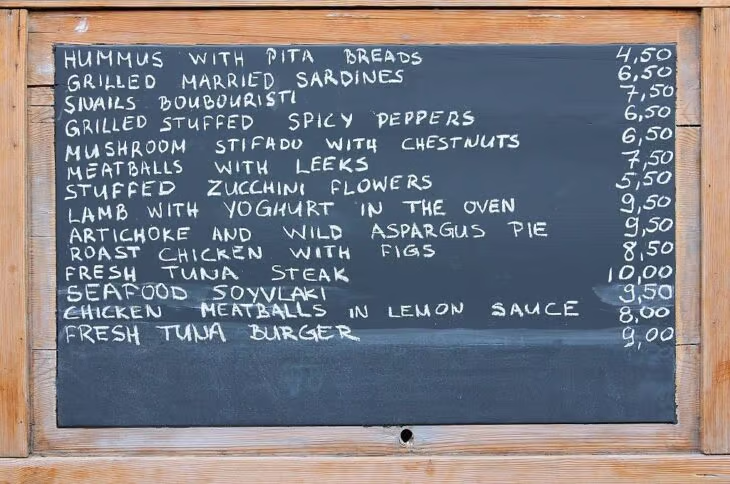
If you go to an economical taverna, you should expect to pay between 4 € ($4.36, £3.48) and 7 € ($7.63, £6.09) for a side dish and around 8 € ($8.72, £6.96) for a main meal like moussaka. In contrast, a salad at a more upscale restaurant would cost you between 10 € ($10.90, £8.70) and 12 € ($13.08, £10.44), or between 15 € ($16.35, £13.05) and 18 € ($19.62, £15.66) for a platter of fresh seafood.
When in Crete, you shouldn’t miss out on their street food. Their exquisite taste, a wide range of choices, and affordable price will never let you down. For example, a huge slice of freshly made pizza can be purchased for as little as 3 € ($3.27, £2.60). And, of course, don’t miss out on the best Greek street food: the famous gyros. For Western standards, a gyro wrap for 3 € ($3.27, £2.60) is a deal in terms of both taste and price.
Crete is not a fan of fast-food chains. Instead, small to mid-sized businesses are the norm on the island, and that means all food is prepared fresh. Whatever your food preference may be, you’ll definitely find it in Crete.
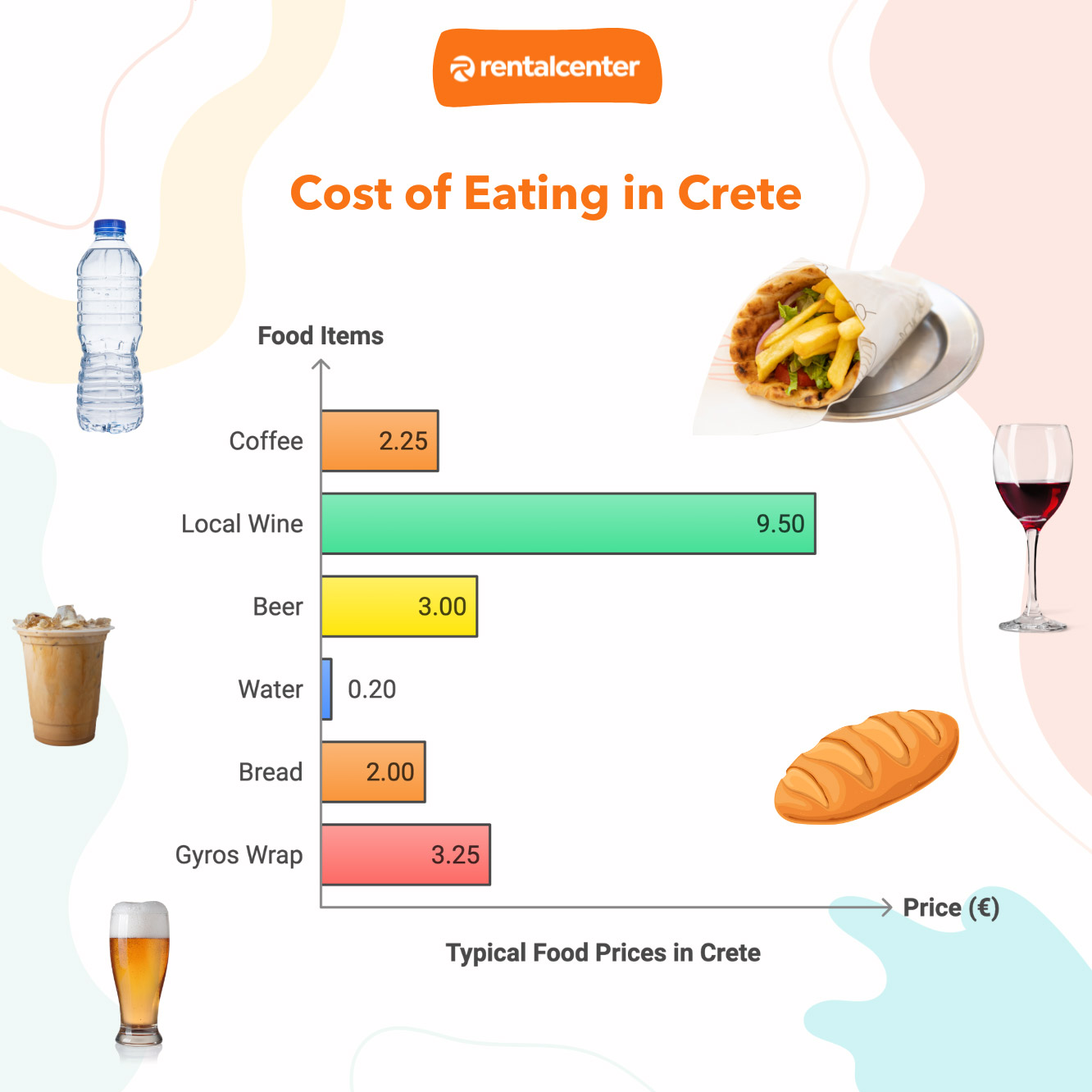
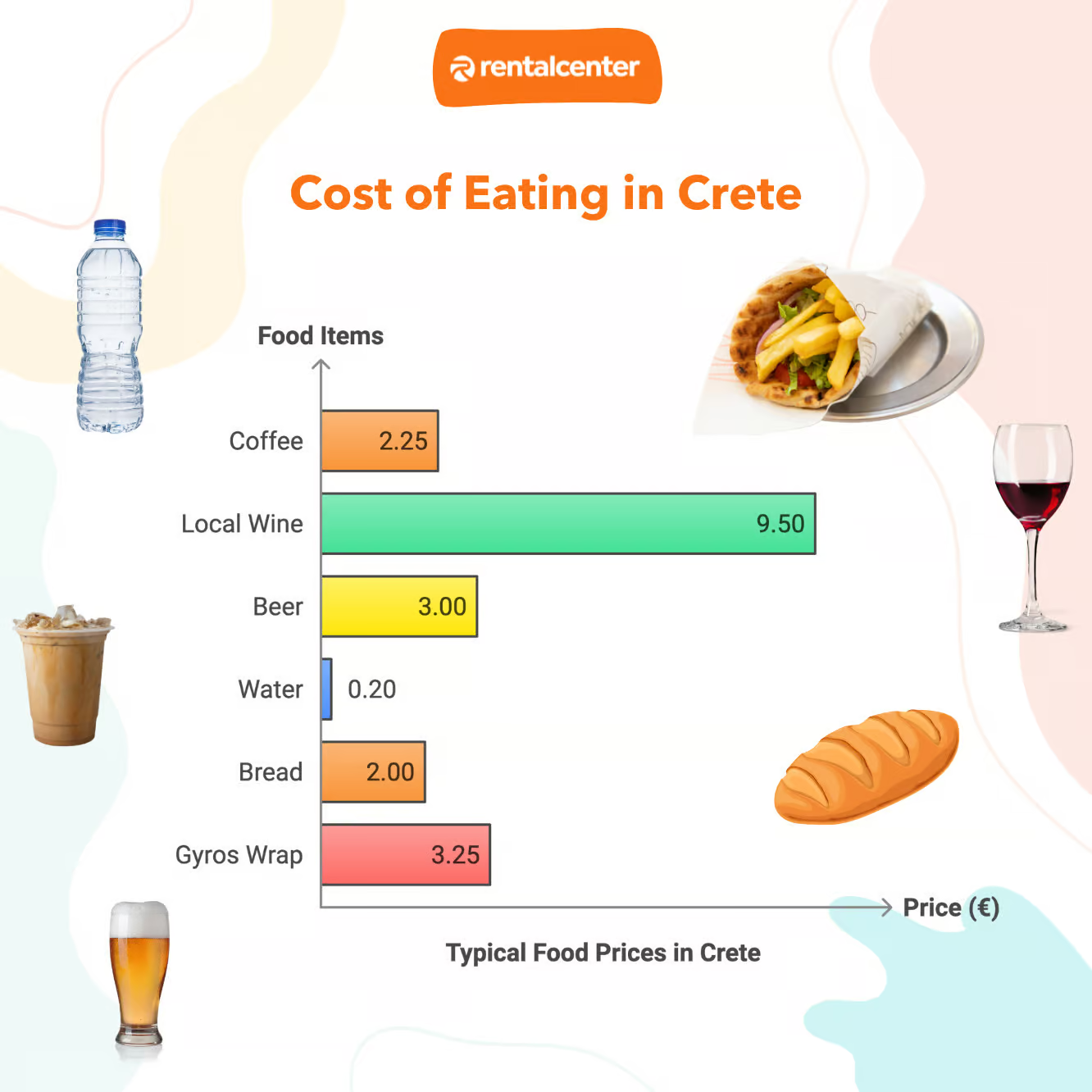
To get a better idea of how much eating in Crete costs, check the list below for the typical food prices:
- Coffee: €2.0-2.5
- A bottle of local wine: €4-15
- Beer: €2.50 – 3.50
- A bottle of water: €0.20
- Loaf of white bread: €2
- Street food like souvlaki gyros wrap: €3 – 3.50
Cost of Entertainment Goods
Tobacco / Cigarettes cost in Crete
Cigarette are cheaper in Crete than in many European countries and major global cities. The average cost of a single pack of cigarettes is €5 in Greece. As of 2024, cigarette prices on the island range from €4 to €5 per pack.
Local Greek cigarette brands typically cost between 4 € ($4.32, £3.46) and 4.50 € ($4.86, £3.89) per pack, offering a budget-friendly option for smokers in Crete. International brands, including Lucky Strike, Gauloises, and Marlboro, are slightly more expensive, ranging from 4 € ($4.32, £3.46) to 5 € ($5.40, £4.32) per pack. Other popular brands like Kent, Camel, and Dunhill cost around 4.90 € ($5.29, £4.23) per pack.
Cigarette prices in Crete contrast sharply with those in cities such as Los Angeles and London, where a pack ranges from 8-12 € ($8.64-12.96, £6.88-10.32) and 13-18 € ($14.04-19.44, £11.18-15.48), respectively.
The most famous brands are Marlboro, Prince, Stuyvesant, Camel, Davidoff, Winston, Assos and the local brand Karelias. You can get a multipack of cigarettes or tobacco packs at a cheaper price at the airport’s duty-free shops.
Alcohol Price
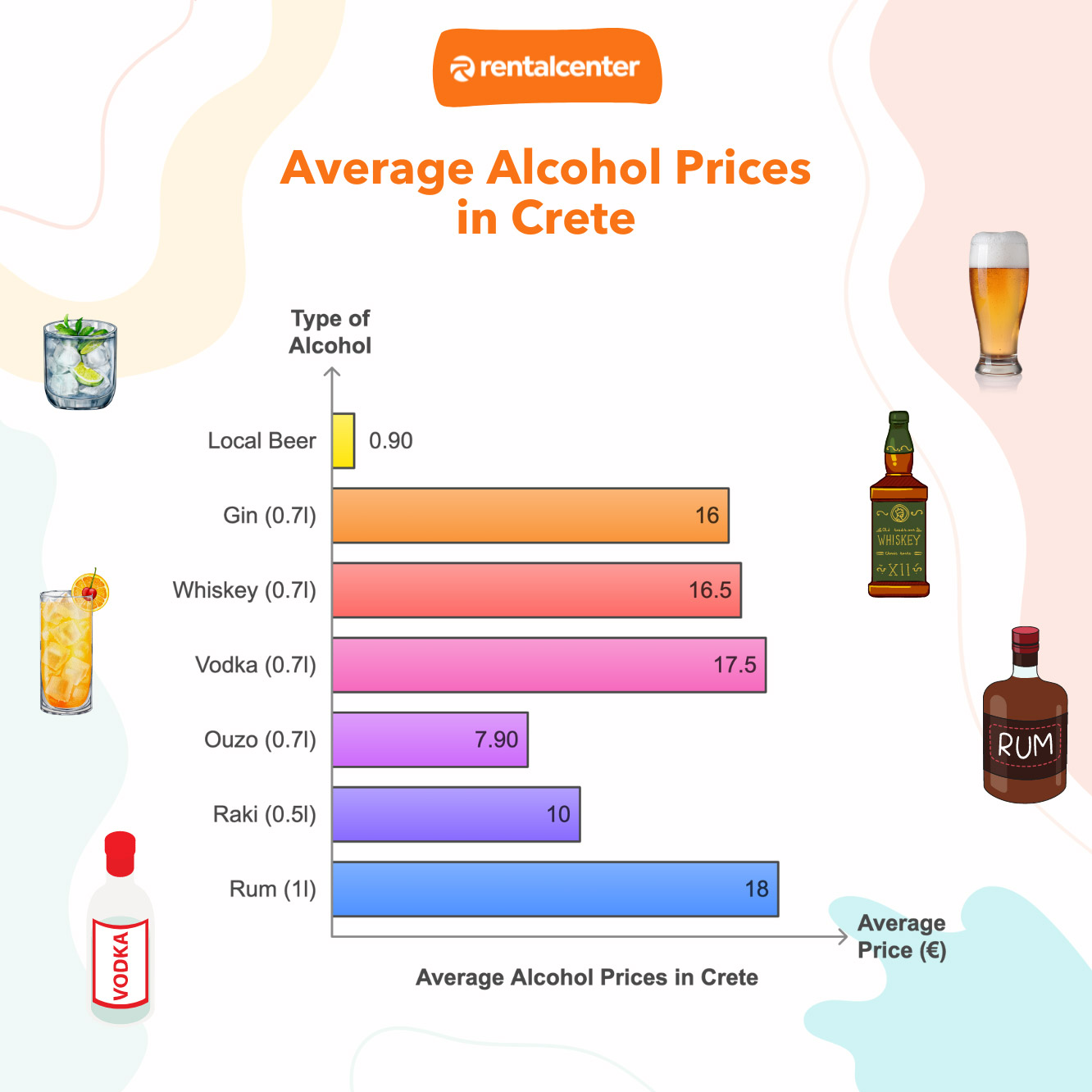
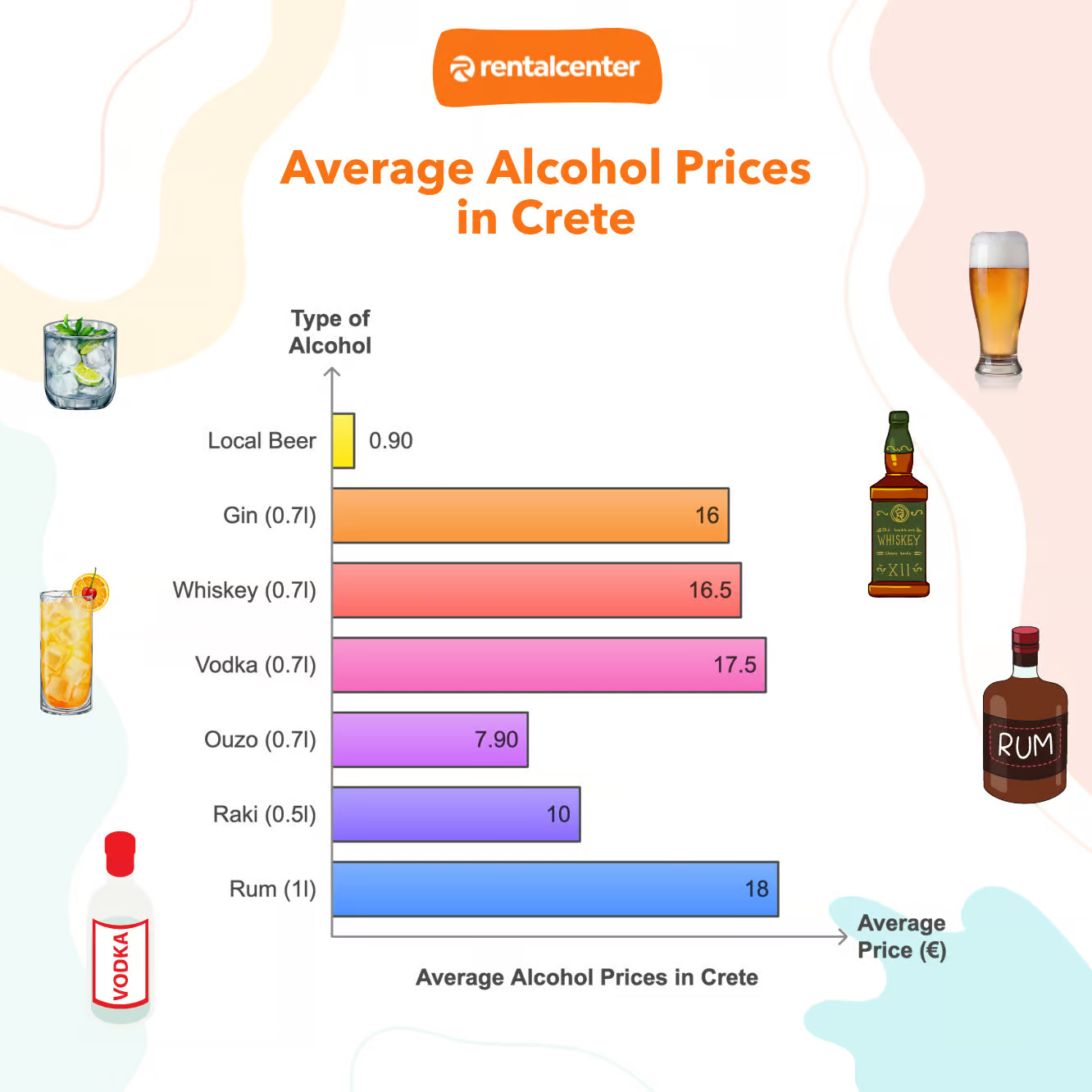
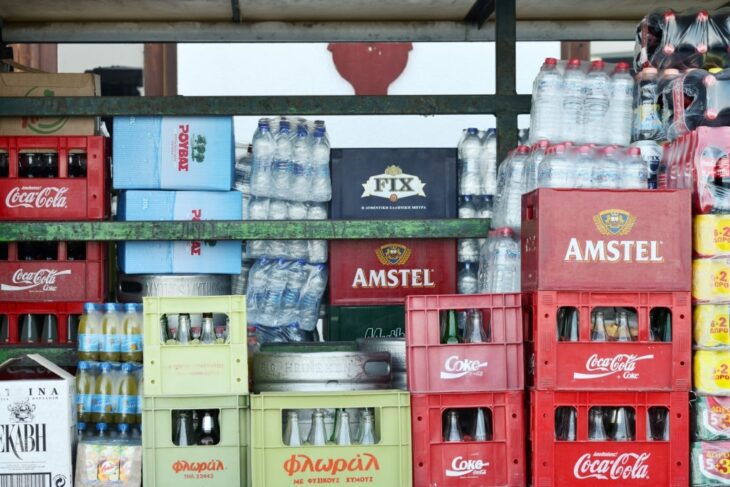
In Crete, you can buy alcohol at local supermarkets or at liquor shops, where the variety is much larger. The average prices of alcohol in Crete is listed below.
- Local Beer: €0.80 – 1.00
- A bottle of Gin: 0.7l – €16
- A bottle of Whiskey 0.7l: €13 – 20
- A bottle of Vodka 0.7l: €15 – 20
- A bottle of Ouzo 0.7l: €7.90
- A bottle of Raki 0.5l: €10
- A bottle of Rum 1l: €18
Cost of Activities in Crete
Apart from transportation, accommodation, and food, you also have to budget for other activities. Crete is a vibrant island with rich history and culture. Thus, you will enjoy the many tours and activities available in various towns.
Surprisingly, you don’t have to spend big when doing various things to do in Crete. In fact, some don’t even require any cash from you. Things such as exploring a beach, enjoying a city walk, or trekking Crete gorges are all free of charge.


If you want to see Crete’s archeological sites, museum exhibits, and more, there are some activities that won’t cost too much either. You can get an entry ticket for as low as €10-15, which will provide access to the Palace of Knossos in Heraklion as well as other attractions nearby such as Rethymno Archaeological Museum or Gortyn Byzantine Museum.
For activities that require a fee, you can expect to spend around 25 € – 50 € ($27.50 – $55.00, £21.75 – £43.50) per person, depending on the tour or activity. A day tour to the beautiful island of Spinalonga, for instance, will cost roughly 25 € ($27.50, £21.75) per person. In contrast, hiking Samaria, Europe’s longest gorge might cost up to 50 € ($54,50, £43,50), including transportation and admission charges.
To ensure you don’t go over your budget, you can choose to do activities that don’t have an entrance fee or those that don’t require much. After all, Crete is a beautiful island, and there are lots of free things to explore, such as beaches or hiking routes.

Cost of living in Crete
The cost of living in Crete is considered affordable compared to many Greek destinations including Athens, Thessaloniki, Patra, Volos and Rhodes. Housing, food, and entertainment costs remain low, appealing to retirees and digital nomads. Certain areas and seasons may have higher prices, but Crete provides good value, considering its quality of life, beautiful surroundings, and rich culture.
Accommodation is a significant expense for residents and long-term visitors. In Crete, housing costs are relatively affordable. Rent for a one-bedroom apartment in the city center costs between 300 € ($327,00, £259,00) to 500 € ($545,00, £431,00) per month. Outside the city center, a one-bedroom apartment costs between 225 € ($245,25, £194,25) to 300 € ($327,00, £259,00). A three-bedroom apartment in the city center rents costs from 500 € ($545,00, £431,00) to 700 € ($763,00, £603,00), while outside the center it costs from 400 € ($436,00, £345,00) to 500 € ($545,00, £431,00).
Monthly utilities in Crete, covering electricity, heating, cooling, and water, cost between 97 € ($105,00, £84,00) and 100 € ($108,00, £86,00). Internet services are priced between 25 € ($27,00, £21,50) and 40 € ($43,00, £34,50) per month. These utility and internet expenses are lower than in most Western European countries or the United States.
Entertainment in Crete is cheaper than in many European capitals. A movie ticket costs from 7,5 € ($8,14, £6,49) to 9 € ($9,77, £7,79), a monthly gym membership costs from 35 € ($38,02, £30,30) to 45 € ($48,89, £38,97), and a cup of cappuccino costs 2,50 € ($2,71, £2,16) to 3,50 € ($3,80, £3,02).
Crete provides substantial savings compared to Athens or London. Groceries are 20% cheaper than in Athens and 30% cheaper than in London. Rent in Crete is 30% cheaper than in Athens and 84% cheaper than in London. Utility bills are 10% lower than in Athens and 37% lower than in London. Public transport costs 5% less than in Athens and 70% less than in London.
What was situation of the Greek household crisis in 2025?
Greek households in 2025 faced rising wages and GDP growth, but continued to struggle with high living costs, poverty risk, and weak purchasing power. Over 26.9% of the population—nearly 3 million people—were at risk of poverty or social exclusion. The minimum wage rose to €880 in April 2025, but failed to fully offset cost pressures.
Greek households spent heavily on housing, food, and energy, with typical living costs reaching €800–1,200 per month for individuals and up to €3,500 for families. Despite reduced non-performing loans, many households remained financially stressed due to arrears, high rent, and limited savings, especially in major cities like Athens.
In 2025, the Greek government introduced a wide-ranging package to ease household costs by raising incomes, cutting taxes, and subsidising essential living expenses. Key measures included:
- Minimum wage increase: Raised to €880 gross/month from April 2025 (+6.4%), the fifth rise since 2019.
- Social benefit adjustments: Increases to unemployment, marriage, and maternity benefits to protect household income.
- Income tax cuts: A two-point reduction across all brackets, plus zero income tax for low-income families with four children.
- Housing support: Rent refund payments up to €800 for over 1 million renter households. Multi-year tax exemptions for landlords converting empty or short-term rentals to long-term housing. Incentives for private investment in affordable housing.
- Energy subsidies: Continued heating allowances for winter 2024–2025, distributed via the MyHeating platform, targeting low- and middle-income families in colder regions.
- Voucher programs: Ongoing cost-of-living vouchers through vouchers.gov.gr, including Market Pass-style supermarket subsidies. Regional tourism and recovery passes to stimulate employment and income in areas like Thessaly, Evros, and North Evia.
What are the projections for Greek Economy in 2026?
Greece is projected to grow by 2–2.4% in 2026, with inflation easing to 2–3% and unemployment declining to around 8.4%. The Greek government’s budget estimates 2.4% growth, supported by EU-funded investments and strong private consumption. The European Commission and IMF offer similar forecasts, citing tourism and reforms as key drivers.
Primary surpluses and falling debt ratios, targeting 140% of GDP, underscore fiscal stability. EU Recovery and Resilience Facility funding, digital and financial reforms, and strong domestic demand reinforce the outlook. Risks include weaker euro area growth, geopolitical instability, and delays in EU fund absorption.
Greece will grow moderately in 2026. Real GDP growth will reach 2 – 2.4%. Inflation will fall to 2–3%. The Greek government forecasts 2.4% GDP growth in 2026. Investment and private consumption will drive growth. EU Recovery and Resilience Facility funds will support investment and consumption. The European Commission forecasts 2.2% growth. This rate exceeds the euro area average. The IMF forecasts 2–2.1% growth. The Bank of Greece forecasts 1.9% growth.
Greece’s unemployment will fall to 8.4% in 2026 from 9% in 2025, but will remain above the euro area. Average Job creation and stronger labor market conditions drive the decline.
Greece will maintain primary budget surpluses in 2026. Revenue growth and expenditure control support fiscal performance. The government and European Commission confirm these expectations. Greece’s debt-to-GDP ratio will decline to 140% by 2026. Nominal growth and sustained surpluses drive the reduction, according to the European Commission.
EU-funded investment, domestic consumption, and tourism support economic activity above the euro area average. Forecasts identify these as key growth drivers. Structural reforms in digitalization, tax administration, and the financial sector sustain medium-term growth and investor confidence.
External risks to Greece’s 2026 outlook include weaker growth in key European partners, U.S. tariff spillovers, and geopolitical tensions. These risks threaten tourism, trade, and energy costs. Domestic risks include high public debt, incomplete reforms, and delayed EU fund absorption. These factors reduce growth if unmanaged.
Is Crete going to be expensive to visit in 2026?
No, Crete is expected to remain moderately priced in 2026 compared to 2025 and to other European destinations. Costs may rise due to strong tourism demand, inflation stabilising around 2–3%, and ongoing investment in infrastructure. Prices for accommodation and services may increase, especially during peak months, but overall affordability will depend on travel season and booking timing.
Tourism growth and EU-funded upgrades may raise local prices, particularly in popular areas like Heraklion and Chania. Off-season travel and early bookings can help manage expenses. Inflationary trends and labor cost pressures could influence prices, but Crete will likely stay competitive relative to mainland Greece and Western Europe.
Travel operators such as EasyJet and Jet2holidays are classified as low-cost and charter package providers, offering cost-efficient travel bundles that appeal to budget-conscious tourists. These packages often include low-deposit booking options and structured installment payment plans, which improve cash flow management for travelers. According to the European Travel Commission, installment-based bookings increased by 17% in 2024, reflecting a shift towards more accessible payment models. Paul Smith, Director at the UK Travel Retail Forum, explains, “Flexible payment schemes have become vital in reducing financial barriers for mid-income travelers”. To further minimize travel expenses, off-peak seasons – such as spring and autumn -present ideal opportunities, as lower tourist volume reduces accommodation and service costs. Selecting half-board lodging or engaging with local producers at regional markets contributes to daily cost savings while enriching the cultural experience.
The total cost of visiting Crete – as well as Cyprus, Rhodes, Santorini, and Mykonos – is significantly affected by both macroeconomic and local economic variables. At a foundational level, price structures are shaped by global economic indicators, including inflation rates, currency exchange fluctuations, and international market stability. For instance, a 5% depreciation of the euro against the British pound can reduce UK travelers’ local spending power, altering budget forecasts.
Types of influencing factors include:
- Demand-side variables (e.g., tourism peaks, event-driven surges)
- Supply-side disruptions (e.g., fuel prices, labor costs)
- Government policy impacts (e.g., tourism taxes, VAT adjustments)
During high-demand periods such as summer holidays or festival seasons, price elasticity narrows, leading to escalated costs in accommodation, gastronomy, and leisure services. Booking late or during a compressed travel window further amplifies these spikes due to reduced inventory.
Local economic health in Greece, especially on islands like Crete, is another determinant. Key issues include:
- Inflation, which elevates the cost of goods and services.
- Fiscal policies, including tourism taxation and subsidy programs.
- Post-crisis recovery initiatives, which may redirect resources or temporarily inflate costs.
External disruptors, such as geopolitical tensions, pandemics, or climate-related disasters, can suddenly alter travel infrastructure and pricing mechanisms. For example, the 2023 wildfires in Rhodes led to a 22% increase in short-term insurance premiums and a 14% spike in last-minute rebookings, based on data from the European Tourism Crisis Observatory.
To improve cost efficiency, travelers should:
- Monitor currency trends and inflation indices via platforms like Eurostat and XE.
- Book accommodations with price guarantees or cancellation flexibility.
- Use dynamic pricing trackers to secure flights during optimal windows.
Best Tips to Follow to Lower Expenses When in Crete
No matter your budget, it’s always good to be able to lower expenses. Money doesn’t grow on trees, after all. To make sure you enjoy your stay in Crete without spending too much, here are some tips that can help you save more.
1. Consider Visiting During Low Season
If the time of the year doesn’t really matter for your travel plan, you can save big by visiting Crete during the low season. The month of September is unquestionably the most cost-effective time to spend a holiday in Crete while still enjoying the beautiful Greek weather. With the ideal water temperature for swimming and fewer tourists on the island, you can enjoy a more relaxing and laid-back vacation.
Unlike July and August, prices are cheaper in September. You can also find accommodation deals and discounts for flights, buses or ferry tickets in the month of October. If you want to save even more, visit during April and May. These are not peak months in Crete, but you can still enjoy the island’s beautiful weather and save some money.
2. Book Tours Beforehand or When You Arrive
Last-minute booking of tours can be expensive, especially if you go with an agency that doesn’t offer discounts. To ensure your tours are affordable and within your budget, booking them beforehand or when you arrive is recommended.
There are many travel agencies on the island of Crete. Hence, finding one that offers cheap tours can be easy. Furthermore, you have the option of booking a few months in advance or waiting until you arrive. In both circumstances, you will save a significant amount of money.


3. Be Careful With Alcohol
Of course, alcohol is always a must-have during a vacation. However, be careful with the booze and make sure to not drink too much. A bottle of wine or beer can be pretty expensive in some restaurants or bars so be careful when looking at menus.
If you can, go for the most loved drink in Crete, Raki. Not only is it cheaper, but you can find it everywhere. Local bars, restaurants, even supermarkets offer raki so you can drink it when in Crete. Plus, you don’t even have to worry about the taste since it tastes pretty awesome!
4. Live Like a Local
The easiest way you can save money when in Crete is to live like a local. Eat where the locals eat, don’t go to expensive restaurants, and just take advantage of everything Crete has to offer, such as free beaches, cheap bars, and taverns. You don’t need to spend much money to have a wonderful time in Crete.
Try to avoid major tourist attractions, do not buy expensive souvenirs, and always go for lesser-known locations. You’ll be surprised by how much you can save if you simply follow these tips!
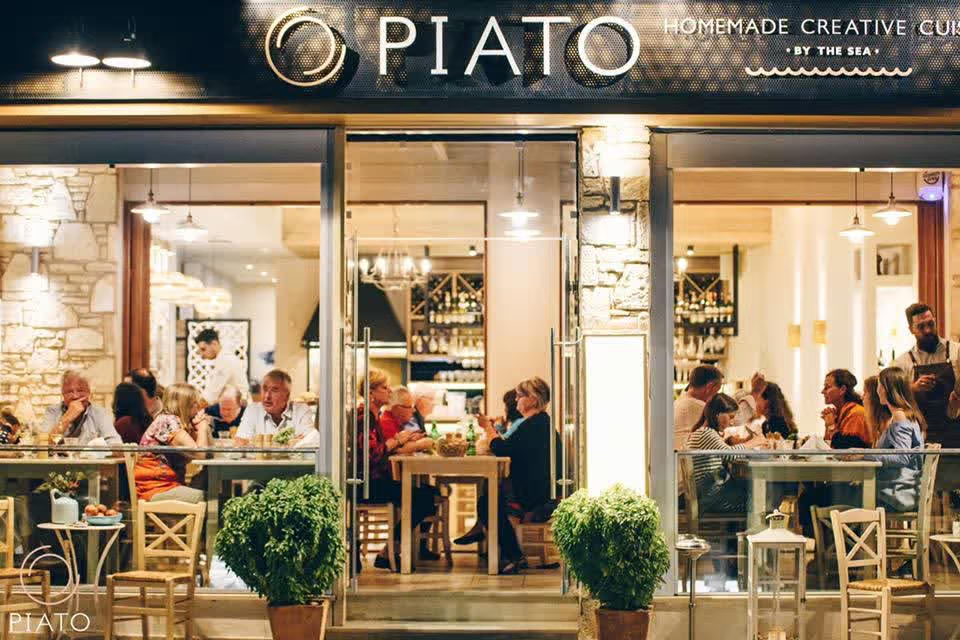
It’s good to prepare and set a budget before you go on vacation to Crete so that you won’t find yourself in financial trouble.
When it comes to spending money, keep in mind the three “P’s” – priorities, preferences, and possibilities.
Prioritise your expenses according to what is important for you, such as food or accommodation, then adjust your plan based on your preference and finally consider which options are available within those limits!
Last updated on .