
Yes – Crete is gay-friendly, particularly in the urban centres of Heraklion, Chania, Rethymno, and the resort area of Hersonissos. Greece legalised same-sex marriage and same-sex adoption in February 2024 (Law 5089/2024), becoming the 17th EU member state and the first majority-Orthodox-Christian country to do so. Civil unions have been legal since 2015 (Law 4356/2015), and conversion therapy for minors was banned in 2022. Crete does not have a high-profile gay-party scene like Mykonos – the global LGBTQ+ destination of Greece – but its tourist hubs are welcoming, its beaches include several discreet LGBTQ-friendly spots, and HerPride in Heraklion has run as the island’s annual LGBTQ+ festival since 2017.
Disclaimer: This article reflects current Greek LGBTQ+ rights and the practical experience of LGBTQ+ travellers in Crete as of April 2026. Local attitudes vary by region – urban tourist centres are more open than rural villages. For current legal status across Europe, consult ILGA-Europe’s Rainbow Map (rainbow-europe.org) and the Spartacus Gay Travel Index (spartacus.gayguide.travel). Travel advisories may change; verify before departure.
Is Crete a Gay-Friendly Destination? Quick Answer
Yes, Crete is a gay-friendly destination – particularly in the four main urban centres (Heraklion, Chania, Rethymno, Agios Nikolaos) and the resort strip from Hersonissos to Malia. Visitors can expect:
- Welcoming hotels, bars, and beaches in tourist areas – including the only Greek-island Pride that is not on Mykonos (HerPride, Heraklion)
- Greater discretion advised in rural villages and traditional family-run tavernas – not because of laws or hostility, but because Greek Orthodox conservatism remains strongest outside cities
- Full legal equality as of February 2024 (same-sex marriage, joint adoption, anti-discrimination protections, gender-identity recognition)
Crete does not offer the dedicated gay nightlife scene of Mykonos (XLSIOR Festival, Jackie O’ Beach, Lola Bar, etc.). For travellers who want full immersion in a Greek LGBTQ+ party scene, Mykonos remains the destination of choice. Crete is best suited to LGBTQ+ travellers who want history, beaches, and authentic Greek culture in a relaxed, accepting environment.
Greek LGBTQ+ Law: Current Status (as of May 2026)
Greece’s legal framework for LGBTQ+ rights changed dramatically in February 2024 and now sits among the more progressive frameworks in Southeast Europe.
Same-Sex Marriage and Adoption – Law 5089/2024
On 15 February 2024, the Greek Parliament passed Law 5089/2024, legalising same-sex civil marriage and same-sex joint adoption. The bill passed under the Mitsotakis government, 176 votes in favour, and made Greece:
- The 17th EU member state to legalise same-sex marriage
- The first majority-Orthodox-Christian country in the world to do so
- One of approximately 35 countries globally with full marriage equality
The law extends to civil marriage only – religious ceremonies are not affected, and the Greek Orthodox Church publicly opposed the legislation. The marriage and adoption rights apply equally to same-sex couples in civil ceremonies.
Civil Unions, Anti-Discrimination, Gender Identity
- Civil unions for same-sex couples: legal since December 2015 (Law 4356/2015)
- Anti-discrimination protection based on sexual orientation, gender identity, and gender characteristics: in employment, goods and services, education, and healthcare
- Gender-identity recognition without medical requirements: legal since 2017 (Law 4491/2017) for individuals 17 and older
- Conversion therapy for minors: banned in 2022 (Law 4958/2022)
- Hate-crime law explicitly covers sexual-orientation and gender-identity offences

How Crete Sits on International LGBTQ+ Indices?
- ILGA-Europe Rainbow Map (2025) ranks Greece in the upper-middle tier of European countries for LGBTQ+ rights and protections – significantly higher after the 2024 marriage law than before.
- Spartacus Gay Travel Index (2025) rates Greece favourably for LGBTQ+ travel safety, with notes about urban-vs-rural variation that apply specifically to Crete.
For current rankings, consult ILGA-Europe Rainbow Map and Spartacus Gay Travel Index directly – both are updated annually.
Is Heraklion Gay-Friendly?
Yes – Heraklion is the most LGBTQ+ active city on Crete, hosting the island’s annual Pride festival (HerPride) and a small but consistent LGBTQ+ nightlife. Public displays of affection are generally accepted in tourist areas; discretion is recommended in traditional family settings.
Heraklion’s Korais Square is the centre of the city’s relaxed bar district – including gay-friendly venues like La Brasserie (themed nights, including Latin Mondays and karaoke Tuesdays). Guernica Bar is known for an eclectic, welcoming crowd. The annual HerPride festival runs in summer (typically July) at Georgiadis Park and at Lion Square.
Beaches near Heraklion: while Heraklion has no exclusively gay beaches, Kommos Beach (61 kilometers (37.90 miles) southwest, naturist-friendly) and the nudist section of Sarantari Beach in Hersonissos are popular with LGBTQ+ visitors.
Gay-friendly hotels in Heraklion: Hotel Helios (4-star, central, rooftop pool), Dimargio Luxury Hotel & Spa (city centre), Ethereal White Resort Hotel & Spa (boutique, luxury amenities).
Is Chania Gay-Friendly?
Yes – Chania is gay-friendly, especially in its Venetian Old Town, the tourist beachfront strip, and the popular beaches west of the city (Elafonisi, Balos). The local atmosphere skews open and cosmopolitan, particularly around the harbour and the artistic quarter near the Old Port.
Klik Bar is Chania’s main LGBTQ+ club – dancing, contemporary music, and a welcoming vibe. Ababa Bar-Gallery is a trendy artsy gay-friendly bar inspired by Frida Kahlo, known for handcrafted cocktails and Latin music. (See the Bars and Clubs section below for full address details.)
Gay-friendly hotels in Chania: Porto Veneziano Hotel (Venetian Harbour), Casa Delfino Hotel & Spa (Old Town boutique), Kaliviani Traditional Hotel (Kissamos area).
Beaches near Chania: Macherida Beach offers privacy and a gay-friendly atmosphere. Kavros Beach near Georgioupolis and Rapaniana Beach near Kolymbari are popular with LGBTQ+ visitors.
Is Rethymno Gay-Friendly?
Yes – Rethymno is LGBTQ+ inclusive, with a relaxed Venetian Old Town, a 12 kilometers (7.46 miles) in-town beach, and a youthful student-driven nightlife around the central squares. Bars like Livingroom Lounge and Metropolis Bar are LGBTQ+-friendly. Gay-friendly accommodation: Hotel Xenia, Hotel Odeon, and Thalassa Boutique Hotel.
What Is HerPride? Crete’s LGBTQ+ Pride Festival
HerPride is Crete’s annual LGBTQ+ Pride festival, held each summer in Heraklion since 2017. The festival is community-organised and grassroots – explicitly rejecting corporate sponsorship – and is run by local activists and university students.
Format and venues:
- Annual, multi-day event, typically in July
- Central venues: Georgiadis Park (main programme), Lion Square (drag shows, music)
- Programme includes parades, drag performances, art exhibitions, panels, and discussions on gender identity, body liberation, and LGBTQ+ rights
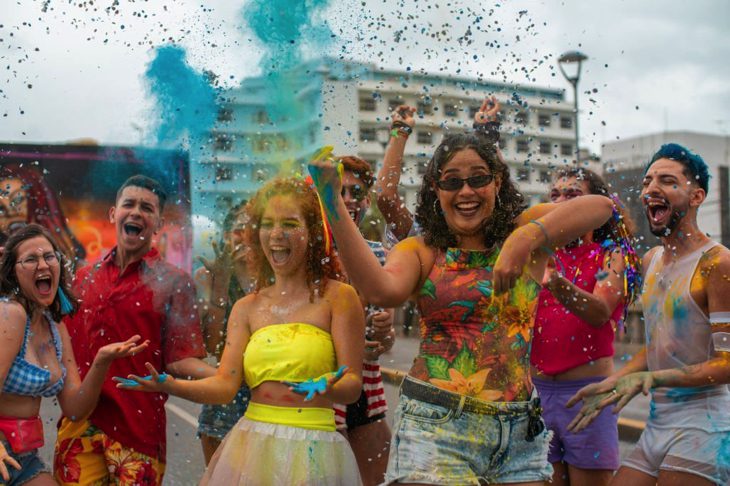
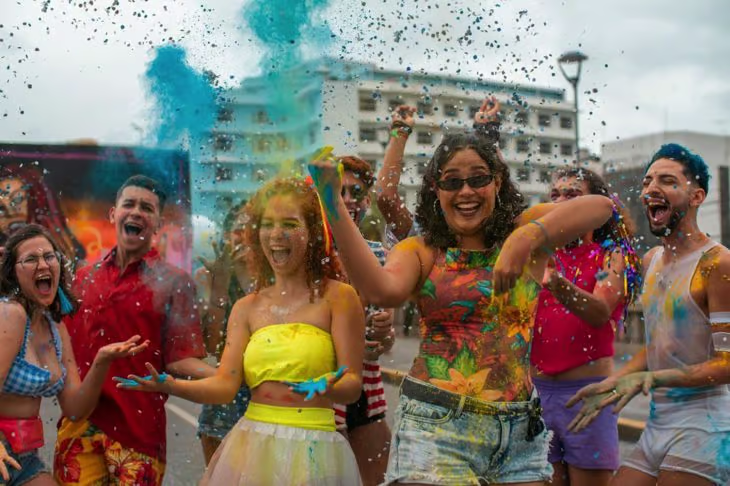
HerPride is the only LGBTQ+ Pride festival held on Crete and one of the few in Greece outside Athens, Thessaloniki, and Mykonos. Verify the current year’s dates locally – the festival schedule is announced each spring and may shift week to week.
Gay-Friendly Bars and Clubs in Crete
Crete has a small but growing LGBTQ+ nightlife scene, concentrated in the four main cities and the Hersonissos resort strip. Below are five named gay or gay-friendly venues currently operating; new venues open and close frequently – verify before travelling.
- La Brasserie Bar (Heraklion) – gay-friendly bar in Heraklion’s city centre with themed nights (Latin Mondays, karaoke Tuesdays), colorful decor, classic cocktails. Korai 5, Heraklion. Tel: +30 281 400 1418.
- Y.O.L.O Bar (Hersonissos) – one of the few explicitly gay bars on Crete. Cozy, lively, pop music, affordable cocktails. Kastroy 1, Hersonissos. Tel: +30 694 551 5067.
- New York Beach Club (Hersonissos) – beachfront lounge by day, high-energy club by night. Mixed clientele but consistently LGBTQ+-friendly. 30 Agias Paraskevis St, Hersonissos.
- Ababa Bar-Gallery (Chania) – artsy gay-friendly bar with nostalgic decor, board games, and handcrafted cocktails. Isodion Odos 12, Chania.
- Klik Bar (Chania) – Chania’s main LGBTQ+ nightclub, with dancing and contemporary music.
- Cafe PUERTO Bar (Agios Nikolaos) – seaside lounge and nightclub with cocktails, music, and a vibrant dance floor with live DJs. Agios Nikolaos waterfront.
Distinction note: Y.O.L.O Bar (Hersonissos) is one of the few explicitly gay bars on Crete, while Klik Bar (Chania) is Chania’s main LGBTQ+ nightclub. Most other venues listed are gay-friendly rather than gay-specific.
Gay-Friendly and Nudist Beaches in Crete
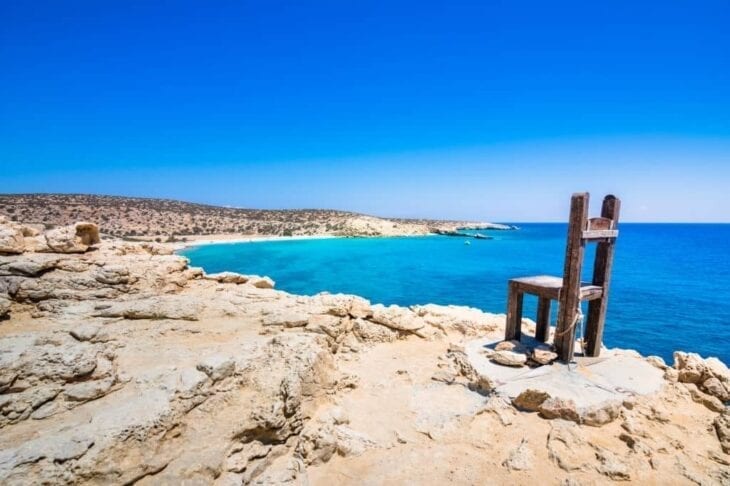
Crete has no officially designated gay beaches, but at least seven beaches are widely understood as LGBTQ+-friendly, several with nudist sections that have long welcomed gay travellers. Greek nudism is legal at officially designated nudist beaches and tolerated at many secluded coves; respect signage and any local conventions.
Gay-Friendly Beaches
- Kommos Beach – southern coast, ~61 kilometers (37.90 miles) southwest of Heraklion, 4 kilometers (2.49 miles) north of Matala. Naturist-friendly; the central section (“Potamos”) is the main LGBTQ+ section.
- Kavros Beach – northwest coast near Georgioupolis, ~36 kilometers (22.37 miles) east of Chania. Private/secluded sections behind the dunes.
- Vai Beach – eastern coast (Lasithi), Europe’s largest natural palm forest. Inclusive vibe; mainstream beach with LGBTQ+-friendly atmosphere.
- Kolokythia Beach – northeastern coast near Elounda; secluded cove popular with LGBTQ+ travellers.
- Listis Beach – southern coast (Libyan Sea); secluded; popular with both nudists and LGBTQ+ visitors.
- Macherida Beach (Chania) – privacy and a gay-friendly atmosphere.
- Gavdos Island beaches (Sarakiniko, Agios Ioannis, Potamos) – Europe’s southernmost inhabited island, free-spirited culture, popular with LGBTQ+ travellers and naturists.
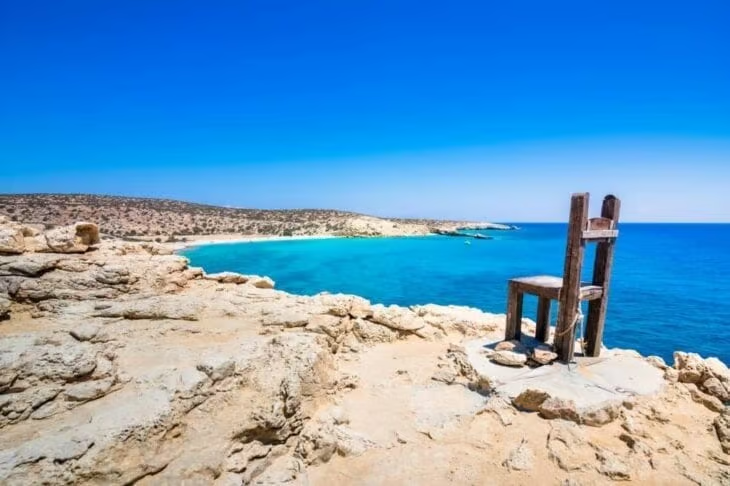
Officially Nudist or Naturist Beaches
- Filaki Beach – southern coast, 3 kilometers (1.86 miles) east of Chora Sfakion. The island’s only officially designated nudist beach, managed by the nearby Vritomartis Naturist Resort (Greece’s first dedicated naturist resort).
- Agios Charalambos Beach – secluded cove 1.5 kilometers (0.93 miles) east of Chora Sfakion. Popular with naturists.
- Ligres Beach – 51 kilometers (31.69 miles) south of Rethymno. Quiet, expansive, ideal for nudists.
- Red Sand Beach (Matala) – iconic nudist beach (also called Kokkini Ammos), 25–30 minute hike from Matala village. Frequently featured on lists of the world’s best nude beaches.
How to Reach Crete’s LGBTQ+ and Nudist Beaches?
Most LGBTQ+-friendly and nudist beaches sit far from main bus routes. A car or scooter rental is the most practical option – particularly for Filaki, Kommos, Listis, and Ligres. Public buses connect major towns but rarely the secluded coves; but reserving a Crete car rental or scooter provides more flexibility and discretion. Check the current KTEL schedule (e-ktel.com).
Practical Tips for LGBTQ+ Travellers in Crete
- Public displays of affection are widely accepted in tourist hubs (Heraklion centre, Chania Old Town, Rethymno, Hersonissos, Agios Nikolaos). In rural villages and at family-run tavernas, the same level of comfort that locals show generally applies – discretion in genuinely traditional settings is wise.
- Hotels and accommodation: booking platforms tag LGBTQ+-friendly properties; misterb&b also lists Crete options. Most international 4-star and 5-star resorts are explicitly inclusive.
- Pride attendance: if you want to attend HerPride, plan for July; book accommodation at least 6 weeks ahead.
- Religious sites: churches and monasteries expect modest dress (no shorts, shoulders covered) regardless of sexual orientation. The Greek Orthodox Church publicly opposed the 2024 marriage law; in religious settings, expect more conservative attitudes.
- Trans and non-binary travellers: Greek law since 2017 supports gender-identity recognition. Modern Crete is broadly accepting; small villages may be unfamiliar but rarely hostile.
- Emergency contacts: Greek emergency 112 (police, ambulance, fire). Tourist police: 1571.
Frequently Asked Questions
Is Crete gay-friendly in 2026?
Yes. Crete is gay-friendly in its urban centres (Heraklion, Chania, Rethymno, Agios Nikolaos) and in resort areas like Hersonissos. Following Greece’s legalisation of same-sex marriage in February 2024 (Law 5089/2024), the legal framework supports LGBTQ+ travellers; Crete’s tourist hubs welcome gay couples openly, and the island hosts an annual Pride (HerPride) in Heraklion.
Is Greece safe for LGBTQ+ travellers?
Yes, generally. Greece sits in the upper-middle tier of ILGA-Europe’s Rainbow Map for LGBTQ+ rights and protections. Same-sex marriage and adoption (2024), civil unions (2015), anti-discrimination law, gender-identity recognition (2017), and the 2022 conversion-therapy ban for minors form the legal framework. Athens, Thessaloniki, Mykonos, and Crete’s main cities are welcoming. Caution and discretion are sensible in remote rural areas.
Is Crete or Mykonos better for gay travellers?
Mykonos is Greece’s globally recognised LGBTQ+ destination – dedicated gay nightlife (Jackie O’ Beach, Lola Bar, the XLSIOR Festival), Elia Beach (the unofficial gay beach), and a year-round gay travel infrastructure. Crete offers a quieter, more authentic experience – historical sites, mountain villages, beaches, and lower prices, with gay-friendly venues but no dedicated gay nightlife scene. Pick Mykonos for parties and full LGBTQ+ immersion; pick Crete for nature, culture, and a relaxed welcoming atmosphere.
When is HerPride and where is it held?
HerPride is held annually in summer (typically July) in Heraklion. Main venues: Georgiadis Park (programme) and Lion Square (drag shows, music). Run by local activists and university students; community-organised, grassroots, no corporate sponsorship. Verify the current year’s dates with local Crete LGBTQ+ groups before travelling.
Are there gay beaches in Crete?
There are no officially designated gay beaches, but several beaches are LGBTQ+-friendly and/or have nudist sections widely used by gay travellers: Kommos (the central “Potamos” section), Kavros, Macherida, Listis, Vai, and Kolokythia. Greece’s only officially designated nudist beach in Crete is Filaki Beach (southern coast, near Chora Sfakion).
Can you have a same-sex wedding in Crete?
Yes – since February 2024, same-sex civil marriage is legal in Greece. Same-sex joint adoption is also legal. Couples planning to marry in Crete must follow standard Greek civil-marriage procedures (registration, documents, marriage notice). Religious ceremonies are not covered by Law 5089/2024 – only civil. Some boutique hotels and wedding venues in Chania and Heraklion now offer same-sex wedding packages.
Are public displays of affection accepted in Crete?
Yes in tourist hubs, where same-sex couples holding hands or showing affection are common and widely accepted. Greater discretion is advised in rural villages and traditional family settings, less due to risk than to social comfort – local conservatism in interior villages can make some interactions awkward but rarely hostile.
What’s the best time to visit Crete as a gay traveller?
May–early October for warm weather, full ferry schedules, and active nightlife. Late June–early July if you want to attend HerPride. September offers the best combination of warm sea, fewer crowds, and lower prices.