








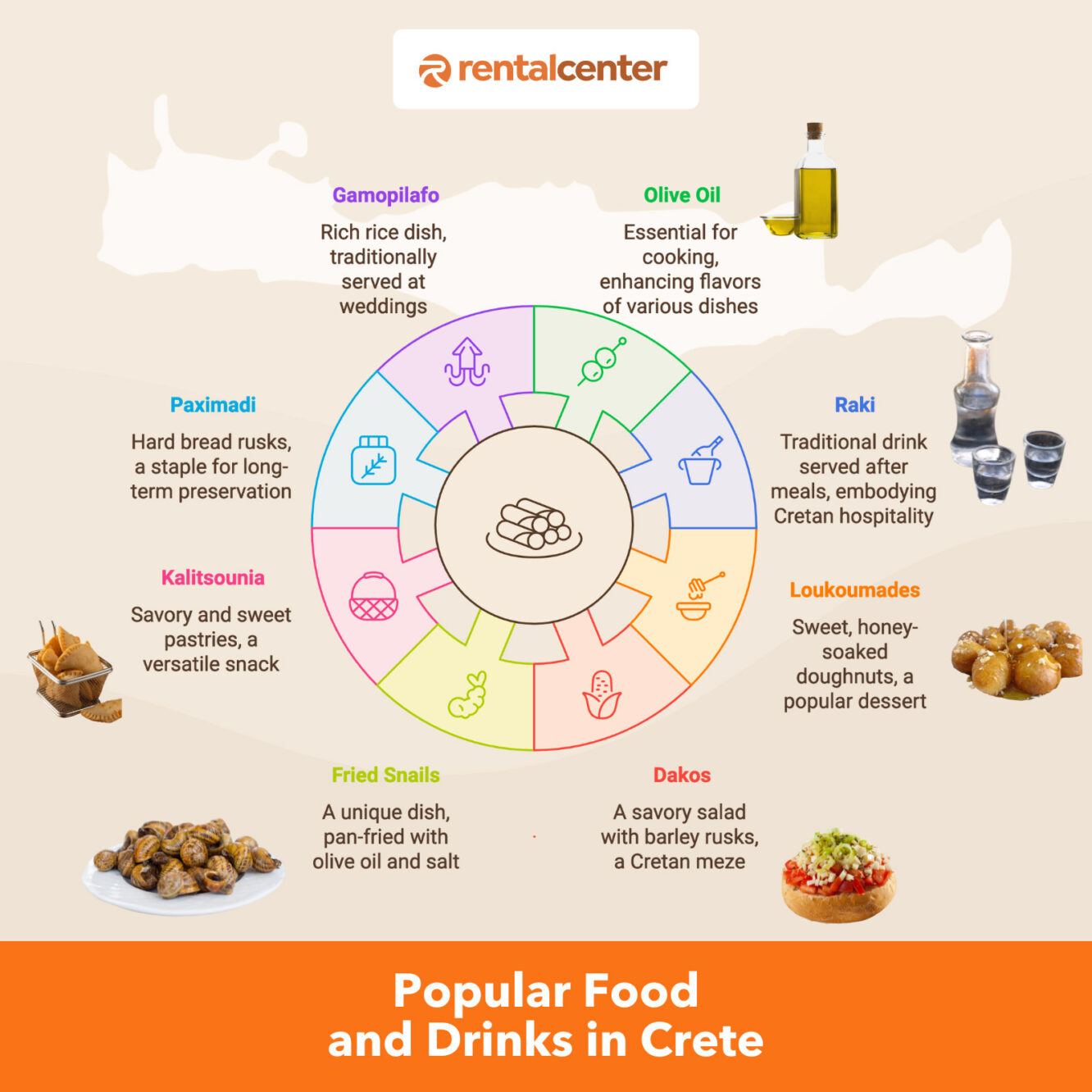
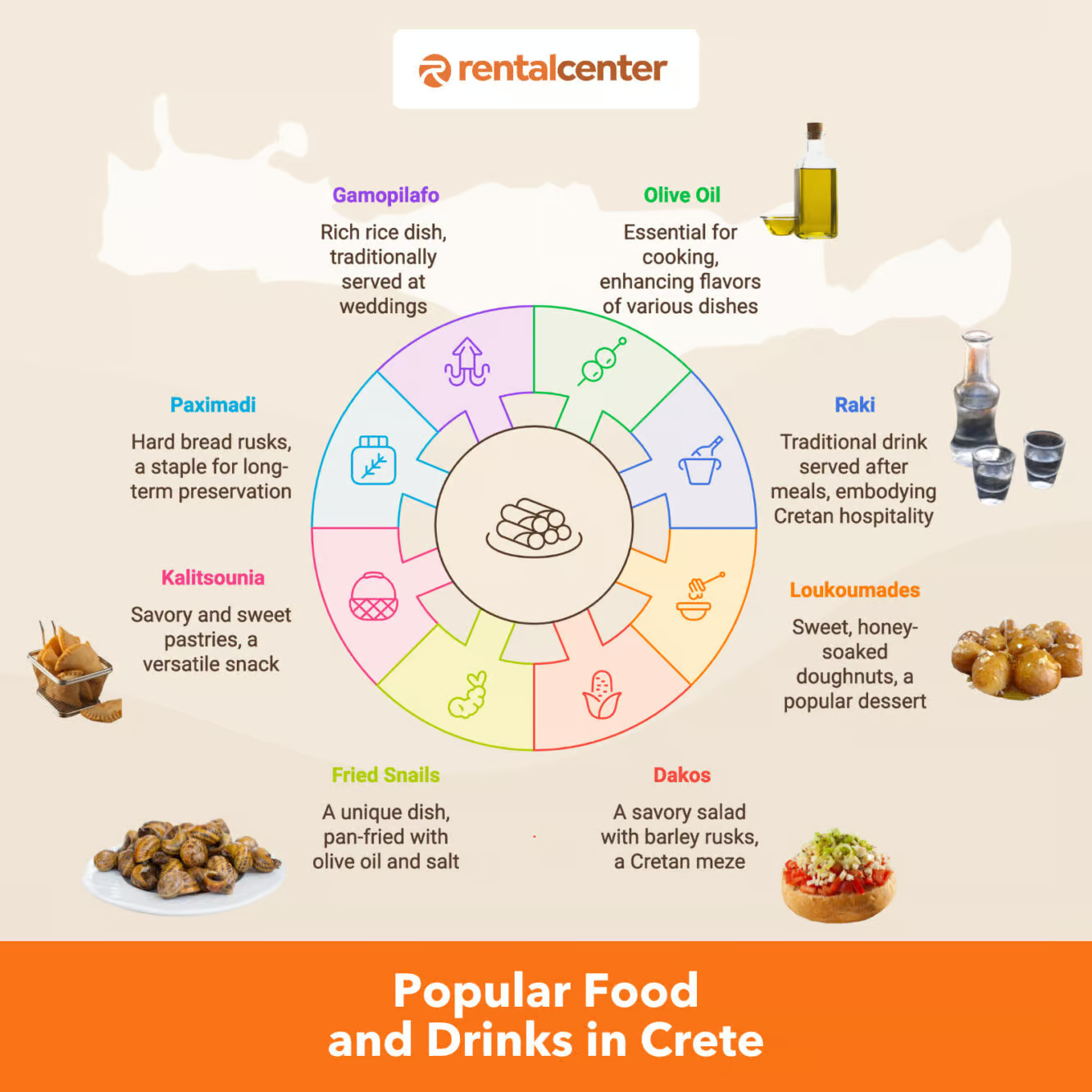
Cretan cuisine centres on a small set of dishes and drinks found nowhere else in Greece – barley-rusk dakos, the pomace spirit raki, wedding-day gamopilafo, and sheep-and-goat cheeses like graviera among them. It is built on extra-virgin olive oil, wild greens, aged cheeses, and 4,000 years of island tradition, later layered with Venetian and Ottoman influence. This guide names the essentials, explains what makes each one distinctly Cretan rather than generic-Greek, and points to where to eat and drink them.
| Dish / Drink | What makes it uniquely Cretan |
|---|---|
| Dakos | National dish – barley rusk with mizithra, not feta |
| Raki (Tsikoudia) | National drink – complimentary pomace spirit after every meal, no anise |
| Olive Oil | The base of nearly every Cretan dish |
| Gamopilafo | Wedding rice dish – broth-simmered with stakovoutiro butter |
| Lamb Stamnagathi | Wild chicory found only in Crete – pairs with lamb |
| Cretan Cheeses | Graviera, myzithra, PDO-protected pichtogalo Chanion |
| Malotira | Mountain tea at 800-2,000 m – only in Western Crete |
| Cretan craft beer | Charma, Solo, Lafkas and more – breweries unique to the island |
1. Olive Oil – Crete’s Liquid Gold
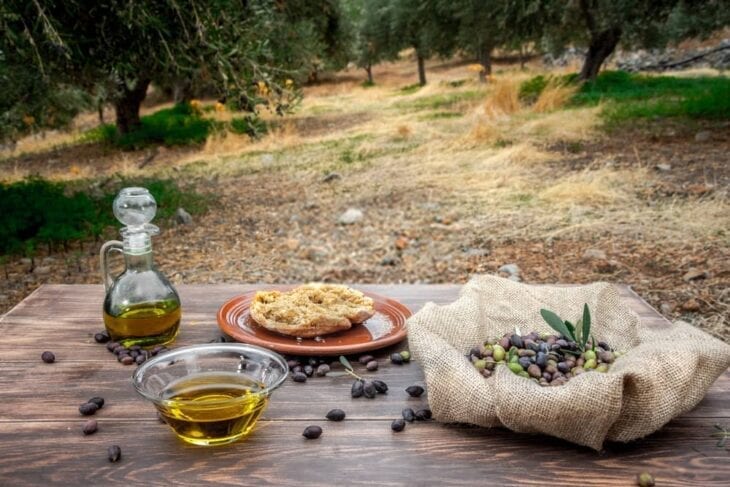
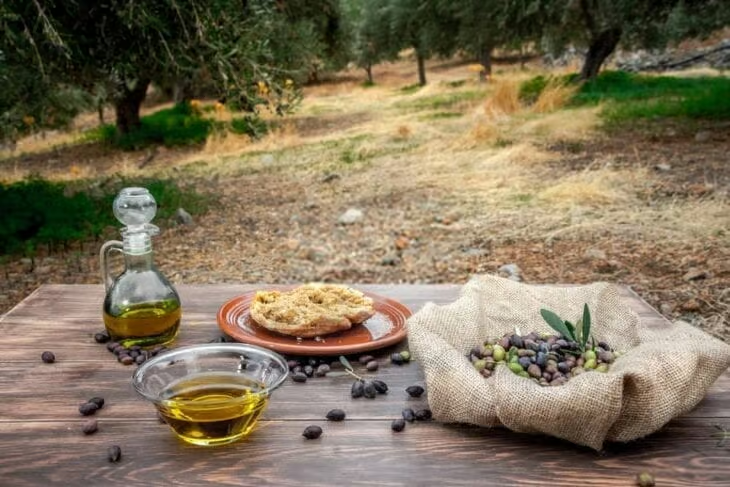
Cretan olive oil is the foundation of every dish on the island; without it, nothing is cooked. It dresses meats, cheese, salad, vegetables, and bread, and Cretans consume more olive oil per capita than almost anyone in the world. Cretan groves scent the air for miles around villages like Elafonissi during harvest season. Pressed largely from the Koroneiki variety, Cretan olive oil is renowned for its taste, aroma, and high nutritional content, and certified-organic extra-virgin output has grown steadily over the past decade. Widely available in every size and shape of bottle, a bottle of estate oil also makes a memorable edible souvenir to bring home – our guide to souvenirs from Crete covers more keepsakes worth packing.
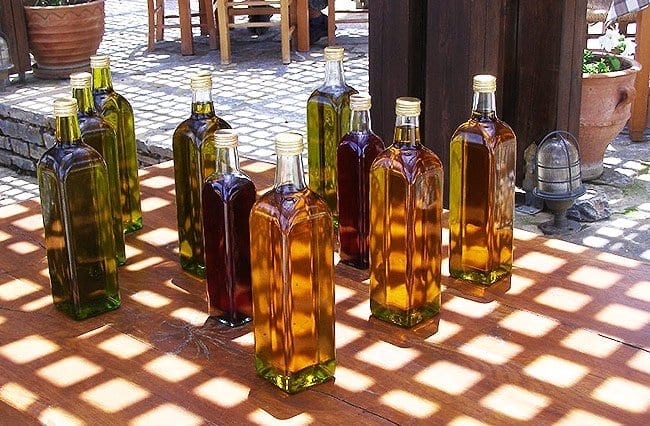
Cretan Olive Oil
2. Dakos – The National Dish of Crete
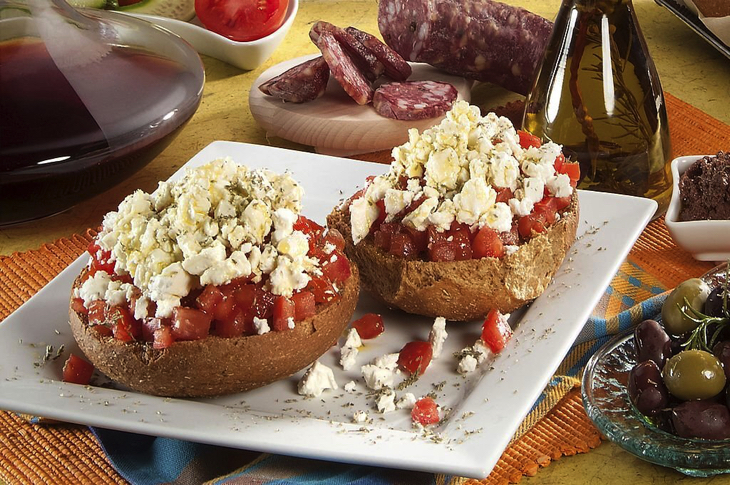
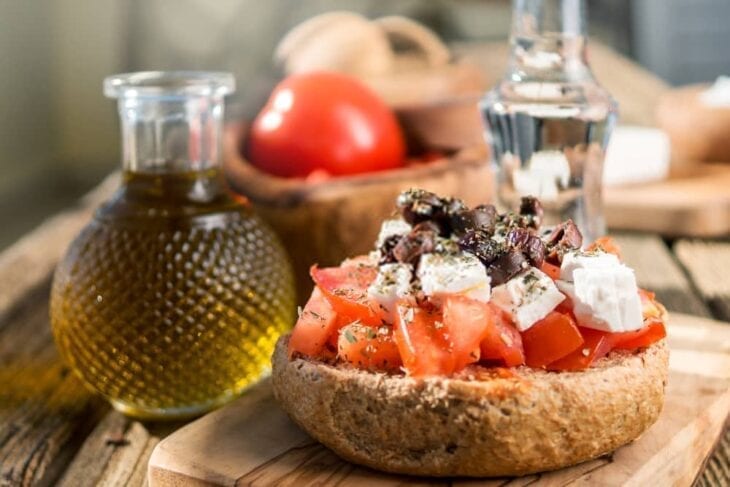
Dakos is Crete’s national dish and the most representative item on any Cretan table. A thick barley rusk (paximadi) is softened in extra-virgin olive oil, topped with grated ripe tomato, crumbled mizithra cheese – never feta, which is reserved for tourist menus – Koroneiki or Tsounates olives, capers, dried oregano, and a final drizzle of olive oil. The olive oil softens the rusk while keeping its signature crunch. Each Cretan region has its own name for it: some call it koukouvagia (“owl”), others kouloukopsomo (“puppy bread”). A bit of sea salt and a little garlic are frequently massaged into the rusk for extra flavour. It is the dish most visitors remember, and many learn to make it at home after their trip.
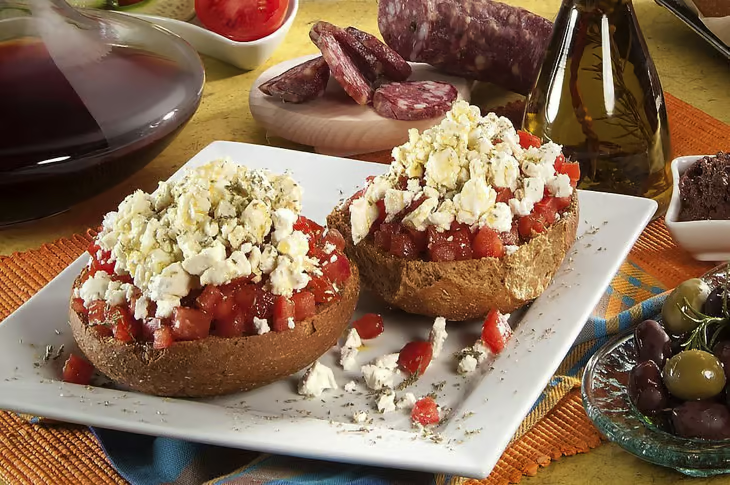
3. Cretan Cheeses (Graviera, Myzithra, Pichtogalo)
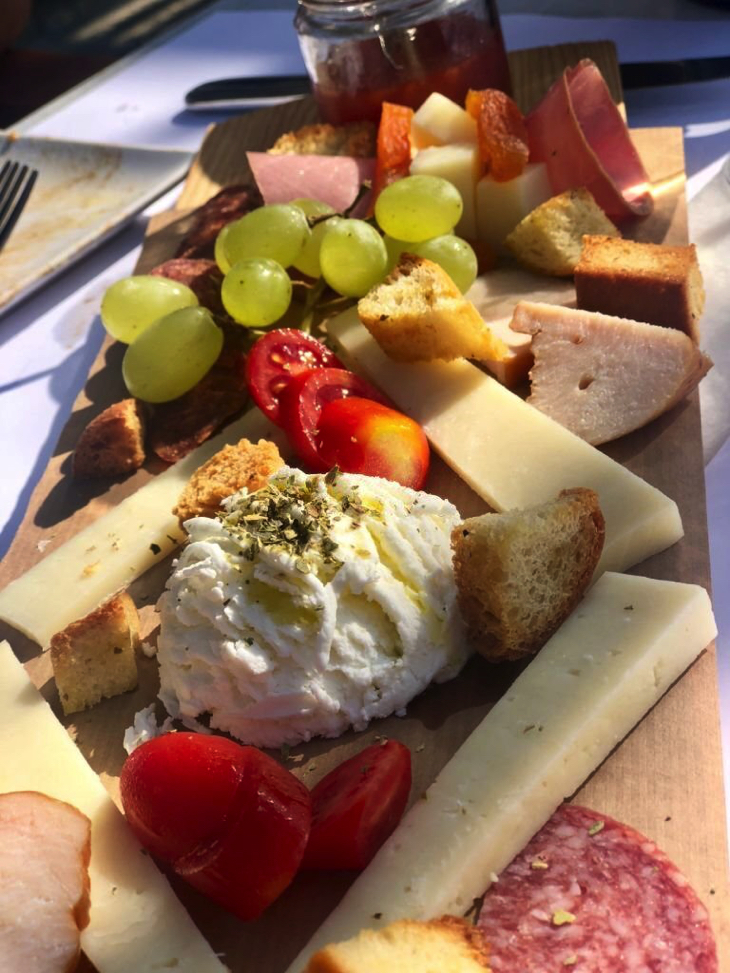
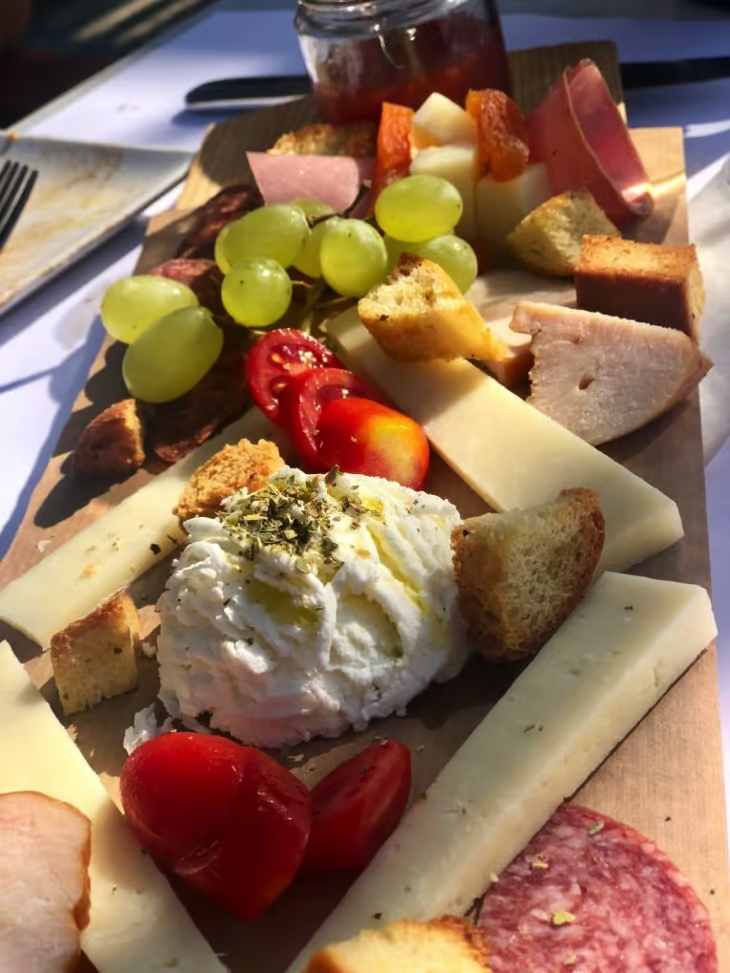
Cretan cheesemakers work almost exclusively with sheep and goat milk, producing distinct varieties – graviera, myzithra, and the Protected Designation of Origin (PDO) pichtogalo Chanion – that each carry regional identity. Almost every Cretan village seems to have its own cheese. Look for graviera, a firmer cheese that is sweeter when young but nutty and full-flavoured after maturing, and the soft, creamy young whey cheese myzithra. Because they are made from sheep or goat milk, Cretan cheeses are richer in calcium, protein, and folate and easier to digest than cow’s-milk varieties. They work well as a dessert or a side dish with bread, fruit, and honey. The same cheeses appear baked into local pies such as boureki, a Chania speciality of courgette, potato, and cheese.
4. Raki (Tsikoudia) – The National Drink of Crete
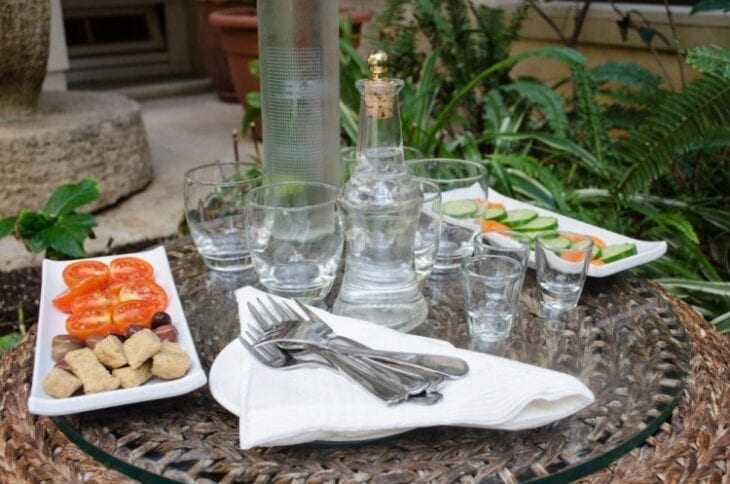
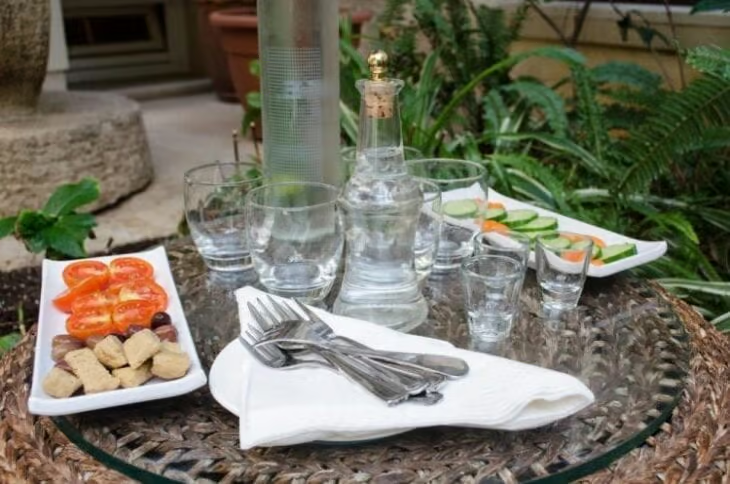
Raki, also called tsikoudia, is the national drink of Crete: a crystal-clear pomace spirit distilled from grape-harvest remnants each autumn and served complimentary after almost every meal. Raki carries no anise, which sets it apart from ouzo, the anise-flavoured spirit more associated with mainland Greece – a distinction worth knowing, since visitors often lump the two together. Tavernas bring a complimentary shot alongside the bill, treating it as a sign of hospitality rather than an upsell. Distillers make raki from the leftover skins, twigs, and pulp of the wine-making process, storing them for about six weeks before distilling the mix into a potent, palate-cleansing spirit. Seen as a symbol of social interaction, dignity, and friendliness, raki is the drink that is virtually always offered when Cretans welcome visitors. (Full detail on how raki is made and served appears in the “What to Drink in Crete” section below.)
5. Fried Snails (Chochlioi Boubouristi)
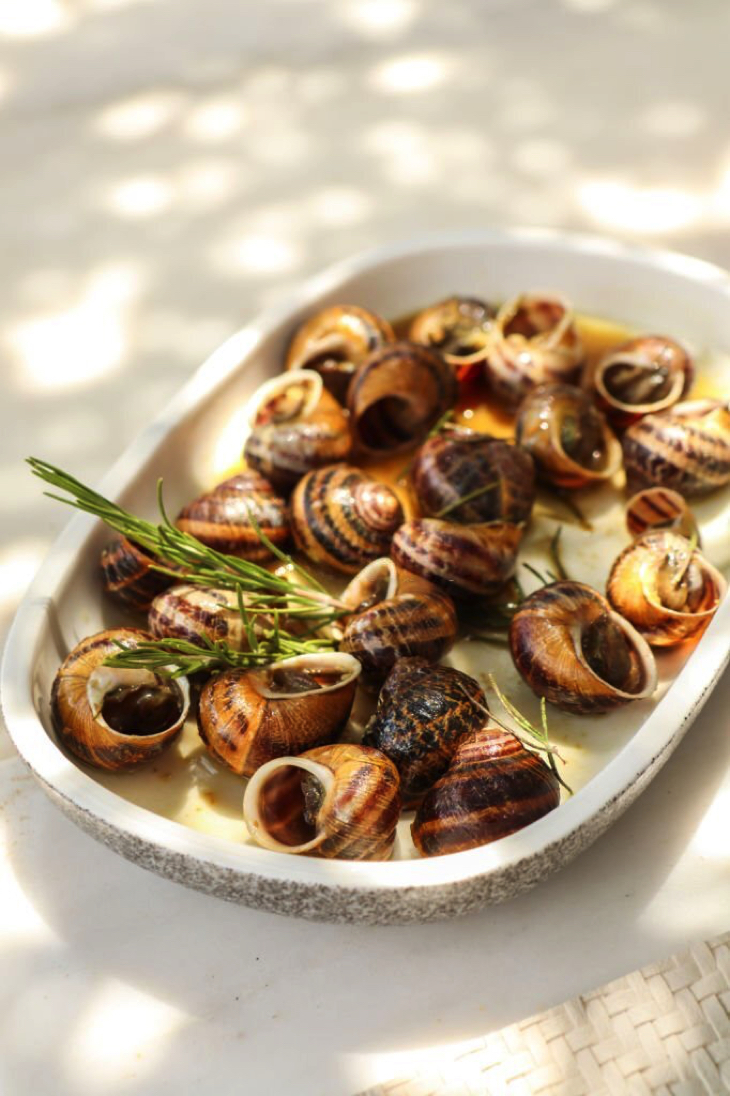
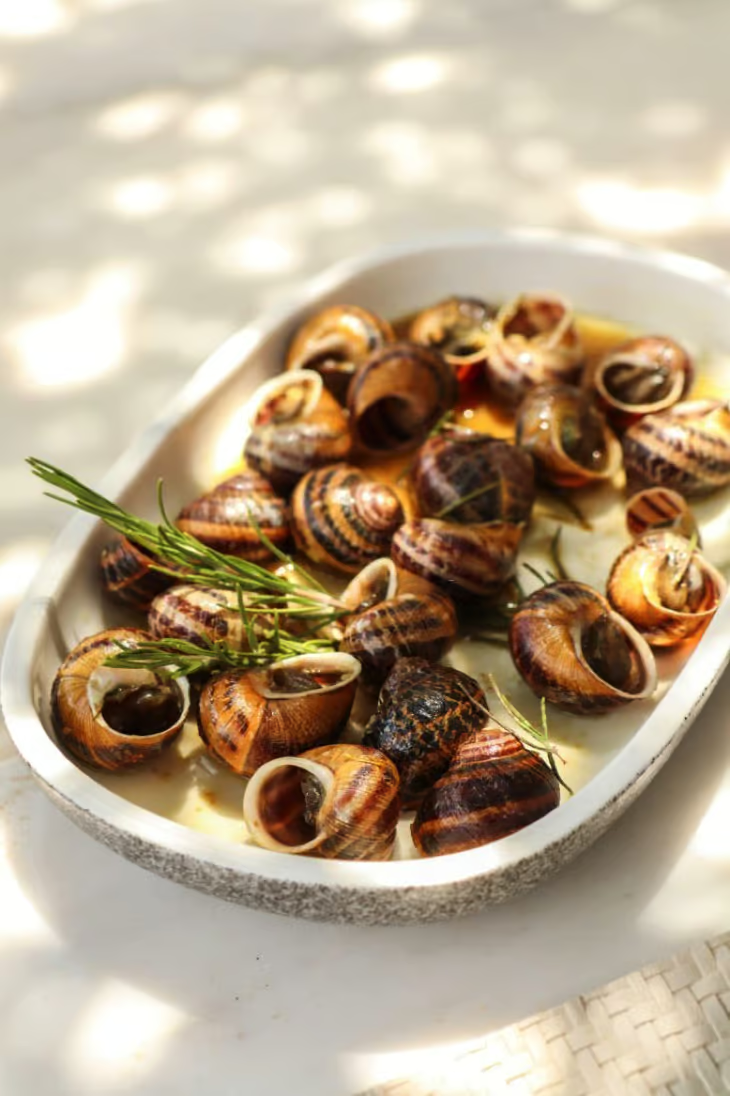
Chochlioi boubouristi, Cretan fried snails, are a genuine island delicacy: pan-fried live in their shells with olive oil, doused in wine or vinegar, and served with crusty bread and a glass of raki. The snails, called chochlioi in the Cretan dialect, are pan-fried in their shells in copious olive oil or on a bed of salt, then lifted with vinegar and herbs like rosemary or parsley for extra aroma. The name “boubouristi” roughly means “popping fried snails,” alluding to the sound they make as they cook; others trace it to the Cretan word abouboura, “to turn over.” Women in the villages gather the snails by hand, and they are customarily eaten with toothpicks straight from the shell.
6. Kalitsounia – Cretan Cheese Pies
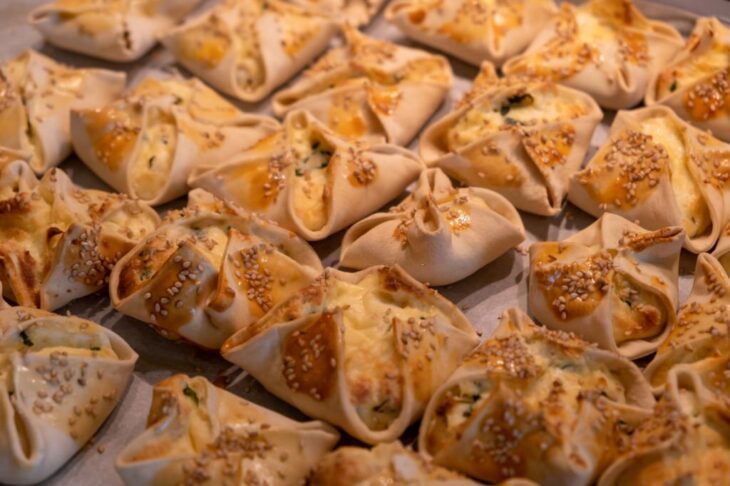
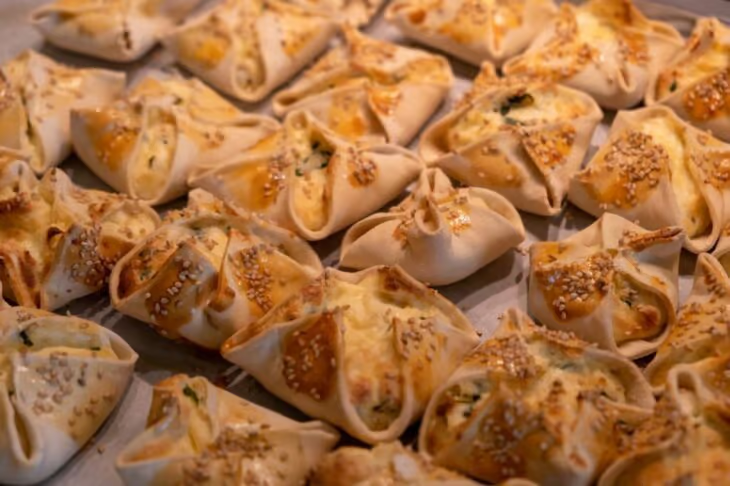
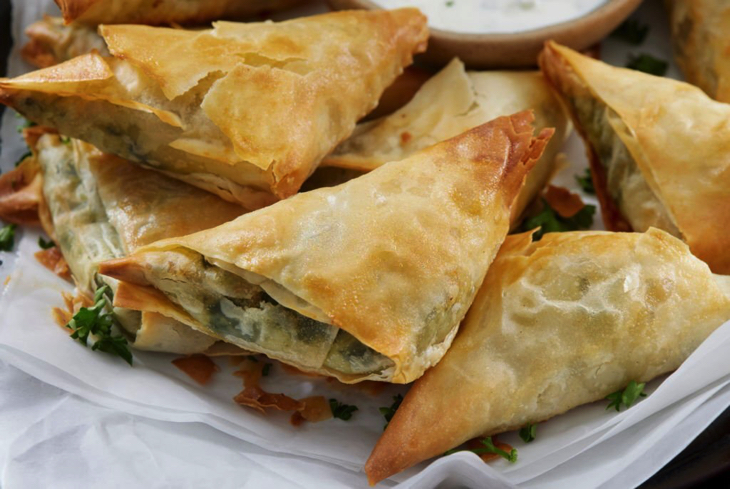
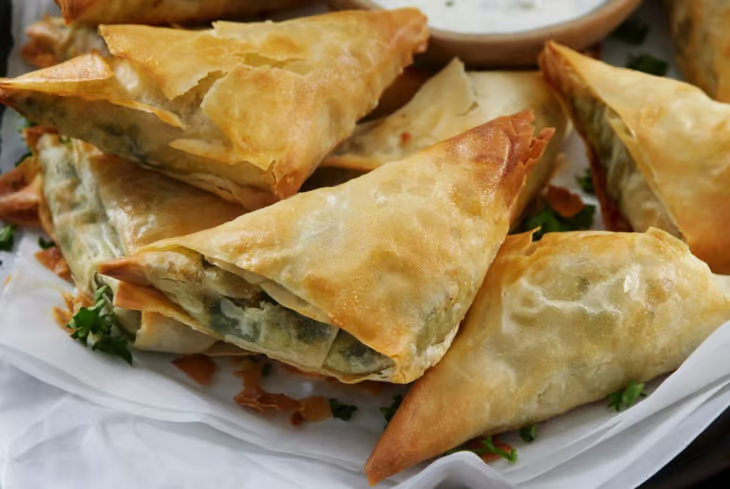
Kalitsounia, also known as skaltsounia, are classic small Cretan pastries that are both savoury and sweet, found in all different shapes. In their purest form they are an unleavened pastry filled with fresh myzithra cheese. The sweet versions are enhanced with cinnamon and lemon zest, while spinach or other wild greens are sometimes added to the savoury ones. Historically tied to Easter, kalitsounia are now a year-round favourite found in every bakery on the island.
7. Paximadi – Cretan Barley Rusks
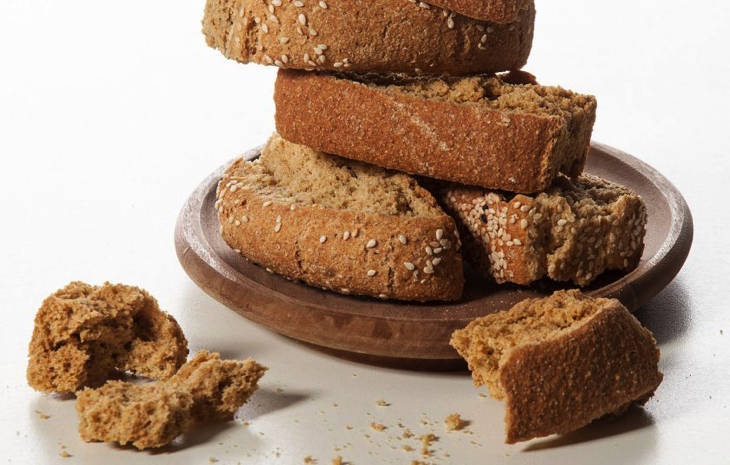
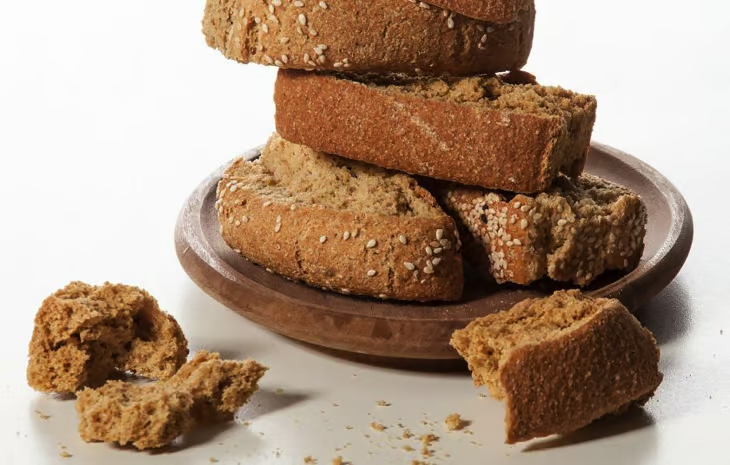
Paximadi, also referred to as rusks, are the conventional Cretan method of long-term bread preservation. These small, hard pieces of twice-baked bread are softened with a little water or olive oil before eating. Paximadi comes in many sizes and shapes, made with or without yeast, from wheat or barley, from whole grains or sourdough. It is typically served before a meal and forms the foundation of dakos. Drizzle some olive oil on top and try it on its own.
8. Loukoumades – Greek Honey Donuts
Loukoumades are the Greek equivalent of doughnuts: small, fluffy, honey-sweetened balls deep-fried until golden and crispy. They are served warm and typically garnished with ground walnuts or toasted sesame seeds, honey syrup, and cinnamon, and are often enjoyed with ice cream. As a dessert they round off a meal of Greek salad, chicken souvlaki, traditional moussaka, or lamb souvlaki.


9. Gamopilafo – Cretan Wedding Rice
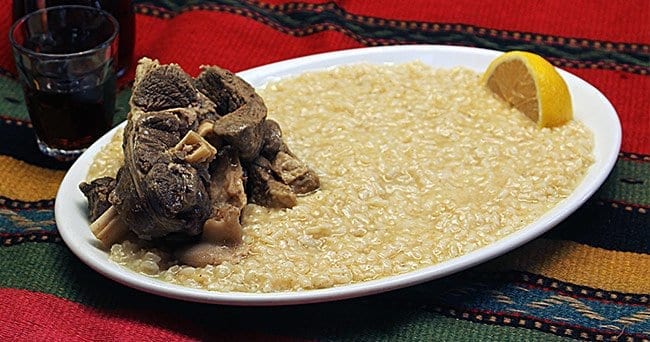
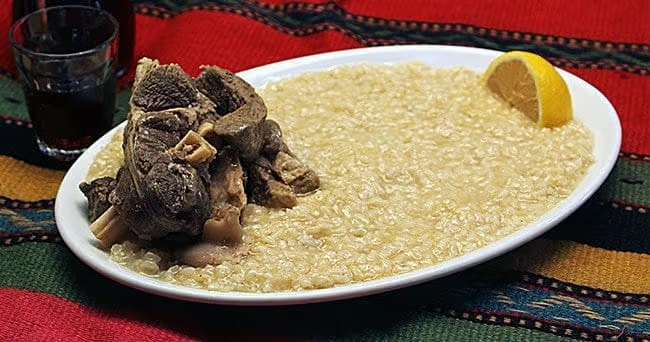
Gamopilafo anchors traditional Cretan weddings (gamos is Greek for “wedding”): a risotto-style rice simmered in goat or lamb broth for hours, finished with stakovoutiro butter made from boiled goat-milk cream. These days you find it in many Cretan tavernas as well as at village wedding feasts in the town square. The long-simmered goat, lamb, or chicken broth gives the rice a rich, risotto-like texture, and the stakovoutiro roux makes it one of the most prized – and priciest – rice dishes on any menu.
10. Sarikopitakia
Sarikopitakia are spiral pastries with a sheep’s-cheese filling, fried in olive oil and served hot with honey on top. Their name comes from the shape of the sariki, the traditional turban-like headscarf that Cretan men still wear during festivities. The dough contains tsikoudia (Cretan grape-based spirit), probably to make it easier to roll out into thin sheets. The result is a savoury-sweet cheese pie that doubles as both a meze and a dessert.
11. Lamb Dishes in Crete
Lamb is the defining meat of Cretan cuisine, prepared in three main traditional ways. Each preparation reflects a different facet of the island’s cooking: wild foraging, slow village baking, and rich braising.
Lamb Stamnagathi
Stamnagathi grows exclusively in Crete, a prickly wild chicory that pairs with slow-cooked lamb to create the island’s most geographically specific dish. Served boiled with olive oil and lemon, its slight bitterness is the signature of the dish. Stamnagathi was once found only in the wild but has become a trend in high-end restaurants. As a leafy green it is rich in calcium, iron, vitamins E and C, and omega-3 fats. Enjoy it raw with olive oil and lemon, or cooked as a side dish with lamb, one of the classic pairings of Cretan horta (wild greens) with meat.
Kleftiko and Stifado
Kleftiko slow-bakes seasoned lamb in parchment paper or a sealed clay pot until the meat falls off the bone, sealing in the juices and herbs. Stifado is a rich wine-braised stew with pearl onions, cinnamon, and cloves, served with crusty bread to capture the sauce. Both are taverna staples and show how Cretan cooks turn simple cuts into deeply flavoured slow-cooked meals.
Apaki – Cretan Smoked Pork
Apaki is Crete’s answer to charcuterie: strips of pork marinated in wine vinegar for several days, then cold-smoked over smouldering local herbs including sage, bay, and rosemary. The result is intensely aromatic cured pork, served thin-sliced as a meze or in salads. Venetian and Ottoman culinary influences shaped this preparation over centuries.
What to Drink in Crete?
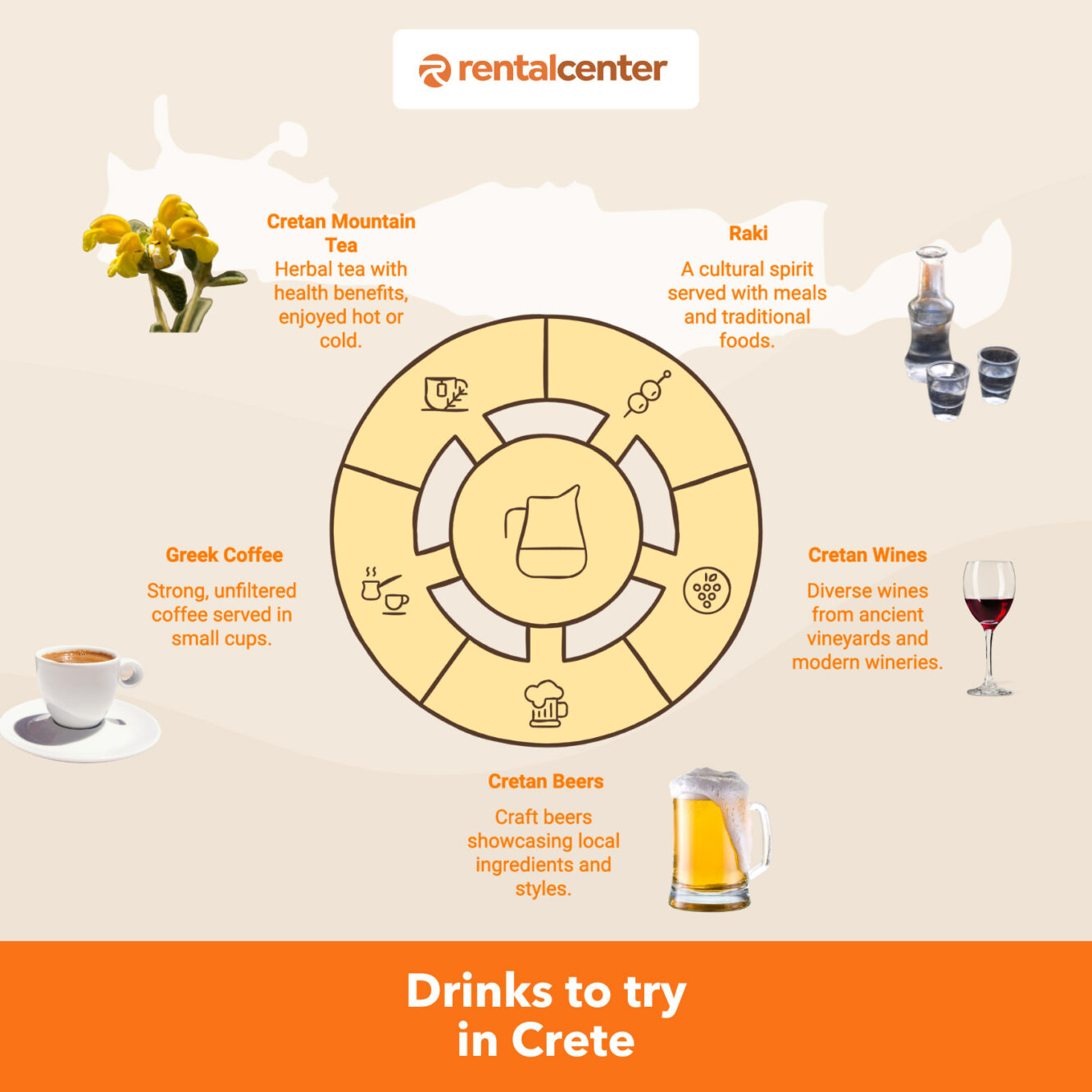
Crete’s drink culture goes far beyond raki: the island is home to over 60 wineries with a 4,000-year winemaking tradition, a growing craft beer scene, traditional Greek coffee, and the rare Malotira mountain tea found only at elevations above 800 metres. Breweries such as Charma, Solo, and Lafkas capture the island’s terroir in their own way. Find below the most popular beverages to drink in Crete.
Raki or Tsikoudia
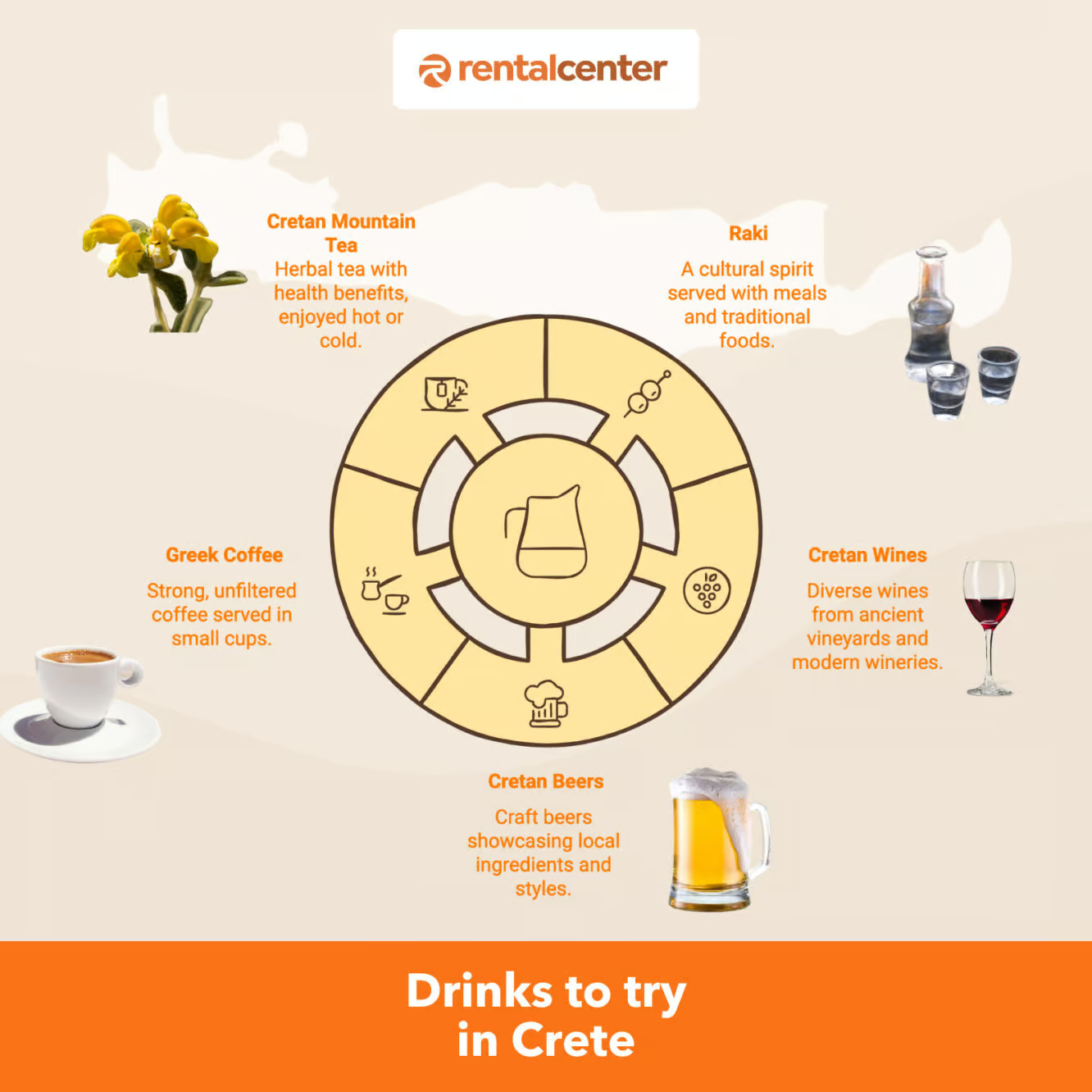
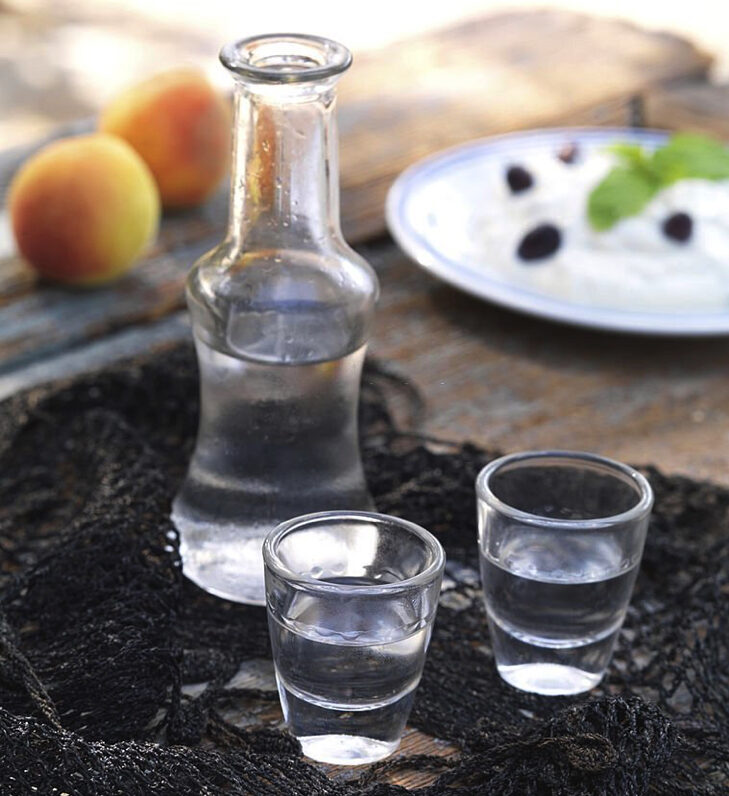
Raki, known as tsikoudia, is a significant cultural and traditional spirit from Crete. It is a crystal-clear spirit made exclusively from grapes, with no additives or preservatives, containing 40% to 65% alcohol by volume and produced through a precisely monitored distillation process. Raki arrives complimentary at the end of nearly every Cretan restaurant meal, a sign of the host’s hospitality and the formal close of dining. It is integral to Cretan social life: served during meals, in traditional cafes (kafenia), and as a welcoming drink for guests, often paired with roasted potatoes, apaki (smoked pork), and seasonal Cretan products. Travellers can try raki in every restaurant and taverna throughout Crete.
Cretan Wines
Crete, Greece’s second-largest wine-producing region, hosts over 60 wineries. Notable white grape varieties include Vilana, the island’s most prominent white grape; Vidiano, recognised for its apricot and tropical flavours; Plyto, known for its herbal and grassy characteristics; and Dafni, which offers distinctive herbal notes of rosemary and thyme. Crete has one of the world’s oldest winemaking traditions, dating back 4,000 years to the Minoan civilisation. The oldest vineyard in European history was discovered in the Kato Zakros region, and the oldest wine press, dating back 3,500 years, was found in Archanes. The island’s main wine regions include Archanes, one of the largest and oldest; Dafnes, known for the Liatiko grape; Peza, which produces 70% of all Cretan wine; and Sitia, celebrated for its sweet red wines. Major wineries include Lyrarakis Wines, Alexakis Winery, Boutaris Wines, Domaine Paterianakis, Silva Winery, and Toplou Monastery, and many welcome visitors for tastings – our full guide to Cretan wines and wineries covers which ones to book ahead. Visitors can taste Cretan wines in most restaurants, tavernas, and delicatessens in the biggest towns, including Heraklion, Chania, Rethymno, and Agios Nikolaos.
Cretan Craft Beers
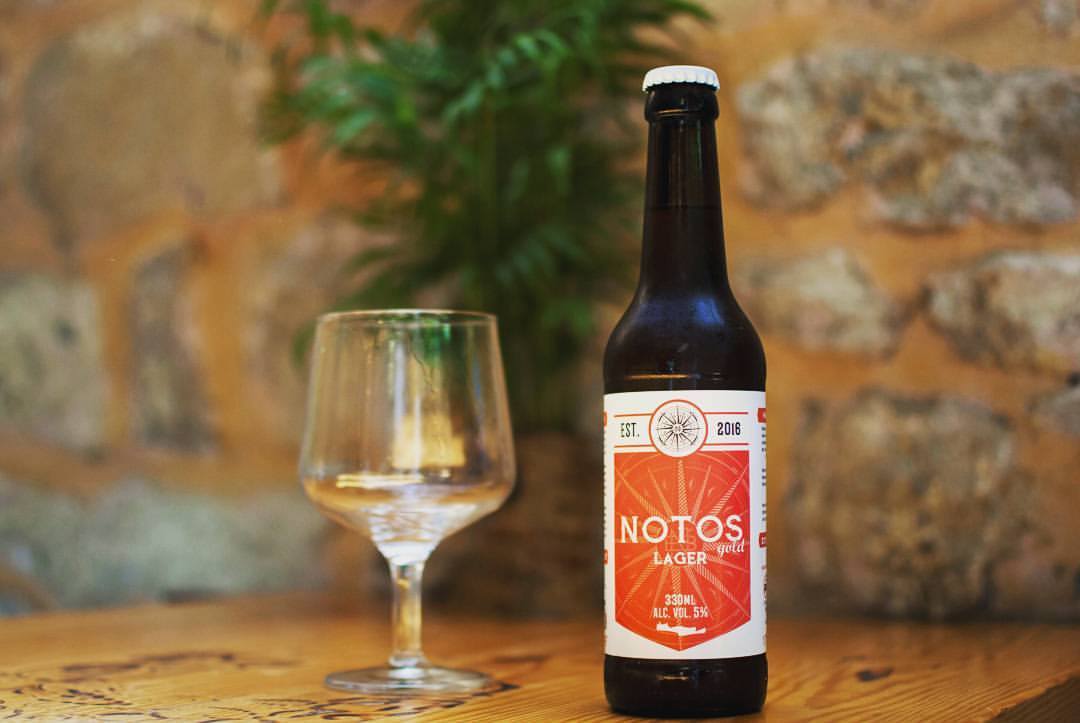
Cretan craft beers showcase a variety of styles, each reflecting the island’s terroir and brewing approach. Charma Brewery, founded in 2007 near Chania, pioneered Cretan craft beer with sustainable practices and offers tours; its lineup includes Blonde Lager, Dunkel, Pale Ale, and seasonal Weiss and Cretan Ale. Solo Beer, started by Norwegian Kjetil Jikiun near Heraklion, specialises in experimental brews, including “Taste of the Cretan Sun” made with local ingredients. Lafkas Brewery in Chania combines Belgian and Greek styles, known for its Triple Hop Pale Ale and Black Sheep Breakfast Stout. Lyra Handcrafted Beer in Kissamos Bay offers a Golden Ale (5.8% ABV) made with Greek barley and select hops. Notos Brewery in Heraklion provides four main beers – Gold Lager, Weiss, Pirate Blonde Ale, and Stout – attracting locals to its taproom. Visitors can order Cretan beers in special delicatessens or traditional restaurants across the island.
Greek Coffee
Greek coffee is a traditional beverage brewed unfiltered in a special pot and served in small cups, with a foamy top layer and coffee grounds settling at the bottom. It is prepared in a briki, a narrow-necked copper or brass pot, using about 60 ml of water, one teaspoon of very finely ground coffee, and sugar to taste, heated on medium until a creamy kaimaki foam forms. Cretan coffee is distinct for its locally roasted beans, ground slightly finer for a thicker, more intense brew. Traditional sweetness levels are sketos (no sugar), me oligi (lightly sweet), metrios (medium), and glikos (sweet). In summer, cold options like Freddo cappuccino, Freddo espresso, and Frappe are popular. Coffee is central to Greek social life, found in cafes, town squares, and seaside spots, and visitors can try it in every cafe and kafenion throughout Crete.

Cretan Mountain Tea (Malotira)
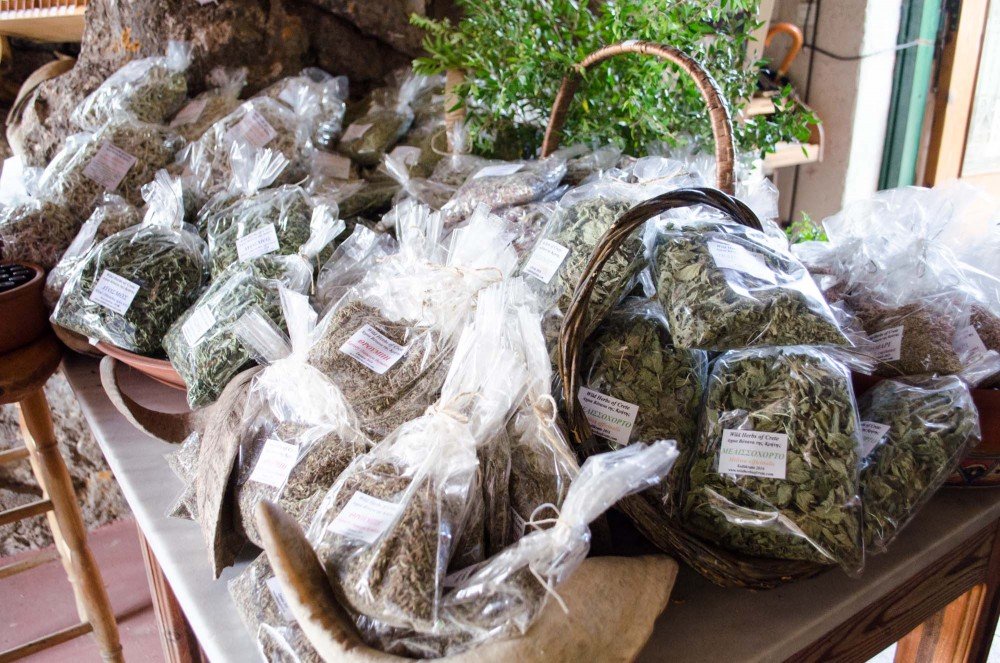
Cretan Mountain Tea, or Malotira (Sideritis syriaca), is a rare herb native to the mountainous areas of Western Crete, thriving at elevations from 800 to 2,000 metres. Its name combines Latin and Greek roots meaning “to drive away diseases,” referencing its historical use in wound treatment. Caffeine-free, Malotira is traditionally used to support heart health, strengthen immunity, aid digestion, and ease colds, sore throats, and fevers. It is steeped in just-boiled water for 7 to 10 minutes and enjoyed hot or cold, optionally sweetened with honey. Visitors can try Malotira in cafes and kafenia across Crete.
Fresh Fish and Seafood in Crete
Crete’s coastline puts fresh fish and seafood on nearly every taverna menu, alongside the island’s meat-heavy mountain cooking. Grilled octopus, doused in olive oil and vinegar after slow cooking, is a harbourside staple from Chania to Sitia. Calamari and whitebait-style small fish, lightly battered and fried, pair naturally with a squeeze of lemon and a cold Cretan beer. Menus often depend on the day’s catch, so the fish and shellfish on offer change with the season and the harbour, which is why asking what came in that morning usually points to the freshest plate.
Cretan Taverna Culture – How to Eat Like a Local
Eating at a Cretan taverna follows a distinct rhythm that differs from mainland Greek dining. Seating yourself at any available table is the norm; no maitre d’, no reservations needed at most places. Always ask the waiter what was cooked that morning, since tavernas that draw locals typically cook only a handful of dishes each day rather than offering everything year-round.
Reaching the villages locals eat in
The tavernas Cretans actually eat at often sit off the bus routes: in mountain villages, beside small cheese and honey producers, or down a lane no tour coach turns into. A car reaches those places on your own schedule, whether that means a lunch stop in a hinterland village during rakokazano season or an afternoon at a family-run olive mill between meals; Rental Center Crete sets visitors up with exactly that kind of freedom. Resort-strip tavernas serve honest food too, so a car is not the only way to eat well on the island – but it opens up the places beyond them.

Mezedes and Sharing Culture
Meals begin with a spread of mezedes: small shared plates of dakos, tzatziki (yoghurt, cucumber and garlic), saganaki (pan-fried cheese), fava (a creamy pea-purée dip), apaki, olives, and seasonal vegetables, all placed in the centre for everyone to share. Mains follow: typically a grilled or slow-cooked meat such as kleftiko, fresh fish, or a vegetable stew built on horta (wild greens). Antikristo, lamb spit-roasted upright around an open fire, is a celebratory centrepiece in mountain villages. Every meal ends with a complimentary shot of raki and often a small dessert, both on the house.
What Is a Traditional Breakfast in Crete?
Breakfast in Crete is typically light: Greek coffee with a sesame koulouri, a slice of paximadi with olive oil and tomato, or a small cheese kalitsouni drizzled with Cretan honey and yoghurt. In rural areas, staka (a rich dairy spread) with eggs is a hearty village classic. Tourist areas also serve full cooked breakfasts, but the traditional Cretan morning meal stays simple and local.
The Cretan Diet and Food – Why It’s One of the Healthiest in the World
The Seven Countries Study, led by physiologist Ancel Keys from the 1950s through the 1970s, ranked the Cretan diet among the world’s healthiest dietary patterns, driven by extra-virgin olive oil, wild greens, legumes, lean goat meat, fresh seafood, goat-based dairy, and moderate raki consumption. Keys’ research recorded strikingly low mortality rates in Crete despite a fat-rich diet dominated by olive oil, and it gained international recognition on that basis.
Extra-virgin olive oil, central to the diet, contains monounsaturated fats, antioxidants, and polyphenols that support heart health and reduce inflammation. Foraged wild greens like stamnagathi, seasonal vegetables, and local fruit ensure high nutrient content, while staples like lentils, chickpeas, and beans provide high-fibre, low-fat protein. Bread, particularly paximadia, adds fibre, and nutrient-dense olives like tsakistes contribute additional benefits. Meat in the Cretan diet focuses on lean goat from free-grazing animals, with fresh fish and seafood supplying omega-3s, and goat-based cheeses such as graviera and myzithra rounding out the dairy. Wine and tsikoudia are consumed moderately with meals. A 2003 follow-up by Antonia Trichopoulou and colleagues, published in the New England Journal of Medicine, found the same Mediterranean dietary pattern linked to longer survival in a Greek population. Above all, the diet treats meals as occasions for fellowship and well-being, reinforcing their cultural and social significance.
Health note: The health benefits described here are based on Ancel Keys’ Seven Countries Study (1956-1970) and subsequent peer-reviewed research in Mediterranean dietary science. This article is intended as a cultural and travel guide, not as medical dietary advice. Consult a registered dietitian for personalised nutrition guidance.
Street Food in Crete
Crete’s most popular street foods are souvlaki (grilled meat in pita with strained yoghurt, not ketchup), koulouri (sesame seed bread rings), and bougatsa (flaky filo pastry with sour cheese and cinnamon), found primarily in Heraklion and Chania. Cretan souvlaki usually refers to grilled fresh pita filled with tender chunks of meat; the customary topping is a thick spread of chilled Greek-style strained yoghurt rather than ketchup and mustard, served with tomato, french fries, salt, and oregano. Souvlaki and its close cousin gyros are worth a closer look on their own; our guide to gyros and souvlaki in Crete breaks down the difference. Koulouri is a ring of sesame-dusted bread that comes in countless varieties, with honey, cheese, raisins, olives, or even chocolate. Bougatsa, sold mainly in Heraklion and Chania, wraps a smooth-and-crunchy filo around a sour cheese filling and is dusted with white granulated sugar and cinnamon, the sweetness balancing the tang of the cheese.
Frequently Asked Questions
What food is Crete famous for?
Crete is famous for its traditional Cretan cuisine, made from local products either raw or cooked as simply as possible, on a grill or in the oven. The Cretan diet has centred since ancient times on a few fundamental ingredients: olive oil, herbs, fish and seafood, goat or lamb meat, and locally grown vegetables and fruits, later enriched by Venetian and Ottoman influences. Traditional specialities include volvi skordalata (wild narcissus bulbs with garlic), apaki (pork cooked over low heat), marathopita (fennel pie), and syglino (tender, slightly fatty pork). Cretan cuisine frequently uses wild greens (horta) such as stifnos, askolymbri, and stamnagathi, and the classic horiatiki salata (village salad) of olives, peppers, onions, tomatoes, cucumbers, and feta.
What is the national dish of Crete?
The national dish of Crete is Dakos, a traditional preparation featuring paximadi (dry barley rusk) topped with mizithra cheese, ripe tomatoes, olives, capers, oregano, and olive oil. Traditional recipes favour mizithra over feta, enriched with Koroneiki or Tsounates olives and subtle seasonings like sea salt and garlic. Koroneiki, Lianes, or Tsounates olives give the most traditional flavour, and mizithra stays closer to the original dish than the feta typically served in tourist restaurants. Most visitors to Crete have tried Dakos, and many even learn to prepare it at home.
What is the national drink of Crete?
The national drink of Crete is Raki, also known as tsikoudia: a potent pomace brandy made from the remnants of the wine-making process and distilled after the grape harvest in autumn. A symbol of social interaction, hospitality, and tradition, it is commonly served complimentary after meals and enjoyed during gatherings to foster a sense of community. Raki is made from the leftover skins, twigs, and pulp left after the grapes are pressed; these are stored for about six weeks before being distilled into a potent, palate-cleansing spirit. When Cretans greet visitors or gather in old-fashioned cafes, there is always a glass of raki around, offered as a pleasurable social gesture rather than an invitation to excess.
Is Crete expensive for food and drink?
Crete is affordable for food and drink: taverna mains typically run €5 ($5.74, £4.24) to €15 ($17.22, £12.71), and a full meal at many everyday spots can come in under €10 ($11.48, £8.48). Street food and market produce cost even less, and prices generally run lower away from resort strips and closer to village tavernas serving what was cooked that morning.
What is the recommended Crete dish for a foreign visitor?
Dakos is the recommended dish for a foreign visitor to Crete. It combines paximadi (rusk) with chopped tomatoes, fresh local cheese, wild herbs, and extra-virgin olive oil. The olive oil softens the rusk while maintaining its crispiness, giving a simple, authentic taste true to how Cretans actually eat.
Can you drink tap water in Crete?
Avoid drinking tap water in major cities like Heraklion, Chania, and Rethymno, where poorly maintained plumbing and old pipes leave the taste unpleasant and the mineral content inconsistent, despite treatment and monitoring by the Ministry of Health. In Crete’s villages and smaller towns like Archanes, Gouves, and Hersonissos, tap water is generally safe to drink. Tap water served in restaurants is safe, as it is filtered with activated carbon filters, reverse osmosis membranes, and UV sterilisation. Bottled water is widely available at supermarkets (AB Vassilopoulos, Lidl, SYN.KA, Sklavenitis), kiosks, and mini-markets, typically costing €0.2 ($0.23, £0.17) to €0.5 ($0.57, £0.42) for a 500 ml bottle and €0.3 ($0.34, £0.25) to €1 ($1.15, £0.85) for a 1.5 L bottle, with six-packs of 1.5 L bottles ranging from €1.5 ($1.72, £1.27) to €2.5 ($2.87, £2.12).
Cretan Cuisine Cookbooks
For visitors who want to recreate Cretan dishes at home, these are the most useful cookbooks on the island’s cuisine.
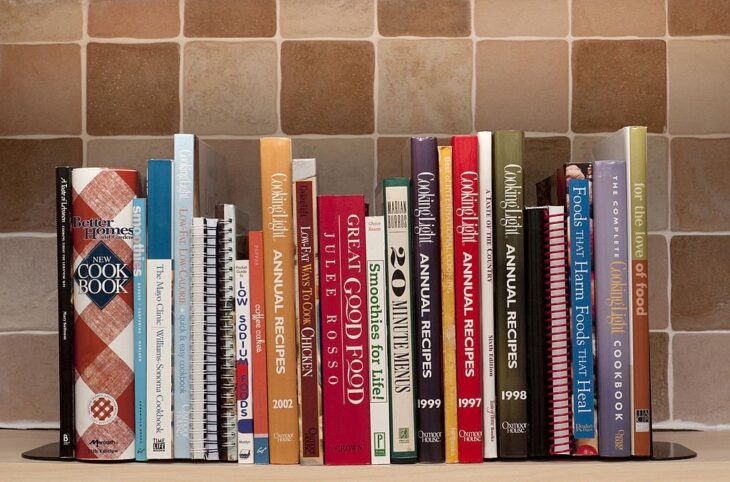

- Foods of Crete: Traditional Recipes from the Healthiest People in the World – 112 traditional Cretan recipes emphasising healthy eating and longevity, from baked fish with spinach and feta to eggplant lasagna and Greek salad. Author Bill Bradley collaborated with Koula Barydakis to explore the diet behind Crete’s low heart-disease rates.
- The Cretan Diet – over 120 Mediterranean-with-a-Cretan-twist recipes, including lentil soup, grilled fish, and baked chicken, highlighting historic Cretan roots with health-focused techniques.
- Cooking With Cretans – designed for skilled cooks, combining authentic Mediterranean recipes with modern techniques for gourmet-quality meals.
- The Mediterranean Diet of Crete – over 100 recipes with historical insight, such as lamb with artichokes and orange cake, for an educational, flavourful introduction.
- Cretan Cooking – 100 traditional recipes with cultural insights and vibrant photography, suitable for all skill levels.
- The Cretan Diet Cookbook for Beginners – simple recipes for healthy, low-calorie meals that keep the flavours of Cretan cuisine.
Where to Eat in Crete – Best Tavernas
Restaurants and traditional tavernas across all four prefectures serve authentic Cretan meals. Three tavernas Harry returns to again and again are Avli, Red Havana, and Giannikos Traditional Taverna.


Avli, in Heraklion, offers healthy Mediterranean and Greek cuisine with vegetarian-friendly, vegan, and gluten-free options, and is widely reviewed as a must-visit all-rounder. Red Havana, in Agia Marina, Chania, pairs Mediterranean, European, and Greek dishes with a bar and vegetarian and vegan options, and is praised as a great family spot with kids’ entertainment. Giannikos Traditional Taverna, in Rethymno, serves Mediterranean, barbecue, and Greek cuisine and is repeatedly reviewed as a first-choice favourite. For a fuller list beyond these three, see our roundup of the 10 best restaurants in Crete. Wherever you stop across the island, from these three to the smallest village taverna, the fundamentals hold: ask what was cooked that morning, order more mezedes than you think you need, and let the raki arrive on the house at the end.
Harry Anapliotis has eaten his way across all four of Crete’s prefectures for more than four decades, from village dakos made the way his neighbours make it to the first raki of the rakokazano season. He owns Rental Center Crete, his family’s car-hire company on the island since 1975 (Greek National Tourism Organization N° 1039E00810009100), and writes about Cretan food so visitors can eat where Cretans actually eat, not just where the resort menus point.