


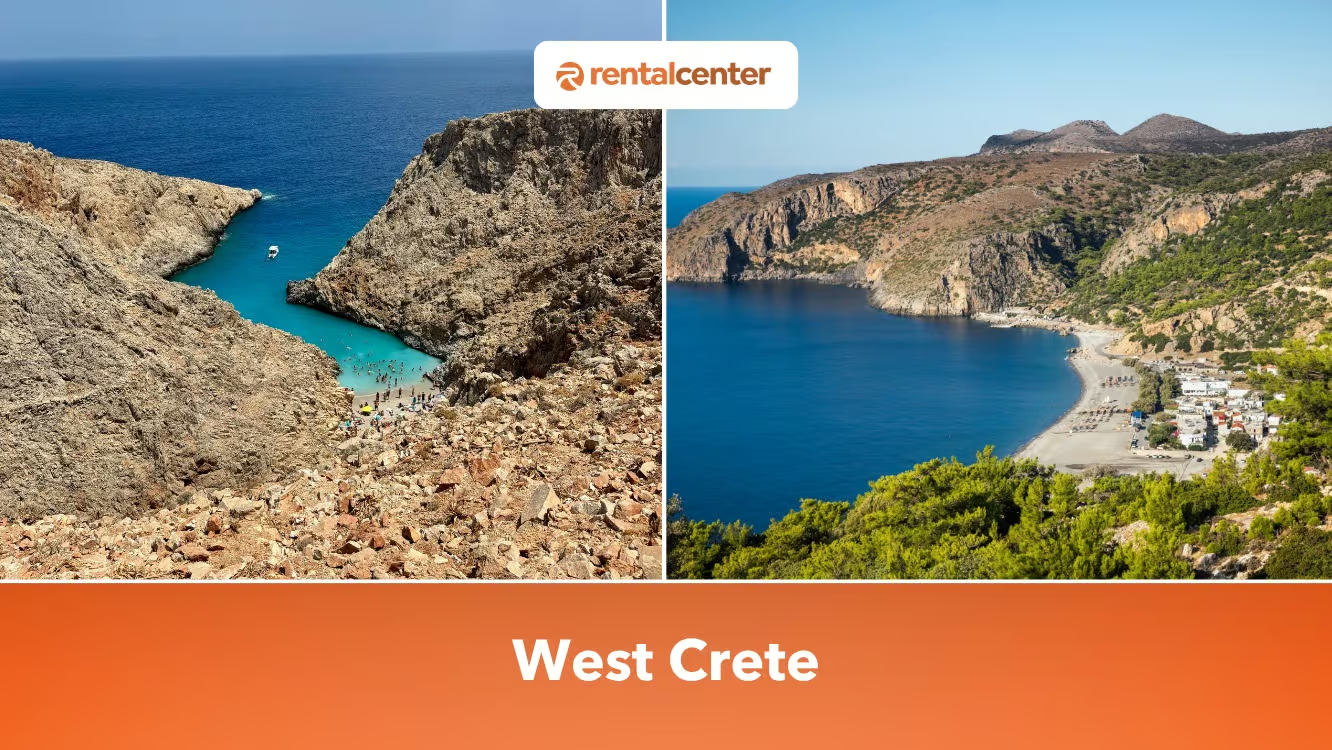
Chania vs Rethymno: Which Is Nicer?
Chania wins on cosmopolitan energy and beach access; Rethymno wins on a more relaxed pace and a longer city beach – most travellers base in Chania and visit Rethymno on a half-day trip. Chania’s Venetian harbour is Crete’s most atmospheric, its compact Old Town is endlessly walkable, and Chania Airport puts Balos, Elafonisi, and Samaria Gorge within day-trip distance. Rethymno is quieter and less commercialised, crowned by the 16th-century Fortezza, with a long sandy beach running through the city and easier access to the Imbros Gorge and south coast.
| Chania | Rethymno | |
|---|---|---|
| Old Town | Venetian + Ottoman; livelier | Venetian + Ottoman; quieter |
| Airport proximity | Chania Airport (~15 min) | ~1 hr from Chania Airport |
| Best day trips | Balos, Elafonisi, Samaria, Seitan Limania | Imbros Gorge, south coast, Plakias |
| Beach | City beaches (Nea Chora, Kalamaki) | Long 4 km (2.49 miles) city beach |
| Best for | First-timers, families, beach-hoppers | Couples, second visits, laid-back culture |
What are the best things to do in West Crete?
West Crete’s standout experiences are a Balos lagoon boat trip, hiking the Samaria Gorge, and losing yourself in Chania’s Venetian Old Town – with the beaches of Elafonisi and Falassarna rounding out any itinerary.
Find below a list with the best things to do in West Crete.
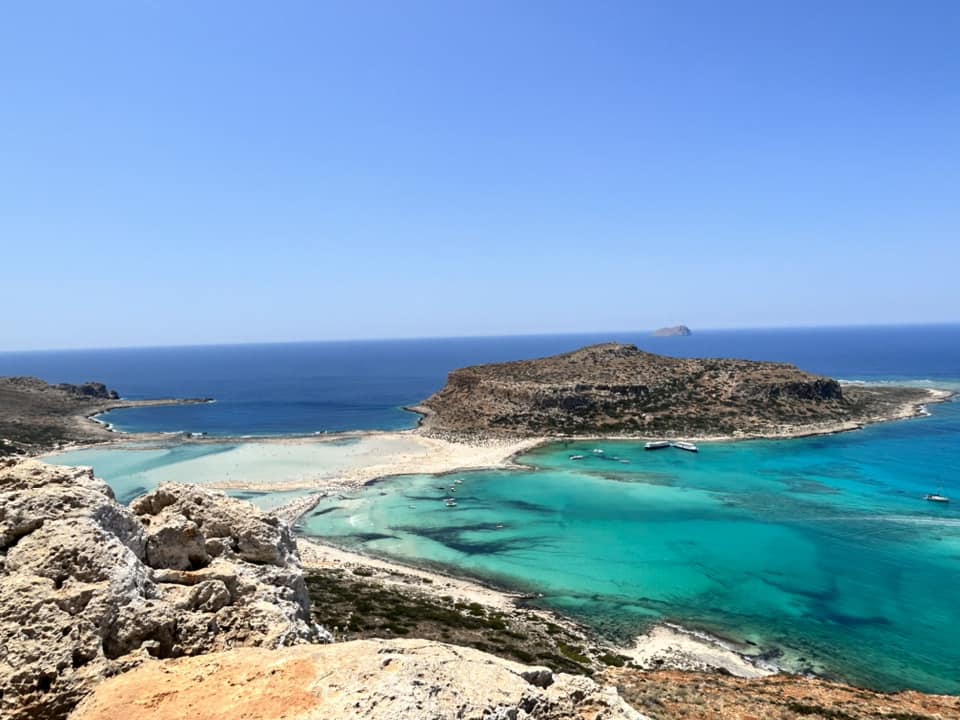
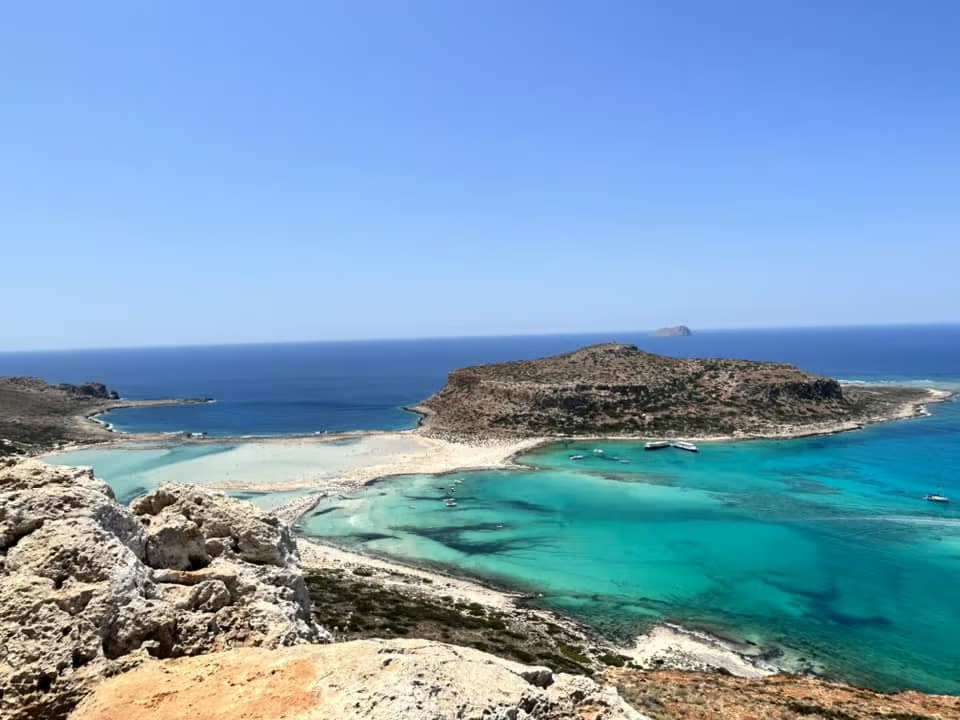
- Balos Beach: Balos Beach is a natural attraction on the northwestern tip of Crete, Greece. It is a beach lagoon with shallow turquoise waters, white sandy beaches, and rocky landscapes. The lagoon is formed by a narrow land strip separating the shallow waters from the open sea, creating a unique landscape. Balos Lagoon is part of the Venetian fortress of Gramvousa, seen from the beach. Visitors to Balos Beach can enjoy various activities, such as swimming in the crystal-clear waters, sunbathing on the white sandy beaches, exploring the rocky landscapes, and taking in the beautiful views. Hiking trails are available for those who want to explore the area further and take boat tours to the lagoon. There is no admission cost to enter Balos Beach, as it is a public beach and natural attraction. Visitors may need to pay for transportation, such as boat tours or parking fees, if they choose to access the lagoon by car and hike down.

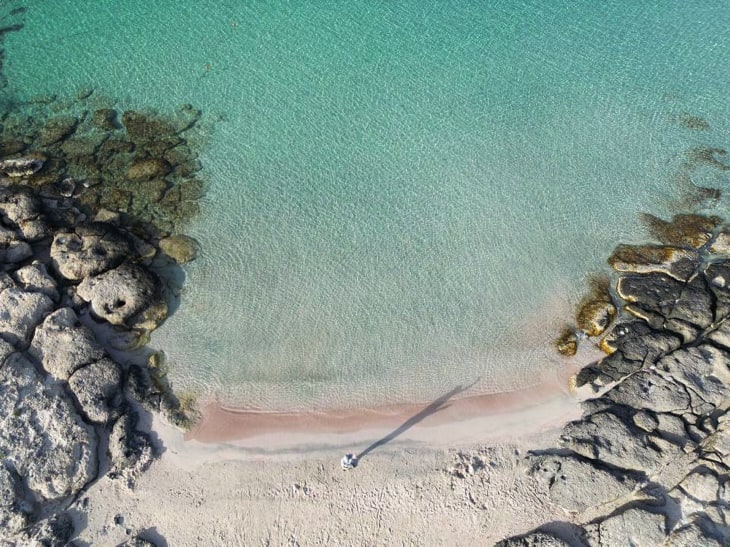
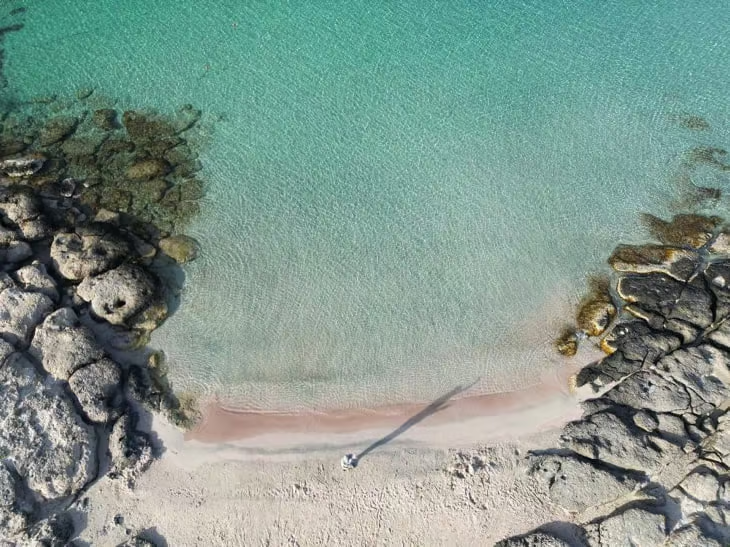
- Elafonissi Beach: Elafonissi Beach is famous in southwestern Crete, near Paleochora. It is known for its unique natural landscape, featuring pink-tinged white sands, shallow turquoise waters, and small islets that can be reached on foot during low tide. Clear waters surround the beach and offer a contrast of colours, making it a popular destination for visitors to Crete. Elafonissi Beach is in southwestern Crete, near the town of Paleochora, 76 km (47.22 miles) southwest of the city of Chania. Visitors to Elafonissi Beach can enjoy various activities, such as swimming in the warm and shallow waters, sunbathing on the pink-tinged sands, exploring the small islets during low tide, and taking in the beautiful views of the surrounding landscape. The beach offers opportunities for snorkelling, beach sports, and picnicking. There is no admission cost to enter Elafonissi Beach, as it is a public beach and natural attraction. Visitors must pay for parking or transportation to reach the beach.

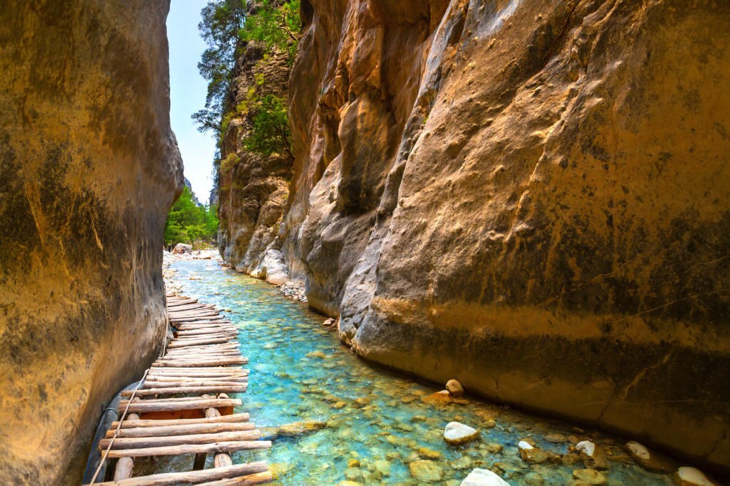
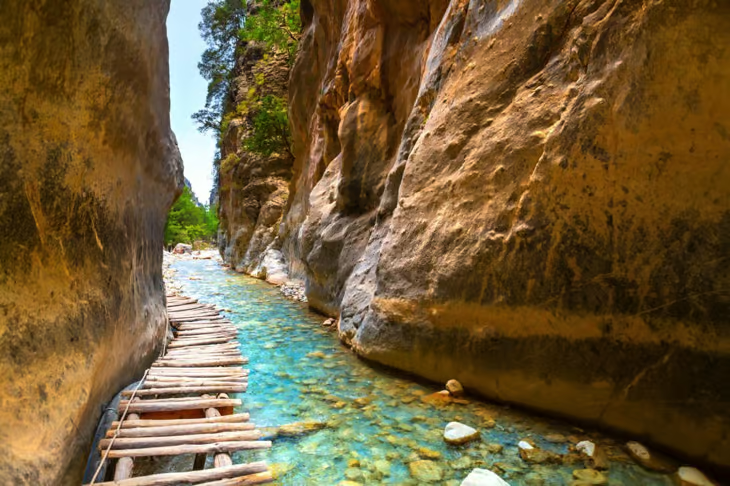
- Samaria Gorge: Europe’s longest gorge at 16 km (9.94 miles), descending from the Omalos plateau (1,250 m) through the White Mountains of the Chania regional unit to the Libyan Sea village of Agia Roumeli. Allow 5–7 hours; the hike is one-way and downhill, requiring good fitness and solid walking shoes, and the trail closes from mid-October to mid-April (and after heavy rain). How to do it: most visitors book a day trip from Chania (early pick-up, drive to the Omalos trailhead, then a return ferry from Agia Roumeli to Chora Sfakion and bus back). Independent hikers can drive to Omalos and buy the return ferry ticket (about €15 ($17.22, £12.71)) at Agia Roumeli; park entry is about €5 ($5.74, £4.24). A hire car lets you start before the group buses and go at your own pace.

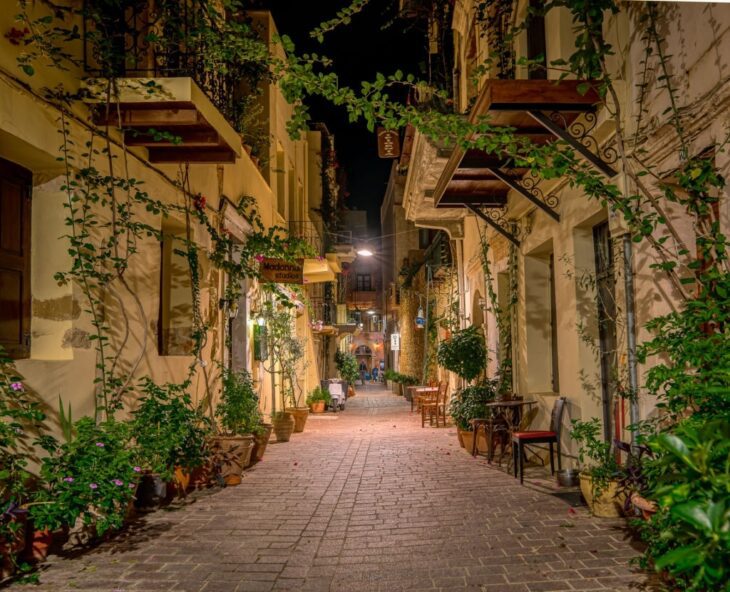
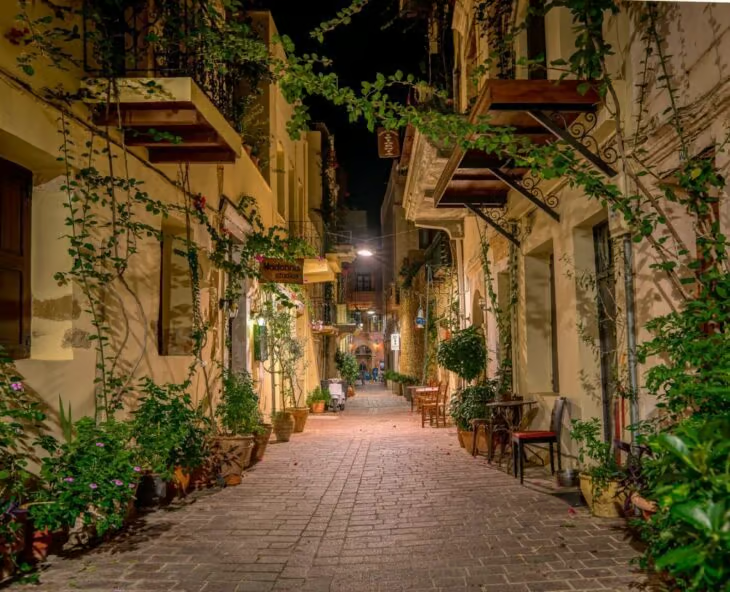
- Chania Old Town: Chania Old Town is in the heart of Chania, a city on the northwestern coast of Crete. It is a labyrinth of narrow, winding streets lined with preserved Venetian and Ottoman architecture, including historic buildings, churches, and fortifications. Visitors to Chania Old Town can explore the maze of narrow streets, admiring the beautiful architecture and discovering hidden gems like churches, museums, and traditional shops. They can stroll along the Venetian Harbor, enjoying the lively atmosphere and sampling local cuisine at the numerous restaurants and cafes. Visitors can visit historical sites like the Venetian Lighthouse, the Firkas Fortress, and the Etz Hayyim Synagogue. There is no admission cost to enter Chania Old Town, as it is a public area. Some specific attractions within the Old Town, such as museums or historical sites, may have entrance fees.

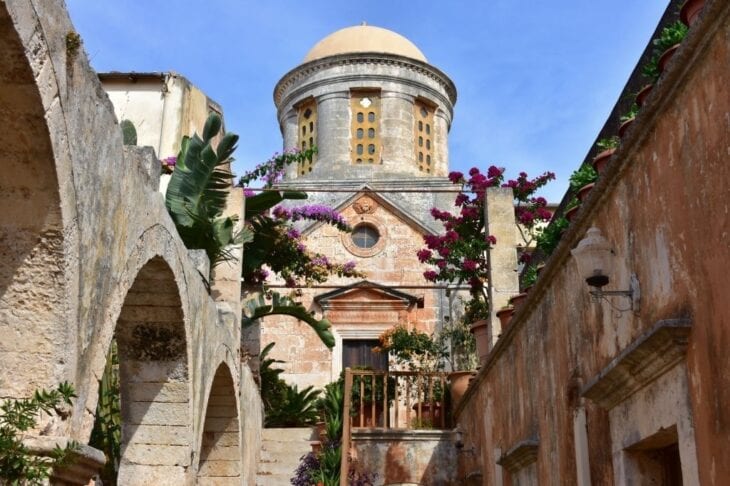
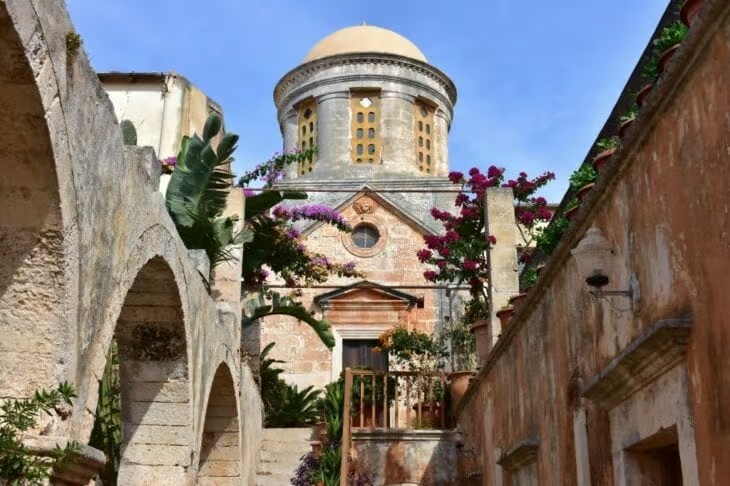
- Agia Triada Tzagaroli Monastery: Agia Triada Tzagaroli Monastery, also known as the Monastery of Agia Triada Tsangarolon, is a 17th-century Greek Orthodox monastery on the Akrotiri Peninsula in the Chania regional unit of Crete, Greece. It is considered one of the monastic complexes from the final period of Venetian rule on Crete, known for its architectural form and scale. Visitors to Agia Triada Tzagaroli Monastery can explore the monastery grounds, including the church, chapels, and museum. They can admire the architectural details and learn about the history and religious significance of the monastery. Visitors can attend religious services and purchase locally produced olive oil and wine from the monastery’s shop. There is a small admission fee to enter Agia Triada Tzagaroli Monastery, which helps support the maintenance and preservation of the site.
What are the best beaches in West Crete?
West Crete holds several of the best Crete beaches within a two-hour drive of Chania – Balos, Elafonisi, and Falassarna among them – and most require a car to reach.
- Balos Beach: West Crete’s most photographed beach – a shallow turquoise lagoon of white sand at the northwest tip of Crete, with the Venetian Gramvousa fortress visible from shore. Key tip: morning boat departures from Kissamos harbour arrive before the crowds.
- Elafonissi Beach: Famous for its pink-tinged white sand and shallow turquoise water, near Paleochora, about 76 km (47.22 miles) southwest of Chania – covered in full in the “Things to do” section above. The pink hue in Elafonisi comes from crushed red coral and shell fragments mixed into the sand. Bring water and shade, as facilities are limited; arrive early in July–August.
- Falassarna Beach: Falassarna Beach is a beach at 734 00, Greece, on the western coast of Crete, 58 km (36.04 miles) west of Chania. It is known for its long stretch of golden sand, crystal-clear waters, and a backdrop of olive groves and vegetation. The beach has organised sections with umbrellas, sunbeds, beach bars, and more secluded areas for those seeking privacy. Visitors can swim, sunbathe, snorkel, and enjoy various water sports activities like windsurfing and kitesurfing. They can also explore the nearby ruins of the ancient city of Falassarna, adding a historical element to their visit. There is no admission cost to visit Falassarna Beach, as it is a public beach. Visitors must pay for amenities like umbrellas, sunbeds, or water sports equipment rentals if desired.
What are the best restaurants in West Crete?
West Crete’s best restaurants pair authentic Cretan cooking – raki, mizithra cheese, slow-cooked meats, and locally sourced produce – with settings from Chania’s Old Town to mountain tavernas. Some standouts:
- Gramboussa Restaurant: Gramboussa Restaurant is a must-visit in West Crete in the town of Kaliviani at the Balos Lagoon. It offers an authentic taste of Greece with its typical Greek cuisine that exceeds expectations. The flavours are delicious, transporting diners to the heart of Greece. The cosy and welcoming ambience adds to the dining experience, making it enjoyable. Their signature dish, lamb in phyllo pastry, is a must-try delicacy that showcases the restaurant’s commitment to using locally sourced ingredients from their farm. Gramboussa Restaurant is rated 4.7/5 on Google, with over 8,000 reviews praising the food, atmosphere, and service.
- Ntounias: Ntounias is a famous traditional tavern located in Crete, listed among the top 20 best taverns in Greece. The restaurant prides itself on cooking everything using locally sourced ingredients in wood stoves. The owner and cook, Stelios, prepares dishes such as goat with herbs, cabbage rolls, slow-cooked meat, and freshly fried potatoes. Their slow-cooked goat with herbs is a standout delicacy that showcases the authentic flavours of Cretan cuisine. Ntounias has garnered a reputation for its authentic flavours and warm hospitality, earning a 4.5/5 rating on Google with over 1,900 reviews.
- Tamam Restaurant: Tamam Restaurant in Chania is a traditional eatery in the historic Old Town, in an ancient Turkish bath. It offers menus featuring over 70 Cretan dishes with Turkish influences, including their signature rabbit dish, a must-try Cretan delicacy. The restaurant is known for its selection of local wines, including the unique Liatiko and Kotsifali reds. Taman Restaurant is popular among locals and visitors and has earned a 4.5/5 rating on Google, with over 4,000 reviews praising its extensive menu and flavours. Tamam Restaurants is considered one of the 10 Best Restaurants in Crete.
What are the best hotels in West Crete?
West Crete’s best hotels cluster along the coast west of Chania, from beachfront design resorts to all-inclusive family properties. The top picks are below.
- Domes Zeen Chania: Domes Zeen Chania has a beachfront location in the Agioi Apostoloi area in West Crete. Domes Zeen Chania has gained a reputation for its modern design, excellent service, and family-friendly amenities. This resort offers a range of upscale accommodations, with rates ranging from €300 ($344.43, £254.25) to €800 ($918.48, £678.00) per night. Guests can enjoy a private beach, multiple pools, a spa, a fitness centre, a kids’ club, various dining options, water sports, and more, making it an ideal choice for a rejuvenating getaway.
- Avra Imperial Beach Resort & Spa: The Avra Imperial Beach Resort & Spa is well-established and highly rated in the village of Kolymbari, 25 km (15.53 miles) west of Chania in West Crete. The resort is known for its beautiful grounds, attentive service, and family-friendly atmosphere. This upscale/moderate resort offers a beachfront setting and a range of amenities to cater to all guests. Rates range from €150 ($172.22, £127.13) to €400 ($459.24, £339.00) per night, making it an attractive option for those seeking a comfortable and enjoyable stay. Guests can use the private beach, multiple pools, spa, fitness centre, kids’ club, various restaurants, water sports, and tennis courts, ensuring a memorable and relaxing vacation experience.
- Euphoria Resort: The Euphoria Resort is a 5-star all-inclusive resort in the village of Kolymvari, 25 km (15.53 miles) west of Chania city in West Crete. It has a beachfront location, less than 1 km (0.62 miles) from Rapaniana Beach. The Euphoria Resort offers luxury/high-end pricing, with rates ranging from €267 ($306.54, £226.28) to €500 ($574.05, £423.75) per night, depending on the season and room type, and all-inclusive packages available. Its facilities include a beachfront location with a private beach area, seasonal outdoor swimming pools, a fitness centre, garden areas, a spa with a sauna and hot tub, multiple restaurants and bars on-site, a 24-hour front desk, room service, free private parking, and activities like tennis, water sports, a kids club, and free WiFi throughout.
What are the attractions in West Crete?
Beyond the headline beaches and gorge, west Crete’s towns, villages, monasteries, mountains, and lake reward exploration – the highlights below make ideal bases or day-trip stops.
- Chania: Chania is the second largest city in Crete and a popular tourist destination. Its Old Town features a Venetian harbour with restaurants, cafes, and boutiques lining the narrow streets. Visitors can explore the 16th-century lighthouse, the Maritime Museum, and the lively Old Port area. The Old Town’s winding alleys and architecture make it a delight to wander, while the harbour offers a lively atmosphere with plenty of dining and entertainment options. Visitors can stroll along the seaside promenade or nearby beaches for a refreshing dip in the Aegean Sea.
- Rethymno: Rethymno is a city known for its well-preserved Old Town, which has Venetian and Ottoman influences. The pedestrian-friendly alleys are lined with shops, tavernas, and the impressive 16th-century Fortezza fortress, where summer concerts and performances are held. Visitors can stroll along the Venetian harbour and the modern seaside promenade or relax on the sandy beaches nearby. The city’s rich history is evident in its architecture, with Byzantine, Venetian, and Ottoman elements blending seamlessly. Visitors to Rethymno can explore the streets, visit museums, and indulge in the local cuisine at the numerous tavernas scattered throughout the Old Town.
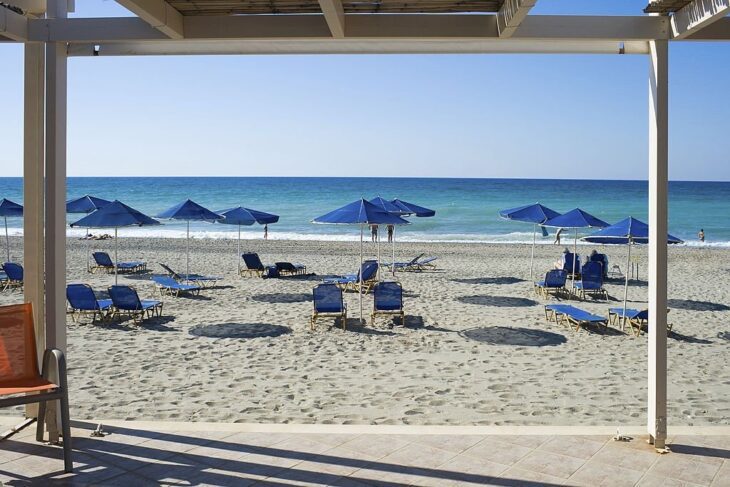

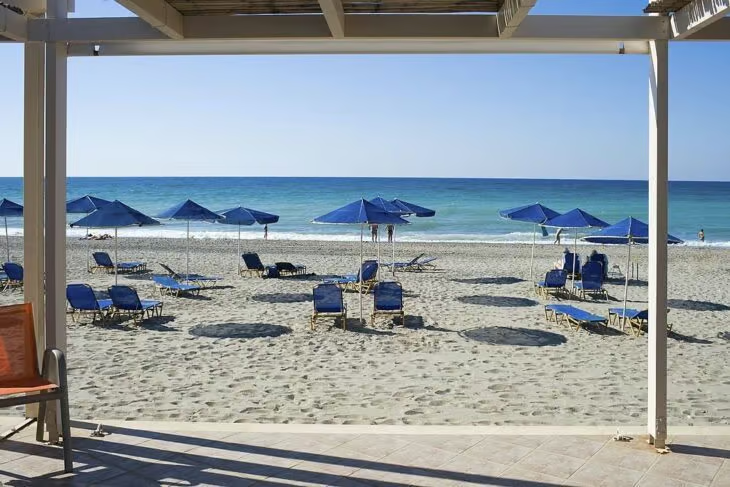
- Kissamos: Kissamos is a town in western Crete where tourism takes a backseat to the local farming community. Visitors can experience a more authentic rural Cretan life and enjoy the short shoreline promenade. Kissamos provides a view into the traditional way of life on the island, with locals engaged in agriculture and fishing. Visitors can wander through the town’s narrow streets, visit local markets, and sample fresh produce and seafood. The town’s relaxed atmosphere and proximity to the coast make it an ideal base for those seeking a more laid-back and authentic Cretan experience.
- Loutro: Loutro is a fishing village accessible only by boat or hiking, offering an escape from the crowds. Visitors can enjoy the emerald waters, whitewashed houses with blue windows, and this village’s relaxed pace of life. Hiking trails and boat tours allow exploration of the surrounding natural beauty. Visitors can spend their days swimming in the crystal-clear waters, strolling through the narrow streets, or simply relaxing at one of the village’s taverns while enjoying the beautiful views. The lack of cars and the peaceful atmosphere make Loutro a place for those seeking a quiet getaway.
- Agia Roumeli: Agia Roumeli is a small village at the end of the Samaria Gorge, accessible only by boat or after completing the strenuous hike through the gorge. Visitors can relax on the pebbly beach, explore the village’s tavernas and shops, or use it as a starting point for further hikes along the coastal trails. Agia Roumeli welcomes hikers to cool off in the refreshing waters of the Libyan Sea. Visitors can go on additional hikes along the coastal trails, taking in the scenery of this remote part of Crete.
- Agia Triada Monastery: The Agia Triada Monastery, on the Akrotiri Peninsula, is a 17th-century Greek Orthodox monastery known for its architectural form and scale. Visitors can explore the cruciform church with its three domes, admire the ornate facade, and visit the museum showcasing religious artefacts. The monastery’s church is a prime example of the Venetian Baroque style, featuring an elaborate facade with Corinthian and Ionian columns and an inscription dated 1631. The on-site museum houses a collection of icons, manuscripts, and other religious artefacts, allowing visitors to delve into the monastery’s rich history and cultural significance.
- Gouverneto Monastery: The Gouverneto Monastery, on the Akrotiri Peninsula, is another significant religious site in the region. Visitors can wander through the monastery’s grounds, admire the architecture, and learn about its rich history. The monastery’s buildings showcase a blend of architectural styles, reflecting the various influences that have shaped Crete’s history.
- The White Mountains: The White Mountains, known as Lefka Ori, are a rugged mountain range that dominates the landscape of western Crete. Visitors can go on hiking adventures through this natural wonder, exploring traditional mountain villages and witnessing the unique flora and fauna that call this region home. The mountains offer a variety of hiking trails, ranging from easy walks to challenging treks, catering to hikers of all skill levels.
- The Samaria Gorge: The Samaria Gorge, one of the longest gorges in Europe, is a popular hiking destination in the White Mountains. Visitors can challenge themselves with the 16-kilometre (9.4-mile) hike through the gorge, passing through narrow passages and taking in the natural scenery. The hike begins at the Omalos Plateau and descends through the gorge.
- The Agia Irini Gorge: The Agia Irini Gorge offers visitors a different hiking experience. This gorge features flowing streams, vegetation, and opportunities to explore the region’s natural beauty on foot. The gorge’s unique ecosystem is home to various plant and animal life.
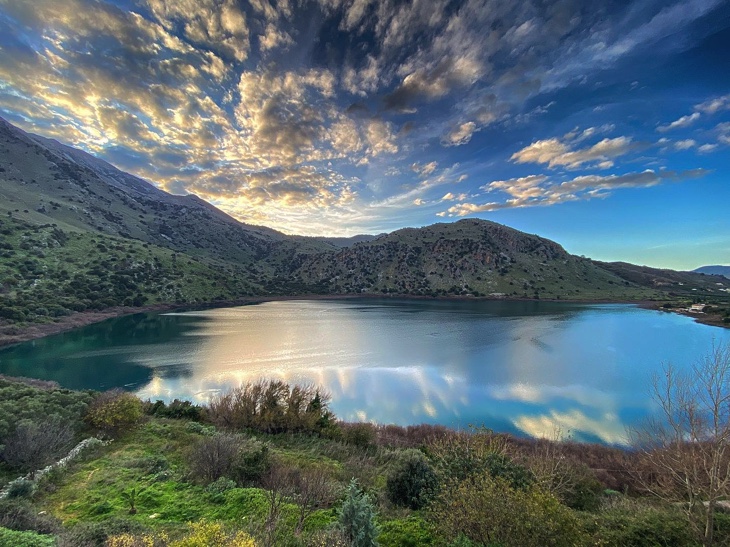
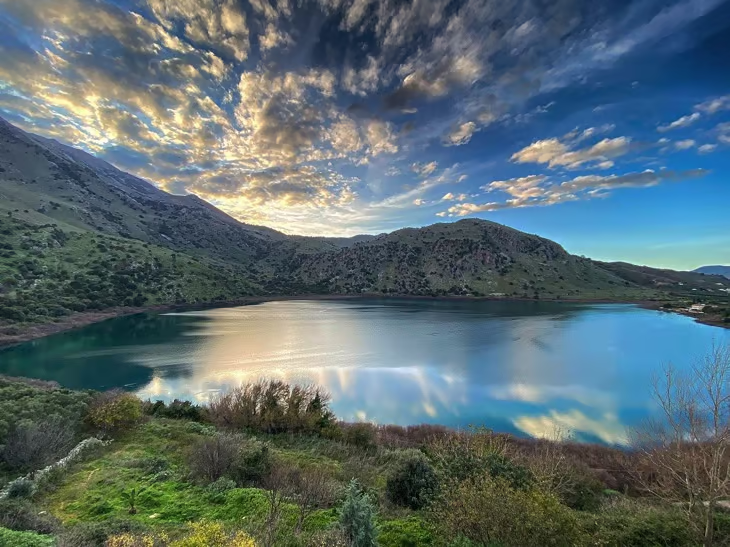
- Lake Kournas: Lake Kournas is the only natural freshwater lake in Crete, located near the town of Georgioupolis. This important habitat for rare turtles, lizards, birds, and dragonflies lies at the northeastern foot of the White Mountains. Visitors can rent paddle boats to explore the waters, relax on the shores and take in the beautiful surroundings.
How many days should a person spend in West Crete?
Travellers should spend 7-10 days exploring West Crete to experience its diverse landscapes, towns, and top attractions. Travellers can base in Chania or Rethymno and take day trips to beaches like Balos Lagoon, Elafonissi, and Falassarna. Travellers will have ample time to hike through the breathtaking Samaria Gorge, visit traditional villages in the White Mountains, explore ancient ruins like Aptera, and savour the delicious Cretan cuisine.
What is the history of West Crete?
West Crete has a rich history dates back to the Minoan civilisation, one of the earliest civilisations in Europe. The region was home to several important archaeological sites and significantly developed ancient Cretan culture. The Minoan civilisation flourished on the island of Crete from 2700 BC to 1450 BC, with its major centres located in the central and eastern parts of the island. West Crete was home to several notable Minoan settlements, including the sites of Phalasarna, Polyrrhenia, and Lissos.
Three interesting facts about West Crete’s history include the ancient city of Phalasarna, located on the western coast, an important maritime centre with close trade relations with the Phoenicians and Spartans. The site of Polyrrhenia, situated inland, was a major Dorian settlement and had its coinage during the Classical period. The ruins of Lissos, near the modern village of Sougia, include the remains of an ancient theatre and a temple dedicated to the god of healing, Asclepius.
Who are the first people to live in West Crete?
The Minoans were the first known people to live in West Crete, and they established an advanced civilisation during 2700-1420 BC. The Minoans built palace complexes like Knossos, with beautiful architecture, plumbing, and drainage systems. Their daily lives revolved around agriculture, fishing, trade, and artisanship. They cultivated crops like wheat, olives, and grapes, kept domesticated animals, and engaged in maritime trade across the Mediterranean.
What is the geography of West Crete?
West Crete is characterised by a rugged, mountainous geography dominated by the White Mountains (Lefka Ori) range. The climate in this region is Mediterranean, with hot, dry summers and mild, rainy winters. Water availability can be limited, especially during the summer, as the area receives relatively low rainfall compared to other parts of the island. Several rivers and gorges, such as the Samaria Gorge, provide vital water sources. West Crete is known for its rich biodiversity, with endemic plant and animal species thriving in the mountains and gorges.
How was daily living in West Crete?
Daily living in West Crete is characterised by a relaxed, traditional pace rooted in the island’s culture and natural surroundings. The region enjoys a pleasant Mediterranean climate with mild, rainy winters and hot, dry summers, ideal for outdoor living. Village life revolves around a strong sense of community, with neighbours frequently gathering to socialise over coffee or share homemade food and drinks. Crime rates are low, contributing to the feeling of safety.
What are the myths in West Crete?
Crete is steeped in Greek mythology, though several of the most famous legends are tied to the centre and east of the island rather than the west. Zeus is said to have been born in a cave on Mount Ida (Psiloritis, central Crete) or in the Dikteon Cave (eastern Crete) – not in the west – and the tale of the Minotaur and the Labyrinth belongs to Knossos near Heraklion in central Crete. West Crete has its own legends, however: the nymph Britomartis (also called Diktynna) was worshipped at a sanctuary on the Rodopou peninsula near Chania, and the myth of Europa, abducted by Zeus in the form of a bull, is woven through Cretan tradition along with the story of Daedalus and Icarus.
Which town is a good base to visit West Crete?
Chania is an excellent base for travellers to explore West Crete. Chania offers a Venetian old town with harbours, narrow alleys, and lively plazas. Chania provides easy access to some of Crete’s most natural attractions in the western region. Travellers can easily take day trips to the breathtaking Balos Lagoon and Gramvousa Island, the famous Elafonissi Beach with its pink-hued sands, and the rugged Samaria Gorge.
When is the best time to visit West Crete?
The best time to visit West Crete is during the spring and early fall months, from late April to early June and September to October. Summer (June to August) offers hot and dry weather, perfect for enjoying beaches like Balos Lagoon, Elafonissi, and Falassarna. It is the peak tourist season, with crowds and higher prices. Winter (December to February) brings cooler temperatures, occasional rain, and fewer tourists. The spring and early fall offer a pleasant balance with mild temperatures, fewer crowds, and lower prices.
How was Transportation to the West Crete?
The road network in West Crete was limited, with many areas only accessible by narrow, winding mountain roads or dirt tracks. The region’s rugged mountains and gorges made road construction difficult. The main north coast road connected major coastal towns like Chania, but inland areas and the south coast were easier to access by road in more modern times.
Transportation within West Crete relied on paths, mule tracks and footpaths to move between towns and villages, especially in the White Mountains and areas like Sfakia. Sea travel played an important role, with coastal villages and towns connected by boat routes along the north and south shores.
What is the best vehicle for visiting West Crete?
The best vehicle for visiting West Crete is a rental car. Renting a car allows travellers to explore the region at their own pace, reach remote beaches and villages, and travel on their desired schedule. While public buses are an economical option, they operate on fixed routes and timetables, limiting where and when travellers can go. Taxis can be expensive for longer distances. A rental car offers independence and convenience. Crete car rental ranges from €25 ($28.70, £21.19) to €40 ($45.92, £33.90) per day for an economy car, depending on the season.

Do you need a 4×4 to drive around West Crete?
No, travellers do not need a 4×4 vehicle to drive around West Crete. The road network in the western part of the island is well-developed, with paved roads connecting major towns, villages, and tourist attractions. Roads are generally accessible with a regular rental car or a small vehicle with a higher clearance.
What are the factors to consider before renting a car in Crete?
Listed below are the factors on how to choose the right rental car in Crete:
- Insurance: Car rental insurance is important, as it protects renters against the cost of damage when renting a car. Crete car rentals include insurance for a Collision Damage Waiver, and a driver’s credit or debit card is required as a guarantee.
- Driver’s age: Most rental companies require the driver to be at least 21 years old and have held their license for at least 12 months. Some categories of cars may require the driver to be 23 or older.
- Car type: Traveling with groups or family members in Crete requires a much bigger car. The car type is an important factor in renting, as smaller cars are best for city/town driving, while SUVs/4x4s are recommended for rougher terrain and highland areas.
- Documents needed for renting a car: Renters will need a valid driver’s license, an international driving permit if their license is not in Greek or English, a credit/debit card in the main driver’s name for the deposit, their passport or ID, and the rental voucher if they pre-booked online.
How much does a car rental in Crete cost?
The cost of Crete Car Rental can vary depending on several factors, including the rental duration, the type of car, the rental company, and the season. Renting an economy car from Crete Car Rental can cost between €150 ($172.22, £127.13) to €250 ($287.03, £211.88) for a week-long trip during the peak summer season and between €100 ($114.81, £84.75) to €180 ($206.66, £152.55) during the off-peak season.
Is West Crete safe?
Yes, West Crete is considered a safe destination for travellers. The region has a low crime rate, and the locals are known for their warm hospitality and welcoming nature towards tourists. The main cities like Chania and Rethymno have a lively atmosphere and are relatively safe at night.
Is it better to visit West Crete or South Crete?
It is better to visit both West Crete and South Crete. West Crete is known for its natural beauty, with places like the Balos Lagoon, Elafonisi Beach, and the famous Samaria Gorge. The region is home to the Venetian towns of Chania and Rethymno, well-preserved old towns with narrow alleys, harbours, and historical sites.
Is it better to visit West Crete or East Crete?
It is better to visit both West and East Crete to experience this island’s diverse landscapes, attractions, and cultures. West Crete is known for its natural scenery, including the beautiful beaches of Balos and Elafonisi, the White Mountains with the famous Samaria Gorge, and the Venetian towns of Chania and Rethymno. East Crete has a more relaxed vibe, with the cosmopolitan resort towns of Agios Nikolaos and Elounda, the palm beach of Vai, and the ancient Minoan ruins of Knossos near Heraklion.