Category Archives: Crete Attractions & Tips
October 8, 2026
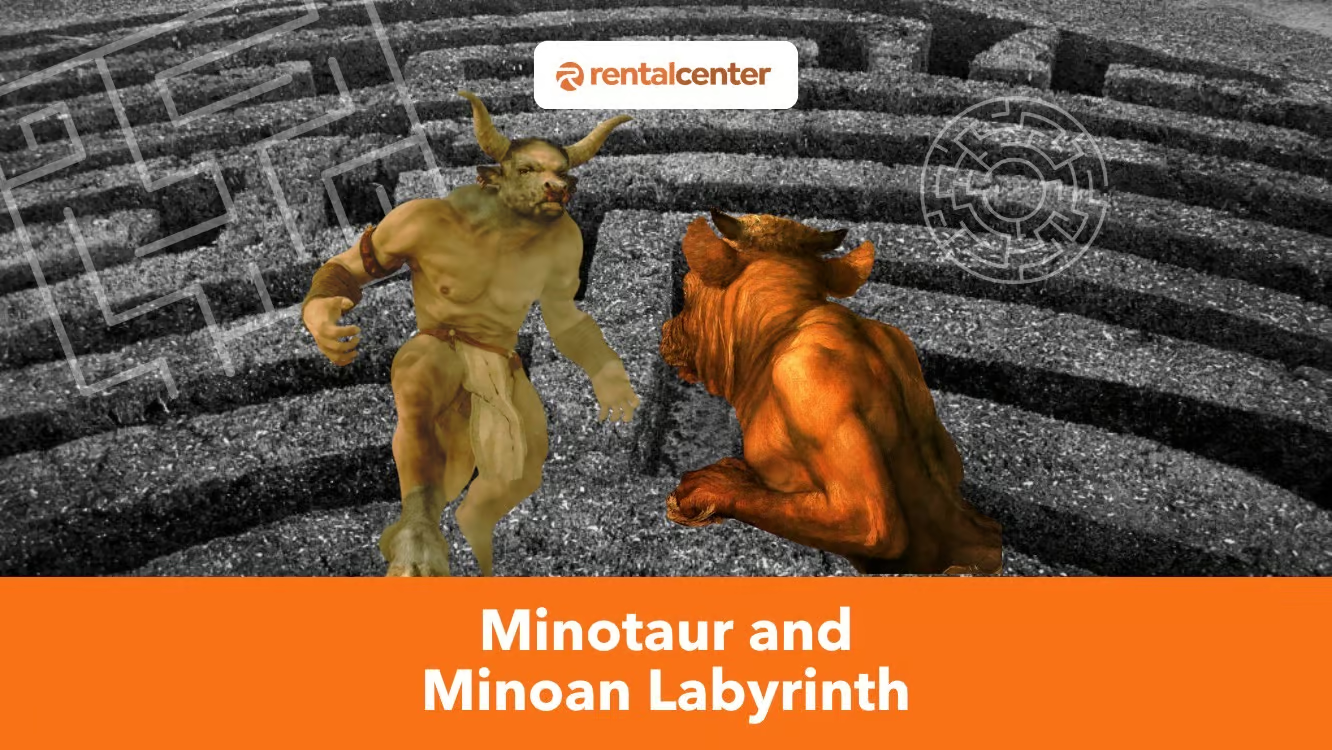
Minotaur and Minoan Labyrinth: Myth, Real Sites and How to Visit Them
The Labyrinth of the Minotaur is a Greek myth, not a historical record. It tells of a bull-headed monster confined beneath the palace of King Minos on Crete, and two real Cretan sites are most often linked to the legend today. Knossos, the excavated Minoan palace, sits [distance km="5"] from Heraklion, about a 10-minute drive, close enough for a rental car to cover in a fraction of the time a coach tour needs. Gortyn and the Messara plain, home to the myth's main rival site, lie [distance km="43"] south of Heraklion, a 42-minute drive with no direct fast bus route, which is why a car is what turns a Knossos morning into a two-site day. Read article

October 7, 2026
Malia Crete: Beaches, Things to Do, Car Rental and Travel Guide
To rent a car in Malia you need a valid driver's license, to be at least 21 years old and a credit card for the security deposit. Consider insurance coverage, the fuel policy and whether you want to pick the car up directly at Heraklion or Chania airport before you book. Read article
September 19, 2026
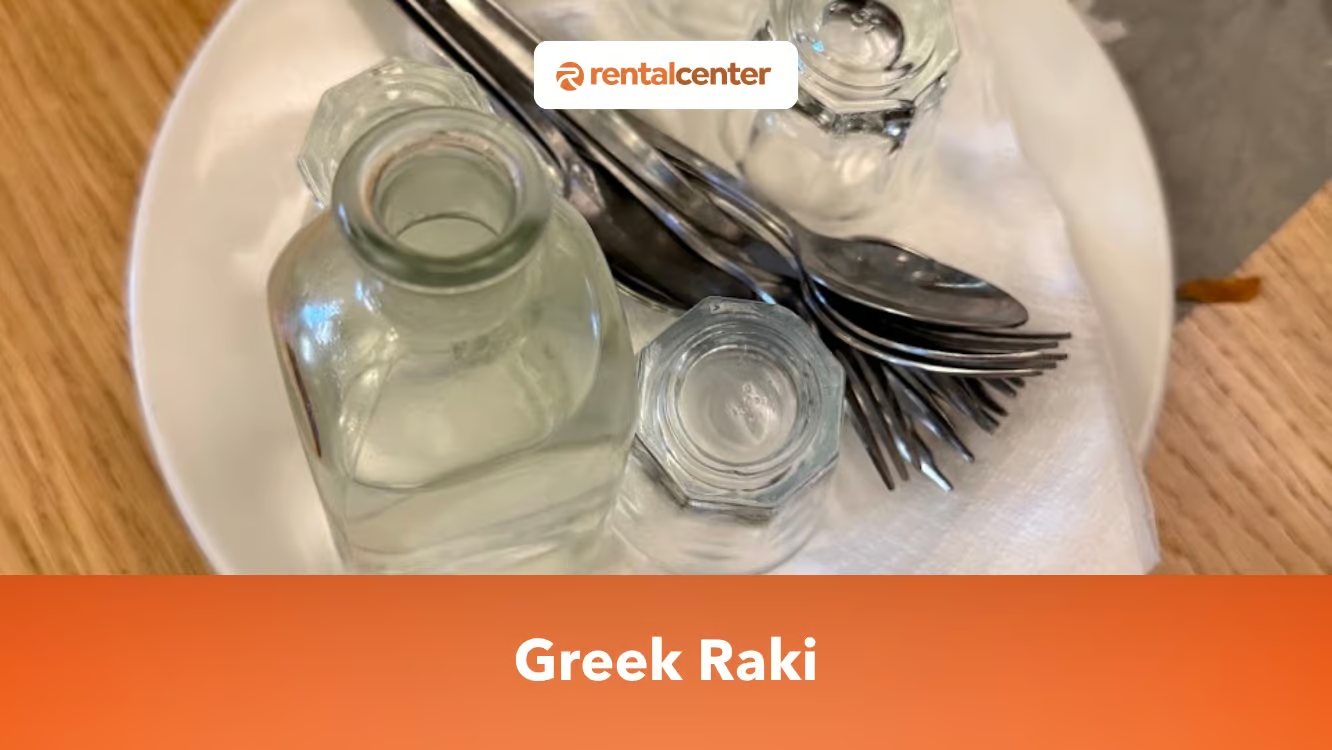
Cretan Raki (Greek Tsikoudia): What It Is, How It’s Made, and How to Drink It
Raki, known across Crete as tsikoudia, is a clear grape-pomace brandy distilled on the island at 35–60% alcohol by volume. It is unflavoured, single-distilled, and served on almost every occasion as a sign of Cretan hospitality. You will be handed a glass of it in tavernas, kafeneia, and homes from Chania to Sitia, and it is made each autumn, when villages across Crete fire up their copper stills for the rakokazana celebrations. Meeting raki at the source rewards touring the island's wine villages and distilleries rather than staying in one resort. This guide explains what raki is, where its name comes from, how Cretans distil it, how to drink it, and where to buy it. Read article
September 19, 2026
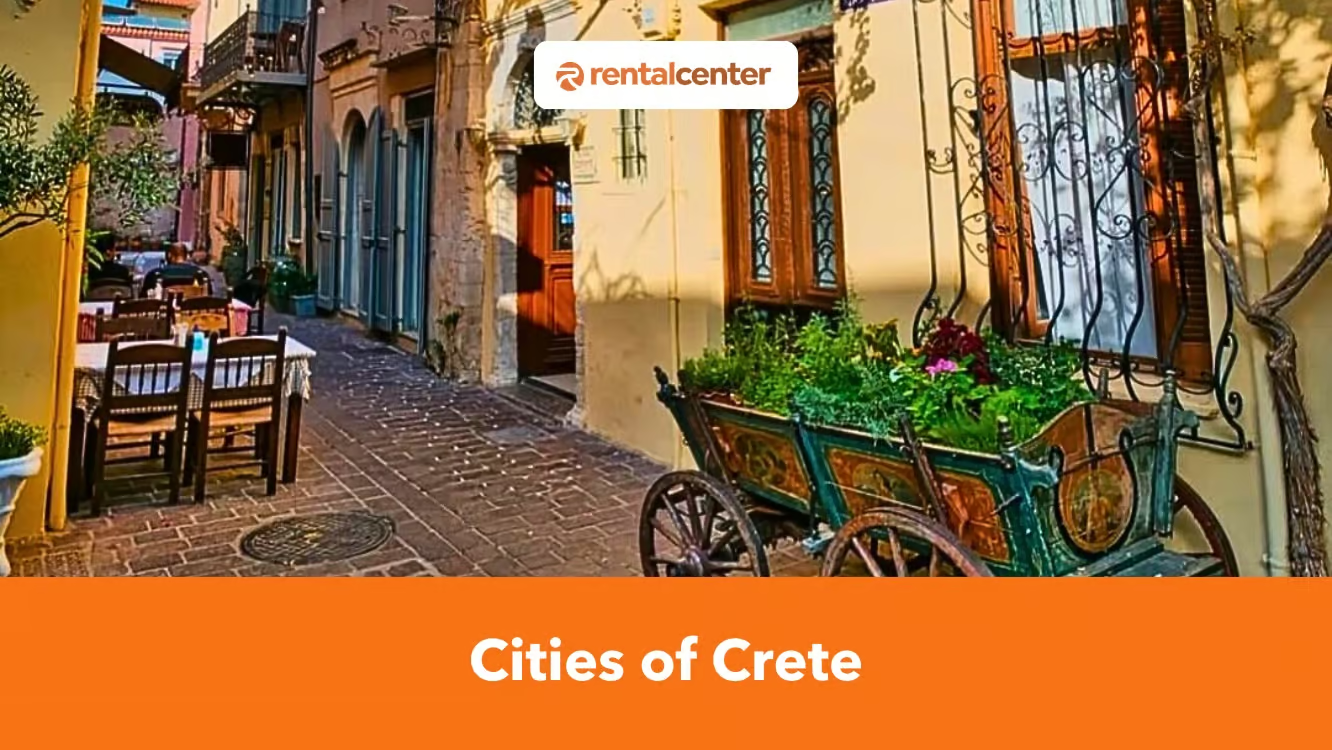
Areas of Crete: A Complete Guide to the 4 Regions and Their Cities
Crete is divided into four main areas, officially called regional units: Chania (west), Rethymno (central-west), Heraklion (centre-east), and Lassithi (east). Each area has its own character: Chania is the most scenic, Rethymno the most balanced, Heraklion the most historically significant, and Lassithi the most diverse, from luxury resorts (Elounda) to Europe's southernmost city (Ierapetra). The cities of Crete are organised below by region, so travellers can choose a base and plan day trips within each area efficiently. Read article
September 18, 2026
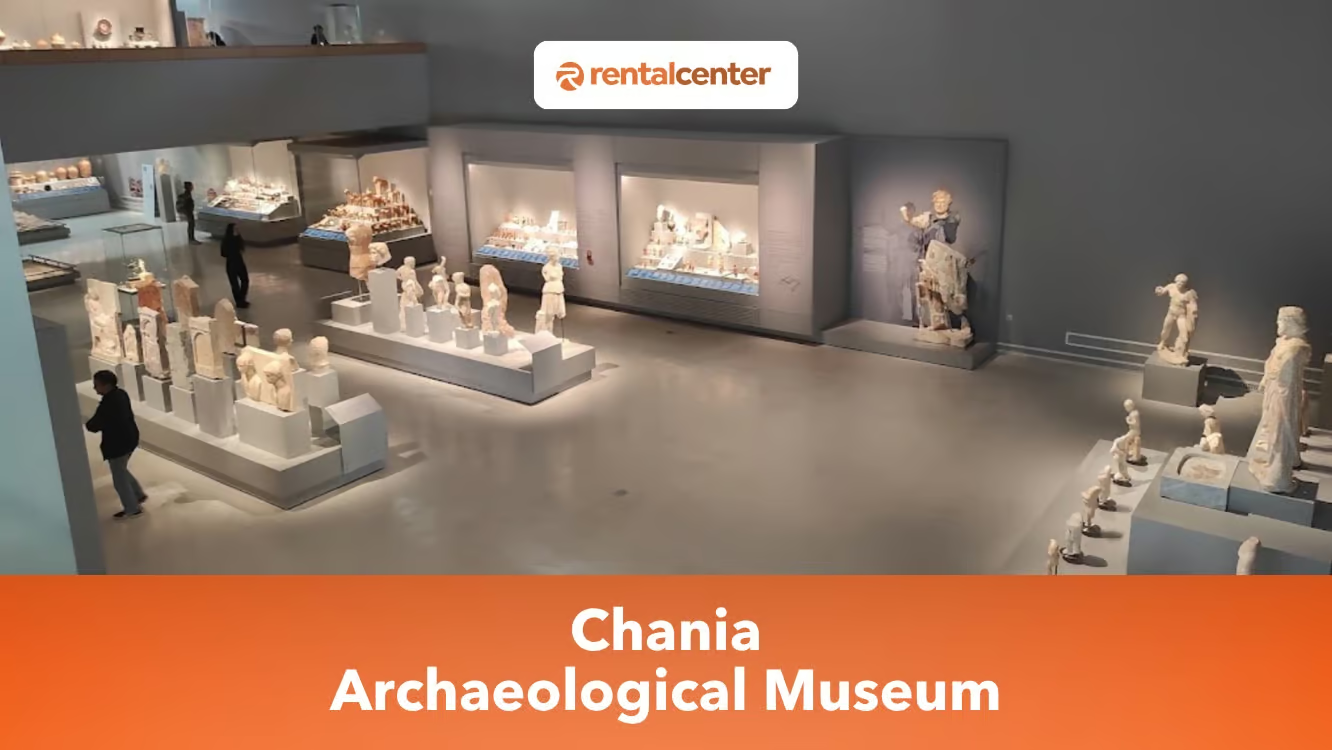
Chania Archaeological Museum: What to See, History and How to Get There
The Chania Archaeological Museum sits on a plot of more than 11,500 m², about 98 metres above sea level, and its two angled stone volumes open onto views over the Sea of Crete and the city below. Chania Airport lies about [distance km="12"] from the museum, roughly a 13-minute drive by rental car or taxi, since Chalepa sits on the airport side of town, closer than the old museum's former address. A rental car also finds its own space here: the museum keeps a free 40-space car park in its own courtyard, a real change from the old town's tight street parking near the former St Francis site. Read article
September 12, 2026
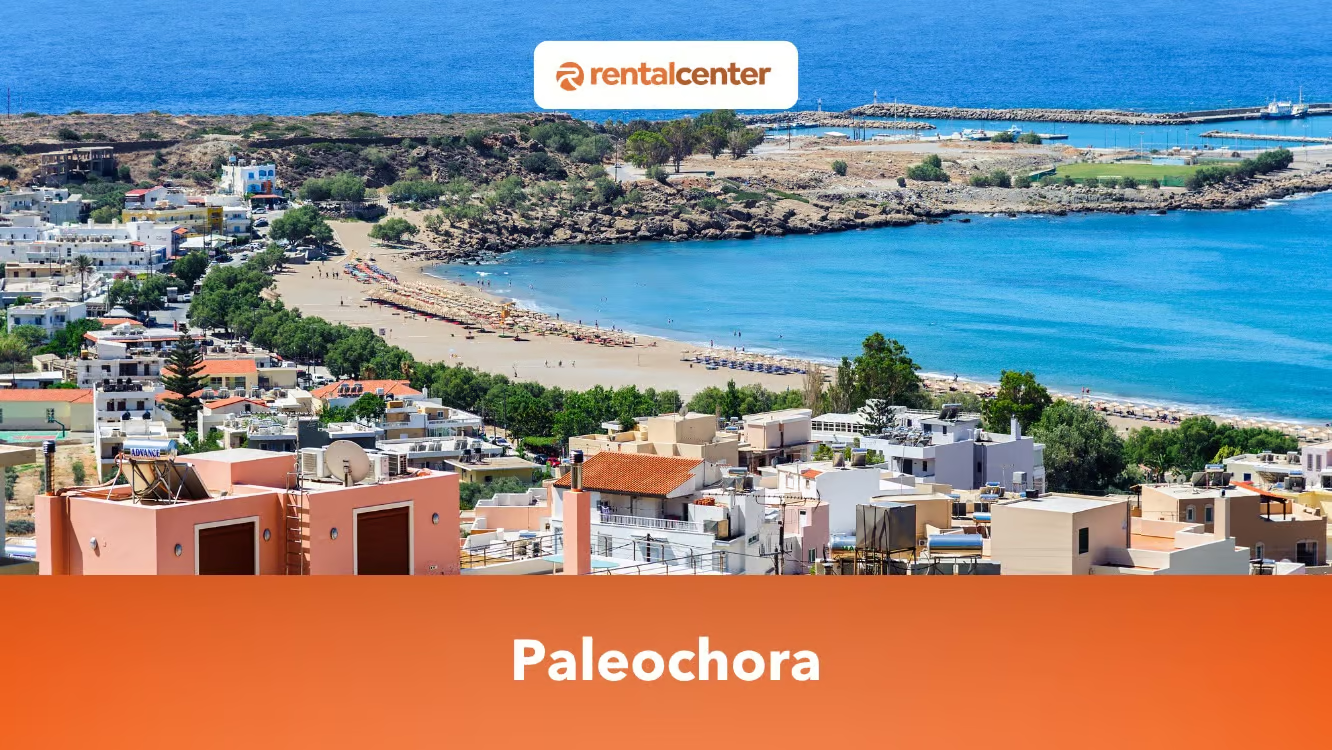
Paleochora, Crete: Beaches, History, Hiking, Ferries and Car Rental
After cycles of destruction and revival, Paleochora re-emerged in the 20th century as a fishing village before growing into a relaxed resort known for its beaches, laid-back atmosphere and old-town streets. The easiest way to explore its secluded coves is by car, and local agencies such as Rental Center Crete supply vehicles suited to the narrow roads, including the Fiat 500c Cabriolet for open-air driving along the coast. Read article
September 12, 2026
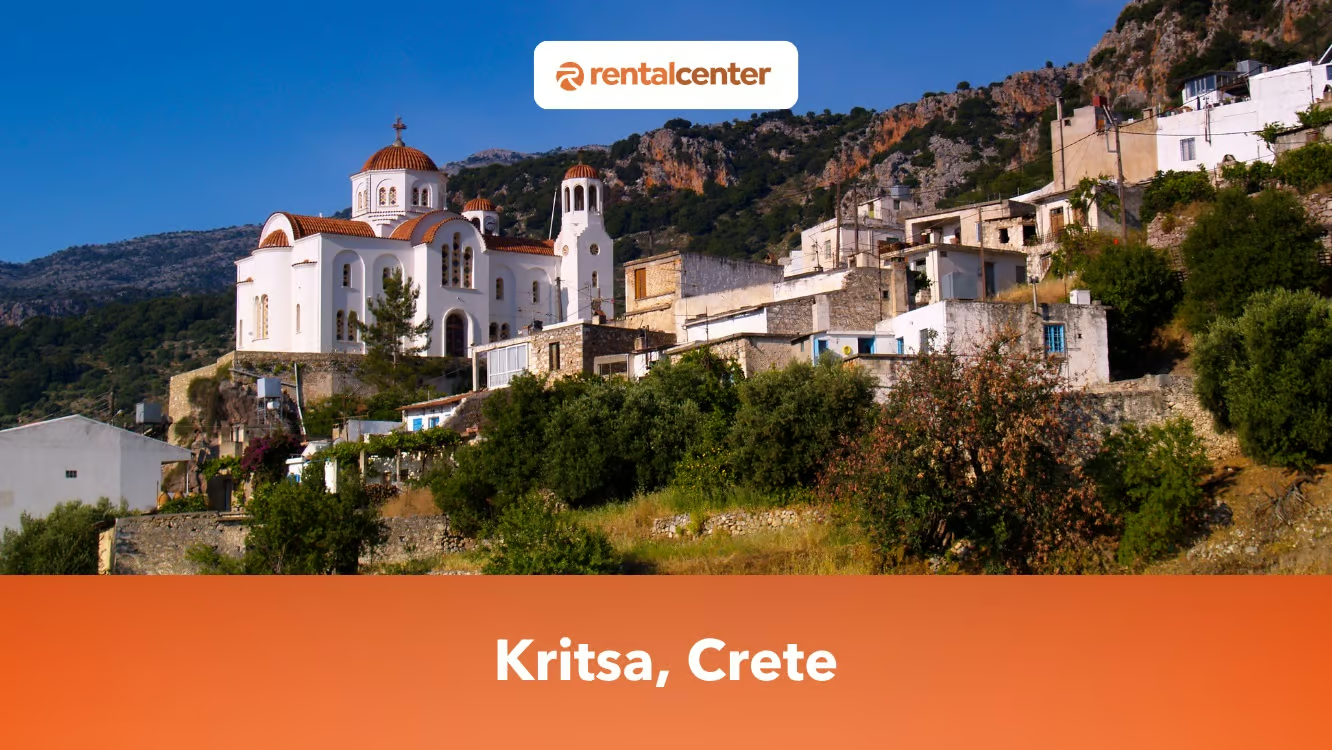
Kritsa, Crete: Village Guide, Attractions, History and How to Visit
Renting a car is the most convenient way to explore Kritsa and the surrounding area. Car rental prices in Kritsa start at [amount euro="30"] per day for a compact car. A small-to-medium vehicle, such as a hatchback or compact, suits the narrow, winding roads best, because it is easier to maneuver and park in the village's tight spaces. The roads in Kritsa are steep and narrow, so a compact car with good handling makes the drive safer and more comfortable, while also using less fuel when you visit nearby attractions. Read article

September 9, 2026
Chania Markets 🛒: Is It Open, Weekly Market Days, and What to Buy?
Chania Airport sits about [distance km="15"] from the market area, roughly a 15-20 minute drive. Local buses cover the main airport-to-town route, but they run on limited timetables. Several buses do not reach the relocated Laiki sites in neighbourhoods outside downtown. A rental car solves that in one trip. Pick up the car at the airport, drive into town for the Agora and Old Venetian Harbour, then head to whichever neighbourhood hosts that day's Laiki market without waiting on a bus. Parking gets tight in the narrow streets of the Old Town, so most visitors leave the car at a paid lot near the harbour and walk the last few minutes. Read article

September 9, 2026
Heraklion Markets 🛒: What to See, Buy and When to Visit the Central Market
Heraklion Airport (Nikos Kazantzakis International) sits about [distance km="5"] east of the market, a 15 to 20 minute taxi ride or a 20 to 30 minute journey on the airport bus, which runs to its own fixed timetable rather than yours. A rental car removes that constraint: you park once and choose your own market hours, and 1866 Street itself has a public indoor car park tucked into one of its side streets, a detail most visitors never find until they already have a car. Read article
September 9, 2026
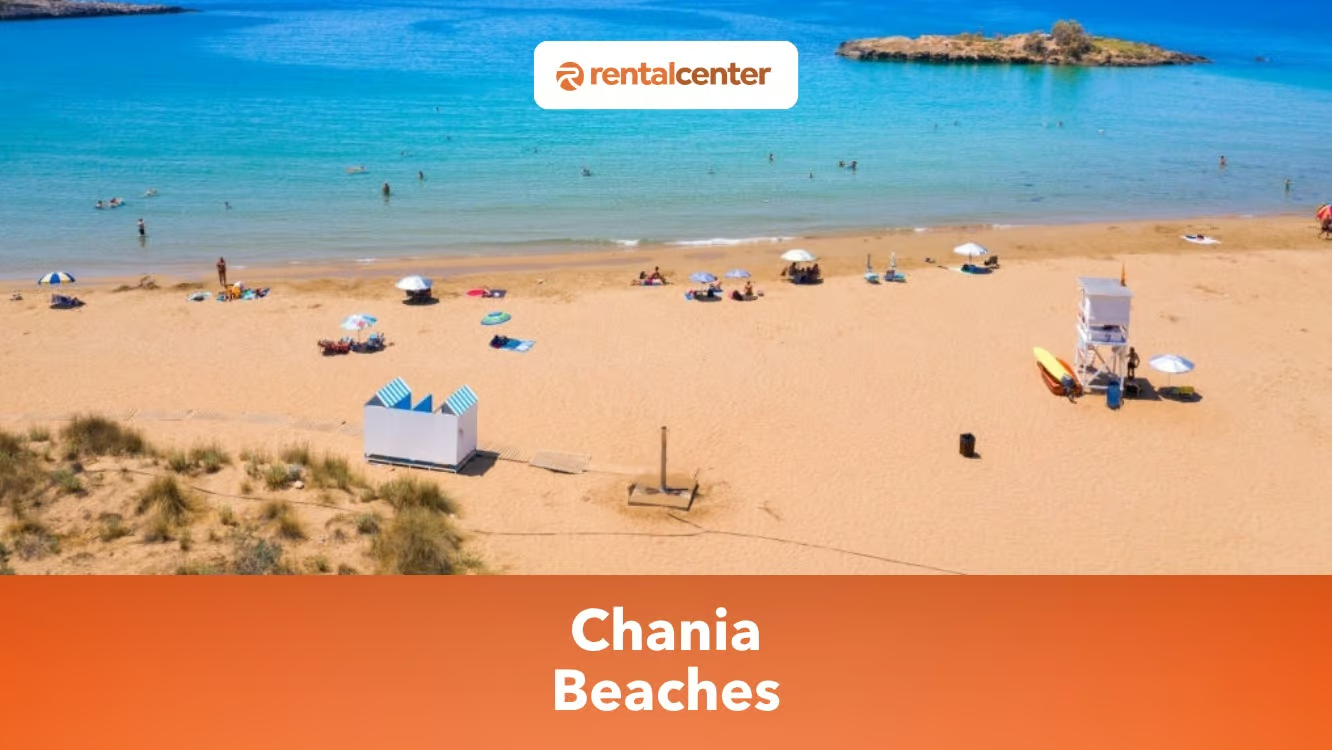
12 Best Chania Beaches in West Crete to visit!
Local buses cover Chania's in-town beaches well; Nea Chora and Chrissi Akti both sit on frequent routes. Service drops off fast outside the city, though. Seasonal excursion buses reach Elafonisi and Balos only in summer and only on fixed schedules. Renting a car at Chania Airport removes that constraint and turns any single beach on this list into a full day of beach-hopping along the coast. Read article

September 5, 2026
Elounda, Crete: What to See and Do (Complete Travel Guide)
The town grew from an ancient site (Olous) into a fishing harbour and, from the mid-20th century, into one of Crete's most famous luxury resort areas. Most visitors use Elounda as a relaxed base and pick up a rental car to reach Spinalonga, Agios Nikolaos and the beaches along Mirabello Bay. Read article
September 4, 2026
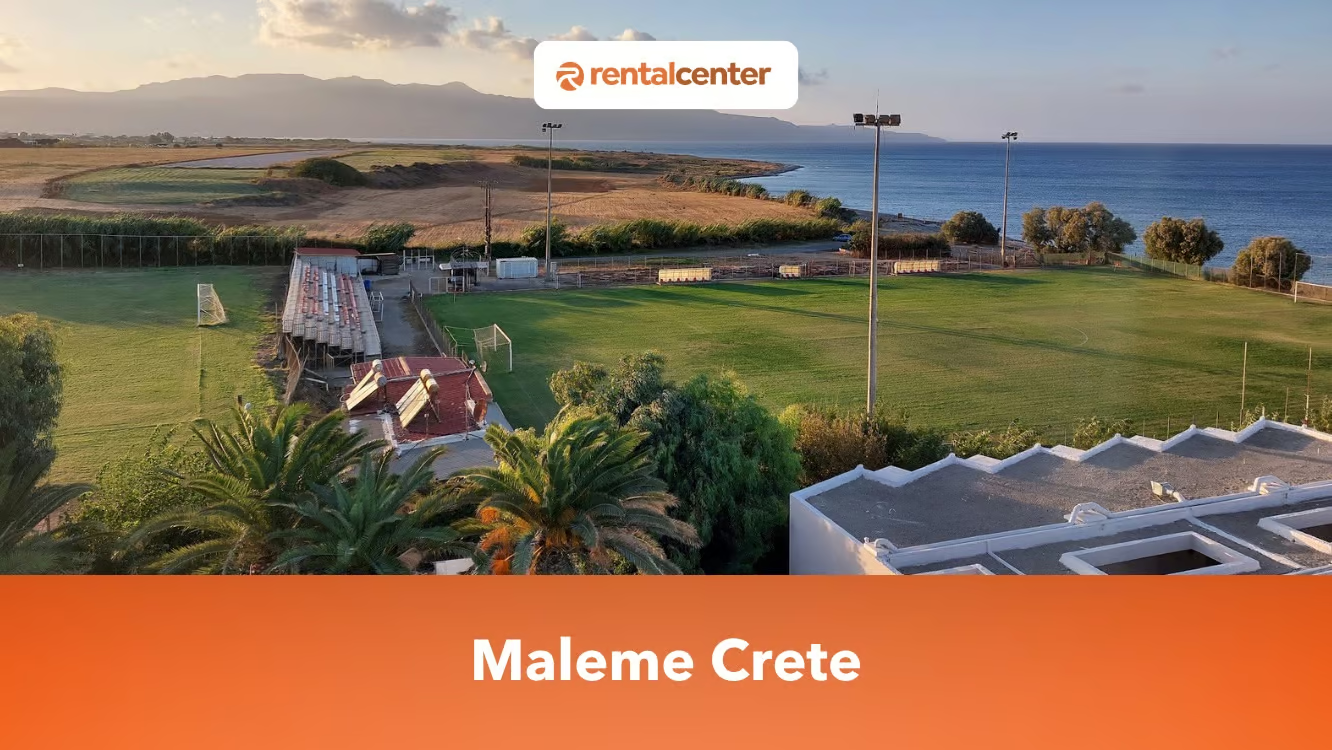
Maleme Crete: History, Attractions, Travel Guide and Car Rental
Renting a car from a popular Car Rental Crete company like Rental Center Crete is highly recommended when visiting Maleme. A medium-sized car is often the best vehicle option, because it provides ample space for passengers and luggage while staying manoeuvrable on the narrow, winding roads leading to Maleme. Medium-sized vehicles also offer better fuel efficiency than larger SUVs or minivans, which keeps travel costs down while exploring the area. Read article
September 4, 2026
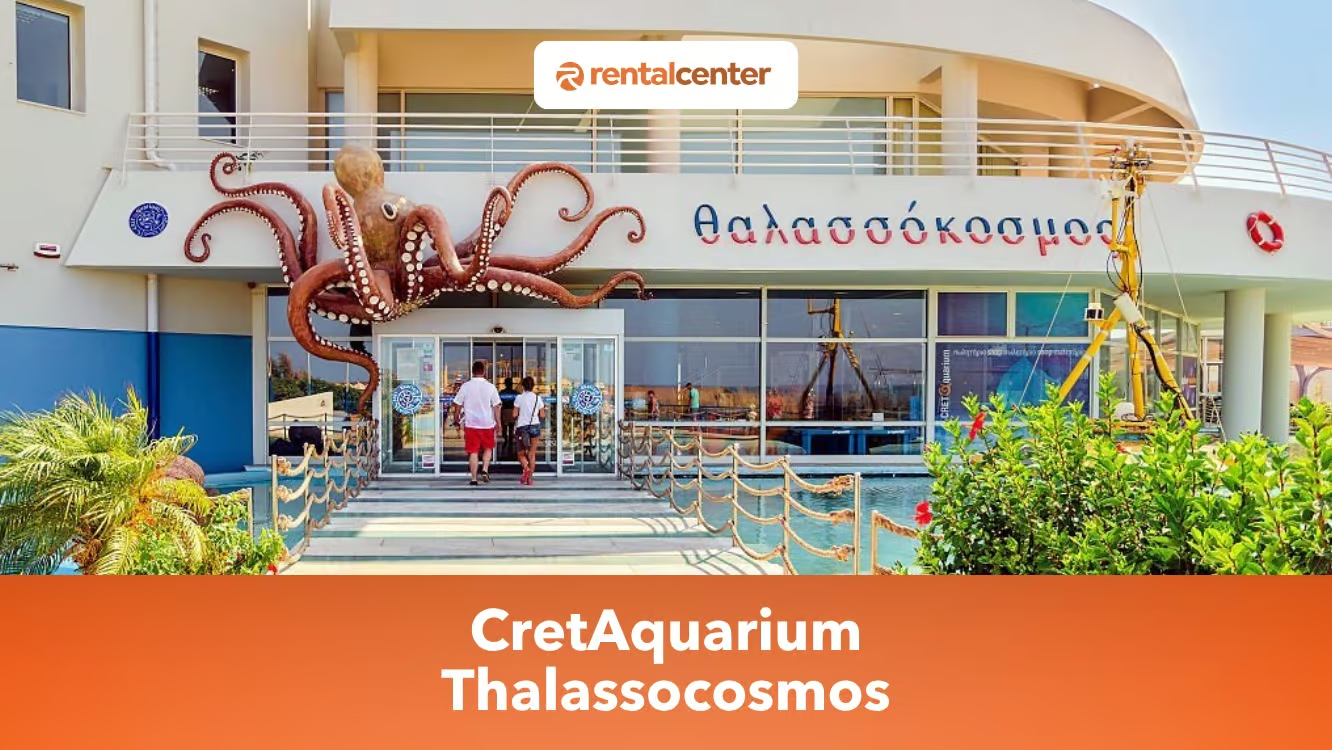
CretAquarium (Thalassocosmos): Animals, Tickets, Hours & How To Visit
CretAquarium opened in December 2005. Its seaside location gives it a direct connection to the water, which makes it easier to collect and maintain Mediterranean marine species. The aquarium combines three goals: education, conservation, and research. Read article
September 3, 2026
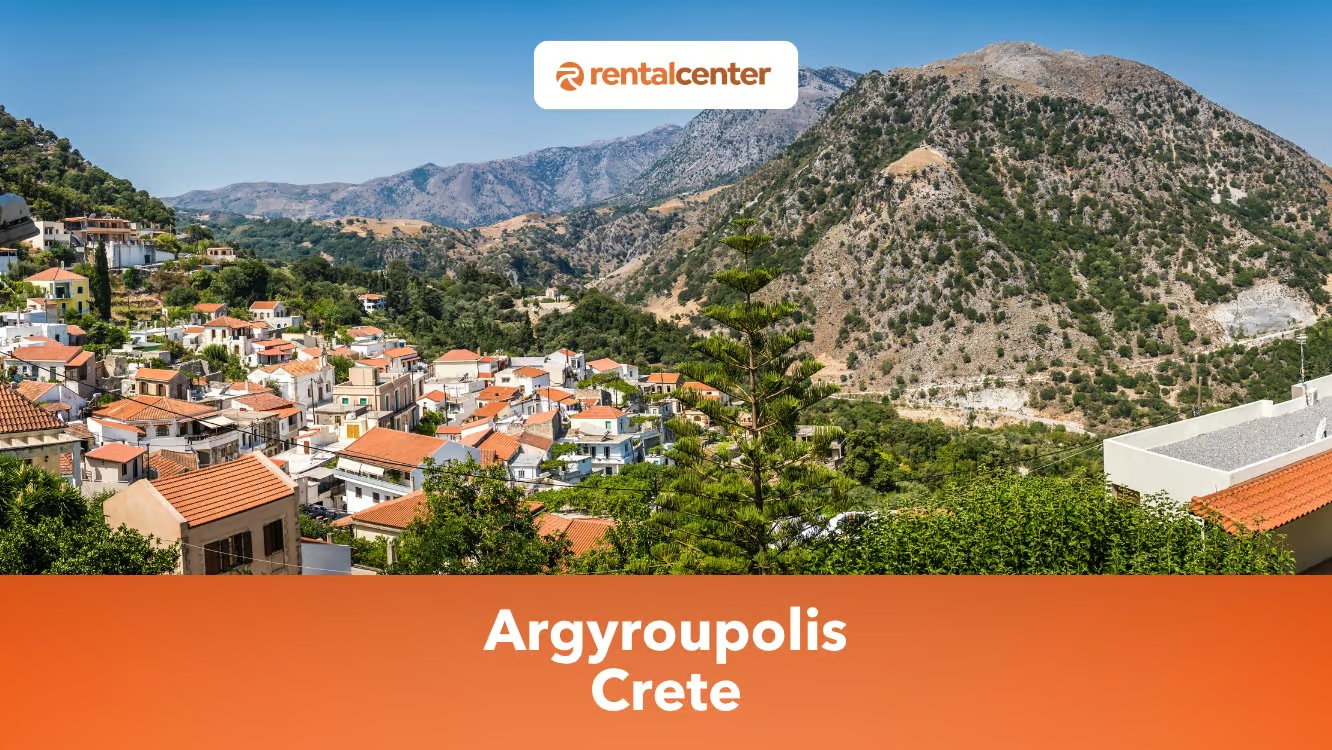
Argyroupolis Crete: Things to Do, History, Travel Guide and Car Rental
The main attraction in Argyroupolis is the Springs of Argyroupolis, an area with waterfalls and streams fed by natural springs. The village is also known for its traditional tavernas, where visitors can savor local dishes like freshly caught trout and the unique "antikristo" lamb, which is slowly roasted on a spit over an open fire. The average temperature in Argyroupolis ranges from 15°C (59°F) to 30°C (86°F), depending on the season. Read article
August 26, 2026
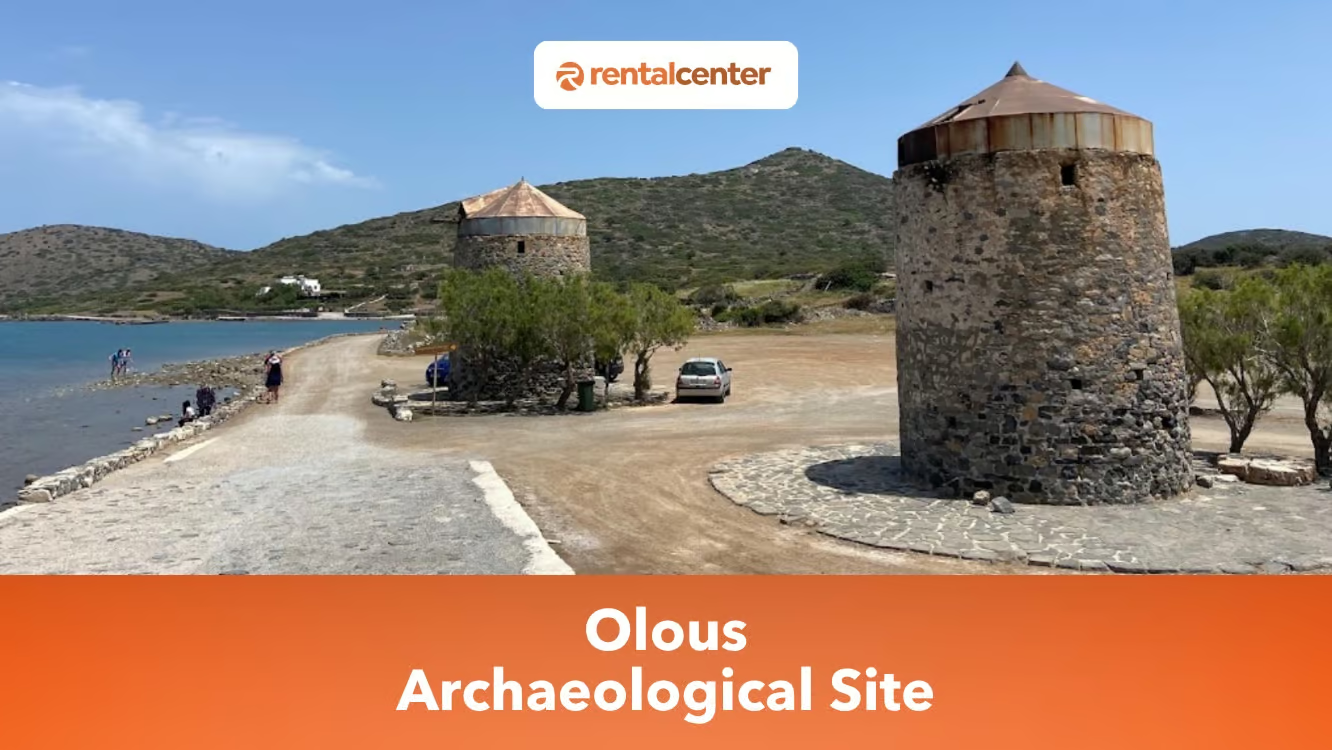
Archaeological Site of Olous, Crete: The Sunken City and How to Visit
Olous is a sunken ancient Dorian city on the isthmus that links the Spinalonga peninsula to the mainland, at present-day Elounda in the Lasithi region of eastern Crete. Today only scattered wall bases survive, submerged in the shallow water of Elounda Bay, and you can see them by snorkelling or swimming on a calm day. The site is free and open, with no gate and no entrance fee.
Olous flourished across the Minoan, Hellenistic, Roman and Byzantine periods. The city minted its own coins, ran its own harbour, and traded across the Mediterranean, linking Crete with the Aegean islands and civilisations beyond. Its ruins reveal the daily life, culture and architecture of the people who lived on this coast for centuries. Read article
August 24, 2026
Katholiko Monastery: History, Location, Hiking and Transportation
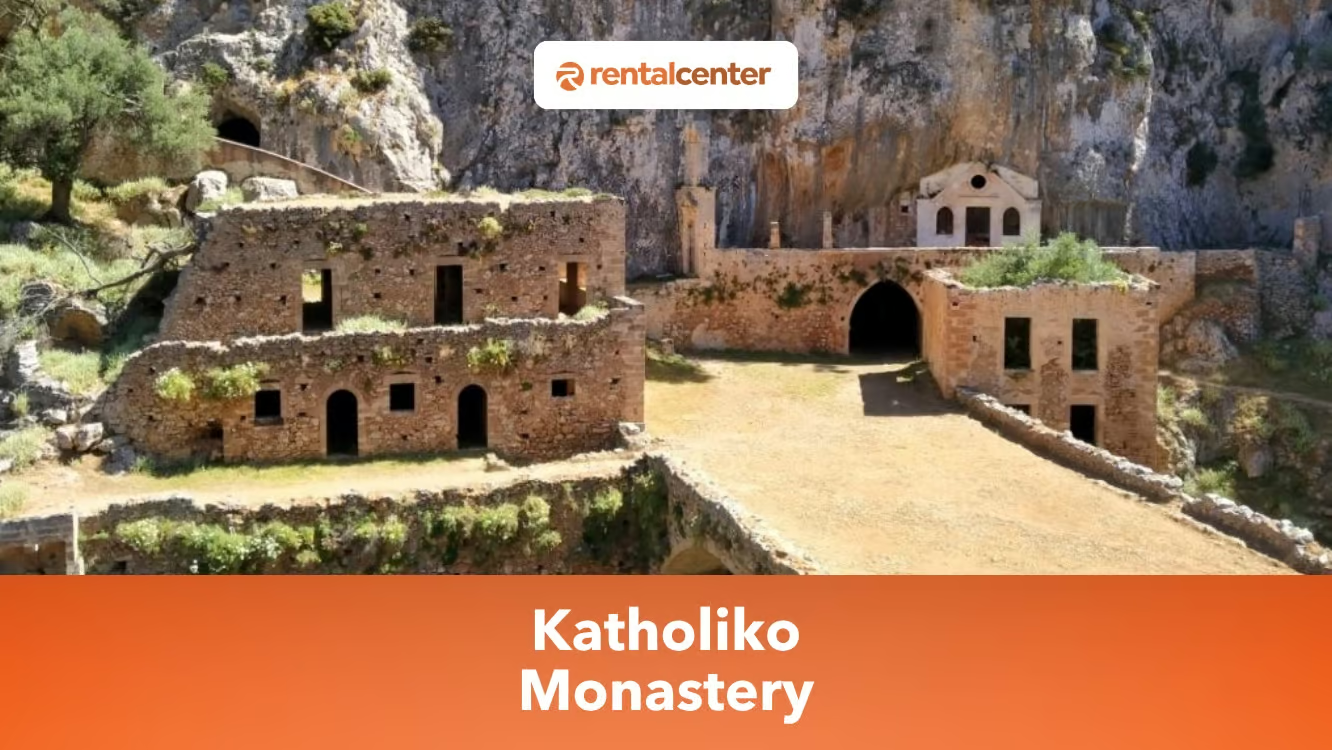
The current structure shows an impressive architectural form, from mediaeval frescoes to the iconic bridge that spans the gorge, built in the 17th century under Jeremiah Tzangarolos. Today the abandoned cliffside monastery lets travellers step back through the centuries. The approach is part of the experience: a roughly 35-minute drive from Chania through the mountains of western Crete, then a moderate 2-mile hike through Avlaki Gorge down stone steps carved into the cliffs. Along the way, hikers see the rugged gorge dropping to the sea. At the monastery, visitors walk among ancient stone buildings and caverns where monks once prayed, and view mediaeval frescoes that record the site's artistic heritage. Read article
August 23, 2026
Heraklion Archaeological Museum: Minoan Masterpieces, History and How to Visit
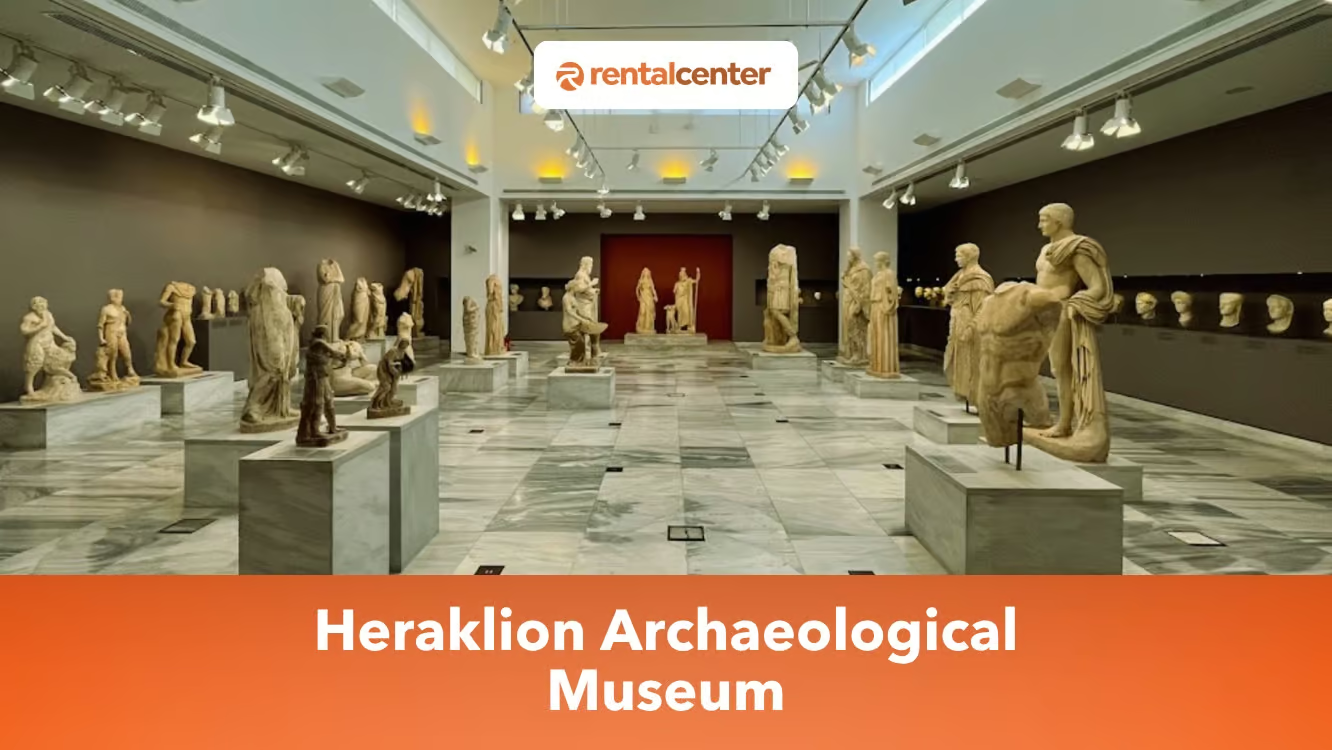
The museum sits in the city centre, so both residents and visitors reach it easily on foot, by taxi, by bus or by rental car. The chronological layout guides you through each period in turn, and clear signage explains the artefacts as you go. Read article
August 23, 2026
Toplou Monastery: History, Winery, Attractions and Car Rental
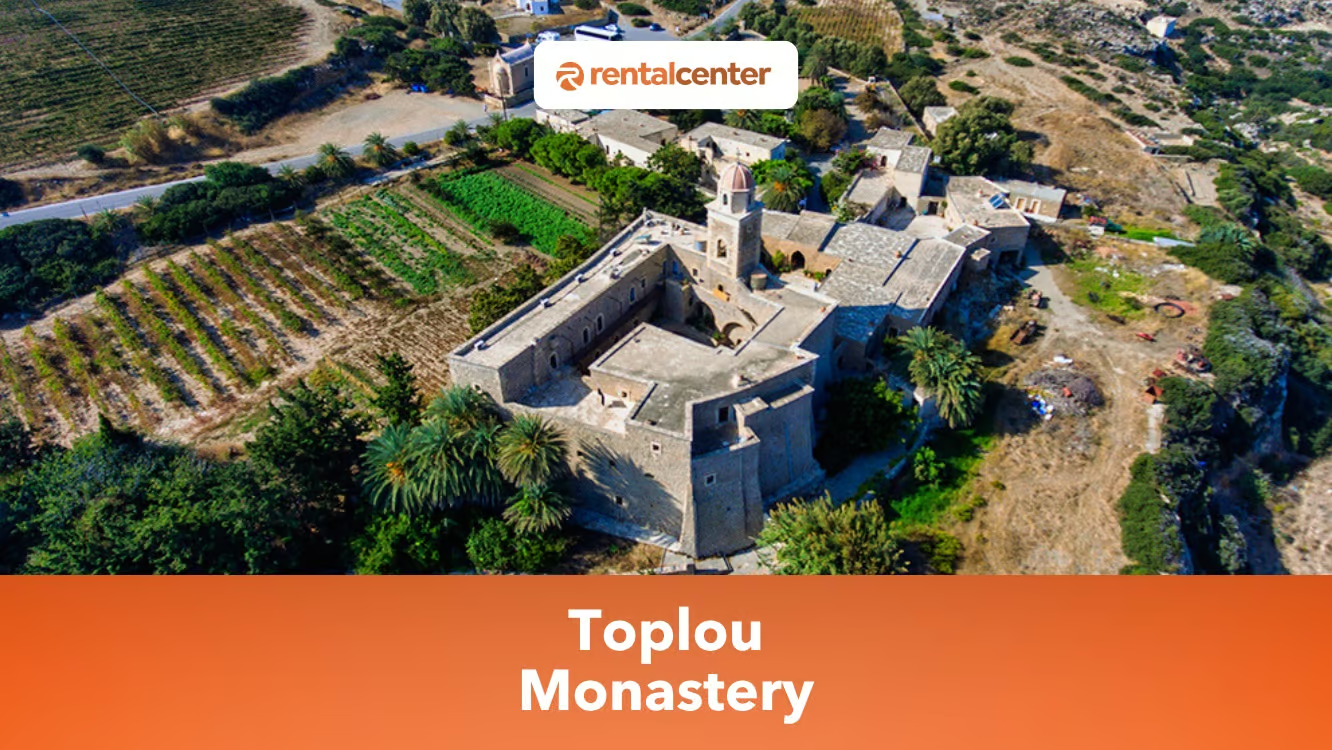
Toplou Monastery is a fortified Greek Orthodox monastery in northeastern Crete, near the town of Sitia in the Lasithi region. It sits in a remote landscape most easily reached by rental car, about [distance km="142"] and 2.5 hours east of Heraklion. The monastery is active today, runs a historic winery that still uses medieval methods, and blends Byzantine, Venetian and Renaissance architecture behind high defensive walls built against pirate raids. Its main church is dedicated to the Apostle John the Theologian and its katholikon to the Virgin Mary. Read article
August 23, 2026
Panagia Kera Kardiotissa Monastery, Crete: History, Visiting and How to Get There by Car
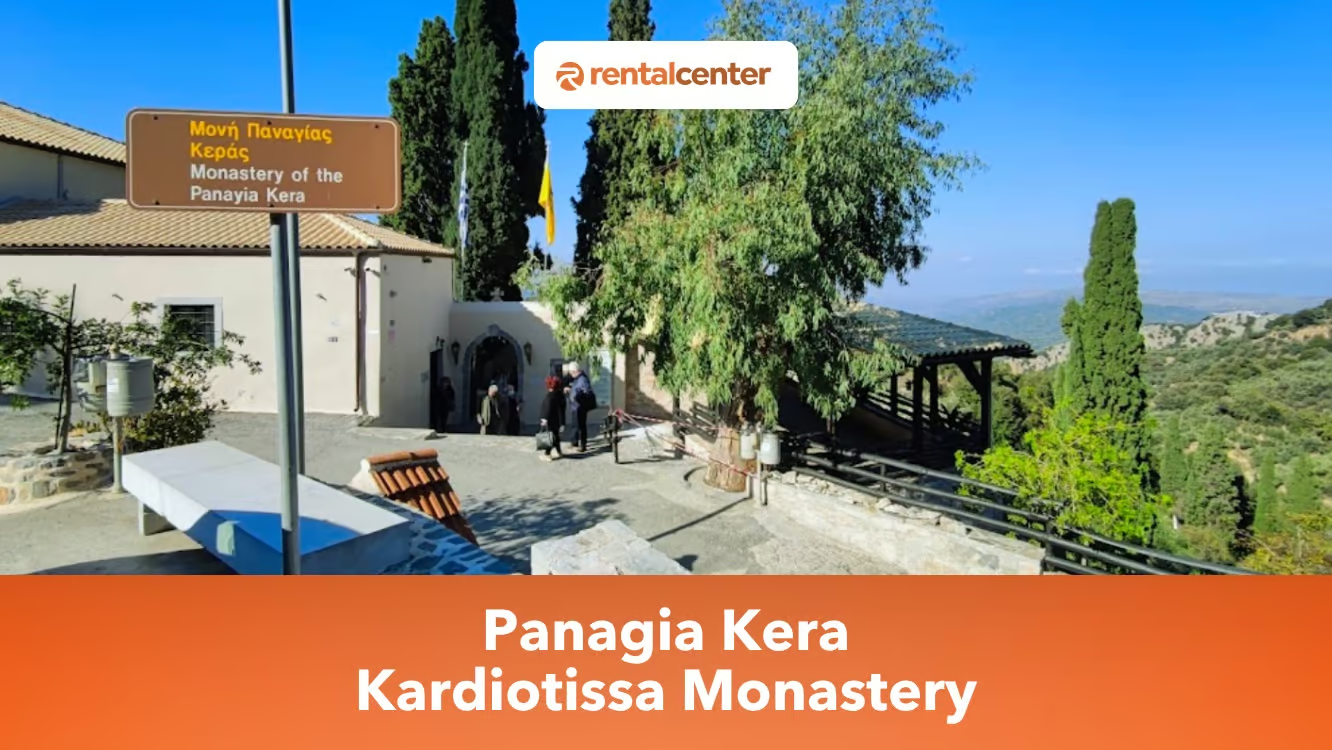
Kera Kardiotissa Monastery is located near Kera village in the Heraklion regional unit of Crete, Greece. Kera Kardiotissa Monastery sits on the north slopes of Mount Dikti, roughly [distance km="50"] east of Heraklion, next to the main road that leads up to the Lasithi Plateau. Its elevated hillside position gives it wide views and places it inland from the coast, between the resort town of Malia to the north and the mountain plateau to the south. This location makes Kera Kardiotissa an easy stop for travellers driving between Heraklion, Malia and the Lasithi Plateau. Read article
August 22, 2026
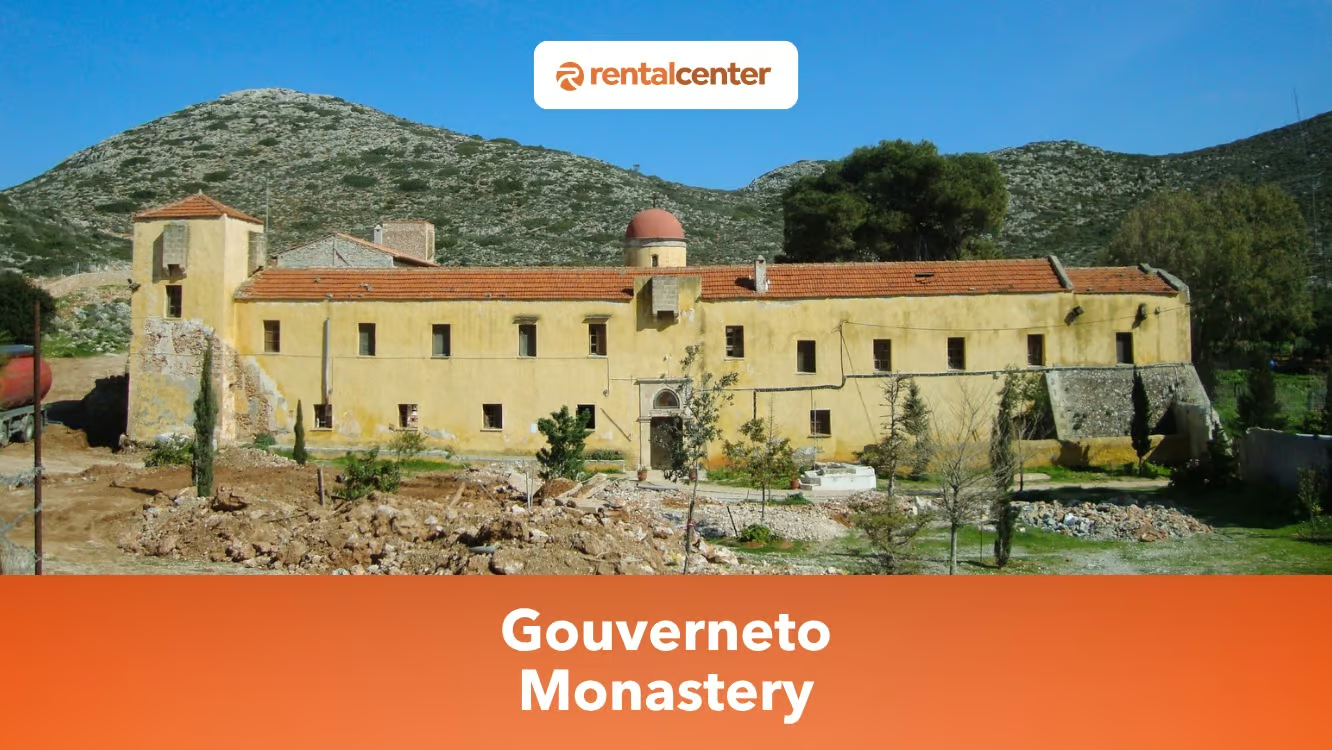
Gouverneto Monastery: History, Etiquette, Attractions and Car Rental
Gouverneto was founded in 1537 by Venetian Catholic monks, who built it in a defensible position within the gorge to withstand the pirate raids that plagued the region. The original building carried Gothic and Renaissance elements. The monastery grew wealthy and influential: a census in 1637, shortly before the Ottoman invasion, recorded 60 monks living there, making it one of the largest in Crete at the time. During World War II, German forces set up a guardhouse in the monastery to control the area. Since 2005, the resident monks have carried out ongoing restoration work to preserve the site. Read article