



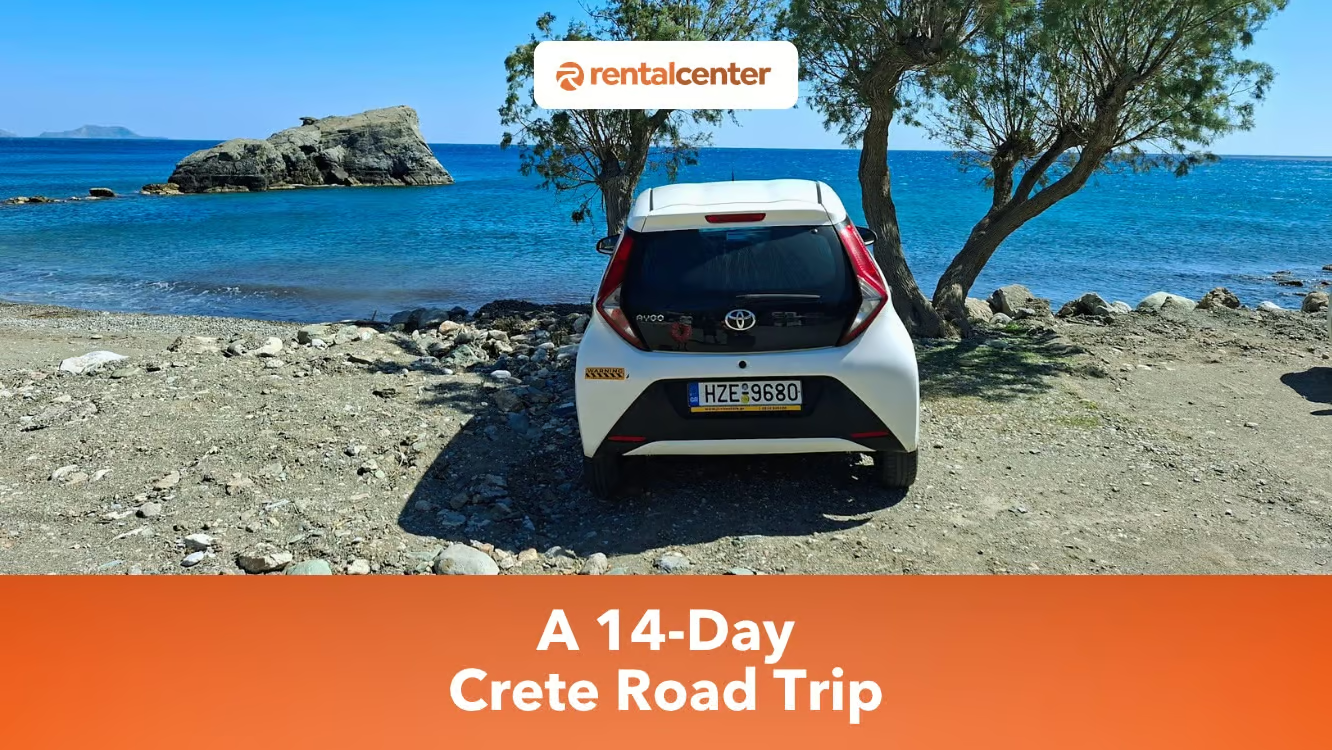
Crete takes you through Greece’s largest and most topographically diverse island: classic Greek-island white sand beaches and turquoise water, charming authentic villages, and also amazing mountains, gorges, waterfalls, and caves – all within 90 minutes of driving. Add the legendary vineyards and olive groves, the historic attractions spanning the Neolithic era through WWII, and famous towns like Chania and Heraklion, and you have an epic Greek road trip.
Transparency note: This article is published by Rental Center Crete, a car rental company operating in Crete. Our itinerary recommendations are based on local knowledge and are independent of sponsorship.
Is a 14-Day Crete Road Trip Right for You?
A 14-day self-drive trip is ideal for travelers who want to cover all four regions of Crete – west, south, center, and east – without rushing, averaging just 60–90 minutes of driving per day. If you have only a week, you can run the first or second half of this loop; with two full weeks, you complete the entire circuit and reach the rarely visited east that almost no other itinerary includes.
Best Time to Visit Crete by Car
The best months for a Crete road trip are May to early June and mid-September to October. During these shoulder months, daytime temperatures sit between 22–27°C, all beaches and archaeological sites are open, and traffic on the mountain roads to Elafonisi and Preveli is manageable. July and August are the busiest and hottest months – Elafonisi can receive thousands of visitors daily, and beach parking fills by 9:00 AM. Winter (November–March) sees most south-coast tavernas close, and ferry services to Loutro and Agia Roumeli are reduced or suspended. Note that the Samaria Gorge is only open from May to October.
How Much Does a Crete Road Trip Cost?
A 14-day Crete road trip is one of the more affordable two-week trips in the Mediterranean. Budget travelers can manage on roughly €70 ($79.93, £59.64)–90 per day (studio accommodation, taverna meals, and a small rental car), mid-range travelers on €120 ($137.03, £102.24)–160 per day, and those choosing resort hotels in Elounda or boutique stays in Chania’s Old Town considerably more. The biggest variable is the season: shoulder-month rates for both cars and rooms run well below July–August prices.
Driving in Crete: Essential Tips Before You Go
Driving in Crete is straightforward – roads are well-maintained, traffic is light outside Heraklion, and all major beaches and sites are reachable by a standard rental car except a handful of remote coves that require a 4WD.
Car Rental in Crete: What to Know!
Rental Center has a car rental at Chania Airport, and a vehicle can also be waiting to meet you at the airport or port directly upon arrival. A standard compact or economy car is sufficient for about 95% of this route. Pick up at Chania at the start and drop off near Heraklion at the end to avoid backtracking. Check that your rental allows the unpaved tracks (such as the road to Balos) if you plan to attempt them, as many standard policies exclude off-road driving.

Road Conditions, Speed Limits, and Parking
- Drive on the right side of the road. Speed limits: 50 km/h in towns, 90 km/h on rural roads, and 110–120 km/h on the E75 north-coast highway.
- Mountain roads – especially to Elafonisi, Sougia, and the south coast – are narrow and winding. Add 30–40% to map app estimates.
- A 4WD is only necessary for Balos Lagoon (an unpaved track) and a few remote south-coast beaches.
- Most gas stations on the route have attendants, and tipping is not expected.
- Parking is free at most beaches and sites, with paid parking at Knossos and the Samaria Gorge trailhead.
The 14-Day Route Overview
The full circuit covers approximately 9 kilometers (559.23 miles) starting from Chania Airport and finishing near Heraklion Airport, looping counterclockwise around the island. None of the drives are long, including the one that takes you home.
| Day | Base / Area | Key Highlights | Approx. Drive |
|---|---|---|---|
| 1 | Chania | Seitan Limania, Agia Triada Monastery | 20 min from airport |
| 2 | Chania | Falassarna, Elafonisi, Chania Old Town | ~2 hrs total |
| 3 | Chania | Paleochora, Sougia | ~1.5 hrs each way |
| 4 | Chania | Chora Sfakion, Loutro, Agia Roumeli | ~1.5 hrs + boat |
| 5 | Rethymno | Rethymno Old Town, Spili, Preveli | ~2.5 hrs total |
| 6 | Rethymno | Arkadi Monastery, Margarites, Bali | ~1.5 hrs total |
| 7 | Heraklion | Knossos, Old Town, Archaeological Museum | 30 min to Knossos |
| 8 | Heraklion | Matala, Agia Galini | ~1 hr to Matala |
| 9 | Heraklion | CretAquarium, Heraklion wine route | ~30–45 min |
| 10 | Agios Nikolaos | Agios Nikolaos, Mirabello Bay | ~1 hr from Heraklion |
| 11 | Agios Nikolaos | Spinalonga, Elounda | ~20 min + boat |
| 12 | Sitia | Vai Palm Forest, Toplou Monastery | ~1.5 hrs |
| 13 | Sitia | Valley of the Dead, Kato Zakros | ~1 hr |
| 14 | Ierapetra | Ierapetra, Chryssi Island | 1 hr 15 to HER airport |
Tip: save the full route as a Google Maps list before you go – mobile coverage drops in the southern mountains.
Day 1 – Chania and the Akrotiri Peninsula
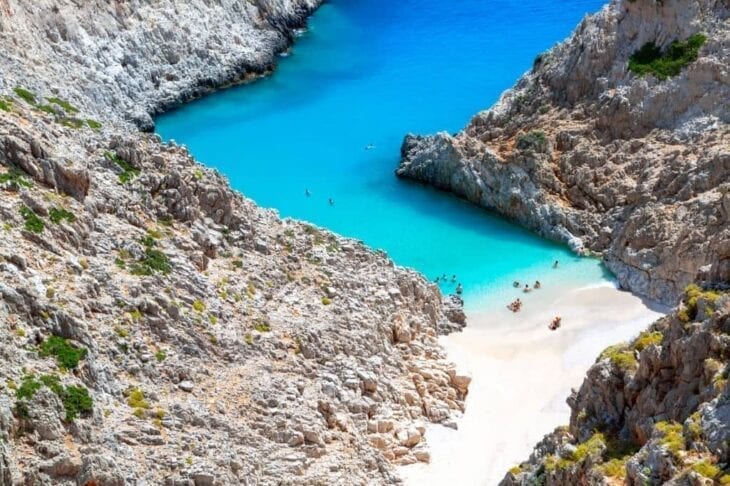
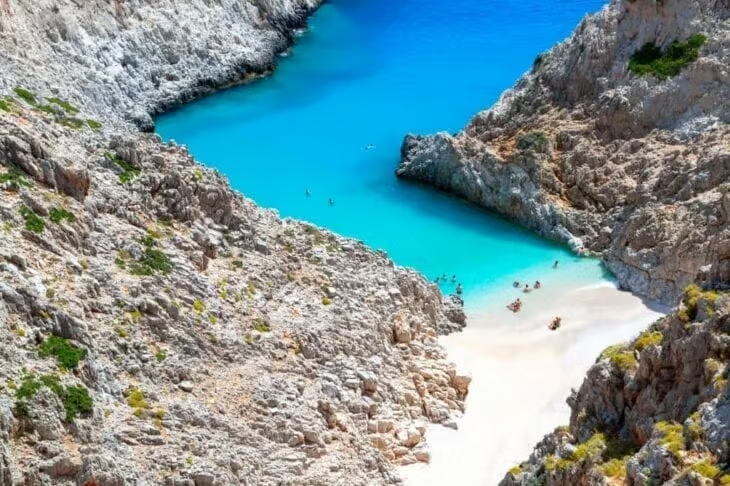
Day 1 begins at Chania Airport, where your rental car is waiting – Seitan Limania beach and Agia Triada Monastery are both within 20 minutes of arrivals. The airport sits on the Akrotiri peninsula, which makes a perfect place to start, as here you find a very famous beach and a beautiful monastery.
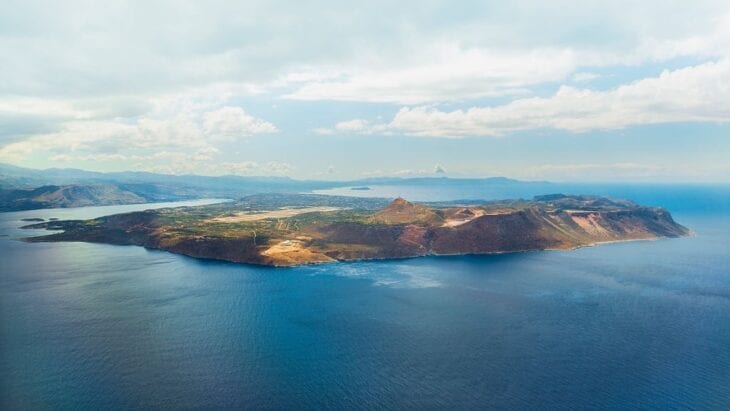
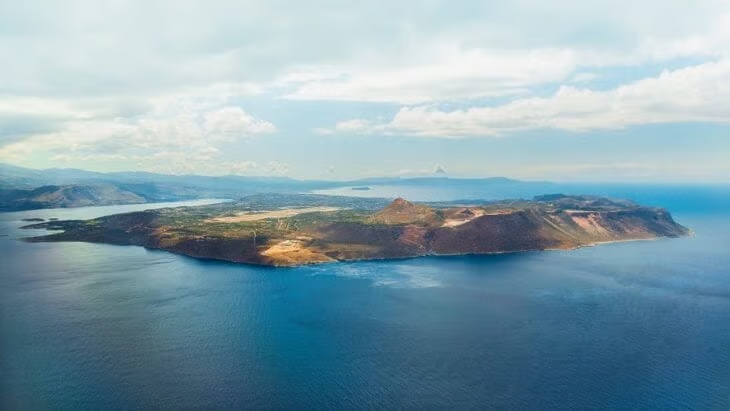
Seitan Limania is a zig-zag-shaped bay cutting through white rock – an amazing site. Go early, as word has gotten out about this wonder, and wear good footwear for the steep climb down. After the beach, visit the famous Tzagarolon Agia Triada Monastery – one of the loveliest and grandest on Crete, built during the Venetian era and still producing its own olive oil and wine, which you can buy in the shop.
Day 2 – Falassarna, Elafonisi Beach, and Chania Old Town
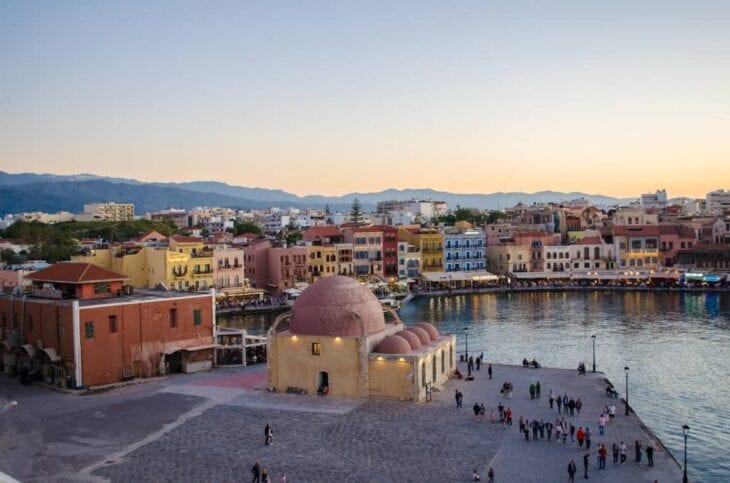
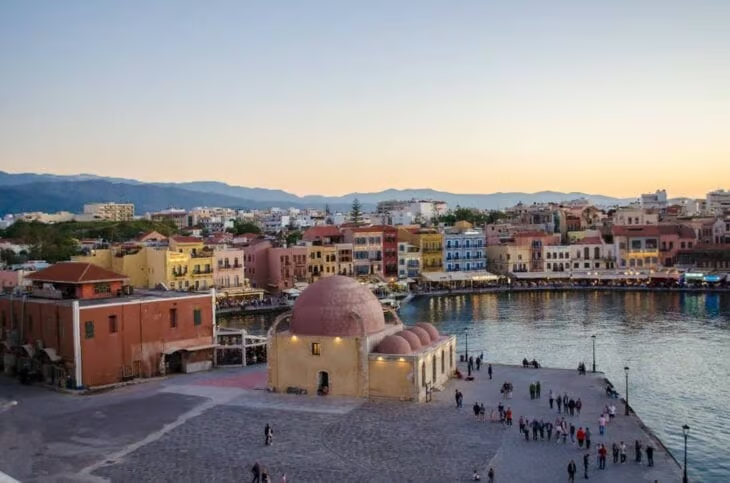
Chania Town is one of Crete’s most popular destinations in itself. Start your day at the historic covered public market, shaped like a cross, with a traditional cheese pie – the Chaniotis, with sugar. Browse the cheeses, olives, and traditional souvenirs, then head to the leather goods district before driving to the west end of the island.
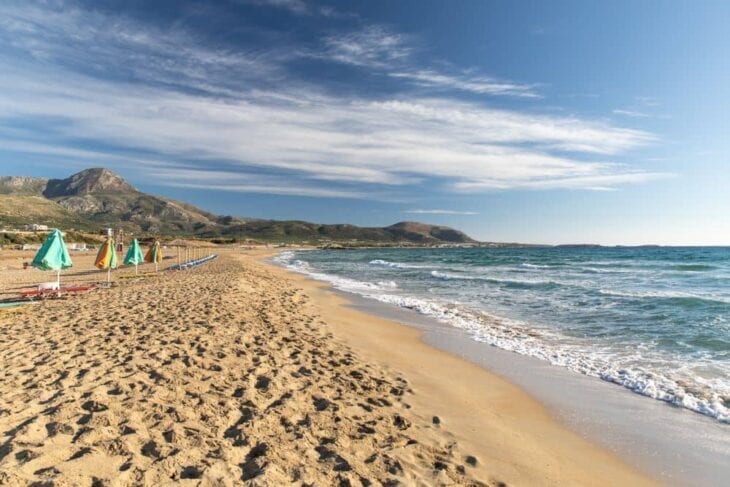
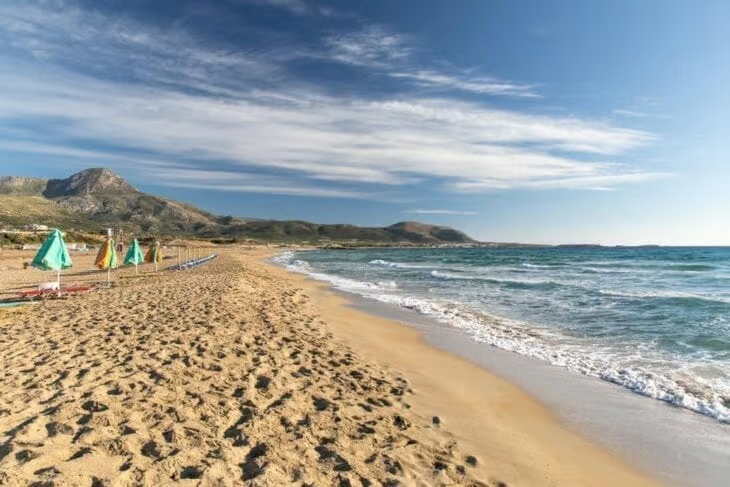
Falassarna beach is actually a string of beaches, all famous for white sands and stunning turquoise waters. Pachia Ammos – “thick sand” – is the most famous, with a wilder beach to the north. From Falassarna, the roughly 45-minute drive southeast to Elafonisi winds inland through rugged terrain before descending to Crete’s southwestern tip. Elafonisi delivers one of the most vivid beach experiences in the Mediterranean: a shallow, warm-water lagoon of pink-tinted sand enclosed by a Natura 2000 protected island, with the attached islet reachable on foot at low tide. Arrive before 9:00 AM in July–August to secure a spot before the tour buses arrive. Back in Chania by night, stroll the Venetian harbor or dine in the old tanneries of Halepa.
Optional alternative: If you prefer to swap one of the Day 2 beaches, Balos Lagoon on the northwest tip is worth the effort – an 8 kilometers (4.97 miles) unpaved 4WD track plus a 20-minute hike down, or a roughly 90-minute ferry from Kissamos port. The shallow turquoise lagoon and the connected Gramvousa fortress island make for a full-day alternative.
Day 3 – Paleochora and Sougia
The south coast of Crete along the Libyan Sea is famous for the excellence of its beaches and for being remote. The contrast between the settled north and the rugged south – just over an hour away – is one of the pleasures of a Crete road trip.
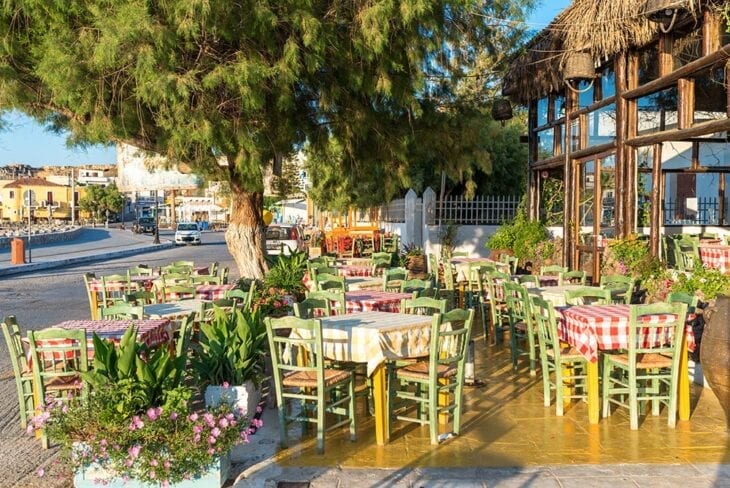
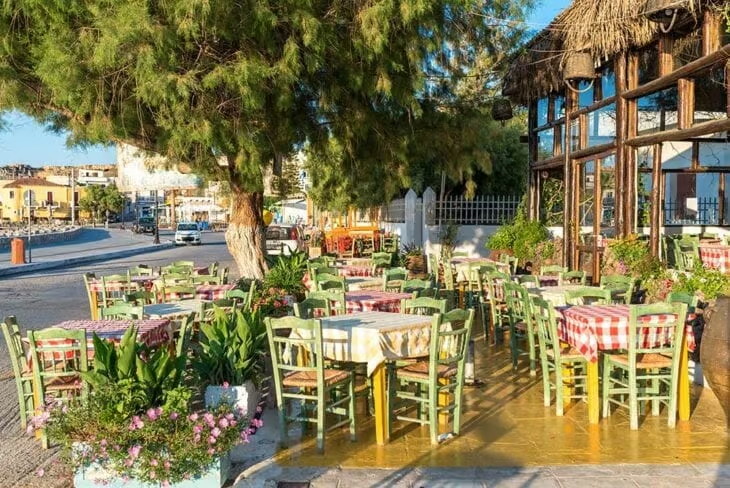
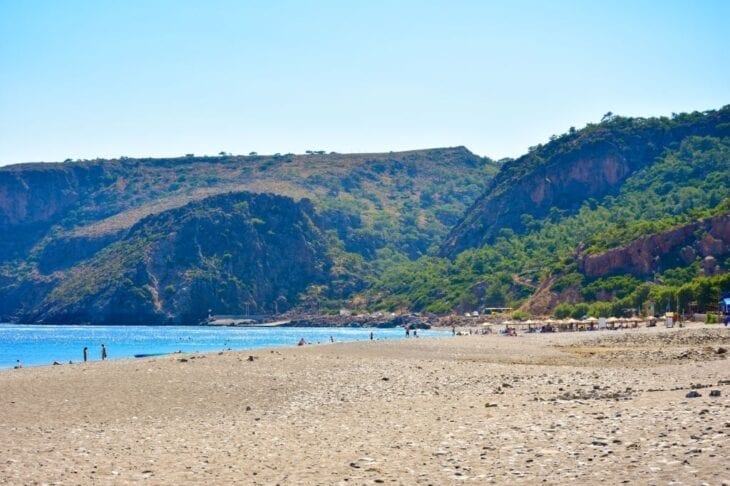
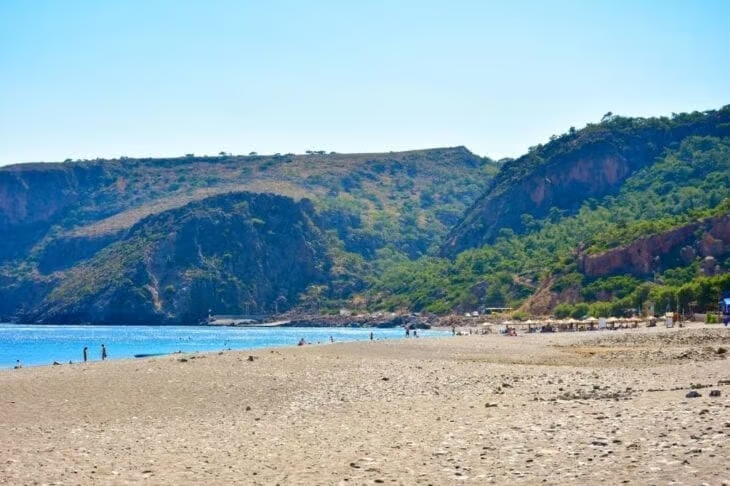
Paleochora is a small seaside settlement with several beaches; its Pachia Ammos is a popular Blue Flag beach, but explore a little and you may find a quieter pebble beach like Keratitis with no crowds. Sougia, although close, requires another gorgeous inland drive, as there is no continuous coastal road. Sougia sits at the mouth of the Agia Irini gorge – a popular 7 kilometers (4.35 miles) hike that ends right at the beach – with shade from tamarisk trees, wonderful waters, and casual tavernas. Because there is no road between Sougia and the Day 4 destination, return to your Chania base for the night.
Day 4 – Chora Sfakion, Loutro, and Agia Roumeli
The drive to Chora Sfakion on the south coast from Chania is a destination in itself, with some of Crete’s most thrilling scenery along the mountain pass and traditional villages dotting the mountainsides.
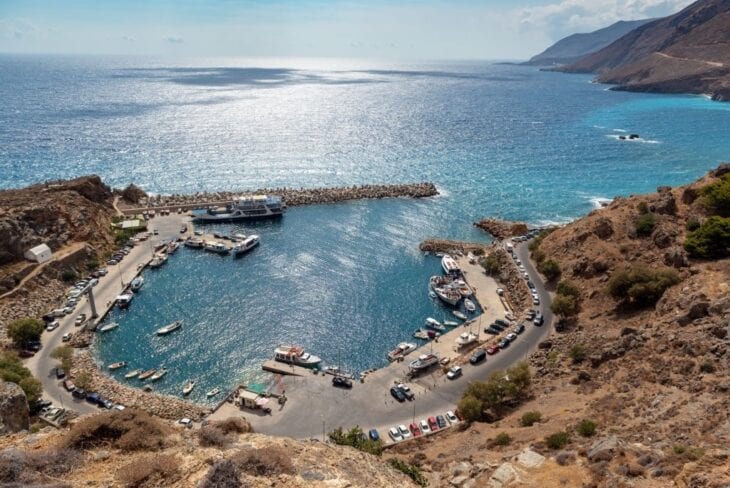
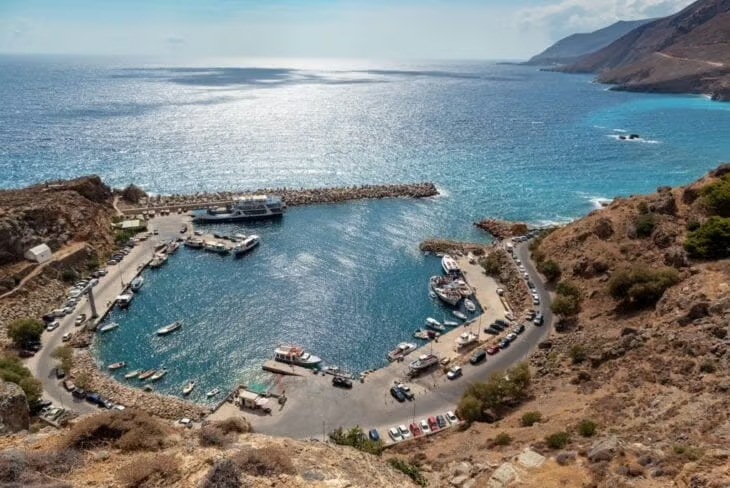
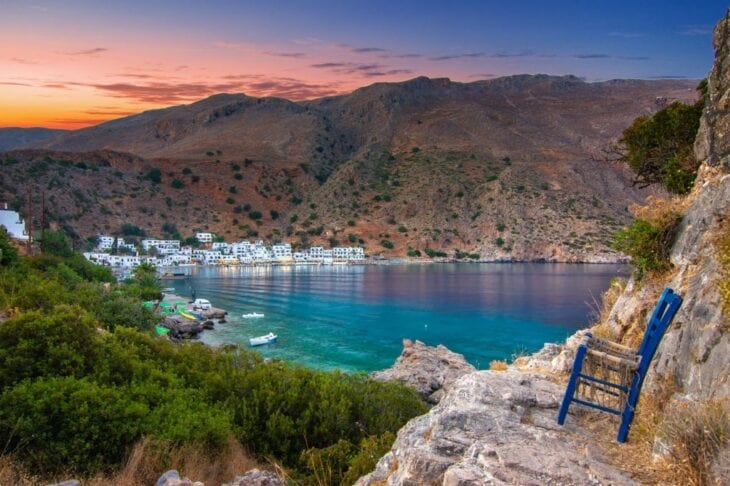
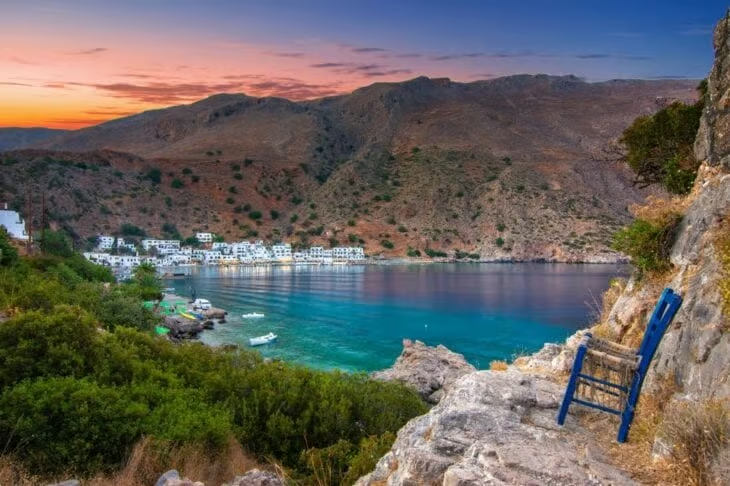
Chora Sfakion is a famous village, charming for a stroll, and the main ferry hub for this stretch of car-free coast. Leave your car here and hop on a boat to the enchanting little port of Loutro – reachable only by boat or on foot – a short ride away. Or stay on the boat to Agia Roumeli, the base of the famous Samaria Gorge (open May 1 – October 31). The most dramatic part of the gorge, the “Iron Gates,” is at the very end, so you can walk the final stretch up and then return for a refreshing swim. Check the seasonal ANENDYK ferry timetable in advance, as departures are limited and the last boat back fills quickly in summer.
Day 5 – Rethymno, Spili, and Preveli Beach
Rethymno anchors Days 5–6 of the road trip, positioning you within 45 minutes of Preveli Beach, 30 minutes of Spili village, and 25 minutes of Arkadi Monastery – all in a single day loop. Day 5 begins with the roughly 6 kilometers (37.28 miles) drive east from Chania to Rethymno (about 1 hour on the E75 coastal highway).
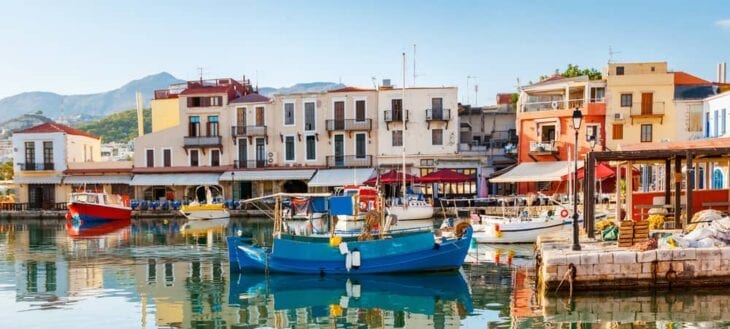
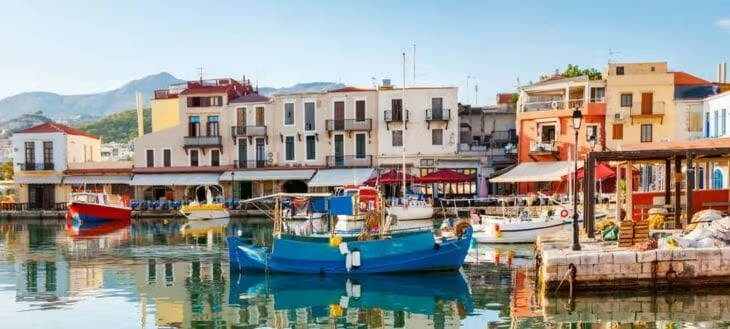
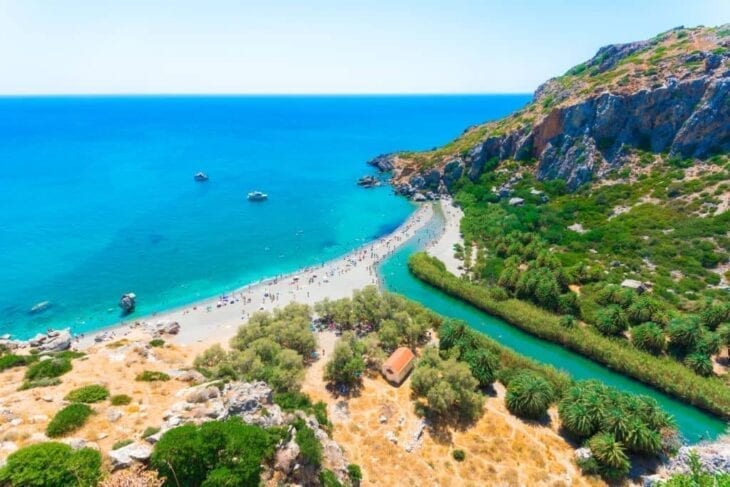
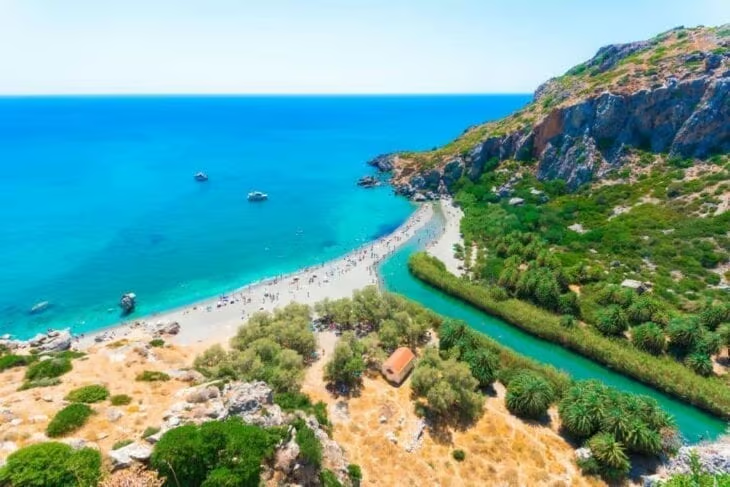
Spend the morning in the Venetian Old Town: the Rimondi Fountain (16th century), the hilltop Fortezza fortress, and the Neratze Mosque are all within a 10-minute walk of each other. After lunch, drive about 25 kilometers (15.53 miles) south to Spili (30 min), where the lion-head fountain in the main square provides cold mountain spring water, good for refilling bottles. Continue to Preveli – both a historic monastery and an amazing beach. Start at the monastery, then descend the flights of steps down the cliffs to the palm forest and river that meet the beach. Return to Rethymno for the night; time the Venetian fort for sunset if you can.
Day 6 – Arkadi Monastery, Margarites, and Bali Beach
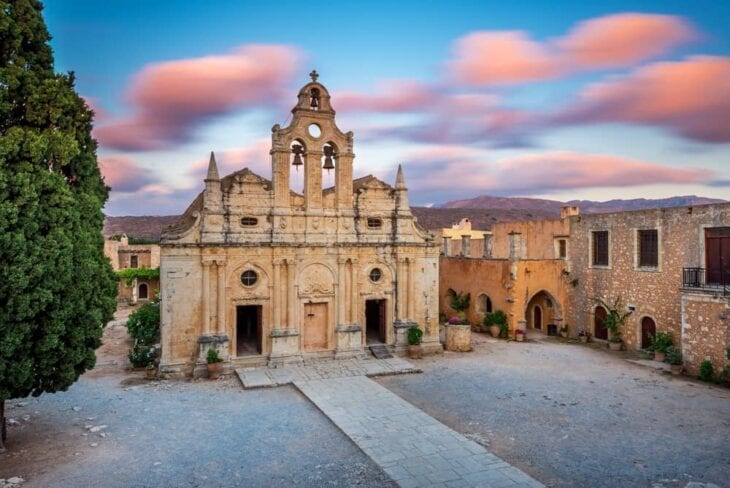
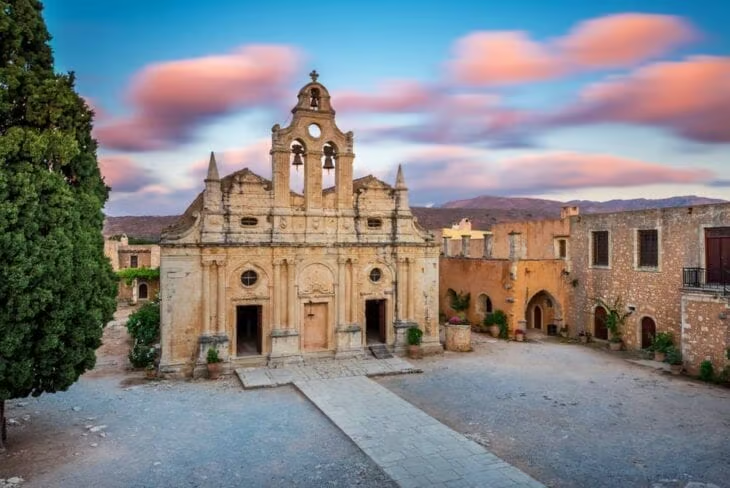
The Arkadi Monastery is one of the most famous on Crete, both for its beautiful Venetian-Baroque architecture and for its role in the 1866 uprising against the Ottomans, when defenders chose to detonate their own gunpowder store rather than surrender – an act that became a national symbol of Cretan resistance.
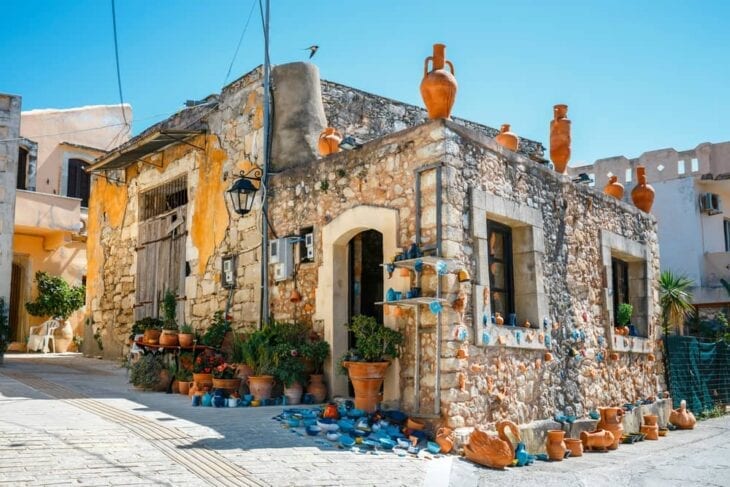
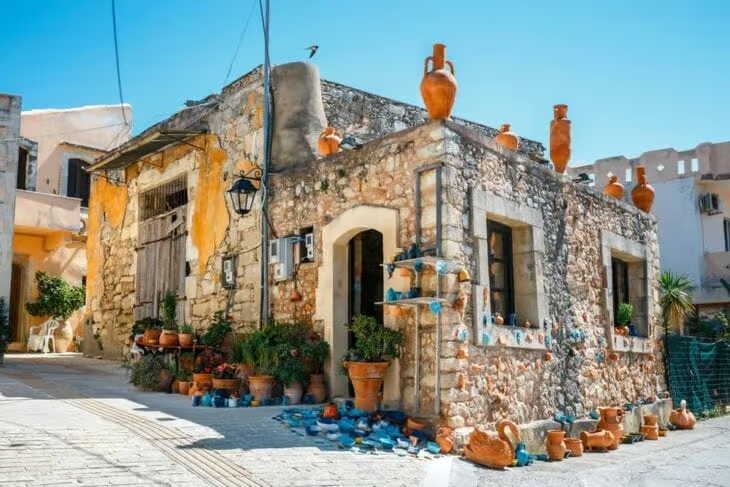
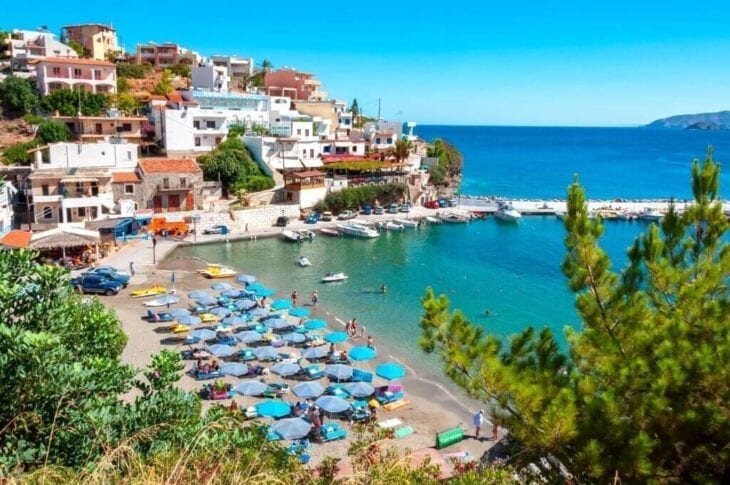
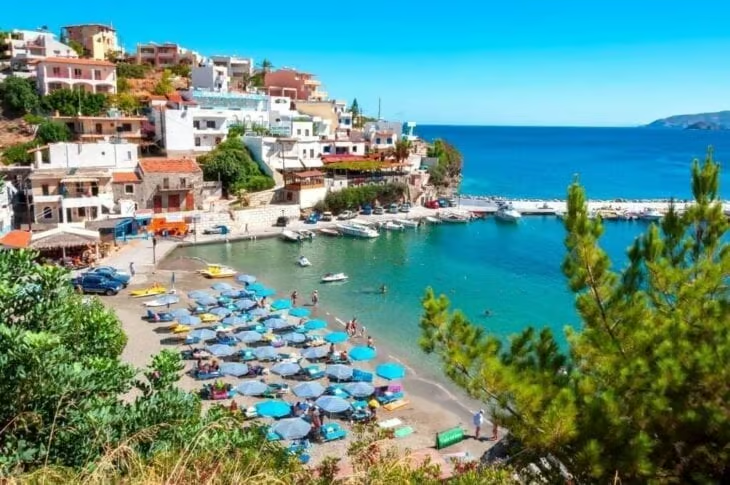
A lovely traditional village is nearby. Margarites has a centuries-old tradition of ceramics, with workshops specializing in superb craftsmanship in designs both modern and ancient – a good place to buy a hand-thrown souvenir directly from the maker. Rejoining the coastal road, you reach Bali, a series of five beaches in their own protected, eastward-facing bay, with a fishing village at their heart and calm, shallow water that is ideal for a relaxed afternoon swim.
Day 7 – Heraklion: Knossos, the Old Town, and the Archaeological Museum
The capital of Crete is a fantastic destination in itself and the perfect place to understand the island’s unique culture, from the Minoan peak to the elegance of Venetian rule.
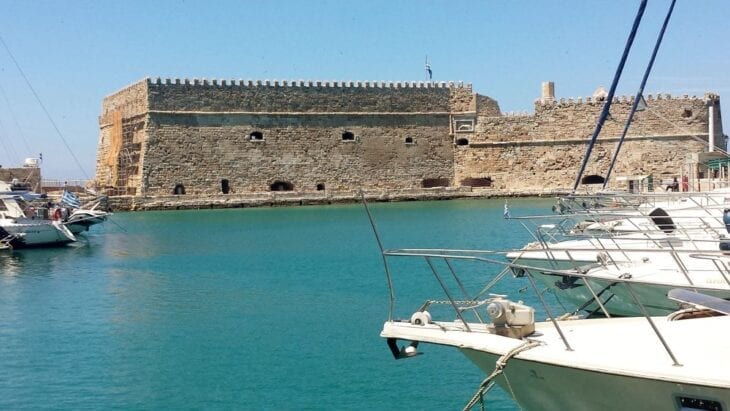
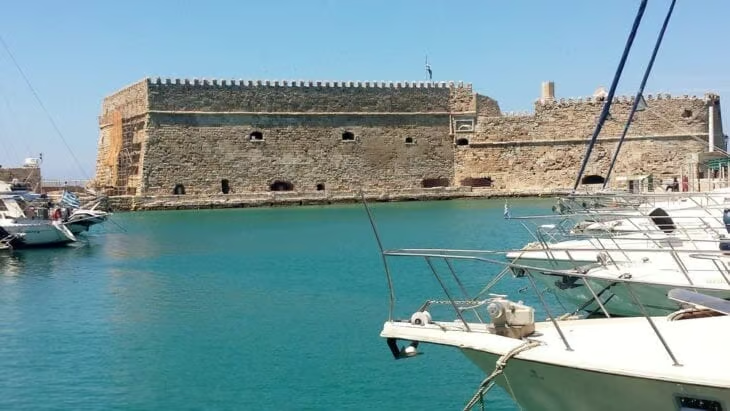
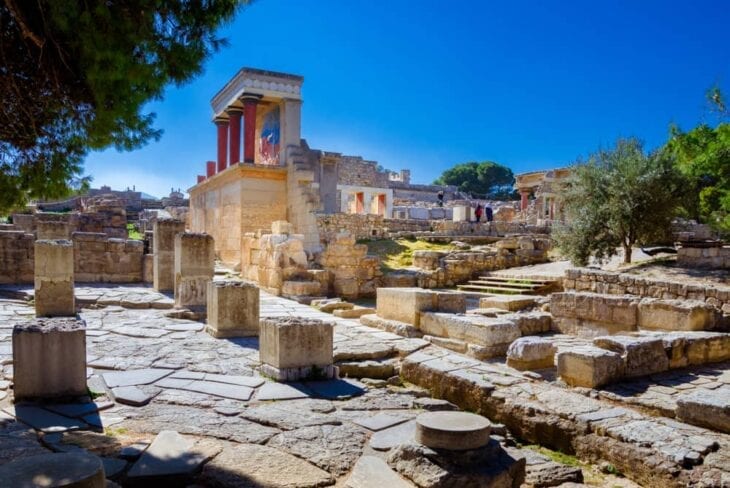
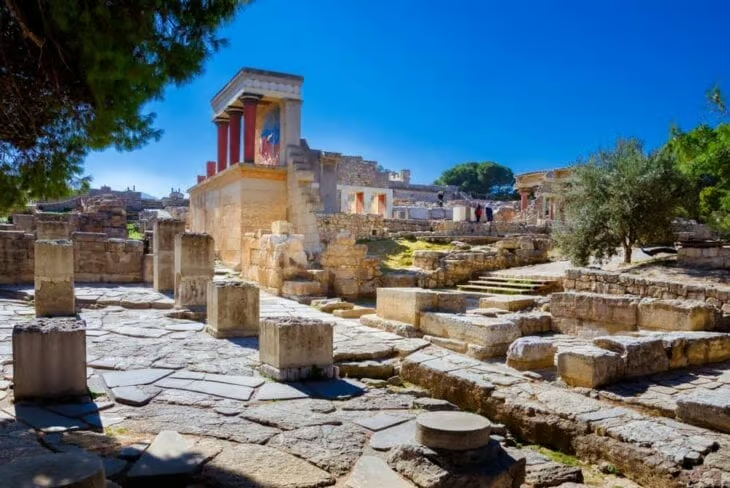
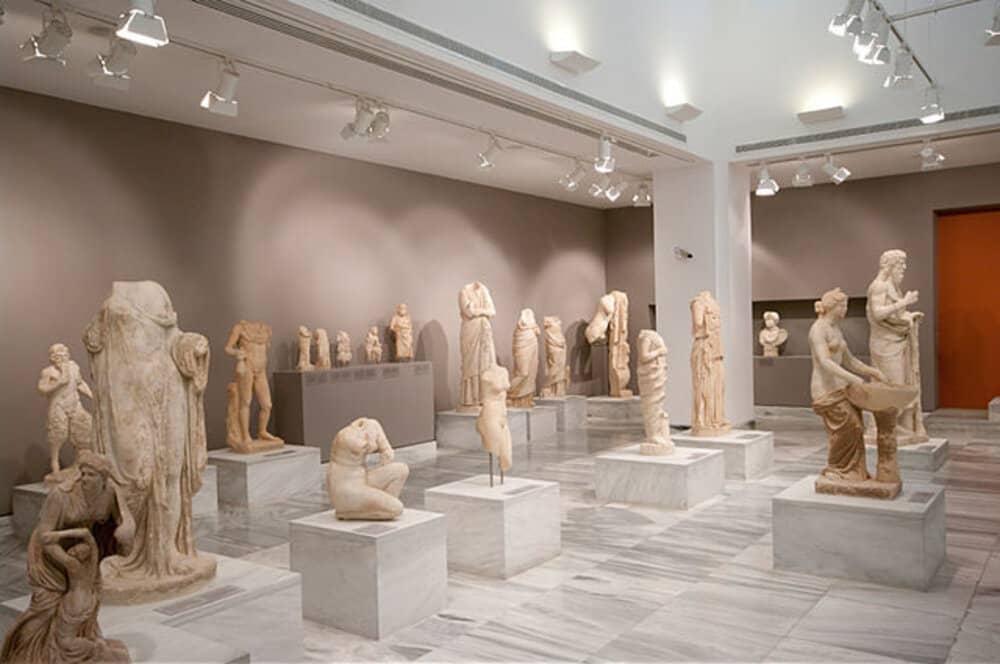
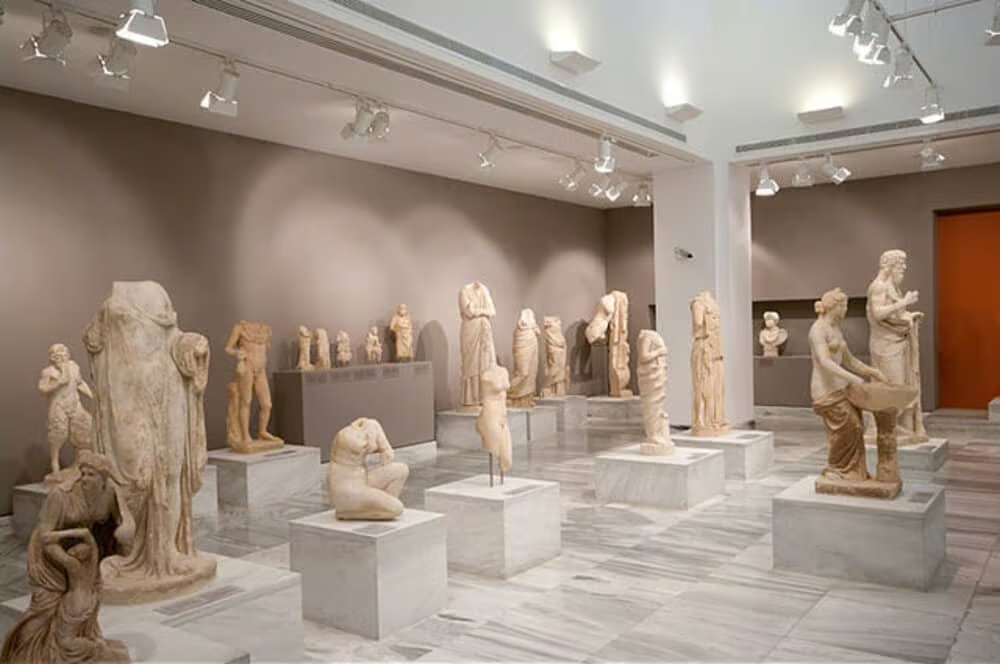
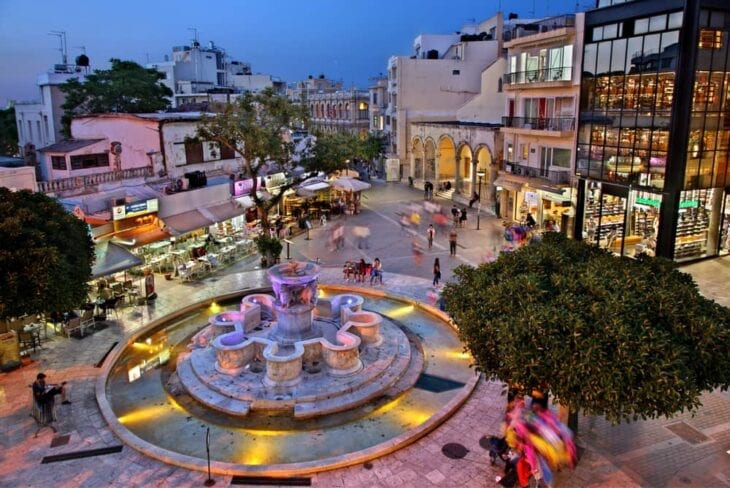
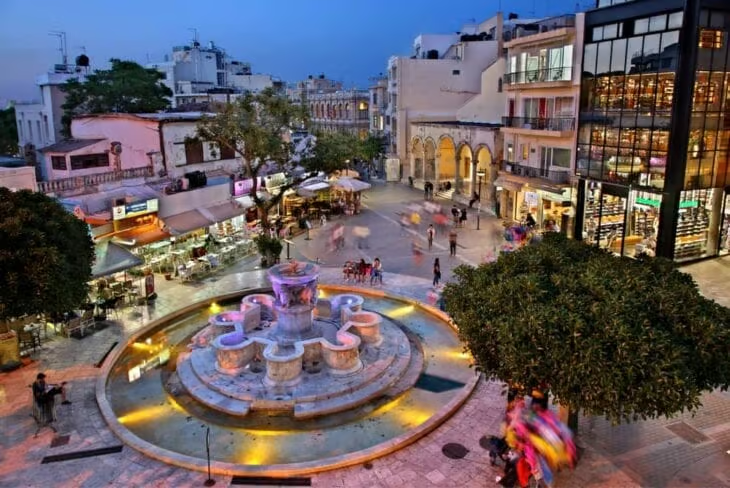
Just outside Heraklion is Knossos, the palace of the Minoans, an advanced Bronze-Age culture. The palace was restored by Sir Arthur Evans at the start of the 20th century and has a bold red palette and vivid reconstructions of wall paintings, where you can imagine Minoan life. Arrive early – Knossos is busiest midday – and consider a combined ticket with the museum. Afterward, the Archaeological Museum of Heraklion holds the original treasures unearthed in the excavations, including the famous frescoes and the Phaistos Disc. The Venetian heritage gives the city elegance: see it at the Rocca al Mare (Koules) fortress guarding the harbor, the Venetian Loggia, and the Morosini Lions Fountain.
Day 8 – Matala Beach and Agia Galini
After a day of culture, the beach calls – and this time it is one of the most famous in the world, thanks to a generation of flower children who lived in the carved caves in the cliffs here in the 1960s. Matala is just over an hour from Heraklion, with a beautiful drive. Get a taste of the hippie lifestyle on the sandy beach in its enclosed bay, with tamarisk trees for shade, a view of the tiny Paximadia islets, and tavernas serving a fresh catch.
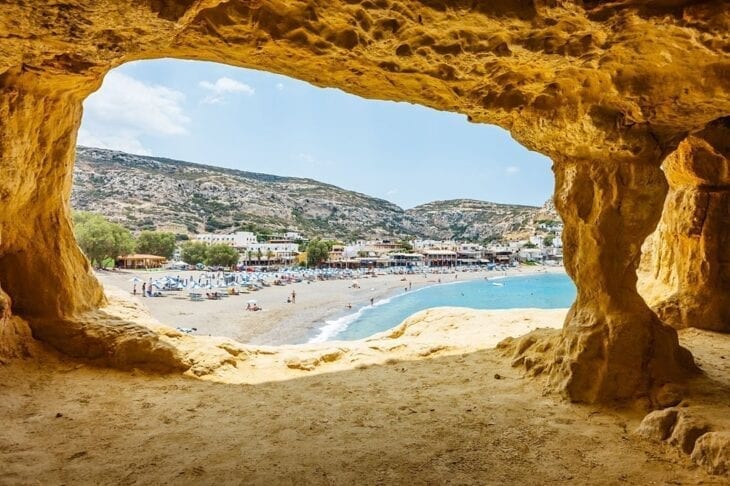
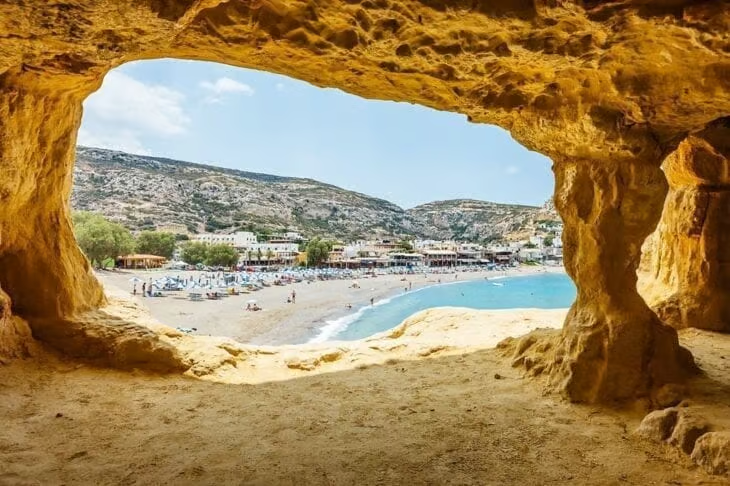
For a change of pace, head over to the popular resort town of Agia Galini – “Holy Tranquility” – once a traditional fishing village and still very charming, with good swimming and a lively little harbor of tavernas.
Day 9 – CretAquarium and the Heraklion Wine Route
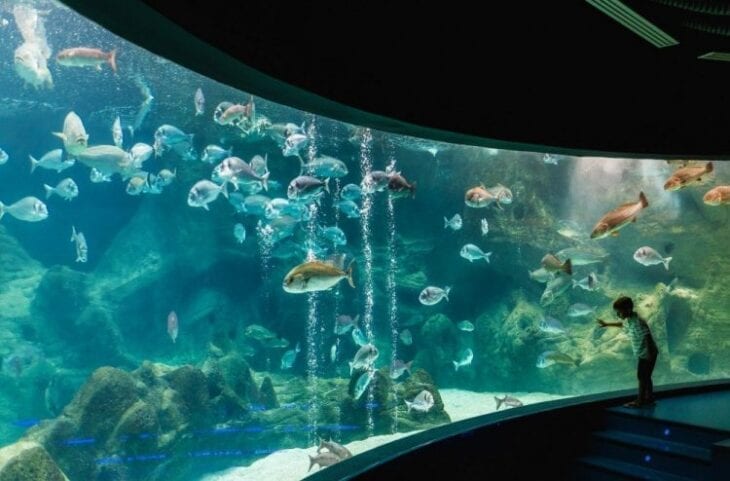
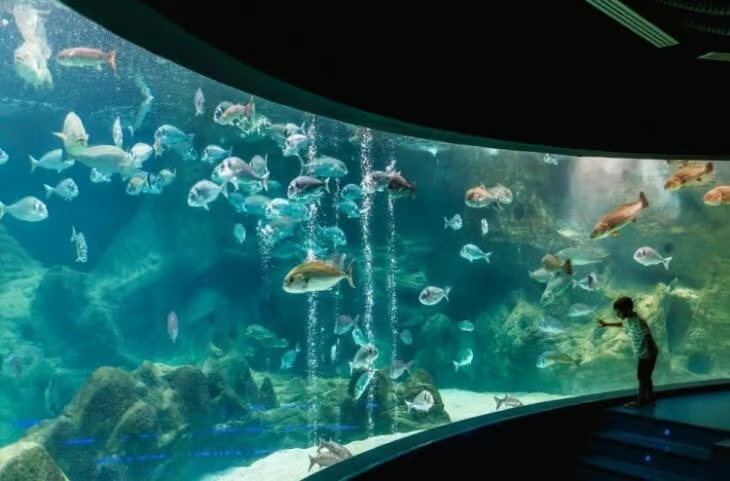
The CretAquarium at Gournes is a wonderful place to connect with the biodiversity of the Mediterranean – part traditional aquarium, part learning center, part research base – and it is enjoyable with or without children. For more family activities, follow it with a visit to Crete’s largest waterpark, Aqua Plus.
Alternatively, visit one or more of the excellent wineries around Heraklion, many of which specialize in ancient Cretan grape varieties for a true taste of history. Wineries worth booking ahead include Alexakis, Lyrarakis, Douloufakis, Diamantakis, and Paterianakis, as well as the Cretan outpost of Boutaris. Call or book online in advance, as the smaller estates require reservations for tastings and tours.
Day 10 – Agios Nikolaos and Mirabello Bay
Agios Nikolaos is enchanting – a port town with its own lake, Lake Voulismeni, set right in the center for a romantic harbor atmosphere. Visit the statue of Europa, for whom our continent is named, riding the giant bull that is Zeus, who abducted her and brought her to Crete.
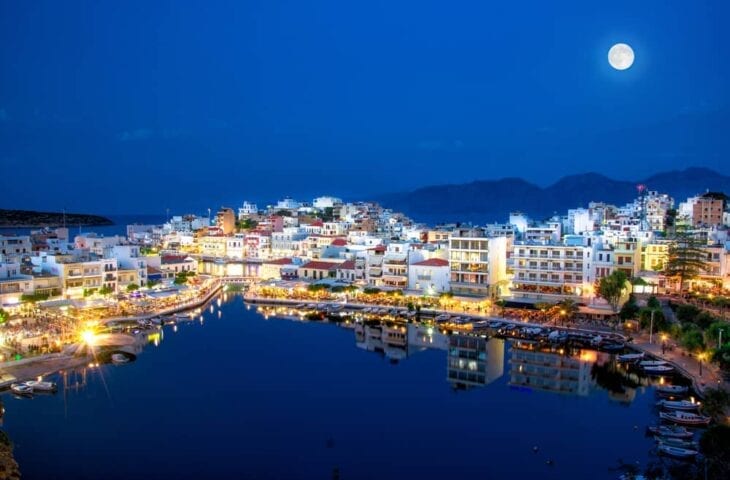
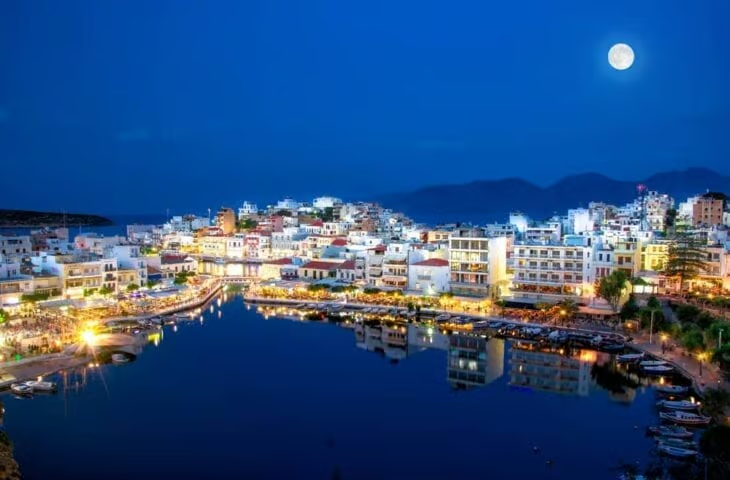
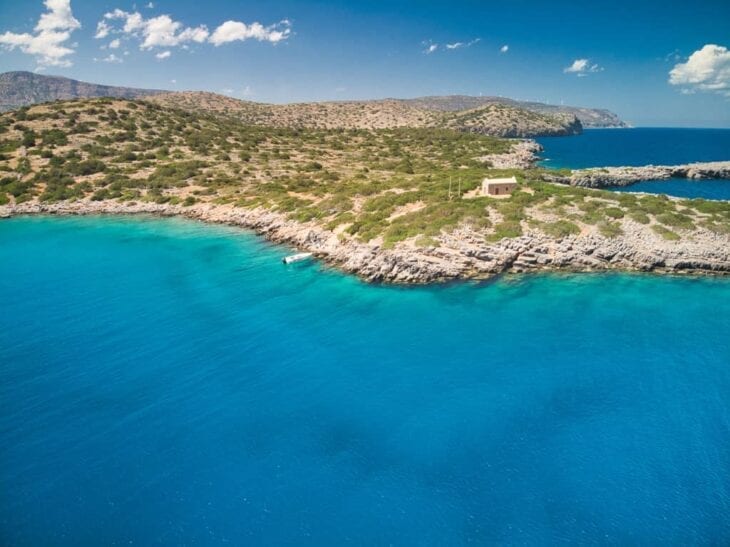
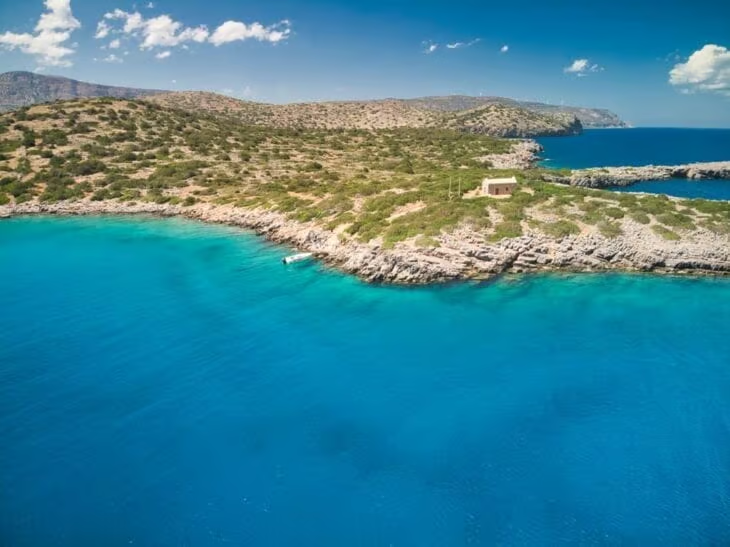
All around Mirabello Bay are fantastic beaches – Havania, Voulisma, Almyros, Kitroplatia – perfect for a beach-hopping day in famously beautiful waters. Most are full-service, with sunbeds, loungers, and water sports. In the evening, stroll the marina and the port, and pick the perfect taverna beside Lake Voulismeni for an evening meal.
Day 11 – Spinalonga Island and Elounda
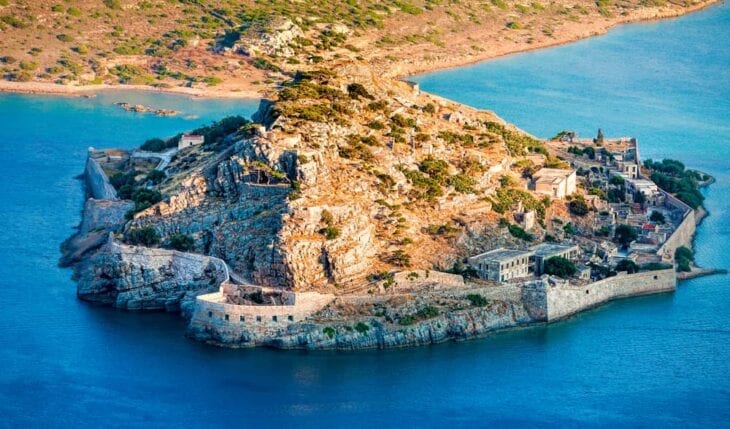
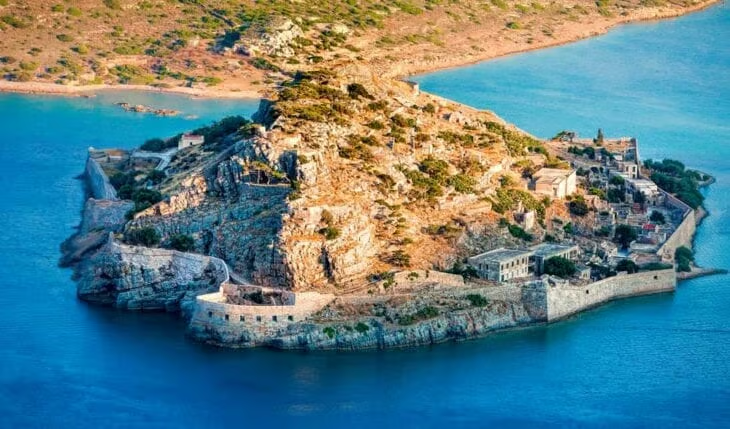
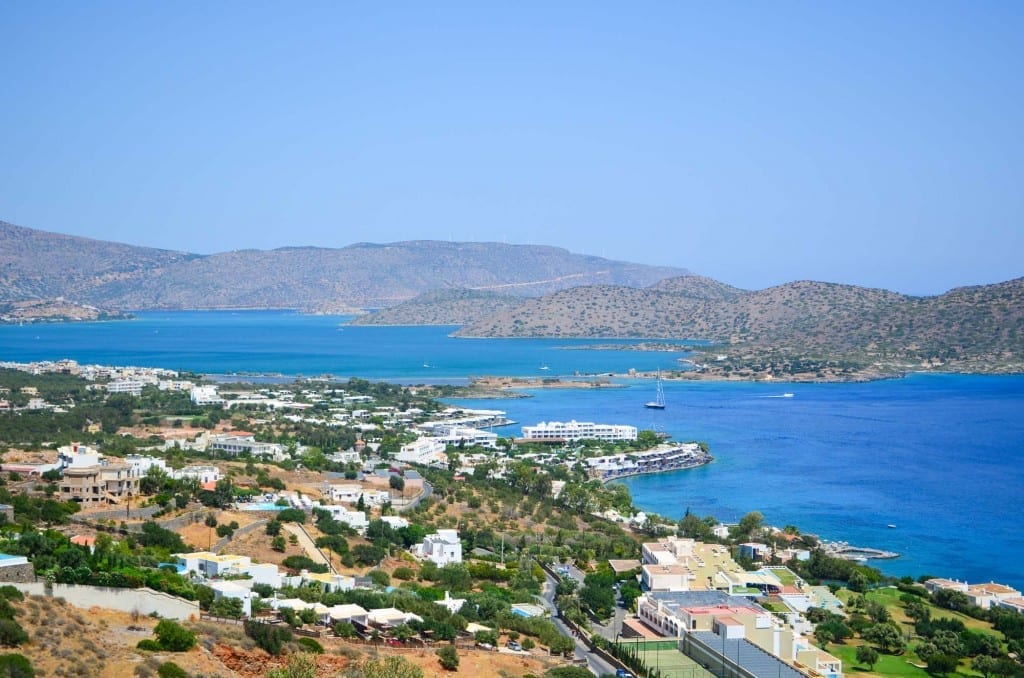
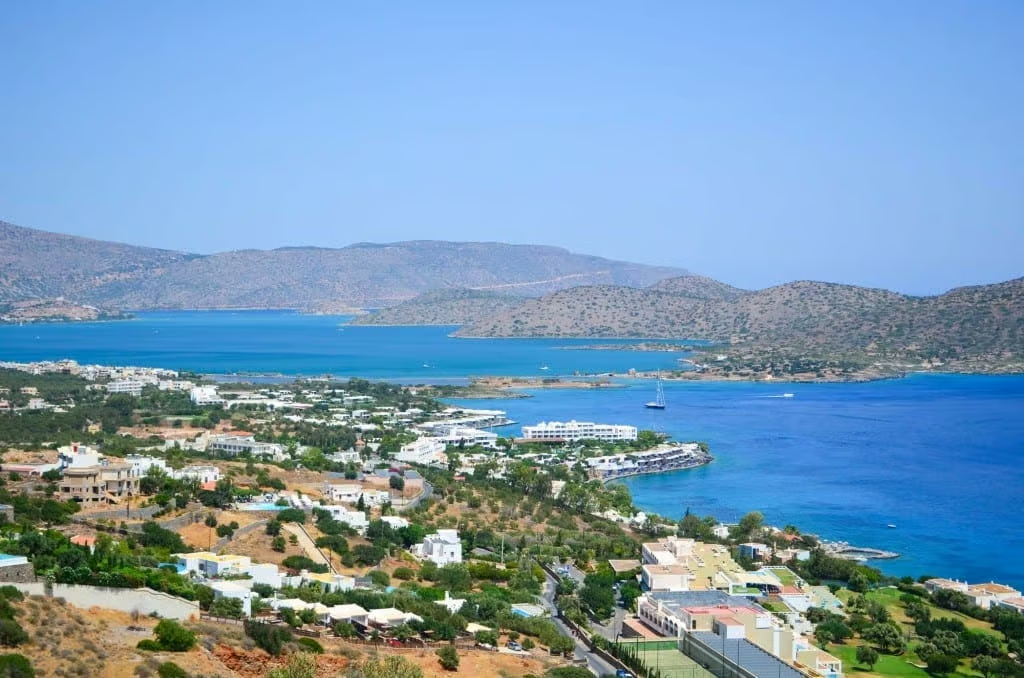
The Spinalonga’s Venetian and Ottoman fortifications – built to protect the lucrative salt trade from the pirates who once controlled these seas – survived centuries of siege, and today draw visitors as both a historical monument and the real-world setting for Victoria Hislop’s novel “The Island.” The Spinalonga second, more moving story is its time in the first half of the 20th century as a leper colony; a museum among the ruined buildings records this fascinating period. Boats depart regularly from Elounda, Plaka, and Agios Nikolaos – Plaka is the shortest crossing.
Elounda is one of the most famous beach resort destinations in the world. Come see what the fuss is about with an afternoon of swimming at Kolokitha, Skisma, and other nearby beaches.
Day 12 – Sitia, Vai Palm Forest, and Toplou Monastery
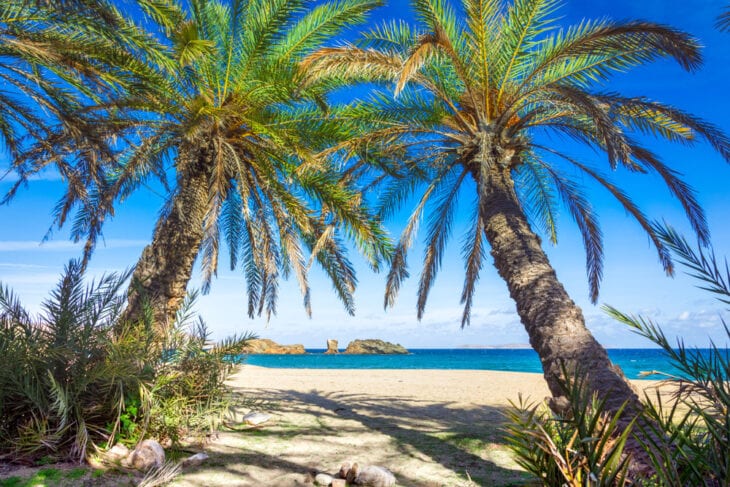
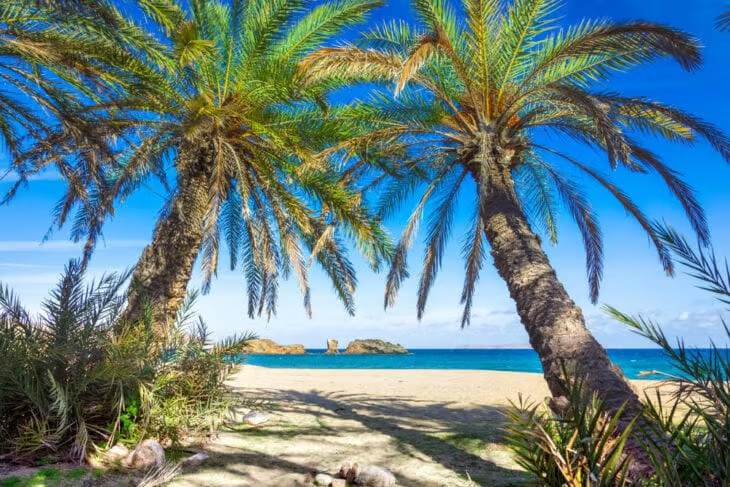
At the north eastern tip of Crete lies Europe’s largest natural palm forest – a paradise of native date palms behind a fantastic beach, now a protected region. It is worth the drive out to this remote, beautiful peninsula.
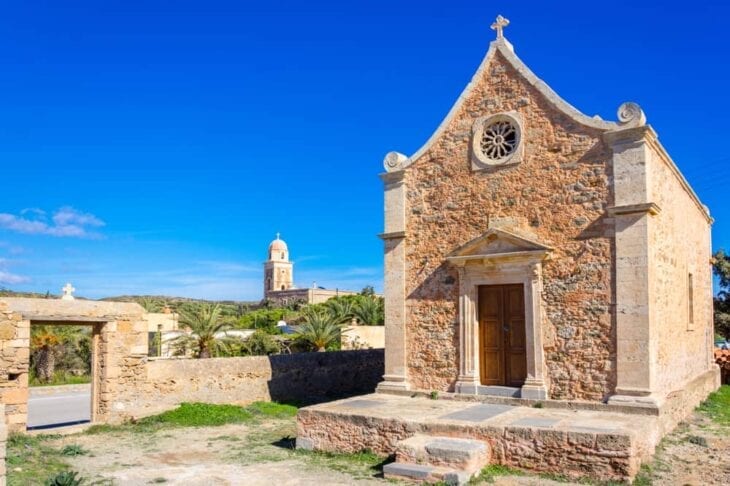
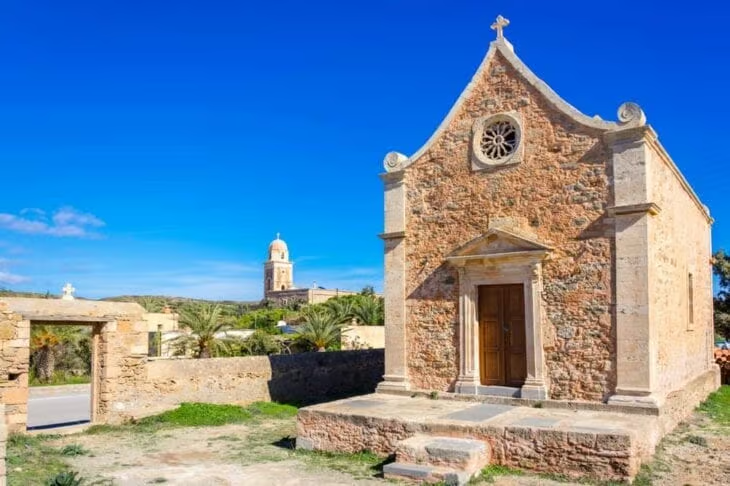
Also here is the 15th-century Toplou Monastery, which played an important role in Cretan history in both the Greek War of Independence of 1821 and during WWII, when it sheltered resistance fighters and a hidden radio transmitter – an act for which its abbot was executed. The monastery holds a splendid icon collection, a collection of portraits, and a winery producing PDO Cretan olive oil and wine you can buy on site.
Day 13 – The Valley of the Dead and the Palace of Kato Zakros
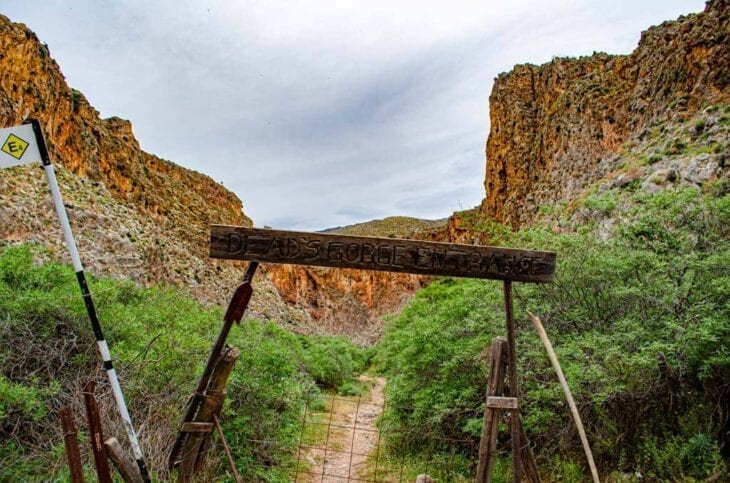
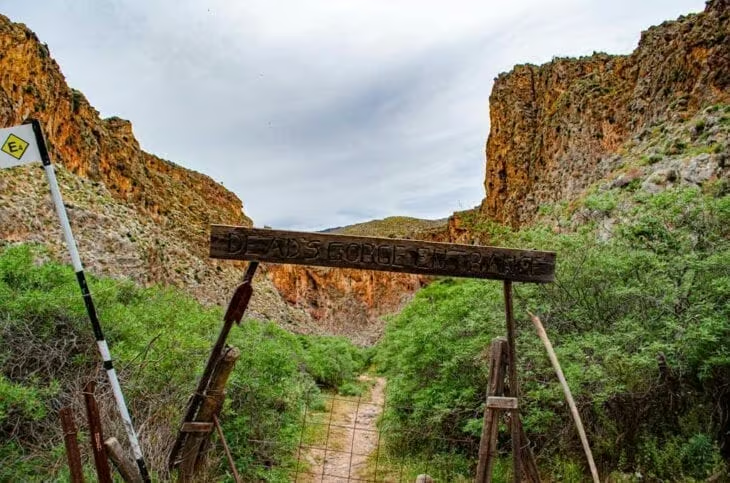
Hikers love the Sitia region, with its many gorges and a section of the European E4 path that runs through the Valley of the Dead. The valley takes its name from the Minoans of the palace of Zakros, who laid their dead to rest in caves high on the valley walls. Start at the top, or simply drive to Kato (lower) Zakros and enter from the end, walking as far as you wish.
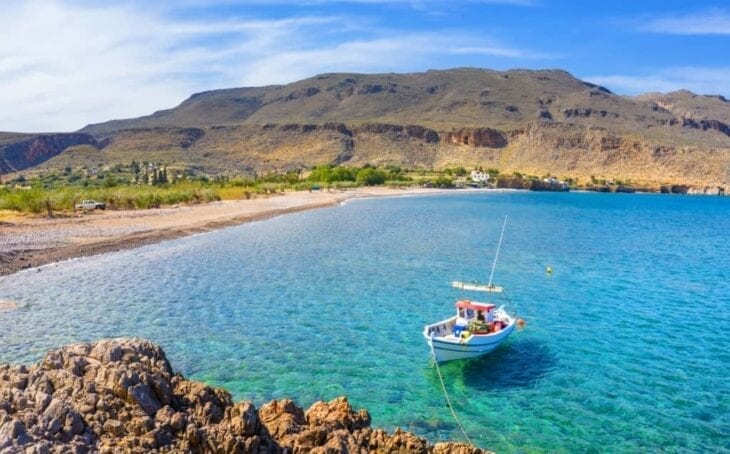
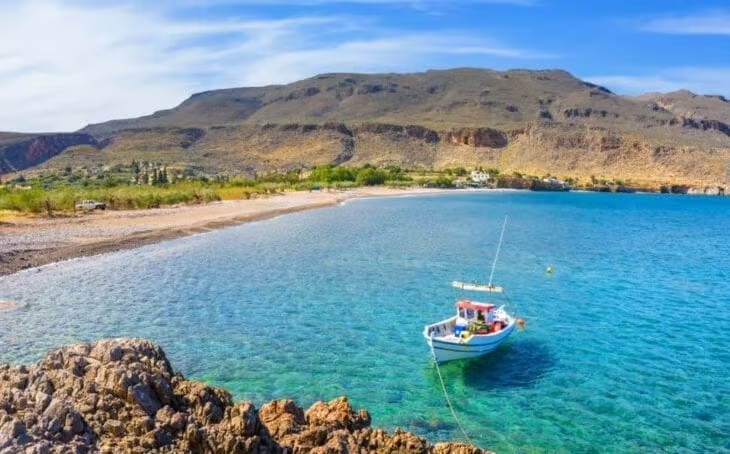
In Kato Zakros, at the mouth of the gorge, enjoy one of Crete’s most relaxing little settlements – a handful of authentic tavernas right by the beach. Here you can also visit the ruins of the Minoan Palace of Zakros, the fourth-largest Minoan palace and the only one not built over by a modern town, with its harbor structures still visible.
Day 14 – Ierapetra and Chryssi Island
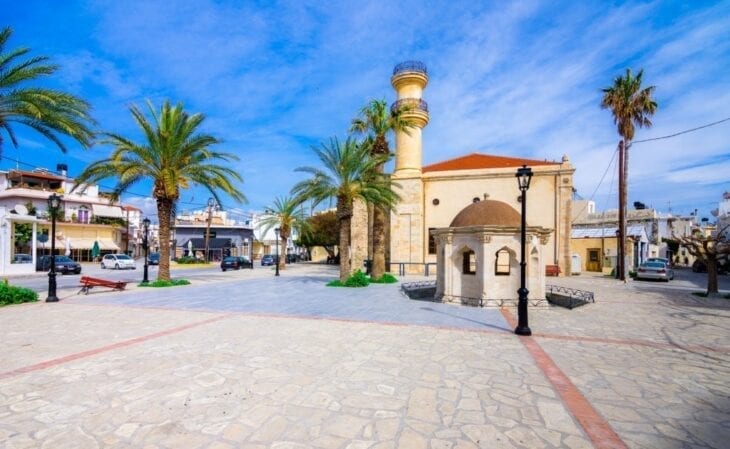
Ierapetra is the main town in the south of Lassithi and the southernmost town in Europe. The drive there runs through golden countryside and along stunning coastline. Ierapetra has sights worth a stroll, including the former Ottoman mosque with its fountain and the Venetian Fortress of Kales on the harbor.
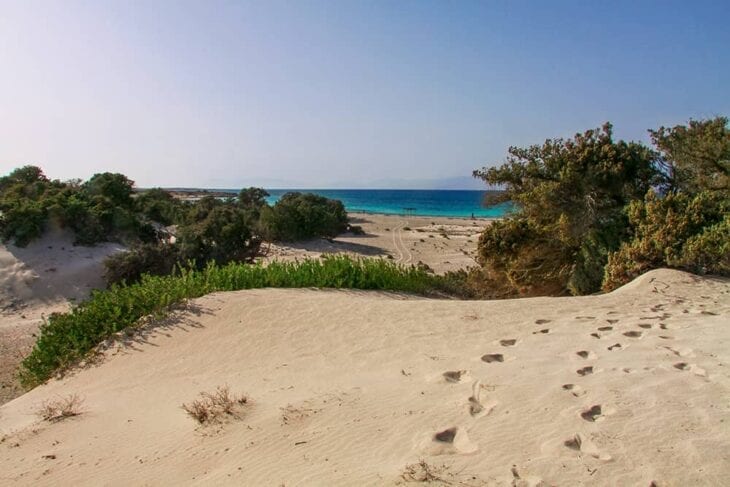
One of the very best things to do here is catch a boat to Chryssi Island, an uninhabited paradise covered with rare juniper trees, where the swimming is incredible in clear seas of turquoise and jade. Boats run mainly from late May to early October, so check the season before you plan this stop. Day 14 ends with the roughly 85 kilometers (52.82 miles) drive from Ierapetra to Heraklion International Airport (about 1 hour 15 minutes on the E90), completing the full counterclockwise circuit of Crete.
What to Eat on a Crete Road Trip
Cretan cuisine is distinct from mainland Greek food – built on olive oil, wild herbs, barley rusks, and slow-cooked meats – and every region on this route offers different local specialties.
- Dakos – barley rusk topped with crushed tomato, crumbled mizithra or feta, and olive oil; the definitive Cretan breakfast or light lunch.
- Kalitsounia – small cheese or herb pastries, baked or fried; found at every bakery along the route.
- Kleftiko – slow-roasted lamb in parchment paper, traditionally cooked in a clay oven; best in mountain villages like Spili and Argyroupoli.
- Raki (tsikoudia) – the Cretan spirit distilled from grape marc, offered free with the bill at most traditional tavernas; honey raki is the most approachable variety for newcomers.
- Cretan olive oil – PDO-certified and used in virtually every dish; take a bottle home from the Toplou or Agia Triada monastery shops, where they produce their own.
Where to Stay on a 14-Day Crete Road Trip
The 14-day route divides into four natural base camps, so you unpack only a few times across two weeks: Chania (Days 1–4), Rethymno (Days 5–6), Heraklion (Days 7–9), and the east around Agios Nikolaos and Sitia (Days 10–14). Each base offers everything from budget studios and family-run guesthouses to luxury resorts – Chania’s Old Town for boutique Venetian charm, Elounda for high-end resorts, and the Sitia area for quiet, authentic stays. Book the shoulder-season dates early, as the best-value Old Town rooms sell out first.
Frequently Asked Questions
How long does it take to drive all the way around Crete?
The full counterclockwise circuit in this itinerary is roughly 9 kilometers (559.23 miles). Driven straight through it would take around 12–14 hours, but spread over 14 days it averages only 60–90 minutes of driving per day, leaving the rest of each day for beaches and sights.
Is it easy to drive in Crete?
Yes. Roads are well-maintained, signage is in both Greek and Latin script, traffic is light outside Heraklion, and a standard rental car handles about 95% of this route. The main thing to respect is the mountain roads to the south coast, which are narrow and winding – drive them slowly and add extra time.
What is the best time of year for a Crete road trip?
May to early June and mid-September to October are ideal: warm but not extreme (22–27°C), open beaches and sites, and far fewer crowds than July–August. The Samaria Gorge is open only May 1 – October 31.
A road trip lets you experience the beauty of Crete by car, and with two weeks none of the drives are long – including the one that takes you home. We hope you enjoy this in-depth experience of all that Crete has to offer.